目的 分析影响脑深部电刺激(DBS)术治疗原发性帕金森病(PD)患者疗效的因素.方法 采用自身对照方法,收集40例以丘脑底核为靶标的DBS术治疗PD患者的运动功能、生活质量和临床相关资料进行回顾性分析,应用运动量表和神经心理量表对患者进行术后评估,对可能的疗效影响因素进行相关性分析.结果 术后1年刺激器开机未服药(DBS-ON/MED-OFF)状态下的运动评分(UPDRS Ⅲ)与术前药物关期(MED-OFF)比较,运动功能总分和震颤、强直、少动、PIGD分项得分均显著下降(P<0.05),术后生活质量(PDQ-39)较术前明显提升(P<0.05).其中,合并快眼动期睡眠行为障碍(RBD)患者与无RBD患者的症状比较,术后PDQ-39得分更高;4个主要非运动症状、PD病程、术前PDQ-39和自主神经功能评分均与术后PDQ-39评分相关(P<0.05);女性和术前MMSE得分与术后PDQ-39变化值具有相关性(P<0.05).结论 DBS治疗可整体改善PD患者运动功能;但PDQ-39改善受非运动症状尤其是RBD、性别和病程的影响;基于生活质量的DBS疗效评价应更多关注RBD等因素的影响.
Objective: Our study examined whether levodopa challenge test (LCT) results could predict quality of life (QoL) outcomes after surgery to implant subthalamic nucleus deep brain stimulation (STN-DBS) electrodes to treat advanced Parkinson's disease (PD). Methods: Forty patients with STN-DBS underwent a follow-up 1 year after implantation surgery to analyze the correlation between preoperative levodopa impact test results and postoperative Unified Parkinson's Disease Rating Scale (UPDRS) III motor score, postoperative PD Questionnaire-39 (PDQ-39) score, and PDQ-39 improvement. Results: Improvements in QoL were associated with several preoperative characteristics including preoperative UPDRS-III tremor, UPDRS-III tremor (off-60) (p = 0.049), UPDRS-III tremor (off-120) (p = 0.012), Mini-Mental State Examination (p = 0.012), and PDQ-39 (p = 0.012) before surgery. Multiple linear regression model using preoperative MMSE [odds ratio (OR) = 0.342, 95% confidence interval (CI) = 0.051-2.297], preoperative UPDRS-III tremor (OR = 2.099, 95% CI = 0.585-7.535), UPDRS-III tremor (off-60) [OR = 1.316, 95% CI = 0.804-2.154, UPDRS-III tremor (off-120) OR = 0.913, 95% CI = 0.691-1.207], correctly classified 88.5% of patients. Conclusion: Levodopa challenge test results cannot predict the effect of DBS. However, the test can be incorporated into a regression prediction model to the quality of life of PD patients after DBS with other preoperative factors.
 Wang Yu-Hai合作论文数2Likun Yang (杨理坤)合作论文数2WANG Dan (王丹)合作论文数1Dan Wang合作论文数1JiRong Dong (董吉荣)合作论文数1YingQun Tao (陶英群)合作论文数1
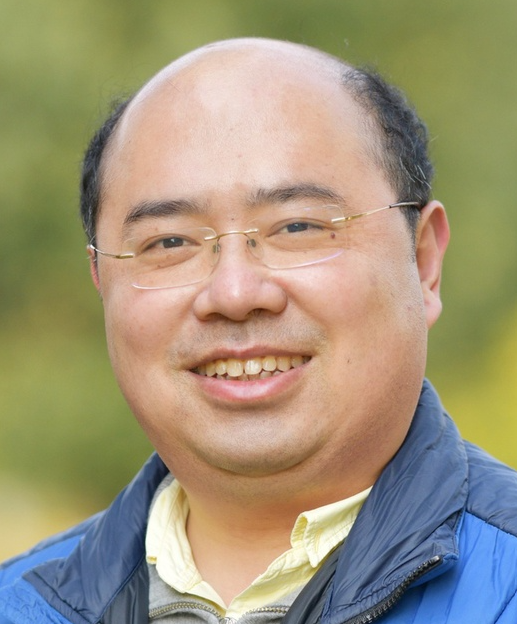 Wei Lin (林伟)合作论文数School of Forensic Medicine and Science, Fudan University;Shanghai Center for Mathematical Sciences, School of Mathematical Sciences, Fudan University1
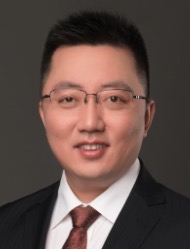 Lingjing Jin (靳令经)合作论文数Tongji University School of Medicine;Shanghai Yangzhi Rehabilitation Hospital1Liqin Lang (郎黎琴)合作论文数1




