BACKGROUND:Bacterial and viral infections are commonly implicated in the development of pneumonia. We aimed to compare the diversity and composition of lung bacteria among severe pneumonia patients who were influenza virus positive (IFVP) and influenza virus negative (IFVN).METHODS:Bronchoalveolar lavage fluid specimens were procured from patients diagnosed with severe pneumonia to investigate the microbiome utilizing 16S-rDNA sequencing. The alpha diversity of the microbiome was evaluated employing Chao1, Shannon, and Simpson indexes, while the beta diversity was assessed using principal component analysis and principal coordinate analysis. Linear discriminant analysis effect size (LEfSe) was employed to determine the taxonomic differences between the IFVP and IFVN groups.RESULTS:A total of 84 patients with 42 in the IFVP group and 42 in the IFVN group were enrolled. Slightly higher indexes of Shannon and Simpson were observed in the IFVP group without statistically significant difference. The dominant bacterial genera were Streptococcus, Klebsiella, Escherichia-Shigella in the IFVN group and Acinetobacter, Streptococcus, Staphylococcus in the IFVP group. Streptococcus pneumoniae and Acinetobacter baumannii were the most abundant species in the IFVN and IFVP groups, respectively. LEfSe analysis indicated a greater abundance of Klebsiella in the IFVN group.CONCLUSIONS:Individuals with severe pneumonia infected with IFV exhibit heightened susceptibility to certain bacteria, especially Acinetobacter baumannii, and the underlying mechanism of the interaction between IFV and Acinetobacter baumannii in the progression of pneumonia needs further investigation.
重症治疗过程中,应用苦寒抗生素及清热解毒中药、输注大量寒凉液体,以及病房低温环境、持续给予寒凉肠内营养液、过用物理降温等,均可损伤患者阳气,尤易伤其中焦脾阳,加之重症监护室以老年患者居多,其本身常存在脾肾阳气虚衰状况。因此,固护阳气在重症疾病治疗中不可忽视。临床可以益气健脾温阳法作为重症患者固护阳气的基本治法,将之应用于脓毒性休克、急性呼吸窘迫综合征、低T3综合征、获得性衰弱等重症并发症的治疗,可取得较好疗效。
目的 观察附子理中汤干预广谱抗生素在治疗脓毒症时药物性肠道肠道菌群失调、抗生素相关腹泻(ADD)等的临床疗效.方法 80例脓毒症且使用广谱抗生素药物的患者随机分为两组,对照组按脓毒症3.0常规治疗,治疗组在对照组基础上联合附子理中汤口服,疗程均为7d.记录第0、3、5、7天患者粪便杆球比变化趋势,治疗前后腹泻、二重感染发生率、急性胃肠损伤分级(AGI)、急性生理与慢性健康状况(APACHEⅡ)评分、序贯器官衰竭(SOFA)评分.结果 治疗后两组杆球比值、腹泻率、艰难梭状芽孢杆菌检测阳性率相当(P>0.05),治疗组在第7天粪便杆球比值小于2.33,对照组在第5天粪便杆球比值小于2.33.治疗后两组AGI分级、APACHEⅡ评分差异有统计学意义(P<0.05).两组治疗后SOFA评分相当(P>0.05).结论 附子理中汤具有辅助降低广谱抗生素治疗脓毒症时药物所致肠道菌群失调、ADD发生风险的作用,可能具有保护胃肠受损的临床疗效.
OBJECTIVES:The aim of this study was to explore, whether treatment with bloodletting at Shaoshang and Shangyang acupuncture points would affect therapy outcome and prognosis for severe community-acquired pneumonia (SCAP) in the elderly.METHODS:A total of 62 patients, who met the diagnostic criteria for SCAP, were enrolled in the study and randomly divided into two groups, i.e., treatment group (n = 31) and control group (n = 31). All patients received a therapy according to the Chinese Clinical Practice and Expert Consensus of Emergency Severe Pneumonia from 2016. In addition to that, a bloodletting at Shaoshang (LU11) and Shangyang (LI1) acupuncture points was applied for the treatment group. This intervention was repeated for three times (ones daily), bloodletting a volume of 2-3 ml at each time point. Differences in a main index of clinical efficacy, body temperature (T), respiratory rate (RR), heart rate (Hr), white blood cell count (WBC), neutrophil percentage (N%), and C-reactive protein level (CRP) as well as different scores (CURB-65 score, SOFA score, and Apache II score) were compared between groups. Moreover, the 28-day mortality was compared between treatment and control group. The statistical methods involved in carrying out the current study include t-test, Wilcoxon test, and chi-square test.RESULTS:The clinical effective rate of the treatment group was 82.9%, which was significantly higher than the 17.1% in the control group (P < 0.05). After finishing the intervention, the treatment group showed significantly lower T (37.28 ± 0.54 vs. 37.82 ± 0.81), RR (20.06 ± 2.67 vs. 23.71 ± 6.85), Hr (81.71 ± 10.38 vs. 93.84 ± 15.39), CUBR-65 score (2.16 ± 0.74 vs. 3.03 ± 0.98), and SOFA score (5.84 ± 3.83 vs. 8.16 ± 4.2) compared to the control group (P < 0.05). The 28-day mortality rate of the treatment group was significantly lower than in the control group (12.9% vs. 45.2%, P = 0.05).CONCLUSIONS:Bloodletting at Shaoshang and Shangyang acupuncture points can support improving the clinical treatment efficacy for SCAP and reduce the 28-day mortality rate in the elderly.
目的 分析该院重症监护病房(ICU)耐碳青霉烯类肠杆菌科细菌(CRE)的检出情况和耐药性,以期能够合理使用抗菌药物,更好地预防和治疗CRE感染.方法 收集2015-2019年该院ICU检出的肠杆菌科细菌,使用全自动微生物测定仪及纸片扩散法对菌株进行培养、鉴定、药敏试验,分析CRE的检出情况,统计2015-2019年主要CRE的检出率,比较各类型标本中CRE的检出情况,统计主要CRE对常用抗菌药物的耐药率.结果 共分离肠杆菌科细菌393株,其中CRE菌株为83株(21.1%),主要是肺炎克雷伯菌(54.2%)、大肠埃希菌(18.0%)和产气肠杆菌(12.0%)等菌株,主要来自痰液(57.8%)、尿液(27.7%)、静脉血(8.4%)和腹腔引流液(3.6%)等标本;检出的CRE中,肺炎克雷伯菌、大肠埃希菌和产气肠杆菌检出率总体呈现逐年递增趋势,尤其是肺炎克雷伯菌在2019年高达47.2%;CRE对所有常用抗菌药物的耐药率均>60%,特别是对β-内酰胺类和喹诺酮类的耐药率高达100.0%.结论 2015-2019年该院CRE主要为肺炎克雷伯菌、大肠埃希菌和产气肠杆菌等,检出率总体呈逐年递增趋势,对临床常用抗菌药物的耐药性较高,特别是对β-内酰胺类和喹诺酮类抗菌药物全耐药.
目的 探讨参黄灌肠方汤剂保留灌肠治疗脓毒症气虚腑实型急性胃肠损伤的有效性.方法 采用随机数字表法将符合纳入排除标准的140例脓毒症气虚腑实型急性胃肠损伤患者分为2组,每组各70例.治疗组给予基础治疗联合参黄灌肠方保留灌肠,对照组给予基础治疗加甘油灌肠剂保留灌肠,每日1次,每次保留灌肠120 min,疗程均为6 d.观察记录治疗前1天、治疗第3天、停药第1天、停药第4天,患者急性胃肠损伤分级、腹围、急性生理学及慢性健康状况评分系统Ⅱ评分(APACHEⅡ评分)、肠鸣音变化情况.结果 治疗组急性胃肠损伤分级下降趋势在治疗第3天(P<0.05)以及停药第1和第4天(P<0.01)都明显优于对照组,肠鸣音在各观察时间段都较对照组好转(P<0.05).结论 参黄灌肠方在降低脓毒症气虚腑实型急性胃肠损伤分级方面具有辅助治疗作用.
目的:探讨ICU鲍曼不动杆菌感染的临床现状及耐药性变迁.方法:对2014年1月至2017年12月北京中医药大学东直门医院东区重症监护室(ICU)住院的158例鲍曼不动杆菌感染患者的临床资料,包括逐年分离率、菌株来源、预后及耐药情况等进行回顾性分析.结果:ICU鲍曼不动杆菌感染率为12.2%,死亡率19.6%,菌株分离率呈逐年下降趋势,菌株来源以呼吸道痰液为主,是引起ICU患者肺部感染特别是呼吸机相关性肺炎的主要条件致病菌.鲍曼不动杆菌耐药菌株占65.2%,多种广谱抗生素耐药率呈逐年上升趋势.鲍曼不动杆菌感染患者死亡组较存活组年龄大、ICU入住时间短、机械通气率高,但无统计学意义,使用多种抗生素和菌株耐药方面差异有统计学意义.结论:我院ICU成立时间短,鲍曼不动杆菌感染率高,分离率呈下降趋势,耐药率逐年升高,有效治疗药物较少,使用多种抗生素和菌株耐药是鲍曼不动杆菌感染患者死亡的危险因素.临床上应增强感染控制理念,阻断鲍曼不动杆菌的传播途径,加强抗菌药物临床管理,以期减少鲍曼不动杆菌的感染和传播.
目的 观察关格方辅助治疗脓毒症急性肾损伤患者的疗效.方法 选取脓毒症急性肾损伤患者60例,采用随机数字表法分为试验组30例和对照组30例.对照组根据《中国严重脓毒症/脓毒性休克治疗指南(2014)》行常规治疗.试验组在此基础上加用关格方(生大黄、桂枝、生牡蛎、地榆炭、蒲公英).直肠点滴,每日1次,100 mL/次,连续3 d.在治疗前、治疗结束后第1天、治疗结束后第4天分别观察2组24 h尿量、血肌酐、尿素氮、丙氨酸氨基转移酶、白细胞、C反应蛋白.结果 治疗后2组患者各指标均较治疗前有改善,试验组较对照组在降低患者血肌酐、尿素氮,增加24 h尿量,降低C反应蛋白方面具有优势,差异有统计学意义(P<0.05).结论 关格方辅助治疗能够降低脓毒症急性肾损伤患者的血肌酐、尿素氮,增加24 h尿量,改善肾功能.
目的 观察ICU早期低磷血症的发生率及对医院生存率的影响.方法 2017年1—12月ICU患者,记录24 h内血磷水平、APACHEⅡ评分.将所有患者分为轻、中、重度低血磷症组和正常血磷组.观察早期低磷血发生率、各组间医院生存率.比较生存、死亡组血磷水平、APACHEⅡ评分.结果 105例患者,低血磷43例,正常62例,低血磷发生率40.95%,轻度低血磷18例、中度21例、重度4例.低血磷组医院生存率较正常组低,血磷水平越低医院生存率越低.低血磷组APACHEⅡ评分较正常组高,APACHEⅡ评分与血磷水平呈显著负相关,血磷水平越低APACHEⅡ评分越高.105例患者生存55例,死亡50例,生存组的中位数血磷水平为0.960 mmol/L,死亡组的中位数血磷水平0.675 mmol/L,生存组较死亡组血磷水平高.结论 重症患者早期易发生低血磷,血磷水平是重症患者预后指标之一.
Objective To discuss the influence factors of renal function recovery in sepsis-related acute kidney injury patients.Methods To analysis the sex, age, source, primary infection site, improving global outcomes ( KDIGO) stand-ard, acute physiology and chronic health evaluation-Ⅱ ( APACHE-Ⅱ) score in first 24 hours admitted to hospital, me-chanical ventilation, oliguria or anuria, organ functional failure, renal replacement therapy( RRT) , and renal function re-covery of 193 sepsis-related acute kidney injury patients during the hospital.Results Totally 193 cases, the recovery group of 110 cases, and non-recovery group of 83 cases.According to comparison of variables between the two groups, that age, KDIGO standard, APACHE-Ⅱscore, mechanical ventilation, oliguria, number of organ dysfunction and RRT were statistically significant ( P<0.05).Logistic regression analysis model showed that older, higher KDIGO standard, A-PACHEⅡscore, more the number of organ failure, mechanical ventilation, oliguria were the independent risk factors( OR=7.676, 14.404, 11.542, 6.137, 18.235, 10.333, all P<0.05), while the RRT was the recovery factors of renal function (OR=0.217,P<0.05).Conclusions Renal function recovery is related with many factors, such as the age, KDIGO standard, APACHE-Ⅱscore, number of organ dysfunction, mechanical ventilation, oliguria and RRT of sepsis-re-lated AKI patients.
急性肾损伤(AKI)是一临床常见综合征,是终末期肾病的一个重要危险因素[1],是影响和决定重症患者预后的关键因素之一[2-4].本文对AKI临床流行病学特点及相关生物标志物的研究现状作一综述. 1 AKI的流行病学特点 1.1 AKI发病率及病死率关于ICU内AKI流行病学的研究,一般都采用RIFLE分类标准或AKIN标准[3].由于选择评定的标准、基础肌酐值的获得、研究时段、研究终点、各个医院ICU入住患者的不同而导致AKI的发生率和结局不同.近年研究[5]结果显示,ICU内AKI发病率为10.8% ~ 67.0%,远高于医院内住院患者(0.4% ~20.0%).
 Nan Kou (寇男)合作论文数8
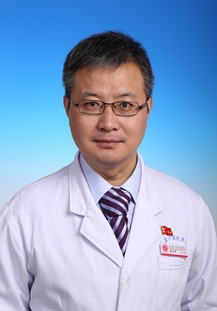 Yangping Cai (蔡阳平)合作论文数Dongzhimen Hospital, Beijing University of Chinese Medicine7
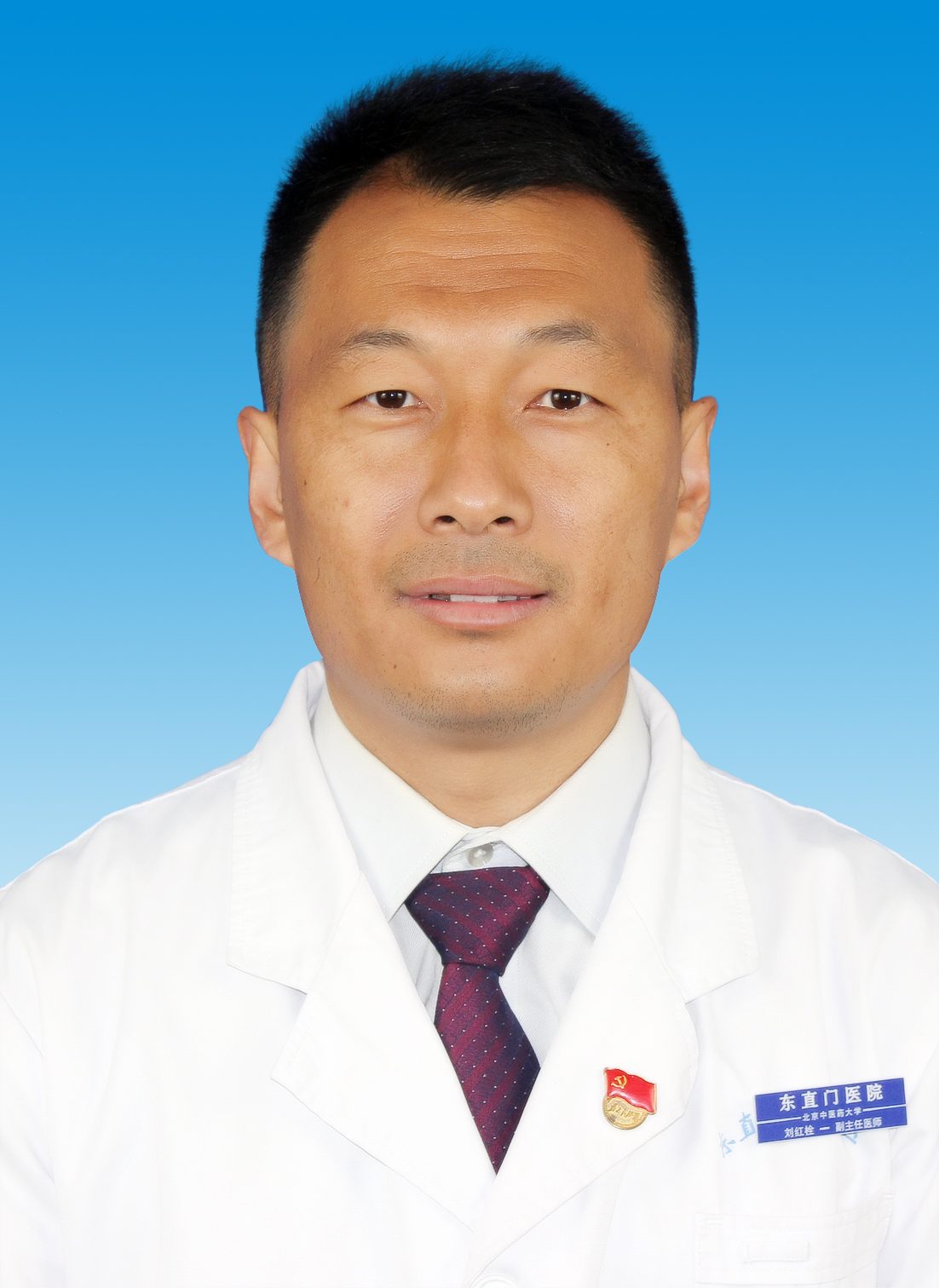 Hongshuan Liu (刘红栓)合作论文数Dongzhimen Hospital, Beijing University of Chinese Medicine7Shuo LI (李硕)合作论文数6
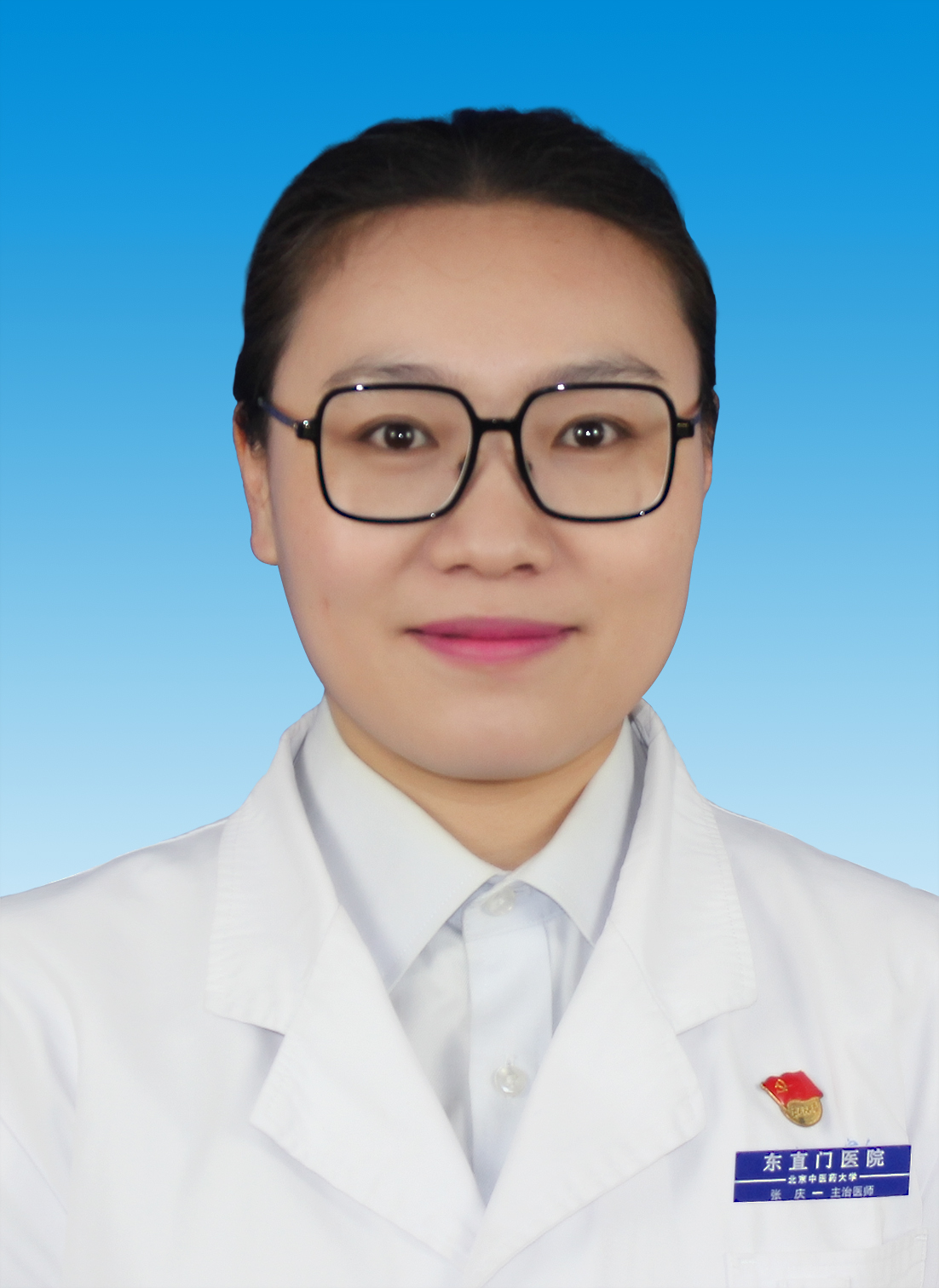 Qing Zhang (张庆)合作论文数Dongzhimen Hospital, Beijing University of Chinese Medicine6
 Meili Duan (段美丽)合作论文数Beijing Friendship Hospital, Capital Medical University2
 Lan Wang (王兰)合作论文数Dongzhimen Hospital, Beijing University of Chinese Medicine2Tingfa Zhou合作论文数1Quan-Rong Zhu合作论文数1Ming-Zhu Xie合作论文数1Wei Li合作论文数1Linyi Chen合作论文数1Zhe Yang合作论文数1Yiguo Zhou合作论文数Sch Publ Hlth Shenzhen, Sun Yat sen Univ1Shuo Li合作论文数1YueFeng Fu (付跃峰)合作论文数1Pei Liu (刘培)合作论文数1
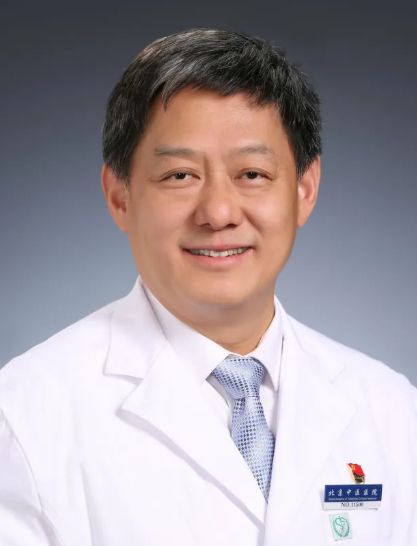 Qingquan Liu (刘清泉)合作论文数Beijing Hospital of Traditional Chinese Medicine, Capital Medical University1
 Juan Du (杜娟)合作论文数Changhai Hospital of Shanghai1
 Qingbin Lu (卢庆彬)合作论文数School of Public Health, Peking University1
 Lanjun Kou (寇兰俊)合作论文数Dongzhimen Hospital, Beijing University of Chinese Medicine1
 Yaqiong Liu (刘雅琼)合作论文数School of Public Health, Health Science Center, Peking University1
 Chengxiang Wang (王成祥)合作论文数Third Affiliated Hospital, Beijing University of Chinese Medicine1




