目的:基于我国三大文献数据库报道的胃复安不良反应的文献分析,从中寻找规律,提出预防策略,为保证临床安全用药提供参考。方法:检索2005年10月至2020年9月在中国知网、维普资讯网和万方数据库收录的"胃复安"、"不良反应"、"中毒"相关文献;从文献中筛选符合本研究设定条件的患者,提取相关信息进行统计分析。结果:共获得相关文献929篇,根据纳入标准与排除标准,最终筛选出符合本研究统计标准的文献56篇,共74个病例。与其他年龄组相比较,>18~60岁年龄组发生率最高( P<0.05);根据使用胃复安的原因分析,感染性疾病用药发生率最高,其次为肿瘤放化疗(均 P<0.05);82.43%的不良反应发生在药典规定的胃复安剂量下,发生时间以用药后3 h内为多数(95.95%);主要不良反应为锥体外系功能紊乱、交感系统功能障碍和精神意识障碍(均 P<0.05)。 结论:胃复安不良反应虽然主要出现在成人组,但各年龄组均可发生,以口服给药多见,正常剂量下同样可以发生;临床症状以锥体外系功能紊乱、交感系统功能障碍和精神意识障碍为主,多数不良反应发生在用药后3 h以内。因此,临床用药时要充分考虑该药物的不良反应规律,密切关注用药后的情况,确保临床安全用药。
Objective To investigate and analyze the status of oral medical institutions and staff in Changsha-Zhuzhou-Xiangtan city group so as to provide the oretical basis for the government policy making and distributing medical institutions and staff. Methods Questionnaires were itemized filled with relevant data, and database was established by EpiData 3.02 software and statistical analyzed with Excel software. Results By the December 30, 2012, the number of oral medical institutions in Changsha-Zhuzhou-Xiangtan city group was 338, and 67.8% in Changsha, 18.3% in Zhuzhou, and only 13.9%in Xiangtan. The public medical institutions accounted for 25.7%(87), private ones reached 74.3%(251). Among three cities, the proportion of institutions was highest in dental clinics, the followed by department of stomatology of general hospitals, and the lowest was stomatological hospital. The total professional staff was 1 207, including 74.73%doctors (902), 21.54%nurses (260), and 3.73%technicians and other personnel (45), there was 0.66 dentists per million population. The educational status of professional staff was 50% in college and more, and high school or non academic staff up to 50%. The middle and primary technical staff accounted for the vast majority, and 55.54% in Changsha, 61.07% in Zhuzhou, 61.54% in Xiangtan. The academic degree of doctors in Changsha was 16.85% for master or doctoral degree, 37.08%undergraduate and 33.87%college, there was still 12.20%below college degree. The academic degree of doctors in Zhuzhou and Xiangtan, college degree as the main body, were respectively 45.64% and 40.77%. The number of dental chair in three cites was 1 141, and 66% of the dental chairs was in Changsha. Distribution of 312 beds of oral and maxillofacial surgery was mostly in department of stomatology in general hospital in Changsha. Conclusions (1) There are large difference in oral medical service personnel and population ratio between Changsha-Zhuzhou-Xiangtan city group and WHO standards. (2) Oral medical institutions dominated by private dental clinics. (3) As to the academic degree in oral practicing physicians, undergraduate degree as the main body in Changsha, oral medical staff with college degree are mostly in Zhuzhou and Xiangtan. The primary professional and technical personnel account for the vast majority. (4) Dental clinics, dental chairs, beds and oral medical staff are mainly distributed in Changsha. Changsha-Zhuzhou-Xiangtan area as political, economic and cultural center in Hunan, should strengthen to promote the total quality of oral personnel staff and service resource.
In accordance to patients' demands, 3D printing and the corresponding computer aided Medical simulation technology can be used to rapidly fabricate biomedical materials which are suitable for individualized demands of different patients. Besides, using theses technologies can precisely control the microstructure of the materials to repair the damaged tissues or organs accurately, perform stimulative operations through the aids of computer software, improve the therapeutic methods and enhance the medical quality. Thus, these emerging technologies possess unique superiority in the application of the biomedical fields, especially in the development of biomedical materials and the biological tissue engineering technology. The literatures of recent advances in the application of 3D printing technology in Oral and Maxillofacial were reviewed to summarize the dynamic and progress.
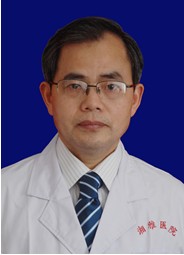 Junhui Huang (黄俊辉)合作论文数中南大学湘雅医院肿瘤科2
 Zhong-Su Zhou合作论文数1lijuan chen (陈丽娟)合作论文数1Qiong GUO (郭琼)合作论文数1Changyu Yan (鄢昌渝)合作论文数1XiaoYi Yao (姚晓艺)合作论文数1JieQing Tang (唐杰清)合作论文数1GuoYing Que (阙国鹰)合作论文数1Juan Xiao (肖娟)合作论文数1
 Kai Zhang (张凯)合作论文数School of Metallurgy and Environment, Central South University1Zhigang Yao (姚志刚)合作论文数Hunan Xiangya Stomatological Hospital, Central South University1
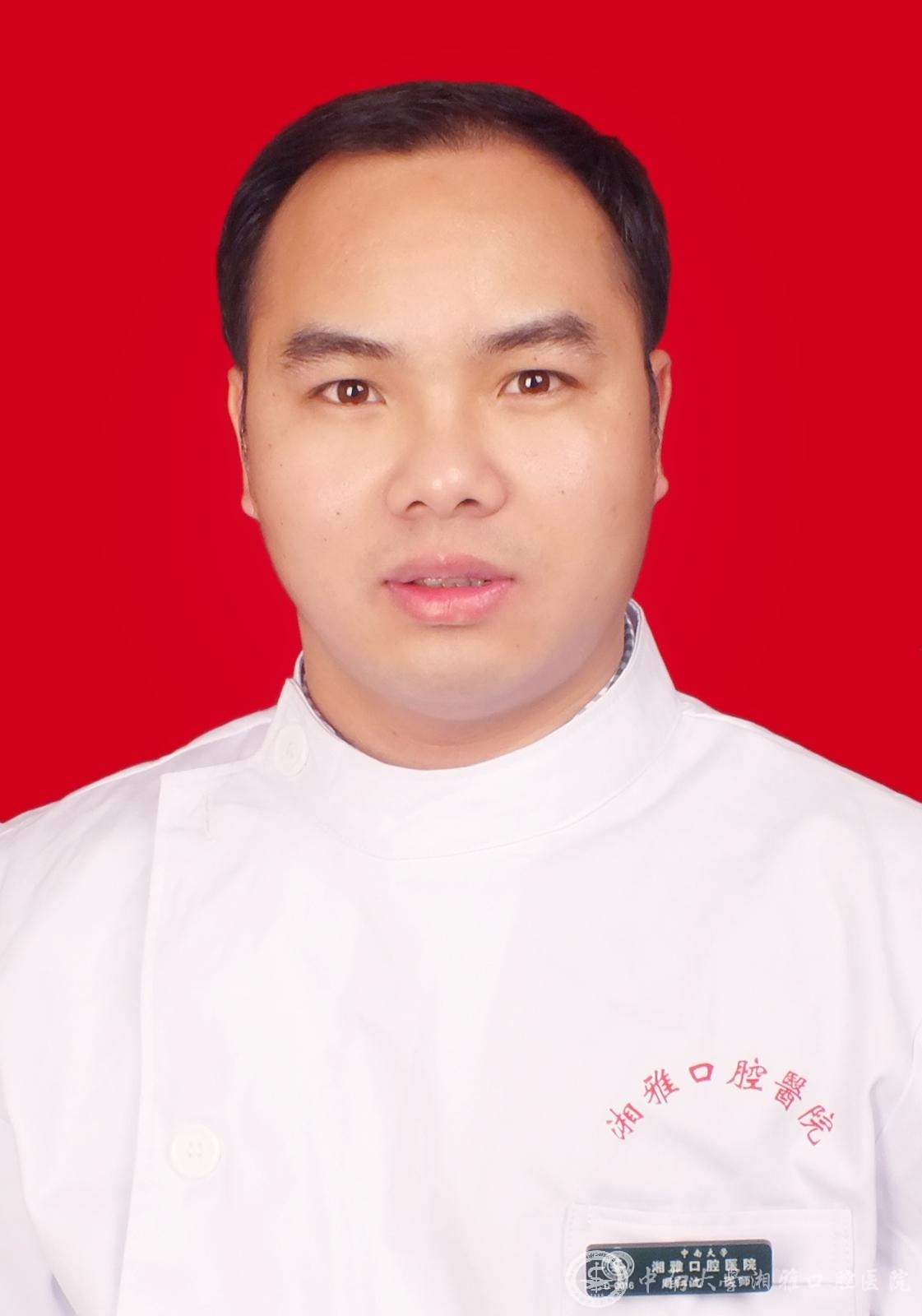 Hongbo Zhou (周红波)合作论文数Xiangya Stomatological Hospital Central South University1
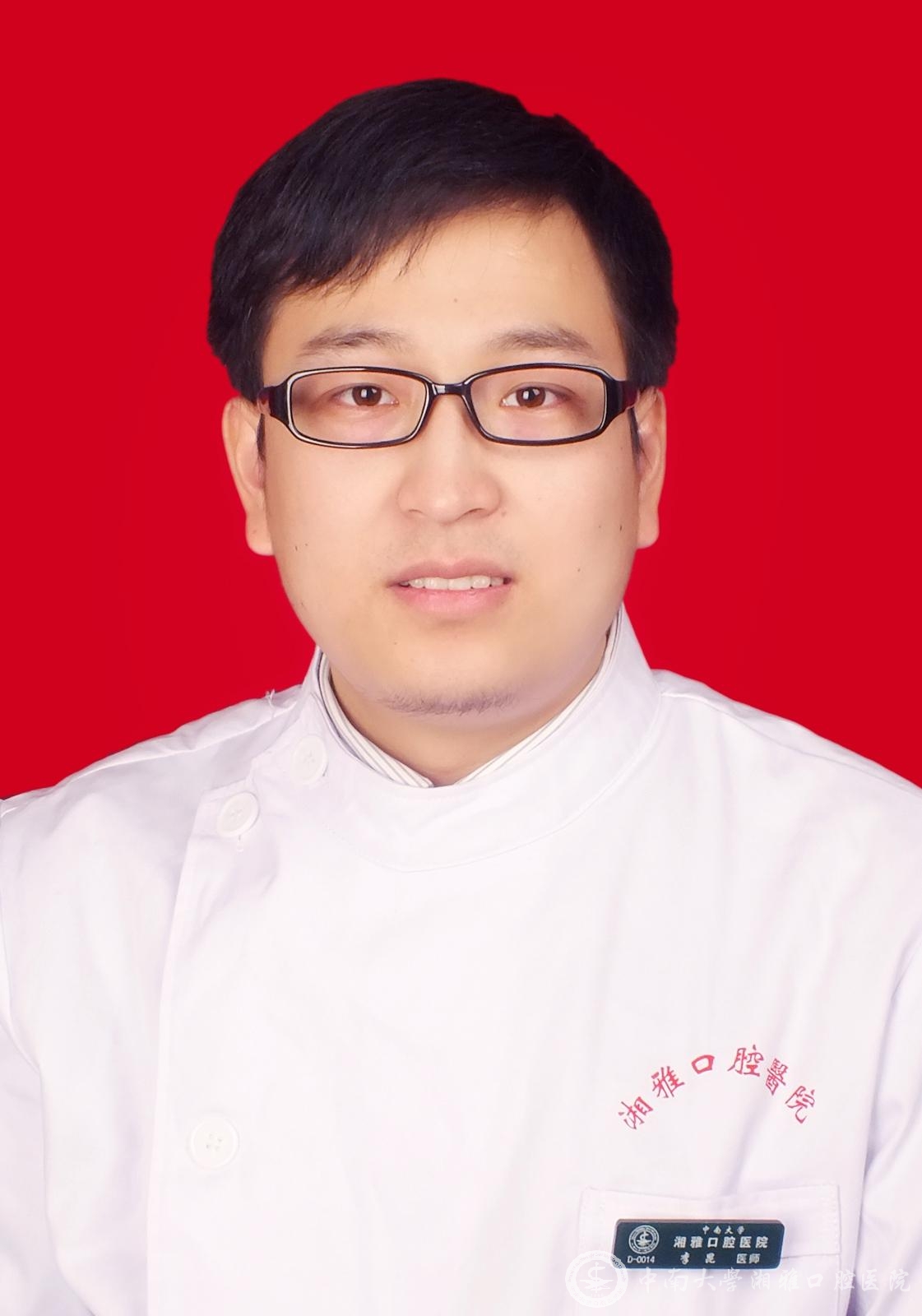 Kun Li (李昆)合作论文数Hunan Xiangya Stomatological Hospital, Central South University1




