Metallic arsenic is a critical raw material in the semiconductor industry.Arsenic-alkali slag from antimony smelting contains a high concentration of arsenic and has a complex composition.The key to preparing metallic arsenic lies in the efficient separation of arsenic from various impurities.In this study,based on the geochemical mineralization principles of arsenic,we propose an innovative theory of high-precision mineralization and precipitation of arsenate complex salts.We developed a key technology involving one-step reduction roasting of arsenate complex salt precursors for metallic arsenic production.This approach overcomes the challenges of efficiently separating arsenic and alkali in high alkali/salt solutions and similar issues with impurity separation,enabling a shortened process for converting arsenic-containing solid waste into high-purity metallic arsenic.Our findings show that oxidative leaching using hydrogen peroxide enables effective and selective removal of arsenic from arsenic-alkali residue.The liquid-solid ratio,temperature,and hydrogen peroxide dosage significantly influence the leaching rate.Under optimal reaction conditions,the leachate contains high concentration of alkali,arsenic,and sulfur.Carbonation of the leachate allows for alkali recovery,yielding a product with an alkali content of up to 98.79%and a uniform particle size distribution.Arsenate salt mineralization and precipitation achieve selective separation of arsenate from bicarbonate and alkali.With increased dosage of ammonium salts and magnesium sources,the arsenic removal rate improves.The arsenic content in slag increases with magnesium salt dosage and then decreases.Reaction time positively influences arsenic removal,while higher temperatures reduce both the arsenic removal rate and the arsenic grade in slag,the latter reaching 29.75%.Through reduction roasting of high-arsenic slag using carbon powder,metallic arsenic with 99.81%purity was obtained.The monomeric arsenic contained only 0.03%antimony and 0.16%sulfur impurities.Analysis of the reduction roasting and condensation processes,considering the temperature and Gibbs free energy,indicates that to maintain the quality of the metallic arsenic monomers,sulfate reduction should occur at 620 ℃.Increasing the carbon powder dosage or elevating the roasting temperature promotes reduction volatilization and lowers sulfur impurity content in the final product.This study provides both a theoretical basis for the resource-efficient disposal of arsenic-containing solid waste and technical support for the efficient preparation of metallic arsenic.
Since the similar surface properties, the flotation separation of rare earth minerals (e.g., bastnaesite) from gangue minerals (e.g., calcite and fluorite) remains challenging. The development of depressants with highly selective for gangue minerals has been a research hotspot in the field of rare earth minerals flotation. However, there is still a lack of a green depressant that can efficiently separate rare earth minerals from gangue in complex pulp systems. Herein, biodegradable sodium alginate (SA) was proposed as an efficient depressant to separate bastnaesite from calcite and fluorite in a sodium oleate (NaOL) flotation system, unraveling its selectively separation mechanism. Microflotation test results indicated that even SA with a low concentration can significantly reduce the floatability of calcite and fluorite, achieving effective separation of bastnaesite from gangue minerals (Delta R-1 similar to 68 % for calcite; Delta R-2 similar to 75.5 % for fluorite) at pH 9.0. The adsorption capacity and rate of SA on the calcite and fluorite surfaces were significantly higher than on bastnaesite. Such strong chemisorption was attributed to selective interactions between the carboxylic acid groups in SA and the Ca2+ sites on the calcite and fluorite surfaces, forming COO-Ca bonds, and further enhanced by additional hydrogen bonds and electrostatic interactions, as confirmed by spectroscopy and theoretical simulations. In contrast, SA exhibited weak physical adsorption on the bastnaesite surfaces via electrostatic interactions with Ce(OH)(2+) sites, without impacting its flotation performance. This work revealed the mechanism of the highly selective biodegradable depressant SA in the flotation system of bastnaesite from a molecular perspective, and provided a theoretical basis and practical guidance for the efficient flotation separation of minerals with similar properties.
The stockpiling of coal gasification fine slag (CGFS) and the discharge of organic wastewater pose serious environmental threats. The complex synthesis process and limited pollutant removal capacity of CGFS-based adsorbents impede their efficient utilization in organic wastewater purification. In this work, carbon/zeolite composite materials (CZCM) derived from CGFS were prepared in situ using a one-pot method without further crystallization, achieving an ultra-high adsorption capacity (9705 mg/g) and excellent renewability for malachite green (MG). CZCM was identified as a typical mesoporous material with an abundant pore structure, facilitating the migration of MG within the material. Notably, various metal elements (e.g., iron and calcium) and chemical groups (e.g., carboxyl and hydroxyl) from CGFS were retained through this novel preparation method, providing additional adsorption sites and enhancing MG adsorption. The adsorption kinetics and thermodynamics results indicated that physisorption and multilayer adsorption were the primary adsorption modes of MG by CZCM, with the adsorption rate limited by internal diffusion. Furthermore, the adsorption process was found to be exothermic, spontaneous, and entropy-decreasing. Mechanistic investigations revealed that the exceptional adsorption performance of MG by CZCM was primarily attributed to electrostatic attraction and ion exchange, with hydrogen bonding and it-it interactions also playing significant roles. This study provides new insights into the development of CGFS-based adsorbents for organic wastewater treatment, promoting the efficient conversion and practical application of CGFS.
The discharge of wastewater containing high concentrations of inorganic chloride (Cl) and total organic carbon (TOC) poses significant environmental risks. However, most studies on the Cl removal of wastewater have neglected the impact of TOC, and there is a lack of research simultaneously addressing the removal of both Cl and TOC. The limitations of conventional one-step Friedel's salt precipitation method (one-step method) for wastewater purification were analyzed in this study. Experimental studies and precipitation characterization (XRD, XPS, FTIR, Zeta potential and particle size analysis) revealed that the compound on the surface of the precipitated particles was primarily calcium citrate. The generated Friedel's salt and unreacted calcium oxide were encapsulated within the particles, inhibiting Cl removal. Given the low treatment rate of the one-step method, this study proposed a novel two-step Friedel's salt precipitation method (two-step method) for the efficient simultaneous removal of Cl and TOC. The two-step method involves the sequential addition of reagents, effectively mitigating the impact of TOC on Cl removal. Under identical conditions, the Cl removal rate increased from 47.49 % in the one-step method to 81.28 % in the two-step method. Batch experiments indicated that increasing reagent dosage enhanced Cl and TOC removal rate and extending reaction time improved Cl removal rate. However, excessively high temperatures and stirring speeds adversely affected Cl removal. Under optimal experimental conditions, the Cl and TOC removal rates reached 81.76 % and 99.03 %, respectively. This research provides valuable insights into the removal of Cl and TOC from complex wastewater in practical applications.
The use of lithium slag (LS) in the preparation of supplementary cementitious materials (SCM) effectively mitigates the environmental pollution caused by open-air storage and landfill disposal of LS. Focusing on region-specific LS as the subject of study, this research proposes optimizing the mechanical properties of SCMs by regulating the grinding time and LS dosage. Based on the analysis of the hydration products and microstructure of the SCM, the LS with the median particle size of 11.71 μm demonstrated the highest activity index, achieving a 28-day compressive strength of 107 % compared to ordinary Portland cement. Remarkably, the 3-day strength also exceeded that of pure cement, likely due to the dilution effect of LS, which provides additional nucleation sites for hydration products like C-S-H and AFt. With 30 % LS replacing cement, the compressive strength of SCM reached 54.61 MPa, comparable to that of pure cement. The introduction of LS significantly reduced the interparticle pore volume. These findings provided a scientific basis for promoting the resource utilization of LS waste and its application in SCM production.
In pulp environment, due to the migration and transformation of dissolved calcium ions, the surface properties of magnesite and dolomite tend to become similar, which in turn leads to difficulties in their flotation separation. In this paper, the chelating reagent EDTA is introduced to eliminate the adverse influence of calcium species and to restore the selectivity of magnesite-dolomite separation using sodium hexametaphosphate (SHMP) as depressant. Flotation experiments demonstrate that, in the presence of ethylenediaminetetraacetic acid (EDTA), the flotation recovery of magnesite increased by 22.14 % compared to using only the depressant SHMP. Zeta potential experiments combined with solution chemistry analysis indicate that the negatively charged hydrolysis species of EDTA can form soluble and stable chelates with positively charged Ca2+ and Ca(OH)+ species, effectively preventing the adsorption and transformation of calcium ions on the magnesite surface. Adsorption measurements directly confirm from a macroscopic perspective that the addition of EDTA reduces the adsorption of the depressant SHMP on the magnesite surface. X-ray photoelectron spectroscopy (XPS) measurements further confirm the phenomenon of calcium ion migration and transformation from the surface of magnesite to dolomite at the microscale, as well as the adsorption mechanisms of EDTA and SHMP on the surfaces of both minerals. Based on the experimental and analytical results, a flotation separation model of the system is established.
Abstract The purification of impurity ions within zinc hydrometallurgical solutions significantly impacts the subsequent quality of zinc electrodeposition. Traditional methods for copper removal from zinc solutions suffer from issues like limited reactivity, high consumption, and elevated costs. To address these challenges, controllable aging of FeS nanoparticles was designed, employing temperature variations to facilitate comprehensive copper removal from neutral zinc leachates. The aging process imparts a crystalline structure to the FeS nanoparticles, enabling the slow release of sulfide ions. A temperature of 60°C is regarded as the optimal aging temperature, at which the resultant FeS nanoparticles exhibit an optimal sustained-release performance during the aging process. Temperature has been found to be a crucial factor influencing the sustained-release performance of FeS. Once the reaction temperature surpasses 60°C, the utilization efficiency of S ions in the sustained-release agent can reach over 95%, with a maximum of 98.5%. Under optimal conditions featuring a reaction temperature of 60°C, a reaction duration of 30 minutes, and a solution pH maintained at 1, the dosage aged FeS at the S/Cu (II) ratio of 1.2 times, nearly 100% copper removal rate can be achieved. The maximum removal rate for cadmium does not exceed 2.5%, and the residual copper concentration in the zinc leachate is below 0.2 mg/L. The precipitate obtained is high-purity copper sulfide residue, which contains virtually no zinc. Slow-release sulfidation can maximize the utilization efficiency of sulfide ions in the solution, reduce the occurrence of competing reactions, and minimize the intermixing of products. It offers advantages such as high selectivity and deep purification.
Effectively separating bastnaesite from calcium-bearing gangue minerals (particularly calcite) presents a formidable challenge, making the development of efficient collectors crucial. To achieve this, we have designed and synthesized a novel, highly efficient, water-soluble cationic collector, N-dodecyl-isopropanolamine (NDIA), for use in the bastnaesite-calcite flotation process. Density functional theory (DFT) calculations identified the amine nitrogen atom in NDIA as the site most susceptible to electrophilic attack and electron loss. By introducing an OH group into the traditional collector dodecylamine (DDA) structure, NDIA provided additional adsorption sites, enabling synergistic adsorption on the surface of bastnaesite, thereby significantly enhancing both the floatability and selectivity of these minerals. The recovery of bastnaesite was 76.02%, while the calcite was 1.26%. The NDIA markedly affected the zeta potential of bastnaesite, while its impact on calcite was relatively minor. Detailed Fourier-transform infrared spectroscopy (FTIR) and X-ray photoelectron spectroscopy (XPS) results elucidated that the ―NH― and ―OH groups in NDIA anchored onto the bastnaesite surface through robust electrostatic and hydrogen bonding interactions, thereby enhancing bastnaesite’s affinity for NDIA. Furthermore, in situ atomic force microscopy (AFM) provided conclusive evidence of NDIA aggregation on the bastnaesite surface, improving contact angle and hydrophobicity, and significantly boosting the flotation recovery of bastnaesite.
Given the indispensability and immense value of rare earth elements for scientific and technological advancements in the 21st century, extracting high-quality rare earth resources from nature has become a global priority. Bastnäsite-(Ce) is one of the known rare earth minerals with high rare earth content and wide distribution, which occupies a pivotal position in human life and high-end production activities, making its efficient development and utilization crucial. In recent years, research on separating bastnäsite-(Ce) from gangue minerals has focused on the flotation process, with flotation reagents playing a critical role in achieving effective separation. This paper provides a detailed summary of current research on the behavior of bastnäsite-(Ce) flotation agents on minerals, their interaction with mineral surfaces during flotation separation, and outlines future prospects for further research.
The sulfide passivation film produced on the surface seriously prevents further reaction in the process of using monoclinic pyrrhotite (MPr) to treat heavy metal ions in wastewater. Ultrasonic technology was introduced to assist MPr to recover the copper ions. XPS result proves that CuS products exist on the surface of MPr. XRD and SEM results show that the CuS on the particles' surface is stripped under ultrasonic condition. The kinetics results indicate that the reaction under both conventional and ultrasonic conditions conform to the Avrami model. The reaction process changes from diffusion control to chemical reaction control under the ultrasonic condition as the solid layer is stripped off. The presence of ultrasonic significantly reduces the acidity and temperature required for the reaction and enhances the utilization efficiency of MPr; by controlling the amount of MPr, the removal rates of copper and arsenic in copper smelting dust leachate exceed 99% and 95%, respectively.
Sulfate minerals have gradually become the main gangue minerals of fluorite deposits, and the flotation separation of fluorite and sulfate minerals is difficult with commonly used depressants. In this paper, the high selectivity of a novel depressant sodium polynaphthalene formaldehyde sulfonate (SPS) for the flotation separation of fluorite and celestite both in single mineral and artificial mixed ore experiments was studied, and the underlying separation mechanism was investigated by zeta potential measurement, Fourier transform infrared spectroscopy (FTIR), X-ray photoelectron spectroscopy (XPS) analysis, and Atomic force microscopy (AFM) imaging analysis. Flotation results showed that, in the presence of sodium oleate (NaOL) and SPS, the flotation recovery difference between fluorite and celestite reached 76.26% and the grade of fluorite concentrates increased by 32.11% at pH 6.0. The analysis results showed that the adsorption of SPS on the fluorite surface was limited at pH 6.0, and the adsorption was most likely be through electrostatic interaction. For celestite, the adsorption of SPS on the surface significantly changed the chemical surrounding of celestite surface inhibiting the chemical adsorption of NaOL, and the chemical adsorption of SPS was more significant at pH 6.0.
As solid waste posing a great threat to the environmental system, the disposal of arsenic-alkali slag has become the top priority in the development of the antimony industry. In this paper, a novel technological scheme combining the advantages of chemical precipitation and fractional crystallization is proposed for the safe disposal and resource utilization of arsenic-alkali slag. The scheme is mainly composed of three parts, namely, leaching of arsenic-alkali slag, selective removal of arsenic in the arsenic-alkali solution, and evaporation crystallization of alkali solution. In the leaching part, the optimum leaching parameters are determined by orthogonal tests. In the arsenic and alkali separation part, based on thermodynamic analysis, the selective removal of arsenic from arsenic-alkali solution is realized by forming ammonium magnesium arsenate (MgNH4AsO4) precipitation. In the evaporation crystallization part, the crystalline product with sodium carbonate (Na2CO3) content of 89.87% is obtained by the evaporation crystallization experiment. The whole process does not produce secondary pollution and realizes the reuse of wastewater. The final products are leaching residue, arsenic slag, and sodium carbonate with an arsenic content of 0.83%, 24.93%, and 0.18%, respectively.
Bastnaesite is a chief natural source of light rare earth elements (LREEs). The effective depression of Ca-containing minerals such as fluorite and calcite in bastnaesite flotation system is normally difficult, and it is imperative to exploit more environmentally-friendly depressants which can inhibit these gangue minerals simultaneously. Hence, we employ citric acid (H(3)Cit), a green, cheap and commonly available organic acid, to selectively depress the flotation of fluorite and calcite, and use octanohydroxamic acid (OHA) and sodium oleate (NaOL) with a molar ratio of 2:1 as mixed collectors. Micro- flotation results show that H(3)Cit decreases the recoveries of fluorite, calcite, and bastnaesite by 84.73%, 62.96%, and 9.23%, respectively at pH 8-9. The depression mechanism of H(3)Cit was investigated through zeta potential measurements, microcalorimetry measurements, solution chemistry and reaction thermodynamic analyses, and X-ray photoelectron spectroscopy (XPS) analyses. These further analyses at the minerals/water interfaces indicate that H(3)Cit preferentially adsorbs on the gangue mineral surfaces due to the positively charged fluorite and calcite surfaces which interact more easily with citrate ions (Cit(3-)), and the spontaneous interaction between Cit(3-) and Ca2+ on the surfaces. Accordingly, H(3)Cit is supposed to be a potential depressant for Ca-containing minerals in the flotation separation of bastnaesite.
Arsenic contamination has raised great concern around the world as the cause of many severe health issues, including internal and external cancers. Discharging arsenic waste into the environment before proper handling is strictly forbidden. In order to treat the arsenic-bearing wastes in a safe way, we used the oxidation alkali leaching to dissolve arsenic in the low-risk state arsenate (AsO43-) firstly, followed by recycling of the alkali solution after arsenate removal. In this paper, we synthesized high-concentrated ferric oxyhydroxide gels (HFGs) with different supersaturation in a hydrothermal system to adsorb arsenate anions at high alkali without consuming the hydroxyls. The arsenate adsorption onto HFGs followed the pseudo second-order and intra-particle diffusion kinetics and fitted Langmuir isotherms model well. Through characterization of the synthesized HFGs particles by XRD, Raman spectra, SEM and TGA, it was confirmed that the surface hydroxyl sites on the ferric oxyhydroxide reacted with arsenates to form the bidentate surface complexation. In addition, the synthesized HFG at lower supersaturation had lower crystallinity and more surface hydroxyl sites, resulting in higher adsorption capacity for arsenate. Using HFG as the adsorbent, the arsenic (V) concentration in the copper slag alkali leaching solution can be reduced from 2084 mg/L to 71.8 mg/L, which can realize stabilization of the high-concentrated arsenate at high alkali and alkali solution recycling.
The flotation separation of spodumene from feldspar was investigated using a new type of mixed anionic/cationic collector, sodium oleate/tributyl tetradecyl phosphonium chloride (NaOL/TTPC). Microflotation experiments, fluorescence spectroscopy measurements, microcalorimetric analysis, and Fourier transform infrared analysis were performed. Microflotation experiments show that the highest flotation separation performance can be achieved at the NaOL:TTPC molar ratio of 5:1 at the pH of 4.0. Fluorescence spectroscopy measurements show that the critical micelle concentration (CMC) of the mixed collector NaOL/TTPC is smaller than either of its components alone. Microcalorimetric results indicate that the difference in adsorption reaction heat between spodumene and feldspar is larger for the mixed collector than either single collector, confirming the former's separation advantage. Fourier transform infrared analyses show that in the mixed collector, both NaOL and TTPC adsorb on the spodumene surface through chemical interaction and electrostatic attraction, respectively; while only trace amounts of them are adsorbed on the feldspar surface.
The mixed anionic collector sodium oleate (NaOL) and cationic collector dodecyl ammonium chloride (DTAC) demonstrate high selectivity for the flotation of spodumene from feldspar, and the optimal molar ratio of NaOL and DTAC is 9:1. To detect the underlying mechanism, surface tension measurements, adsorption measurements, zeta potential measurements and Fourier transform infrared (FTIR) analyses were performed. The surface and thermodynamic parameters (CMC, γCMC, Γmax, Amin, ΔGm0) obtained from surface measurements show higher surface activity and a denser molecular arrangement in mixed NaOL/DTAC than in single NaOL or DTAC. Further analysis of the interaction parameters and activity coefficients (βm, βσ, fm, and fσ) obtained from the theory of regular solutions shows that there is a synergistic effect both in the mixed micelle and at the water/air interface. Moreover, the maximum synergistic interaction was found at XDTAC=0.5 in mixed NaOL/DTAC. The adsorption measurements show that more NaOL is adsorbed on the spodumene surface than on feldspar and that the cationic collector can improve the adsorption of NaOL on the spodumene surface by a small amount, but not for feldspar. The zeta potential measurement and Fourier transform infrared analyses show that in the mixed NaOL/DTAC system, the anionic collector NaOL first reacts with aluminum sites on the mineral surface. Then, the cationic collector DTAC forms an electroneutral complex with the anionic collector NaOL and co-adsorbs on the Stern layer because of the chemisorption of NaOL. Based on these analyses, an adsorption model of the mixed collector NaOL/DTAC on the mineral surface was drawn.
The synergistic effect of the mixed cationic dodecyl amine-hydrochloride (DDA) and anionic collector sodium oleate (NaOL) at the air/water interface was investigated by the surface tension measurements. Various physicochemical properties such as surface activity parameters (CMC, gamma(CMC), Gamma(max), A(min)), the micellar and interfacial compositions (X-1(m), X-1(sigma)) and interaction parameters (beta(m), beta(sigma)) were evaluated according to the theory of regular solutions. It is observed that the mixed DDA/NaOL at alpha(DDA) = 0.5 exhibit a maximum synergistic interactions at the air/water interface. The flotation and adsorption of DDA/NaOL at the solid-liquid interface was investigated by flotation tests with muscovite, contact angle measurements and adsorption measurements. The flotation results indicate that the recovery of muscovite could be achieved a maximum value (98.45%) by the mixed DDA/NaOL at alpha(DDA) = 0.25 at pH 7.0. Contact angle measurements further confirm that the DDA/NaOL exhibit more superior hydrophobicity and collecting property than the individual DDA and NaOL. And a more pronounced synergistic effect of DDA/NaOL on muscovite surface at alpha(DDA) = 0.25 is observed, which could be attributed to a favourable arrangement of adsorbing species. The adsorption results show that the individual cationic DDA can be adsorbed strongly onto the muscovite, but no significant adsorption of anionic NaOL can be detected. However, in the mixed systems, the adsorption amounts of both DDA and NaOL are enhanced due to co-adsorption. It is proved that there is also a remarkable synergistic effect of mixed DDA/NaOL collectors at the solid-liquid interface. (C) 2016 Published by Elsevier B.V.
 Longhua Xu (徐龙华)合作论文数School of Environment and Resource, Southwest University of Science and Technology11
 Haisheng Han (韩海生)合作论文数School of Minerals Processing and Bioengineering, Central South University7
 Wei Sun (孙伟)合作论文数School of Minerals Processing and Bioengineering, Central South University7
 Xingfei Zhang合作论文数School of Minerals Processing and Bioengineering, Central South University5
 Kai Xue合作论文数5Kaiqian Shu合作论文数4Yufeng Wang合作论文数4
 Tong Yue (岳彤)合作论文数School of Minerals Processing and Bioengineering, Central South University4
 Houqin Wu (巫侯琴)合作论文数School of Civil Engineering and Architecture, Southwest University of Science and Technology;School of Environment and Resource, Southwest University of Science and Technology3
 Yuehua Hu (胡岳华)合作论文数Collaborative Innovation Center of Minerals Processing, Central South University3
 Li Wang (王丽)合作论文数Power Metallurgy Research Institute, Central South University3Zhoujie Wang合作论文数2
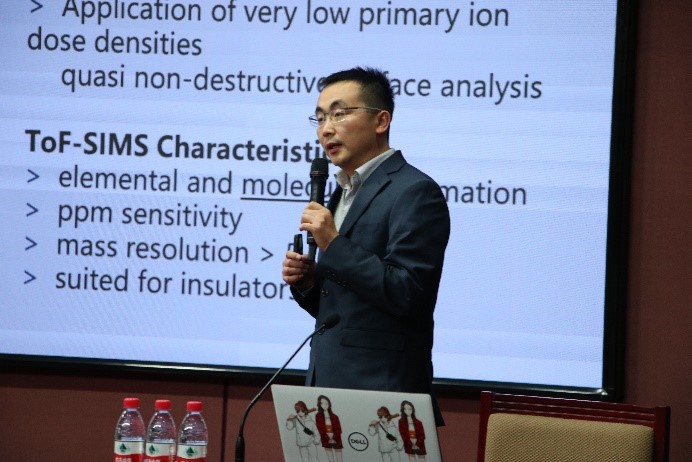 Jiushuai Deng (邓久帅)合作论文数School of Chemical & Environmental Engineering, China University of Mining and Technology-Beijing2
 Yue Yang (杨悦)合作论文数School of Transportation Science and Engineering, Beihang University2Liqiang Zeng合作论文数1Jun Peng合作论文数1
 Chenglong Lu合作论文数1Xinzhang Shi合作论文数1
 Lang Liu合作论文数1
 Yi Li合作论文数1
 Wang Yan合作论文数1Xi Zhang合作论文数1Yanbo Xu合作论文数1Shuai Fang合作论文数1Kai Hong合作论文数1
 Donghui Wang合作论文数1Zhijie Xu合作论文数1Zhiyuan Yu合作论文数1
 Wei Deng (邓伟)合作论文数1Xiaobo Zeng合作论文数1Zhen Niu合作论文数1
 Mengbo Zhu (朱梦博)合作论文数1Xuefeng CAO (曹学峰)合作论文数1YaoHui Yang (杨耀辉)合作论文数1
 Zhen Wang合作论文数1Zhenyue Zhang (张臻悦)合作论文数1
 Min Liu (刘敏)合作论文数School of Physics, Central South University1
 Zhiyong Gao (高志勇)合作论文数School of Minerals Processing and Bioengineering, Central South University1
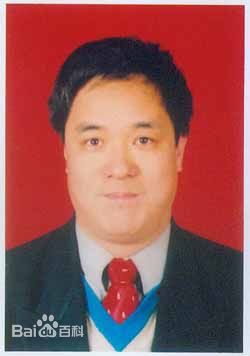 Ruan Chi (池汝安)合作论文数武汉工程大学化工与制药学院1
 Jiongtian Liu (刘炯天)合作论文数Zhengzhou University;China University of Mining and Technology1
 Chang Liu (刘畅)合作论文数Institute of Metal Research, Chinese Academy of Sciences1
 Hao Jiang (蒋昊)合作论文数Frontier Institute of Chip and System, Fudan University;College of Integrated Circuits & Micro-Nano Electronics, Fudan University1




