The surface characteristics of bastnaesite and barite are highly similar, leading to comparable reagent interactions during flotation processes. Conventional collectors often demonstrate limited selectivity and suboptimal collection efficiency, which negatively impact flotation outcomes. Effective mineral separation requires highly selective and efficient collectors. This study presents the synthesis and initial application of lauryl hydroxamic acid (LHA) as a new collector for the flotation of bastnaesite. LHA exhibited remarkable selectivity and collecting efficiency in the flotation separation of bastnaesite from barite. The synergistic application of LHA and carboxymethyl cellulose (CMC) as depressants enabled effective separation. This resulted in a recovery difference of up to 66.5 % between the two minerals. Spectroscopic analysis revealed that LHA interacts with Ce sites on bastnaesite surfaces through N and O atoms in its hydroxamate groups. Pre-adsorption of CMC was found to prevent LHA adsorption on barite without affecting its adsorption on bastnaesite. LHA adsorbs through the synergistic effect of electrostatic interaction and chemisorption. Comparative analysis indicated that LHA's hydroxamate group possesses lower non-bonded tension than traditional octyl hydroxamic acid (OHA), enhancing its chelate-forming capability. Density Functional Theory calculations identified hydroxamate groups as LHA's primary active sites, with O and N atoms playing critical roles. This research systematically investigates the potential of LHA for bastnaesite-barite separation and elucidates its adsorption mechanism. The findings not only advance theoretical understanding of selective flotation control but also provide molecular design guidelines for novel collector development.
Dyes and oil substances are two common pollutants in wastewater, and it is highly expected to remove them simultaneously. In this study, MgFe2O4 was synthesized by co-precipitation and then loaded onto polyvinylidene fluoride (PVDF) membrane to fabricate a MgFe2O4-PVDF composite membrane, which was successfully employed for concurrent dye degradation through peroxymonosulfate activation and separation of oil-in-water emulsions through one-step single-pass filtration. Under optimum conditions, both Rhodamine B (RhB) and hexane could be efficiently removed by 99.21 % and 99.89 % respectively. The effects of pH, inorganic ions and humic acid were studied, and the system showed wide applicability and good reusability. The reaction mechanism for RhB degradation was proposed based on quenching tests, open circuit potential test, galvanic oxidation process and X-ray photoelectron spectroscopy. The degradation pathway of RhB was proposed according to density function theory calculations for both RhB and its deprotonated counterpart deH-RhB as well as LC-MS analysis, and toxicity evaluation was also performed. The MgFe2O4-PVDF/PMS system may offer a possible solution for the efficient remediation of complex wastewaters.
The marine stereoscopic observation network is a key technological support for developing the marine economy and safeguarding maritime sovereignty. However, the endurance and deployment range of observation nodes are severely constrained by their power supply systems. In this paper, we propose a Triboelectric-Electromagnetic Hybrid Nanogenerator (TEHN) to harvest kinetic energy from the ocean environment. By combining the high-voltage, low-current output of a triboelectric nanogenerator (TENG) with the low-voltage, high-current characteristics of an electromagnetic generator (EMG), the TEHN achieves efficient energy conversion over a wide frequency range. Experimental results demonstrate that the TEHN offers enhanced charging performance, adaptive load matching, and stable AC-DC output under varying excitation. It further enables autonomous sensor operation and wireless data transmission without external power input, showing strong potential for scalable, maintenance-free marine observation networks. Copyright (c) 2025 The Authors. This is an open access article under the CC BY-NC-ND license (https://creativecommons.org/licenses/by-nc-nd/4.0/)
To continuously optimize the power generation performance of the wind energy harvesting galloping triboelectric nanogenerator (GTENG) based on the vibrating dielectric ball structure embedded in the bluff body, this study systematically studies the transition of bluff body vibration modes on power generation performance. A GTENG with adjustable system damping for harvesting broadband wind energy is proposed. Three distinct vibration modes are observed in six damping systems while Reynolds number is within 32500, which are single degree of freedom (DOF) mode, two DOF mode and deflected mode. The vibration mode ranges of six damping systems are determined by observing the vibration mode of the bluff body and measuring the peak and mean values of the output voltage and current. The instability of the two DOF vibration of the bluff body weakens the output performance of the GTENG. According to the analysis of experimental data, maintaining the single DOF vibration of the bluff body can improve the output performance of the GTENG under higher wind speed conditions. The results of this study can provide important guidance for dynamically adjusting the system damping under different wind speed conditions to optimize the output performance of GTENG.
Wave energy, as the largest clean energy resource in the ocean, has the potential to alleviate the environmental issues caused by fossil fuels. However, the low frequency and irregular nature of wave energy present challenges in designing devices capable of continuously and effectively harvesting this form of low-frequency oscillatory energy. In this study, we have designed a composite wave energy harvesting device based on a screw rod ratchet mechanism. Under different wave frequencies and amplitudes, a hybrid output of TENG and EMG has been achieved, significantly enhancing the efficiency of wave energy collection. In the triboelectric nanogenerator section, the TENG's maximum output voltage and current reached approximately 106V, 0.71 mu A, with a peak power output of up to 74.55 mu W. The maximum output current generated by the EMG component is as high as 72mA. The peak power is approximately 102.5mW, at this point the resistance load is 10(9)Omega.The maximum conversion efficiency of harvest achieves 49.8%. This structure effectively converts the vertical oscillation energy of waves into rotational energy, which is efficiently utilized by both TENG and EMG, thereby improving wave energy collection efficiency and presenting broad application prospects in areas such as marine environmental monitoring and powering IoT sensors. Copyright (c) 2025 The Authors. This is an open access article under the CC BY-NC-ND license (https://creativecommons.org/licenses/by-nc-nd/4.0/)
In the present study, corn starch was modified to create temperature-responsive particles, which were employed as an emulsifier to formulate Pickering emulsions (PE) for the encapsulation of compound essential oils (CEO). The temperature responsiveness of CEOPE endows PE with the characteristics of faster release rate at lower temperature and more stability at room temperature, aligning with the typical low-temperature storage conditions of fresh noodles. The characteristics of CEOPE with different oil-water ratios were analyzed by morphology, particle size, PDI, zeta-potential, FTIR and rheological measurements. The CEOPE exhibited antibacterial activity against E. coli and S. aureus, making it an ideal candidate for non-contact antibacterial packaging. The antibacterial effect was further confirmed in the storage experiment of fresh noodles. The results have significant implications for the development of a temperature-responsive, bacteriostatic packaging material derived from natural components, offering a novel approach to the preservation of fresh noodles.
In order to address the dynamic changes in vessel preferences for berth lines caused by the deployment of shore-based power equipment in major ports and the collaborative scheduling problem of berthing and towing assistance, this paper quantifies the environmental costs of pollutants from the main engines of tugs and auxiliary engines of container ships using an environmental tax. Additionally, considering the economic costs such as vessel delay and shore power cable connection, a two-layer mixed-integer linear programming model is constructed using the task sequence mapping method. This model integrates the allocation of continuous berths at container terminals with coordinated towing scheduling for shore power selection. A solution approach is designed by combining the commercial solver (CPLEX) and the immune particle swarm optimization algorithm (IAPSO). The proposed scheme is validated using the example of the Nansha Phase IV Terminal at the Port of Guangzhou. The results show that compared to the traditional first-come-first-served and adjacent scheduling schemes, the collaborative scheduling scheme proposed in this paper reduces the total cost by 21.73%. By effectively utilizing berth resources and shore power equipment while densely arranging collaborative tasks and appropriately increasing the number of tugs, the port can convert the economic cost of leasing a small number of tugs (increased by 10.63%) into environmental benefits (decreased by 33.88%). This approach provides a reference for addressing nearshore pollution emissions in ports.
In order to innovate the wind energy harvesting method based on galloping and improve galloping-based triboelectric nanogenerator wind energy harvesting performance, a galloping-based square cylinder triboelectric nanogenerator (GSC-TENG) is proposed in this work. The GSC-TENG consists of a square cylinder bluff body, a triboelectrification embedded in the bluff body, a cantilever beam and a base. The response of the aerodynamics and power generation performance of the GSC-TENG with a high mass ratio (m & lowast; = 526.6) to the system damping ratio (0.0106, 0.0304 and 0.0568) and wind speed (0.6-12.4 m/s) are studied through CFD simulation and wind tunnel test. The critical wind speed, amplitude and power generation performance of systems with different damping ratios are analyzed in detail, and the wind speed range corresponding to the maximum amplitude is determined. By increasing the stiffness and damping ratio of the system, the output performance under high wind speed conditions can be enhanced and stabilized. Compared with the GSC-TENG with damping ratio 0.0106, the output power of the GSC-TENG with damping ratio 0.0568 at the wind speed of 4.0 m/s is enhanced by 141 times, which is up to 62.25 W/m3. To harness a broadband wind energy, a novel galloping-based TENG is introduced. Analyzing the dynamic characteristics of square cylinder bluff body with different damping ratios is of significant meaning to the design and improve of the galloping-based triboelectric wind energy harvester.
The measurement of in-plane mechanical properties, such as Young's modulus and strength, of thin and stretchable materials has long been a challenge. Existing measurements, including wrinkle instability and nano indentation, are either indirect or destructive, and are inapplicable to meshes or porous materials, while the conventional tension test fails to measure the mechanical properties of nanoscale films. Here, we report a technique to test thin and stretchable films by loading a thin film afloat via differential surface tension and recording its deformation. We have demonstrated the method by measuring the Young's moduli of homogeneous films of soft materials including polydimethylsiloxane and Ecoflex and verified the results with known values. We further measured the strain distributions of meshes, both isotropic and anisotropic, which were otherwise nearly impossible to measure. The method proposed herein is expected to be generally applicable to many material systems that are thin, stretchable, and water-insoluble.
To analyze the impacts of groins, sandbars, and channels on the three-dimensional features of rip currents, we conducted experimental investigations on the vertical distribution of rip currents under intersecting waves along barred beaches with channels. This study employed ADV flow velocity measurements at two distinct locations: within channel and on a sandbar. The results indicate that in nodal sections within channel and on a sandbar, the rip head region manifests surface flow characteristics, characterized by high velocities near water surface. In a rip neck location, the vertical distribution of rip currents on a sandbar exhibits greater variability, whereas within channel, the distribution is more homogeneous. The vertical distribution of rip currents in nodal sections within channel aligns with the logarithmic distribution law. The vertical distributions of the alongshore velocity of rip currents display a consistent pattern of higher at the top and lower at the bottom. However, this pattern varies slightly depending on the wave period. The presence of groins influences the fluctuation characteristics of the alongshore velocity of rip currents by regulating the nearshore circulation system. This results in the alongshore velocity of rip currents in channel pointing towards the groin. In contrast, the alongshore velocity of rip currents on sandbar, situated farther away from groin, exerts a weaker effect on the alongshore velocity of a rip current.
In light of the limited current far-field computational methods for spatial power synthesis, which cannot accurately calculate near-field scenarios like “swarm” systems. This paper proposes a novel method for calculating near-field spatial power synthesis efficiency based on the cross-beam synthesis theory. The influence of location parameters, such as unmanned aerial vehicle (UAV) positioning attitude accuracy, and performance parameters, including carried frequency and beam width, are analyzed on the spatial power synthesis efficiency. The obtained results reveal that the near-field spatial power synthesis efficiency decreases rapidly with the increase of various errors and carried frequencies.
Hydroxamic acid collectors display excellent selectivity but poor collecting ability in bastnaesite flotation. Improving the collecting capacity of hydroxamic acid collector appropriately become an effective method to enhance the performance of flotation reagents. A novel oleate hydroxamic acid (OLHA) as a collector was synthesized and applied to bastnaesite flotation in this work. The structure of OLHA was characterized by Fourier transform infrared spectrometry (FTIR) and nuclear magnetic resonance spectroscopy (NMR). The single mineral and artificial mixed minerals flotation experiments results show that OLHA achieved efficient flotation separation of bastnaesite and barite when odium hexametaphosphate (SHMP) was used as depressant. The contact angle, zeta potential, FTIR and X-ray Photoelectron Spectroscopy (XPS) measurements were performed to investigate the adsorption mechanism of OLHA. The contact angle results show that OLHA significantly improved the surface hydrophobicity of bastnaesite. Zeta potential and FTIR results show that in the presence of SHMP, OLHA selectively adsorbs to the surface of bastnaesite. Over all, OLHA adsorbs on the surface of bastnaesite through chemically adsorption, and strengthen the hydrophobicity of bastnaesite surface. Therefore, OLHA is a promising collector for bastnaesite flotation.
Rare earth element is an important strategic metal, but the supply of high purity rare earth ores is growing slowly, which is in sharp contradiction with the rapidly growing demand. Froth flotation has been confirmed to be an effective method to separate bastnaesite from its gangue minerls. However, the traditional collectors are facing serious problems in flotation separation of minerals, requiring the addition of excess depressant and regulator in the flotation process. Herein, we proposed and synthesized novel Gemini hydroxamic acids Octyl-bishydroxamic acid (OTBHA), Decyl-bishydroxamic acid (DCBHA) and Dodecyl-bishydroxamic acid (DDBHA) as the collectors in bastnaesite-barite flotation system. The effect of different carbon chain lengths on the molecular properties were explored by density functional theory (DFT) calculations. DCBHA possessed a stronger reactivity compared with OCBHA and DDBHA. The flotation results verified the consistency of the computational calculation about the performance prediction of Gemini hydroxamic acids. Compared with OCBHA and DDBHA, DCBHA displayed superior collecting affinity toward bastnaesite, and did not float barite. Zeta potential results showed that the presence of DCBHA increased the potential of bastnaesite, while it had almost no effect on barite, indicating DCBHA had a stronger affinity for bastnaesite. Then, Fourier transform infrared (FTIR) and X-ray photoelectron spectroscopy (XPS) analyses indicated that the adsorption mechanism was due to two hydroxamate groups of DCBHA co-anchored on bastnaesite surface by forming five-membered hydroxamic―(O―O)―Ce complexes. In addition, atomic force microscopy (AFM) clearly observed that DCBHA uniformly aggregated on bastnaesite surface, which increased surface contact angle and improved the hydrophobicity of bastnaesite.
Given the indispensability and immense value of rare earth elements for scientific and technological advancements in the 21st century, extracting high-quality rare earth resources from nature has become a global priority. Bastnäsite-(Ce) is one of the known rare earth minerals with high rare earth content and wide distribution, which occupies a pivotal position in human life and high-end production activities, making its efficient development and utilization crucial. In recent years, research on separating bastnäsite-(Ce) from gangue minerals has focused on the flotation process, with flotation reagents playing a critical role in achieving effective separation. This paper provides a detailed summary of current research on the behavior of bastnäsite-(Ce) flotation agents on minerals, their interaction with mineral surfaces during flotation separation, and outlines future prospects for further research.
This paper explores the application of strain monitoring technology based on optical time-domain reflection in fiber optic sensing networks. By systematically analyzing the advantages and applications of this technology in the field of strain monitoring, its value in engineering practice has been revealed. The practical effects of this technology in different fields were demonstrated through practical cases. Research has shown that strain monitoring technology based on optical time-domain reflection has broad application prospects in fiber optic sensing networks, and is of great significance for achieving structural safety monitoring and data collection.
With the development of the smart ocean which contains a large number of wireless sensor nodes, it is a great demand to develop high-performance marine energy harvesters for powering those sensors. In this work, a highly adaptive hybrid nanogenerator based on triboelectric nanogenerator and electromagnetic generator is proposed. The hybrid nanogenerator can be used for scavenging both wind energy and ocean current energy. The peak power of the hybrid nanogenerator can reach 449.74 mW, which can recharge a 50 mAh-3.7 V Lithium battery. In addition, it is found that there is a linear relationship between the voltage frequency of the triboelectric nanogenerator and the rotation speed, indicating the hybrid nanogenerator can serve as a flow velocity sensor. A fully self-powered marine wireless sensor node is fabricated based on the hybrid nanogenerator and management circuit. The demonstrations show that the present hybrid nanogenerator has great potential applications for marine wireless sensing in the scenarios of nearshore, offshore, and underwater.
The ocean has an abundant reserve of wave energy, which is considered to be a clean, widely distributed and inexhaustible resource. Triboelectric nanogenerators (TENGs) have been regarded as a reliable technology for harvesting wave energy due to its robustness and efficiency in scavenging random mechanical energy. In this study, a wave energy harvesting multi-tunnel TENG (MT-TENG) has been proposed, which could be integrated easily with ocean buoys. The MT-TENG consists of polytetrafluoroethylene (PTFE) balls and a multi-tunnel frame, which could convert wave energy into electrical energy. The multi-tunnel design also avoids possible mutual obstruction of the PFTE balls during the movement. Compared with the flat type structure, the multi-tunnel structure could enhance output performance obviously. With an agitation frequency of 2 Hz and vibration amplitude of 130 mm, the MT-TENG has a peak power density of 8.3 W/m(3), which is five times that of the flat type structure TENG. By integrating with a life buoy and floating pipe line, the MT-TENG could harvest wave energy to light LEDs continuously, which could provide a new solution for maritime rescue and night offshore oil delivery warning.
The effective separation of bastnaesite from calcium-containing gangue minerals such as calcite is often difficult and the development of more environmentally-friendly and efficient collectors is imperative. A novel cationic Gemini surfactant ethane-1,2-dodecyldimethylammonium bromide (EDDA) was designed and synthesized in the laboratory, and the flotation performance of EDDA was investigated by micro-flotation and artificial mixed minerals experiments. When the EDDA concentration was 1.5 ?? 10-4 mol/L at pH 7, the grade of REO and the recovery with EDDA were 70.35 % and 88.45 %, respectively. While the grade of REO of NaOL and DDA were only 35.4 % and 44.15 %, indicating that EDDA has excellent selective collecting ability for bastnaesite. The contact angle test depicts that the hydrophobicity of bastnaesite surface enhances while the wettability of calcite surface almost unchanged. The adsorption mechanism was investigated by means of Fourier transform infrared spectroscopy (FTIR), zeta potential and X-ray photoelectron spectroscopy (XPS). The analysis results indicate that EDDA adsorbs on the surface of bastnaesite through electrostatic and hydrogen bonding, and strengthened the surface hydrophobicity of bastnaesite instead of calcite. The study reports the feasibility of applying EDDA for the separation of bastnaesite from calcite.
Measurement While Drilling (MWD) is the most commonly used real-time information acquisition technique in offshore intelligent drilling, its power supply has always been a concern. Triboelectric nanogenerators have been shown to harvest low-frequency vibrational energy in the environment and convert it into electricity to power small sensors and electrical devices. This work proposed a cantilever-beam-based triboelectric nanogenerator (CB-TENG) for transverse vibration energy harvesting of a drill pipe. The CB-TENG consists of two vibrators composed of spring steel with PTFE attached and Al electrodes. The structurally optimized CB-TENG can output a peak power of 2.56 mW under the vibration condition of f = 3.0 Hz and A = 50 mm, and the electrical output can be further enhanced with the increased vibration parameters. An array-type vibration energy harvester integrated with eight CB-TENGs is designed to fully adapt to the interior of the drill pipe and improve output performance. The device can realize omnidirectional vibration energy harvesting in the two-dimensional plane with good robustness. Under the typical vibration condition, the short-circuit current and the peak power can reach 49.85 μA and 30.95 mW, respectively. Finally, a series of demonstration experiments have been carried out, indicating the application prospects of the device.
With the development of sensing technology and artificial intelligence, the smart system has attracted increasing attention in personnel security for the perception and acquisition of various information of personnel. However, high cost, huge computing resources,and personnel privacy concerns restrict the traditional camera-based monitoring system applied in smart buildings. Here, a triboelectric smart mat system based on deep learning (DL) for personnel status monitoring, identification, and positioning is proposed. The smart mat unit comprises the fluorinated ethylene propylene (FEP) membrane and flexible conductive sponge electrodes with different filling rates. Meanwhile, the special connection of the smart mat unit leads to a higher resolution. The minimal structure smart mat system combines real-time sensory data analysis to extract gait-related information, allowing accurate and comprehensive personnel perception. Thus, this smart mat system develops a new field for researching artificial intelligence-assisted Internet of Things (AIoT) and smart buildings.
 Minyi Xu (徐敏义)合作论文数College of Artificial Intelligence, Dalian Maritime University;Marine Engineering College, Dalian Maritime University18
 Xinxiang Pan (潘新祥)合作论文数大连海事大学轮机工程学院9
 Zhiyuan Hu合作论文数8
 Yawei Wang合作论文数Dalian Key Lab Marine Micro Nano Energy & powered, Dalian Maritime Univ7
 Jianchun (Jamie) Mi (米建春)合作论文数College of Engineering, Peking University;Institute of Energy, School of Earth and Space Sciences, Peking University7
 Hao Wang (王昊)合作论文数Marine Engineering College of Dalian Maritime University6
 Kai Xue合作论文数5
 Xiu Xiao (肖秀)合作论文数College of Marine Engineering, Dalian Maritime University5
 changxin Liu (柳长昕)合作论文数Marine Engineering College of Dalian Maritime University5
 Longhua Xu (徐龙华)合作论文数School of Environment and Resource, Southwest University of Science and Technology5Junpeng Wang合作论文数4
 Tianyu Chen合作论文数Indiana University Bloomington4Jianye Wang合作论文数4Chang Liu合作论文数4
 Donghui Wang合作论文数4Ziyi Zhang合作论文数4
 Chuanqing Zhu合作论文数3Dehua Liu合作论文数3Xiangyu Liu合作论文数3Cong Zhao合作论文数3
 Chengkuo Lee合作论文数Department of Electrical and Computer Engineering, College of Design and Engineering, National University of Singapore3
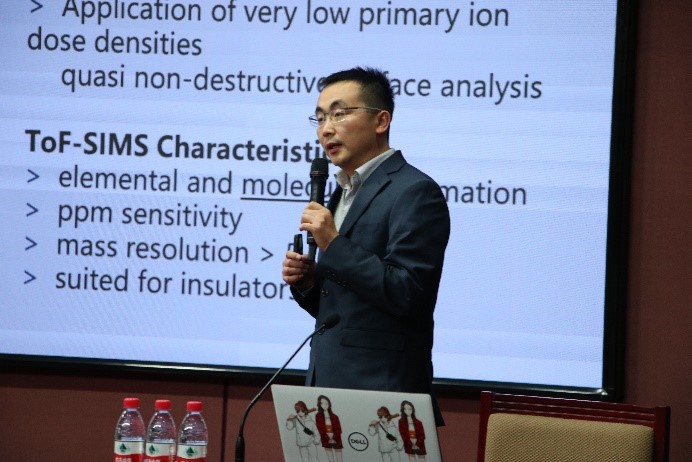 Jiushuai Deng (邓久帅)合作论文数School of Chemical & Environmental Engineering, China University of Mining and Technology-Beijing3
 Shaolong Yang (杨少龙)合作论文数School of Naval Architecture & Ocean Engineering of Huazhong University of Science and Technology3
 天聪赵合作论文数北京理工大学2Zhenhui Lian合作论文数2En YANG合作论文数2Kaiyuan Zhao合作论文数2Yuhang Fan合作论文数2Jinping Meng合作论文数2Jiale Dong合作论文数2Baichuan Shan合作论文数2Phan Trung Kien合作论文数2Xi Zhang合作论文数2
 Guobiao Hu合作论文数Univ Auckland, Dept Mech Engn, 20 Symonds St, Auckland 1010, New Zealand2
 Qiongfeng Shi (石琼锋)合作论文数School of Electronic Science and Engineering, Southeast University2HongChen Pang (庞洪臣)合作论文数2
 Chuan Wang (王川)合作论文数Marine Engineering College of Dalian Maritime University2
 Liguo Song (宋立国)合作论文数Marine Engineering College of Dalian Maritime University2
 Taili Du (杜太利)合作论文数Marine Engineering College, Dalian Maritime University2
 Jiongtian Liu (刘炯天)合作论文数Zhengzhou University;China University of Mining and Technology2
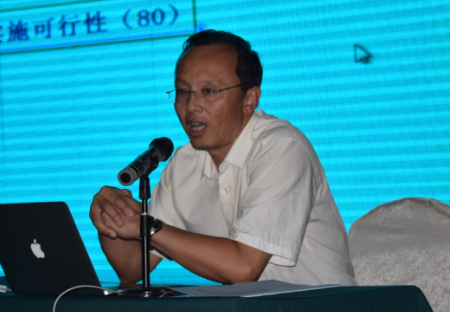 Siyuan Wang (汪思源)合作论文数大连海事大学微电脑开发公司2
 Tongming Zhou合作论文数Department of Civil, Environmental and Mining Engineering, School of Engineering, The University of Western Australia;Oceans Institute, The University of Western Australia2
 Xianbo Xiang (向先波)合作论文数Laboratory of Advanced Robotic Marine Systems, School of Naval Architecture and Ocean Engineering, Huazhong University of Science and Technology2
 Chuanfei Guo (郭传飞)合作论文数Materials Science and Engineering Department, Southern University of Science and Technology2Peng Xu合作论文数1Long Ma (马龙)合作论文数1He Wang合作论文数1Zian Qian合作论文数1Yukai Lin合作论文数1




