Heart failure with preserved ejection fraction (HFpEF) accounts for half of all heart failure cases and is closely linked to mitochondrial dysfunction and ubiquitin–proteasome system abnormalities. We found that the E3 ubiquitin ligase RNF128 is up-regulated in HFpEF myocardium, where it impairs mitochondrial respiration and promotes diastolic dysfunction. Mechanistically, RNF128 drives PPARγ degradation through ubiquitination and enhances VCP-mediated mitochondrial depletion, leading to the suppression of fatty acid oxidation. Genetic deletion of RNF128 reversed these effects, restoring mitochondrial function and improving cardiac performance. These findings identify RNF128 as a novel regulator of HFpEF pathogenesis and suggest that targeting the RNF128–PPARγ–VCP axis may provide a therapeutic strategy.
Objective Aortic dissection (AD) is a fatal cardiovascular emergency that is predominantly induced by long-term uncontrolled hypertension.Materials and methods The mouse AD model was established by combining β-aminopropionitrile with angiotensin II. The incidence rate, rupture rate, and survival status of the mice were evaluated. The structural damage of the aorta was observed using tissue staining technology, the extracellular matrix status, and macrophage pyroptosis were evaluated by immunofluorescence staining, the infiltration of inflammatory cells was detected by immunohistochemistry, the expression of pyroptosis-related molecules, and inflammatory factors was analyzed by Western blotting and enzyme-linked immunosorbent assay (ELISA). Cell proliferation was detected by EdU staining, and cell apoptosis was detected by flow cytometry.Results In the aortic tissues of AD model mice, the expression of APN, and the content of APN in the serum were significantly decreased. APN intervention can alleviate the thickening of the aortic media, rupture of elastic fibers, and degradation of the extracellular matrix. APN inhibits the proliferation, apoptosis, and phenotypic transformation of vascular smooth muscle cells (VSMCs). At the same time, it can inhibit the infiltration of neutrophils and macrophages and the inflammatory response. Underlying mechanism, it was found that APN inhibited NLRP3-mediated pyroptosis by reducing the release of inflammatory factors; this effect was dependent on the phosphorylation activation of AMPKα and APN receptor.Conclusion APN plays a protective role in AD. Its underlying mechanism is related to the activation of the AMPK pathway, which in turn inhibits macrophage pyroptosis and vascular inflammation. This study offers a new perspective for the pathological mechanism of AD.
Background: The diagnosis, treatment, and prognosis of early postoperative constrictive pericarditis (EPCP) have not been discussed in depth. The objective of this study was to devise and propose a management strategy for EPCP. Methods: In this study, constrictive pericarditis (CP) within 6 months after cardiac surgery was defined as EPCP, and patients were divided into two groups based on intraoperative findings: a parietal thickening group and a visceral thickening group. Results: A total of 20 patients were included in this study, and the incidence rate of recurrent pericardiectomy was 0.32% among all patients undergoing cardiovascular surgery. EPCP after valve surgery occurred in 85.0% of patients. Pleural effusion was the most common preoperative symptom, occurring in 90% of patients. Pericardial thickening occurred in the visceral layer in seven cases and in the parietal layer in 13 cases. There were no differences in comorbidities, C -reactive protein (CRP) level, or erythrocyte sedimentation rate (ESR) between the two groups. Most patients with visceral thickening (83.3%) needed cardiopulmonary bypass (CPB) assistance during surgery and had a longer hospital stay than those with parietal thickening (52.8 +/- 21.8 vs. 34.9 +/- 13.8 days, P=0.049). Central venous pressure (CVP) was decreased in all patients after pericardiectomy (24.9 +/- 6.96 vs. 8.9 +/- 2.92 cmH 2 O, P<0.001), and the cardiac function improved significantly in patients with parietal thickening [New York Heart Association (NYHA) grade >= III accounted for 28.6% of patients]. The long-term survival rate of patients with parietal thickening was 92.3% and that of patients with visceral thickening was 57.1%, and there was no significant difference between them (P=0.056). Conclusions: Recurrent episodes of chest tightness, pleural effusion, and elevated CVP within 6 months after cardiac surgery should be considered highly suggestive of EPCP. There are few points of difference between pericarditis with thickening of the parietal and visceral layers. After failure of conservative medical treatment, pericardiectomy results in significant improvements in cardiac function and quality of life, especially in patients with thickening of the parietal layer.
Accumulative evidences have indicated the interaction between cellular senescence and ferroptosis. This study intends to investigate the ferroptosis-related molecular markers in TNF-α-induced endothelial senescence. The microarray expression dataset (GSE195517) was used to identify the differently expressed ferroptosis-related genes (DEFRGs) through weighted gene co-expressed network analysis (WGCNA). GO and KEGG were performed to explore the biological function. Furthermore, hub genes were identified after protein-protein interaction (PPI) analysis and validated through real-time qPCR (RT-qPCR). Then, a drug-gene network was established to predict potential drugs for the hub genes. Seven DEFRGs were recognized in the TNF-α-induced HUVEC senescence. Moreover, four hub genes (PTGS2, TNFAIP3, CXCL2, and IL6 are upregulated) were identified by PPI analysis and validated by RT-qPCR. Further analysis exhibited that PTGS2 was subcellularly located in the plasma membrane. Furthermore, after aminosalicylic acid (ASA) was identified as ferroptosis inhibitor for targeting PTGS2 in senescent HUVECs, 5-ASA and 4-ASA were verified to alleviate TNF-α-induced HUVEC senescence through ferroptosis. PTGS2 might play a role in TNF-α-induced HUVEC senescence and ASA may be the potential drug for alleviating TNF-α-induced HUVEC senescence through ferroptosis.
Objective Calcific aortic valve disease (CAVD) is the leading cause of angina, heart failure, and death from aortic stenosis. However, the molecular mechanisms of its progression, especially the complex disease-related transcriptional regulatory mechanisms, remain to be further elucidated. Methods This study used porcine valvular interstitial cells (PVIC) as a model. We used osteogenic induced medium (OIM) to induce calcium deposition in PVICs to calcify them, followed by basic fibroblast growth factor (bFGF) treatment to inhibit calcium deposition. Transcriptome sequencing was used to study the mRNA expression profile of PVICs and its related transcriptional regulation. We used DaPars to further examine alternative polyadenylation (APA) between different treatment groups. Results We successfully induced calcium deposition of PVICs through OIM. Subsequently, mRNA-seq was used to identify differentially expressed mRNAs for three different treatments: control, OIM-induced and OIM-induced bFGF treatment. Global APA events were identified in the OIM and bFGF treatment groups by bioinformatics analysis. Finally, it was discovered and proven that catalase ( CAT ) is one of the potential targets of bFGF-induced APA regulation. Conclusion We described a global APA change in a calcium deposition model related to CAVD. We revealed that transcriptional regulation of the CAT gene may contribute to bFGF-induced calcium deposition inhibition.
Achondroplastic dwarfism is a rare hereditary metabolic disorder associated with a higher incidence of cardiovascular disease.There are few epidemiological data and surgical experience of rheumatic valvular disease in this population.This report is the only one to date on mitral replacement in an achondroplastic dwarfism.In addition, our approach involves placing the mechanical aortic valve prosthesis upside down in the mitral position.The 10-year results show benefits, but intraoperative management, valve type, and anticoagulation regimen are real challenges.
Abstract Objective Calcific aortic valve disease (CAVD) is a major cause of aortic stenosis resulting in angina, heart failure, and death. However, the molecular mechanism of its progression, especially the sophisticated disease-related transcriptional regulation machinery remains to be further elucidated. Methods This study was modeled on porcine valvular interstitial cells (PVIC). We used OIM to induce calcification and bFGF treatment to inhibit calcification. The mRNA expression profile of PVICs and their related transcriptional regulation were investigated using transcriptome sequencing. We used DaPars to further examine alternative polyadenylation (APA) among the different treatment groups. Results We identified global APA alteration in the OIM, OIM-bFGF, and Ctrl treatment groups. We also identified the CAT gene as one of the crucial candidate genes that may contribute to calcification inhibition through APA regulation. The alteration of both APA and protein levels of the CAT gene in the bFGF-treated group was further validated using qRT-PCR and western blotting analysis. Conclusion We described a global APA change in a calcification model related to CAVD. We revealed that transcriptional regulation of the CAT gene may contribute to bFGF-induced calcification inhibition.
Background: NDRG-1 (N-myc downstream-regulated gene 1) is a member of NDRG family that plays essential roles in cell differentiation, proliferation, and stress responses. Although the expression of NDRG1 is regulated by fluid shear stress, its roles in vascular biology remain poorly understood. The purpose of the study is to determine the functional significance of NDRG1 in vascular inflammation and remodeling. METHODS AND RESULTS: By using quantitative polymerase chain reaction, western blot, and immunohistochemistry, we demonstrate that the expression of NDRG1 is markedly increased in cytokine-stimulated endothelial cells and in human and mouse atherosclerotic lesions. To determine the role of NDRG1 in endothelial activation, we performed loss-of-function studies using NDRG1 short hairpin RNA. Our results demonstrate that NDRG1 knockdown by lentivirus bearing NDRG1 short hairpin RNA substantially attenuates both IL-1β (interleukin-1β) and TNF-α (tumor necrosis factor-α)-induced expression of cytokines/chemokines and adhesion molecules. Intriguingly, inhibition of NDRG1 also significantly attenuates the expression of procoagulant molecules, such as PAI-1 (plasminogen activator inhibitor type 1) and TF (tissue factor), and increases the expression of TM (thrombomodulin) and t-PA (tissue-type plasminogen activator), thus exerting potent antithrombotic effects in endothelial cells. Mechanistically, we showed that NDRG1 interacts with orphan Nur77 (nuclear receptor) and functionally inhibits the transcriptional activity of Nur77 and NF-κB (nuclear factor Kappa B) in endothelial cells. Moreover, in NDRG1 knockdown cells, both cytokine-induced mitogen-activated protein kinase activation, c-Jun phosphorylation, and AP-1 (activator protein 1) transcriptional activity are substantially inhibited. Neointima and atherosclerosis formation induced by carotid artery ligation and arterial thrombosis were markedly attenuated in endothelial cell-specific NDRG1 knockout mice compared with their wild-type littermates. Conclusions: Our results for the first time identify NDRG1 as a critical mediator implicated in regulating endothelial inflammation, thrombotic responses, and vascular remodeling, and suggest that inhibition of NDRG1 may represent a novel therapeutic strategy for inflammatory vascular diseases, such as atherothrombosis and restenosis.
To evaluate the effect of preoperative pulmonary artery pressure on perioperative outcome of end-stage heart failure patients undergoing heart transplantation. Retrospective analysis was undertaken on the clinical data of patients receiving heart transplantation in the Department of Cardiovascular Surgery of our hospital from March 2017 to March 2022. A ROC curve analysis was developed between mean pulmonary artery pressure (mPAP) and postoperative mortality using mPAP as diagnostic criteria. Patients were divided into groups based on this threshold to determine the best mPAP threshold value for predicting postoperative nosocomial mortality, and the differences in preoperative and intraoperative data, postoperative complications, and clinical prognosis of patients in the two groups were compared. Patients were followed up to draw the survival curve of patients in the two groups. The study enlisted the participation of 105 patients. ROC curve research revealed that preoperative pulmonary artery pressure was substantially linked with death following heart transplantation, with mPAP = 30.5mmHg being the best threshold. The group with mPAP ≥ 30.5mmHg had a greater incidence of postoperative ECMO support (28.2
目的:基于丝裂原活化蛋白激酶(MAPK)通路探究沉默CircRNA-100395对心肌细胞缺血再灌注损伤的保护作用.方法:选取36只大鼠,按照脂质体2000说明书对细胞进行转染CircRNA-100395 mimics及CircRNA-100395 inhibitor,将其分为缺血再灌注组、缺血预处理组、过表达组、沉默组.采用荧光定量聚合酶链式反应(PCR)法检测各组CircRNA-100395表达量;采用蛋白免疫印迹法(Western Blot)检测MAPK蛋白、磷酸化p38蛋白(p-p38)、氨基末端激酶(p-JNK)蛋白表达量;比较各组心率、左心室舒张压(LVDP)、左心室收缩压(LVSP).结果:缺血预处理组、过表达组CircRNA-100395表达量、LVSP水平明显低于缺血再灌注组,心率、LVDP水平及MAPK通路蛋白明显高于缺血再灌注组,差异均有统计学意义(P<0.05);沉默组CircRNA-100395表达量、LVSP水平明显高于缺血预处理组、过表达组,LVDP、心率水平明显低于缺血预处理组、过表达组,差异均有统计学意义(P<0.05);过表达组MAPK通路蛋白表达量明显高于缺血预处理组,沉默组MAPK通路蛋白表达量明显低于过表达组,差异均有统计学意义(P<0.05).结论:CircRNA-100395可能通过作用于MAPK信号通路,也可能通过沉默CircRNA-100395表达量减轻大鼠心肌细胞缺血再灌注损伤.
Background: There are still no accepted classification and recommendations for ITVR. The applicability of a protocol proposed by Latib in 2018 has not been reported for this type of surgery.Methods: We enrolled all patients who underwent ITVR from 2000 to 2021 in our central. Based on a novel classification, the patients were divided into 5 stages, and the in-hospital mortality was evaluated as the primary endpoint.Results: A total of 254 patients who underwent ITVR were divided into 5 stages. None of the patients was classified into stage 1, and stage4/5 accounted for 159 (62.6%). There was no difference in age, gender, or BMI. 178 (70.1%) patients performed traditional thoracotomy surgery and 76 (29.9%) selected the transcatheter option. Main etiology was functional tricuspid regurgitation (FTR), and 64.9% of them were in stage 4 or above. The overall mortality rate in hospital was 14.2%, and 14.0% in stage 4 vs 37.8% in stage 5 (P < 0.001). The patients in the intervention group were older in general, coronary heart disease and atrial fibrillation were also more common (P < 0.05). Interventional mortality of stage 4 and 5 was 35.8% vs 13.2% in the open group. but there was no significant difference between them after propensity score matching.Conclusions: The TR's 5-stage classifications can predict prognosis for different patients. After this classification, no difference was found between the two procedures, and thoracotomy surgery is recommended for patients with acceptable general conditions.
蛋白质精氨酸甲基转移酶5(PRMT5)是Ⅱ型精氨酸甲基转移酶,其通过多种途径参与机体的病理生理过程,涉及心血管、消化、免疫、血液等多个系统.PRMT5可以改变细胞形态,调节细胞的生长过程.在心血管疾病方面,PRMT5可以抑制心肌肥厚,促进炎性因子聚集及粥样斑块形成,参与内皮细胞的血管生成及心肌Na+通道表达.PRMT5特异性抑制剂的出现,使PRMT5可作为潜在治疗靶点,用于治疗心血管疾病.
Background: After proximal aortic surgery, total arch replacement (TAR) may again be needed because of recurrent dissection or aneurysm. This paper analyzed the relevant data of this technology with hopes of improving cognition and treatment. Methods: There were a total of 60 eligible cases of secondary TAR after proximal aortic surgery in our center from 2010 to 2020. The primary surgical procedures included aortic valve replacement (AVR), ascending aortic replacement, Bentall, hemi-arch replacement, and thoracic endovascular aortic repair (TEVAR). The data were analyzed using the IBM SPSS Statistics 23.0 for Windows™ and presented as the mean ± standard deviations and direct frequencies, as appropriate. Results: The interval between two operations was 44.8±53.6 months, 24 cases (40%) underwent emergency operation, the recurrence of type A dissection included 51 cases, accounting for 85% of the causes of total arch re-replacement. In the second surgical procedures, the ascending + TAR + stented elephant trunk (SET) implantation accounted for 75.0%. The overall surgical success rate was 98.3%. Postoperative respiratory complications were the most common, including infection, pneumothorax and hemothorax in 21 cases (35.6%). The second most common complication was acute kidney injury (AKI) in six cases (10.2%), and neurological complications took place in three cases (5.1%). The 30-day mortality rate was 15.3% and the 1-, 3- and 5-year survival rates were 96.0%, 84.0%, and 76.0%, respectively. Conclusions: The recurrence of dissection is the main cause of TAR after proximal aortic surgery, followed by aneurysm and the resurgical criteria for aneurysm needs to be unified. In addition to TAR, SET also is widely used. Despite high early mortality, its long-term prognosis is acceptable.
目的 探讨一体化联合救护管理模式在严重多发伤患者急诊救护中的实施方法及应用效果.方法 选取海军军医大学第一附属医院急诊科2019年6月至2020年6月收治的97例多发伤患者作为研究对象.对照组45例患者接受常规急救护理,观察组52例患者采用一体化联合救护管理模式展开救护,评价并比较2组患者的抢救成功时间、抢救成功率、临床转归及各部门衔接配合时间.结果 观察组抢救成功时间为(30.75±6.16)min,明显短于对照组[(51.81±9.42)min],差异有统计学意义(P<0.05),且临床转归更好;观察组抢救成功率为96.15%,明显高于对照组抢救成功率(86.67%),差异有统计学意义(P<0.05);与对照组比较,观察组辅助检查时间、急诊转手术时间、急诊到病房时间明显缩短,差异有统计学意义(P<0.05).结论 一体化联合救护管理模式可显著提高部分多发伤患者的救护效率,值得在急诊急救领域推广,提前对护理等相关人员开展岗位胜任力培训是其有效运行和成功实施的前提保障.
Background Acute thoracic aortic dissection (ATAD) is a fatal condition characterized by tear of intima, formation of false lumen and rupture of aorta. However, the subpopulations of normal and dissected aorta remain less studied. Methods Single-cell RNA sequencing was performed including 5 patients with ATAD and 4 healthy controls. Immunohistochemistry and immunofluorescence were used to verify the findings. Results We got 8 cell types from human ascending aorta and identified 50 subpopulations including vascular smooth muscle cells (VSMCs), endothelial cells, fibroblasts, neutrophils, monocytes and macrophages. Six transmembrane epithelial antigen of prostate 4 metalloreductase (STEAP4) was identified as a new marker of synthetic VSMCs. CytoTRACE identified subpopulations with higher differentiation potential in specified cell types including synthetic VSMCs, enolase 1 + fibroblasts and myeloid-derived neutrophils. Synthetic VSMCs-derived C-X-C motif chemokine ligand 12 (CXCL12) might interact with neutrophils and fibroblasts via C-X-C motif chemokine receptor 4 (CXCR4) and atypical chemokine receptor 3 (ACKR3), respectively, which might recruit neutrophils and induce transdifferentitation of fibroblasts into synthetic VSMCs. Conclusion We characterized signatures of different cell types in normal and dissected human ascending aorta and identified a new marker for isolation of synthetic VSMCs. Moreover, we proposed a potential mechanism that synthetic VSMCs might interact with neutrophils and fibroblasts via CXCL12-CXCR4/ACKR3 axis whereby deteriorating the progression of ATAD, which might provide new insights to better understand the development and progression of ATAD.
Aim Redo aortic valve surgery is usually associated with a high risk of mortality and complications. The aim of this study was to investigate the perioperative and long-term outcomes of reoperation after prior me-chanical prosthesis implantation at the aortic position. Method The clinical data of 146 consecutive patients who underwent reoperation at the aortic position between 2003 and 2019 were analysed. Results Mean age was 51.5 +/- 12.7 years and 69 (47.3%) were female. The median interval from prior surgery to redo aortic valve surgery was 6 years. The aetiologies were pannus formation with prosthetic aortic stenosis in 62 cases (42.5%), prosthetic valve endocarditis (PVE) in five (3.4%), PVE with perivalvular leakage (PVL) in 16 (11.0%), PVL in 45 (30.8%), thrombosis in seven (4.8%), and aortic disease in 11 (7.5%). As for surgical procedure, aortic valve replacement was performed in 81 cases (55.5%), Bentall in 34 (23.3%), PVL repair in six (4.1%), and pannus debridement in 25 (17.1%). Fourteen (14) (9.6%) patients expired perioperatively. Prolonged ventilation time and postoperative renal failure were proved to be significant independent predictors of mortality according to multivariate analysis. Overall survival was 87.8%+/- 7.4% and 76.4%+/- 15.1% at 5 and 10 years, respectively. Survival was 87.7%+/- 13.7% and 84.2%+/- 15.6% in the pannus group, and 84.5%+/- 12.6% and 74.6%+/- 19.4% in the non-pannus group at 5 and 10 years, respectively (p=0.951). Survival was 87.5%+/- 14.2% and 75.8%+/- 22.7% in the PVL group and 84.7%+/- 11.9% and 81.6%+/- 13.5% in the non-PVL group at 5 and 10 years, respectively (p=0.365). Conclusions Pannus formation and PVL are two major indications for reoperation of mechanical prosthesis at the aortic position. Redo aortic valve surgery has a satisfactory outcome but with a high risk of complications. Long -term survival of patients seems not to be related to the aetiology. Final decision-making of redo aortic valve surgery should be based on aetiology.
目的 分析心脏移植患者术后早期三尖瓣反流的风险因素,总结心脏移植供受体评估及心脏移植围手术期的管理经验,以期提高心脏移植术后患者生存率、降低移植术后患者早期右心功能不全发生率.方法 选取2017年3月至2019年11月在我院接受同种原位心脏移植手术的74例患者作为研究对象,按术后三尖瓣反流束面积与右心房面积比值将患者分为两组:组1(15例,三尖瓣反流束面积与右心房面积比值<20%)和组2(59例,三尖瓣反流束面积与右心房面积比值≥20%).根据供体心脏标准获取心脏,术前通过Swan-Ganz导管监测患者肺动脉收缩压(PAPs)等指标,采用超声心动图评价患者术后30 d内的三尖瓣反流程度.采用多因素logistic回归模型分析移植术后三尖瓣反流的影响因素.结果 原发性移植物功能衰竭(PGF)、急性排斥反应、供受体体重比和术前PAPs在两组间的差异均有统计学意义(P均<0.01),两组供体年龄、受体年龄、供受体性别是否匹配、术前NYHA心功能分级、原发病种类、供受体身高比、术前总胆红素水平及术前右心室前后径等的差异均无统计学意义(P均>0.05).多因素logistic回归分析结果显示PGF(OR=1.892,95%CI 1.150~1.972)、急性排斥反应(OR=1.625,95%CI 1.190~1.885)、供受体体重比(OR=0.001,95%CI 0.000~0.873)和术前PAPs(OR=1.274,95%CI 1.099~1.498)是患者心脏移植术后早期三尖瓣反流的影响因素(P均<0.05).结论 注重供受体体重的匹配、防治围手术期肺动脉高压、严格应用免疫抑制剂及预防PGF有利于降低心脏移植术后早期三尖瓣反流,减少右心功能衰竭发生.
目的:比较Del Nido停搏液与含血停搏液在急性主动脉夹层外科手术中的心肌保护效果及对肾功能的影响.方法:回顾性分析2019年6月至2020年6月因急性主动脉夹层Stanford A型在海军军医大学附属第一医院手术的69例患者,根据术中使用的心脏停搏液分为Del Nido停搏液组(DN组,n=35)和含血停搏液组(CBC组,n=34).对两组患者术前一般资料、体外循环资料、预后进行比较.结果:两组患者术前一般资料如年龄、性别、心功能、肾功能、高血压及糖尿病患病率的差异无统计学意义.两组患者体外循环时间、主动脉阻断时间、停循环时间、自动复跳率、术后血清肌钙蛋白和肌红蛋白水平的差异无统计学意义.DN组术后死亡3例,需要血液透析9例,CBC组术后死亡4例,需要血液透析5例.DN组中单侧肾受累患者共14例,其中术后死亡3例,需要血液透析8例;CBC组中单侧肾受累患者共11例,其中术后死亡2例,需要血液透析3例.DN组停搏液灌注次数显著低于CBC组(P<0.05).两组中单侧肾脏有血供患者的术后透析率、住院天数、死亡率的差异无统计学意义.结论:Del Nido停搏液在急性主动脉夹层Stanford A型外科手术中可以提供较好的心肌保护作用,未对肾功能产生不利影响.
1? 病例资料 患者男,67岁,因"心脏术后半年,腹胀伴双下肢间断水肿2个月"于2019年5月27日入院.2018年11月6日患者曾因胸部隐痛2个月来我院就诊,诊断为主动脉瓣二叶畸形、主动脉瓣狭窄、升主动脉扩张、冠状动脉粥样硬化性心脏病、NYHA心功能分级Ⅱ级、2型糖尿病、陈旧性结核性胸膜炎,完善检查及术前准备后于2018年11月13日行主动脉瓣置换(23 mm生物瓣)+升主动脉成形术,术后恢复良好并于2018年11月20日顺利出院.2019年3月9日因心房扑动入院行床旁电复律,恢复窦性心律后于2019年3月15日出院.同年4月患者自觉腹胀明显并伴有双下肢凹陷性水肿再次就诊我院,胃镜检查未发现明显异常,自行服用利尿剂后症状有所改善.2019年5月患者腹胀和双下肢水肿明显加重,于5月27日再次入住我院.
背景:组织工程学研究常用的动物组织不可避免地存在各种微生物附着,而无菌是组织工程材料临床应用的一项基本要求.目的:观察体积分数75%乙醇灭菌对牛心包性能及生物相容性的影响.方法:将牛心包组织分别用无菌PBS(对照组)、含1%抗生素(青霉素/链霉素/两性霉素B溶液)的PBS、氯己定及体积分数75%乙醇进行灭菌处理.采用LB固体培养基评价4种方法的杀菌效果;采用VB染色评估4组处理对牛心包组织结构的影响;通过CCK-8实验测定4种处理抽提液的细胞毒性.将体积分数75%乙醇灭菌处理的牛心包制作为脱细胞支架,与人脐静脉内皮细胞共培养,观察细胞的黏附与内皮化效果.结果 与结论:①体积分数75%乙醇和氯己定处理24 h的牛心包满足完全灭菌的要求,1%抗生素处理组和对照组可见明显菌落形成;②VB染色显示,体积分数75%乙醇、氯己定和1%抗生素处理的牛心包胶原纤维呈波浪状排列整齐,结构紧凑,弹性纤维含量较少但结构清晰;③体积分数75%乙醇灭菌处理的牛心包不影响L929细胞的增殖活性,培养1-3 d内的细胞存活率均在100%以上;氯己定灭菌处理的牛心包有很强的细胞毒性,导致细胞死亡;④人脐静脉内皮细胞可在脱细胞支架表面正常生长与黏附;在20 d的种植期内,第8-12天脱细胞支架表面黏附的细胞最多;⑤结果说明,体积分数75%乙醇能够有效消灭附着在牛心包上的所有微生物,不会影响牛心包的组织学完整性与生物相容性.
 Zhiyun Xu (徐志云)合作论文数Department of Cardiothoracic Surgery, Changhai Hospital61
 Lin Han (韩林)合作论文数47
 Bailing Li (李白翎)合作论文数中国人民解放军第二军医大学33Fanglin Lu合作论文数25Chong Wang合作论文数21Qing Xue (薛清)合作论文数16Keng Zhong (钟铿)合作论文数15Shengdong Huang (黄盛东)合作论文数Changhai Hospital of Shanghai12Jianxin Sun合作论文数Center for Translational Medicine, Thomas Jefferson University11Yi Bing合作论文数11Jiajun Zhang合作论文数10
 Yangfeng Tang (唐杨烽)合作论文数Changhai Hospital9Yifan Bai合作论文数8Tao Yan合作论文数8Xingli Fan合作论文数7XiaoLei Hou (侯霄雷)合作论文数7MengWei Tan (谈梦伟)合作论文数7JiBin Xu (徐激斌)合作论文数7LiangJian Zou (邹良建)合作论文数7Geng-Xi Jiang合作论文数6
 ZhiFu Guo (郭志福)合作论文数Changhai Hospital, Naval Medical University6
 Hongxing Shen (沈洪兴)合作论文数Renji Hospital, School of Medicine, Shanghai Jiao Tong University6He Wang合作论文数5Jianhui Peng (彭建辉)合作论文数5Xin Wei合作论文数5XiaoJun Shen (申晓军)合作论文数5
 Zhiqing Zhao (赵志青)合作论文数Changhai Hospital5
 Liu Yang合作论文数5Guokun Wang合作论文数5Dejun Gong合作论文数4Ni Zhu合作论文数4Fang Cheng合作论文数4Hao Tang (唐昊)合作论文数4
 Qingqi Han (韩庆奇)合作论文数中国人民解放军第二军医大学4
 Zhinong Wang (王志农)合作论文数Shanghai Changzheng Hospital4Jinqiang Chen (陈金强)合作论文数4
 Suxuan Liu (刘夙璇)合作论文数Changhai Hospital, Second Military Medical University4Boyao Zhang合作论文数3Yongqiang Yin合作论文数3Ning Li合作论文数3Hongjie Xu合作论文数3Fan Yang合作论文数Dept Thyroid Surg, Wenzhou Med Univ3
 Fan Qiao合作论文数3
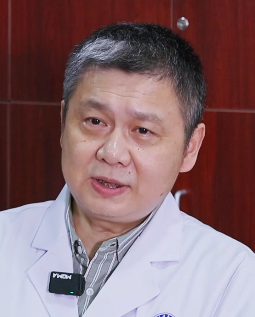 Zhigang Song (宋智钢)合作论文数Changhai Hospital3
 Xiaohong Liu (刘晓红)合作论文数First Affiliated Hospital of Naval Medical University3Xilong Lang (郎希龙)合作论文数Changhai Hospital3
 Chunyu Xue (薛春雨)合作论文数第二军医大学附属长海医院整形外科3Kebiao Chen (陈克彪)合作论文数泰安市中心医院心脏外科3




