Parkinson's disease (PD) is a prevalent progressive and multifactorial neurodegenerative disorder. Cordycepin is known to exhibit antitumor, anti-inflammatory, antioxidative stress, and neuroprotective effects; however, few studies have explored the neuroprotective mechanism of cordycepin in PD. Using a 1-methyl-4-phenyl-1,2,3,6-tetrahydropyridine (MPTP)-induced mouse model, we investigated the impact of cordycepin on PD and its underlying molecular mechanisms. The findings indicated that cordycepin significantly mitigated MPTP-induced behavior disorder and neuroapoptosis, diminished the loss of dopaminergic neurons in the striatum-substantia nigra pathway, elevated striatal monoamine levels and its metabolites, and inhibited the polarization of microglia and the expression of pro-inflammatory factors. Subsequent proteomic and phosphoproteomic analyses revealed the involvement of the MAPK, mTOR, and PI3K/AKT signaling pathways in the protective mechanism of cordycepin. Cordycepin treatment inhibited the activation of the PI3K/AKT/mTOR signaling pathway and enhanced the expression of autophagy proteins in the striatum and substantia nigra. We also demonstrated the in vivo inhibition of the ERK/JNK signaling pathway by cordycepin treatment. In summary, our investigation reveals that cordycepin exerts neuroprotective effects against PD by promoting autophagy and suppressing neuroinflammation and neuronal apoptosis by inhibiting the PI3K/AKT/mTOR and ERK/JNK signaling pathways. This finding highlights the favorable characteristics of cordycepin in neuroprotection and provides novel molecular insights into the neuroprotective role of natural products in PD.
Cerebral amyloid angiopathy-related inflammation (CAA-ri) is a subtype of CAA with an inflammatory response to the vascular β-amyloid deposits. Reliable and non-invasive clinical diagnostic methods may allow patients to avoid the side effects of brain biopsy. In this observational study, we retrospectively analyzed the clinical, laboratory, radiological features, treatment, and outcome of patients diagnosed with CAA-ri. The main purpose is to enhance knowledge of CAA-ri and to avoid misdiagnosis. We described 15 consecutive patients with probable or possible CAA-ri at Henan Provincial People’s Hospital according to a validation study of proposed criteria for the diagnosis of CAA-ri. The clinical features, imaging, laboratory findings, and treatment which included the response to immunotherapy were revealed in the study. The median age of 15 patients was 67.0 years (range 48.0–90.0 years), and the male-to-female ratio was 7: 8. In our study, the most common clinical manifestations were cognitive decline (7/15, 46.7
Objective:To investigate the correlations of melanin concentration hormone (MCH) in cerebrospinal fluid (CSF) and serum with sleep disorder, memory dysfunction and prognoses in patients with cerebral ischemic stroke (CIS).Methods:One hundred elderly CIS patients, admitted to Department of Neurology, He'nan Provincial People's Hospital from June 2021 to January 2022 were enrolled as CIS group, and 50 subjects collected from Physical Examination of the same hospital during the same period were enrolled as control group. MCH levels in the CSF and serum were detected by ELISA. Sleep quality was assessed by polysomnography and Pittsburgh Sleep Quality Index (PSQI). Memory function was assessed by Rivermead Behavioral Memory Test 2 nd Edition (BMT-II). Prognoses were assessed by modified Rankin Scale (mRS) 3 months after discharge. The clinical data and MCH levels of the two groups were compared; the differences in MCH levels among CIS patients with different degrees of sleep disorder, and different memory functions and prognoses were compared. Correlations of MCH level and sleep parameters with RBMT-II scores in these CIS patients were analyzed. Results:Compared with that in the control group, the proportion of patients with hypertension in CIS group was significantly higher ( P<0.05). Compared with the control group ([42.39±16.11] pg/mL), the serum MCH level in CIS group ([36.89±15.19] pg/mL) was statistically lower ( P<0.05). In CIS patients, patients with mild or severe sleep disorder had significantly decreased CSF MCH level compared with patients without sleep disorder ( P<0.05), patients with severe sleep disorder had significantly decreased CSF MCH level compared with patients with mild sleep disorder ( P<0.05); patients with severe sleep disorder had significantly decreased serum MCH level compared with patients without sleep disorder ( P<0.05); CSF MCH level was negatively correlated with PSQI scores, sleep latency and wake frequency ( P<0.05), and positively correlated with percentage of rapid eye movement ( P<0.05); serum MCH level in CIS patients was negatively correlated with PSQI scores and wake frequency ( P<0.05). In CIS patients, the CSF and serum MCH levels in patients with memory dysfunction was significantly lower compared with those with normal memory function ( P<0.05); a positive correlation was noted between RBMT-II scores and CSF MCH level ( P<0.05). In CIS patients, patients with poor prognosis had statistically lower CSF and serum MCH levels compared with those with good prognosis ( P<0.05). Conclusion:The serum MCH level in CIS patients is significantly decreased, which is closely related to the occurrence of sleep disorder and memory dysfunction after stroke; and they further affects the prognoses.
We describe a Chinese family with severe autosomal-dominant nocturnal frontal lobe epilepsy (ADNFLE) and psychiatric problems in whom whole-exome family trio sequencing identified a heterozygous mutation in the potassium channel subfamily T, member 1 (KCNT1), a sodium-gated potassium channel gene, which was a novel missense mutation c.2153A>T (p. Asp718Val). The typical characteristics of the three patients in the family were refractory epilepsy, acquired cognitive impairment, and psychiatric problems, which include hallucinations and suicidal thoughts and behaviors. The age at onset was found to be earlier in son and daughter of the proband than that of the proband, as proven by the proband's history of an epileptic seizure at the age of 16 years and her son's and daughter's history of seizures at the age of 8 years. Magnetic resonance imaging findings were negative for any abnormalities. Because of psychiatric symptoms, these three patients were administered risperidone at different times during their illness. The protestor's son had tried fenofibrate treatment, but clinical remission was unclear. In summary, our findings broadened the mutation database in relation to KCNT1 and implicated the sodium-gated potassium channel complex in ADNFLE, more broadly, in the pathogenesis of focal epilepsies.
目的 探讨腓骨肌萎缩症(Charcot-Marie-Tooth disease,CMT)1A型的临床表现、神经电生理和肌肉MRI特点.方法 回顾性分析6个CMT1A型家系中6例先证者及2例家系成员的临床资料、神经电生理特点和下肢肌肉的MRI影像学特征.结果 6例CMT1A型先证者的首发症状以双下肢无力为主,主要临床特征为进行性加重的四肢远端肌无力和肌肉萎缩,伴或不伴深、浅感觉障碍,腱反射减弱或消失,足内翻及高弓足畸形.神经电生理示神经传导速度减慢,感觉神经、运动神经可同时受累,感觉神经病变重于运动神经,下肢重于上肢.下肢肌肉MRI示小腿伴或不伴大腿的多发肌群萎缩,脂肪沉积及脂肪间隙增多.结论 CMT1A型呈散发或常染色体显性遗传,有特征性电生理改变,周围神经传导速度和下肢肌肉MRI检查有助于发现早期及不典型CMT1A型.
目的 总结脑淀粉样血管病相关炎症(CAA-RI)患者的临床表现及辅助检查的特点,探讨临床诊断的要点.方法 本研究纳入2016-07—2018-07在河南省人民医院诊治的10例CAA-RI患者,总结其临床表现、诊治经过及随访情况.分析头颅MRI上白质病变和CAA相关出血病变的特点及分布情况.结果 本组CAA-RI患者临床症状上以认知障碍最为常见,头痛发生率较国外高,临床表现多样化,无诊断特异性.头颅M RI显示,脑白质病变特征均符合血管源性水肿,以FL A IR序列显示最佳,皮质下白质(U型纤维)均受累.CAA相关出血影像,以脑微出血发生率最高(100%),SWI序列对诊断非常重要.结论 CAA-RI临床表现多样化,无诊断特异性.头颅MRI特征性白质病变合并CAA相关出血影像特征为诊断核心.
Objective:To summarize the clinical and imaging features of five patients of cerebral autosomal dominant arteriopathy with subcortical infarcts and leukoencephalopathy (CADASIL) with cysteine-sparing NOTCH3 gene missense mutations and explore potential pathogenicity of gene mutations.Methods:The clinical data from five patients who were admitted to the People′s Hospital of Zhengzhou University from March 2017 to November 2018 were collected. The patients were found to carry cysteine-sparing NOTCH3 gene mutations through genetic testing and diagnosed pathologically. They were probands confirmed from five unrelated family and all five patients were performed full exon detection and skin biopsy.Results:Genetic testing identified five patients with cysteine-sparing NOTCH3 gene missense mutations, a total of five different mutations, including p.R75Q, p.D80G, p.V237M, p.S1418L and p.R1761H. The first three mutations were found in the epidermal growth factor-like repeats (EGFr), the latter two mutations near the transmembrane domain. Granular osmiophilic material was identified in all cases examined with skin biopsy. The age at initial symptom onset of these five cases was ranged from 22 to 58 years and three cases presented cardiovascular risk factors. The primary clinical manifestations included migraine in one case, ischemic stroke in three cases, psychiatric disturbances in four cases, cognitive dysfunction in five cases, while gait disturbance, pseudobulbar palsy, and seizures accounted for only one case each. Magnetic resonance imaging of five patients all showed white matter hyperintensities (WMLs) and lacunar infarcts, and WMLs involved the anterior temporal pole and external capsules in three cases separately. According to the criteria proposed by Mui?o et al for evaluating the pathogenicity of cysteine-sparing NOTCH3 mutations, all five mutations are potentially pathogenic.Conclusions:Most characteristics of CADASIL patients with cysteine-sparing NOTCH3 gene mutations are similar to those of CADASIL patients with cysteine NOTCH3 gene mutations. Mutations not involving the EGFr may also have potential pathogenicity, and the specific mechanism still needs further study.
BACKGROUND Cortical subarachnoid hemorrhage (cSAH) is a rare clinical presentation with different causes, but rarely happens along with acute ischemic stroke. Intracranial high-grade stenosis originated from brain has been regarded as an unusual cause of cSAH, especially in young adults. CASE REPORT A case of 33-year-old male presented with mild headache and spontaneous left-sided body weakness. Initial brain computed tomography (CT) showed cSAH in the right superior frontal sulcus. Further neuroimaging examinations including magnetic resonance imaging (MRI), digital subtraction angiography (DSA), transesophageal echocardiogram (TEE); in addition, lumbar puncture and blood tests were performed. Diffusion-weighted imaging (DWI) showed an acute infarction in the right frontal lobe and corona radiata of the territory of middle cerebral artery (MCA). The MR angiography (MRA) displayed no flow signal in the right middle cerebral artery M1-segment, while the DSA displayed bloodstream slowness in the right MCA M1-segment which suggested high-grade stenosis of the right MCA. The abnormal laboratory data suggested hyperhomocysteinemia, and excluded causes of thrombosis, infection, or cancer. The mechanism of cSAH may come about in severe atherosclerotic stenosis of MCAs by the broken of expanded tenuous compensatory pial vessels. The patient had good recovered at follow-up. CONCLUSIONS This case demonstrates cSAH with acute ischemic stroke, which is an uncommon complication, in a young adult stroke patient; a high-grade atherosclerotic stenosis of the MCA was identified as the etiology.
目的 探讨帕金森病患者血清胱抑素C与炎症因子及氧化应激指标之间的相关性,寻找帕金森病患者的发病机制为预防及治疗提供新的依据.方法 选取2017-01—2018-11在驻马店市中心医院进行治疗的帕金森病患者76例,健康对照组采用年龄、性别1:1匹配的方式纳入76例健康人群.分别检测2组白介素6(IL-6)、肿瘤坏死因子α(T N F-α)、白介素1β(IL-1β)、干扰素γ(INF-γ)及C反应蛋白(CRP)及一氧化氮合酶(NOS)、超氧化物歧化酶(SOD)、丙二醛(MDA)、对氧磷脂酶1(PON1)和循环谷胱甘肽过氧化物酶(CGP),分析血清胱抑素C炎症因子及氧化应激之间的相关性.结果 帕金森病组血清Cys C、IL-1β、TNF-α、IL-6、CRP浓度均高于健康对照组(P<0.01).帕金森病组患者血清NOS、SOD、PON1、CGP浓度均低于健康对照组(P<0.05).而MDA的浓度高于对照组,差异有统计学意义(P<0.05).帕金森病组和对照组血清INF-γ浓度相比差异无统计学意义(P>0.05).相关性分析表明,帕金森病患者血清Cys C浓度与IL-1β、TNF-α、IL-6、CRP和MDA的浓度呈正相关,但与NOS、SOD、PON1、CGP呈负相关.结论 帕金森病患者血清胱抑素C与炎症因子和氧化应激具有明显的相关性,血清胱抑素C、炎症因子与氧化应激可能共同参与了帕金森的发生与发展.
BACKGROUND This study aimed to identify NOTCH3 mutations and describe the genetic and clinical features and magnetic resonance imaging results in 11 unrelated patients with cerebral autosomal dominant arteriopathy with subcortical infarcts and leukoencephalopathy (CADASIL) from Henan province in China. MATERIAL AND METHODS NOTCH3 was directly sequenced in 11 unrelated patients of Chinese descent. The clinical presentations and magnetic resonance imaging features were retrospectively analyzed in the 11 index patients with a definite diagnosis. RESULTS Seven different mutations were identified in 11 unrelated patients, including 4 novel mutations (p.P167S, p.P652S, p.C709R, and p.R1100H) in China and 3 reported mutations (p.C117R, p.R578C, and p.R607C). Four novel mutations (p.P167S, p.P652S, p.C709R, and p.R1100H) were predicted to be probably pathogenic using an online pathogenicity prediction program through comprehensive analysis. Clinical presentations in symptomatic patients included stroke, cognitive decline, psychiatric disturbances, and migraine. Multiple lacunars infarcts and leukoaraiosis were detected on MRI in most symptomatic patients, while white-matter lesions were identified in the temporal pole or the external capsule in all affected patients. CONCLUSIONS The mutation spectrum of CADASIL patients from Henan province in China displayed some differences from that of those reported previously. DNA sequencing was used to diagnose all 11 patients as having CADASIL, and we found 4 novel mutations. The present results further contribute to the enrichment of NOTCH3 mutation databases.
Objective To investigate the clinical manifestations,imaging features,molecular genetic characteristics and possible pathogenic mechanisms of hereditary cerebral small vessel disease (CSVD) caused by heterozygous mutation of HtrA serine protease-1 (HTRA1) gene.Methods The clinical data of a Chinese Han family with CSVD carrying a heterozygous mutation of HTRA 1 gene,which came from the Department of Neurology,Henan Provincial People's Hospital in March 2018,were analyzed retrospectively.The clinical and radiographic features were summarized.Several high-throughput whole exon high-throughput sequencing was used to capture the mutation sites and the Sanger sequencing was used to validate the results.The family diagram was drawn and the 3D model construction and mutation function prediction were performed using silico tools.The relevant literature was reviewed and the pathogenesis was explored.Results The pedigree map showed that the family had an autosomal dominant inheritance pattern.Three generations of the family were investigated,and three family members in the same generation suffered from the disease.The first symptom of the proband was diplopia at the age of 39,accompanied by recurrent stroke,cognitive impairment and mood disorders,without alopecia.Head magnetic resonance imaging revealed bilateral diffuse,symmetric lesions,multiple lacunar infarcts,perivascular space,and microbleeds.The elder sister of the proband developed symptoms of left limb weakness at the age of 46,whose other clinical and imaging features were similar to those of the proband.The proband's mother died at the age of 59 due to repeated strokes.Whole exon sequencing indicated heterozygous missense mutation at c.821G>A locus of HTRA1 gene in the proband and her 4th elder sibling,which was a new pathogenic mutation after consulting several mutation sites of databases.Function prediction suggested pathogenicity.Conclusions The heterozygous mutation of c.821G>A in HTRA1 gene may lead to autosomal dominant CVSD.This genetic type should be given clinical attention.
目的 本实验旨在探讨阿魏酸(FA)通过修复线粒体分裂-融合失衡改善阿尔茨海默病(AD)小鼠学习记忆障碍以及神经元保护的作用.方法 将KM小鼠随机分为空白对照组(A组)、模型对照组(B组)、阳性对照组(石杉碱甲片,C组)和低剂量阿魏酸模型组(D-低组)、高剂量阿魏酸模型组(D-高组),每组各10只.除A组小鼠外,其余小鼠一次性侧脑室注射Aβ1-42建立AD模型.采用自发活动实验和Moms水迷宫法检测FA对小鼠行为学的影响.采用PCR法检测线粒体动力学基因的mRNA水平.检测FA对AD病理标记蛋白以及线粒体分裂-融合蛋白表达的影响.另外,采用组织免疫荧光检测Aβ在大脑皮层神经元中的分布.结果 ①通过水迷宫实验证实,D-高组小鼠寻找站台的潜伏时间明显短于B组小鼠,但是仍然略微长于A组小鼠(P<0.05);但是D-高组小鼠在第4象限停留时间明显长于B组(P<0.05),与A组基本一致(P>0.05).②D-高组小鼠大脑皮层组织中Drp1、钙调神经磷酸酶(calcineurin,CaN)催化亚单位α(CnAα)、CnAβ mRNA明显低于B组,但是仍然高于A组小鼠(P<0.05).③D-高组小鼠大脑皮层组织蛋白中APP、Bace1、总Tau(Tau46)蛋白及S396位点磷酸化的Tau(pS396)蛋白表达明显低于B组,但是仍然高于A组(P<0.05).④除Drp1蛋白外,D-高组小鼠大脑皮层组织神经元细胞中Drp1ser637、CnAα、蛋白激酶A的催化亚基c(PKAc)、线粒体融合蛋白基因2(Mfn2)水平均与A组小鼠神经元趋于一致.⑤D-高组小鼠大脑皮层神经元中Aβ的形成和聚集较B组明显减少.结论 阿魏酸可以通过修复线粒体分裂-融合动力学失衡改善AD的病理损伤.
Background: The rate of occurrence of Alzheimer's disease is increasing around the world. However, there is still no significant breakthrough in the study of its etiology and pathogenesis. Objective: To screen Alzheimer's disease pathogenic genes, which may be conducive to the elucidation of the pathogenic mechanisms of Alzheimer's disease And predict the pathogenicity by various computer software. Method: Clinical and neuroimaging examination, Whole Exome Sequencing, and Sanger sequencing were performed in the proband. Mutation sites were verified in 158 subjects. Results: We reported a proband carrying a probably novel pathogenic mutation, which clinically manifests as progressive memory loss, visual-spatial disorders, apraxia, psychobehavioral disorders, and temperamental and personality changes. Whole Exome Sequencing detected a novel missense mutation at codon 222 (Q222L), which is a heterozygous A to T point mutation at position 665 (c.665A>T) in exon 5 of the presenilin 1 leading to a glutamine-to-leucine substitution. The mutation was also identified by Sanger sequencing in one family member; nevertheless, it was not detected in the other 7 unaffected family members, 50 sporadic Alzheimer's disease patients and 100 control subjects. Conclusion: A novel mutation in exon 5 of the presenilin 1 gene (Gln222Leu) in a Chinese family with early-onset Alzheimer's disease has been reported, besides, it was predicted that the missense mutation was probably a novel pathogenic mutation that was reported for the first time in a Chinese family with early-onset Alzheimer's disease.
The pathophysiological mechanism of white matter hyperintensities of cerebral small vessel disease (CSVD) includes an impaired blood-brain barrier (BBB) with increased permeability. Neuroinflammation likely contributes to the disruption of the BBB in CSVD. Therefore, understanding the molecular mechanism of how neuroinflammation causes BBB damage is essential to preventing BBB disruption in CSVD. Matrix metalloproteinase 9 (MMP-9) contributes to BBB damage in neuroinflammatory diseases. In this study, we observed that interleukin-1β (IL-1β)-induced MMP-9 secretion in pericytes increased BBB permeability to sodium fluorescein (Na-F) by damaging the disruption of VE-cadherin, occludin, claudin-5, and zonula occludin-1 (ZO-1). Melatonin reduced BBB permeability to Na-F and inhibited the disruption of the adherens and tight junction proteins. Melatonin also downregulated MMP-9 and upregulated tissue inhibitor of metalloproteinases 1 (TIMP-1) gene expression, which decreased the MMP-9/TIMP-1 ratio. In addition, nuclear translocation of NF-κB/p65 induced by IL-1β in pericytes upregulated MMP-9 expression, which was inhibited by the NF-κB inhibitor PDTC. However, the NOTCH3 inhibitor DAPT significantly inhibited NF-κB/p65 translocation to the nucleus, while melatonin in combination with DAPT significantly prevented NF-κB/p65 translocation than DAPT alone. Our results suggest that melatonin reduced MMP-9-induced permeability of the BBB. Melatonin reduced MMP-9 expression and activity, which was induced by IL-1β through the regulation of the NOTCH3/NF-κB signaling pathway in pericytes, suggesting that pericytes regulate BBB integrity and function.
目的 对老年痴呆患者发生院内感染的危险因素进行分析,依据其危险因素制定相应的应对措施.方法 回顾性分析2015-03—2016-03驻马店市中心医院收治的老年痴呆患者68例,按照是否发生院内感染分为实验组(感染)和对照组(未感染),通过对比2组患者的临床资料,分析发生院内感染的影响因素.结果 发生院内感染的34例老年痴呆患者中以下呼吸道感染(38.2%)最多,其次为泌尿道感染(26.5%)、上呼吸道感染(17.7%).通过对比2组患者的临床资料发现,性别、病程等与院内感染的发生率无相关性,而年龄、住院时间、抗生素使用、侵袭性操作、免疫抑制剂及激素的使用均为老年痴呆患者并发院内感染的危险因素.结论 住院时间、年龄、抗生素使用、侵袭性操作、免疫抑制剂及激素的使用均是导致老年痴呆患者发生院内感染的主要因素,对危险因素进行相应的预防措施以降低其院内感染的发生概率.
目的 探讨以急性脑脑梗死/短暂性脑缺血发作为表现的特发性嗜酸性粒细胞增多症的临床症状、检查及诊断治疗方法.方法 回顾性分析河南省人民医院收治的1例以急性脑脑梗死/短暂性脑缺血发作为临床表现的特发性嗜酸性粒细胞增多症患者的临床资料,并复习国内外相关文献.结果 特发性嗜酸性粒细胞增多症神经系统疾病可表现为急性脑梗死或短暂性脑缺血发作,主要临床表现为头晕、视物重影、肢体麻木等.磁共振成像、血常规、骨髓穿刺对其诊断的敏感性、特异性较高.激素治疗安全有效,可降低严重并发症.结论 特发性嗜酸性粒细胞增多症是一种相对少见的疾病,合并急性脑梗死/短暂性脑缺血发作更为少见,及时正确的诊断和治疗可以改善预后.
RATIONALE:We report a case of Spastic paraplegia 8 (SPG8) with a novel mutation of KIAA0196 gene.PATIENTS CONCERNS:A 12-year-old boy presented as ankle sprained, lower limb stiffness, abnormal gait since he was 5 years old.DIAGNOSES:The next generation sequence showed a novel c.1128delG (p.L376fs) mutation in KIAA0196 gene, the electromyography showed the pyramidal tract conduction dysfunction and deep sensory conduction abnormalities of lower limbs without motor neuron damage. The diagnose was SPG8.INTERVENTIONS:Patient was gaven Baclofen treatment (30 mg/day, orally).OUTCOMES:At one year follow up, his symptoms didn't improved.LESSONS:We describe a novel KIAA0196 c.1128del.G (p.L376fs) mutation in a Chinese patient with SPG8. To our knowledge, it's the first frame delete mutation causing shift mutation of KIAA0196 gene, resulting in the earliest onset of SPG8 in the world. Gene sequencing is a powerful diagnostic tool to identify a causal mutation in genetically heterogeneous HSP.
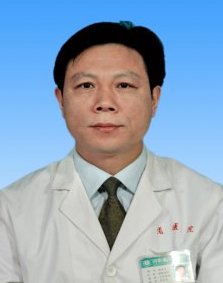 Jiewen Zhang (张杰文)合作论文数Neurology Department, Henan Provincial Peoples Hospital15
 Mingrong Xia合作论文数6
 Yingying Shi (施迎迎)合作论文数Xiamen Maternity and Child Health Hospital6Miao-Miao Yang合作论文数3Gai Li合作论文数3Qian Wang (王倩)合作论文数3Robert Chunhua Zhao合作论文数2Limin Ma (马丽敏)合作论文数2Ruihua Sun合作论文数2Shujian Li合作论文数2Dan-dan GAO (高丹丹)合作论文数2ZhiHua Long (龙志华)合作论文数2WeiZhou Zang (臧卫周)合作论文数2
 Haohan Zhang合作论文数Department of Mechanical Engineering, Columbia University2Weizheng Xie合作论文数1Jing Zhao合作论文数1Jinxing Qi合作论文数1Jianzhong Deng合作论文数1Sisi Ruan合作论文数1LIU Xiao-yang (刘晓洋)合作论文数1Dan Li合作论文数1Yan Li合作论文数1Junfen Fan合作论文数1Bin-Bin DU (杜彬彬)合作论文数1Shuai CHEN (陈帅)合作论文数1Zhongcan Chen合作论文数1Rongjia Zhu合作论文数1Suhua Gao合作论文数1Junran Liu (刘俊然)合作论文数1Na Xie合作论文数1Jingjing Wei合作论文数1Huayuan WANG (王华园)合作论文数1Yingying Bai合作论文数1Guo Yang合作论文数1
 Sijia Wei合作论文数Ctr Educ Hlth Sci, Northwestern Univ1Jing-yi ZHAO (赵婧一)合作论文数1Ya-jing SUN (孙雅静)合作论文数1DeWang Niu (牛德旺)合作论文数1QianLin Zhang (张钱林)合作论文数1YingYing Wu (吴颖颖)合作论文数1XiaoMing Qin (秦晓明)合作论文数1Jun Fu (付俊)合作论文数1ZhiXia Ren (任志霞)合作论文数1
 Xiangqian Guo (郭向前)合作论文数College of Medicine, Henan University1
 Yan Xu (徐妍)合作论文数郑州大学基础医学院1
 Mingming Ma (马明明)合作论文数郑州大学人民医院1
 Yue Huang (黄月)合作论文数郑州大学人民医院1
 Hang Yuan (袁航)合作论文数School of Chemistry, Zhengzhou University1




