Neurocritical care is an important branch of critical care medicine. The mechanism of critical neurological damage is complex and diverse, and the pathophysiology changes rapidly. Different pathophysiological changes determine different degrees of brain injury. In a special plateau environment, the incidence of critical neurological disease is higher, the age of onset is younger, the disease progress is faster, and the degree of damage is more severe. In order to standardize the diagnosis and treatment, enhance monitoring and management, provide timely and precise treatment, prevent irreversible brain injury, and improve the prognosis of patients with critical neurological illness at high altitudes, the Research Group of Calm Treatment of China, Research Group of Critical Care Ultrasound of China, and the Quality Control Center of Critical Care Medicine in Tibet formulated the Expert Consensus on Monitoring and Management of Patients with Critical Neurological Illness at High Altitudes on the basis of full discussion and communication of relevant critical medical experts and neurosurgery experts according to domestic and foreign literature and years of experience in clinical application and promotion. The main contents of the consensus are as follows.(1) According to the pathophysiological mechanism of neurological involvement in critical illness, scenarios of neurocritical care at high altitudes can be divided into cerebral hemorrhage at high altitudes, severe traumatic brain injuries, ischemic stroke, cerebral edema at high altitudes, and septic encephalopathy (8.4 points).(2) It is recommended to use cerebral blood flow, brain function monitoring and cerebral oxygen saturation as a 'triad' monitoring core in management of neurocritical care at high altitude, to as well as cerebrospinal fluid dynamics monitoring and brain structure surveillance (9.0 points).(3) It is recommended to grade patients quickly, and the '5-avoids' approach based on 'brain protection' theory were adhered to avoid fever, seizures, anxiety, agitation or pain, shivering, stimulation and nociception, according to different levels. Especially in the 'super critical' stage, with the protection of '446'targets, choose the window for analgesia and sedation (8.4 points).(4) It is recommended to monitor systemic and cerebral hemodynamic continuously and dynamically in order to improve systemic perfusion and optimize cerebral perfusion simultaneously (8.4 points).(5) It is recommended to choose the method of direct measurement of intracranial pressure by intraventricular catheter or optic nerve sheath diameter under ultrasound to estimate intracranial pressure, and choose the appropriate target mean arterial pressure to ensure optimal brain perfusion (8.8 points).(6) It is recommended to use transcranial Doppler ultrasound to evaluate the blood flow velocity and blood flow waveform of the bilateral cerebral arteries. It is recommended to target the blood flow velocity of M1 at 40 cm/s in the 'super critical' period (8.2 points).(7) In the 'super critical' period, we recommend to routinely monitor BIS and maintain the BIS value around 40 as the goal to guide the depth of sedation; those with conditions can be monitored by quantitative electroencephalography to assist determining whether there are non-convulsive seizures, and perform diagnostic evaluation of the prognosis (8.6 points).(8) It is recommended to monitor brain oxygen levels routinely, starting early in the ICU admission of patients with critical neurological conditions at high altitudes, which can assist in the assessment of brain damage (8.6 points).(9) It is recommended to evaluate the cerebral blood flow self-regulation ability routinely to achieve the optimal cerebral perfusion pressure in time and timely adjust the intensity and scheme of treatment (8.2 points).(10) It is recommended to emphasize the importance of target arterial partial pressure of carbon dioxide in the artery in critical illness and neurocritical care at high altitudes (8.0 points).(11) It is recommended to devote attention to the importance of targeted temperature management in in critical illness and neurocritical care at high altitudes (8.6 points).(12) It is recommended that multidisciplinary consultation and multi-professional cooperation could improve the management in critical neurological illness at high altitudes (8.8 points).(13) It is recommended that the constitution of improvement in brain structure imaging, pressure normalization of cerebrospinal fluid and restoration of cerebral blood autoregulation could be as the de-escalation triad (8.0 points).(14) It is recommended to be cautious of paroxysmal sympathetic hyperreactivity patients in neurocritical and critical illness at high altitude (8.0 points).(15) It is recommended to be cautious about the management of agitation (delirium) and cognitive function of patients in TBI at high altitudes(8.0 points).(16) It is recommended to assess the itinerary of the rehabilitation in a timely manner for critically sick patients at high altitudes (8.2 points).(17) It is recommended to be cautious of post-traumatic hydrocephalus and related neuroendocrine abnormalities in patients with critical neurological illness at high altitudes (7.6 points).
Purpose:Little epidemiological data exist on patients with severe infection in the plateau region of China, and the data that do exist are lacking in quality. Using the medical records of patients with severe infection in the Department of Intensive Medicine (intensive care unit; ICU) of the People's Hospital of Tibet Autonomous Region, this study analyzed the epidemiological and clinical characteristics of patients with septic shock in plateau area (Tibet), with the ultimate aim of reducing the incidence and mortality from this condition.Methods:Clinical data on 137 patients with septic shock in the studied ICU from November 2017 to October 2019 were retrospectively analyzed using SPSS, Version 21.0.Results:Among the 137 patients with septic shock, there were 47 survivors and 90 in-hospital or post-discharge deaths. There were 91 male patients and 46 female patients. The incidence of septic shock was 11.3%, and mortality rate was 65.7%. Median age was 55 years old, median APACHE-II score on the day of admission was 17, median SOFA score was 11, and median number of organ injuries was one. APACHE-II score (P = 0.02), SOFA score (P < 0.001), and the number of organ injuries (P < 0.001) were higher among patients who died than among survivors. The infections were mainly pulmonary and abdominal, and the main pathogen was gram-negative bacteria.Conclusion:The incidence and mortality of septic shock in ICU wards in Tibet are very high. The APACHE-II score, SOFA score, and the number of organ damage on the first day after diagnosis are independent risk factors for septic shock. To some extent, this study reflects the epidemiological characteristics of septic shock in the plateau region of China (≥ 3,650 m above sea level) and provides data that can support the prevention and treatment of sepsis in the future. More and deeper epidemiological studies of septic shock are necessary.
Objective To explore the situation of fungal detection in adult patients with severe diseases in Tibet region, and further analyze the influencing factors of fungal detection. Methods All patients admitted to the Department of Critical Care Medicine Tibet Autonomous Region People's Hospital from January 1, 2018 to December 31, 2019 were retrospectively analyzed. According to the results of fungal detection, the patients were then divided into the positive group and the negative group. The distribution of fungal strains detected and clinical data of the two groups were collected by the electronic medical record system. Multivariate Logistic regression was used to analyze the influencing factors of fungal detection. Results A total of 755 severe patients (4917 specimens were submitted) were enrolled, including 142 patients with positive fungal detection and 613 patients with negative fungal detection.Of which, 192 fungal strains were detected, including 183(95.3%) Candida strains, 7(3.7%) Aspergillus strains and 2(1.0%) other fungi strains. Among Candida genus, there were 164 strains (89.6%) of Candida albicans, 9 strains (4.9%) of Candida glabrata, 7 strains (3.8%) of Candida parapsilosis, 2 strains (1.1%) of Candida krusei, and 1 strain (0.6%) of Candida tropicalis. Among Aspergillus, there were 3 strains (42.8%) of Aspergillus fumigatus, 2 strains (28.6%) of Aspergillus niger, and 2 strains (28.6%) of Aspergillus flavus. Multivariate Logistic regression analysis showed that, high sequential organ failure assessment score (OR=1.402, 95% CI: 1.277-1.538, P < 0.001), severe digestive diseases (OR=2.671, 95% CI: 1.465-4.872, P=0.001), the duration of tracheal intubation ≥48 h(OR=2.661, 95% CI: 1.611-4.397, P=0.000), the use of carbapenemes ≥24 h (OR=2.825, 95% CI: 1.522-5.245, P=0.001), the use of cephalosporins plus beta lactamase inhibitor ≥24 h (OR=2.678, 95% CI: 1.679-4.272, P=0.000), and the long ICU stay (OR=1.043, 95% CI: 1.011-1.076, P=0.008) were independent risk factors for fungal detection in adult patients with severe diseases. High altitude of residence (OR=0.999, 95% CI: 0.999-1.000, P=0.040) and the high hemoglobin level (OR=0.994, 95% CI: 0.988-0.999, P=0.020) were protective factors. Conclusions Positive fungal detection in adult patients with severe diseases in the Tibet area is not uncommon, and Candida albicans is the main strain detected. The factors affecting the detection of fungi involve many aspects. Corresponding preventive measures should be taken according to the characteristics of Tibet.
BACKGROUND:At present, there is no available delirium translated assessment method for 3.3 million Tibetans. This study aimed to provide a method for delirium assessment for Tibetan patients speaking this language by validating a translation of the Confusion Assessment Method for the Intensive Care Unit (CAM-ICU). METHODS:The study was conducted between July 2018 and November 2018. Patients were screened for delirium by a neurologist using the Diagnostic and Statistical Manual of Mental Disorders IV (DSM-IV). Patients were subsequently screened by two nurses using Tibetan translations of the CAM-ICU. With DSM-IV criterion as the reference standard, the sensitivity, specificity, positive predictive value (PPV), and negative predictive value (NPV) were calculated to assess the validity of the CAM-ICU criterion. Interrater reliability was determined by comparing the CAM-ICU ratings of nurse 1 vs. nurse 2 using the κ coefficient. RESULTS:Ninety-six patients were assessed independently by two nurses and one neurologist. According to DSM-IV standard, 42 out of 96 (43.8%) patients developed delirium. The sensitivities of Tibetan CAM-ICU were 90.5% for nurse 1 and 92.9% for nurse 2, respectively. Their specificities were 85.2% and 90.7%, respectively. The PPV were 82.6% for nurse 1 and 88.6% for nurse 2. Their NPV were 92.0% and 94.2%, respectively. The Tibetan CAM-ICU was done with good interrater reliability between nurse 1 and nurse 2 (κ = 0.91, P < 0.001). CONCLUSION:The Tibetan CAM-ICU shows good validity and might be incorporated into clinical practice in Tibetan Intensive Care Units. CLINICAL TRAIL REGISTRY:: www.chictr.org.cn (No. ChiCTR1800018231).
In order to achieve the goal of"group-style" medical aid for Tibet,it is essential to create a qualified local medical talent team.Since August 2015,Department of Critical Care Medicine of Peking Union Medical College Hospital(PUMCH)counterpart to aid the Department of Critical Care Medicine of Tibet Autonomous Region People's Hospital(TARPH).Several methods such as successive teaching,hierarchical training and echelon planning were adopted to strengthen the construction of talent team.These teaching practices have laid a solid foundation for the construction of an echelon of critical care medicine talents in Tibet Autonomous Region.
 Jianlei Fu合作论文数3GuoYing Lin (蔺国英)合作论文数3
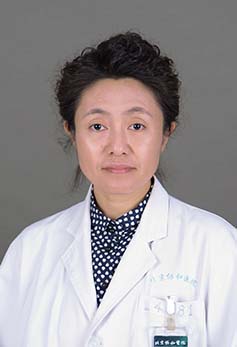 Na Cui (崔娜)合作论文数Peking Union Medical College Hospital3Xiaoting Wang (王小亭)合作论文数3
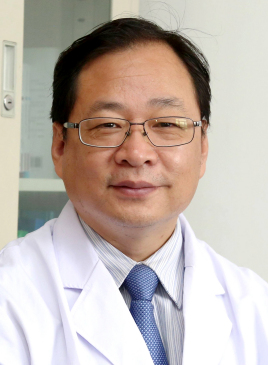 Wenzhao Chai (柴文昭)合作论文数Peking Union Medical College Hospital3Qianwei Li合作论文数2ZengQuZhen Dan (旦增曲珍)合作论文数2Xin Cai (蔡鑫)合作论文数2
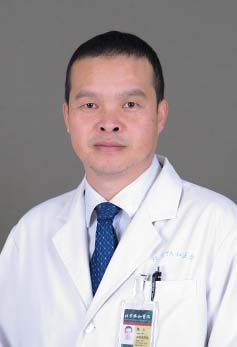 Yun Long (隆云)合作论文数Beijing Concord Hospital, Chinese Academy of Medical Sciences2Deji Yangzong合作论文数1Xiying Gui合作论文数1DA Wa (达瓦)合作论文数1Sang-zhu CIREN (次仁桑珠)合作论文数1Shihong Zhu (朱世宏)合作论文数1Hao Wang合作论文数1
 Yangong Chao合作论文数1Lü JI (吉律)合作论文数1QIU Cheng (邱成)合作论文数1WenJin Chen (陈文劲)合作论文数1Huan Chen (陈焕)合作论文数1
 Longxiang Su (苏龙翔)合作论文数ICU, Peking Union Medical College Hospital1
 Wenming Wu (吴文铭)合作论文数北京协和医院1
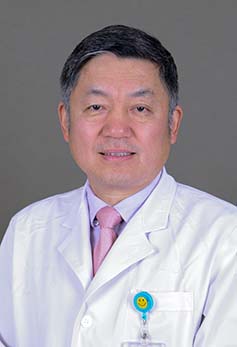 Dawei Liu (刘大为)合作论文数Peking Union Medical College Hospital1Yang Ci (次央)合作论文数1Li Cheng (程莉)合作论文数1
 Wei Du (杜微)合作论文数Peking Union Medical College Hospital1




