含硼10B21冷镦钢连铸坯表面开裂.采用扫描电子显微镜及能谱仪对开裂的铸坯进行了金相检验及成分分析.结果表明:表面裂纹处无脱碳、卷渣及有害元素富集.据此可以认为,该裂纹是连铸过程中二次冷却不均匀造成的.对现有的二冷配水控制模型和二冷制度进行了优化,解决了铸坯在二冷段的过高回温及矫直区温度过低的问题.在新二冷工艺模型的基础上,开发了二冷模型软件平台并已成功应用于连铸生产,含硼10 B21冷镦钢铸坯表面裂纹产生的概率从原来的12.1%降到了0.5%以下,显著改善了连铸坯的表面质量.
Alloying control is an effective method to improve the corrosion resistance of low alloy structural steels. Different kinds of alloying elements have different influence law on the corrosion resistance of steels. In order to explore the effective method to improve the corrosion resistance of steel, the distribution law of alloying elements in steel as well as its influence mechanism and law on the corrosion resistance of steels were summarized in this paper. The research direction of regulation of the new generation of corrosion resistant steel in China was prospected. It was expected to provide a theoretical reference for the development of corrosion resistance regulation theory of low alloy structural steel and the research and development of a new generation of corrosion resistant low alloy steel in China.
针对冷镦钢SWRCH35K盘条开裂情况,通过对冶炼、轧制等生产工艺和产品质量进行跟踪,同时采用盘条表面酸洗及金相检验等手段对开裂盘条进行了宏观和金相组织观察,分析出连铸坯表面存在角部裂纹是造成开裂的主要因素,并提出了减少盘条表面裂纹的解决措施.
文章介绍了离心球墨铸铁管采用电磁超声技术进行在线测厚的开发过程,包括系统原理、系统组成、系统创新点、系统关键技术等方面,开发实现了离心球墨铸铁管壁厚在线检测,为国内首创,促进了离心球墨铸铁管壁厚均匀性提高和铁耗的减少,取得了显著的经济和社会效益.
某钢厂成分为0.80C-0.22Si-0.83Mn-0.22Cr-0.013P-0.005S(质量分数,%)的SWRH82 B钢线材在放线剥皮过程中脆性断裂次数高达20次/百t.研究发现,线材脆断频次高的主要原因是线材心部存在大块马氏体及残余应力较大.为此进行了斯太尔摩线控冷工艺试验和时效工艺试验.结果表明:斯太尔摩冷却作业线6~12号风机开口度从100%减小至60%,关闭7 A-10 B保温罩,辊道速比下降15%,可有效避免线材心部大块马氏体的形成,从而提高线材塑性、减小残余应力.此外,线材自然时效时间从20天缩短至15天,可使线材的脆断次数从20次/百t降低至5次/百t以下,显著提高了生产效率.
分析表明非标异型紧固件ML08Al钢铆钉开裂由于材料原始屈服强度偏高、材料塑性差是造成铆钉翻边开裂的主要原因.通过优化成分控制在0.04%~0.06%C、≤0.05%Si、0.30%~0.35%Mn,Ti含量由0.021%降至0.001%,冶炼过程[N]控制小于30×10-6,使屈服强度由260~264 MPa降至219~226 MPa,降低材料加工硬化率,获得更高的塑性应变能力,保证铆钉深加工质量要求,百吨铆钉开裂率由原来的8%降低至0.33%左右.
The Corner crack of Nb bearing steel HRB400NB 180 mm x 180 mm billet has been studied and analyzed.The results show that improper control of continuous casting cooling process, nitrogen content in molten steel and mold flux can easily lead to corner cracking of Nb bearing billet along grain boundary. With process improvement measures including decreasing the nitrogen content in liquid from original (67 ~ 98) x 10-6to (40 〜55) x 10-6adjusting the arc radius at the corner of mould from 8 mm to 12 mm, decreasing the cooling water quantity of the mould from 150 m3/h to 120 m3/h, decreasing the water ratio of the secondary cooling from 1. 35 L/kg to 1. I L/kg and adjusting the partitioning ratio of secondary cooling from 26: 48: 17: 9 to 36: 34: 19: 11, adjusting the basicity of the mould flux from 0. 65 to 0. 82 , the viscosity from 1.3 pa • s to 0. 69 pa • s, and adjusting the melting point of shielding slag from 1260 °C to 1150 °C. The defects of corner cracks on the surface of billet are effectively solved and the quality of the products is guaranteed.
Slag spot surface defects often appear during continuous casting of high carbon steel billets due to the solidification characteristics of molten steel in the mold. To target the problem of surface slag spot defects that occur frequently during the continuous casting of high-carbon steel strands, we analyzed the influence of molten steel superheat, accumulated service time and the water inlet temperature of the mold, the size of the submerged entry nozzle and the physical and chemical properties of the mold powder on the slag spot defects. The production practice shows that by adjusting the superheat of molten steel to 30–35 °C, the water inlet temperature of the mold is stable at 33–35 °C. To adjust the internal and external diameter of the immersion nozzle to 30–70 mm, the viscosity and melting temperature of the mold powder were adjusted from 0.45–0.55 Pa·s, 1100–1140 °C to 0.15–0.25 Pa·s, 1020–1060 °C. The final billet surface quality was improved significantly, the billet surface was smooth, the oscillation marks were relatively smooth and regular and the slag trench ratio was reduced from the original maximum of 40–50% to less than 1%.
某厂尝试采用全水型连铸机生产铌微合金化HRB400 E钢螺纹钢用铸坯.但连铸坯产生了贯穿性的中心裂纹.为此对有中心裂纹的连铸坯进行了宏观和微观分析.结果 表明:连铸坯中心裂纹主要是由于在连铸过程中二次冷却传热控制不当和铸坯凝固前沿受到矫直力作用所致.据此,优化了钢的成分,即控制铌和锰的含量,优化了连铸工艺参数,如二冷水量及其分配比、中间包过热度及拉速等,结果有效消除了铸坯的中心裂纹,轧材无开裂现象,螺纹钢质量得到了明显的改善.
针对600 MPa钢筋横截面心部附近出现明显的条带状异常组织,采用金相显微镜、SEM、EDS及维氏硬度方法对试样进行分析.结果 表明:心部条带状异常组织为退化珠光体,该条带状组织主要由于冶炼工序的铸坯存在Mn元素偏析,并在后续轧制过程中形成的条状偏析带.针对上述情况,通过提高转炉出钢合金窄成分控制、采用高碱度大渣量、优化结晶器电磁搅拌参数、中间包低过热度及水口全程密封浇铸措施,有效改善了铸坯心部的元素偏析,避免了钢筋条带状异常组织的产生,提高了产品质量.
对TL-3铸坯保护渣的碱度、熔点与粘度等物化性能进行优化,将保护渣的碱度(CaO/Si02)由0.82升高至0.94,熔点由1 085℃增加至1 111℃,1 300℃的粘度由0.57 Pa·s减小至0.26 Pa·s,能够有效的改善保护渣的传热与润滑的性能,最终达到改善铸坯表面质量的目的.
为了解决82B钢连铸坯表面出现渣沟的问题,以提高钢渣界面温度、改善保护渣的熔化与润滑效果为出发点,对连铸现场180mm×180mm小方坯结晶器建立三维数学模型,对比施加电磁搅拌工艺不同直通型浸入式水口下结晶器内流场和温度场分布.计算结果表明,当水口内/外径由40/100mm变为30/70mm后,水口两侧流速大于0.15 m/s的流场区域扩大,水平截面环流最大流速由0.44 m/s降低至0.42 m/s,这表明流股对四周壁面的冲刷作用减弱;钢液面最大流速由0.12 m/s增大至0.15 m/s,高温区域范围扩大.综合效果显示,水口内外径减小对结晶器内的流场影响较小,钢渣界面附近钢液温度提高.现场试验统计表明,水口内外径减小后,保护渣消耗量由吨钢0.189 kg提高到0.228 kg,钢液面处保护渣的熔化良好,润滑效果得到了改善.配合保护渣优化等措施,铸坯表面渣沟发生率明显下降,由改进前的40%~50%降低到改进后的1%以内.
结合某钢厂高合金钢的实际生产情况,分析了精炼过程、连铸生产各个工序环节钢水含氮量的变化规律.通过现场各工序取样分析,研究各工序增氮的主要原因,提出改进建议并进行工业试验,为生产高品质的高合金钢在控氮方面给予指导意见.
 YongFeng Chen (陈永峰)合作论文数7Xiaotan Zuo合作论文数6Yan HUANG (黄雁)合作论文数4ZHAO Mantang (赵满堂)合作论文数3WANG Chunmei (汪春梅)合作论文数3Dong-xing WANG (王东兴)合作论文数3Weiyong YANG (杨伟勇)合作论文数3LIN Zuo-jin (林作津)合作论文数2Jihuan LU (陆继欢)合作论文数2SHI Yang (史杨)合作论文数2Hong-biao ZHANG (张洪彪)合作论文数2Li ZHAO (赵立)合作论文数2
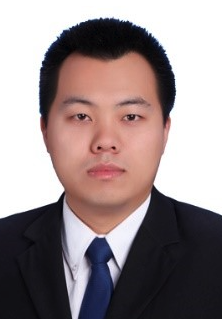 Qiangqiang Wang (王强强)合作论文数College of Materials Science and Engineering, Chongqing University2LV Shaofeng (吕少峰)合作论文数1Mengjing Zhao合作论文数1Yude Chen (陈钰德)合作论文数1Wenyuan HAO (郝文源)合作论文数1Jiangfeng YUE (岳江峰)合作论文数1Yi-hang WANG (汪易航)合作论文数1ZHAO Wen-yuan (赵文渊)合作论文数1Zhiyong LIU (刘志勇)合作论文数1Jun Fu (傅骏)合作论文数1Xuan Li (李轩)合作论文数1
 Shengping He (何生平)合作论文数College of Materials Science and Engineering, Chongqing University1
 Jingshe Li (李京社)合作论文数School of Metallurgical and Ecological Engineering, University of Science and Technology Beijing1
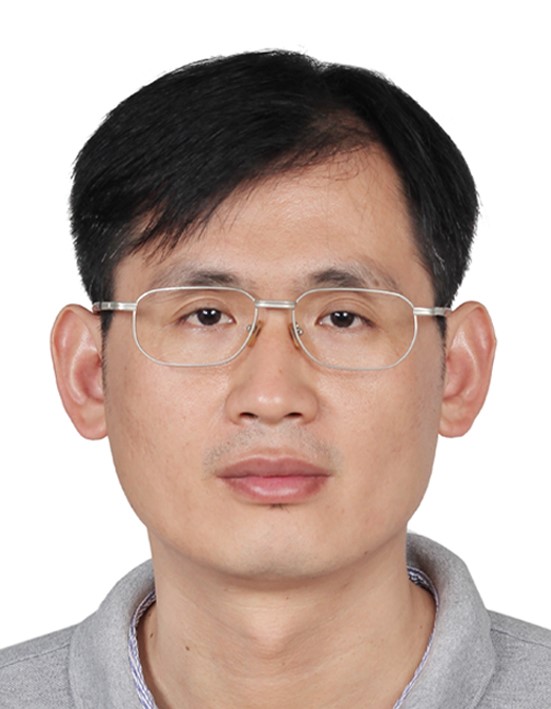 Shufeng Yang (杨树峰)合作论文数School of Metallurgical and Ecological Engineering, University of Science and Technology Beijing1Hu Zou (邹虎)合作论文数1
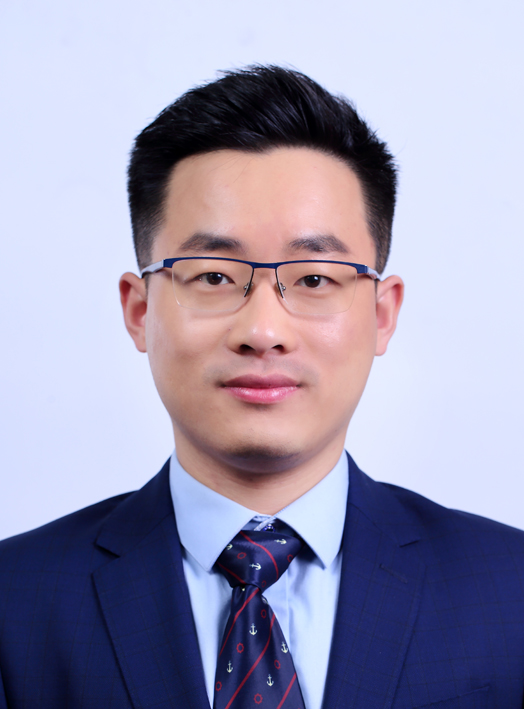 Chao Liu (刘超)合作论文数Institute for Advanced Materials and Technology, University of Science and Technology Beijing1
 Xiaogang Li (李晓刚)合作论文数State Key Laboratory For Advanced Metals and Materials, University of Science and Technology Beijing;Institute for Advanced Materials Technology, University of Science and Technology Beijing1
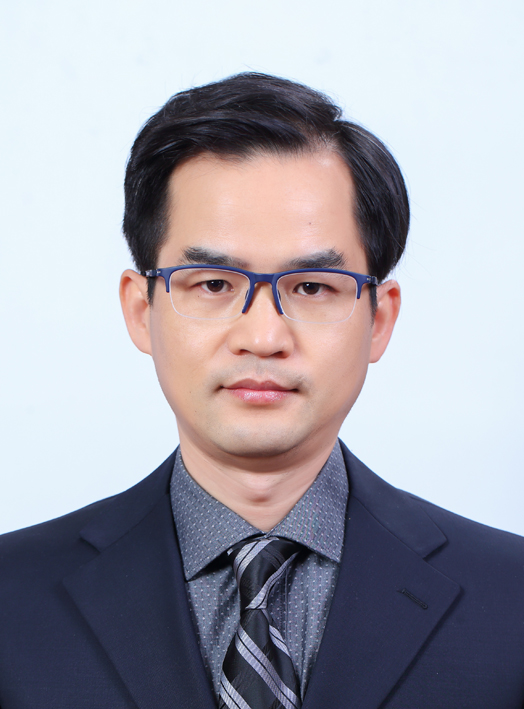 Xuequn Cheng (程学群)合作论文数Institute for Advanced Materials and Technology, University of Science and Technology Beijing;National Materials Corrosion and Protection Scientific Data Center1




