回顾性分析2015年5月至2020年12月火箭军特色医学中心收治的因复发性肝母细胞瘤施行再次肝切除手术16例患儿的临床资料及随访结果。初次手术的中位年龄为26.5个月(5~87个月),复发距初次手术的中位时间为7个月。再次肝切除时间为(5.0±1.4)h,术中出血量50~3 200 ml。获得R 0切除10例,R 1切除3例;R 2切除3例。围手术期未出现严重并发症和死亡。中位随访时间16个月,患儿总生存率为62.5%。本研究结果表明,再次肝切除术治疗复发性儿童肝母细胞瘤,在技术上是安全可行的,但应注意其适应证,且应联合规范的系统性治疗。
Repeat hepatectomy for adult recurrent hepatocellular carcinoma significantly prolongs the overall survival, but repeat hepatectomy for pediatric recurrent hepatoblastoma (HB) is rarely reported, and the outcomes are warranted to be investigated. All patients between May 2015 and December 2020 with recurrent HB after intended surgical cure were retrospectively evaluated. Clinicopathologic features, surgical details and outcomes were analyzed during a median following-up of 24 months after repeat hepatectomy. Survival analysis was performed using the Kaplan–Meier estimate. A total of 18 patients of recurrent HB undergoing repeat hepatectomy with radical cure intention were included. There were 11 males and 7 females. The median age was 29 months (range 5–87 months) at first hepatectomy, and the median time to the recurrence from the first hepatectomy was 7 months. The operating time of the repeat hepatectomy was 5.0 h (range 3.5–9.0 h) and the mean blood loss was 592 ml (range 50–3200 ml). Radical resection (R0) was achieved in 12 patients (66.7
ObjectiveTo investigate the application of liver three-dimensional (3D) visualized reconstruction technique in hepatectomy for children with complicated hepatoblastoma. MethodsA retrospective analysis was performed for the clinical data of 30 children with hepatoblastoma who underwent hepatectomy for radical resection in PLA Rocket Force Characteristic Medical Center from January 2018 to October 2020, and according to whether liver 3D visualization with IQQA-Liver system was performed before surgery, the children were divided into 3D reconstruction group with 15 children and control group with 15 children. The two groups were compared in terms of perioperative parameters, short-term prognosis, and follow-up conditions. The independent samples t-test was used for comparison of normally distributed continuous data between two groups, and the Mann-Whitney U test was used for comparison of non-normally distributed continuous data between two groups; the Fisher’s exact test was used for comparison of categorical data between two groups. ResultsCompared with the control group, the 3D reconstruction group had a significantly higher mean age (55.7±10.2 years vs 28.2±2.7 years, P<0.05) and a significantly higher number of patients with POSTTEXT stage III/VI hepatoblastoma (12 vs 5, P<0.05) or involvement of the hepatic vein or the inferior vena cava (11 vs 3, P<0.05). All children completed the surgery successfully, and there were no significant differences between the two groups in blood loss, time of operation, number of times and duration of hepatic portal occlusion, and number of children receiving segmental hepatectomy or partial hepatectomy (all P>0.05). The median follow-up after surgery was 9.5 months. In the 3D reconstruction group, 2 children experienced recurrence and were diagnosed at 10 and 12 months, respectively, after surgery, and they were treated with chemotherapy at the moment; in the control group, 4 children experienced recurrence, which was higher than that in the 3D reconstruction group (P=0.651), and among these 4 children, 2 had recurrence at 7 months after surgery, received liver transplantation, and survived up to now, and the other 2 children died shortly after recurrence. Conclusion3D visualized reconstruction technique helps to perform hepatectomy for children with complicated hepatoblastoma more safely and accurately, especially extended hepatectomy for patients with stage POST TEXT III/IV hepatoblastoma, thereby avoiding liver transplantation.
Objective To explore the changes of blood glucose after total pancreaticoduodenectomy and the feasibility and effectiveness of autologous islet cell transplantation in the treatment of postoperative diabetes. Methods SD rats were randomly divided into a control group, an operation group and an experimental group (operation+autologous islet transplantation), each group had 10 rats. The rats of the control group did not have any treatment, while the rats of the operation goup and the experimental group were treated with total pancreaticoduodenectomy. The pancreatic islet cells were isolated and purified from the pancreas after total pancreatectomy. The autologous islet cells were implanted into the liver through the portal vein. Blood glucose, C-peptide and glycosylated hemoglobin were monitored in each group to determine the islet function after transplantation. Results Blood glucose was significantly increased [(20.58 ± 2.00) mmol/L] on the 1st day after total pancreatectomy in the operation group compared with the control group (P < 0.05). After autologous islet cell transplantation, the blood glucose of the experimental group decreased significantly compared to the simple operation group (P < 0.05). Detection of the serum levels of glycosylated hemoglobin 4 months after operation showed that compared with the control group, the serum glycosylated hemoglobin level of the operation group was significantly higher than that of the control group (P < 0.05). There was a significant difference in the serum level of glycosylated hemoglobin between the experimental group and the operation group (P < 0.05). Conclusions Total pancreaticoduodenectomy is a safe and reliable way to establish the rat diabetic model. Autologous islet cell transplantation is an effective way to treat rat diabetes after total pancreatectomy. This experiment provides experimental basis for clinical application.
淋巴瘤在病理学上分为霍奇金病(Hodgkin’s disease,HD)和非霍奇金性淋巴瘤(non-Hodgkin’s lymphoma,NHL)两类,其中NHL占淋巴瘤的90%左右,其发展迅速、易发生早期远处转移。肾上腺淋巴瘤有原发性和继发性之分,原发性肾上腺恶性淋巴瘤(primary adrenal lymphoma,PAL)非常罕见,仅占结外恶性淋巴瘤的3% [1] 。PLA是指淋巴瘤仅局限于肾上腺(单侧或双侧)而全身无其他部位的淋巴瘤病灶。因
目的 探讨血清VEGF对肝癌TACE治疗的疗效的判断价值.方法 选取2016年上半年我院进行TACE介入治疗的40例肝癌患者作为实验对象.采用ELISA法和单向免疫扩散法检测肝癌患者TACE治疗前后的血清VEGF水平,并分析其与临床病理特征的相关性及其在疗效中的预测价值.结果 治疗前,患者血清VEGF水平显著高于正常参考值(P<0.05);TACE治疗后,血清VEGF水平明显上升,但在一定时间内又重新回到原来的水平;血清VEGF水平与肿瘤合并门脉癌栓、动门脉瘘以及有无远处转移具有明显相关性(P<0.05).术前血清VEGF水平的高低预示术后治疗效果的优劣,其作为预后评价指标的敏感度和特异度分别为80.00%和86.67%.结论 血清VEGF水平可预示TACE治疗肝癌的疗效,可作为肝癌患者介入治疗的疗效判断标志之一.
Objective To investigate the clinical effect of modified splenic artery embolization of the splenic artery and branch arteries in the treatment of splenic artery steal syndrome (SASS) and hypersplenism due to liver cirrhosis,since in patients with liver cirrhosis complicated by hypersplenism,the enlarged splenic artery competitively "steals" the blood flow in the celiac trunk and causes hypoperfusion in the hepatic artery (i.e.,SASS due to liver cirrhosis).Methods A total of 220 cirrhotic patients with hypersplenism and SASS who were hospitalized in General Hospital of the PLA Rocket Force and Chinese PLA General Hospital from January 2007 to December 2015 were enrolled and divided into medical treatment group with 120 patients (drugs combined with endoscopic intervention),partial splenic embolization (PSE) with 40 patients (PSE combined with medical treatment),and modified splenic artery embolization (MSAE) group with 60 patients (embolization of the splenic artery and branch arteries combined with medical treatment).Related indices were analyzed and compared between the thrcc groups.A one-way analysis of variance was used for comparison of continuous data between three groups,and the least significant difference t-test was used for further comparison between two groups;the chi-square test was used for comparison of categorical data between groups;the Kaplan-Meier survival analysis was used to calculate survival rates and gastrointestinal bleeding rate;the log-rank test was used to evaluate statistical difference.Results Within 5 years after surgery,the MSAE group had significantly higher platelet and leukocyte counts than the medical treatment group (P < 0.05).At 6 months after surgery,the MSAE group had a significantly lower Child-Pugh score than the medical treatment group (P <0.001) and the PSE group (P =0.014);at 1 year after surgery,the MSAE group still had a significantly lower Child-Pugh score than the medical treatment group (P =0.009).At 6 months after surgery,the MSAE group had a significantly lower Model for End-Stage Liver Disease (MELD) score than the medical treatment group (P =0.004) and the PSE group (P =0.048);at 1 year after surgery,the MSAE group still had a significantly lower MELD score than the medical treatment group (P =0.012).The MSAE group had significantly lower numbers of gastrointestinal bleeding/rebleeding events and endoscopic therapies than the PSE group (x2 =9.41,P =0.009) and the medical treatment group (x2 =10.91,P =0.004);at 5 years after surgery,the MSAE group still had a significantly lower incidence rate of gastrointestinal bleeding/rebleeding than the medical treatment group (x2 =14.70,P =0.002).The MSAE group had certain improvements in the degree and duration of postoperative complications (pyrexia and abdominal pain) and had a lower incidence rate of serious complications (splenic abscess),as compared with the other two groups.The median survival time was 45 (8-91) months in the MSAE group,41 (6-86) months in the PSE group,and 34.5 (7-84) months in the medical treatment group.During the 5-year follow-up,7 patients (11.7%) in the MSAE group,40 (30%) in the medical treatment group,and 7(17.5%) in the PSE group died.The MSAE group had a significantly higher cumulative survival rate than the medical treatment group (x2 =9.733,P =0.001).Conclusion Modified splenic artery embolization of the splenic artery and branch arteries has good safety and can effectively correct hypersplenism and SASS due to liver cirrhosis,improve liver function,and reduce the risk of gastrointestinal bleeding.Therefore,it deserves further investigation.
 Liu-xin DUAN (段留新)合作论文数6
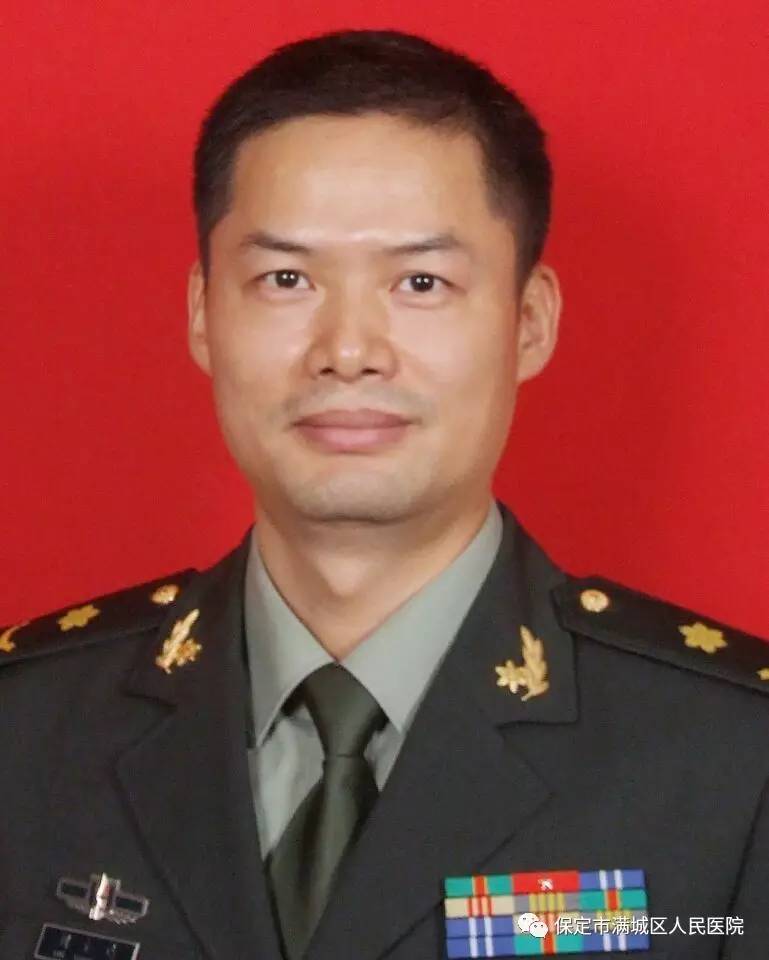 Quanda Liu (刘全达)合作论文数中国人民解放军火箭军总医院肝胆外科6di zhao (赵頔)合作论文数3Guo Dong (郭栋)合作论文数3XiaoYa Xu (许小亚)合作论文数3Hao LU (卢昊)合作论文数2Kui Jin (金奎)合作论文数2JunGui Liu (刘军桂)合作论文数2Xiang Liu (刘翔)合作论文数2
 Weihong Duan (段伟宏)合作论文数第二炮兵总医院肝胆外科2Hua-Hu Ye (叶华虎)合作论文数1xiaoran li (李潇然)合作论文数1Liu Guo-tao (刘国涛)合作论文数1wei lv (吕伟)合作论文数1Yonghong Yu (于永红)合作论文数1Fang-li ZHANG (章方莉)合作论文数1FaTao Hao (郝法涛)合作论文数1WeiHong Duan (段伟宏)合作论文数1QiWei Wang (王启伟)合作论文数1Yu Liang (梁宇)合作论文数1HuaLi Li (李华丽)合作论文数1
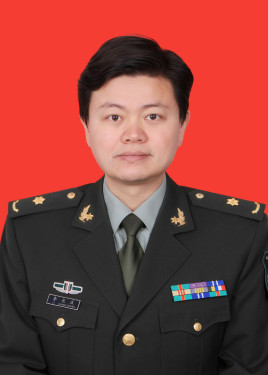 Changzheng Li (李长政)合作论文数中国人民解放军火箭军总医院1Xiaoran Li (李笑然)合作论文数1
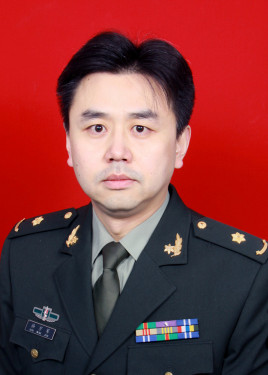 Wanjun Sun (孙万军)合作论文数火箭军总医院1
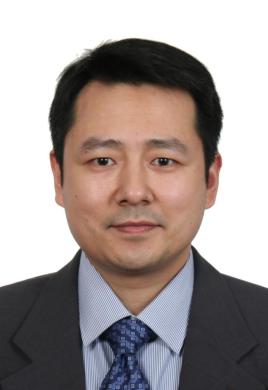 Wei Lv (吕伟)合作论文数中国人民解放军火箭军总医院肝胆外科1




