Objectives The purpose of this study was to examine the biomechanical effects of fixation on range of motion (ROM) in the upper and lower adjacent segments of different lumbar spine segments in a goat spine model. Methods Fifteen goat spine specimens (vertebrae T12–S1) were randomly divided into three groups: A (single-segment fixation), B (double-segment fixation), and C (triple-segment fixation). Motion in different directions was tested using a spinal motion simulation test system with five external loading forces. Transverse, forward–backward, and vertical displacement of the upper and lower adjacent segments were measured. Results As the external load increased, the upper and lower adjacent segment ROM increased. A significantly greater ROM in group C compared with group A was found when the applied external force was greater than 75 N. The upper adjacent segment showed a significantly greater ROM than the lower adjacent segment ROM within each group. Conclusions Adjacent segment ROM increased with an increasing number of fixed lumbar segments. The upper adjacent segment ROM was greater than that of the lower adjacent segments. Adjacent segment stability after lumbar internal fixation worsened with an increasing number of fixed segments.
Osteosarcoma (OS), which occurs most commonly in adolescents, is associated with a high degree of malignancy and poor prognosis. In order to develop an accurate treatment for OS, a deeper understanding of its complex tumor microenvironment (TME) is required. In the present study, tissues were isolated from six patients with OS, and then subjected to single-cell RNA sequencing (scRNA-seq) using a 10× Genomics platform. Multiplex immunofluorescence staining was subsequently used to validate the subsets identified by scRNA-seq. ScRNA-seq of six patients with OS was performed prior to neoadjuvant chemotherapy, and data were obtained on 29,278 cells. A total of nine major cell types were identified, and the single-cell transcriptional map of OS was subsequently revealed. Identified osteoblastic OS cells were divided into five subsets, and the subsets of those osteoblastic OS cells with significant prognostic correlation were determined using a deconvolution algorithm. Thereby, different transcription patterns in the cellular subtypes of osteoblastic OS cells were reported, and key transcription factors associated with survival prognosis were identified. Furthermore, the regulation of osteolysis by osteoblastic OS cells via receptor activator of nuclear factor kappa-B ligand was revealed. Furthermore, the role of osteoblastic OS cells in regulating angiogenesis through vascular endothelial growth factor-A was revealed. C3_TXNIP+ macrophages and C5_IFIT1+ macrophages were found to regulate regulatory T cells and participate in CD8+ T cell exhaustion, illustrating the possibility of immunotherapy that could target CD8+ T cells and macrophages. Our findings here show that the role of C1_osteoblastic OS cells in OS is to promote osteolysis and angiogenesis, and this is associated with survival prognosis. In addition, T cell depletion is an important feature of OS. More importantly, the present study provided a valuable resource for the in-depth study of the heterogeneity of the OS TME.
锁骨嗜酸性肉芽肿是一种少见的嗜酸性肉芽肿类型,影像学常表现为溶骨性破坏,临床上容易出现误诊.本文报道1例曾在外院误诊为恶性肿瘤的锁骨嗜酸性肉芽肿病例,并结合文献复习,对其发病特点、诊断与鉴别诊断、治疗方式进行总结,为该病的诊疗常规提出建议.
患者,男,98 岁,4 年前无明显诱因下发现右大腿拇指大小肿物,无压痛,无瘙痒,无皮肤破溃,质韧,活动度差,局部皮温稍高,3个月后肿物长至鸡蛋大小.于2012年2月15日至广西医科大学第一附属医院就诊.
骨肉瘤是最常见的原发性恶性骨肿瘤,其侵袭性高、远处转移早、预后差,在骨原发恶性肿瘤中居首位.全世界每年的发病率为0.001‰~0.003‰,青少年每年的发病率为0.008‰~0.011‰[1].由于新辅助化疗的实施,骨肉瘤患者的5年生存率已经由20世纪70年代的不超过20%上升到目前的80%左右[2].但是,对于一些术后复发或发生多处转移的晚期患者,手术治疗往往难以进行甚至无法进行,只能通过大剂量的化疗进行姑息性治疗.
软骨肉瘤是一种比较常见的骨骼系统恶性肿瘤,占全部原发恶性肿瘤的9.2%,最常发生于骨盆及股骨[1].软骨肉瘤发生于肋骨等扁平骨也偶有报道.一般发生在肋骨的软骨肉瘤常常长到很大时才产生临床症状,而软骨肉瘤对放疗和化疗都不敏感,根治性手术切除是目前治疗软骨肉瘤最好的方法[2].但对于巨大肿瘤切除后如何重建胸壁的稳定,防止连枷胸的出现,缺乏较好的材料,也没有统一的重建方法.国内外关于使用普通骨盆重建钢板重建胸壁的研究尚未见诸于报道.现就胸壁软骨肉瘤患者行肿瘤切除术后应用解剖钢板重建胸腔病例报道如下.
患者,男,46岁,因发现右锁骨肿物伴疼痛1年余,加重3 个月入院.患者2015年4月无明显诱因下发现右锁骨内侧肿物,约拇指大小,伴持续性钝痛.自2016年2月,肿物迅速增大至约鸡蛋大小,疼痛明显加剧,并出现右侧肩胛骨冈上区放射痛,遂于2016 年5 月25 日至我院就诊.
At present, the posterior cervical approach with open reduction and internal fixation (ORIF) remains a commonly effective treatment for unstable Atlas fracture. However, the inserted screws into the C1 lateral mass of some unstable atlas fracture are very difficult, so that the operation is forced to change into C0 to C2 fusion. In order to improve the successful rate of lateral mass screw placement, we introduced a method of fixing lateral mass with a towel clamp in posterior transpedicular fixation, and explore the efficacy and feasibility. Twenty-one consecutive patients with unstable atlas fracture were treated via this method from October 2012 to July 2017. All cases had neck pain and restricted motion of neck movement on admission. Electronic medical records and pre- and postoperative radiographs were reviewed. Screw and rod placement, bone fusion, and spinal cord integrity were assessed via long-term follow-up with anteroposterior and lateral radiographs and computed tomography. Follow-up included clinical assessment of neurological function, assessment of pain using the visual analog scale (VAS), and assessment of the activities of daily living using the neck disability index (NDI). The mean follow-up duration was 22.1 months (range: 12-54 months). No screw loosening or breakage, plate displacement, neurovascular injury, and severe complications occurred during follow-up. The mean operative time was 112.4 +/- 14.9 min (range: 82-135 min), and mean blood loss was 386.2 +/- 147.9 mL (range: 210-850 mL). One patient experienced continuous neck pain postoperatively, but this gradually disappeared with analgesic administration. At final follow-up, all patients had bone fusion, the VAS scores and NDI were significantly improved compared with preoperatively. Fixing the C1 lateral mass with a towel clamp during posterior transpedicular fixation for unstable atlas fracture appears to be a safe and reliable method, with the advantages of being a simple technique with few complications.
OBJECTIVE Intervertebral disc degeneration (IVDD) is mainly associated with a chronic process of the nucleus pulposus (NP) cells disabled. Also, it is accepted to be the basic result of low back pain. The role of phosphatase and tensin homolog (PTEN) in negatively regulating the Akt/PKB signaling, which is the major cell survival pathway, has been documented in previous studies. The present work aimed to investigate the role of PTEN inhibitor VO-OHpic (VO) in the protection of IVDD and to explore its potential mechanisms. PATIENTS AND METHODS NP cells isolated from patients' lumbar discs were subjected to different concentrations of IL-1β or H2O2 to establish NP cells degenerated model. Cell proliferation was analyzed by the Cell Counting Kit-8 (CCK-8) assay. The expression levels of collagen II, aggrecan, PTEN, PI3K, Akt, SOD1, SOD2, p16, and β-galactosidase (β-gal) were detected by Western blotting, immunofluorescence staining or RT-PCR. Flow cytometry was used to measure the ROS level and cell cycle distribution. RESULTS Our research showed that collagen II, aggrecan, PI3K, and Akt markedly decreased in IL-1β- or H2O2-induced degenerated NP cells. VO could reverse the effects of IL-1β and H2O2 by the PTEN inhibition. Also, we found that VO increased the antioxidant enzymes SOD1, SOD2, CAT, GSH, POD production, and suppressed the ROS in the disc. Besides, data showed VO promoted NP cells proliferation by cell cycle mediation. CONCLUSIONS These results suggest that VO treatment prevents NP degradation via restraining oxidative stress and increasing cell proliferation through the PTEN/Akt pathway in vitro. VO may become a novel cytokine for the therapy of IVDD in the future.
目的 分析四肢原发性动脉瘤样骨囊肿(aneurysmal bone cyst,ABC)行刮除术后复发的相关危险因素,为其临床治疗和降低复发率提供参考依据.方法 收集2008年1月至2016年6月就诊的83例原发性ABC患者的相关资料,进行至少2年的随访,采用单因素分析、Kaplan-Meier无复发生存曲线分析和多因素Logistic回归分析的统计学方法,对可能的复发危险因素进行分析检验.结果 83病例中,复发15例(18.1%),复发时间为术后2~36个月,中位术后复发时间16个月.单因素分析和Kaplan-Meier法结果显示,年龄、术中高速磨钻的应用和不同充填方式可能影响四肢原发性ABC术后复发(P<0.05);多因素分析检验结果显示,年龄、术中是否采用高速磨钻为影响原发性ABC术后复发的独立因素(P<0.05),性别、病变部位及是否合并病理性骨折不影响术后复发(P>0.05).结论 对四肢原发性ABC患者行刮除术,年龄越小,复发率越高;术中采用高速磨钻辅助打磨可减低术后复发率.
The purpose of this study was to investigate the association of Vitamin D Receptor (VDR) gene polymorphisms and VDR levels with lumbar disc degeneration (LDD). TaqMan SNP Genotyping Assay was utilized to probe VDR gene polymorphisms including the FokI (rs2228570), ApaI (rs7975232) and TaqI (rs731236) in 454 patients with LDD and 485 controls. Enzyme-Linked Immunosorbent Assay (ELISA) was used to detect plasma VDR levels. The patients with LDD were divided into three subgroups (subgroup 1: lumbar disc herniation; subgroup 2: lumbar spinal stenosis; subgroup 3: lumbar spondylolisthesis) to further probe the association of plasma VDR levels and VDR gene polymorphisms and LDD. Moreover, immunohistochemistry (IHC) was implemented to evaluate VDR expression in lumbar degenerated disc and normal disc. Allele and genotype frequency of TaqI (rs731236) were significantly different in patients with LDD and controls (all P < 0.05). For TaqI polymorphism, the frequencies of T allele were significantly higher in the LDD patients compared with controls (OR = 1.319; 95%CI 1.091 to 1.595; P = 0.004, adjusted (OR = 1.319; 95%CI 1.091 to 1.595; P = 0.004, adjusted OR = 1.383; 95%CI 1.135 to 1.684; P = 0.016). Furthermore, the allele distribution showed a higher frequency of the T allele in the patients with lumbar disc herniation in subgroup 1 (OR = 1.384; 95% CI 1.105 to 1.732; P = 0.004, adjusted OR = 1.319; 95%CI 1.091 to 1.595; P = 0.016). Plasma VDR levels and VDR expression were significantly lower in patients with LDD compared with controls (all P < 0.05). Moreover, the TT genotype of TaqI polymorphism was significantly associated with lower plasma VDR levels in patients with LDD (P = 0.002). TaqI (rs731236) polymorphism was associated with a predisposition to LDD. Plasma VDR and VDR expression levels may be the marker for the occurrence and development of LDD.
To retrospectively analyze the tumor resection method used in 20 patients with clavicular tumors and evaluate its clinical efficacy. A total of 9 patients with clavicular benign tumors underwent intracapsular resection, and 11 patients with clavicular malignant tumors underwent tumor resection from May 2012 to May 2017. Of the 11 patients, 5 underwent clavicular reconstruction using the plate-cement complex. Surgical efficacy was assessed using the Musculoskeletal Tumor Society, Constant-Murley, and American Shoulder and Elbow Surgeons shoulder outcome scores preoperatively until 12 months postoperatively. The average duration of follow-up care was 33.7 (12–71) months. Of the 20 patients, 3 patients died, 3 survived with tumor recurrence or metastasis, and 14 survived with no tumor recurrence. Among the 5 patients who underwent resection of malignant clavicular tumors and reconstruction, 2 underwent a re-operation because of a loose screw and plate displacement. In the functional assessment of the shoulder joint, patients with benign and malignant clavicular tumors showed significantly higher scores postoperatively compared with preoperative scores. For malignant clavicular tumors, no significant improvement was observed when comparing the non-reconstruction and reconstruction groups. Surgery is an optimal treatment for clavicular tumors. In patients with benign clavicular tumors, simple intracapsular resection can achieve a satisfactory prognosis. Reconstruction of a clavicular defect after resection of a clavicular malignant tumor is not recommended.
Purpose The epidemiology and clinicopathology of aneurysmal bone cysts (ABCs) secondary to giant cell tumors of bone (GCTBs) have been well documented in the previous literature. However, reports on whether secondary ABCs could affect the postoperative recurrence of GCTBs are rare. This study analyzed the effects of secondary ABCs and other relevant clinical factors on the postoperative recurrence of GCTBs of the extremities. Methods We retrospectively analyzed 256 cases of GCTBs of the extremities that were treated surgically at our institution. Among them, there were 60 patients diagnosed with GCTBs combined with secondary ABCs and 196 patients diagnosed with simple GCTBs. Intralesional curettage and tumor resection were performed in 136 and 120 cases, respectively. Univariate analysis, Kaplan-Meier survival analysis, and multivariate regression analysis were used to assess the factors for postoperative recurrence. The follow-up period was at least 24 months. Results The total postoperative recurrence rate was 32%. The recurrence rate in the secondary ABCs group was significantly higher than that in the simple GCTBs group (53.3% vs 25.5%, P < 0.05). Curettage was associated with a higher recurrence rate than tumor resection (42.5% vs 20%, P < 0.05). Kaplan-Meier survival analysis showed that patients with GCTBs combined with secondary ABCs and who were treated by intralesional curettage had a decreased disease-free survival rate. The hazard ratio was 2.18 (95% confidence interval [CI], 1.15-4.13) for the group of GCTB combined with ABCs (P = 0.01) and 1.97 (95% CI, 1.22-7.50) for the curettage group (P = 0.01), respectively. Multivariate regression analysis revealed that the presence of secondary ABCs and curettage were independent factors for recurrence of GCTBs. Conclusion According to the results of this study, the presence of secondary ABCs is a potential risk factor for postoperative relapse of GCTBs.
Study design: Systematic review and meta-analysis. Objectives: Posterior laminectomy with instrumented fusion and laminoplasty are widely used for the treatment of multilevel cervical spondylotic myelopathy (MCSM). There is great controversy over the preferred surgical method. The purpose of this study is to evaluate the clinical outcomes and safety between laminectomy with instrumented fusion and laminoplasty for the treatment of MCSM. Methods: Related studies that compared the effectiveness of laminectomy with instrumented fusion and laminoplasty for the treatment of MCSM were acquired by a comprehensive search in PubMed, Embase, the Cochrane library, CNKI, VIP, and WANFANG up to April 2018. Included studies were evaluated according to eligibility criteria. The main endpoints included: preoperative and postoperative Japanese Orthopedic Association (JOA) scores, preoperative and postoperative visual analog scale (VAS), preoperative and postoperative cervical range of motion (ROM), preoperative and postoperative cervical curvature index (CCI), overall complication rate, C5 nerve palsy rate, axial symptoms rate, operation time and blood loss. Results: A total of 15 studies were included in this meta-analysis. All of the selected studies were of high quality as indicated by the Newcastle-Ottawa scale (NOS). Among 1131 patients, 555 underwent laminectomy with instrumented fusion and 576 underwent laminoplasty. The results of this meta-analysis indicated no significant difference in preoperative and postoperative JOA scores, preoperative and postoperative VAS, preoperative and postoperative CCI, preoperative ROM and axial symptoms rate. However, compared with laminoplasty, laminectomy with instrumented fusion exhibited a higher overall complication rate [RR = 1.99, 95% confidence intervals (CI) (1.24, 3.21), P <.05], a higher C5 palsy rate [RR = 2.22, 95% CI (1.30, 3.80), P <.05], a decreased postoperative ROM [SMD = -1.51, 95% CI (-2.14, -0.88), P <.05], a longer operation time [SMD = 0.51, 95% CI (0.12, 0.90), P <.05] and increased blood loss [SMD = 0.47, 95% CI (0.30, 0.65), P Conclusion: These results suggested that both posterior laminectomy with instrumented fusion and laminoplasty were determined to be effective for MCSM. However, laminoplasty appeared to allow for a greater ROM, lower overall complication and C5 palsy rates, shorter operation time and lower blood loss. Future well-designed, randomized controlled trials are still needed to further confirm our results.
患儿,女,9岁,因“左臀部疼痛1年余,加重1个月”于2015年12月8日步行入院.患儿1年前出现左侧臀部疼痛,夜间显著,当时未予重视.近1个月来疼痛明显加重,至当地医院就诊,行肿物穿刺活检,病理提示:骨巨细胞瘤.入院查体:正常步态,双下肢等长.左坐骨支压痛,可及深部肿物,质硬、压痛,无活动.CT显示:左侧坐骨膨胀性囊状改变,骨皮质变薄并见骨缺损(见图1).MRI平扫加增强提示:左侧坐骨斑片状异常信号,增强扫描病灶明显强化,未见液液平面,考虑左侧坐骨动脉瘤样骨囊肿.结合患儿发病年龄、影像学检查及穿刺结果,诊断:左侧坐骨骨巨细胞瘤继发动脉瘤样骨囊肿.
The Ladybird Homeobox 1 (LBX1) gene has been implicated in the etiology of adolescent idiopathic scoliosis (AIS). The association between LBX1 gene polymorphisms and AIS has been investigated in several studies. However, these findings have yield contradictory results rather than conclusive evidence. This study is to provide a meta-analysis of the published case-control studies on the association between LBX1 gene polymorphisms and AIS in Asian and Caucasian populations. This meta-analysis conformed to the Meta-Analysis of Observational Studies in Epidemiology (MOOSE) guidelines. We conducted a literature research on PubMed, Embase, Web of Science, and Cochrane Library until February 10, 2018. We included all case-control or cohort studies about association between LBX1 gene polymorphisms and AIS. The Risk Of Bias In Non-randomised Studies-of Interventions and Critical Appraisal Skills Programme were used to evaluate the risk of bias and study quality. We assessed the strength of association by pooled odds ratios (ORs) and 95% confidence intervals (CIs) in all genetic models under a fixed-effect model or random-effect model. We further performed subgroup analysis by ethnicity and sex. Sensitivity analysis and publication bias were also undertaken. A total of 10 studies (11,411 cases and 26,609 controls) were included in this meta-analysis. The pooled results showed a statistically significant association between LBX1 gene polymorphisms and AIS (for rs11190870, T vs C, OR = 1.54, 95% CI = 1.48-1.61, P<.00001; for rs625039, G vs A, OR = 1.50, 95% CI: 1.38-1.62; P<.00001; for rs678741, G vs A, OR = 0.74, 95% CI: 0.63-0.86; P<.0001; for rs11598564, G vs A, OR = 1.41, 95% CI: 1.31-1.51; P<.0001). For stratified analyses by ethnicity and sex, robust significant associations were detected in Asian and Caucasian populations, and in women and men under all genetic models. T allele of rs11190870 and Galleles of rs625039 and rs11598564 represent risk factors for AIS, but G allele of rs678741 may play a protective role in the occurrence of AIS. Further research is needed to confirm this finding and to understand its implications.
Introduction: The increase in the incidence of tuberculosis in developing countries has resulted in increased reporting on more related complications. We report the successful management of an intraoperative spontaneous rupture of a tuberculous pseudo aneurysm associated with spinal tuberculosis. Methodology: We report the case of a 66 years old woman diagnosed with spinal tuberculosis of the T3/T4 vertebrae. During an anterior approach surgical reconstruction for the degenerative vertebrae, massive hemorrhage was observed after the removal of a portion of the prevertebral fascia of the affected vertebrae. This led to the exploration of the hilar fascia for the possibility of hilar hemorrhage, and when no hemorrhage was observed, aneurysm rupture was suspected. A portion of the hilar fascia was then sutured to the prevertebral fascia and the hemorrhage was partially controlled. Results: On the 32nd month post-operative follow-up, the symptoms of chest and back pain had disappeared and the tuberculous lesion eradicated. Conclusion: Presently, there are few reports on the successful treatment of intraoperative spontaneous rupture of tuberculous pseudoaneurysms. We therefore report on the successful management of such a case.
Objective To compare the pullout strength between anterior transpedicular screw, posterior pedicle screw,and anterior vertebral body screw at upper thoracic spine.Methods Six embalmed cadavers,containing the entire structure from C7to T5,were selected,and then were divided into three groups:the group of anterior transpedicular screw (ATPS group),the group of posterior transpedicular screw(PTPS group),and the group of anterior vertebral body screw (AVBS group).Randomization process was carried out on the specimens of each vertebra from T 1to T4before experiment. The both sides of pedicle of each vertebra was randomly assigned as two different numbers.According to the random re-sults,we inserted either ATPS or PTPS in the pedicle,and inserted a AVBS in the front of the same vertebral body.The screw axial pullout test was carried out on mechanics testing machine,and we recorded each screw length and peak pullout force,then made statistical analysis for the data.Results The length of screw path of the ATPS group increased from T 1to T4,and T1was shorter than T2to T4in the PTPS group, and T4was longer than T1to T3in the AVBS group(all P<0.05).The maximum pullout strength of T 3and T4were greater than that of T1and T2in both group of ATPS and PTPS (both P<0.05),but the maximum pullout strength of the AVBS group did not change significantly(P>0.05).Under the same condition for T1to T4,the length of screw path and the maximum pullout strength were greater in the ATPS group than in the PTPS,by the same token,PTPS was greater than AVBS(all P<0.05).The length of screw path was positive-ly correlated with its maximum pullout strength(r=0.997, P=0.000).Conclusion The length of screw path and the maximum pullout strength of ATPS were greater than those of PTPS and AVBS,which would help to improve the stability of the internal fixation system.
Objective To compare the rigidity at upper thoracic spine among the anterior transpedicular screw-plate system (ATPSPS),posterior transpedicle screw-rod system (PTPSRS) and anterior vertebral body screw-plate system (AVBSPS).Methods Twelve embalmed cadaver specimens were divided into three groups.The specimens in each group were randomly allocated to use the above 3 different internal fixation devices for conducting fixation.The stiffness of each specimen on the directions of axial compression,flexion and extension,and left and right lateral bending was detected under original status.All specimens conducted the simulated corpectomy of T2 (damage status).Then the rigidity on various directions was re-detected on the damage status.The corresponding internal fixation system was selected for conducting the install and fixation according to the grouping results.The intra-group and inter-group rigiditieson different directions were compared amongoriginal status,damage status and after internal fixation.Results The rigidities on different directions under original and damage statushad no statistical difference among various groups (P<0.05).After conducting fixation in each group,the rigidity after fixation on different directions had statistically significant difference among groups(P<0.05).The stiffness of anterior flexion in the ATPSPS group was greater than that in the other two groups (P<0.05).The rigidity of axial compression and extension in the PTPSRS group was greater than that in the other two groups,the difference among groups was statistically significant (P<0.05).The stiffness of lateral bending in the AVBSPS group was smaller than that in the other two groups,the difference was significant (P<0.05),but the difference between the other two groups had no statistical significance (P>0.05).Conclusion The rigidity of ATPSPS in all directions is higher than that of AVBSPS.The anterior flexion rigidity is greater than PTPSRS,and the axial compression and extension rigidity are less than PTPSRS,but the lateral bending rigidity is equivalent to PTPSRS.
 Xinli Zhan (詹新立)合作论文数74ShiDe Li (李世德)合作论文数67QianFen Chen (陈前芬)合作论文数57MaoLin He (贺茂林)合作论文数34GaoBin Luo (罗高斌)合作论文数29ChengBin Huang (黄成彬)合作论文数24Shan Lao (劳山)合作论文数21Jiang Hua合作论文数21TingSong Li (李挺松)合作论文数20Yuan Yang (杨渊)合作论文数20Shaohui Zong合作论文数15DeFeng Gong (宫德峰)合作论文数13Juliang He合作论文数11Hao Wu (吴昊)合作论文数10XiaoMing Chen (陈晓明)合作论文数10Haijun Tang合作论文数9ChangWu Wei (韦昌武)合作论文数9Yun Liu (刘云)合作论文数9XianYing Huang (黄先盈)合作论文数8Qingjun Wei合作论文数6ChunXiang Xiong (熊春翔)合作论文数6Jun Liao (廖军)合作论文数6ShiJie Liao (廖世杰)合作论文数5HuaMin Tang (唐华民)合作论文数5Lijing YANG (杨立井)合作论文数4Qinghua Yang合作论文数4ZhenGuo Wu (武振国)合作论文数4Jian Li (李剑)合作论文数4
 Yujin Tang (唐毓金)合作论文数右江民族医学院附属医院4
 Anmin Chen (陈安民)合作论文数Tongji Hospital, Tongji Medical College, Huazhong University of Science and Technology4Abu Moro合作论文数3Wenyu Feng合作论文数3Yin-juan LAI (赖银娟)合作论文数3DongZhu Liang (梁栋柱)合作论文数3LingYuan Ceng (曾令源)合作论文数3ShuZhen Li (黎淑贞)合作论文数3Yang Li-Jing合作论文数3Xiao Shan-Wen合作论文数3
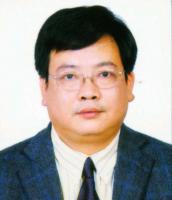 Jinmin Zhao (赵劲民)合作论文数广西医科大学第一附属医院创伤骨科手外科3Ningxian Yu (余宁先)合作论文数3
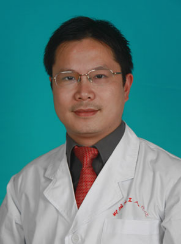 Bing Li (李兵)合作论文数Guangxi Medical University3
 Dadi Jin (金大地)合作论文数The Third Affiliated Hospital of Southern Medical University3Juli Luo (罗巨利)合作论文数3
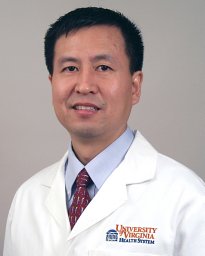 Quanjun Cui合作论文数Department of Orthopaedic Surgery, University of Virginia Health System3Huijiang Liu (刘会江)合作论文数3Kaiwei Chen合作论文数2Xiang Lin合作论文数2




