Objective:To summarize the results and methods of surgical treatment for type A aortic dissection with small true lumen of the descending aorta.Methods:9 patients underwent surgical treatment for type A aortic dissection with small true lumen of the descending aorta between January 2017 and December 2019 were analyzed retrospectively. There were 7 males and 2 females, mean age of (41.6±9.2) years. Acute dissection were 2 cases, and chronic dissection were 7 cases. Preoerative computed tomography was used to diagnose the dissection and evaluate the true lumen of the descending aorta. This procedure was done in all patients via a median sternotomy under hypothermic CPB with SCP. 4-branched prosthetic graft was used to replace the ascending aorta and aortic arch. The procedures involving the descending aorta: Hybrid surgery using TEVAR. Distal intimal flap fenestration. Implanting the intraoperative stent-graft or prosthetic graft at false lumen for second-step operation.Results:There was no in-hospital mortality. Stroke, Spinal cord, visceral ischemia and lower limbs malfunction were not observed. Reintervention was not found in case with acute dissection during follow-up. One patient who reveived fenestration underwent TEVAR, others with chronic dissection underwent thoracoabdominal aortic replacement 3 months after surgery.Conclusion:Hybrid or staged procedures was a suitable alternative to patients with type A aortic dissection with small true lumen of the descending aorta.
目的 探讨心脏术后再次行主动脉根部置换手术的病因、手术操作及临床疗效.方法 回顾性分析2013年12月至2019年12月30例心脏手术后于我院行再次主动脉根部置换手术患者的临床资料,其中男20例、女10例,年龄(50.4±12.7)岁.再次手术时间间隔(8.0±8.5)年,再次手术原因包括:主动脉窦部扩张及升主动脉瘤14例(47%),再发主动脉夹层5例(17%),假性动脉瘤3例(10%),人工瓣膜心内膜炎4例(13%),瓣周漏4例(13%),再次手术均为正中开胸,行Bentall手术.同期行二尖瓣置换手术2例,二尖瓣成形手术3例,三尖瓣成形手术6例,冠状动脉旁路移植手术3例,2例DebakeyⅠ型的主动脉夹层患者同期行主动脉全弓置换+降主动脉象鼻支架植入手术.结果 术中体外循环时间96~296(161.3±43.0)min,主动脉阻断时间48~117(85.7±20.4)min.术后住院期间死亡5例(17%),主要死因包括心力衰竭及感染性休克.术后随访3~75(33.5±21.1)个月,随访期间死亡3例,其中1例死于感染性休克,2例死于脑出血.结论 心脏术后再发主动脉根部病变处理较为棘手,手术风险较高.术前需进行充分评估,合适的手术入路、充分的心肌保护、完善的手术方案对保证手术成功至关重要.
目的 探讨经胸微创介入术治疗小儿先天性心脏病复合畸形的临床效果.方法 回顾性分析60例先天性心脏病复合畸形患儿的临床资料,根据治疗方法不同将患儿分为对照组与试验组,各30例.对照组采用常规开胸手术治疗,试验组采用经胸微创介入手术治疗.比较两组患者的临床治疗效果.结果 术后6个月,试验组的LVSV高于对照组,LVEF低于对照组(P<0.05).试验组的手术时间、术后住院时间均短于对照组,手术成功率高于对照组,术后并发症总发生率低于对照组(P<0.05).结论 经胸微创介入术治疗小儿先天性心脏病复合畸形的效果显著,可改善患儿的心功能,提高手术成功率,降低术后并发症发生率.
心脏移植已成为治疗儿童(<18岁)终末期心脏病的有效手段,随着外科手术技术的改进以及免疫抑制剂的发展,儿童心脏移植受者术后生存率令人满意.目前全球每年实施约500例儿童心脏移植手术,根据国际心肺移植学会报道,2009年至2016年儿童心脏移植受者占心脏移植总人数的12.7%[1].中国心脏移植注册系统数据显示,2015年至2018年,全国上报心脏移植手术共1 583例,其中儿童心脏移植受者93例(5.9%)[2].本文回顾性分析海军军医大学长海医院完成的1例先天性心脏病术后短期内行心脏移植儿童受者临床资料,探讨此类患儿心脏移植适应证、手术方式和术后排斥反应的防治等,现报道如下.
 Yangfeng Tang (唐杨烽)合作论文数Changhai Hospital4
 Qing Xue (薛清)合作论文数4Lin Han (韩林)合作论文数3Boyao Zhang合作论文数2Jiajun Zhang合作论文数2Xingli Fan合作论文数2
 Zhiyun Xu (徐志云)合作论文数Department of Cardiothoracic Surgery, Changhai Hospital2Qiang CHE (车强)合作论文数1
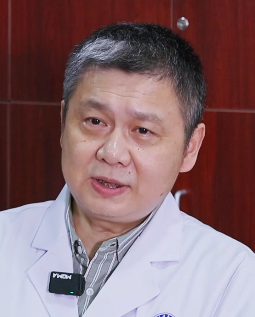 Zhigang Song (宋智钢)合作论文数Changhai Hospital1Hao Tang (唐昊)合作论文数1Fanglin Lu合作论文数1




