In the automated co-design of soft robots, precisely adapting the material stiffness field to task environments is crucial for unlocking their full physical potential. However, mainstream platforms (e.g., EvoGym) strictly discretize the material dimension, artificially restricting the design space and performance of soft robots. To address this, we propose EvoGymCM (EvoGym with Continuous Materials), a benchmark suite formally establishing continuous material stiffness as a first-class design variable alongside morphology and control. Aligning with real-world material mechanisms, EvoGymCM introduces two settings: (i) EvoGymCM-R (Reactive), motivated by programmable materials with dynamically tunable stiffness; and (ii) EvoGymCM-I (Invariant), motivated by traditional materials with invariant stiffness fields. To tackle the resulting high-dimensional coupling, we formulate two Morphology-Material-Control co-design paradigms: (i) Reactive-Material Co-Design, which learns real-time stiffness tuning policies to guide programmable materials; and (ii) Invariant-Material Co-Design, which jointly optimizes morphology and fixed material fields to guide traditional material fabrication. Systematic experiments across diverse tasks demonstrate that continuous material optimization boosts performance and unlocks synergy across morphology, material, and control.
Musculoskeletal robots provide superior advantages in flexibility and dexterity, positioning them as a promising frontier towards embodied intelligence. However, current research is largely confined to relative simple tasks, restricting the exploration of their full potential in multi-segment coordination. Furthermore, efficient learning remains a challenge, primarily due to the high-dimensional action space and inherent overactuated structures. To address these challenges, we propose Diff-Muscle, a musculoskeletal robot control algorithm that leverages differential flatness to reformulate policy learning from the redundant muscle-activation space into a significantly lower-dimensional joint space. Furthermore, we utilize the highly dynamic robotic table tennis task to evaluate our algorithm. Specifically, we propose a hierarchical reinforcement learning framework that integrates a Kinematics-based Muscle Actuation Controller (K-MAC) with high-level trajectory planning, enabling a musculoskeletal robot to perform dexterous and precise rallies. Experimental results demonstrate that Diff-Muscle significantly outperforms state-of-the-art baselines in success rates while maintaining minimal muscle activation. Notably, the proposed framework successfully enables the musculoskeletal robots to achieve continuous rallies in a challenging dual-robot setting.
The competition among a swarm often brings about astonishing potential beyond the ordinary. This paper proposes an approach for enhancing autonomous obstacle avoidance in aerial robots through competitive training. By constructing a multi-agent environment, we introduce competition between individuals as a form of comparative learning, stimulating more robust end-to-end flight strategies. Unlike traditional single-agent reinforcement learning (RL) methods, our framework leverages competitive interactions among virtual agents to generate richer training signals, leading to superior performance. Experimental results demonstrate that policies trained in this competitive multi-agent setting outperform those derived from single-drone simulation-based RL, achieving higher efficiency and adaptability in complex environments. Furthermore, ablation studies are conducted to validate the effectiveness and limitations of competitive learning. This work highlights the potential of competitive learning paradigms in advancing autonomous aerial robot navigation.
Conventional frame-based imaging for active stereo systems has encountered major challenges in fast-motion scenarios. However, how to design a novel paradigm for ultrafast depth sensing remains an open issue. In this paper, we propose a novel problem setting, namely active event-based stereo vision, which attempts to integrate binocular event cameras and an infrared 2D pattern projector for high-speed dense depth sensing. Technically, we first build a stereo camera prototype system and present a real-world dataset with over 21.5k spatiotemporal synchronized labels at 15 Hz, while also establishing a realistic synthetic dataset with stereo event streams and 23.8k synchronized labels at 20 Hz. Then, we propose ActiveEventNet+, a lightweight yet effective event-based stereo matching neural network that learns to generate high-quality dense disparity maps from stereo event streams with low latency. Our ActiveEventNet+ mainly involves three innovations: incorporating lightweight blocks into event-based stereo matching frameworks, designing a novel cost volume with dynamic interactions between stereo pairs, and presenting an effective temporal consistency architecture to fully use rich temporal cues in event streams. The results show that our ActiveEventNet+ outperforms state-of-the-art methods while significantly reducing computational complexity. Our solution offers superior depth sensing performance compared to conventional frame-based stereo cameras in high-speed scenes. In particular, the lightweight ActiveEventNet enables the prototype system to achieve real-time processing at speeds up to 150 FPS. We believe that this novel active event-based stereo vision paradigm can provide new insights into the design of future high-speed depth sensing camera systems. Our dataset and code can be available at https://github.com/jianing-li/active event based stereo.
Recent advances in multimodal large models have significantly improved UAV vision-language navigation (UAV-VLN) by enhancing high-level perception and reasoning. However, existing methods mainly focus on predicting discrete actions, local targets, or sparse waypoints, while the continuous transition from navigation intent to executable UAV motion remains weakly modeled. This motion-interface gap limits the continuity, stability, and executability of generated UAV trajectories. To address this gap, we propose DynFly, a dynamic-aware continuous trajectory generation framework that bridges high-level navigation reasoning and executable UAV motion. DynFly bridges high-level navigation intent and continuous UAV motion through a lightweight trajectory generation layer. Specifically, it represents expert trajectories in B-spline control-point space and employs a Spline-DiT generator to learn conditional trajectory generation via flow matching. Furthermore, we introduce UAV-oriented dynamic-aware supervision over position, finite-difference velocity, finite-difference acceleration, heading consistency, and local target alignment, enabling the generated trajectories to better satisfy UAV motion characteristics. And our trajectory generation framework can also be integrated with an existing UAV-VLN framework while preserving its original visual-language reasoning pipeline. Extensive experiments on the OpenUAV UAV-VLN benchmark show that DynFly improves both navigation performance and trajectory quality. On the Test Unseen Full split, DynFly improves the strongest baseline by 4.69 NDTW, 2.40 SDTW, 2.14 SR points and 4.87 OSR points, while reducing NE by 4.51 m.
In this paper, we propose a pretrained centralised model-based reinforcement learning method for collaborative grasping by a team of aerial and ground robots. Our method leverages demonstration data generated from the optimal reciprocal collision avoidance (ORCA) algorithm and PID controller to pretrain a dynamics model for the multi-agent system. This model is then utilised to optimise a centralised policy through model predictive control (MPC). We comprehensively conduct experiments under the scenarios with the load of three, four and six grasping points. The experiment results demonstrate that the proposed method outperforms model-free baselines, achieving higher success rates and faster convergence. Furthermore, the algorithm can be applied in a heterogeneous robot team for the collaborative grasping.
UAVs play an important role in applications such as autonomous exploration, disaster response, and infrastructure inspection. However, UAV VLN in complex 3D environments remains challenging. A key difficulty is the structural representation mismatch between 2D visual perception and the 3D trajectory decision space, which limits spatial reasoning. To this end, we propose SpatialFly, a geometry-guided spatial representation framework for UAV VLN. Operating on RGB observations without explicit 3D reconstruction, SpatialFly introduces a geometry-guided 2D adaptive representation mechanism. Specifically, the geometric prior injection module injects global structural cues into 2D semantic tokens to provide scene-level geometric guidance. The geometry-aware reparameterization module then uses geometry-conditioned cross-modal attention and gated residual fusion to adaptively reparameterize the visual tokens. Experimental results show that SpatialFly consistently outperforms state-of-the-art UAV VLN baselines across both seen and unseen environments, reducing NE by 4.03m and improving SR by 1.27
Multi-agent collaboration has emerged as a powerful paradigm for enhancing the reasoning capabilities of large language models, yet it suffers from interaction-level ambiguity that blurs generation, critique, and revision, making credit assignment across agents difficult. Moreover, policy optimization in this setting is vulnerable to heavy-tailed and noisy rewards, which can bias advantage estimation and trigger unstable or even divergent training. To address both issues, we propose a robust multi-agent reinforcement learning framework for collaborative reasoning, consisting of two components: Dual-Agent Answer-Critique-Rewrite (DACR) and an Adaptive Robust Estimator (ARE). DACR decomposes reasoning into a structured three-stage pipeline: answer, critique, and rewrite, while enabling explicit attribution of each agent's marginal contribution to its partner's performance. ARE provides robust estimation of batch experience means during multi-agent policy optimization. Across mathematical reasoning and embodied intelligence benchmarks, even under noisy rewards, our method consistently outperforms the baseline in both homogeneous and heterogeneous settings. These results indicate stronger robustness to reward noise and more stable training dynamics, effectively preventing optimization failures caused by noisy reward signals.
Unmanned aerial vehicles (UAVs) are crucial tools for post-disaster search and rescue, facing challenges such as high information density, rapid changes in viewpoint, and dynamic structures, especially in long-horizon navigation. However, current UAV vision-and-language navigation(VLN) methods struggle to model long-horizon spatiotemporal context in complex environments, resulting in inaccurate semantic alignment and unstable path planning. To this end, we propose LongFly, a spatiotemporal context modeling framework for long-horizon UAV VLN. LongFly proposes a history-aware spatiotemporal modeling strategy that transforms fragmented and redundant historical data into structured, compact, and expressive representations. First, we propose the slot-based historical image compression module, which dynamically distills multi-view historical observations into fixed-length contextual representations. Then, the spatiotemporal trajectory encoding module is introduced to capture the temporal dynamics and spatial structure of UAV trajectories. Finally, to integrate existing spatiotemporal context with current observations, we design the prompt-guided multimodal integration module to support time-based reasoning and robust waypoint prediction. Experimental results demonstrate that LongFly outperforms state-of-the-art UAV VLN baselines by 7.89% in success rate and 6.33% in success weighted by path length, consistently across both seen and unseen environments.
Deploying robot learning methods to aerial robots in unstructured environments remains both challenging and promising. While recent advances in deep reinforcement learning (DRL) have enabled end-to-end flight control, the field still lacks systematic design guidelines and a unified infrastructure to support reproducible training and real-world deployment. We present a task-oriented framework for end-to-end DRL in quadrotors that integrates design principles for complex task specification and reveals the interdependencies among simulated task definition, training design principles, and physical deployment. Our framework involves software infrastructure, hardware platforms, and open-source firmware to support a full-stack learning infrastructure and workflow. Extensive empirical results demonstrate robust flight and sim-to-real generalization under real-world disturbances. By reducing the entry barrier for deploying learning-based controllers on aerial robots, our work lays a practical foundation for advancing autonomous flight in dynamic and unstructured environments.
Learning and embodiment are intertwined, resulting in a mutually reinforcing effect. Research should aim not only for learning to enhance embodiment, but also, more importantly, for embodiment to facilitate learning. Achieving synergy between these two aspects remains an ongoing challenge.
The Low-altitude Economy has been increasingly attractive in recent years since techniques in electric propulsion and autonomous UAVs. In this context, the concept of flying cars has once again captured the public's interest. This work presents a flying car system that satisfies urban driving and flying. Besides, considering the high-speed and aggressive manoeuvring of the flying car, we utilize model predictive control combined with incremental nonlinear dynamic inversion control to achieve stable tracking of the flying car considering exogenous wind drag.
The concept of aerial-aquatic robots has emerged as an innovative solution that can operate both in the air and underwater. Previous research on the design of such robots has been mainly focused on mature technologies such as fixed-wing and multi-rotor aircraft. Flying fish, a unique aerial-aquatic animal that can both swim in water and glide over the sea surface, has not been fully explored as a bionic robot model, especially regarding its motion patterns with the collapsible pectoral fins. To verify the contribution of the collapsible wings to the flying fish motion pattern, we have designed a novel bio-robot with collapsible wings inspired by the flying fish. The bionic prototype has been successfully designed and fabricated, incorporating collapsible wings with soft hydraulic actuators, an innovative application of soft actuators to a micro aquatic-aerial robot. We have analyzed and built a precise model of dynamics for control, and tested both the soft hydraulic actuators and detailed aerodynamic coefficients. To further verify the feasibility of collapsible wings, we conducted simulations in different situations such as discharge angles, the area of collapsible wings, and the advantages of using ground effect. The results confirm the control of the collapsible wings and demonstrate the unique multi-modal motion pattern between water and air. Overall, our research represents the study of the collapsible wings in aquatic-aerial robots and significant contributes to the development of aquatic-aerial robots. The using of the collapsible wings must a contribution to the future aquatic-aerial robot.
It is common for us to feel pressure in a competition environment, which arises from the desire to obtain success comparing with other individuals or opponents. Although we might get anxious under the pressure, it could also be a drive for us to stimulate our potentials to the best in order to keep up with others. Inspired by this, we propose a competitive learning framework which is able to help individual robot to acquire knowledge from the competition, fully stimulating its dynamics potential in the race. Specifically, the competition information among competitors is introduced as the additional auxiliary signal to learn advantaged actions. We further build a Multiagent-Race environment, and extensive experiments are conducted, demonstrating that robots trained in competitive environments outperform ones that are trained with SoTA algorithms in single robot environment.
城市立体交通是未来智慧出行发展的热点方向,近年来受到了广泛的关注.作为城市立体交通的载体,智能飞行汽车融合了飞机与汽车两种运动模态,能够灵活地在空中与地面进行切换.本文介绍了智能飞行汽车的背景、历史与现状,阐述了其与城市空中交通载具的区别,分析与讨论了飞行汽车的系统设计,并介绍了智能飞行汽车的关键技术创新,包括动力技术和机电总体设计、多模态切换、模块复用与飞车脑认知等.重点讨论了飞行汽车的智能化技术,包括近地感知、决策与规划、智能控制与智能通信系统的关键技术与瓶颈.最后,结合现有技术,对智能飞行汽车的技术进行了剖析,并讨论了潜在的解决方案与发展趋势.
In this work, we propose a distributed hierarchical locomotion control strategy for whole-body cooperation and demonstrate the potential for migration into large numbers of agents. Our method utilizes a hierarchical structure to break down complex tasks into smaller, manageable sub-tasks. By incorporating spatiotemporal continuity features, we establish the sequential logic necessary for causal inference and cooperative behaviour in sequential tasks, thereby facilitating efficient and coordinated control strategies. Through training within this framework, we demonstrate enhanced adaptability and cooperation, leading to superior performance in task completion compared to the original methods. Moreover, we construct a set of environments as the benchmark for embodied cooperation.
Training an agent to adapt to specific tasks through co-optimization of morphology and control has widely attracted attention. However, whether there exists an optimal configuration and tactics for agents in a multiagent competition scenario is still an issue that is challenging to definitively conclude. In this context, we propose competitive evolution (CompetEvo), which co-evolves agents' designs and tactics in confrontation. We build arenas consisting of three animals and their evolved derivatives, placing agents with different morphologies in direct competition with each other. The results reveal that our method enables agents to evolve a more suitable design and strategy for fighting compared to fixed-morph agents, allowing them to obtain advantages in combat scenarios. Moreover, we demonstrate the amazing and impressive behaviors that emerge when confrontations are conducted under asymmetrical morphs.
Amphibious ground-aerial vehicles fuse flying and driving modes to enable more flexible air-land mobility and have received growing attention recently. By analyzing the existing amphibious vehicles, we highlight the autonomous fly-driving functionality for the effective uses of amphibious vehicles in complex three-dimensional urban transportation systems. We review and summarize the key enabling technologies for intelligent flying-driving in existing amphibious vehicle designs, identify major technological barriers and propose potential solutions for future research and innovation. This paper aims to serve as a guide for research and development of intelligent amphibious vehicles for urban transportation toward the future.
An innovative sort of mobility platform that can both drive and fly is the air-ground robot. The need for an agile flight cannot be satisfied by traditional path planning techniques for air-ground robots. Prior studies had mostly focused on improving the energy efficiency of paths, seldom taking the seeking speed and optimizing take-off and landing places into account. A robot for the field application environment was proposed, and a lightweight global spatial planning technique for the robot based on the graph-search algorithm taking mode switching point optimization into account, with an emphasis on energy efficiency, searching speed, and the viability of real deployment. The fundamental concept is to lower the computational burden by employing an interchangeable search approach that combines planar and spatial search. Furthermore, to safeguard the health of the power battery and the integrity of the mission execution, a trap escape approach was also provided. Simulations are run to test the effectiveness of the suggested model based on the field DEM map. The simulation results show that our technology is capable of producing finished, plausible 3D paths with a high degree of believability. Additionally, the mode-switching point optimization method efficiently identifies additional acceptable places for mode switching, and the improved paths use less time and energy.
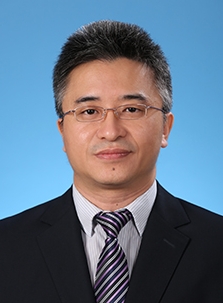 Huaping Liu (刘华平)合作论文数State Key Laboratory of Intelligent Technology and Systems, Department of Computer Science and Technology, Tsinghua University;Beijing National Research Center for Information Science and Technology, Tsinghua University16
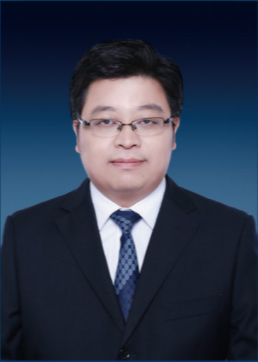 Xinyu Zhang (张新钰)合作论文数School of Vehicle and Mobility, Tsinghua University;Information Technology Center, Tsinghua University;State Key Laboratory of Automotive Safety and Energy, Tsinghua University11
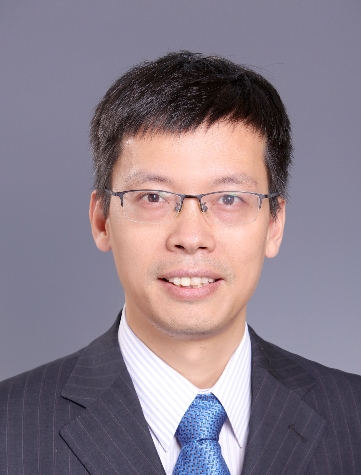 Xiangyang Ji (季向阳)合作论文数Department of Automation, Tsinghua University;Beijing National Research Center for Information Science and Technology, Tsinghua University8
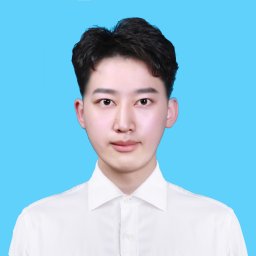 Yuanhao Huang合作论文数School of Aviation, Inner Mongolia University of Technology6
 Li Wang合作论文数4
 Jun Li (李俊)合作论文数School of Computer Science and Engineering, Nanjing University of Science and Technology4
 Wei Fan (樊伟)合作论文数School of Mechanical Engineering, Beijing Institute of Technology3
 Di Guo (郭迪)合作论文数School of Artificial Intelligence, Beijing University of Posts and Telecommunications3
 Jinyuan Liu (刘晋源)合作论文数School of Software, Dalian University of Technology;International School of Information Science and Engineering, Dalian University of Technology - Ritsumeikan University3
 Jianxi Luo合作论文数Department of Systems Engineering, City University of Hong Kong;AI-Driven Innovation Lab, City University of Hong Kong3Songsong Rong合作论文数2
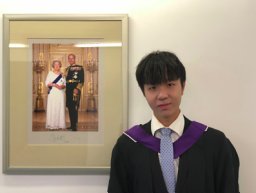 Jingyu Chen合作论文数Dept Automat Control & Syst Engn, Univ Sheffield2
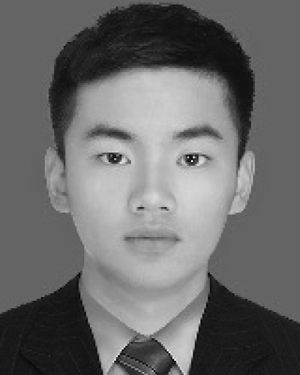 Wang Xiaoyu合作论文数2
 John Oyekan合作论文数Department of Computer Science, University of York2
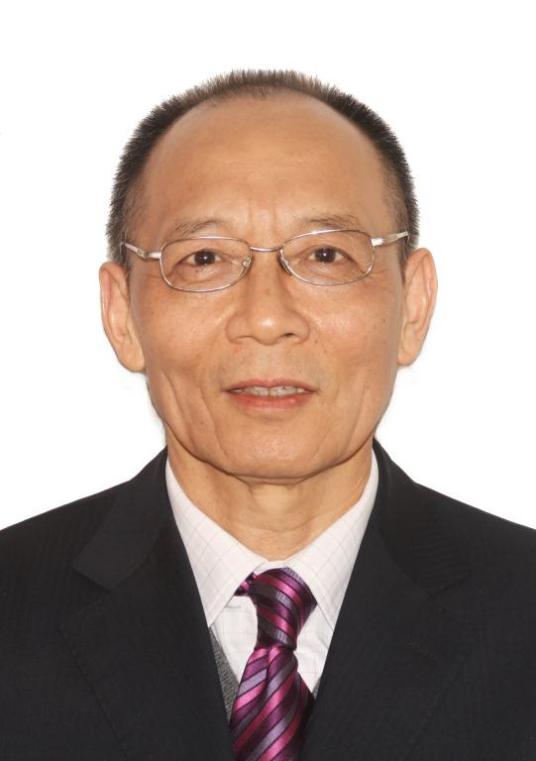 Deyi Li (李德毅)合作论文数School of Artificial Intelligence and Robotics, Hunan University;Robotics College, Beijing Union University2Haiqian Han合作论文数1Wenzhuo Liu合作论文数1Xiao Xiong合作论文数1Jinyang Jiang合作论文数Wuhan Institute for Artificial Intelligence, Guanghua School of Management, Peking University1Boyuan Deng合作论文数1Lei Yang合作论文数1Xin Liu合作论文数1
 Pingping Lu (陆萍萍)合作论文数Aerospace Information Research Institute, Chinese Academy of Sciences;University of Chinese Academy of Sciences1
 Fuzhen Zhuang (庄福振)合作论文数Research Center for Intelligent Perception and Cognition, Institute of Artificial Intelligence, Beihang University1
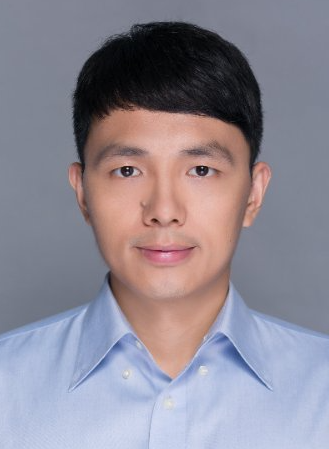 Yijie Peng (彭一杰)合作论文数School of Management and Engineering, Nanjing University1
 Xiangkui Zhang (张向奎)合作论文数School of Control Science and Engineering, Dalian University of Technology;Engineering Research Center of Ministry of Education for Monitoring and Control of Industrial Equipment1
 Yu Luo合作论文数SEEN·E Robotics1Yunjian Zhang合作论文数University of Chinese Academic of Sciences;Institute of Information Engineering, Chinese Academy of Sciences1
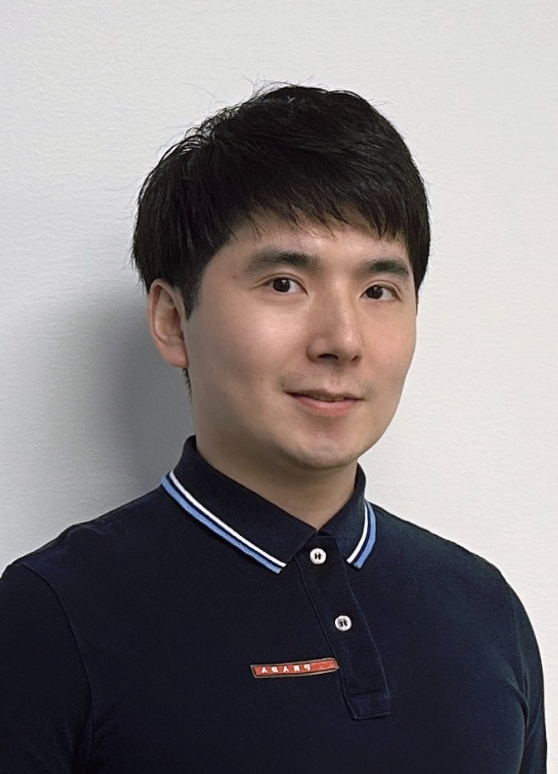 Yikun Ban (班义琨)合作论文数School of Information Sciences, University of Illinois at Urbana-Champaign1
 Dafeng Jin (金达锋)合作论文数School of Vehicle and Mobility, Tsinghua University1
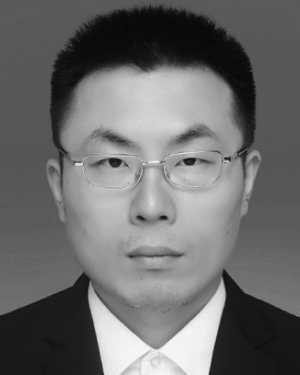 Han Yan (韩燕)合作论文数1
 Yifan Liu合作论文数Australian Institute for Machine Learning, The University of Adelaide1
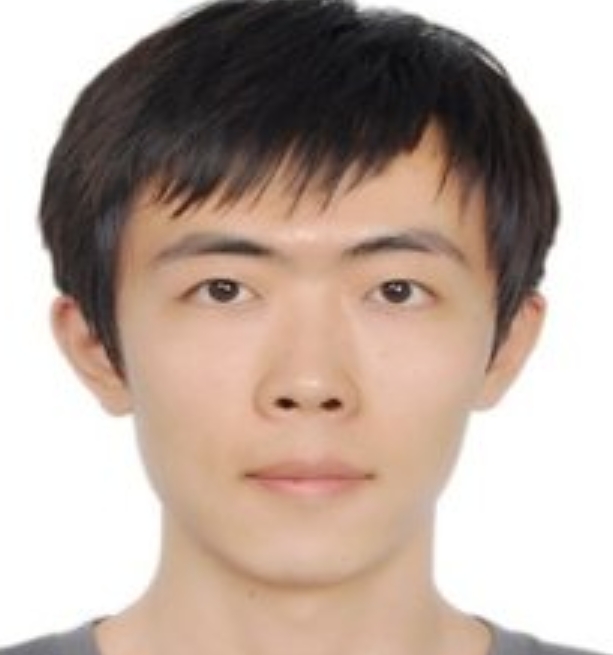 Jianing Li (李家宁)合作论文数Peking University1




