Immune checkpoints (ICs) represent a broad set of stimulatory and inhibitory signaling pathways playing an important role in regulation of immune responses. Initially, ICs have been considered solely as cell membrane-bound receptor and ligand systems, triggering or blocking immune cell function. Over the past decade they have been proven to exist in soluble forms (sICs). sICs are biologically active regulators involved in paracrine and systemic modulation of immune responses, similar to cytokines. Normally, sICs exert both stimulatory and inhibitory effects on the immune system, and their balance may be disturbed in many malignant neoplasms, COVID-19, HIV infection. There is a lot of data on the connection between sICs and various diseases, but a number of key aspects of their biology have not been fully clarified. The most widely studied are PD-1 (programmed death receptor-1) and its ligands PD-L1 and PD-L2, CTLA-4 (cytotoxic T lymphocyte antigen-4), TIM-3 (T cell immunoglobulin and mucin-domain containing-3), VISTA (V-domain Ig-containing suppressor of T cell activation). The mechanisms of soluble form formation are complex and diverse and include alternative splicing, cleavage of membrane ectodomains, and proteolytic cleavage. The most important molecular mechanisms underlying the synthesis and release of sPD-1 and sPD-L1 are alternative splicing of mRNA and translation of isoforms lacking transmembrane domains, while the formation of sTIM-3 occurs by cleaving the extracellular regions of transmembrane proteins by protease ADAM10. The review article provides data on the main sICs, including sPD-1, sPD-L1, exosomal sPD-L1, sCTLA-4, and several others. The molecular mechanisms of their formation, biological functions in maintaining immune homeostasis, prognostic significance of changes in their content are described in patients with solid malignant tumors (nonsmall cell lung cancer, hepatocellular cancer, breast cancer, kidney cancer, skin cancer, gastric cancer, etc.), as well as for hematologic malignancies (lymphoma, chronic lymphocytic leukemia, acute myeloblastic leukemia, multiple myeloma).
Найважливішими напрямами вдосконалення у сфері автосервісу є створення нових перспективних проектів, розширення асортименту послуг з урахуванням фактичної потреби автовласників. За статистикою, кожен другий власник автомобіля стикався з ситуацією, коли в його автомобіля ставалась поломка під час руху. На жаль, далеко не кожен водій знає як здійснити ремонт на місці і тому, як правило, виникає необхідність у виклику евакуатора та в подальшому ремонті в стаціонарному автосервісі. Подібні дії займають у власника автомобіля багато часу. З метою економії часу можна користуватись мобільним автосервісом, які виїжджають на місце перебування автомобіля. Проте мобільний автосервіс найбільш розвинутий у великих містах. У багатьох випадках послуги мобільного автосервісу обмежуються наданням евакуатора та транспортуванням автомобіля на станцію технічного обслуговування. Дані фактори вимагають реалізації нових підходів до організації автосервісу, зокрема мобільного. На сьогоднішній день в Україні ніша мобільного автосервісу практично відсутня. В загальній структурі автосервісу він складає всього 6%. Послуга «ремонт автомобіля за викликом» тільки починає набувати популярності, Тому питання розвитку такого спектру послуг як мобільний автосервіс, в сучасних умовах збільшення автомобільного парку набуває виняткової актуальності. У статті проведено наукові дослідження з проблем підвищення ефективності системи автосервісу та розширення спектру послуг в умовах збільшення автомобільного парку. Актуальність дослідження полягає в пошуку методів оцінки мобільної автосервісної інфраструктури та розробки математичної моделі необхідної кількості підприємств мобільного автосервісу. Ключові слова: мобільний автосервіс, послуги, фактори, показники ринку мобільного автосервісу, моделювання ринку підприємств мобільного автосервісу.
Транспортно-митна логістика в міжнародних перевезеннях є комплексним підходом до організації, координації та оптимізації всіх операцій, пов’язаних із транспортуванням товарів через митні кордони. Цей підхід спрямований на прискорення руху товарів, зниження витрат та забезпечення відповідності вимогам митного законодавства різних країн. Новизна концепції транспортної логістики щодо управління порядком переміщення товарів через митний кордон України полягає у впровадженні комплексного підходу до організації та оптимізації всіх етапів процесу митного оформлення. У повоєнній Україні транспортно-митна логістика в міжнародних перевезеннях відіграє вирішальну роль у відновленні економіки, нарощуванні зовнішньоекономічної активності та інтеграції в глобальні ринки. Враховуючи нові умови, відбудову інфраструктури, змінені торгівельні маршрути та підвищені вимоги до безпеки. Транспортно-митна логістика має враховувати низку специфічних аспектів і викликів. Ця нова концепція дозволяє прискорити і спростити переміщення товарів через митний кордон України, знижуючи затримки та покращуючи якість обслуговування, що є вагомим внеском у розвиток логістики зовнішньоекономічної діяльності. Ефективна транспортно-митна система забезпечить швидкість і доступність для товарів, сприятиме зростанню експорту, інвестицій, та інтеграції України у глобальну економіку. Ключові слова: транспортно-митна логістика, міжнародні перевезення, повоєнна Україна, транспорт, митний кордон, глобальні ринки
Background. The role for the HLA complex in SARS-CoV-2 immunosurveillance, resistance to virus infection and type of the individual immune response is accounted for by the extraordinary variability of HLA-genotypes as well as involvement of HLA-molecules in the mechanisms behind both cellular and humoral immunity. The aim of our study was to identify HLA-genetic factors underling severe COVID-19 course in St. Petersburg residents. Materials and methods. The study included 78 St. Petersburg residents aged 20 to 84 years (median — 55 years) recovered after COVID-19 in 2020–2022. The distribution of the examined persons based on COVID-19 severity was as follows: mild — 41, moderate — 32, severe — 5 persons. For further analysis, subjects with moderate-to-severe disease were included into a single group (37 persons). The control group consisted of 1.563 St. Petersburg residents who were potential hematopoietic stem cell donors, aged 18 to 60 years (median — 32 years). The low resolution HLA typing was performed by polymerase chain reaction using sequence-specific primers and sequence-specific oligonucleotide probes. HLA typing in control group was performed prior to SARS-CoV-2 pandemic. Results. A lower frequency of HLA-A*01 group was found in individuals with mild vs moderate/severe COVID-19 (0.0366 vs 0.1351; p = 0.04) and control group (0.0366 vs 0.1193; p = 0.02). A higher frequency of HLA-A*11 group was found in moderate/severe course compared to mild COVID-19 (0.1081 vs 0.0244; p = 0.048). Compared to control group, HLA-A*11 frequency in moderate/severe course (0.1081 vs 0.0582; p = 0.08) tended to increase. According to multivariate analysis, the risk of severe COVID-19 course in St. Petersburg residents was significantly associated with detected HLA-A*11 allele group (OR 7.38; CI 1.15–47.3; p = 0.032) and age (OR 1.05; CI 1.01–1.09; p = 0.008) along with an effect from HLA-A*01 tending to contribute to a risk of developing severe COVID-19 (OR 3.88; CI 0.88–17.09; p = 0.068). Conclusion. HLA markers for severe COVID-19 in St. Petersburg residents was identified providing deeper insight into a role played by HLA system in COVID-19 outcomes.
Next generation sequencing (NGS) allows high-resolution and allelic HLA-typing. The most common platform is MiSeq (Illumina, USA). Currently, the maintenance of this device is difficult, which has necessitated the search for analogues that are not inferior in capacity and quality of HLA-typing. The purpose of our study was a comparative analysis of the results of HLA-typing by NGS using the MiSeq (Illumina, USA) and FastaSeq 300 (Gene-Mind, China) platforms. The study included DNA samples of hematopoietic stem cell (HSC) donors: 12 samples were obtained and analyzed at the FSBI RosNIIGT FMBA of Russia and 24 samples at the National Medical Research Center for Hematology of the Ministry of Health of the Russian Federation. HLA typing of all samples was performed twice: using a MiSeq sequencer and a FastaSeq 300 sequencer. The results of HLA-typing of 12 samples from the FSBI RosNIIGT FMBA of Russia, obtained on two platforms, coincided. DRB1 allele of one sample was achieved as group P with MiSeq, but as group G with FastaSeq 300. The results of HLA-typing of 24 samples from the National Medical Research Center for Hematology of the Ministry of Health of the Russian Federation, obtained on two platforms, coincided. However, differences in the level of resolution of HLA-typing were observed for 10 samples. A higher level of resolution with using MiSeq was observed for genes: B – 2 cases; C, DRB3, DRB4 – 3 cases each. When using FastaSeq 300, a higher level of resolution was achieved a little more often and was established for the genes: DRB1 – 4, DQB1 – 7, DPA1 – 10 cases. Differences in the level of resolution of HLA-typing for some samples are not critical, since high-resolution typing results are currently used to select HSC donor-recipient pairs. Our study indicated the possibility of effectively using the FastaSeq 300 for HLA-typing.
Ключовим завданням логістичної стратегії є визначення показників, як кількісних, так і якісних, які необхідні для досягнення стратегічних цілей компанії в області логістики складування, розподілу, управління запасами, транспортування тощо, з обліком оптимізації витрат на всіх ділянках логістичного ланцюга. Використання логістичних інструментів та методів, правильний вибір типу логістичної стратегії сприяють оптимізації процесів розподілу товару, а також мінімізації витрати, пов'язаних з рухом потоків продукції, послуг, фінансів та інформації. Розробляючи логістичну стратегію, компаніям слід підходити з точки зору того, який ринок збуту буде освоюватися. Найбільш ефективною логістичної стратегією розподілу на регіональних ринках і ринках великих і середніх міст є поєднання фізичного розподілу товару до оптово-посередницької мережі при паралельному здійсненні роздрібних продажів. Структурування і аналіз основних проблем і завдань стратегічного планування логістичної діяльності транспортного підприємства дозволяє діяти більш цілеспрямовано і концентрувати управлінські, організаційні та інші ресурси, оптимізуючи у свої витрати та терміни досягнення поставлених цілей. Нами були вивчені теоретичні питання в області розробки логістичних стратегій. Були визначено сутність і основні види логістичних стратегій. Дана оцінка існуючої моделі здійснення діяльності на підприємстві і виявлена найбільш проблемна ділянка. Так було взято окремий бізнес-процес, який починається з рівня телефонних переговорів та укладання договору та закінчується завантаженням. В результаті оцінки було виявлено, що даний бізнес процес справді не оптимізовано і несе великі тимчасові витрати. Таким чином, були проведені дослідження в одній із головних галузей логістики, були вивчені теоретичні питання, був проведений аналіз діяльності транспортної компанії та була надана інформація щодо вдосконалення моделі бізнес-процесу. Ключові слова: логістична стратегія, реінжинірінг бізнес процесу, стратегічні рішення, логістичні технології, матриця пріоритетів.
Recent studies devoted to the patterns of the COVID-19 course in patients of various groups indicate a significant role of the immunity state in the disease development. Risk groups of severe disease course, including senile age, obesity and immunodeficiency conditions, have been identified. Research is underway to identify the genetic predisposition to SARS-CoV-2 infection and determine the poor prognosis in COVID-19. The presented article examines the immunological aspects of pathological conditions associated with an unfavorable prognosis of COVID-19. A complex immune response (including both innate immune mechanisms and an adaptive systemic response) develops in response to SARS-CoV-2 infection. The key mechanism of multisystem organ failure is a hyperimmune reaction with the development of a systemic inflammatory response, the so-called "cytokine storm", and the characteristics of the immune response largely determine the disease severity. In this regard, the immune response characteristics in patients at risk are of particular interest, including studies concerning the immunological aspects of a more severe disease course depending on age, the history of obesity, diabetes mellitus and other pathological conditions, as well as various genetic factors, which is the subject of active study at present. KEYWORDS: immune system, COVID-19, SARS-CoV-2, risk factors, obesity, oncological diseases, genetic predisposition, immune response. FOR CITATION: Glazanova T.V., Shilova E.R., Pavlova I.E. Risk factors of COVID-19: immunological aspects. Russian Medical Inquiry. 2023;7(11):751–758 (in Russ.). DOI: 10.32364/2587-6821-2023-7-11-5.
Background. Bone marrow transplantation-ineligible aplastic anemia (AA) is most effectively treated with combined immunosuppressive therapy (IST). It yields remissions in most patients. However, it has such disadvantages as frequent relapses, incomplete hematologic recovery, and clonal evolution risk. Besides, АА is not always treated according to standard regimens. For different reasons, some AA patients receive delayed therapy or IST mono-treatment predominantly with cyclosporine A (CsA). Aim. To assess long-term IST outcomes in AA patients followed-up at the Russian Research Institute of Hematology and Transfusiology for 5 years after therapy onset. Materials & Methods. The study enrolled 30 AA patients who received IST for more than 5 years (continuous follow-up of 5.5–33 years) with monitoring of the main hemogram parameters and PNH clone size. Patients were aged 19–73 years (median 29 years). There were 8 women and 12 men. Based on international criteria, severe AA (SAA) was initially diagnosed in 18 patients, and non-severe АА (NAA) was diagnosed in 12 patients. Combined IST was administered to 22 patients (18 SAA patients and 4 NAA patients), the remaining 8 patients received ATG (n = 1) and CsA (n = 7). Results. A response to IST was achieved in 28 (93.3 %) out of 30 patients, 16 (53.3 %) of them showed complete remission. This paper documents the characteristics of hematologic recovery depending on the compliance with standard therapy regimens, as well as on the disease variant, development of late complications and clonal evolution, characteristics of pregnancy and childbirth in 4 female patients in remission. PNH clone increased in more than a half (10 out of 16) patients whose clone was initially > 2.6 %. Long-term clonal evolution to myeloid neoplasia (13 years after IST onset) was registered in 2 (6.7 %) patients with complete AA remission. Aseptic (avascular) osteonecrosis as complication was reported in 6 (20 %) followed-up patients. Conclusion. The results of the study highlight the importance of and the need for early start and adherence to standard combined IST regimens aimed at optimum therapeutic effect in both SAA and NAA patients, as well as for long-term follow-up of patients after completing IST.
Трансплантация гемопоэтических стволовых клеток крови широко используется для лечения онкогематологическихзаболеваний и некоторых состояний, связанных с дефицитом кроветворения и иммуногенеза. Эффективный донорский поиск является одной из важнейших составляющих успеха трансплантации. Совпадение пар «донор – реципиент» по 10/10 HLA-аллелям (гены HLA-A, -B, -C, -DRB1 и -DQB1) – «золотой стандарт» успешного поиска совместимого донора для проведения аллогенной неродственной трансплантации стволовых клеток. Регистры играют ключевую роль в организации взаимодействия между врачами трансплантационного центра и специалистами, контактирующими с донором. Международное сотрудничество регистров доноров костного мозга способствует повышению эффективности поиска доноров для пациентов, нуждающихся в проведении аллогенной трансплантации гемопоэтических стволовых клеток. В статье представлены результаты сравнительного анализа иммуногенетических характеристик потенциальных доноров гемопоэтических стволовых клеток крови и костного мозга регистра ФГБУ РосНИИГТ ФМБА России и регистра Республики Беларусь. Показаны общие закономерности и характерные особенности профиля групп HLA-аллелей и HLA-гаплотипов в сравниваемых регистрах. Hematopoietic blood stem cell transplantation is widely used for the treatment of hematological malignancies and some conditions associated with deficiency of hematopoiesis and immunogenesis. An effective donor search is one of the essential components of the success of transplantation. Matching donor-recipient pairs by 10/10 HLA alleles (HLA-A, -B, -C, -DRB1 and -DQB1 genes) is the gold standard for successful search for a compatible donor for allogeneic unrelated stem cell transplantation. The registries play a key role in organizing the interaction between the doctors of the transplant center and the specialists in contact with the donor. International cooperation of bone marrow donor registries contributes to improving the efficiency of donor search for patients requiring allogeneic hematopoietic stem cell transplantation. The article presents the results of a comparative analysis of the immunogenetic characteristics of potential hematopoietic stem cell donors in the Register of the FSBI RosNIIHT FMBA of Russia and the Register of the Republic of Belarus, demonstrates the general patterns and features of the profile of HLA-alleles groups and HLA-haplotypes in the compared registers.
The development of tyrosine kinase inhibitors (TKIs) and their introduction into clinical practice considerably improved the prognosis for chronic myeloid leukemia (CML) patients. About 50 % of patients with achieved deep molecular response are eligible for safe TKI discontinuation. Despite these advances, no reliable biomarkers are known to predict a response and sustaining treatment-free remission after TKI withdrawal. As TKIs do not destroy leukemic stem cells, which can be responsible for relapse, critical importance in CML is attached to natural killers (NK-cells) having antitumor activity. Functional activity of NK-cells is evaluated by expression level and repertoire of killer cell immunoglobulin-like receptors (KIR). Current studies demonstrate that a patient’s KIR genotype affects the probability of achieving early and deep molecular responses to first- and second-generation TKIs, progression-free and overall survivals, and sustaining treatment-free remission. On that ground, KIR-genetic factors can be regarded as promising predictors of response to TKI therapy in CML. Early clinical studies, which dealt with monoclonal antibodies blocking the inhibitory KIR in order to increase NK-cell activity, revealed an acceptable safety profile and efficacy in some hematological diseases (such as acute myeloid leukemia, multiple myeloma, Т-cell lymphoma) if used in combination with cytostatic drugs or antitumor monoclonal antibodies. KIR genotype determination can contribute to the development of effective therapies of this malignant hematological tumor.
Topic: 30. Infections in hematology (incl. supportive care/therapy) Background: One of the features of COVID-19 infection is an immune-mediated hypercoagulable state with impaired microcirculation, arterial and venous thrombosis, and the development of multi-organ failure. In this regard, patients with thrombophilia (TF), initially predisposed to the development of thrombotic events, require special attention in relation to severe complications of COVID-19. The probability of any specific immune disorders in this group of patients is not excluded. It is known that clinical and laboratory abnormalities, including parameters of cellular and humoral immunity, can persist for a long time after a COVID-19 infection. Aims: to study distinctive features of immune system disturbances in the post-COVID period in patients with hereditary thrombophilia. Methods: The following groups were examined: patients with hereditary TF within 6 months after COVID-19 infection (group A, n=26); persons with TF who did not undergo COVID-19 (group B, n=21); persons without hemostasis pathology who were examined within 6 months after COVID-19 (group C, n=119), and healthy donors (control group D, n=43). We evaluated the subsets of lymphocytes expressing CD3, CD4, CD8, CD16, CD25, HLA-DR and T-regulatory cells (Treg), the levels of total serum immunoglobulins of classes G, A and M, circulating immune complexes with low (CIClow) or medium (CICmed) molecular weight, and the level of specific anti-SARS-CoV-2 IgG antibodies by ELISA. Results: When assessing changes in immune parameters in persons without TF who underwent COVID-19 (comparison of groups C and D) within 6 months, a moderate increase in the percent amount of T-helpers (CD3+CD4+), T-regulatory (CD25+CD4+) and activated T-cells (CD3+HLA-DR+) was observed, as well as the CIC, in particular, CEClow, while the level of B-cells (CD19+) and IgA decreased slightly. When assessing the immune parameters in persons with TF who had not undergone COVID-19 (group B), the following differences were noted compared with the donor group (D): an increased percent of T-helpers (48.5% vs. 42.6% respectively, p < 0.01), reduced CD3+CD16+ lymphocytes (1.0% vs. 4.6% respectively, p < 0.001), significant increase in the level of CECmed (55.7 units vs. 34.1 units respectively) and CEClow (344 units vs. 122.5 units respectively). The tendency of immune disturbances after COVID-19 infection in patients with TF (comparison of groups A and B) was basically similar to those in persons without hemostasis pathology. However, the characteristic features of the group with TF in the post-COVID period were the tendency to decrease in T-helpers and CD4+/CD8+ ratio, the absence of significant changes in the content of T-regulatory cells. Significant differences between groups A and C were observed in the level of specific anti-SARS-CoV-2 IgG antibodies: 726.9 BAU/mL and 207.5 BAU/mL (p < 0.05). Besides, for TF patients a direct correlation (p < 0.05) of the level of antibodies with the content of cytotoxic (CD3+CD8+) and activated (CD3+HLA-DR+) T cells was observed. Summary/Conclusion: Thus, in the post-COVID period in patients with TF, the main immunological changes are similar to those in patients without hemostasis pathology. However, this group have demonstrated a tendency to a decrease in T-helpers and CD4+/CD8+ ratio, and the absence of significant changes in the content of T-regulatory cells with an increased level of antibody production. Keywords: Immune response, Thrombophilia, COVID-19
Topic: 22. Stem cell transplantation - Clinical Background: Preparation of an autograft involves obtaining at least 2x10⁶ CD34+ cells/kg of the patient’s weight. The choice of the optimal mobilization regimen for each patient with multiple myeloma (MM) involves an assessment of the patient’s condition, disease status, volume and nature of previous therapy. For mobilization, combinations of cytostatic drugs with granulocyte colony-stimulating factor (G-CSF), G-CSF alone or in combination with plerixaphor are used. An assumption was made about the influence of the content of individual subsets of lymphocytes in the autograft on the course of MM in the post-transplant period. Aims: To evaluate the effect of mobilization modes on the composition of lymphoid subsets in the autograft of MM patients. Methods: Individual subsets of lymphocytes in the apheresis products of 25 MM patients were analyzed. G-CSF in mono mode (group 1, n=12), vinorelbine in combination with G-CSF (group 2, n=9) and cyclophosphamide at a dose of 3 g/m2 in combination with G-CSF (group 3, n=4) were used as mobilization regimens. Autologous hematopoietic stem cell transplantation (AutoHSCT) was performed in 12, 7 and 4 patients, respectively. For pre-transplant preparation, the Mel200, Mel140 regimens and the combination of melphalan with carfilzomib were used in 7/3/2, 3/0/4 and 4/0/0 patients, respectively. All patients received G-CSF in the post-transplant period, except for 1 patient in group 1. Results: A significant difference was found in the content of CD3+ cells, the percentage of which was significantly higher when using cyclophosphamide compared to G-CSF in mono mode: 91.4% vs 77.6%; p=0.029. On the contrary, the content of CD3-CD8+ cells was the lowest with the appointment of cyclophosphamide compared with the other two modes of mobilization: 0.3% vs 3.6% with G-CSF alone; p=0.045 and 0.3% vs 1.5% for vinorelbine; p=0.016. There were also significantly fewer NK cells (CD3-CD16+): 1.65% vs 10.4% with G-CSF mono. Engraftment of leukocytes and platelets in the studied groups was recorded on days 12 (9–26), 11 (10–17), 12.5 (11–16) and on days 18 (13–28), 16 (13–20), 16.5 (12–22), respectively. Six (50%), 3 (42.9%) and 2 (50%) patients in the studied groups, respectively, required transfusion of donor red blood cells. All patients received transfusions of platelet concentrate, the median number of doses in the groups was 5 (1–16), 4 (2–7) and 5 (2–7), respectively. Before AutoHSCT, all patients received bortezomib, carfilzomib – 3 (25%), 5 (55.6%) and 2 (50%) patients, respectively, lenalidomide – 1 (8.3%), 2 (22.2%) and 3 (75%), respectively, and daratumumab – 2 (16.7%), 2 (22.2%) and 4 (100%), respectively. The number of patients treated with daratumumab was significantly higher in group 3 compared to group 1; p=0.029. Summary/Conclusion: The data of the pilot study indicate a difference in the composition of lymphocytes in the apheresis product under different modes of mobilization. It is possible that the immune cell composition depends not only on the type of mobilization regimen, but also on the nature of the previous mobilization therapy, which needs to be confirmed with more data. Keywords: Multiple myeloma, Autologous hematopoietic stem cell transplantation, Autograft
Efficacy of search for the unrelated compatible transplant donors depends on a number of factors. Of most importance are the standards of primary HLA typing, and the immunogenetic diversity of the donor pool. Timely donor selection guarantees the optimal timing for stem cell transplantation. This factor exerts positive influence upon the transplantation outcomes. In 2019, The Bone Marrow Donors Registry at the Russian Research Institute of Haematology and Transfusiology has implemented HLA-typing for HLA-A, HLA-B, HLA-C, HLA-DRB1, HLA-DQB1 genes as a standard for primary immunogenetic examination, in order to reduce the donor search period. The aim of our study was to evaluate the HLA typing results for potential stem cell donors at our Registry as compared with immunogenetic profile of donors at the Registries arranged in two Russian megapolises. All currently known groups of HLA-C, HLA-DRB1, HLA-DQB1 gene alleles, 19 of 21 open groups of HLA-A gene alleles, 34 of 36 known groups of HLA-B gene alleles were screened in the donors from our Registry. The most common HLA alleles groups were as follows: A*02 (0.2957), A*03 (0.1432), A*01 (0.1155), A*24 (0.1128); B*07 (0.1282), B*35 (0.1084), B*44 (0.0921), B*18 (0.0745); C*07 (0.2738), C*04 (0.1361), C*12 (0.1202), C*03 (0.1134), C*06 (0.1127); DRB1*15 (0.1445), DRB1*07 (0.1420), DRB1*13 (0.1271), DRB1*01 (0.1269), DRB1*11 (0.1216); DQB1*03 (0.3517), DQB1*06 (0.2269). A total of 1702 HLA-A*-B*-C*-DRB1*-DQB1*-haplotypes were revealed in our donor pool. The frequency of nine HLA-haplotypes exceeded 0.01: A*01-B*08-C*07-DRB1*03-DQB1*02 (0.0366), A*03-B*07-C*07-DRB1*15-DQB1*06 (0.0269), A*03-B*35-C*04-DRB1*01-DQB1*05 (0.0238), A*02-B*13-C*06-DRB1*07-DQB1*02 (0.0204), A*02-B*07-C*07-DRB1*15-DQB1*06 (0.0184), A*25-B*18-C*12-DRB1*15-DQB1*06 (0.0127), A*02-B*18-C*07-DRB1*11-DQB1*03 (0.0126), A*02-B*15-C*03-DRB1*04-DQB1*03 (0.0123), A*02-B*41-C*17-DRB1*13-DQB1*03 (0.0109). We carried out a comparative analysis of the HLA-haplotypes distribution for the donors of three Russian registers: Russian Research Institute of Haematology and Transfusiology (St. Petersburg); First St. Petersburg State I. Pavlov Medical University (St. Petersburg); National Medical Research Center for Hematology (Moscow). The six most common HLA-haplotypes among the donors from three Russian registers had the same rank positions and frequencies. The differences of some less common HLA-haplotypes distribution were determined. The results of our study indicate the immunogenetic diversity of the donor pool the Registry of Russian Research Institute of Haematology and Transfusiology. This fact, along with usage of international standards for primary immunogenetic examination is a prerequisite for effective donor search for the patients requiring stem cell transplantation.
Теплові навантаження на тварин в літній період представляють суттєву загрозу для отримання не тільки якісної спермопродукції, але й загалом спричиняє падіння продуктивних властивостей. Метою дослідження було визначити дію теплового стресу на прооксидантно-антиоксидантний гомеостаз в спермі кнурів-плідників різних порід. У досліді використовували кнурів-плідників двох порід полтавської м’ясної (ПМ) та червоно-білої м’ясної (ЧБП), аналогів за віком, живою масою та якістю спермопродукції. Встановлено, що в період теплового стресу в спермі кнурів-плідників прооксидантно-антиоксидантний гомеостаз зміщується в бік прискорення процесів пероксидного окислення: стабільне зростання в спермі ПМ породи кількості дієнівих кон’югатів і ТБК-активних сполук; ЧБП породи мав негативний ефект до 40 днів експерименту з подальшим розвитком адаптаційної реакції. Такі зміни супроводжувалися зниженням активності супероксиддисмутази в ПМ (p<0,01) і вмісту відновленого глутатіону та аскорбінової кислоти з одночасним підвищенням рівня каталази. Виявлений неоднаковий вплив теплового стресу на формування прооксидантно-антиоксидантного гомеостазу у спермі тварин різних порід. Встановлено, що інактивація (активність СОД) активних форм Оксигену має вірогідно вищу функціональну активність спермотозоїдів (р<0,01) у представників ЧБП порівняно із ПМ породами. При цьому рівень насиченості відновленим глутатіоном і дегідроаскорбіновою кислотою у спермі був вищим у тварин ПМ породи. Встановлено, що у представників породи ЧБП в період досліду із збільшенням інтенсивності перебігу окисних процесів, спостерігався прояв адаптації до несприятливого впливу надвисоких температур на 70-ту добу.
Однією з основних задач транспорту є своєчасне та якісне задоволення потреб споживача у перевезеннях. Транспортування різних вантажів вимагає індивідуального підходу до вибору виду перевезень. В статті було досліджено вимоги, які висувають споживачі до перевезень різноманітних вантажів. Окремо розглянуто вимоги закладів, які є замовниками таких перевезень, до транспортування високотехнологічної медичної техніки, які висуваються до компаній, що беруть на себе відповідальність за доставку таких вантажів. Проведено класифікацію медичного обладнання. Більшість апаратів мають тендітні елементи конструкцій, легко виходять з ладу. Тряска, пил, підвищена вологість, зміна температур, конденсація та інші природні чинники можуть привести до поломки окремих деталей або ж конструкції в цілому. Тому постає питання вибору оптимального виду транспорту для транспортування такого обладнання. В статті розглянуто основні фактори, які визначають спосіб транспортування. Також визначено критерії, які ставляться замовниками перевезень медичної техніки до перевізника. Серед основних критеріїв виділяють збереженість обладнання, своєчасність доставки, можливість установки медичного обладнання на місці, інформативність на кожному етапі доставки тощо. В роботі наведено алгоритм вибору перевізника на прикладі трьох умовних перевізників. Для цього було обрано метод експертних оцінок. За допомогою даного методу було проведено оцінювання потенційних перевізників за критеріями, які визначають якість перевезень та доставки обладнання. Визначено критерії, які є найбільш вагомими при перевезенні медичної техніки, а саме, збереженість обладнання, можливість точного встановлення його на місцях, час доставки, витрати на перевезення. Ключові слова: автомобільний транспорт, перевезення медичного обладнання, якість доставки, вибір перевізника, критерії вибору, метод експертних оцінок.
In 2015, in Ukraine, as a result of the reform of the territorial organization of power and administration, social transformations regarding the cohesion and integration of Ukrainian society into the single European community began. This process was interrupted by the Russian war against Ukraine. From the very beginning of external military aggression, the civilian population and the Armed Forces of Ukraine rose up to fight the enemy, the result of which was the gradual liberation of the temporarily occupied territories. Thus, the question of the post-war restoration of Ukraine on the basis of inclusiveness gained scientific relevance, political and practical significance. The article substantiates the need for and ways of solving an urgent social problem that has gained international attention and is connected with the post-war restoration of the united territorial communities (UTCs) and districts of the Mykolaiv, Odesa and Kherson regions, of large part of which was or continues to be to be in the zone of military operations, is temporarily occupied or surrounded. Thus, all UTC and districts of Kherson region, half of UTC and a significant part of districts of Mykolaiv region ended up in the military zone. The task of the research is formulated to determine the degree of militarization of the social life of these socio-spatial formations, clarify the essence of the problems of their post-war recovery, and outline the directions and ways of solving the most urgent of them, taking into account the principles of the concept of inclusive development. The methodological base of the research was made up of the fundamental works of Ukrainian and foreign scientists on issues of inclusive development, system, synergistic and institutional approaches, comparative, statistical method, analysis and synthesis methods. The scientific novelty of the study lies in the expanded understanding of the phenomenon of inclusiveness as the inclusion of rural-urban agglomeration formations of the continuous type in solving common development problems on the way to the formation of an inclusive environment not only with the participation of their components, but also of external stakeholders. Based on the results of the research, certain generalizations were made, practical recommendations were given, in particular, proposals were formulated regarding ways of compensation restoration and in some places, reconstruction of destroyed communities and districts at the expense financial resourcesof the aggressor country. It is noted that further research in this area should be focused on finding additional internal and external sources of restoration of the destroyed Ukrainian territories on an inclusive basis.
The article solves an actual scientific and practical scientific problem related to the definition of the demographic characteristics of the united territorial communities (UTCs) and regions of Ukraine as a factor in their inclusive development. The consolidation of administrative-territorial units of the basic and district levels, which was a consequence of the reform of the territorial organization of society, created the prerequisites for the formation of an inclusive environment within their spatial boundaries with the participation of towns, settlements and villages. Such an opportunity largely depends on certain factors of the inclusive development of UTC and districts, one of which ‒ demographic ‒ is largely derived from the organizational and administrative decisions that were laid at the basis of the reform itself. The purpose of the study is to determine the demographic characteristics of the UTC and regions of Ukraine as a factor in their inclusive development. For her implementation, the following tasks have been formulated: to characterize the essence and phasing of socio-spatial inclusiveness; identify the prerequisites for the inclusive development of the UTC and the districts in view of their demographic characteristics; to reveal the specifics of inclusiveness and its focus in communities and districts of different sizes. In the course of the study, the quantitative composition of all UTC and districts of Ukraine was analyzed, the grouping of these socio-spatial formations according to their demographic indicators was carried out, and the positive and negative aspects of creating an inclusive environment within them. Regional features of inclusive development of communities and districts have been revealed. The specificity of the manifestation of endogenous and exogenous inclusion of socio-spatial agglomeration formations, which became UTC and new districts in the post-reform period, is revealed. It has been proven that the rural or urban focus of inclusive development has a different dimension and manifestation at the level of UTC and districts. It was found out that in the process of formation of the UTC and formation of new districts, certain disproportions arose between these socio-spatial formations according to their demographic characteristics, which significantly complicates the process of achieving inclusion. Based on the results of the research, certain generalizations were made and it was stated that this problem in the conditions of martial law has acquired political acuteness and fateful significance for Ukraine. In view of this, the attention of scientists should be focused precisely on the substantiation of the ways and directions of the post-war recovery of communities and districts on the basis of inclusiveness.
Forventningar om framtidige kompetansebehov legg føringar for tettare samarbeid mellom høgare utdanningsinstitusjonar og arbeids- og samfunnsliv. Som ein del av denne utviklinga har fleire utdanningsinstitusjonar introdusert arbeidspraksis på utdanningar som historisk ikkje har tradisjonar for dette. Denne artikkelen legg fram ei kartlegging av studentperspektiv frå ein evalueringsstudie om innføring av obligatorisk praksis i bachelorutdanninga i sosiologi ved Høgskulen på Vestlandet (HVL). Forskingsspørsmåla er kva lærdommar studentar oppnår av og i sosiologisk praksis, og korleis studentane skapar meining mellom den teoretiske og den praktiske bruken av sosiologien. Artikkelen analyserer data frå fire gruppeintervju, to før og to etter praksisopphaldet. Studien viser ei breidd av erfaringar studentar i disiplinfag møter i arbeidspraksis. Å utvikle ein arbeidsidentitet og bli ein aktiv medlem i eit praksisfellesskap er sentrale lærdommar for studentane. Studien peikar også på nokre utfordringar studentane møter i praksis, som t.d. faglege og sosiale spenningar i etableringa av praksisfellesskap, kjensle av naudsyn legitimering av sosiologisk fagkunnskap i meiningsforhandlingane med arbeidslivet og utfordringar kring refleksjonsprosessen om si faglege «nytte» på arbeidsplassen. Spenningane studentane møter i praksis, kan på si side bringe fram nye måtar studentane tenkjer på kring sin eigen fagkompetanse etter avslutta studiar.
 L. N. Bubnova合作论文数37Tv Glazanova合作论文数21Rozanova O E合作论文数12Bessmel'tsev Ss合作论文数9Ю. В. Соколова合作论文数9Isolda P. Baskova合作论文数7E R Shilova合作论文数6Chubukina Zh V合作论文数6I. G. Pervova合作论文数5O. P. Kurganova合作论文数4I. N. Postnikova合作论文数4i i khasbiullin合作论文数4А. М. Шостя合作论文数4
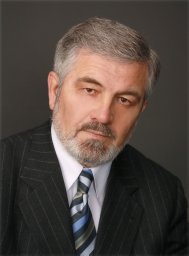 Oleksandr Pavlov合作论文数Odesa Natl Acad Food Technol4K. Abdulkadyrov合作论文数Russian Res Inst Hematol & Transfusiol4A. Chechetkin合作论文数Russian Res Inst Hematol & Transfusiol4Gritsaev S V合作论文数4
 Александр Парфенов合作论文数4
 Pavel Alexandrovich Slepukhin合作论文数4A. S. Kuzmichev合作论文数3п н сухарев合作论文数3т с шаркова合作论文数3
 Vitalij Grabovets合作论文数Lutsk National Technical University3
 Stanislav Bessmeltsev合作论文数Res Inst Hematol & Transfusiol3
 Gennadiy Petrovich. Belov合作论文数3T. G. Yudina合作论文数3A.A. Aliev合作论文数2Н М Фёдоров合作论文数2N. A. Lipskaya合作论文数2А. С. Сябро合作论文数2О. Г. Мороз合作论文数2Elena Shilova合作论文数2A.V. Pashkin合作论文数2S.N. Zolotukhin合作论文数2N. L. Tezikov合作论文数2А. М. Бакунов合作论文数2О. М. Бакунова合作论文数2array а перепелица合作论文数2A. G. Chuchalin合作论文数2
 Anastasia Pavlova合作论文数2Si Moiseev合作论文数2Ts Zubareva合作论文数2Yu.V. Pashkina合作论文数2А. А. Павлова合作论文数2Т. М. Рак合作论文数2
 Viktor Samostian合作论文数2
 Boris Orekhov合作论文数Fac Humanities, HSE Univ2
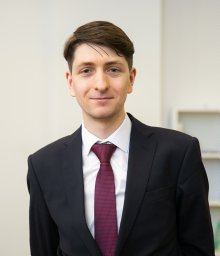 Daniil Skorinkin合作论文数Higher School of Economics, National Research University2Balashova V A合作论文数2




