This study addresses the challenge of extracting subtle 2H characteristic γ ray (2H@2.223 MeV) count from the Chang'e-2 Gamma-Ray Spectrometer (CE2-GRS) data for inversing lunar water. Traditional methods interfered with by radioactive nuclides, such as 214Bi, 27Al, 30Si, 49Ca, etc., cannot retrieve the 2H@2.223 MeV count. The machine learning algorithms, which can efficiently uncover potential correlations between hydrogen and lunar geological features, have provided new insights for addressing inverse problems. Via integrating the Levenberg-Marquardt- Back Propagation (LM-BP) algorithm, three BP neural network models are trained to produce a new lunar global map of 2H@2.223 MeV count. The South Pole-Aitken Basin (SPA) basin on the lunar farside, the Mare Imbrium, and the Oceanus Procellarum on the lunar nearside exhibit pronounced high count(above 12 per 3 s). In contrast, the highland regions exhibit relatively lower counts (below 3 per 3 s). The high abundance of hydrogen in certain lunar regions is the cumulative result of various geological activities. In permanently shadowed regions (PSRs), the presence of dry ice (CO2), which absorbs more thermal neutrons, may lead to differences in hydrogen concentration derived from neutron and spectral data. Furthermore, it is proposed that there is a higher probability of water in the De Gerlache crater.
79 Se is one of the key fission products in spent fuel, with a half - life of 6.5×10 4 a. Owing to its exceptionally high mobility and extremely low solubility, this isotope can effortlessly permeate into groundwater, resulting in widespread contamination. This type of pollution poses an extremely grave threat to both ecosystems and human well-being. Therefore, the long-term safe fixation and disposal of 79 Se has become a challenging and cutting-edge topic in research. In this study, Ferrous Hydroxide Complex (FHC) was employed as a carrier to explore its effectiveness in removing selenium (IV). Zero-valent iron/Ferrous Hydroxide Complex (Fe 0 /FHC) was synthesized using simple and cost-effective methods, and their performance in selenium (IV) removal was evaluated. The findings demonstrated that, under specific conditions-pH 7.0, a 40-min adsorption period, 35% Fe 0 content, and a ratio of solid to liquid that was 0.20 g L − 1 , the Fe 0 /FHC composite achieved a Se(IV) adsorption capacity of 201.62 mg g − 1 . Kinetic analysis showed that adsorption behavior matches the pseudo-second-order model, suggesting that the chemical process was the dominant adsorption mechanism. Isothermal adsorption modeling further showed that the Langmuir model provided a better fit, suggesting that the adsorption predominantly occurred through monolayer coverage. Thermodynamic investigations indicated that the adsorption of Se(IV) by Fe 0 /FHC was an exothermic reaction. Further analysis via FT-IR and XPS showed that Fe 0 /FHC's removal of Se(IV) involves electrostatic adsorption, complexation, and reduction precipitation processes. Overall, the Fe 0 /FHC composite offered distinct benefits, including ease of synthesis, a large specific surface area, and exceptional adsorption capacity. These characteristics endowed Fe 0 /FHC with great potential in treating selenium-containing wastewater. Consequently, as a new adsorption material, it held broad application prospects in this field.
The lifetime of the isomeric state in fully stripped 94Ru44+ ions has been measured using isochronous mass spectrometry (IMS) at the experimental Cooler Storage Ring (CSRe) of the Heavy Ion Research Facility in Lanzhou (HIRFL). Previously, the isomeric lifetime was determined by analyzing the decay time points of individual decay events. In this paper, we present a novel approach to determine the isomeric lifetime based on the survival time of ions obtained from IMS. The survival lifetimes of the ground and isomeric states of 94Ru44+ were measured to be s and s in the laboratory, respectively. Given that the ground state of 94Ru44+ has a natural lifetime of approximately 75 min, its survival lifetime in the experimental setup was predominantly determined by the beam-loss lifetime, including interactions with residual gas in the storage ring and carbon foil of the detector. In contrast, the survival lifetime of 94mRu44+ was governed by its intrinsic nuclear lifetime and additional beam-loss effects. The nuclear decay lifetime of 94mRu44+ was extracted through differential survival lifetime analysis between ground and isomeric states, under the assumption that the beam-loss lifetimes for both quantum systems are identical. Using this novel methodology, the lifetime measured in the laboratory frame was s. After relativistic time-dilation corrections, the corresponding rest-frame half-life was calculated to be s. This result demonstrates excellent consistency with previous experimental results, validating the reliability of the new method. This method is suitable for determining half-lives of highly charged ions in the range of several tens of microseconds to milliseconds using IMS.
79Se is one of the key fission products in spent fuel, with a half—life of 6.5 × 10⁴ a. Due to its high mobility and minimal solubility constraints, it readily leaches into groundwater, causing extensive contamination and posing grave risks to ecosystems and human well-being. In this work, the removal of Se(IV) was studied by using FeCO3 as the carrier. Zero-valent iron/siderite (Fe0/FeCO3) composite materials were prepared by simple and economical ball milling method and liquid phase reduction method, and the removal of Se(IV) in aqueous solution was studied. The results showed that Fe0/FeCO3 had unique advantages such as easy synthesis, large specific surface area and high adsorption capacity. It is expected to be used as a chemical barrier active material to block the migration of soluble variable nuclides represented by 79Se, and to remove Se(IV) in geological disposal repositories of high-level radioactive waste.
The Lanzhou Heavy Ion Accelerator Cooling Storage Ring(HIRFL-CSR)is an ideal device for studying the decay of highly charged and short-lived isomers.In the lifetime measurement experiment of the short-lived highly charged ion 94mRu44+,we directly observed the decay of 94Ru from 8+isomer to the ground state,and identified 49 decay events in the ob-servation time window of(20 μs,180 μs).In order to identify more decay events,a new method based on amplitude of fre-quency spectrum was studied in this paper.Based on the simulation results,this new method can effectively identify decay events within(15 μs,185 μs).By applying the new identification method to the experimental data processing,54 decay events were identified within(15 μs,185 μs).Based on these 54 decay events,the lifetime of 94mRu44+in the laboratory frame was calculated to be 194(121)μs.The new lifetime result is within the error range of the previous result 218(148)μs.
79Se is a fission product in spent fuel with a half-life of up to 6.5×10⁴ a, which is not controlled by solubility in aqueous solution and has strong mobility. These characteristics make it highly susceptible to migration in groundwater. Meanwhile, due to the negative charge of selenium ions, they are difficult to be fixed by buffer/backfill materials, engineering materials, geological materials and commonly used adsorption methods in near-field geochemical environments. Therefore, the fixation of 79Se has become a hot and difficult research topic both domestically and internationally. Therefore, this article aimed to simulate the removal of radioactive nuclide Se(IV) from high-level radioactive waste disposal repositories. On the basis of siderite (FeCO3), by adding zero-valent nickel (Ni0) and continuously optimizing sample preparation conditions, an economical, efficient and stable siderite/zero-valent nickel (FeCO3/Ni0) composite material was successfully prepared. Experimental studies on the removal of Se(IV) from solution were conducted under different conditions and the material was characterized using various modern methods from macro and micro perspectives, the performance and mechanism of FeCO3/Ni0 composite material for removing Se(IV) was explored deeply. The research results indicated that FeCO3/Ni0 had high potential as a candidate adsorbent for the removal of Se(IV) due to its easy synthesis, low-cost, high adsorption capacity and strong reduction.
79Se is one of the important radionuclides in the safety evaluation of high-level radioactive waste repository due to its long half-life and highly fissionable radioactivity. Nanoscale zero valent iron-nickel bimetallic composite (Fe0/Ni0) was fabricated by liquid phase reduction method for Se(IV) adsorption from aqueous solution. The effects of pH, solid–liquid ratio, time, temperature, initial concentration of Se(IV) on the adsorption of Se(IV) by Fe0/Ni0 were investigated. Fe0/Ni0 was characterized by SEM, XPS, XRD, FT-IR, BET and Zeta potential, and the mechanism of removing Se(IV) was analyzed. The results showed that Fe0/Ni0 had a good removal effect on Se(IV). When pH was 3.5, the solid–liquid ratio was 0.3 g L−1, the reaction time was 40 min, the maximum adsorption capacity of Se(IV) by Fe0/Ni0 could reach 180 mg g−1. The research results can provide a theoretical basis for the treatment of wastewater containing Se(IV).
[Background]Water is the primary resource required for the exploitation of lunar resources.Investigating the distribution of water on the surface of the moon has become a focal point in the lunar exploration plans of several nations.[Purpose]This study aims to quantify the presence of hydrogen and analyze its spatial distribution on the lunar surface using data from the Chang'E-2 gamma-ray spectrometer(CE2-GRS).[Methods]Firstly,an analytical method combining branch specific stripping with the nonlinear least-square fitting Gaussian function was proposed to subtract the characteristic γ rays of interfering nuclides(214Bi@2.204 MeV,27Al@2.210 MeV,49Ca@2.371 MeV)ranging from 2.1 MeV to 2.5 MeV.Then,a characteristic function between the abundance and counts of aluminum γ rays around the moon was established to subtract the counts of aluminum in the mixed peak.Finally,the spatial distribution of hydrogen γ rays for counts per 3 s on the whole lunar surface was obtained.[Results]The analysis results show that high-value characteristics exhibited in some areas,including the Aiken basin,Mare Ingenii,Mare Imbrium,and Oceanus Procellarum,are approximately 2.6 times the average value of hydrogen counts among the 14 major maria.Comparison between the distribution characteristics of hydrogen elements on the lunar surface and the data of epithermal neutrons from Lunar Prospector(LP)reveals a highly negative correlation between the distribution characteristics of the two in these regions.[Conclusions]The distribution characteristics of hydrogen elements on the lunar surface further predict that there may be a large amount of structural water in the Mare Ingenii,Mare Imbrium,and Oceanus Procellarum,formed by the combination of hydroxyl groups or molecular hydrogen(H2),achieving a better understanding of the orbit γ deep mining and scientific application of energy spectrum data.
Nanoscale ferrous hydroxide complex-zero nickel composites (FHC/Ni-0) were fabricated by ball milling method for Se(IV) adsorption from aqueous solution. The effects of pH, solid-liquid ratio, time, temperature, initial concentration of Se(IV) on the adsorption of Se(IV) by FHC/Ni-0 were investigated. FHC/Ni-0 was characterized by SEM, XPS, XRD, FT-IR, BET and Zeta potential, and the mechanism of removing Se(IV) was analyzed. The results showed that FHC/Ni-0 had a good removal effect on Se(IV). When pH was 5.0, the solid-liquid ratio was 0.15 g L-1, the reaction time was 40 min, the maximum adsorption capacity of Se(IV) by FHC/Ni-0 could reach 216 mg g(-1). The pseudo-second-order kinetic model and Langmuir had a good fit for the Se(IV) adsorption process of FHC/Ni0, indicating that the monolayer and chemical adsorption played a leading role in the adsorption process. XPS analysis further confirmed that the adsorption of Se on FHC/Ni-0 was mainly due to the formation of stable complexes with a large number of functional groups containing Fe, Ni and S, meanwhile, the removal of Se(IV) by the material is achieved through a combination of chemical adsorption and reduction reactions. The research results can demonstrate the feasibility of FHC/Ni-0 in Se(IV) removal and provide a theoretical basis for the treatment of wastewater containing Se(IV).
本文以东华理工大学广兰校区5G移动通信基站为研究对象,依据《5G移动通信基站电磁辐射环境监测方法(试行)》,使用全频段电磁辐射分析仪NBM-550,采用扇形布点法,开发校园5G移动通信基站电磁辐射监测实验平台,并利用平台对校园内5G移动通信基站的电磁辐射水平进行监测.研究结果表明:距离宿舍楼顶5G基站 0.6m处,电场强度达到18V/m;此外,国家标准对照结果进一步显示,该实验平台设计合理、操作规范、数据可靠.研究结果可以为高校师生在校园5G移动通信基站电磁辐射评价与防护方面,提供一定的借鉴和参考.
为进一步明确月球表面湮灭辐射的主要来源和影响机理,构建了轨道γ能谱仪中湮灭辐射特征峰定量分析模型,采用GEANT4模拟不同能量质子轰击月岩诱发γ射线微分能谱,并以"嫦娥一号"高能粒子探测器(Chang'e-1 High-energy Particle Detector,CE1-HPD)数据作为输入项,计算了宇宙射线中4~400 MeV质子在月表5种典型岩石中诱发湮灭辐射的特征峰信息.在对"嫦娥一号"γ能谱仪(Chang'e-1 Gamma-ray Spectrometer,CE1-GRS)获取的0.511 MeV特征峰进行本底扣除和天然放射性核素影响剥离后,与4~400 MeV质子诱发湮灭辐射结果进行比较.研究结果表明:级联簇射产生湮灭辐射的概率与入射质子能量呈正相关,在4~400 MeV能量范围内,典型月岩的成分差异对诱发湮灭辐射的影响不明显.虽然该能量段质子的注量率较高,但由于其能量较低,无法有效地通过级联簇射形成正电子,最终导致湮灭辐射贡献率较低,仅为(1.97±0.66)×10-4.
Se-79 is one of the important radionuclides in the safety evaluation of high-level radioactive waste repository due to its long half-life and highly fissionable radioactivity. Nanoscale pyrite-zero nickel composites (FeS2/Ni-0) were fabricated by ball milling method for selenium(IV) (Se(IV)) adsorption from aqueous solution. The effects of pH, solid-liquid ratio, time, temperature, initial concentration of Se(IV) on the adsorption of Se(IV) by FeS2/Ni-0 were investigated. FeS2/Ni-0 was characterized by SEM, XPS, XRD, FT-IR, BET and Zeta potential, and the mechanism of removing Se(IV) was analyzed. The results showed that FeS2/Ni-0 had a good removal effect on Se(IV). When pH was 5.5, the solid-liquid ratio was 0.1 g L-1, the reaction time was 40 min, the maximum adsorption capacity of Se(IV) by FeS2/Ni-0 could reach 259 mg g(-1). The research results can provide a theoretical basis for the treatment of wastewater containing Se(IV).
High sensitivity analytical techniques, such as ICP-MS, MIP-AES, XRF etc., in rare earth hydrometallurgy, have drastically developed products quality. However, these offline analysis methods may struggle to achieve real-time feedback. A potential alternative method was investigated to be a new usage of lanthanum analysis through detecting the 1435.8 keV gamma ray in situ, emitted by 138La. A high purity germanium gamma spectrometry was utilized to obtain the experimental minimum detectable concentration (MDC) and the sensitivity (S), which ranges from 4.66 to 4.99 g L−1 and (1.85 to 1.90) × 10−3 cps (g/L)−1, respectively.
为解决地方行业院校人才培养目标定位不明确、教学资源短缺且实践能力培养缺少校企联动、高校培养的专业人才与行业企业需求匹配度不高等问题,东华理工大学积极依托共建单位、相关行业企业、科研院所、学会协会组织,基于核学科专业建立了产教融合、多元协同育人模式,探索了产教融合、多元协同育人管理体系与运行机制,构建了产教融合、多元协同育人实践平台,实践效果非常明显,并可资其他地方行业院校核学科专业建设借鉴、参考.
该文以Unity3D为主要开发平台,在红沿河、海阳、昌江等中国大陆地区16个在运(建)核电厂区信息(行政区域、人口密度、路网建设等)的真实背景下,设计核事故后放射性核素(137Cs、131I、133Xe)在大气、近海迁移过程的可视化系统,将真实的厂址信息、气象条件、放射源项等与虚拟的核事故等级和核应急疏散相结合,对核事故后放射性物质环境迁移、公众所受大气浸没照射剂量评价等进行全景式呈现,使学生身临其境地参与放射性烟羽追踪、核事故应急撤离、大气浸没剂量评价等工程实践过程.
Radioactive source localization algorithms have been widely used in the detection of nuclear accident areas. But some shortcomings, such as complex algorithm structure, slow localization speed and poor accuracy, were obviously performed to affect mobile robot locating autonomously. In this paper, a potential alternative method was investigated to be a new usage of locating leaks, just via specifying the change of exposure rate. In this model, several key factors, such as gamma ray attenuation, scattering factor, travel angle guide, spatial discretization, etc., were taken into consideration, to demonstrate the effectiveness of the algorithm, which is appropriated in unknown areas of the radioactive waste repository. Since there are three factors with different contribution, such as position, quantity of the source and gamma ray energy, which considered to demonstrate its impact on success. So, a hybrid adaptive grey wolf algorithm (HAGWO) has been adopted and implemented to develop a novel rapid method of radioactive leak location. Three aspects, including the good point set initialization in population size, balanced convergence function, and self-adaptive greedy strategy for population update, were optimized and merged into the locating model. To investigate the effectiveness of the algorithm, results of HAGWO are compared with grey wolf algorithm (GWO), good point set initialization strategy GWO(GGWO) and adaptive head wolf strategy GWO (ALGWO) in convergence speed, accuracy, stability and positioning error of single and double leak points. It is observed that convergence speed is increased by 37.93 ± 2% at the highest; the convergence accuracy is increased by 92.42 ± 2% at the most; the stability is improved by 30% ∼ 50%. The positioning error of single leak point is within 1.08%, and the positioning error of double leak point is less than 8.90%. Besides, compared with GWO, GGWO and ALGWO, the single-point accuracy is improved by 1.36 percentage points (to GWO), and the double-point accuracy is improved by 40.35 percentage points (to ALGWO) at most. It is observed that HAGWO performs the best in locating leaks, with a faster convergence, stronger stability and more accuracy.
Uranium is the important nuclear fuel and its effective adsorption using low-cost materials is meaningful to environmental protection and sustainable development of nuclear energy. In this study, green and economical reed straw-derived biochar (RBC) was prepared by hydrothermal carbonization method using low-cost reed straw as feedstocks and citric acid as catalysts for uranium(VI) removal. RBC possessed larger pores and more oxygen-containing functional groups, providing more abundant adsorption sites for uranyl ions. RBC adsorbed uranium pH-dependently, spontaneously and endothermically, and pseudo-second-order kinetics and the Langmuir model could adequately describe the adsorption process. This work highlighted a feasible synthesis strategy of biochar for radioactive contaminants removal.
核工程类专业的工程教育认证对培养符合行业、企业需求的核技术人才具有重要意义,师资队伍作为工程教育认证中的关键因素之一,其直接影响学生培养质量与毕业要求的达成.东华理工大学核工程与核技术专业于2019年通过了工程教育认证,以该专业在工程教育认证中师资队伍建设为例,归纳了师资队伍建设现状,探讨了基于工程教育认证的师资队伍建设主要举措,总结了师资队伍建设的经验,为核工程类专业工程教育认证工作的开展与持续改进提供一定的参考.
 Liang-quan GE (葛良全)合作论文数23Yibao Liu (刘义保)合作论文数19Hexi Wu合作论文数15Yao-yao Luo合作论文数14
 Qingxian Zhang (张庆贤)合作论文数College of Nuclear Technology and Automation Engineering, Chengdu University of Technology14
 Yi Gu (谷懿)合作论文数College of Nuclear Technology and Automation Engineering, Chengdu University of Technology12Li Xiaoyan合作论文数6ZENG Qi (曾奇)合作论文数5XING Yi-qiang (邢义强)合作论文数5
 Zhanggao Le (乐长高)合作论文数School of Nuclear Science and Engineering, East China University of Technology;School of Chemistry and Materials Science, East China University of Technology5Yanjun Du合作论文数4Hefan Liu合作论文数4LI Wei-cheng (李蔚成)合作论文数4JIANG Shuang (姜爽)合作论文数4
 Wei Qianglin (魏强林)合作论文数4LI Yonghui (李泳珲)合作论文数3Zhen-rui LU (卢贞瑞)合作论文数3Qiu-shi LI (李秋实)合作论文数3GongJiang Zou (邹功江)合作论文数3Chao Xiong (熊超)合作论文数3Jun Yan (严俊)合作论文数3
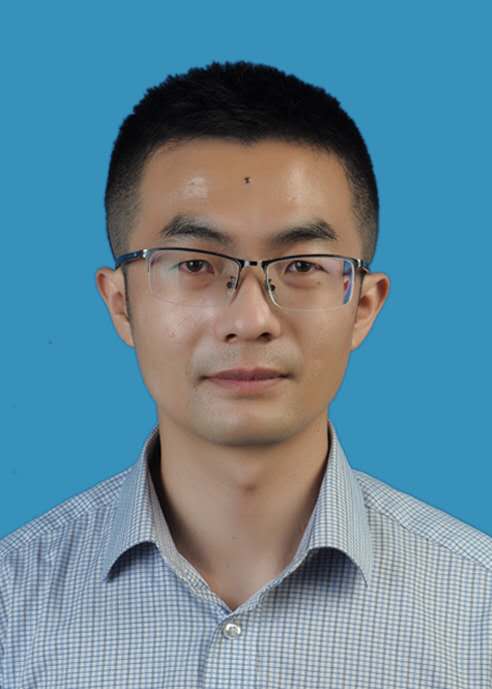 Yuanming Xing (邢元明)合作论文数Institute of Modern Physics, Chinese Academy of Sciences;University of the Chinese Academy of Sciences3Chao-Yi Fu合作论文数2
 Xinliang Yan (颜鑫亮)合作论文数Institute of Modern Physics, Chinese Academy of Sciences;University of Chinese Academy of Sciences2Hongfu Li合作论文数2Qi Zeng合作论文数2Ming-Ze Sun合作论文数2Shuang Chen合作论文数2LIU Wei (刘薇)合作论文数2Hai-tao BAI (白海涛)合作论文数2MaoQiang Ren (任茂强)合作论文数2PengLiang Cheng (程鹏亮)合作论文数2YuJuan Liu (刘玉娟)合作论文数2
 Xiaolin Tu (涂小林)合作论文数Institute of Life Sciences, Chongqing Medical University2
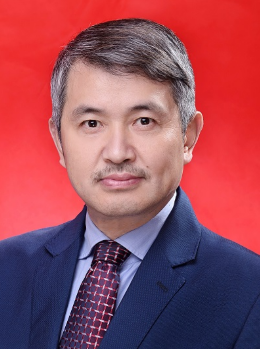 Tianbin Li (李天斌)合作论文数State Key Laboratory of Geohazard Prevention and Geoenvironment Protection, Chengdu University of Technology;Geotechnical Engineering Group, Department of Civil Engineering, College of Environment and Civil Engineering, Chengdu University of Technology2
 Xu Zhou (周旭)合作论文数中国科学院计算机网络信息中心2
 Xing Xu (徐星)合作论文数Institute of Modern Physics, Chinese Academy of Sciences;University of Chinese Academy of Sciences2
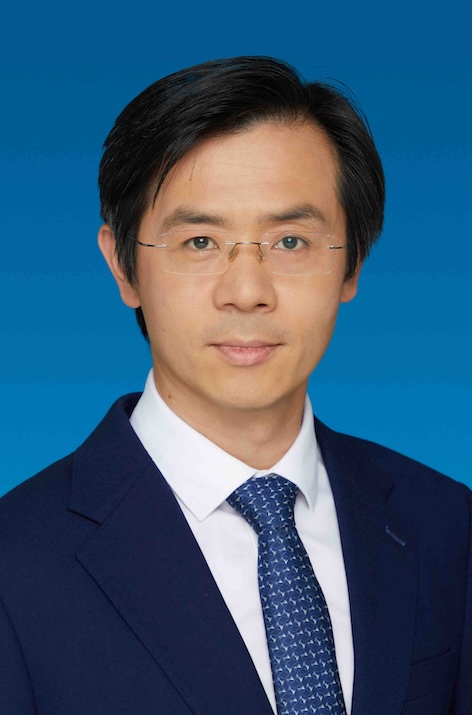 Guoqiang Zeng (曾国强)合作论文数College of Nuclear Technology and Automation Engineering, Chengdu University of Technology2
 Yuhu Zhang (张玉虎)合作论文数Institute of Modern Physics, Chinese Academy of Sciences;University of Chinese Academy of Sciences2
 Lei Wang (王磊)合作论文数College of Nuclear Technology and Automation Engineering, Chengdu University of Technology2
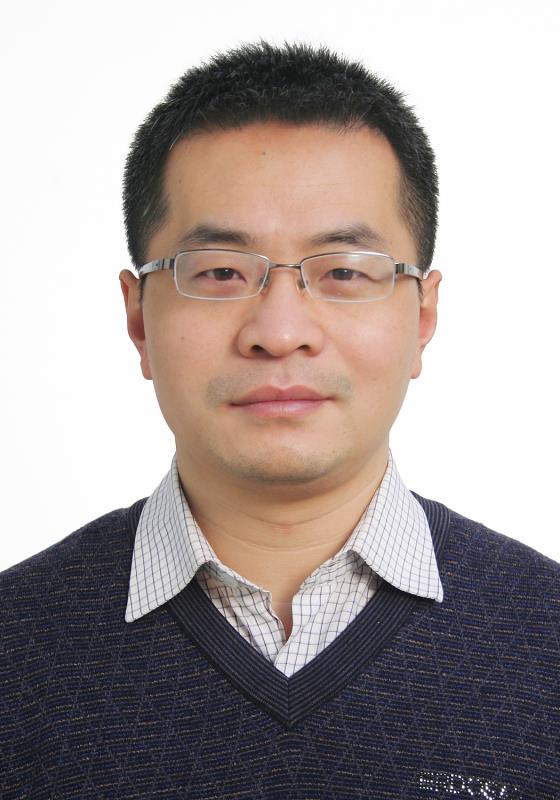 Meng Wang (王猛)合作论文数Institute of Modern Physics, Chinese Academy of Sciences;University of Chinese Academy of Sciences2Houjun He合作论文数1Hanshui YANG (杨汉水)合作论文数1Jianqi Lv合作论文数1Bo Yang合作论文数1Yinglei Guo (郭英蕾)合作论文数1Min Si合作论文数1Xinchen Chen合作论文数1




