The utility of the mitochondrial genomes (mitogenomes) in analyzing the evolutionary history of animals has been proven. Five deep-sea corals (Bathypathes sp.1, Bathypathes sp.2, Schizopathidae 1, Trissopathes sp., and Leiopathes sp.) were collected in the South China Sea (SCS). Initially, the structures and collinearity of the five deep-sea coral mitogenomes were analyzed. The gene arrangements in the five deep-sea coral mitogenomes were similar to those in the order Antipatharia, which evidenced their conservation throughout evolutionary history. Additionally, to elucidate the slow evolutionary rates in Hexacorallia mitogenomes, we conducted comprehensive analyses, including examining phylogenetic relationships, performing average nucleotide identity (ANI) analysis, and assessing GC-skew dissimilarity combining five deep-sea coral mitogenomes and 522 reference Hexacorallia mitogenomes. Phylogenetic analysis using 13 conserved proteins revealed that species clustered together at the order level, and they exhibited interspersed distributions at the family level. The ANI results revealed that species had significant similarities (identity > 85%) within the same order, while species from different orders showed notable differences (identity < 80%). The investigation of the Hexacorallia mitogenomes also highlighted that the GC-skew dissimilarity was highly significant at the order level, but not as pronounced at the family level. These results might be attributed to the slow evolution rate of Hexacorallia mitogenomes and provide evidence of mitogenomic diversity. Furthermore, divergence time analysis revealed older divergence times assessed via mitogenomes compared with nuclear data, shedding light on significant evolutionary events shaping distinct orders within Hexacorallia corals. Those findings provide new insights into understanding the slow evolutionary rates of deep-sea corals in all lineages of Hexacorallia using their mitogenomes.
A total of 10 specimens of Alcyonacea corals were collected at depths ranging from 905 m to 1?633 m by the manned submersible Shenhai Yongshi during two cruises in the South China Sea(SCS). Based on mitochondrial genomic characteristics, morphological examination, and sclerite scanning electron microscopy, the samples were categorized into four suborders(Calcaxonia, Holaxonia,Scleraxonia, and Stolonifera), and identified as 9 possible new cold-water coral species. Assessments of GC-skew dissimilarity, phylogenetic distance, and average nucleotide identity(ANI) revealed a slow evolutionary rate for the octocoral mitochondrial sequences. The nonsynonymous(Ka) to synonymous(Ks) substitution ratio(Ka/Ks) suggested that the 14 protein-coding genes(PCGs) were under purifying selection, likely due to specific deep-sea environmental pressures. Correlation analysis of the median Ka/Ks values of five gene families and environmental factors indicated that the genes encoding cytochrome b(cyt b) and DNA mismatch repair protein(mutS) may be influenced by environmental factors in the context of deep-sea species formation. This study highlights the slow evolutionary pace and adaptive mechanisms of deep-sea corals.
Sediment plays a pivotal role in deep-sea ecosystems by providing habitats for a diverse range of microorganisms and facilitates the cycling processes of carbon, sulfur and nitrogen. Beyond the normal seafloor (NS), distinctive geographical features such as cold seeps (CS) and hydrothermal vent (HV) are recognized as life oases harboring highly diverse microbial communities. A global atlas of microorganisms can reveal the notable association between geological processes and microbial colonization. However, a comprehensive understanding of the systematic comparison of microbial communities in sediments across various deep-sea regions worldwide and their contributions to Earth's elemental cycles remains limited. Analyzing metagenomic data from 163 deep-sea sediment samples across 73 locations worldwide revealed that microbial communities in CS sediments exhibited the highest richness and diversity, followed by HV sediments, with NS sediments showing the lowest diversity. The NS sediments were predominantly inhabited by Nitrosopumilaceae, a type of ammonia-oxidizing archaea (AOA). In contrast, CSs and HVs were dominated by ANME-1, a family of anaerobic methane-oxidizing archaea (ANME), and Desulfofervidaceae, a family of sulfate-reducing bacteria (SRB), respectively. Microbial networks were established for each ecosystem to analyze the relationships and interactions among different microorganisms. Additionally, we analyzed the metabolic patterns of microbial communities in different deep-sea sediments. Despite variations in carbon fixation pathways in ecosystems with different oxygen concentrations, carbon metabolism remains the predominant biogeochemical cycle in deep-sea sediments. Benthic ecosystems exhibit distinct microbial potentials for sulfate reduction, both assimilatory and dissimilatory sulfate reduction (ASR and DSR), in response to different environmental conditions. The presence of nitrogen-fixing microorganisms in CS sediments may influence the global nitrogen balance. In this study, the significant differences in the taxonomic composition and functional potential of microbial communities inhabiting various deep-sea environments were investigated. Our findings emphasize the importance of conducting comparative studies on ecosystems to reveal the complex interrelationships between marine sediments and global biogeochemical cycles.
Cold-water coral (CWC) communities are biodiversity hotspots on the world's deep seafloor. Although deep-sea corals in the South China Sea (SCS) have been reported before, they are only sporadic. A comprehensive and systematic understanding of the CWC in the SCS would forge the basis for future protection. Here we conducted the first systematic survey on the CWCs in the following six broad-scale sub-regions, from the northwest and northeast slopes to the seamounts in the western and central basins of the SCS, through twenty-four dives of the human-occupied vehicle ShenhaiYongshi. Statistical analysis provided detailed information on the distribution, abundance, size, diversity, and density of CWCs and the in situ environmental conditions supporting coral habitats. We found that the SCS hosted highly diversified coral communities, including twelve genera of gorgonians, six genera of black corals, and one genus of stony corals. The differences in the spatial distribution patterns of coral communities suggested that several environmental variables (depth, temperature, salinity, substrate, and geomorphology) might influence the development of CWCs in the SCS. The intermediate water layer of the SCS appeared to provide suitable habitat for deep-sea coral communities and potentially promoted connectivity. Furthermore, differences between sub-regions within the SCS may be an important factor responsible for the biogeographic patterns of CWCs. These sub-regions of CWCs were observed to range from 0.004 to 0.622 corals m(-2), with an average of 0.139 corals m(-2). The mean density of CWCs in the SCS was relatively high compared to well-studied CWC hotspots. Overall, the results revealed the significance of the SCS as an important CWC hotspot in the world. These findings provide a fundamental basis for the protection of deepsea coral assemblages in the SCS.
Some deep-sea microbes may incorporate inorganic carbon to reduce CO2 emission to upper layer and atmosphere. How the microbial inhabitants can be affected under addition of bicarbonate has not been studied using in situ fixed and lysed samples. In this study, we cultivated 40 L natural bottom water at ∼1 000 m depth with a final concentration of 0.1 mmol/L bicarbonate for 40 min and applied multiple in situ nucleic acids collection (MISNAC) apparatus for nucleic acids extraction from the cultivation. Our classification result of the cultivation sample showed a distinct microbial community structure, compared with the samples obtained by Niskin bottle and six working units of MISNAC. Except for notable enrichment of Alteromonas, we detected prevalence of Asprobacter, Ilumatobacter and Saccharimonadales in the cultivation. Deep-sea lineages of Euryarchaeota, SAR406, SAR202 and SAR324 were almost completely absent from the cultivation and Niskin samples. This study revealed the dominant microbes affected by bicarbonate addition and Niskin sampling, which suggested rapid responses of deep-sea microbes to the environmental changes.
Thermoplasmatota have been widely reported in a variety of ecosystems, but their distribution and ecological role in marine sediments are still elusive. Here, we obtained four draft genomes affiliated with the former RBG-16-68-12 clade, which is now considered a new order, "Candidatus Yaplasmales," of the Thermoplasmatota phylum in sediments from the South China Sea. The phylogenetic trees based on the 16S rRNA genes and draft genomes showed that "Ca. Yaplasmales" archaea are composed of three clades: A, B, and C. Among them, clades A and B are abundantly distributed (up to 10.86%) in the marine anoxic sediment layers (>10-cm depth) of six of eight cores from 1,200- to 3,400-m depths. Metabolic pathway reconstructions indicated that all clades of "Ca. Yaplasmales" have the capacity for alkane degradation by predicted alkyl-succinate synthase. Clade A of "Ca. Yaplasmales" might be mixotrophic microorganisms for the identification of the complete Wood-Ljungdahl pathway and putative genes involved in the degradation of aromatic and halogenated organic compounds. Clades B and C were likely heterotrophic, especially with the potential capacity of the spermidine/putrescine and aromatic compound degradation, as suggested by a significant negative correlation between the concentrations of aromatic compounds and the relative abundances of clade B. The sulfide-quinone oxidoreductase and pyrophosphate-energized membrane proton pump were encoded by all genomes of "Ca. Yaplasmales," serving as adaptive strategies for energy production. These findings suggest that "Ca. Yaplasmales" might synergistically transform benthic pollutant and detrital organic matter, possibly playing a vital role in the marine and terrestrial sedimentary carbon cycle. IMPORTANCE Deep oceans receive large amounts of complex organic carbon and anthropogenic pollutants. The deep-sea sediments of the continental slopes serve as the biggest carbon sink on Earth. Particulate organic carbons and detrital proteins accumulate in the sediment. The microbially mediated recycling of complex organic carbon is still largely unknown, which is an important question for carbon budget in global oceans and maintenance of the deep-sea ecosystem. In this study, we report the prevalence (up to 10.86% of the microbial community) of archaea from a novel order of Thermoplasmatota, "Ca. Yaplasmales," in six of eight cores from 1,200- to 3,400-m depths in the South China Sea. We provide genomic evidence of "Ca. Yaplasmales" in the anaerobic microbial degradation of alkanes, aliphatic and monoaromatic hydrocarbons, and halogenated organic compounds. Our study identifies the key archaeal players in anoxic marine sediments, which are probably critical in recycling the complex organic carbon in global oceans.
Deep-sea water columns are enriched with SAR202 that may conduct detrital matter degradation. There are several subclusters in SAR202, but their subtle differences in geochemical cycles are largely unknown, particularly for their in situ activities in the marine deep zone. Deep-sea DNA/RNA samples obtained from 12 continuous time periods over two days by in situ nucleic acid collection apparatus were used to re-evaluate the ecological functions of each SAR202 subcluster at a depth of ~1000 m in the South China Sea (SCS). Phylogenomics of 32 new SAR202 genomes from the SCS and western Pacific revealed their distribution in five subclusters. Metatranscriptomics analysis showed that the subclusters II and III were the dominant SAR202 groups with higher transcriptional activities in the SCS deep-sea zone than other subclusters. The analyses of functional gene expression further indicated that SAR202 subclusters II and III might be involved in different metabolic pathways in the deep-sea environment. The SAR202 subcluster III might take part in the degradation of deep-sea aromatic compounds. Time-course metagenomics and metatranscriptomics data did not show metabolic correlation of subclusters II and III over two days, suggesting diversified ecological functions of SAR202 subclusters under different organic inputs from the overlying water column. Collectively, our results indicate that the SAR202 subclusters play different roles in organic degradation and have probably undergone subtle and gradual adaptive evolution in the dynamic environment of the deep ocean.
Bdellovibrionota is composed of obligate predators that can consume some Gram-negative bacteria inhabiting various environments. However, whether genomic traits influence their distribution and marine adaptation remains to be answered. In this study, we performed phylogenomics and comparative genomics studies using 132 Bdellovibrionota genomes along with five metagenome-assembled genomes (MAGs) from deep sea zones. Four phylogenetic groups, Oligoflexia, Bdello-group1, Bdello-group2 and Bacteriovoracia, were revealed by constructing a phylogenetic tree, of which 53.84% of Bdello-group2 and 48.94% of Bacteriovoracia were derived from the ocean. Bacteriovoracia was more prevalent in deep sea zones, whereas Bdello-group2 was largely distributed in the epipelagic zone. Metabolic reconstruction indicated that genes involved in chemotaxis, flagellar (mobility), type II secretion system, ATP-binding cassette (ABC) transporters and penicillin-binding protein were necessary for the predatory lifestyle of Bdellovibrionota. Genes involved in glycerol metabolism, hydrogen peroxide (H2O2) degradation, cell wall recycling and peptide utilization were ubiquitously present in Bdellovibrionota genomes. Comparative genomics between marine and non-marine Bdellovibrionota demonstrated that betaine as an osmoprotectant is probably widely used by marine Bdellovibrionota, and all the marine genomes have a number of genes for adaptation to marine environments. The genes encoding chitinase and chitin-binding protein were identified for the first time in Oligoflexia, which implied that Oligoflexia may prey on a wider spectrum of microbes. This study expands our knowledge on adaption strategies of Bdellovibrionota inhabiting deep seas and the potential usage of Oligoflexia for biological control.
Hagfishes, the most ancient jawless fishes, have a pivotal biological status. Gut bacterial communities are considered to be another organ that supports host survival and reproduction, while most gut microbiota cannot be cultured in vitro. In this study, four deep-sea hagfish individuals were collected from the South China Sea (>900 m). 16S rRNA and metagenomics approaches were used to analyze the gut microbiota assembly and the functions of the dominant microbes. The results revealed 16 phyla and 21 genera (relative abundance ? 0.5%) of microbes in total. Ureaplasma and Arcobacter were the dominant genera across all the gut samples, and the microbiota diversity showed no significant differences among the different gut regions. To investigate the potential functions of the dominant microbial taxa, the draft genomes of Ureaplasma (Hg1 and Hg2) and Arcobacter (LC1) from the midgut and hindgut were successfully recovered. The Hg1 and Hg2 genomes were enriched in genes encoding phosphoenolpyruvate-dependent phosphotransferase systems (PTSs) and sodium-driven symporters responsible for the uptake of sugars and other carbohydrates. The functional repertoire of Ureaplasma was likely to help the host in the metabolism of multiple carbohydrates, especially chitin degradation. The LC1 genome harbored genes encoding a restriction-methylation system, two CRISPR-Cas systems and multiple toxin antitoxin systems. The enrichment of genes related to bacterial defense indicated that the functions of LC1 may involve protection against harmful or foreign microorganisms and balancing the host intestinal flora. These results hint that genetic and functional diversification might be present among Ureaplasma and Arcobacter. Though the exact functions of the dominant microbes remain to be further identified, our results allow us a glimpse into hagfish-microbe alliances in deep-sea ecosystems.
Asgard archaea, believed to be the ancestor of eukaryotes, constitute a new superphylum prevalent in diverse sediment environments. Their distribution and metabolic potentials are diversified and elusive. In the present study, the distribution and genomic characteristics of Asgard archaea in the Haima cold seep of the South China Sea (SCS) were investigated. In total, we obtained 48 high-quality metagenome-assembled genomes (MAGs), which fell into 7 separated lineages affiliated with the phyla Lokiarchaeota, Thorarchaeota, Heimdallarchaeota and Gerdarchaeota. These Asgard archaea were mainly distributed in the cold seep but rarely detected in the control marine sediments. We found that Asgard might encode complex CRISPR-Cas systems, which likely protected the archaea against abundant viruses in cold seep sediments. Phylogenomic tree indicated the novelty of cold-seep Asgard archaea, and highlighted that MAG HM7_B34 was affiliated with the newly proposed Gerdarchaeota phylum. Metabolic reconstruction indicated that Gerdarchaeota in the Haima cold seep were obligate anaerobic archaea and might undergo autotrophic lifestyle using the Wood-Ljungdahl pathway. Moreover, Gerdarchaeota might metabolize formaldehyde and likely had the ability to hydrolyze oligosaccharides including chitin. Altogether, our study expands the cognition of Asgard archaea in terms of spatial distribution, biodiversity and carbon cycle in cold seep ecosystems.
The world of marine microbes is still mysterious to us. The study of microbial community structure is limited by sampling analysis tools. Nowadays, popular methods for retrieving microbes are still limited. And the quality of the obtained samples cannot meet higher demands of scientific research. This paper presents an apparatus used for deep-sea in situ nucleic acid collection, which is specially developed to improve samples quality. It is designed for in situ filtration, cell lysis, and nucleic acid collection of deep-sea microbes. It has been fully verified that the apparatus has excellent continuous sampling capability. In recent scientific deployment, many achievements have been obtained. The obtained samples would reveal the changing rules of the microbial community structure in deep sea at different times. By designing multiple in situ nucleic acid collections (MISNAC) apparatus, we aim to provide a new research tool to promote the study of marine microbiology.
SAR202 in Chloroflexi phylum plays an important role in degradation of organic compounds in the oligotrophic deep ocean. Due to lack of high-quality genomes from across all depths of the water column, the metabolic capacities of the SAR202 subclusters in the marine environment were still largely unknown. In this study, we discovered the dynamics of the SAR202 subclusters in vertical layers of global ocean. A total of 11 metagenome-assembled genomes (MAGs) in various sizes were obtained from two SAR202 subclusters in the Mariana Trench. Genomic comparison revealed that vitamin B12 (VB12) synthesis was restricted to the subcluster III. In addition, the presence of a large number of genes encoding the oxidase and degradation pathways indicates that the SAR202 bacteria are probably capable of metabolizing chitin, aromatic compounds, dimethyl sulfoxide and osmolytes in the environment. With the predicted genes responsible for sulfite oxidation and export, SAR202 could potentially play important roles in biogeochemical cycles. This study highlights the genetic plasticity and ecological role of SAR202 in deep-sea zones.
To obtain an accurate picture of microbial processes is essential for in-depth understanding of the dynamics of microbial communities and metabolic potentials. In this study, an apparatus for automatic multiple in situ nucleic acid collections (MISNAC) loaded and controlled by a lander was designed and applied for in situ microbial filtration, cell lysis and nucleic acid collection at different time points during three cruises in the South China Sea. The MISNAC apparatus completed 390 L in situ water filtration and collected a total of 1,176 ng DNA with six working units in four deployments at similar to 1,000 m depth. Microbial community structures in water samples obtained by the MISNAC and in situ microbial filtration and fixation (ISMIFF) apparatus, respectively, were compared by analyzing sequences of 16S rRNA amplicons. The result showed that these communities were largely consistent, regardless of the differences in the communities in the samples from different cruises and time points. In addition, the transcriptomes of the samples collected by the MISANC and a Niskin bottle dramatically differed in abundance and diversity of 16S rRNA gene reads, indicating that more in situ RNA molecules were preserved by the MISNAC, compared to the Niskin. The application of the MISNAC apparatus paved the way to time-series changes of deep-sea microorganisms and their response to various environmental factors.
SummaryThe low temperature and elevated hydrostatic pressure in hadal trenches at water depths below 6000 m render sample collection difficult. Here, in situ hadal water microbial samples were collected from the Mariana Trench and analysed. The hadal microbial communities at different depths were revealed to be consistent and were dominated by heterotrophic Marinimicrobia. Thirty high‐quality metagenome‐assembled genomes (MAGs) were retrieved to represent the major hadal microbes affiliated with 12 prokaryotic phyla. Most of the MAGs were newly reported and probably derived from novel hadal inhabitants as exemplified by a potentially new candidate archaeal phylum in the DPANN superphylum. Metabolic reconstruction indicated that a great number of the MAGs participated in nitrogen and sulfur cycling, in which the nitrification process was driven sequentially by Thaumarchaeota and Nitrospirae and sulfur oxidization by Rhodospirillales in the Alphaproteobacteria class. Moreover, several groups of hadal microbes were revealed to be potential carbon monoxide oxidizers. Metatranscriptomic result highlighted the contribution of Chloroflexi in degrading recalcitrant dissolved organic matter and Marinimicrobia in extracellular protein decomposition. The present work provides an in‐depth view on the hadal microbial communities regarding their endemism and element cycles.
In the oligotrophic environment of the Mariana Trench, alkanes as carbohydrates are important for the ecosystem, but their spatial and periodic spreading in deep waters has never been reported. Alkane-degrading bacteria such as Alcanivorax spp. are biological signals of the alkane distribution. In the present study, Alcanivorax was abundant in some waters, at depths of up to 6,000 m, in the Mariana Trench. Genomic, transcriptomic, and chemical analyses provide evidence for the presence and activities of Alcanivorax jadensis in deep sea zones. The periodic spreading of alkanes, probably from the subductive plates, might have fundamentally modified the local microbial communities, as well as perhaps the deep sea microenvironment. ABSTRACT In subduction zones, serpentinization and biological processes may release alkanes to the deep waters, which would probably result in the rapid spread of Alcanivorax. However, the timing and area of the alkane distribution and associated enrichment of alkane-degrading microbes in the dark world of the deep ocean have not been explored. In this study, we report the richness (up to 17.8%) of alkane-degrading bacteria, represented by Alcanivorax jadensis, in deep water samples obtained at 3,000 to 6,000 m in the Mariana Trench in two cruises. The relative abundance of A. jadensis correlated with copy numbers of functional almA and alkB genes, which are involved in alkane degradation. In these water samples, we detected a high flux of alkanes, which probably resulted in the prevalence of A. jadensis in the deep waters. Contigs of A. jadensis were binned from the metagenomes for examination of alkane degradation pathways and deep sea-specific pathways, which revealed a lack of nitrate and nitrite dissimilatory reduction in our A. jadensis strains. Comparing the results for the two cruises conducted close to each other, we suggest periodic release of alkanes that may spread widely but periodically in the trench. Distribution of alkane-degrading bacteria in the world’s oceans suggests the periodic and remarkable contributions of Alcanivorax to the deep sea organic carbon and nitrogen sources. IMPORTANCE In the oligotrophic environment of the Mariana Trench, alkanes as carbohydrates are important for the ecosystem, but their spatial and periodic spreading in deep waters has never been reported. Alkane-degrading bacteria such as Alcanivorax spp. are biological signals of the alkane distribution. In the present study, Alcanivorax was abundant in some waters, at depths of up to 6,000 m, in the Mariana Trench. Genomic, transcriptomic, and chemical analyses provide evidence for the presence and activities of Alcanivorax jadensis in deep sea zones. The periodic spreading of alkanes, probably from the subductive plates, might have fundamentally modified the local microbial communities, as well as perhaps the deep sea microenvironment.
Aquaporin 1 (AQP1) is a member of the transmembrane water channel family of proteins with special structural features, and two AQP1 paralogous genes (aqp1aa and aqp1ab) are reported in teleosts. In the present study, the aqp1aa gene of half-smooth tongue sole (Cynoglossus semilaevis) was cloned and characterized. The full-length cDNA of aqp1aa is 1411 bp with a 786 bp open reading frame encoding a 261-amino acid putative protein with a characteristic structure consisting of 6 membrane-spanning α-helical domains and two highly conserved asparagine-proline-alanine motifs. Real-time quantitative PCR revealed that aqp1aa mRNA is expressed predominantly in the testis of males and pseudo-males, while its expression is low in the ovary and lowest in doublesex and mab-3-related transcription factor 1(DMRT1) knock out fish and triploid males. In situ hybridization indicated that aqp1aa mRNA is expressed mainly in the germ cells of males and pseudo-males, especially in spermatozoa and spermatids. These results suggest that the aqp1aa may play a role in spermatogenesis of C. semilaevis.
Chinese tongue sole is a marine fish with ZW sex determination. Genome sequencing suggested that the Z-linked dmrt1 is a putative male determination gene, but direct genetic evidence is still lacking. Here we show that TALEN of dmrt1 efficiently induced mutations of this gene. The ZZ dmrt1 mutant fish developed ovary-like testis, and the spermatogenesis was disrupted. The female-related genes foxl2 and cyp19a1a were significantly increased in the gonad of the ZZ dmrt1 mutant. Conversely, the male-related genes Sox9a and Amh were significantly decreased. The dmrt1 deficient ZZ fish grew much faster than ZZ male control. Notably, we obtained an intersex ZW fish with a testis on one side and an ovary on the other side. This fish was chimeric for a dmrt1 mutation in the ovary, and wild-type dmrt1 in the testis. Our data provide the first functional evidence that dmrt1 is a male determining gene in tongue sole.
The bacterium Vibrio harveyi has caused tremendous losses in the Cynoglossus semilaevis aquaculture industry.The fundamental approach has been to cultivate a new disease-resistant strain by combining traditional breeding methods with molecular techniques.In this study,bulked segregant analysis and quantitative trait loci (QTL) mapping were used to screen for disease-resistance markers.A total of 100 individuals were selected to form the F1412 family (nomenclature rule:F + year + family number:survival rate,52.22%),which was challenged with V.harveyi,and 169 microsatellite loci were detected across all chromosomes.Following the genomic scan,the scaffold479_23523 marker in the DNA pool was significantly different between the resistant and susceptible groups (P=0.000006).Ninety-four individuals were genotyped using all 32 simple sequence repeat markers on LG18,where scaffold479_23523 was located.Three new linkage groups (LG18,LG18F,and LG18M) were identified.Furthermore,two different analytical models were applied to perform a single marker analysis and composite interval mapping with different levels of significance in LG18,LG18F,and LG18M,respectively.In model 1,three significant markers (scaffold4475_71287,scx9-1,and cyse80) and one very significant marker (scaffold080437) were identified,and the qE-F1 resistance-related QTL was detected.The scaffold479_23523 marker was the left LG18F marker with a p-value of 0.0516 in model 1.Model 2 detected four significant markers (hncysell0,scaffold414_19940,scaffold4475_71287,and cyse80),one very significant marker (scaffold08043),and the qE-M1 and qE-M2 QTLs.Both scaffold080437 markers were significantly different (P<0.001) in the two models.Four markers (scaffold080437,scaffold479_23523,scaffold4475_71287,and cyse80) may be closely associated with resistance to V.harveyi infection in C.semilaevis.qE-F1 explained 87.36% of the phenotypic variance and contained G18M qE-M1 and qE-M2.Thus,qE-F1 was considered a major candidate region for V.harveyi resistance.After scanning the C.semilaevis genome,three immunity-related genes,such as meteorin-like,the WD repeat domain phosphoinositide interacting 2,and Toni beta-propeller repeat containing 1,were detected inside qE-F1.This is the first study to identify V.harveyi resistance-related markers and conduct a related QTL analysis in C.semilaevis.These results provide a foundation for selective breeding of disease-resistant C.semilaevis.
 Songlin Chen (陈松林)合作论文数Yellow Sea Fisheries Research Institute, Chinese Academy of Fishery Sciences12
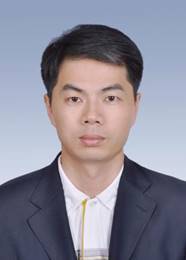 Changwei(Kevin) Shao (邵长伟)合作论文数Genetic Breeding and Aquaculture Biology Laboratory, Yellow Sea Fisheries Research Institute, Chinese Academy of Fishery Sciences10
 Yong Wang (王勇)合作论文数Tsinghua Shenzhen International Graduate School, Tsinghua University9
 Yangzhen Li (李仰真)合作论文数8
 Dong Zhongdian合作论文数6Hua Guo (郭华)合作论文数the First Affiliated Hospital, Zhengzhou University6Fengtao Gao合作论文数5Huan Dai合作论文数5Weiwei Zheng合作论文数5Yong-Zhi Xin合作论文数4
 Jiaomei Huang (黄娇媚)合作论文数School of Marine Biology and Fisheries, Hainan University4Qingmei Li合作论文数4Wen-Wen WANG (王文文)合作论文数4Hailong Li合作论文数4Yingming Yang合作论文数4
 Yang Liu (刘阳)合作论文数Fisheries College, Ocean University of China4
 Jun Chen (陈隽)合作论文数University of Chinese Academy of Sciences;Institute of Hydrobiology, Chinese Academy of Sciences4
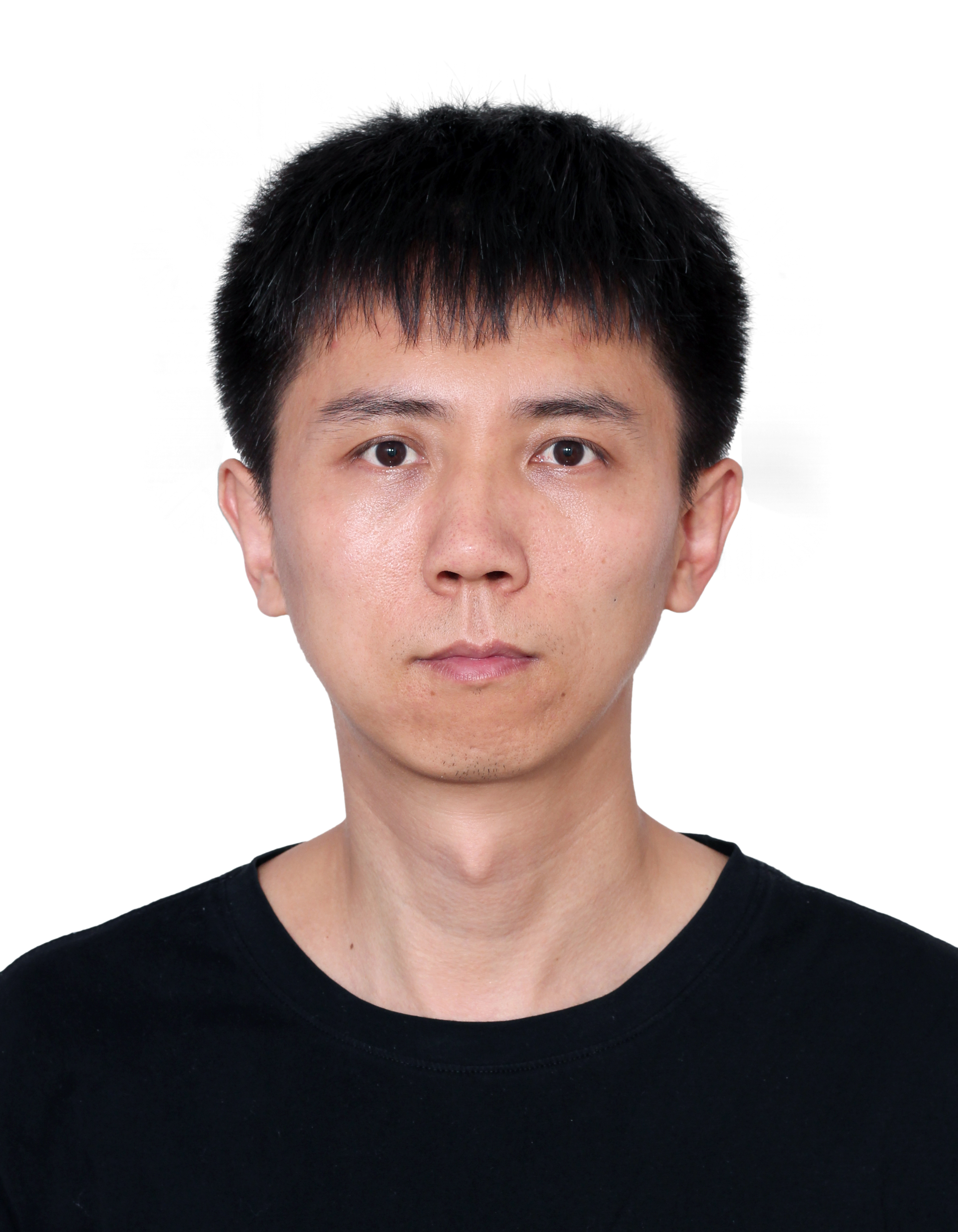 Zhaoming Gao (高兆明)合作论文数University of Chinese Academy of Sciences;Institute of Deep-Sea Science and Engineering, Chinese Academy of Sciences3
 Ying Zhu合作论文数3Ying-Li Zhou合作论文数3Zhongkai Cui合作论文数3Jialu Ma合作论文数3Rui Lu合作论文数3
 Jin Gao合作论文数Freshwater Fisheries Research Centre of Chinese Academy of Fishery Sciences, Wuxi, 214081, China.3Shanshan Liu合作论文数3
 Aiqun Zhang (张艾群)合作论文数Shenyang Institute of Automation, Chinese Academy of Sciences;University of Chinese Academy of Sciences3Du-Si Cai (蔡笃思)合作论文数2Wang Suixue合作论文数2Nannan Zhang合作论文数2y zhu (朱颖)合作论文数2Changgeng Yang合作论文数2Kaiwen Ta合作论文数2Guo-Jie Cui合作论文数2Yang LIU (刘洋)合作论文数2Peng-Fei Zheng合作论文数2Ning Zhang合作论文数Department of Dermatology and Laboratory of Inflammatory Skin Diseases, Icahn School of Medicine at Mount Sinai2
 Wenteng Xu合作论文数2Liang Meng (孟亮)合作论文数2
 Yongsheng Tian (田永胜)合作论文数Yellow Sea Fisheries Research Institute, Chinese Academy of Fishery Sciences;Weihai Ocean Vocational College2
 Li-sheng He (贺丽生)合作论文数Institute of Deep-sea Science and Engineering, Chinese Academy of Sciences;University of Chinese Academy of Sciences2Shoutang Liu (刘寿堂)合作论文数Haiyang Yellow Sea Aquatic Product Co., Ltd.2
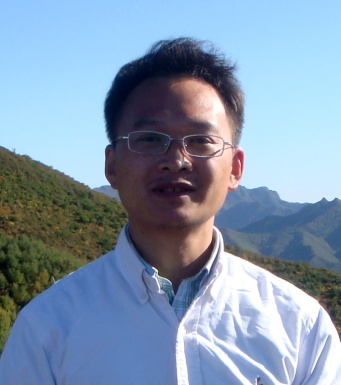 Xiaotong Peng (彭晓彤)合作论文数三亚深海科学与工程研究所2
 Haishen Wen (温海深)合作论文数Fisheries College, Ocean University of China2
 Wenli Li (李文利)合作论文数College of Chemistry & Pharmacy, Northwest A&F University2Tao-Shu Wei合作论文数1Deng-Hui Li合作论文数1Songlin CHEN合作论文数1




