OBJECTIVE:To evaluate the efficacy and safety of activating blood circulation and removing blood stasis in terms of Traditional Chinese Medicine (TCM) for managing renal fibrosis (RF) in patients with chronic kidney disease (CKD).METHODS:We searched randomized controlled trials (RCTs) from eight databases.RESULTS:Sixteen eligible studies with 1,356 participants were included in this study. Compared to treatment with Western Medicine (WM) alone, the combined treatment with activating blood circulation and removing blood stasis in terms of TCM (ARTCM) and WM to manage RF in patients with CKD significantly ameliorated type Ⅳ collagen (CⅣ) (: 2.17, 95% : 3.01 to 1.34), type Ⅲ procollagen (PCⅢ) (: 1.08, 95% : 1.64 to 0.53), laminin (LN) (: 1.28, 95% : 1.65 to 0.90), transforming growth factor β 1 (TGFβ1) (: 0.65, 95% : 1.18 to 0.12), serum creatinine (Scr) (: 1.36, 95% : 1.85 to 0.87), blood urea nitrogen (BUN) (: 1.51, 95% : 2.59 to 0.43), and 24 h urine protein (24hUpro) (: 1.23; 95% : 1.96 to 0.50). The level of hyaluronic acid (HA) was similar in both types of treatment (: 0.74, 95% : 1.91 to 0.44). The subgroup analysis showed that the duration of 8 weeks might affect the concentration of C-Ⅳ, PC-Ⅲ, and LN (<0.05). The effectiveness of the longer duration to C-Ⅳ, PC-Ⅲ, and LN was not certain. However, the result should be interpreted in care. The safety of the treatment using ARTCM and WM could not be evaluated because a few studies had reported adverse effects. The results of the Metaanalysis were not stable enough. There was publication bias for the reports on Scr ( 0.001), C-Ⅳ ( 0.001), PC-Ⅲ ( 0.026), and LN ( 0.030) and no publication bias for the reports on BUN ( 0.293). The quality of evidence varied from low to very low.CONCLUSIONS:The combined treatment using ARTCM and WM to manage RF in patients with CKD has some advantages over treatment with WM alone. Highquality RCTs need to be conducted for the strong support.
新型冠状病毒肺炎(Corona Virus Disease 2019,COVID-19)患者病毒核酸"持久阳性"是COVID-19治疗中的一大难题,延长了疾病康复周期,阻碍了疫情防控进程,加重了社会负担.由于该病的具体机制目前尚未完全阐明,笔者结合该病的临床表现与众多医家的观点,认为该病的病机特点与中医"湿、瘀、虚"理论相符合,本文试从"湿、瘀、虚"理论来探析COVID-19患者病毒核酸"持久阳性"的病机,旨在为其治疗提供新思路.
Background: Recently, a number of randomized controlled trials (RCTs) have researched the efficacy of anterior cruciate ligament reconstruction (ACLR) combined with platelet-rich plasma (PRP) in the treatment of anterior cruciate ligament (ACL) injuries. Therefore, we updated a systematic review based on these RCTs to evaluate the effects of PRP on knee function and pain with different time.Methods: We searched in PubMed, Embase, Cochrane, Web of Science(WOS), China National Knowledge Infrastructure(CNKI), and WANFANG DATABASE, for human RCTs comparing the efficacy of intraarticular injection with no injection of PRP. Descriptive summaries and quality assessments were performed for all studies included in this meta-analysis. The outcomes of the stydy included the International Knee Documentation Committee (IKDC), Visual Analogue Scale (VAS), and Lysholm score.Results: Finally, we included 6 RCTs stydies, involving 315 patients. The control group consisted of blank group or placebo group. Follow-up periods ranged from 3 to 18 months. The results of bias risk assessment showed that all the 6 stuydies are unclear risk of bias. Compared with the control group, PRP group significantly improved IKDC score at 3, 6 and 12 months after operation (P = 0.00, 0.01, respectively). Lysholm score and VAS score also has significant differences at 3 months after operation (both P = 0.00).Conclusion: Our study has proved that PRP was more effective in the recovery of knee function and early pain relief after the ACLR than the ACLR alone. Review registration: PROSPERO CRD42021224182. Registered 6 April 2021. Keywords:anterior cruciate ligament injury; anterior cruciate ligament reconstruction; platelet rich plasma; system review; META analysis Review registration: PROSPERO CRD42021224182. Registered 6 April 2021.
玄府郁闭贯穿新型冠状病毒肺炎发生发展的始终,病机特点主要为湿、毒,兼杂寒、热、瘀、虚,故应以开通玄府为治疗要点.临证以辛药开通玄府、宣通气液、推陈出新.针对相应致病因素如水湿、湿热、瘀血等,可灵活采用清热开玄、理气开玄、活血开玄、运水开玄等法.观察期推荐使用藿香正气水、金花清感颗粒、连花清瘟胶囊等中成药.临床治疗期(轻型、普通型、重型)多用麻黄、石膏、桂枝等风辛类药物,旨在开通玄府、清热化湿,使气血、津液、精神通达,则湿毒疫戾之气消散.危重型患者推荐使用黑顺片、山萸肉等辛热药物,配合苏合香丸、安宫牛黄丸等芳香辛散开窍药,开通肺玄府,则气液得畅,郁热得清,神机得用.恢复期患者湿毒疫戾之气未尽,正虚邪恋,久病气血阴阳亏虚,肺玄府萎闭不通,应时时顾护气阴,重建正常的开阖流通功能,恢复人体正常的气液流通、气血互渗和神机的转运.
Introduction COVID-19 is a highly infectious acute pneumonia. Glycyrrhizic acid preparation (GAP) has been found to have hepatoprotective and antiviral effects, but there is no supporting evidence on its efficacy and security for patients with COVID-19.Methods and analysis The systematic review methods will be defined by Preferred Reporting Items for Systematic Reviews and Meta-Analyses guidelines. This study will start on 1 July 2021 and end on 31 October 2021. A comprehensive electronic search will be conducted with the search of Web of Science, PubMed, Ovid web, China National Knowledge Infrastructure, Chinese Scientific and Journal Database, Wanfang Database and grey literature, and manual search will be conducted to search literature of randomised controlled trials, single-arm trials and retrospective studies about GAP in the treatment of anti-SARS-CoV-2 drug-induced liver injury from 1 December 2019 to 1 July 2021. There is no time limitations of publication and language will be restricted to Chinese and English. Retrieved studies will be independently screened by two researchers and relevant data will be extracted from studies. Interstudy heterogeneity will be assessed using the I2 statistic and explored through meta-regressions and subgroup analyses. Depending on data availability, we plan to conduct subgroup analyses by study population, geographical region and other selected clinical variables of interest. Quality assessment of the studies will be performed. Cochrane Handbook for Systematic Reviews of Interventions will be used to assess the risk of bias, and Grading of Recommendations Assessment, Development and Evaluation will be used to access the confidence in cumulative evidence.Ethics and dissemination Ethical approval will not be required for no primary data of individual patients will be collected. The final report will be shared with the scientific community through publication in a peer-reviewed journal, as well as with key stakeholders, including patients, healthcare professionals and those working on COVID-19 research.PROSPERO registration number CRD42021234647.
INTRODUCTION:Acute exacerbation of chronic obstructive pulmonary disease (AECOPD) involves a severe inflammatory response. Systemic glucocorticoids are very important for the treatment of the acute exacerbation period; however, their use causes serious adverse effects. There is still no evidence on whether traditional Chinese medicine (TCM) can be used to reduce the dosage of systemic glucocorticoids in the treatment of patients with AECOPD.METHODS:In this trial, we plan to enroll 204 eligible patients with AECOPD who will be randomly assigned to receive TCM or a placebo. The effect of TCM in the treatment of patients with AECOPD will be measured by the dosage of systemic glucocorticoids (at which COPD assessment test [CAT] scores improve by 50%). Safety will also be assessed.TRIAL REGISTRATION:ChiCTR2000029568.
Introduction: With dissatisfaction of western medicine, traditional Chinese medicine becomes alternative treatment for idiopathic pulmonary fibrosis patients. The common syndrome of idiopathic pulmonary fibrosis (IPF) is qi and yin deficiency syndrome. The prescription, Modified Maimendong Decoction (MMD), is usually used for IPF patients with qi and yin deficiency syndrome. However, there is no convinced evidence for the efficacy and safety of MMD to treat IPF. Methods: A double-blind, placebo-controlled, randomized clinical trial was put forward by us. After a 1-day run-in period, 60 eligible patients will be included in the study. These subjects will be allocated to the experiment group or control group in a 1:1 ratio. Patients in the experiment group will take MMD plus Pirfenidone capsule. At the same time, patients in the control group will receive a matched placebo plus Pirfenidone capsule. All subjects will receive 24 weeks of treatment and follow-up period. The primary outcomes are the mean change from the baseline in forced vital capacity and times of acute exacerbations at week 4, 12, 24. Secondary outcomes are the mean change from baseline in the St. George's respiratory questionnaire total score, forced expiratory volume in 1 second percentage/forced vital capacity, diffusing capacity of Carbon monoxide, brain natriuretic peptide, and curative effect of traditional Chinese medicine syndrome at week 4, 12, and 24. Any side effects of the treatment will be recorded. Discussion: The results of this trial will provide the evidence for the effect of MMD in patients with idiopathic pulmonary fibrosis.
Introduction:People with refractory asthma (RA) often seek help from Chinese medicine due to dissatisfaction with conventional treatments. External cold and internal fluid syndrome is the most common type of asthma and the Chinese herbal medicine formula Xiao-Qing-Long (XQL) decoction is commonly prescribed for patients with asthma with this syndrome. However, there is no direct evidence to support the efficacy and safety of XQL decoction for RA treatment and its potential mechanism is still unclear.Methods:We propose a double-blind, placebo-controlled, randomized superiority trial. After a 2-week run-in period, 112 eligible participants will be recruited and randomly allocated to an experimental group or control group in a 1:1 ratio. Patients in the experimental group will take XQL decoction, while patients in the control group will receive a matched placebo. Symbicort Turbuhaler and Montelukast sodium tablets will be provided as the basic treatment for the 2 groups. All participants will receive 4 weeks of treatment and 12 weeks of follow-up. The primary outcome is the mean change in the asthma control test score from the baseline to 4 weeks posttreatment. The secondary outcomes include quality of life, lung function, curative effect of traditional Chinese medicine, and rescue medication used. This trial will also include analyses of the associations between intestinal microbiota and RA treatment. Any side effects of the treatment will be recorded.Discussion:The results of this trial will provide consolidated evidence of the effect of XQL decoction for RA and the potential mechanism by which XQL decoction acts, which will inform treatment options for patients with RA.
目前我国新型冠状病毒肺炎的防治措施已经取得较好的成效,这与中医药的参与是密不可分的.近代以来对玄府气液学说的探讨不在少数,通常认为玄府郁闭为病,开通玄府为用,笔者通过辨析认为新冠肺炎以肺玄府郁闭为主要病机,引起气郁、湿阻、津亏;甚则精伤,表现为咳喘、痰浊乃至肺瘘,治疗上应辛以开玄,又须时时顾护津液以防发散太过,期望能为新冠肺炎的防治措施拓展新的思路.
我国将新型冠状病毒肺炎(COVID-19)纳入传染病防治法规定的乙类传染病,其传染迅速、病情险恶,对人们的生命健康造成了严重威胁.疫情爆发后,中医以独特的优势,在本次抗击疫情工作中发挥了巨大作用.本次新型冠状病毒感染性肺炎可归属于中医疫病范围,其发生、发展、传变、转归等多个环节与“风温夹湿”类似,新冠肺炎患者临床症状主要表现在肺系及脾胃系,病位在肺与脾,笔者试从“风温夹湿”探讨新型冠状病毒感染性肺炎的辨证论治.
INTRODUCTION:Chronic obstructive pulmonary disease (COPD) is a major public health problem that severely affects the quality of life of patients and may even endanger their lives. Although modern medicine has achieved significant results in relieving the clinical manifestations of COPD, it is difficult to prevent its progression and acute exacerbation entirely. As one of the classic aspects of acupuncture and moxibustion therapy, acupoint application of traditional Chinese medicine (TCM) can improve the clinical efficacy of western medicine in treating COPD. To date, however,there is no high-quality clinical trial to assess the effectiveness of TCM acupoint application directly in preventing acute exacerbation of stable COPD. METHODS:The study is a randomized, double-blind, placebo-controlled trial, in which 200 stable COPD patients will be randomly and equally divided into the experimental group or control group. Both groups will undergo standard Western medicine treatment; however, the patients in the experimental group will be also treated with TCM acupoint application, while the control group will be given placebo acupoint application. The duration of the treatment will be 1 month and a follow-up for 11 months. The primary outcome will be the number of acute exacerbation episodes of COPD, and the secondary outcomes will include the lung function, St George's Respiratory Questionnaire, COPD Assessment Test, and 6-Minute Walk Test. A safety assessment will also be performed during the trial. DISCUSSION:The aim of this study is to evaluate the efficacy and safety of TCM acupoint application in preventing acute exacerbation of stable COPD. Our study will provide sound evidence to support the evidence-based medicine of TCM acupoint application as an additional measure in the prevention of acute exacerbation of stable COPD. TRIAL REGISTRATION:ChiCTR1900026564, Registered 14 October, 2019.
In December 2019, COVID-19 broke out in Wuhan, Hubei Province, China, and spread rapidly to various places China officially included the COVID-19 into the management of class B infectious diseases in accordance with Law on the Prevention and Control of Infectious Diseases Its rapid spread and severe outcomes resulted in a serious threat to people's lives and health After the epidemic disease broke out, Traditional Chinese medicine has played an important role due to its unique advantages In Traditional Chinese medicine, COVID-19 can be classified into “Yibing” It showed that the occurrence, development, transmission, and outcome of COVID-19 were similar to those of TCM “Fengwenjiashi” Patients with COVID-19 mainly experience the respiratory and digestive symptoms, and the lung and spleen are affected In this study, we tried to explore the syndrome differentiation and treatment for COVID-19 from “Fengwenjiashi” theory
INTRODUCTION:A large number of patients with diabetic kidney disease (DKD) approach traditional Chinese medicine (TCM) owing to discontent with standard treatments. Based on TCM theory and clinical experience, the syndrome of kidney yin deficiency is a common type of DKD. Liuwei Dihuang pills (LDPs) is a common prescription of a Chinese herbal formula for patients presenting this syndrome of DKD. However, well-established data supporting the efficacy and safety of LDP in DKD treatment are lacking. METHODS:We have designed a double-blind, placebo-controlled, randomized trial. After a 2-week run-in period, 124 eligible participants with DKD will be assigned to either the experimental or the control group in a 1:1 ratio. Patients in the experimental group will receive LDP, while patients in the control group will receive a matched placebo. As the basic treatment in the 2 groups, metformin hydrochloride sustained-release tablets, for blood glucose control, and irbesartan tablets, for blood pressure regulation, will be provided. All participants will undergo 4 weeks of treatment and 12 weeks of follow-up. The primary outcome is the change in 24 hours urinary protein levels, measured from the baseline to the end of the treatment phase (week 24). The secondary outcomes to be assessed include the change in serum creatinine and estimated glomerular filtration rate, urinary albumin excretion rate, improvement of TCM syndromes and symptoms, fasting blood glucose and postprandial 2-hour blood glucose, blood lipids (total cholesterol, triglyceride, high-density lipoprotein cholesterol, and low-density lipoprotein cholesterol, from baseline to weeks 12 and 24. DISCUSSION:The results of this study will provide high-quality evidence of the effects of LDP in DKD treatment, which will provide an alternative treatment strategy in patients with DKD.
INTRODUCTION:These years, due to dissatisfaction with western medicine treatments, traditional Chinese medicine (TCM) becomes a main treatment for bronchial asthma patients. Lung and kidney yang deficiency syndrome is a common type of asthma and the Chinese herbal medicine formula modified Mahuang-Fuzi-Xixin (MFX) decoction is prescribed for mild bronchial asthma patients with acute exacerbation syndrome. However, there is not obvious evidence to support the efficacy and safety of modified MFX decoction the efficacy and safety to treat mild bronchial asthma and the mechanism of this disease is still unclear. METHODS:A double-blind, placebo-controlled, randomized clinical trial was proposed by us. After a 10-day run-in period, 180 eligible objects will be recruited in this study. These subjects will be allocated to the experimental group or control group in a 1:1 ratio. Patients in the experimental group will take modified MFX decoction. At the same time, patients in the control group will receive a matched placebo. The budesonide inhalation powder will be used as a western medicine treatment for both groups. All subjects will receive 14 days of treatment and another 6 months of follow-up. The primary outcome is the mean change in peak expiratory flow rate from the baseline to 14 days in this research. The secondary outcome includes forced expiratory volume in one second, asthma control test score, Asthma Quality of Life Questionnaire score, curative effect of TCM syndrome, and salbutamol dosage. This trial will also explore the association between the change of immunoglobulin E and modified MFX decoction treatment. Any side effects of the treatment will be recorded. DISCUSSION:The results of this trial will provide the evidence for the effect of modified MFX decoction in patients with mild bronchial asthma during acute exacerbation. It also will explore the mechanism of this formula in the treatment of bronchial asthma, which will provide another treatment option for patients with mild bronchial asthma.
 Chuantao Zhang (张传涛)合作论文数Hospital of Chengdu University of Traditional Chinese Medicine9
 Keni Zhao合作论文数6QingSong Huang (黄青松)合作论文数6
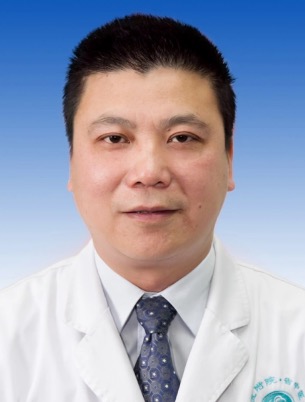 Peiyang Gao (高培阳)合作论文数Hospital of Chengdu University of TCM;TCM Hospital of Sichuan Provincial5
 Zengtao Sun (孙增涛)合作论文数Tianjin University of Traditional Chinese Medicine;The Second Affiliated Hospital of Tianjin University of Traditional Chinese Medicine4
 Wei Xiao (肖玮)合作论文数Department of Respirology, Hospital of Chengdu University of Traditional Chinese Medicine4Rongtao Ying合作论文数3Yuancheng Liang合作论文数3Hongjing Yang合作论文数3Keling Chen合作论文数3
 Jun Chen合作论文数Hosp Chengdu Univ Tradit Chinese Med, Dept Crit Care Med, Chengdu, Peoples R China3
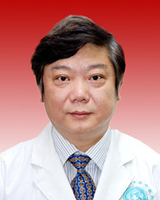 Chunguang Xie (谢春光)合作论文数Affiliated Hospital of Chengdu University of Traditional Chinese Medicine3
 Tingting Liao (廖婷婷)合作论文数Chengdu University of Traditional Chinese Medicine3Qun Huang (黄群)合作论文数3Niao Huang合作论文数2Chengshi He合作论文数2LV Fengcheng (吕凤成)合作论文数2Jundong Wang合作论文数2Xiaohong Xie合作论文数2
 Jianyuan Tang (唐健元)合作论文数Hospital of Chengdu University of TCM2
 Kunlan Long (龙坤兰)合作论文数Hospital of Chengdu University of Traditional Chinese Medicine2
 Fengming You (由凤鸣)合作论文数Hospital of Chengdu University of Traditional Chinese Medicine2Yisen Nie合作论文数1Xie Jing合作论文数1Chen Ming合作论文数1Yufei Liu (刘毓菲)合作论文数1Xia Tian合作论文数1Mei Chen合作论文数1Junli Chen合作论文数1Jianying Wu合作论文数1Yang Yang (杨洋)合作论文数1Yi Zhu (朱毅)合作论文数1ShiYun Tang (唐诗韵)合作论文数1Wei Hu (胡维)合作论文数1MaoJuan Wang (王茂娟)合作论文数1ShaSha Chen (陈莎莎)合作论文数1
 Song Zhang (张松)合作论文数Hospital of Chengdu University of Traditional Chinese Medicine;Chengdu University of Traditional Chinese Medicine1Guojin Xiao (肖国锦)合作论文数1
 Li Huang (黄力)合作论文数China-Japan Friendship Hospital1




