We introduce Block-attention, an attention mechanism designed to address the increased inference latency and cost in Retrieval-Augmented Generation (RAG) scenarios. Traditional approaches often encode the entire context in an auto-regressive manner.Instead, Block-attention divides retrieved documents into discrete blocks, with each block independently calculating key-value (KV) states except for the final block.In RAG scenarios, by defining each passage as a block, Block-attention enables us to reuse the KV states of passages that have been seen before, thereby significantly reducing the latency and the computation overhead during inference.The implementation of Block-attention involves block segmentation, position re-encoding, and fine-tuning the LLM to adapt to the Block-attention mechanism. Experiments on 11 diverse benchmarks, including RAG, ICL, and general domains, demonstrate that after block fine-tuning, the Block-attention model not only achieves performance comparable to that of full-attention models, but can also seamlessly switch between the block and full attention modes without any performance loss.Notably, Block-attention significantly reduces the time to first token (TTFT) and floating point operations (FLOPs) to a very low level. It only takes 45 ms to output the first token for an input sequence with a total length of 32K. Compared to the full-attention models, the TTFT and corresponding FLOPs are reduced by 98.7\% and 99.8\%, respectively. Additionally, in Appendix A, we elaborate on how Block-attention is applied in Game AI scenario and the substantial potential benefits it entails. We strongly suggest researchers in the gaming field not to overlook this section.
Recent progress in deep learning has continuously improved the accuracy of dialogue response selection. However, in real-world scenarios, the high computation cost forces existing dialogue response selection models to rank only a small number of candidates, recalled by a coarse-grained model, precluding many high-quality candidates. To overcome this problem, we present a novel and efficient response selection model and a set of tailor-designed learning strategies to train it effectively. The proposed model consists of a dense retrieval module and an interaction layer, which could directly select the proper response from a large corpus. We conduct re-rank and full-rank evaluations on widely used benchmarks to evaluate our proposed model. Extensive experimental results demonstrate that our proposed model notably outperforms the state-of-the-art baselines on both re-rank and full-rank evaluations. Moreover, human evaluation results show that the response quality could be improved further by enlarging the candidate pool with nonparallel corpora. In addition, we also release high-quality benchmarks that are carefully annotated for more accurate dialogue response selection evaluation. All source codes, datasets, model parameters, and other related resources have been publicly available. 1
Modern large language models (LLMs) like ChatGPT have shown remarkable performance on general language tasks but still struggle on complex reasoning tasks, which drives the research on cognitive behaviors of LLMs to explore human-like problem-solving strategies. Along this direction, one representative strategy is self-reflection, which asks an LLM to refine the solution with the feedback generated by itself iteratively. However, our study shows that such reflection-style methods suffer from the Degeneration-of-Thought (DoT) problem: once the LLM has established confidence in its solutions, it is unable to generate novel thoughts later through reflection even if its initial stance is incorrect. To address the DoT problem, we propose a Multi-Agent Debate (MAD) framework, in which multiple agents express their arguments in the state of "tit for tat" and a judge manages the debate process to obtain a final solution. Clearly, our MAD framework encourages divergent thinking in LLMs which would be helpful for tasks that require deep levels of contemplation. Experiment results on two challenging datasets, commonsense machine translation and counter-intuitive arithmetic reasoning, demonstrate the effectiveness of our MAD framework. Extensive analyses suggest that the adaptive break of debate and the modest level of "tit for tat" state are required for MAD to obtain good performance. Moreover, we find that LLMs might not be a fair judge if different LLMs are used for agents. Code is available at https://github.com/Skytliang/Multi-Agents-Debate.
Long text generation, such as novel writing and discourse-level translation with extremely long contexts, presents significant challenges to current language models. Existing methods mainly focus on extending the model's context window through strategies like length extrapolation. However, these approaches demand substantial hardware resources during the training and/or inference phases. Our proposed method, Temp-Lora, introduces an alternative concept. Instead of relying on the KV cache to store all context information, we embeds this information directly into a temporary Lora module. In the process of long text generation, this module is progressively trained with text generated previously. This approach not only efficiently preserves contextual knowledge but also prevents any permanent alteration to the model's parameters given that the module is discarded post-generation. Extensive experiments on the PG19 language modeling benchmark and the GuoFeng discourse-level translation benchmark validate the effectiveness of Temp-Lora. Our results show that: 1) Temp-Lora substantially enhances generation quality for long text, as indicated by a 13.2% decrease in perplexity (PPL) on a subset of PG19, and a 29.3% decrease in PPL along with a 113.2% increase in BLEU score on a subset of GuoFeng, 2) Temp-Lora is compatible with and enhances most existing long text generation methods, and 3) Temp-Lora can greatly reduce computational costs by shortening the context window. For example, we can ensure a moderate improvement in generation quality (a decrease of 3.8% in PPL) while enabling a 51.5% memory usage reduction and a 60.0% decrease in latency for inference.
This survey explores the burgeoning field of role-playing with language models, focusing on their development from early persona-based models to advanced character-driven simulations facilitated by Large Language Models (LLMs). Initially confined to simple persona consistency due to limited model capabilities, role-playing tasks have now expanded to embrace complex character portrayals involving character consistency, behavioral alignment, and overall attractiveness. We provide a comprehensive taxonomy of the critical components in designing these systems, including data, models and alignment, agent architecture and evaluation. This survey not only outlines the current methodologies and challenges, such as managing dynamic personal profiles and achieving high-level persona consistency but also suggests avenues for future research in improving the depth and realism of role-playing applications. The goal is to guide future research by offering a structured overview of current methodologies and identifying potential areas for improvement. Related resources and papers are available at https://github.com/nuochenpku/Awesome-Role-Play-Papers.
Despite the general capabilities of pre-trained large language models (LLMs), they still need further adaptation to better serve practical applications. In this paper, we demonstrate the interchangeability of three popular and distinct adaptation tools: parameter updating, reward modeling, and in-context prompting. This interchangeability establishes a triangular framework with six transformation directions, each of which facilitates a variety of applications. Our work offers a holistic view that unifies numerous existing studies and suggests potential research directions. We envision our work as a useful roadmap for future research on LLMs.
The Instruction-Driven Game Engine (IDGE) project aims to democratize game development by enabling a large language model (LLM) to follow free-form game rules and autonomously generate game-play processes. The IDGE allows users to create games by issuing simple natural language instructions, which significantly lowers the barrier for game development. We approach the learning process for IDGEs as a Next State Prediction task, wherein the model autoregressively predicts in-game states given player actions. It is a challenging task because the computation of in-game states must be precise; otherwise, slight errors could disrupt the game-play. To address this, we train the IDGE in a curriculum manner that progressively increases the model's exposure to complex scenarios. Our initial progress lies in developing an IDGE for Poker, a universally cherished card game. The engine we've designed not only supports a wide range of poker variants but also allows for high customization of rules through natural language inputs. Furthermore, it also favors rapid prototyping of new games from minimal samples, proposing an innovative paradigm in game development that relies on minimal prompt and data engineering. This work lays the groundwork for future advancements in instruction-driven game creation, potentially transforming how games are designed and played.
The dominant text generation models compose the output by sequentially selecting words from a fixed vocabulary. In this paper, we formulate text generation as progressively copying text segments (e.g., words or phrases) from an existing text collection. We compute the contextualized representations of meaningful text segments and index them using efficient vector search toolkits. The task of text generation is then decomposed into a series of copy-and-paste operations: at each time step, we seek suitable text spans from the text collection rather than selecting from a standalone vocabulary. Experiments on the standard language modeling benchmark (WikiText-103) show that our approach achieves better generation quality according to both automatic and human evaluations. Besides, its inference efficiency is comparable to token-level autoregressive models thanks to the reduction of decoding steps. We also show that our approach allows for effective domain adaptation by simply switching to domain-specific text collection without extra training. Finally, we observe that our approach attains additional performance gains by simply scaling up to larger text collections, again without further training.\footnote{Our source codes are publicly available at \url{https://github.com/gmftbyGMFTBY/Copyisallyouneed}.}
We present PandaGPT, an approach to emPower large lANguage moDels with visual and Auditory instruction-following capabilities. Our pilot experiments show that PandaGPT can perform complex tasks such as detailed image description generation, writing stories inspired by videos, and answering questions about audios. More interestingly, PandaGPT can take multimodal inputs simultaneously and compose their semantics naturally. For example, PandaGPT can connect how objects look in an image/video and how they sound in an audio. To do so, PandaGPT combines the multimodal encoders from ImageBind and the large language models from Vicuna. Notably, only aligned image-text pairs are required for the training of PandaGPT. Thanks to the strong capability of ImageBind in embedding data from different modalities into the same space, PandaGPT displays emergent, i.e. zero-shot, cross-modal behaviors for data other than image and text (e.g., video, audio, depth, thermal, and IMU). We hope that PandaGPT serves as an initial step toward building AGI that can perceive and understand inputs in different modalities holistically, as we humans do. Our project page is at https://panda-gpt.github.io/.
Current math word problem (MWP) solvers are usually Seq2Seq models trained by the (one-problem; one-solution) pairs, each of which is made of a problem description and a solution showing reasoning flow to get the correct answer. However, one MWP problem naturally has multiple solution equations. The training of an MWP solver with (one-problem; one-solution) pairs excludes other correct solutions, and thus limits the generalizability of the MWP solver. One feasible solution to this limitation is to augment multiple solutions to a given problem. However, it is difficult to collect diverse and accurate augment solutions through human efforts. In this paper, we design a new training framework for an MWP solver by introducing a solution buffer and a solution discriminator. The buffer includes solutions generated by an MWP solver to encourage the training data diversity. The discriminator controls the quality of buffered solutions to participate in training. Our framework is flexibly applicable to a wide setting of fully, semi-weakly and weakly supervised training for all Seq2Seq MWP solvers. We conduct extensive experiments on a benchmark dataset Math23k and a new dataset named Weak12k, and show that our framework improves the performance of various MWP solvers under different settings by generating correct and diverse solutions.
Generative language models (LMs) such as GPT-2/3 can be prompted to generate text with remarkable quality. While they are designed for text-prompted generation, it remains an open question how the generation process could be guided by modalities beyond text such as images. In this work, we propose a training-free framework, called MAGIC (iMAge-Guided text generatIon with CLIP), for plugging in visual controls in the generation process and enabling LMs to perform multimodal tasks (e.g., image captioning) in a zero-shot manner. MAGIC is a simple yet efficient plug-and-play framework, which directly combines an off-the-shelf LM (i.e., GPT-2) and an image-text matching model (i.e., CLIP) for image-grounded text generation. During decoding, MAGIC influences the generation of the LM by introducing a CLIP-induced score, called magic score, which regularizes the generated result to be semantically related to a given image while being coherent to the previously generated context. Notably, the proposed decoding scheme does not involve any gradient update operation, therefore being computationally efficient. On the challenging task of zero-shot image captioning, MAGIC outperforms the state-of-the-art method by notable margins with a nearly 27 times decoding speedup. MAGIC is a flexible framework and is theoretically compatible with any text generation tasks that incorporate image grounding. In the experiments, we showcase that it is also capable of performing visually grounded story generation given both an image and a text prompt.
In recent years, Dialogue-style Large Language Models (LLMs) such as ChatGPT and GPT4 have demonstrated immense potential in constructing open-domain dialogue agents. However, aligning these agents with specific characters or individuals remains a considerable challenge due to the complexities of character representation and the lack of comprehensive annotations. In this paper, we introduce the Harry Potter Dialogue (HPD) dataset, designed to advance the study of dialogue agents and character alignment. The dataset encompasses all dialogue sessions (in both English and Chinese) from the Harry Potter series and is annotated with vital background information, including dialogue scenes, speakers, character relationships, and attributes. These extensive annotations may empower LLMs to unlock character-driven dialogue capabilities. Furthermore, it can serve as a universal benchmark for evaluating how well can a LLM aligning with a specific character. We benchmark LLMs on HPD using both fine-tuning and in-context learning settings. Evaluation results reveal that although there is substantial room for improvement in generating high-quality, character-aligned responses, the proposed dataset is valuable in guiding models toward responses that better align with the character of Harry Potter.
The multiplayer online battle arena (MOBA) games have become increasingly popular in recent years. Consequently, many efforts have been devoted to providing pregame or in-game predictions for them. These predictions can be used in many MOBA esports-related applications, such as artificial intelligence commentator systems, in-game data analysis, and game-assistant bots. However, these works are limited in the following two aspects: the lack of sufficient in-game features and the absence of interpretability in the prediction results. These two limitations greatly restrict the practical performance and industrial application of the current works. In this work, we collect a large-scale dataset containing rich in-game features for the popular MOBA game Honor of Kings. We then propose to predict four types of prediction tasks in an interpretable way by attributing the predictions to the input features using two gradient-based attribution methods: Integrated Gradients and SmoothGrad. To evaluate the explanatory power of different models and attribution methods, a fidelity-based evaluation metric is further proposed. Finally, we evaluate the accuracy and fidelity of several competitive methods to assess how well machines predict events in MOBA games.
Writing assistants are valuable tools that can help writers improve their writing skills. We introduce Effidit (Efficient and Intelligent Editing), a digital writing assistant that facilitates users to write higher-quality text more efficiently through the use of Artificial Intelligence (Al) and Natural Language Processing (NLP) technologies. We significantly expand the capacities of a writing assistant by providing functions in three modules; text completion, hint recommendation, and writing refinement. Based on the above efforts, Effidit can efficiently assist users in creating their own text. Effidit has been deployed to several Tencent products and publicly released at https://effeidit.qq.com/.
With the rapid prevalence and explosive development of MOBA esports (Multiplayer Online Battle Arena electronic sports), much research effort has been devoted to automatically predicting game results (win predictions). While this task has great potential in various applications, such as esports live streaming and game commentator AI systems, previous studies fail to investigate the methods to interpret these win predictions. To mitigate this issue, we collected a large-scale dataset that contains real-time game records with rich input features of the popular MOBA game Honor of Kings. For interpretable predictions, we proposed a Two-Stage Spatial-Temporal Network (TSSTN) that can not only provide accurate real-time win predictions but also attribute the ultimate prediction results to the contributions of different features for interpretability. Experiment results and applications in real-world live streaming scenarios showed that the proposed TSSTN model is effective both in prediction accuracy and interpretability.
Prosodic boundary plays an important role in text-to-speech synthesis (TTS) in terms of naturalness and readability. However, the acquisition of prosodic boundary labels relies on manual annotation, which is costly and time-consuming. In this paper, we propose to automatically extract prosodic boundary labels from text-audio data via a neural text-speech model with pre-trained audio encoders. This model is pre-trained on text and speech data separately and jointly fine-tuned on TTS data in a triplet format: {speech, text, prosody}. The experimental results on both automatic evaluation and human evaluation demonstrate that: 1) the proposed text-speech prosody annotation framework significantly outperforms text-only baselines; 2) the quality of automatic prosodic boundary annotations is comparable to human annotations; 3) TTS systems trained with model-annotated boundaries are slightly better than systems that use manual ones.
Recently, retrieval-augmented text generation attracted increasing attention of the computational linguistics community. Compared with conventional generation models, retrieval-augmented text generation has remarkable advantages and particularly has achieved state-of-the-art performance in many NLP tasks. This paper aims to conduct a survey about retrieval-augmented text generation. It firstly highlights the generic paradigm of retrieval-augmented generation, and then it reviews notable approaches according to different tasks including dialogue response generation, machine translation, and other generation tasks. Finally, it points out some important directions on top of recent methods to facilitate future research.
Text generation is of great importance to many natural language processing applications. However, maximization-based decoding methods (e.g. beam search) of neural language models often lead to degenerate solutions -- the generated text is unnatural and contains undesirable repetitions. Existing approaches introduce stochasticity via sampling or modify training objectives to decrease probabilities of certain tokens (e.g., unlikelihood training). However, they often lead to solutions that lack coherence. In this work, we show that an underlying reason for model degeneration is the anisotropic distribution of token representations. We present a contrastive solution: (i) SimCTG, a contrastive training objective to calibrate the model's representation space, and (ii) a decoding method -- contrastive search -- to encourage diversity while maintaining coherence in the generated text. Extensive experiments and analyses on three benchmarks from two languages demonstrate that our proposed approach significantly outperforms current state-of-the-art text generation methods as evaluated by both human and automatic metrics.
Recently retrieval-augmented text generation has achieved state-of-the-art performance in many NLP tasks and has attracted increasing attention of the NLP and IR community, this tutorial thereby aims to present recent advances in retrieval-augmented text generation comprehensively and comparatively. It firstly highlights the generic paradigm of retrieval-augmented text generation, then reviews notable works for different text generation tasks including dialogue generation, machine translation, and other generation tasks, and finally points out some limitations and shortcomings to facilitate future research.
 Deng Cai (蔡登)合作论文数College of Computer Science and Technology, Zhejiang University20
 Shuming Shi (史树明)合作论文数10
 Xiaojiang Liu合作论文数Tencent8
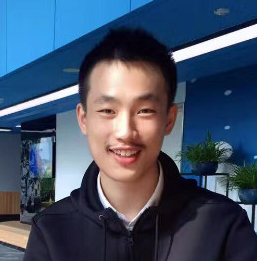 Yixuan Su (苏熠暄)合作论文数Language Technology Lab, University of Cambridge8
 Tian Lan (兰天)合作论文数Alibaba Group6
 Wei Bi (闭玮)合作论文数Tencent AI Lab6
 Nigel Collier合作论文数Language Technology Lab, Faculty of Modern and Medieval Languages and Linguistics, University of Cambridge;Department of Theoretical and Applied Linguistics, Faculty of Modern and Medieval Languages and Linguistics, University of Cambridge5
 Lei (Demo) Wang合作论文数School of Information Systems, Singapore Management University4
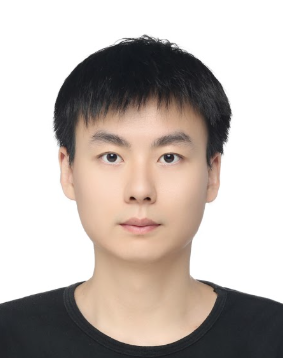 Huayang Li合作论文数Division of Information Science, Nara Institute of Science and Technology;SakanaAI4
 Lemao Liu (刘乐茂)合作论文数College of Computer Science and Artificial Intelligence, Fudan University4
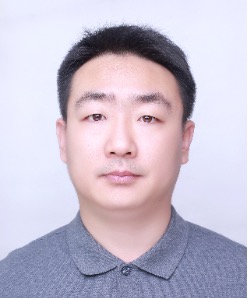 Piji Li (李丕绩)合作论文数College of Computer Science and Technology, Nanjing University of Aeronautics and Astronautic4
 Haoyu Song合作论文数Huawei Technologies Co.,Ltd3
 Jipeng Zhang合作论文数School of Computer Science and Engineering, Hong Kong University of Science and Technology3
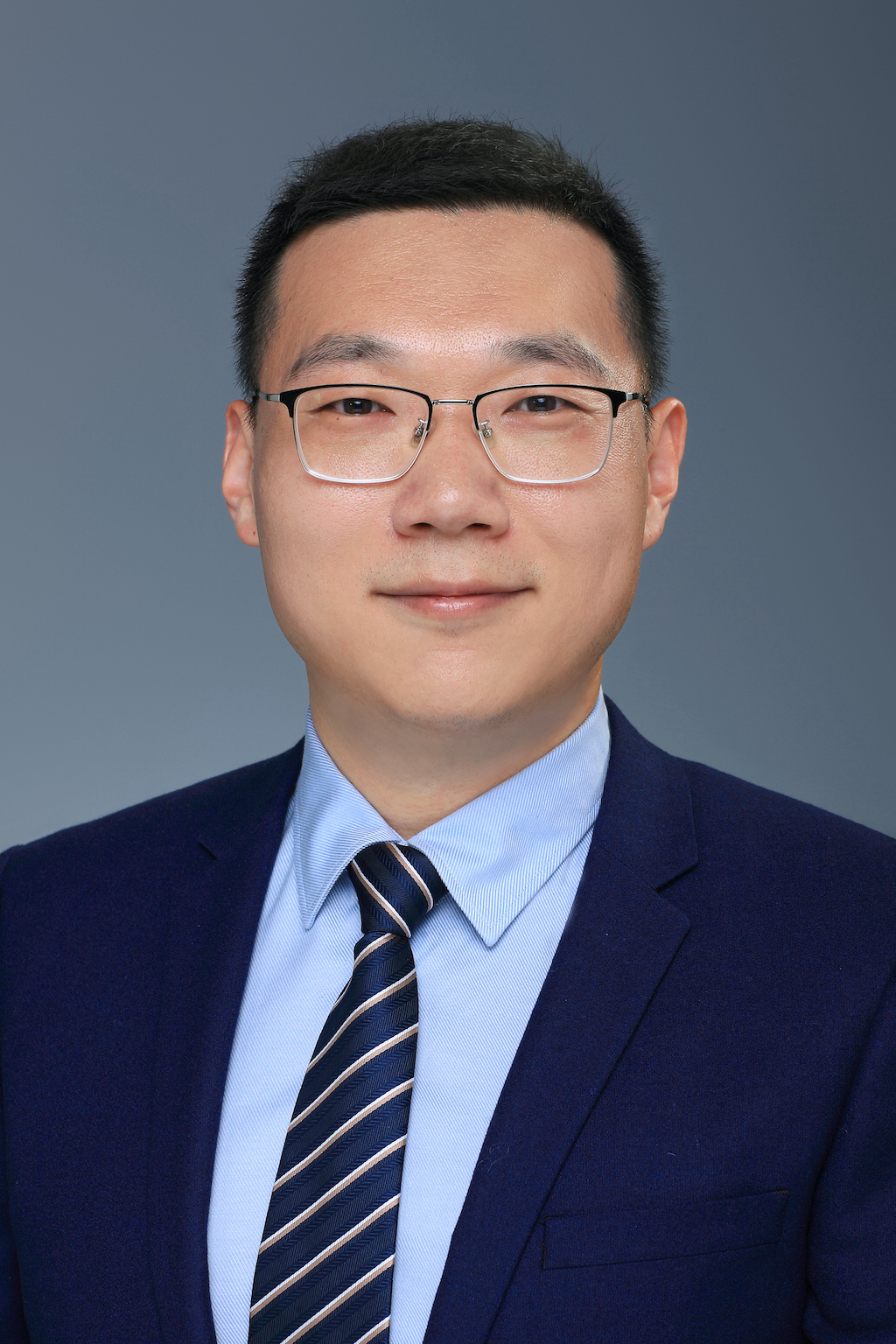 Weinan Zhang (张伟男)合作论文数Faculty of Computing, Harbin Institute of Technology3
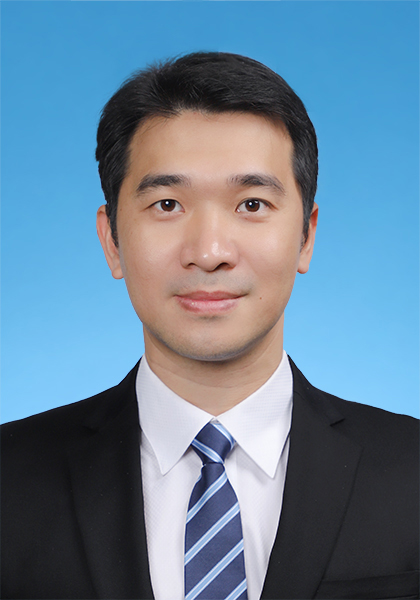 Haitao Zheng (郑海涛)合作论文数Tsinghua Shenzhen International Graduate School, Tsinghua University3
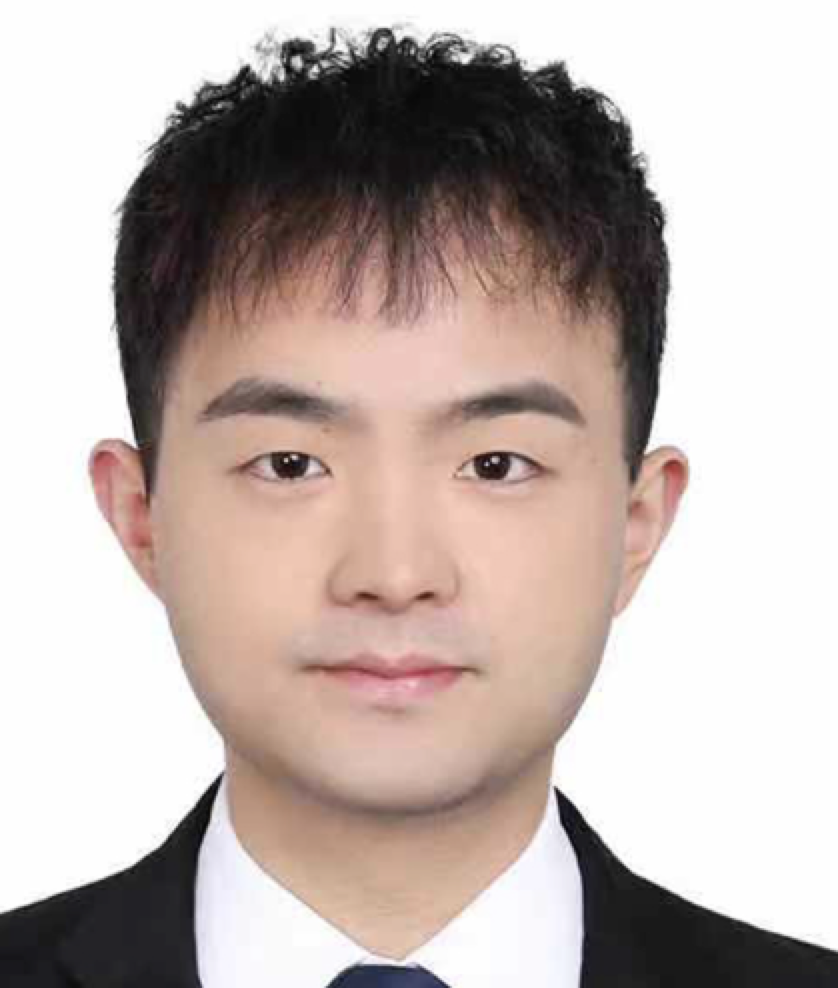 Nuo Chen (陈诺)合作论文数Hong Kong University of Science and Technology3
 Hanxiong Li (李涵雄)合作论文数Department of Advanced Design and Systems Engineering, College of Engineering, City University of Hong Kong3
 Ting Liu (刘挺)合作论文数Faculty of Computing, Harbin Institute of Technology3
 Simon Baker合作论文数Faculty of Modern and Medieval Languages and Linguistics, University of Cambridge3
 Jianwei Yu (余建伟)合作论文数Shenzhen Universtiy3
 Wai Lam (林偉)合作论文数Department of Systems Engineering and Engineering Management, The Chinese University of Hong Kong3
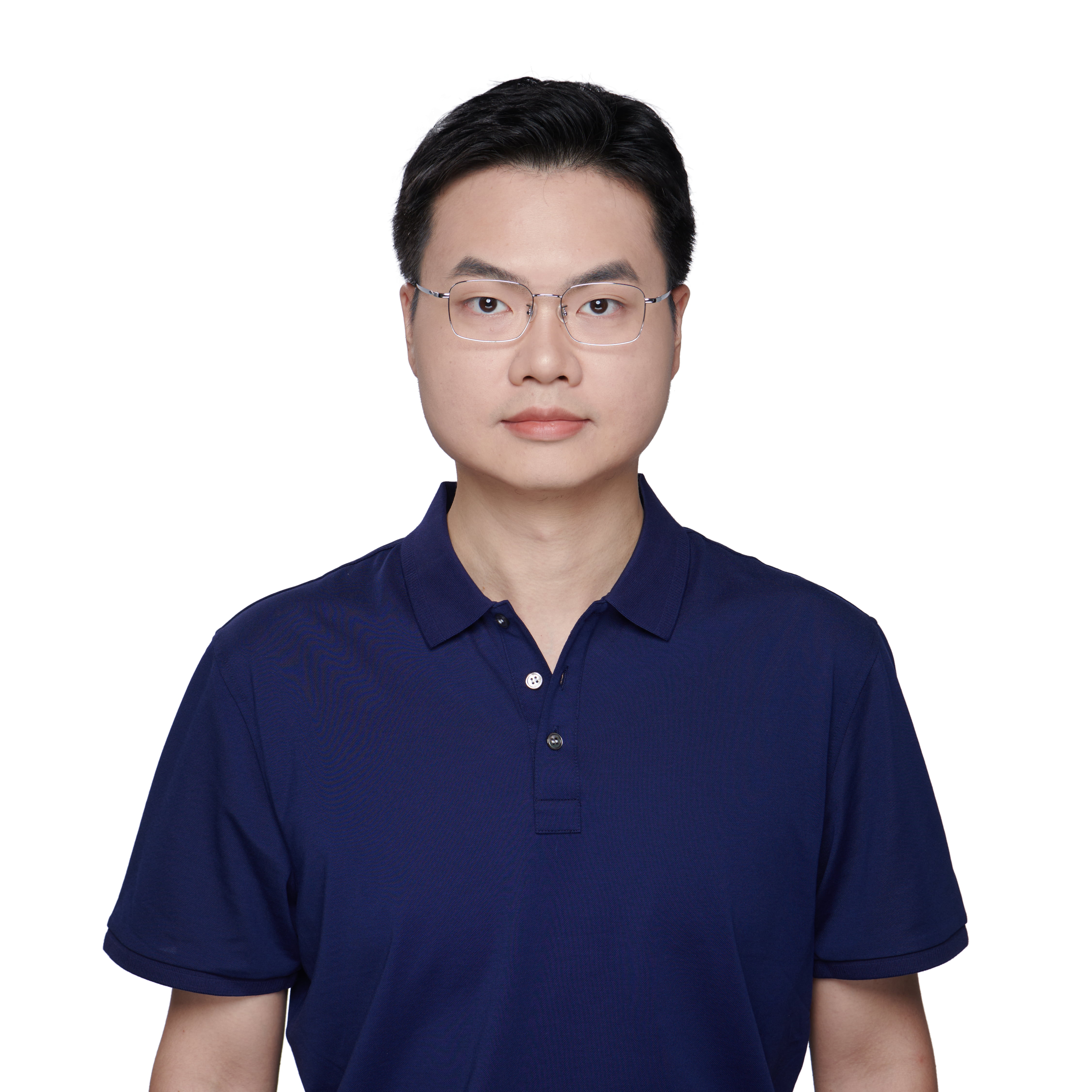 Zelong Yang合作论文数2Lingyun Feng合作论文数Tsinghua Univ, Beijing, Peoples R China2
 Haiyun Jiang合作论文数Shanghai Key Laboratory of Data Science School of Computer Science, Fudan University2
 Heyan Huang (黄河燕)合作论文数School of Computer Science & Technology, Beijing Institute of Technology2
 Dongxiang Zhang (张东祥)合作论文数State Key Laboratory of Blockchain and Data Security, College of Computer Science and Technology, Zhejiang University2
 Xianling Mao (毛先领)合作论文数School of Computer Science and Technology, Beijing Institute of Technology2
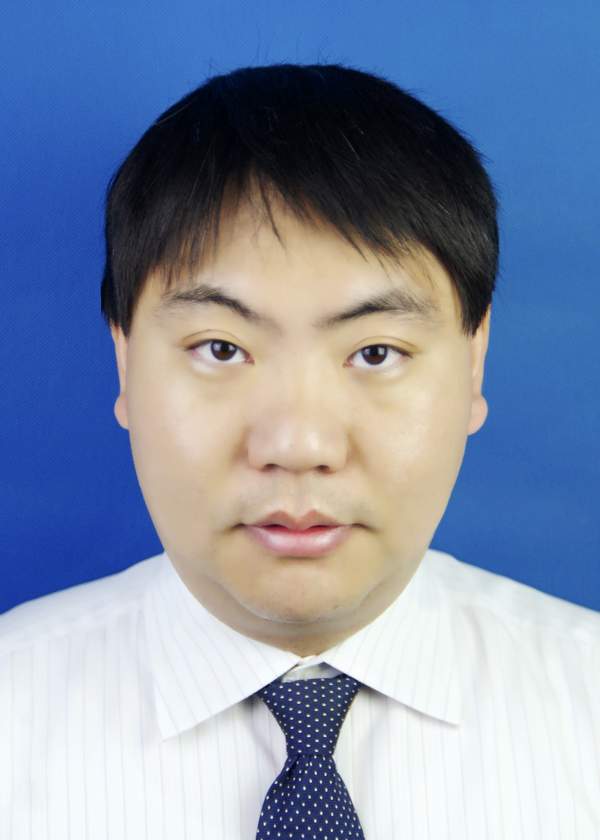 Jie Shao (邵杰)合作论文数Centre for Future Media, School of Computer Science and Engineering, University of Electronic Science and Technology of China2
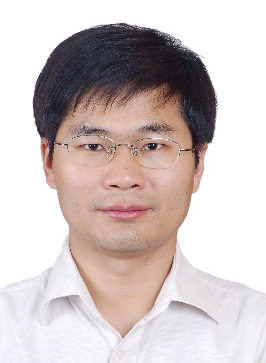 Xueqi Cheng (程学旗)合作论文数Key Laboratory of Network Data Science and Technology, Institute of Computing Technology, Chinese Academy of Sciences;University of Chinese Academy of Sciences2
 Leyang Cui (崔乐阳)合作论文数Tencent AI lab2
 Xinting Huang合作论文数School of Computing and Information System, University of Melbourne2
 Zhufeng Pan合作论文数1University of California, Los Angeles2
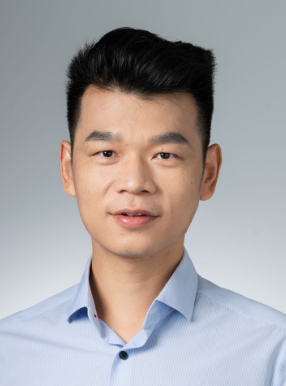 Jia Li (李佳)合作论文数The Hong Kong University of Science and Technology (Guangzhou)2
 Liang Pang (庞亮)合作论文数Data Intelligence System Research Center, Institute of Computing Technology, Chinese Academy of Sciences2
 Yanyan Lan (兰艳艳)合作论文数Institute for AI Industry Research, Tsinghua University2
 Longyue Wang (王龍躍)合作论文数Alibaba Group2
 Shao-Lun Huang (黄绍伦)合作论文数Data Science and Information Technology Research Center, Tsinghua-Berkeley Shenzhen Institute;Tsinghua Shenzhen International Graduate School2
 David Vandyke合作论文数Apple2
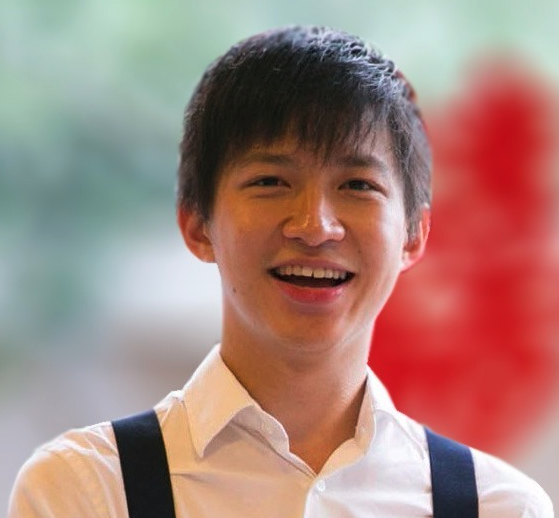 Dani Yogatama合作论文数Reka;Department of Computer Science, University of Southern California2
 Zhaopeng Tu (涂兆鹏)合作论文数Tencent AI Lab2
 Lingpeng Kong合作论文数Natural Language Processing Group, Department of Computer Science, Faculty of Engineering, The University of Hong Kong2Dongyang Ma合作论文数1Zhaopeng Tut合作论文数1
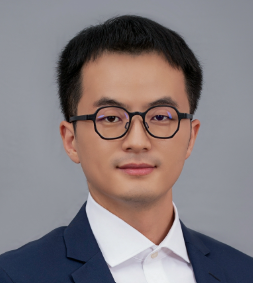 Zhi Wang (王志)合作论文数School of Robotics and Automation, Nanjing University1
 Bowen Cao合作论文数The Chinese University of Hong Kong1
 Tian Liang (梁添)合作论文数1Shuaiyi Li合作论文数The Chinese University of Hong Kong1Chengyan Huang合作论文数1




