This article summarizes the new progress in the diagnosis and treatment strategies on drug-resistant cytomegalovirus(CMV)infections in organ transplant recipients, including the prevention and treatment medications for CMV infection, the diagnosis and treatment strategies, and the immunological treatment regimen for drug-resistant CMV infection.The article is aimed to provide references for the prevention and treatment of drug-resistant CMV infection in organ transplant recipients.
Progressive multifocal leukoencephalopathy (PML) is a rare and yet serious central nervous system disorder due to JC viral infection.PML occurs predominantly in immunocompromised individuals, including solid organ transplant (SOT) recipients.Clinically, SOT-related PML commonly presents as cognitive and behavioral impairments. Pathologically, PML is characterized by multifocal demyelinating lesions, with neuroimaging technique typically revealing white matter damage in the temporoparietal regions. Clinical diagnosis usually involves integrating clinical manifestations, cranial magnetic resonance imaging, and detection of JC virus in cerebrospinal fluid. Currently, specific medications for PML are lacking, and the treatment mainly relies on supportive care and immunomodulatory strategies. The prognosis of PML remains unfavorable, early diagnosis and enhanced adaptive immune responses are crucial for PML management in SOT recipients.
ObjectiveTo analyze the changes of postoperative pulmonary function in lung transplant recipients. MethodsClinical data of 81 recipients undergoing bilateral lung transplantation and combined heart-lung transplantation were collected, and postoperative status of the recipients was analyzed. Pulmonary ventilation and diffusion function indexes at 1 month, 3 months, every 3 months (3-18 months after lung transplantation) and every 6 months (18-36 months after lung transplantation) were analyzed in the recipients. The characteristics of the optimal pulmonary function in the recipients were assessed. ResultsPostoperative mechanical ventilation time was 4 (2, 9) d, and the length of postoperative ICU stay was 10 (7, 20) d. Among 81 recipients, 27 recipients developed primary graft dysfunction (PGD) after lung transplantation, with an incidence rate of 33%. Postoperative forced vital capacity to predicted value ratio (FVC%pred), forced expiratory volume in one second to predicted value ratio (FEV1%pred), forced vital capacity/forced expiratory volume in one second to predicted value ratio (FEV1/FVC%pred) and corrected diffusion lung capacity for CO to predicted value ratio (DLCOc%pred) were changed over time (all P<0.001). FVC%pred and FEV1%pred were gradually increased within postoperative 9 months, and DLCOc%pred was gradually elevated within postoperative 3 months (both P<0.05). Thirty-six recipients had FVC%pred≥80%, FEV1%pred≥80% in 41 cases, FEV1/FVC%pred≥92% in 76 cases, FVC%pred≤40% in 1 cases and FEV1%pred≤40% in 1 cases, respectively. Sixteen recipients had DLCOc%pred≥80%, corrected diffusion lung capacity for CO/alveolar volume to predicted value ratio (DLCOc/VA%pred) ≥80% in 63, DLCOc%pred≤40% in 4 cases and DLCOc/VA%pred≤40% in 1 cases, respectively. Postoperative FVC%pred, FEV1/FVC%pred and DLCOc%pred in patients with a primary disease of obstructive pulmonary disease were significantly higher than those in their counterparts with restrictive pulmonary disease (all P<0.05). Postoperative DLCOc%pred in recipients with PGD was significantly lower than that in those without PGD (P<0.05). ConclusionsPulmonary ventilation function in lung transplant recipients reaches the optimal state and maintains a steady state at postoperative 9 months, and pulmonary diffusion function reaches a steady state at postoperative 3 months. Primary diseases and the incidence of PGD may affect postoperative pulmonary function.
Since an outbreak of coronavirus disease 2019, there have been more than 664 million confirmed cases and more than 6.7 million deaths worldwide.The Omicron variant discovered in November 2021 has become a dominant variant in China.Compared with the general population, Omicron infection mainly presents short-term upper respiratory symptoms followed by quick recovery; solid organ transplant recipients have the characteristics of a high incidence of severe disease and high mortality after infection, and the incidence of secondary infection and rebound positivity is significantly higher than that of the general population.This review focused upon preventive strategies of solid organ transplant recipients from the perspectives of the characteristics of organ transplant recipients, general preventive strategies, vaccination and long-acting neutralizing antibodies.
In recent years, organ transplantation in our country has witnessed significant growth. However, rejection reactions remain the primary complications affecting graft function and survival rates. Long-term immunosuppressive therapy is the most effective method for preventing rejection reactions. Nevertheless, currently used immunosuppressive agents such as mycophenolate mofetil have notable side effects, leading to many patients being unable to tolerate these side effects, thereby necessitating dose reduction or discontinuation. This, in turn, increases the risk of rejection reactions, ultimately resulting in graft failure. Mizoribine is an immunosuppressant that can concurrently inhibit the proliferation and differentiation of both T lymphocytes and B lymphocytes, with relatively fewer side effects. In recent years, it has been widely employed in the maintenance immunosuppressive therapy following kidney, liver, and other organ transplantations. Although Mizoribine has not yet been applied in the lung transplantation, clinical research evidence from the liver and kidney transplantation present some indications for its application in the lung transplantation, which is worthy of clinical attention and further research.
患者,男,56岁,169 cm,50 kg,ASA Ⅳ级,因"反复咳嗽咳痰9年,气促4年,加重2个月"入院.2个月前咳痰、气促明显加重,予气管插管呼吸机辅助通气、抗感染、祛痰、平喘等治疗,后顺利拔除气管插管,予无创通气.既往患有焦虑症2年,长期吸烟史,约20支/天,已戒烟2个月.查体:肋间隙增宽、双肺呼吸音低.术前心脏彩超检查:三尖瓣轻度反流,左心室收缩功能正常.胸部CT检查:肺气肿,两肺多发肺大疱.术前诊断:(1)慢性阻塞性肺疾病;(2)Ⅱ型呼吸衰竭;(3)冠状动脉粥样硬化;(4)焦虑症.患者终末期肺病,经内科治疗无效,拟全麻下行序贯双肺移植术( bilateral lung transplantation, BLT).
肺移植是终末期肺痰病患者唯一有效的治疗手段,但肺移植受者的长期存活率仍较低。随着细菌16s核糖体小亚基RNA(rRNA)基因测序、高通量测序技术的发展,呼吸道样本中微生物的相对丰度得以量化,潜在病原体和共生环境也得以识别,揭示了健康肺部存在丰富的菌群。越来越多的证据表明,肺部菌群不仅可以调节肺部免疫稳态,而且在多种呼吸系统疾病的发生与发展中起重要作用。肺移植受者的肺部菌群有异于健康人群,并与其术后并发症及预后相关。本文对近年来国际上关于肺移植受者的肺部菌群特点及其与肺部感染、慢性排斥反应的关系进行综述,以期为肺移植术后并发症的发生与诊治提供新的思路。
Recent studies demonstrate that, the close interactions between pericytes (PCs) and various cells (such as cancer cells, stromal cells and immune cells) in tumor microenvironment (TME) can build an immunosuppressive TME to favor cancer growth and progression by modulating tumor angiogenesis and dysfunction via abnormal paracrine signaling pathways. In this review, we focused on recent advances in non-small-cell-lung-cancer to understand the regulatory role of PCs in TME and discussed the potential value of targeting PCs for inhibiting tumor angiogenesis and normalizing tumor vasculature to remodel TME, indicating that we can break through the dilemma of combined anti vascular therapy for solid tumors at this stage by targeting the normalization of tumor blood vessels of PCs. This may be a new strategy that could be used combinedly to improve chemotherapy, small molecule inhibitor targeted therapy or immune checkpoint inhibitor therapy.
目的 探讨肺移植术后新生供者特异性抗体(dnDSA)介导的急性排斥反应的治疗方法.方法 回顾性分析1例肺移植术后早期出现抗体介导的急性排斥反应(AMR)受者的资料,分析其诊疗经过.结果 受者因系统性硬化症相关性终末期间质性肺病接受右肺移植,术前群体反应性抗体(PRA)Ⅰ类阳性(11%),术前未行特殊预处理,手术当日及术后予以抗胸腺细胞球蛋白诱导治疗.术后早期受者康复顺利,术后13 d出现胸闷、气促,并呈进行性加重,迅速进展为Ⅰ型呼吸衰竭,PRAⅠ类上升为58%,并出现dnDSA,其位点为A24:02,平均荧光强度(MFI)值为2110,据国际心肺移植学会指南,拟诊为(可能)AMR.予血浆置换、蛋白A免疫吸附、糖皮质激素冲击、利妥昔单抗及免疫球蛋白静脉滴注等综合治疗后,PRA及DSA水平逐渐下降,术后20 d DSA MFI值为0,受者临床情况逐渐好转,呼吸困难消失,气促逐渐缓解,呼吸衰竭纠正,肺部渗出影逐渐吸收;术后45 d,受者完全康复出院.随访1年,受者状态良好,生活质量与同龄健康人相同,PRAⅠ类为5%,Ⅱ类为阴性,未出现DSA.结论 在传统药物治疗基础上加用蛋白A免疫吸附治疗,能有效去除受者循环血液中的DSA,减轻靶器官损害,近期及远期治疗效果理想.针对肺移植术后AMR,采用传统药物治疗联合免疫吸附,可以达到理想治疗效果.
目的 分析肺移植术后早期急性肾损伤(AKI)的危险因素及预后.方法 回顾性分析155例肺移植或心肺联合移植受者的临床资料,根据2012年改善全球肾脏病预后组织指南分为AKI组(104例)及非AKI组(51例).总结肺移植术后早期AKI发生情况;收集受者的主要指标,对肺移植术后早期发生AKI的危险因素进行单因素和多因素分析;分析肺移植受者的预后情况并绘制生存曲线.结果 肺移植术后早期AKI的发生率为67.1%(104/155),其中AKI 1期47例,AKI 2期34例,AKI 3期23例,术后早期需要连续性肾脏替代治疗(CRRT)的受者16例.术前合并糖尿病、术前合并肺动脉高压、术中平均动脉压(MAP)<60 mmHg、术中大量输血、术后1周内他克莫司(Tac)超治疗浓度为肺移植术后早期发生AKI的独立危险因素.截止至随访终点,共66例(42.6%)受者死亡,其中AKI组50例,非AKI组16例.AKI组累积生存率低于非AKI组(40%比66%,P<0.05),随着AKI严重程度增加,肺移植受者累积生存率降低.结论 肺移植术后早期AKI发生率高、预后差,术前合并糖尿病、肺动脉高压,术中MAP<60 mmHg、大量输血和术后1周内Tac超治疗浓度为肺移植术后早期发生AKI的独立危险因素.
Objective:To explore the incidence, clinical characteristics and prognosis of invasive pulmonary fungal infection(IPFI)in recipients of lung transplantation(LT)in southern China.Methods:From January 2003 to August 2019, retrospective analysis was performed for 300 recipients of lung transplantation at three hospitals in southern China. There were 254 males and 46 females with an average age of (54.98±14.2)years. Clinical data were collected from medical records, including symptoms and signs, imaging studies, bronchoscopy examination, pathogen separation and culture from deep sputum and bronchoalveolar lavage fluid(BALF), fungal-related laboratory tests and tissue pathology.Results:Among 300 cases, 93(31.0%)had at least one episode of IPFI. The most common pathogen was aspergillosis(60.2%), followed by candida(15 cases, 16.1%)and Pneumocystis jeroveci (13 cases, 14.0%). Kaplan Meier analysis indicated that all-cause mortality was significantly higher in IPFI group than that in non-IPFI(nIPFI)group with one-year mortality of 45.2% vs. 26.7% in IPFI and nIPFI groups respectively( P<0.05). Conclusions:IPFI is prevalent after LT in southern China. And aspergillosis is the most common pathogen and Candida comes the next. The median occurring time for aspergillosis is 6 months after LT. Candida infection occurs earlier at airway anastomosis. A higher incidence of invasive fungal disease(IFD)associated with a lower survival indicates that IPFI has a substantial mortality among recipients after LT. Prophylactic agents should be optimized based upon an epidemiologically likely pathogen.
外科手术是非小细胞肺癌的重要治疗手段,其术后定期随访是早期发现和治疗肿瘤复发转移或第二原发肿瘤的有效方法,可提高患者的生活质量,改善预后.本共识旨在完善我国非小细胞肺癌患者术后随访方案,为负责非小细胞肺癌患者术后随访的同道提供参考,进一步提高我国肺癌规范化诊疗水平.
Objective:To investigate epidemiology of CMV-IgG in thoracic organ transplantation (TOT) donors and recipients, as well as the incidence of CMV infection and CMV disease in recipients and analyze the prognosis.Methods:The study retrospectively analyzed the recipients who undergone TOT from January 1, 2003 to April 30, 2020 at the First Affiliated Hospital of Guangzhou Medical University. Clinical data were collected from the medical records which mainly included: serum CMV-immunoglobin (IgG) between donor (D) and recipient (R) pre-transplants, symptoms and signs, imaging performance, serum and bronchial alveolar lavage fluid levels of CMV-DNA and tissue biopsy.Results:With excluding of 13 cases of incomplete data, the study recruited 301 cases with TOT, comprising of 269 lung transplants, 19 heart transplants, and 16 heart and lung combined transplants. CMV-IgG information of donors and recipients were analyzed in the 301 cases. Serum CMV-IgG was positive in 87.0% (262/301) of recipients and 85.0% (256/301) of donors. According to the risk stratification of primary CMV infection, the proportions of high-risk (donor positive/recipient negative, D+ /R-), intermediate-risk (donor positive/recipient positive), low-risk (donor negative/recipient positive) and very low-risk (donor negative/recipient negative) were 6.0% (18/301), 79.1% (238/301), 8.0% (24/301) and 7.0% (21/301), respectively, and there were no significant differences in the proportions of the above types in different types of transplant recipients (P>0.05 for all). Another 12 recipients were excluded from the further analysis who were died with 14 days post-transplantation, based on the exclusion criteria of this study. Thus, a total of 289 recipients were analyzed for the epidemiology of CMV infection and CMV diseases. There were 177 (61.2%) recipients whose serum CMV-DNA were positive at least once and 49 (17.0%) recipients who were diagnosed with CMV disease, with the incidence of CMV disease being presented highest in D+ R- group. As of April 30, 2020, 289 recipients were followed up for 651 days (14-3 652 days). The all-cause mortality was 67.4% in CMV disease group and 35.8% in non-CMV disease group, respectively (χ2=15.4, P<0.05).Conclusions:Only 6.0% recipients with TOT were at higher risk, and most of the recipients (87.0%) were at moderate-mild risk of primary CMV infection, based on the serological stratification. Most of the TOT recipients (61.2%) had at least once serum CMV-DNA positive post-operation, with 17% of the TOT recipients suffering from CMV disease. The all-cause mortality was significantly higher in CMV disease group than that of the non-CMV disease group.
目前,肺癌仍是全世界范围内癌症相关死亡的主要原因.早期肺癌可以实现治愈,而晚期肺癌患者的5年生存率极低,因此早诊早治是提高生存率的关键.既往研究已经证实了运用低剂量CT对肺癌高危人群进行筛查可降低肺癌相关死亡率,但肺癌早期诊治策略仍有许多问题亟需解决,如高危人群的选择和肺结节良恶性的鉴别判断尚欠精准.本研究总结近年来本课题组在肺癌早筛早诊方面的有关工作,并对相关研究进展进行综述,包括利用数据挖掘及队列孟德尔随机分析等手段探索新的肺癌高危因素,研发人工智能及血浆游离DNA检测等工具辅助高危结节的鉴别诊断和处理,以及开发药物治疗极早期肺癌的新手段等,希望为肺癌早筛早诊的临床实践及科研方向提供思路.
Post-transplant lymphoproliferative disorder (PTLD) is one of the most serious complications after solid organ transplantation (SOT). PTLD seriously affects the survival time of transplant recipients, the incidence of PTLD is related to Epstein-Barr virus (EBV) infection and suppression of immune function, and histopathology is the gold standard for its diagnosis. Current treatment options include dose-reduction of immunosuppressant, rituximab, EBV specific cytotoxic T lymphocyte infusion and chemotherapy, and so on, but the overall prognosis of PTLD patients is still poor. This review mainly summarizes the research progress of PTLD after SOT in recent years, in order to diagnose the occurrence of PTLD after SOT better, and provide theoretical and practical guidance for early intervention.
Objective:To explore the clinical manifestations and imaging features of nocardia infection (NI) after lung transplantation and boost the diagnosis and treatment of NI.Methods:From January 2018 to December 2019, basic profiles, clinical manifestations, laboratory examinations, imaging features and treatment outcomes of 5 lung transplant recipients with a diagnosis of NF were retrospectively analyzed and summarized with the relevant literatures. There were 4 males and 1 female with a median age of 66(26-69) years. 3 patients were single-lung transplantation, 2 patients were bilateral-lung transplantation. The median time from an initial diagnosis of NI to lung transplant surgery was 6(5-19) months. Common symptoms included fever, cough with yellow phlegm and shortness of breath. Laboratory findings showed lymphopenia, significantly high C-reactive protein levels, a slight elevation of procalcitonin, hypoproteinemia and anemia. The major manifestations of high-resolution computed tomography (CT) included multiple nodules, consolidation, cavitation and pleural effusion.Results:Five strains of N. farcinica were identified from bloodstream infection ( n=2) and pulmonary infection ( n=3). After with a combined therapy of two sensitive agents, all patients improved and were discharged from hospital. During follow-ups, one patient died and the remainders were cured. Conclusions:Nocardia infection occurs in lung transplant recipients mostly within 1 year post-operation. There are non-specific symptoms and imaging features of multiple nodules and consolidation. Combination therapy of sensitive agents is indicated for lung transplant recipients with NI.
目的 探究不同随访方式对Ⅰ~ⅢA期非小细胞肺癌(non-small cell lung cancer,NSCLC)术后患者5年生存率的影响.方法 回顾性收集2014年7月至2020年7月9家医院经病理确诊为Ⅰ~ⅢA期NSCLC行手术治疗11958例患者的临床资料,男6939、女5019例,平均年龄(59.8±9.5)岁.按随访方式将患者分为主动随访组(3825例)和被动随访组(8133例),并在确诊后半年内开始随访的患者.使用Kaplan-Meier生存曲线和Cox比例风险模型进行分析.结果 主动随访组和被动随访组中位随访次数分别为8.0次和7.0次;单次随访时间分别为3.77 min和3.58 min;5年生存率分别为81.8%和74.2% (HR=0.60,95%CI 0.53~0.67,P<0.001).多因素分析表明随访方式、年龄、性别、手术方式等因素均影响预后,并且在不同分期的亚组多因素分析中呈现一致的结果.结论 Ⅰ~ⅢA期NSCLC患者术后主动参与随访可以提高远期生存率,并且ⅢA期患者的生存获益更为明显.
针对伴有表皮生长因子受体(EGFR)敏感突变的非小细胞肺癌,基于小分子抑制剂的靶向治疗在临床上取得了极大成效,但仍面临着原发耐药/不敏感的问题.初始治疗的有效比例及疗效深度决定了患者的远期生存.本文梳理了关于原发耐药的主要机制,包括突变亚型结构、原发T790M、合并突变、免疫状态等的影响及其相互关系,以及目前有效药物的证据,提出了多基因分型、精准靶向、"鸡尾酒"疗法等克服原发耐药的管理策略,并展望了该领域的发展趋势,为同行们的临床实践及科研方向提供思路.
目的 分析肺移植术后稳定状态受者1年内T淋巴细胞亚群的动态变化及影响因素.方法 收集行同种异体肺移植手术且术后处于稳定状态的41例受者的临床资料.采用流式细胞术检测受者术前、术后2周及每个月(术后1年内)外周血T淋巴细胞亚群绝对值和比值.分析受者年龄、性别、体质量指数(BMI)、手术方式、原发性移植物功能障碍(PGD)发生情况及原发病对T淋巴细胞绝对值的影响.结果 肺移植术后1年内,CD3+、CD3+CD4+、CD3+CD8+T淋巴细胞绝对值及CD4+/CD8+比值随时间变化差异有统计学意义(均为P<0.001).与术前相比,术后12个月CD3+、CD3+CD4+T淋巴细胞绝对值差异均无统计学意义(P=0.659、0.109),CD3+CD8+T淋巴细胞绝对值升高(P=0.02),而CD4+/CD8+比值下降,差异有统计学意义(P<0.001).肺移植受者的年龄、性别、BMI、手术方式以及术后是否出现PGD对CD3+CD4+、CD3+CD8+T淋巴细胞绝对值的动态变化无影响(P>0.05).肺移植术前原发病对CD3+CD4+T淋巴细胞的变化无影响,但感染性肺疾病受者术后CD3+CD8+T淋巴细胞绝对值较高(P<0.05).结论 肺移植术后稳定状态受者CD3+、CD3+CD4+、CD3+CD8+T淋巴细胞绝对值在术后早期较低,随后逐渐恢复,术后6个月后达到稳态.其动态变化与受者年龄、性别、BMI、手术方式以及术后是否出现PGD无关.
探讨胸外科临床医学专业学位研究生内镜培训体系改革的意义、内容和方式.在转变胸外科专业学位研究生观念的前提下,运用裸眼3D、数字多媒体资源等等手段,通过对电磁导航路径规划系统的训练,电磁导航内镜定位操作的强化及并发症的处理等,让专业学位研究生突破自我,学习新技能的同时有效的缩短学习曲线.
 WeiQiang Yin (殷伟强)合作论文数49Bing Wei (韦兵)合作论文数49
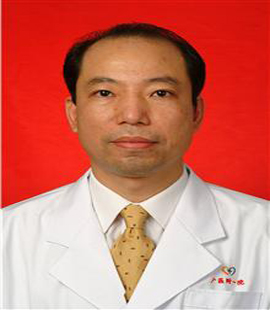 Hanzhang Chen (陈汉章)合作论文数Thoracic Surgery Department, Guangzhou Institute of Respiratory Disease;Guangzhou Institute of Respiratory Health44XiangYang Cheng (成向阳)合作论文数31YunYou Yang (杨运有)合作论文数28LinHu Ge (葛林虎)合作论文数25
 Chunrong Ju (巨春蓉)合作论文数The First Affiliated Hospital of Guangzhou Medical University;State Key Laboratory of Respiratory Disease24
 Shuben Li (李树本)合作论文数The First Affiliated Hospital of Guangzhou Medical University21Qiaoyan Lian合作论文数19Ao Chen (陈奥)合作论文数16
 Gui-Lin Peng合作论文数16Dong Xiao (肖东)合作论文数14
 Nanshan Zhong (钟南山)合作论文数National Clinical Research Center for Respiratory Disease, The First Affiliated Hospital, Guangzhou Medical University11Danxia Huang合作论文数10DeKang Yang (杨德康)合作论文数10Xinguo Xiong (熊信国)合作论文数10
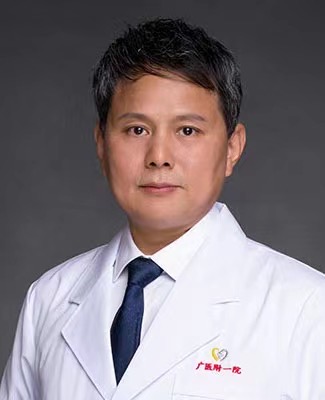 Wenlong Shao (邵文龙)合作论文数The First Affiliated Hospital of Guangzhou Medical University10Yuhang Cai合作论文数9ZheFan Wu (吴哲凡)合作论文数8
 Haihong Yang (杨海虹)合作论文数The First Affiliated Hospital of Guangzhou Medical University8Mengyang Liu合作论文数7Yuan Qiu合作论文数Sun Yat Sen Univ, Ctr Stem Cell Biol & Tissue Engn, Key Lab Stem Cells & Tissue Engn, Minist Educ, Guangzhou, Guangdong, Peoples R China7Wei Wang (王炜)合作论文数6Chao Yang (杨超)合作论文数6
 Shiyue Li (李时悦)合作论文数State Key Laboratory of Respiratory Disease;The First Affiliated Hospital of Guangzhou Medical University6YaLei Zhang (张亚雷)合作论文数5
 Wenhua Liang (梁文华)合作论文数State Key Laboratory of Respiratory Disease;Department of Thoracic Surgery and Oncology, The First Affiliated Hospital of Guangzhou Medical University5Zhang Jianheng合作论文数5Weixue Cui合作论文数4Xin Zhang (张鑫)合作论文数4
 Rongchang Chen (陈荣昌)合作论文数State Key Laboratory of Respiratory Disease, Guangzhou Medical University;The First Affiliated Hospital of Guangzhou Medical University4
 Fei Cui合作论文数4Qiuhua Deng (邓秋华)合作论文数4Yu Xu合作论文数3Qi-hua HE (何绮华)合作论文数3Li-yan HUANG (黄丽燕)合作论文数3Hui PAN (潘辉)合作论文数3YingYing Gu (顾莹莹)合作论文数3HaiMing Jiang (姜海明)合作论文数3QingSi Ceng (曾庆思)合作论文数3Yu Deng (邓宇)合作论文数3Yi Liang (梁毅)合作论文数3Jun Liu合作论文数3
 Xin Xu合作论文数3lun ceng (曾伦)合作论文数2




