Coccinellids are generalist predators and play a crucial role in the biological control of aphids. During periods of low availability of their primary prey, these insects can supplement their diet with alternative resources, such as pollen, which is a rich source of proteins, carbohydrates, and essential amino acids. However, the consumption of alternative resources may vary among habitats, potentially supporting coccinellid persistence in the landscape when aphids are scarce. This study analyzed the frequency and abundance of pollen consumption in eight coccinellid species collected during the summer in six land-cover types (i.e. habitats) representative of the agricultural landscape in Central Chile: alfalfa, maize, vineyards, tree hedgerows, sclerophyllous shrubland, and abandoned sites. In total, 336 individuals were collected and dissected to examine their intestines for pollen. Pollen grains from nine plant families were identified in the guts of coccinellids. Both coccinellid species and habitat significantly influenced the frequency and abundance of pollen in the intestines. All species exhibited a pollen consumption frequency above 50
Coccinellids (Coleoptera: Coccinellidae) are the primary aphid predators in alfalfa fields in Central Chile. These communities are abundant and diverse, which increases the likelihood of negative interactions; however, such interactions typically decrease when prey is abundant or through spatio-temporal habitat segregation. Throughout the spring and summer, we continuously sampled adult and larval coccinellids across 20 alfalfa fields south of Santiago, Chile, employing three methods: flight-interception traps, sweep nets (foliage), and pitfall traps (ground-dwelling). A total of 45,960 adults and 16,696 larvae from 16 species were collected. Our analysis of spatial and temporal distributions revealed that community compositions differed significantly across sampling methods for both life stages. Specifically, pitfall-trap communities were the most distinct, suggesting clear spatial segregation. Furthermore, species abundance fluctuated over time: some peaked early in the season alongside aphid populations, while others predominated later as prey became scarce. Notably, while foliage captures prevailed during periods of high prey density, a shift toward other habitat occurred as resources declined. These findings suggest that these communities have dynamic habitat preferences that evolve throughout the season.
Coccinellids are important biocontrol agents which are threatened by agricultural intensification and landscape change. Their responses to the landscape are inconsistent which may be due to a taxonomic focus of studies that misses the traits that drive the differences in species responses to the landscape. In this study, we investigated how coccinellids in alfalfa respond to environmental variables in terms of their traits. We examined five traits: body size, activity period, habitat specialization, spatial ubiquity and dispersal habits, and analysed how single and multiple traits (syndromes) are affected by local variables (aphid density), and landscape compositional (diversity of land uses) and configurational heterogeneity (edge density), at two spatial scales (500 and 1500 m). The community-weighted mean of all traits, except body size, was affected by landscape heterogeneity, mostly at the smaller spatial scale. Coccinellid communities break into two groups of trait syndromes in their response to landscape heterogeneity. Smaller species, uncommon in alfalfa, mostly native, were negatively associated with compositional and configurational heterogeneity at both spatial scales, while the remaining species were associated with increased landscape heterogeneity. This latter group of species splits into two groups at the smaller spatial scale, composed by large exotic and natives, distributed along a gradient of landscape configurational heterogeneity. The response of ladybeetles to landscape composition and configuration depends more on their traits than on their origin (native vs. exotics). These responses should be considered when designing policies for agricultural landscape management, depending on the conservation aims.
Coccinellids (Coleoptera) are important natural enemies of pests in agroecosystems. However, worldwide, native species face several threats, including landscape simplification, biological invasions, and climate change. In Central Chile, one of the global biodiversity hotspots, coccinellid communities are very diverse and are composed mostly of native species, which are most common in less disturbed habitats. In alfalfa fields, native coccinellids play a crucial role in the biological control of aphids, even when they are less abundant than exotics. However, in the last 2 decades, native species in this crop have declined in abundance and diversity. Our long-lasting field and laboratory studies have shown that this decline is associated with: (1) the invasion of Harmonia axyridis (Pallas), which has superior competitive abilities and escapes more from parasitism; (2) the simplification of agricultural landscapes, loss of natural habitats, and urbanization; and (3) increasing environmental temperatures and decreasing precipitation. The decline in native coccinellid populations has resulted in a loss of taxonomic and functional diversity of assemblages, which may jeopardize biological control. Alfalfa fields and natural and semi-natural habitats may offer an opportunity for the conservation of native coccinellids in agricultural landscapes. Such conservation might be achieved with better management of alfalfa fields and surrounding areas. Worldwide, native coccinellids (Coleoptera) face multiple threats. In Central Chile, coccinellid communities are diverse, with mostly native species. However, they have declined because of (1) invasion of Harmonia axyridis, (2) simplification of agricultural landscapes, natural habitats loss, and urbanization, and (3) increasing temperatures and decreasing precipitation. The decline in native coccinellids has resulted in lower taxonomic and functional diversity of assemblages, jeopardizing biological control. Alfalfa fields and natural and semi-natural habitats may offer an opportunity for their conservation in agricultural landscapes.image
The first step to better understand the relationship between natural enemy communities and pest control is to know which, when, and how frequently different natural enemies interact with their prey. In alfalfa fields of central Chile, aphids are the most common pests and are consumed by predators such as coccinellids, syrphids, and spiders. In this study, through video recording, we analyzed how natural enemy communities visiting aphid sentinel cards vary between scenarios of low and high abundance of aphids in alfalfa in spring. On 15 occasions, during the day, we monitored the natural enemies visiting cards with sentinel aphids (60 cards per field; total 900) located in fields with high (n = 6) and low (n = 9) aphid abundance. We also analyzed whether the abundance of coccinellid species visiting sentinel cards was related to their abundance in each field. In 750 h of video recording, we found 2749 natural enemies visiting the sentinel cards; 86.2
Insectivorous bats play a crucial role in agroecosystems by providing invaluable pest control services. With the escalating impacts of climate change, a comprehensive understanding of the environmental factors influencing bat activity becomes imperative for their conservation in agricultural landscapes. This study investigates the influence of weather conditions, specifically air temperature and relative humidity, on the timing activity and the relative abundance of five insectivorous bat species in central Chile. Data from automatic bat detectors and climatological stations are utilized for analysis. Our results unveil species-specific behaviors, with Tadarida brasiliensis exhibiting early emergence and extended activity periods compared to other bat species. Histiotus montanus and Lasiurus villosissimus display delayed onsets on more humid evenings, whereas Lasiurus varius and T. brasiliensis initiate activity earlier on colder nights compared to warmer ones. Relative humidity emerges as a key factor influencing relative abundance for all species, with more minutes with bat passes detected on drier nights. These findings suggest that global warming may influence observed bat behaviors, potentially altering foraging patterns and activity levels of these bat species. Moreover, as climate change continues, understanding the long-term impact on bat populations and their adaptive strategies is crucial for effective conservation measures. Further studies exploring these dynamics can provide valuable insights for shaping conservation efforts in the face of evolving environmental challenges.
The trophic interactions between predators can vary depending on the abundance of their prey. In the alfalfa fields of central Chile, coccinellids (Coleoptera: Coccinellidae) are the main natural enemies of aphids (Hemiptera: Aphididae), whose populations vary throughout the season. Coccinellids can forage for alternative prey, remaining in the crops when target pests are scarce, favoring their presence before the pest arrives and improving biological control. Therefore, knowledge of the different predator–prey interactions in different scenarios of prey availability has gained great importance. Based on DNA metabarcoding analysis, we describe the diet of the most abundant coccinellid species in alfalfa fields and how food web varies in scenarios of higher and lower aphid abundance. Additionally, we analyzed the consumption of alternative prey, such as pollen. The results revealed a set of generalist predators with high stability in their trophic interactions regardless of aphid abundance. However, Hippodamia variegata (Goeze) is less generalist than Eriopis chilensis Hofmann and Harmonia axyridis (Pallas). The native E. chilensis has a stable consumption of aphids, and other important pests are exclusively preyed by this species. Pollen is frequently consumed by these coccinellids, E. chilensis and H. variegata , which remain in alfalfa throughout the season, increasing its consumption during periods of lower aphid abundance. Aphids are the key prey for the permanence of H. axyridis in these crops. This study shows that coccinellids consume a variety of prey and alternative resources, allowing some species to persist in the fields when aphids are scarce.
Generalist predators can enhance biological control by filling unique niches and complementing other natural enemies, or disrupt it by preying upon other predators and parasitoids, complicating their net value for biological control. We searched for evidence of complementarity and/or interference between native (primarily Eriopis chilensis and E. eschscholtzi) and exotic (primarily Hippodamia variegata and Harmonia axyridis) lady beetles attacking aphids in alfalfa (Medicago sativa) fields near Santiago, Chile. Across 60 fields and three growing seasons, exotic lady beetle adults and larvae reached peak abundance relatively earlier in the growing season than the natives. Furthermore, exotic lady beetle peaks aligned more closely with aphid peak abundance than did native lady beetle peaks. Abundances of native lady beetle adults and larvae were weakly positively correlated with those of exotics, and peak aphid densities were generally lowest in fields where native and non-native lady beetle adults were similarly abundant. Therefore, we did not see evidence of strong interference between exotics and natives. Natural-agricultural habitat edges reduced native, but not exotic, larval lady beetle lag behind aphid peaks and was associated with greater lady beetle and lower aphid densities. Moreover, farms embedded in landscapes with greater natural habitat cover supported more exotic, but not native, lady beetles, and increased the lag between larval lady beetles and aphids for natives but not exotics. These findings support the idea that farms embedded within mosaics of natural and agricultural habitats may provide greater interaction potential between native lady beetles and aphid pests on farms as they move across the landscape, leading to greater top -down control. In contrast, exotic lady beetle lags were unaffected by landscape composition or configuration, but their greater densities in farms surrounded by more natural habitats might reflect a 'concentration effect' whereby exotic lady beetle abundance becomes concentrated in the agricultural habitats that they prefer. Our findings suggest that some lady beetles introduced for biocontrol may be better adapted to intensively managed habitats than natives, possibly leading to spatiotemporal complementarity between native and exotic lady beetles.
Dryland forests are the areas most threatened by climate change, urbanization and land-use change simultaneously. Ecosystem services provided by Mediterranean dryland forests are have been in steep decline, and are extensively studied in the Mediterranean basin, however considerably less in other areas with Mediterranean climates. Knowledge of these services is necessary for the promotion of their conservation and restoration. Here, we synthesize current knowledge regarding the main ecosystem services provided by Chilean Mediterranean sclerophyllous forests and shrublands (SFSh). This knowledge allows for the valuation of SFSh in order to conserve, restore and study them. We found 158 studies, including technical reports, theses, and scientific literature regarding the social and environmental benefits derived from Chilean SFSh, though many did not use the term "ecosystem services" (ES). We found data on 19 ecosystem services with four or more studies per service. ES studies in Chile increased in number a couple years after Millennium Ecosystem Assessment published its synthesis in 2005. The most frequently reported services were provisioning services, especially medicinal plants and extracts. Despite the advances in knowledge, ecosystem services of SFSh appear to be rarely quantified, most frequently using oversimplified variable indicators. Services related to animal biodiversity, such as pollination and plague control, are poorly known. In recent years social studies of perception and valuation have increased, showing people's high valuation of SFSh. Additional studies are needed especially regarding water regulation and provision, as global warming will significantly reduce water supply in Mediterranean climates. Finally, we reflect on the advances necessary to enhance conservation, restoration and adaptation of ecosystems and their benefits to people, especially considering political, social and scientific factors.
The forestry practice of clear‐cutting (the removal of all woody vegetation) results in a range of negative impacts on ectotherm physiology and behaviour. Organisms in these habitats can experience elevated body temperature due to increases in air and soil temperature, affecting their performance. In this study, we evaluated the effect of ambient temperature (air and soil), habitat type (clear‐cut, forest edge and forest interior) and season (summer and autumn) on body temperature, microhabitat use and velocity of the thermosensitive ground‐beetle Ceroglossus chilensis. We found that body temperature of C. chilensis increased with higher soil temperature in summer, especially in clear‐cuts, although body temperature decreased rapidly when sheltering in microhabitats (e.g. dead logs, plants and leaf litter). Leaf litter and dead logs were more frequently selected in native forest and clear‐cuts, respectively, but in clear‐cuts, dead logs and plants have up to 4°C higher than the optimal preference of C. chilensis. Higher soil temperature and lower activity levels of beetles were observed in clear‐cuts in summer than in the other two habitat types, and beetles moved faster in the interior of the native forest than in other habitats regardless of the season. Our results suggest that C. chilensis is a bioindicator of changes in ambient temperatures occurring after forest fragmentation by forestry. We suggest that the management and maintenance of thermal shelters in clear‐cuts could lessen the negative effects of high temperatures on thermosensitive beetles in fragmented forest landscapes.
Applied Ecology Research Group, School of Life Sciences, Anglia Ruskin University, Cambridge, UK Facultad de Agronomia e Ingenieria Forestal, Pontificia Universidad Catolica de Chile, Santiago, Chile Facultad de Ciencias Veterinarias y Pecuarias, Universidad de Chile, Santiago, Chile Research Institute for Nature and Forest (INBO), Brussels, Belgium Walloon Agricultural Research Centre (CRA-W), Gembloux, Belgium UK Centre for Ecology and Hydrology, Wallingford, UK Centre for Ecology, Evolution and Environmental Changes and Azorean Biodiversity Group, Faculty of Sciences and Technology, University of the Azores, Ponta Delgada, Portugal
Citizen science is a valuable tool for early detection, distribution, and spread of invasive alien species (IAS). Nevertheless, citizen science initiatives have several potential biases and may be complemented with long-term structured monitoring schemes. We analyzed the spatial–temporal dynamics of the invasion of Harmonia axyridis (Pallas) (Coleoptera: Coccinellidae) in Chile, based upon two citizen sciences databases (WEB and INAT) and one structured monitoring (SAG). We collected 8638 H. axyridis occurrences between 2009 and 2020. WEB had a higher number of records than SAG and INAT, and in all databases, the number of records has increased over time. The three databases showed that the invasion started in central Chile and then spread toward the north and south. The WEB and SAG recorded occurrences in the extreme north and south, whereas INAT concentrated all the occurrences in a more limited area, included in WEB and SAG. Both citizen science initiatives concentrated their records in areas of high human populations whereas SAG records had a more even distribution across regions. At 2020, WEB accounted for 55
Bat populations are threatened in many regions of the world, partly due to the loss of foraging and commuting habitats in farmland and declines in insect prey populations caused by agricultural intensification. Given that bats play an important role as bioindicators and in suppressing crop pests, it is crucial to mitigate negative impacts that arise from these threats. In this study we evaluated the richness, quantified at family level, and abundance of bat prey insects in organic vineyards surrounded by three types of adjacent habitat: urban/semi-urban areas, exotic tree plantations, and remnants of native vegetation. The relationship between the abundance of prey and the foraging activity of bats in the vineyards was also examined. Insects were sampled using ultraviolet light traps, located both inside and at the edge of the vineyards. Bat activity was monitored at each site using acoustic recorders. The insect richness was unaffected by the type of adjacent habitat and did not differ between the edge and the interior of the vineyards. In contrast, insect abundance was significantly influenced by the type of adjacent habitat. Vineyards adjacent to native vegetation and exotic tree plantations showed the highest abundances for most insect orders present in the bat diet compared to urban areas. Bat activity was significantly correlated with the abundance of Coleoptera and Lepidoptera, with mixed effects between bat species (negative for Tadarida brasiliensis, positive for Lasiurus varius, Lasiurus villosissimus and Myotis chiloensis). Crop edges adjacent to native vegetation provides important foraging habitat for bats and should therefore be considered in agricultural management. Locating vineyards close to these habitats may promote bat conservation via increased prey insects and may also benefit winegrowers through the ecosystem services provided by insectivorous bats in this crop.
Ladybirds (Coleoptera: Coccinellidae) provide services that are critical to food production, and they fulfill an ecological role as a food source for predators. The richness, abundance, and distribution of ladybirds, however, are compromised by many anthropogenic threats. Meanwhile, a lack of knowledge of the conservation status of most species and the factors driving their population dynamics hinders the development and implementation of conservation strategies for ladybirds. We conducted a review of the literature on the ecology, diversity, and conservation of ladybirds to identify their key ecological threats. Ladybird populations are most affected by climate factors, landscape composition, and biological invasions. We suggest mitigating actions for ladybird conservation and recovery. Short-term actions include citizen science programs and education, protective measures for habitat recovery and threatened species, prevention of the introduction of non-native species, and the maintenance and restoration of natural areas and landscape heterogeneity. Mid-term actions involve the analysis of data from monitoring programs and insect collections to disentangle the effect of different threats to ladybird populations, understand habitat use by taxa on which there is limited knowledge, and quantify temporal trends of abundance, diversity, and biomass along a management-intensity gradient. Long-term actions include the development of a worldwide monitoring program based on standardized sampling to fill data gaps, increase explanatory power, streamline analyses, and facilitate global collaborations.
Since the late 19th century, exotic ladybirds (Coleoptera: Coccinellidae) have been used extensively for suppressing herbivorous insects of economic importance. In recent decades, the introduction of non‐native biological control (BC) agents has been greatly limited due to the awareness of the potential non‐target effects of introductions. Nonetheless, recent episodes of biological invasions of economically important pests have raised the need to carefully consider whether the expected benefits of pest control go beyond the possible environmental risks of introduction. To better understand the factors that contributed to successful BC programs, here we review the literature behind classical and augmentative BC using exotic ladybirds. Additionally, by means of case studies, we discuss the BC efficacy of selected exotic species, e.g., Coccinella septempunctata L., Harmonia axyridis (Pallas), and Hippodamia variegata (Goeze), and their position within the communities of predators in the introduced areas of USA, Canada, and Chile. In Europe, much of the research on exotic ladybirds has been conducted on the undesired impact of H. axyridis . Therefore, we summarize the risk assessment data for this species and review the field research investigating the ecological impact on European aphidophagous predators. According to the BIOCAT database of classical BC programs, 212 ladybird species belonging to 68 genera have been released in about 130 years of BC activity, with 14.6% of introductions having resulted in partial, substantial, or complete control of the target pest. However, because post‐release evaluation of establishment and BC success has not always been conducted, this rate could underestimate the successful cases. Among other factors, ladybird establishment and pest suppression mostly depend on (1) intrinsic factors, i.e., high voracity, synchronized predator‐prey life cycle, and high dispersal ability, and (2) extrinsic factors, i.e., adaptability to the new environment and landscape composition. This review contributes to improved understanding of ladybirds as exotic BC agents.
We tested two questions: (i) whether the climatic conditions of the Azorean Islands in Portugal may have restricted the invasion of Harmonia axyridis across this archipelago and (ii) determine what population of this species could have a higher probability of invading the islands. We used MaxEnt to project the climate requirements of different H. axyridis populations from three regions of the world, and the potential global niche of the species in the Azorean islands. Then we assessed the suitability of the islands for each of the three H. axyridis populations and global potential niche through histograms analysis, Principal Component Analysis (PCA) of climate variables, and a variable-by-variable assessment of the suitability response curves compared with the climatic conditions of the Azores. Climatic conditions of the Azores are less suitable for the U.S. and native Asian populations of H. axyridis, and more suitable for European populations and the global potential niche. The PCA showed that the climatic conditions of the islands differed from the climatic requirements of H. axyridis. This difference is mainly explained by precipitation of the wettest month, isothermality, and the minimum temperature of the coldest month. We concluded that the climatic conditions of the Azores could have influenced the establishment and spread of H. axyridis on these islands from Europe. Our results showed that abiotic resistance represented by the climate of the potentially colonizable zones could hinder the establishment of invasive insects, but it could vary depending of the origin of the colonizing population.
Conversion of natural land covers to agriculture is a major cause of the global biodiversity decline. Bats are an important component of biodiversity in agricultural landscapes because they provide pest control services. Although management recommendations towards the enhancement of insectivorous bat populations in agro-ecosystems have previously been highlighted, little information is available for promoting bat conservation within viticultural landscapes. In the present study, we examined the role of the adjacent habitat on bat activity in vineyards of central Chile. We also evaluated differences in bat activity between the edges and the interiors of the vineyards in relation to the type of adjacent habitat. To accomplish this, we conducted acoustic surveys along edge and the interior of 16 vineyards bordering different adjacent habitats. Overall bat activity in vineyards was not influenced by the adjacent habitat type, but it was by the location within the vineyard; edges showed significant higher activity than the interior of the vineyards. Vineyards adjacent to native vegetation showed the highest levels of activity for Lasiurus varius, Lasiurus villosissimus and Myotis chiloensis compared to those adjacent to monoculture or urban areas. All bat species were most active at the edges of the vineyards as compared to the interior, which increase the probability of this group providing ecosystem services in vineyards. Therefore, vineyard edges, in particular those adjacent to native vegetation, should be considered as part of agricultural management in order to promote bat diversity and abundance in this crop.
A greater taxonomic and functional diversity of natural enemies in agroecosystems is frequently positively associated with more effective pest control, due to the complementarity of species or traits. But this diversity has declined with landscape homogenisation and loss of natural covers, particularly losing native species, which play an important role in pest suppression within crops. We evaluated the effect of landscape on coccinellid communities and aphids, and the relative contribution of coccinellids and aphids in shaping taxonomic and functional diversity of coccinellid communities in alfalfa fields. We characterised the landscape at 1 km radius surrounding 17 alfalfa fields, and the taxonomic and functional diversity of coccinellid communities collected throughout the season in alfalfa. Functional diversity indices considered four traits: body size, habitat specialisation, ubiquity and temporal variability. We found a positive association among native coccinellids in alfalfa and the amount of natural cover in the landscape, while aphids positively associated with agricultural cover. Also, we found a positive association among functional and taxonomic diversity indices with native coccinellids, and a negative association with exotics, demonstrating the contribution of native coccinellids in adding taxonomic and functional diversity to the aphidophagous communities in alfalfa fields. Aphids also associated positively with some functional and taxonomic diversity indices. Our results highlight the need to promote appropriate management practices in agricultural landscapes in order to conserve native coccinellid species in alfalfa, maintain a diversified species pool and their potential for aphid pest suppression.
Forestry plantations of Pinus radiata, managed through clearcutting method, would offer resistance to the movement of native fauna among remnants of native forest. In this study, we evaluate the possibilities of establishing connectivity corridors for native fauna in a forest landscape dominated by P. radiata, focusing on seven species with some level of specialisation in the use of different land covers and that exhibit different movement strategies. We sampled presences and abundances using several types of sampling to determine the abundance and crossing edge probabilities for the ground-dwelling beetle Ceroglossus chilensis; the mesocarnivores Conepatus chinga, Lycalopex culpaeus and Leopardus guigna; the terrestrial frogs Eupsophus septentrionalis and Pleuroderma thaul, and the understory bird Pteroptochos castaneus. We use species distribution modelling and circuit theory to calculate connectivity for each species. Finally, a spatial priorization approach was applied to obtain two scenarios of least-cost corridors. The results show that species with more specific requirements such as L. guigna, P. castaneus, P. thaul and E. septentrionalis, are unlikely to move through clear cuttings and young plantations, but their movement is possible through adult pine plantations with understory. For species that are habitat generalists such as C. chinga and L. culpaeus plantations were suitable for movement. The management of forest plantations should use multi-taxa assessments in the design of biological corridors that allow the connection of forest fragments.
Harmonia axyridis (Pallas) has invaded most continents in the world, including South America. In Chile, it became invasive after 2010, turning into a dominant species in coccinellid guilds in alfalfa crops, where it coexists with the introduced species Hippodamia variegata (Goeze) and the native species Eriopis chilensis Hofmann, the populations of which declined after the invasion of H. axyridis. One of the echanisms attributed to the success of invasive species is the enemy release hypothesis (ERH), which predicts that natural enemies will have a lesser impact on the invasive species in the newly invaded areas than on resident species. Dinocampus coccinellae (Hymenoptera: Braconidae) is a cosmopolitan parasitoid of coccinellids, which vary in their suitability to parasitism according to species and location. The present study evaluated whether H. axyridis is a less suitable host than H. variegata and E. chilensis for D. coccinellae by assessing each step in the parasitism process, from oviposition to adult emergence in field and laboratory conditions. In the field, successful parasitism in H. axyridis (7%) was significantly lower than in H. variegata (33%) and E. chilensis (36%). H. axyridis was also the only species in which failed parasitoid larval development was greater than successful parasitism (adult emergence). In the laboratory, D. coccinellae never successfully oviposited in H. axyridis, while it did in the other two species. These results suggest that in Chile, H. axyridis is a less suitable host than the resident species for D. coccinellae. This mechanism, among others, may explain the dominance of this species in this early stage of invasion
 Tania Zaviezo合作论文数Facultad de Agronomía e Ingeniería Forestal, Pontificia Universidad Católica de Chile43
 Javier A. Simonetti合作论文数Facultad de Ciencias, Universidad de Chile20
 Ramiro O. Bustamante合作论文数Departamento de Ciencias Ecologicas;Facultad de Ciencias;Universidad de Chile;Facultad de Ciencias, Universidad de Chile10
 Annia Rodriguez-San Pedro合作论文数BIOECOS EIRL, Santiago, Chile8
 Antonio Onofre Soares合作论文数CIRN, Univ Azores8
 Helen E Roy合作论文数NERC Centre for Ecology and Hydrology – Monks Wood8
 Peter Michael James Brown合作论文数7
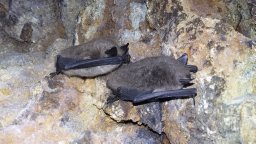 juan luis allendes合作论文数Bioecos EIRL, Santiago, Chile6Clemente Beltran合作论文数5Pascal N. Chaperon合作论文数5Rodrigo M. Barahona-Segovia合作论文数5
 Alberto J. Alaniz合作论文数Centro de Estudios en Ecología Espacial y Medio Ambiente, Ecogeografía, Santiago, Chile.5
 Lenore Fahrig合作论文数Department of Biology, Carleton University5
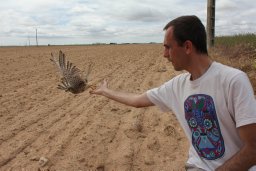 Pablo M. Vergara合作论文数Departamento de Ingeniería Geográfica, Universidad de Santiago de Chile5
 Jose-Luis Nieves-Aldrey合作论文数4
 Oldrich Nedved合作论文数4Edward W. Evans合作论文数4susana reyes合作论文数3marcelo ramirez合作论文数3
 Sandra Viglasova合作论文数Inst Forest Ecol, Slovak Acad Sci3
 Haelewaters Danny合作论文数Department of Organismic and Evolutionary Biology, Harvard University3González Guillermo合作论文数3
 Mary Gardiner合作论文数3
 Isabel Borges合作论文数3
 Alois Honek合作论文数Crop Research Institute3Xaviera De La Vega合作论文数3
 Patricio Pliscoff合作论文数FSD Roman Díaz 390, dpto. 902 Providencia3Peter Zach合作论文数3Jan Kulfan合作论文数3Denise S. Donoso合作论文数3Blas Lavandero合作论文数National Centre for Advanced Bio-Protection Technologies;Lincoln University;National Centre for Advanced Bio-Protection Technologies, Lincoln University3
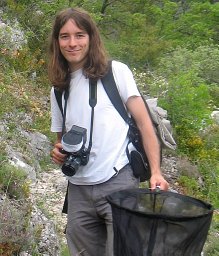 Gilles San Martin合作论文数Recherches en Ecologie;Université de Liège;Institut de Botanique;Institut de Botanique, Université de Liège3
 Andrés Fierro合作论文数Laboratorio de Ecología Aplicada;Universidad Católica de Temuco;Laboratorio de Ecología Aplicada, Universidad Católica de Temuco3Sergio Rothmann合作论文数2Felipe Avila合作论文数2Violeta Romero合作论文数2Ca Moreno合作论文数2
 Cristian F Estades合作论文数2marcela a bustamantesanchez合作论文数2Sandra B. Muriel合作论文数2
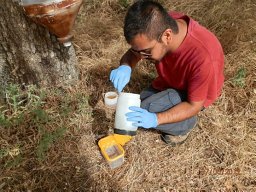 Alfredo Ramírez-Hernández合作论文数Division of Environmental Sciences, Instituto Potosino de Investigación Científica y Tecnológica A.C. (IPICyT),2
 Micó Estefanía合作论文数CIBIO, Univ Alicante2
 Jiri Skuhrovec合作论文数Grp Funct Invertebrate & Plant Biodivers Agroecos, Crop Res Inst2
 Gabriele Rondoni合作论文数Department of Agricultural, Food and Environmental Sciences, University of Perugia2
 Silvio J. Crespin合作论文数Facultad de Ciencias, Universidad de Chile2John Losey合作论文数Entomology, College of Agriculture and Life Sciences, Cornell University2
 Andy G Howe合作论文数2I. Serey合作论文数2
 Thomas Guillemaud合作论文数Biologie des Populations en Interaction, U.M.R. 1112 INRA-UNSA2




