2966 The First 1000 Kidney Paired Donation Transplants through the National Kidney Registry: Characteristics of Donors and Recipients. S. Flechner, N. Turgeon, S. Tullius, M. Cuffy, A. Agarwal, A. Waterman, J. Veale, J. Peipert, E. Treat, S. Kapur, D. Leeser, M. Melcher, J. Sinacore. National Kidney Registry, . Purpose: NKR is a voluntary network of 65 transplant centers in 28 States in the US, focused on the timely transplantation of live donor kidneys through novel computational algorithms that facilitate exchanges of kidneys between centers. Methods: The demographic, immunologic, and clinical data for the fi rst 1000 transplanted donors and recipients was collected from web based databases and individual center contacts. Transplants were done in chains and loops ranging in length from two to 30 (chain total 192, mean 4.7, median 3) that were initiated by Altruistic donors; Age (median 47, range 21-71yrs) and ABO: A 68; B 28; O 92; and AB 4. Transplants were done within centers (181), swaps to local centers <25 miles (58), or the kidneys were shipped (761). The annual growth of transplants was 2008:21; 2009:62; 2010:131; 2011:175; 2012:226; 2013:308; 2014 to date:87. Results: The majority of Transplants were between ABO compatible (97.7%) and crossmatch negative (90.6%) pairs. There were 94 recipients intentionally desensitized with either plasmapheresis, IVIG, thymoglobulin, bortezomib, rituximab, or eculizumab to facilitate transplant. Recipients were racially diverse: AA 15.6%; Hispanic 10.2%; Asian 6%. Recipient Wait Time: from registration cPRA (N) ABO (N) Median (days) Range 0% 1-50% 51-80% 81-95% >95% A: 351 95 19-1073 134 45 50 48 74 B: 189 107 11-1311 92 26 22 28 21 O: 389 145 12-1111 160 74 53 59 43 AB: 71 106 21-482 39 4 10 7 11 Total (1000) 425 149 135 142 149 There were 28% related and 72% unrelated paired donors at entry. The actual donors were Female 61%; Age (median 47, range 20-75 yrs), Left 86.5% vs. Right 13.5% kidneys: Clcreat ml/min; mean 122.5, median 116, range 85-211; U protein ranged between undetectable to 252 mg/day. There were 112 two and 11 three renal artery kidneys. The number of HLA A,B,DR mismatches was mean 3.85; median 4; range 0-6. Kidneys were shipped between 22 states with a cold ischemia time of mean 8.8, median 9, range 2-25 hours. 41.1% of the transplants were pre-emptive. The reported rate of fi rst week dialysis was 4.8%. The annual rate of broken chains declined from 2008:33% to 2013:8% Conclusions: KPD facilitated LD transplantation can be done over wide geographic areas using publicly available transportation. KPD provides life saving care to a diverse transplant population who have immunologic and/or logistic barriers that limit local practice. DISCLOSURE: Sinacore, J.: Employee, National Kidney Registry. Abstract# 2967 Treatment with QPI-1002, a Short Interfering (SI) RNA for the Prophylaxis of Delayed Graft Function. V. Peddi,1 L. Ratner,2 M. Cooper,2 O. Gaber,2 S. Feng,2 P. Tso,2 V. Bowers,2 R. Naraghi,2 K. Budde,2 M. Polinsky,3 E. Squiers,3 S. Erlich,3 Study Investigators Group.2 1CPMC, San Francisco, CA; 2Multiple Institutions; 3Quark Pharmaceuticals, Fremont. Introduction: Delayed graft function (DGF) can adversely affect deceased donor renal transplant outcomes, particularly in recipients of expanded criteria donor (ECD) kidneys. We report fi rst results of a large Phase 2 study with QPI-1002 (NCT#00802347), a siRNA that transiently suppresses p53 mediated apoptosis and that was previously shown to improve outcomes after acute kidney injury and renal transplantation in preclinical models. Methods: 332 patients (pts) were randomized 1:1 to single dose QPI-1002, 10.0 mg/kg IV, or Placebo in doubleblind fashion post-allograft reperfusion. DGF was defi ned as the need for dialysis ≤7 days post-transplant (Tx) (except for dialysis on Day 1 for hyperkalemia or hypervolemia). Pts were prospectively allocated to 4 strata by donor type (ECD or SCD) and preservation [cold-stored (CS) or machine-perfused (MP)]. Estimated cold ischemia time (CIT)>26 hrs was required in all but the ECD/CS stratum. Results: In 327 (164 QPI-1002; 163 Placebo) effi cacy-evaluable pts, mean age, %male, %of African descent, pt weight, BMI, peak %PRA, prior transfusion status, HLA mismatch, mean CIT and donor terminal serum creatinine, % with hypertension and cause of death did not differ between groups (p=ns). Pre-Tx DGF risk was 35% in QPI-1002 and 36% in Placebo pts (p=ns), in whom DGF occurred in 50 (30.9%) and 60 (36.4%; p=0.349). In the largest stratum (ECD/CS, n=177), DGF rates were 27.3% and 39.3% for QPI-1002 (n=88) and Placebo (n=89), respectively (30.5% relative reduction, p=0.111), mean duration of dialysis (13.4 vs 25.3 days) was shorter (p=0.292), mean number of dialysis sessions (6.0 vs 11.2.) was lower (p=0.271); and time-to-fi rst post-Tx dialysis (hazard ratio 0.626, log-rank p=0.045) and mean Day 30 measured (m)GFR (34.8 vs. 21.1 mL/min/1.73 m2, p=0.035) were signifi cantly improved following QPI-1002. The overall safety profi le was consistent with that expected in Tx recipients and similar in both groups. Conclusions: Treatment with QPI-1002 resulted in a relative reduction of DGF and signifi cantly improved time to fi rst dialysis and Day 30 mGFR in the largest stratum (ECD/CS) in this Phase 2 study. QPI-1002 may reduce the need for dialysis in ECDs, possibly due to increased expression of p53 following reperfusion in older kidneys, as has recently been demonstrated in preclinical studies. DISCLOSURE: Budde, K.: Grant/Research Support, Quark Pharmaceuticals. Polinsky, M.: Employee, Quark Pharmaceuticals, Inc. Squiers, E.: Employee, Quark Pharmaceuticals, Inc. Erlich, S.: Employee, Quark Pharmaceuticals, Inc. 2967 Treatment with QPI-1002, a Short Interfering (SI) RNA for the Prophylaxis of Delayed Graft Function. V. Peddi,1 L. Ratner,2 M. Cooper,2 O. Gaber,2 S. Feng,2 P. Tso,2 V. Bowers,2 R. Naraghi,2 K. Budde,2 M. Polinsky,3 E. Squiers,3 S. Erlich,3 Study Investigators Group.2 1CPMC, San Francisco, CA; 2Multiple Institutions; 3Quark Pharmaceuticals, Fremont. Introduction: Delayed graft function (DGF) can adversely affect deceased donor renal transplant outcomes, particularly in recipients of expanded criteria donor (ECD) kidneys. We report fi rst results of a large Phase 2 study with QPI-1002 (NCT#00802347), a siRNA that transiently suppresses p53 mediated apoptosis and that was previously shown to improve outcomes after acute kidney injury and renal transplantation in preclinical models. Methods: 332 patients (pts) were randomized 1:1 to single dose QPI-1002, 10.0 mg/kg IV, or Placebo in doubleblind fashion post-allograft reperfusion. DGF was defi ned as the need for dialysis ≤7 days post-transplant (Tx) (except for dialysis on Day 1 for hyperkalemia or hypervolemia). Pts were prospectively allocated to 4 strata by donor type (ECD or SCD) and preservation [cold-stored (CS) or machine-perfused (MP)]. Estimated cold ischemia time (CIT)>26 hrs was required in all but the ECD/CS stratum. Results: In 327 (164 QPI-1002; 163 Placebo) effi cacy-evaluable pts, mean age, %male, %of African descent, pt weight, BMI, peak %PRA, prior transfusion status, HLA mismatch, mean CIT and donor terminal serum creatinine, % with hypertension and cause of death did not differ between groups (p=ns). Pre-Tx DGF risk was 35% in QPI-1002 and 36% in Placebo pts (p=ns), in whom DGF occurred in 50 (30.9%) and 60 (36.4%; p=0.349). In the largest stratum (ECD/CS, n=177), DGF rates were 27.3% and 39.3% for QPI-1002 (n=88) and Placebo (n=89), respectively (30.5% relative reduction, p=0.111), mean duration of dialysis (13.4 vs 25.3 days) was shorter (p=0.292), mean number of dialysis sessions (6.0 vs 11.2.) was lower (p=0.271); and time-to-fi rst post-Tx dialysis (hazard ratio 0.626, log-rank p=0.045) and mean Day 30 measured (m)GFR (34.8 vs. 21.1 mL/min/1.73 m2, p=0.035) were signifi cantly improved following QPI-1002. The overall safety profi le was consistent with that expected in Tx recipients and similar in both groups. Conclusions: Treatment with QPI-1002 resulted in a relative reduction of DGF and signifi cantly improved time to fi rst dialysis and Day 30 mGFR in the largest stratum (ECD/CS) in this Phase 2 study. QPI-1002 may reduce the need for dialysis in ECDs, possibly due to increased expression of p53 following reperfusion in older kidneys, as has recently been demonstrated in preclinical studies. DISCLOSURE: Budde, K.: Grant/Research Support, Quark Pharmaceuticals. Polinsky, M.: Employee, Quark Pharmaceuticals, Inc. Squiers, E.: Employee, Quark Pharmaceuticals, Inc. Erlich, S.: Employee, Quark Pharmaceuticals, Inc. Abstract# 2968 The First 1000 Kidney Paired Donation Transplants through the National Kidney Registry: Graft Function and Survival Outcomes. E. Treat, J. Peipert, A. Waterman, L. Kwan, S. Connor, M. Melcher, S. Flechner, S. Kapur, D. Leeser, J. Sinacore, J. Veale. National Kidney Registry, Babylon, NY. Purpose: Using data from the National Kidney Registry (NKR), this study aimed to: 1) calculate all cause 1and 3-year allograft and patient survival; 2) describe the prevalence of delayed graft function (DGF) and test its association with cold ischemia time (CIT); and 3) examine the effect of recipient, donor, and transplant characteristics on DGF, graft and patient survival. Methods: Characteristics obtained from the NKR include: age, gender, race, BMI, blood type, panel reactive antibody (PRA), ABO incompatibility, antigen mismatches, preemptive transplant, CIT, swap type, and use of a desensitization protocol. Outcomes include DGF and 1and 3-year allograft and patient survival. All-cause allograft and patient survival were calculated using the Kaplan-Meier method. Associations between all recipient/donor and transplant characteristics and outcomes were examined using multivariable logistic/Cox regressions. Results: Characteristics of the 1005 KPD transplants from February 2008
In May 2003, University of Wisconsin (UW) solution was replaced with Histidine-Tryptophan Ketoglutarate (HTK) solution as the preservation fluid for abdominal organ procurements in our center. Herein we have reported our updated results with HTK in pancreas transplantation. Between May 2003 and October 2006, 152 pancreas transplantations were performed in which 146 used HTK. The procedures were as follows: simultaneous kidney pancreas transplantation (n = 85; 55%), pancreas after kidney transplantation (n = 41; 30%), and solitary pancreas transplantation (n = 20; 15%). Donor and recipient data were collected with primary outcomes as primary nonfunction (PNF), and 30-day and 1-year graft and patient survival. Patient demographics are as follows: age (36 +/- 12 years), gender (males, 89: females, 57), race (white, 135; African American, 11). Mean flush volume was 3.8 +/- 1 L. The mean cold ischemia time was 8 +/- 3 hours. Mean warm ischemia time was 48 23 minutes. There were no cases of PNF in this cohort. Thirty-day and 1-year patient survival rates were 99% and 95%, respectively. The 30-day and 1-year graft survivals rates were 95% and 93%, respectively. There were 10 grafts lost with 7 vascular complications (6 venous and 1 arterial thrombosis). There were 2 cases of chronic rejection and 1 graft lost to noncompliance. These statistics compare favorably with International Pancreas Transplant Registry reported 1-year survival for pancreas allografts. All other patients were insulin independent by discharge. Serum fasting blood glucose and serial amylase remained comparable at all intervals posttransplantation to those of a historical UW cohort. Within this range of cold ischemia times, HTK appears to provide effective pancreas preservation.
Shen, L; Agarwal, A; Turgeon, N; Pearson, T; Larsen, C; Bray, R; Gebel, H; Kirk, A; Kokko, K Author Information
Agarwal, A; Metha, A; Turner, A; Kokko, K; Turgeon, N; Tso, P; Newell, K; Larsen, C; Kirk, A Author Information
Routine use of rabbit antithymocyte globulin (RATG) induction therapy remains controversial in pediatric liver transplantation. We reviewed our experience of 18 cadaveric liver transplants in 18 children over a span of 2 years. All patients received the same immunosuppression: perioperative steroid therapy with taper, 3 doses of RATG, and maintenance therapy of steroids and tacrolimus started on postoperative day 3. Mean follow-up was 2.2 +/- 0.2 years. End-stage liver disease was secondary to biliary atresia in 10 patients (56%) and metabolic disorders in 4 patients (22%). Graft and patient survival were 89%. Serum bilirubin was 1.2 mg/dL, 1.1 mg/dL, 0.5 mg/dL, and 0.5 mg/dL at 1, 3, 6, and 12 months, respectively. The 2 mortalities were secondary to multiple organ system failure. Overall rejection rate was 17% (3/18). Rejection episodes occurred at 4, 6, and 7 months. Two patients were treated with steroids; the third was treated with OKT3. No patient has developed posttransplant lymphoproliferative disease. Serum creatinine was 0.7 mg/dL, 0.6 mg/dL, 0.6 mg/dL, and 0.6 mg/dL at 1, 3, 6, and 12 months, respectively, among surviving patients. In conclusion, our data suggest that RATG induction with steroid and tacrolimus maintenance therapy is safe, easy to use, and effective in the prevention of rejection.
Although University of Wisconsin (UW) solution is the standard preservation solution for organ transplantation, Histidine-Tryptophan Ketogluatarate (HTK) solution has been increasingly used. This study compared HTK or UW for cold static storage of kidney allografts. In all, 149 renal transplants were performed with cold ischemic times (CI) greater than 16 hr (UW 87, HTK 62) and a subset analysis was performed with CI over 24 hr (HTK 31, UW 38). Data from receiving renal transplant centers focused on delayed graft function (DGF), patient and allograft survival. In CI greater than 16 hr, graft and patient survival were comparable. HTK cohort had lower DGF. In CI greater than 24 hr, there was no difference in patient survival, a trend towards improved graft survival in HTK, and decreased rate of DGF in HTK. This data suggests that UW and HTK have at least similar efficacy in kidney preservation at longer ischemic times.
Thymoglobulin (rATG), polyclonal immunoglobulin, is prepared from rabbits immunized with human thymocytes. It is effective in prevention and treatment of renal allograft rejection. Human antibodies against antilymphocyte preparations can reduce efficacy by accelerating drug clearance or by inducing serum sickness. We developed an enzyme-linked immunosorbent assay (ELISA) to study posttreatment development of anti-rATG. In an Institutional Review Board–approved trial, we tested 101 allograft recipients for anti-rATG antibodies. Patients received rATG intravenously at 1.25 to 2.0 mg/kg/d for 2 to 14 days. Serum samples were obtained pretreatment and at weeks 1, 2, 4, 6, and months 3 and 6 post-rATG. ELISA plates were coated with rATG (10 μg/mL). Samples were diluted 1:100 and tested in quadruplicate. Positive samples were titrated. Horseradish peroxidase-conjugated (HRPO) affinity-purified goat anti-human immunoglobulin G (H&L) antibody reacted with bound human antibody. A chromagenic substrate for HRPO was added and optical density (OD, 490 nm) was read. An OD of twice the negative control was considered positive. Mean ODs of negative and positive controls were 0.113 ± 0.030 and 1.042 ± 0.196, respectively. Ten patients had detectable anti-rATG before rATG administration (1:100). Thirty-five of 101 patients (35%) developed anti-rATG antibody. Patients showed an initial positive anti-rATG antibody from days 8 to 59 after infusion and titers from 1:100 to 1:4000. In spite of rATG’s postulated anti-B-cell activity, this study confirms that rATG induces sensitization at a frequency and titer seen with other xenogeneic antilymphocyte antibodies. Formation of such antixenoantibodies can have a negative impact on treatment response and hence warrant monitoring.
Introduction. University of Wisconsin (UW) solution is the standard preservation solution for organ transplantation. Histidine-tryptophan ketogluatarate (HTK) solution has been used increasingly for kidney, pancreas, and liver transplantation. This study compared HTK and UW used during kidney procurement with subsequent pulsatile perfusion.Methods. Between January and October 2003, 91 deceased renal and simultaneous kidney pancreas transplants were performed (UW, n = 41, and HTK, n = 50). There were no differences with regard to donor and recipient demographics or cold ischemia.Results. Delayed graft function occurred in 3 (7%) of UW and 4 (8%) of HTK-preserved kidneys (P = NS). There were no significant differences between patient or graft survival. There was an anticipated difference between total preservative volumes used (HTK: 4.1 +/- 1.0 vs UW: 3.0 +/- 0.5; P < .005).Conclusion. UW and HTK appear to have similar efficacy in kidney preservation with pulsatile perfusion. HTK preservation solution can be used safely in conjunction with pulsatile preservation for cold storage of renal allografts.
The response to primary immunization in patients treated with Rituximab (RIT) is not clear. We studied the in vivo antibody response of chronic renal failure (CRF) patients to the neoantigen bacteriophage phiX174 given alone or after ablation with RIT. Eighteen CRF subjects received two immunizations with phiX174 separated by 6 weeks. Nine subjects received a single dose of RIT. The intensity and immunoglobulin isotype of the antibody response (Kv) were measured post-infusion. In addition, three subjects previously immunized and treated with RIT underwent a third and fourth immunization with phiX174 and a tetanus control 2 years later. RIT significantly decreased peak Kv responses when compared to both historic non-CRF controls and to CRF subjects. CRF itself decreased peak Kv responses compared to non-CRF controls. Percent-ratio of anti-phage IgM to IgG was significantly decreased in RIT treated subjects. One of three subjects treated with RIT was found to have developed a partial B cell tolerance to phiX174 administration 2 years later. RIT decreases antibody production and isotype switching to neoantigens and might be useful to prevent antibody response to therapeutic drugs and to newly transplanted organs.
Background. Although complications involving leaking at the enteric anastomosis site, graft thrombosis, and intraabdominal abscess formation have been well documented after pancreas transplantation, the occurrence of small bowel obstruction in this setting has received scant attention. Although uncommon, intestinal obstruction after pancreas transplantation may have atypical etiologies. In this article, we will review three unusual cases of intestinal obstruction in pancreas transplant recipients. The value of computed tomographic (CT) enteroclysis in equivocal situations in the diagnosis of the obstruction is emphasized. Methods. In this study, we reviewed the posttransplant course of all pancreas transplants performed between July 1, 2002 and June 1, 2004. We specifically focused on all patients that required reexploration for suspected small bowel obstruction at any time after transplantation. Results. A total of 65 pancreas transplants were performed between July 1, 2002 and June 1, 2004. Pancreas graft survival was 97%, and patient survival was 98.5%. Five (7.7%) patients presented with mechanical small bowel obstruction, three of which were secondary to internal herniation of small intestine through a defect posterior to the pancreas allograft. All patients recovered well postsurgically. Discussion. Small bowel obstruction is an uncommon complication after pancreas transplantation. CT enteroclysis in the evaluation of small bowel obstruction may assist the patient care decision-making process by providing information on the location and severity of the obstruction in the clinical situation where conventional abdominal CT and radiography are equivocal. Prompt detection of small bowel obstruction with early surgical intervention can minimize complications and preserve allograft function.
Humanized and chimeric antilymphocyte antibodies (Ab) are used to prevent and treat rejection and for treatment of human disease. Rituximab (RIT, anti-CD20), daclizumab (DAC; anti-CD25), alemtuzumab (ALE; anti-CD52), or infliximab (IFX) may interfere with Ab detection methods such as complement-dependent cytotoxicity (CDC) and flow cytometric crossmatch (FCXM). These agents are recognized as anti-human Ab or fix complement and are not differentiated from anti-allo-Ab. A new enzyme-linked immunosorbent assay crossmatch (XM) utilizing class I and II HLA antigens from donor cells called Transplant Monitoring System (TMS; GTI, Waukesha, Wisc) potentially precludes interference by eliminating non-major histocompatability complex antigens. To test this, normal sera (nonsensitized volunteers) were supplemented with 0.1 or 10 microg/mL of RIT, DAC, IFX or ALE, and were tested using three methods: the TMS T-cell CDCXM with antihuman globulin (AHG); and B-cell CDCXM without AHG; and FCXM with mean channel shifts of 45 and 150 indicating positive T-cell and B-cell crossmatch, respectively. No reactivity occurred with normal sera using any crossmatch technique. At 0.1 and 10 microg/mL, RIT interfered with CDC B-cell, but not T-cell crossmatch. RIT at 10, but not 0.1 microg/mL interfered with B-cell FCXM. No interference occurred with RIT in T-cell FCXM or TMS. ALE interfered with B-cell and T-cell CDC and FCXM but neither class I nor II TMS. DAC did not interfere with CDC or FCXM at 0.1 microg/mL, but gave false positive B-cell FCXM and CDCXM with some samples. No interference by DAC occurred using TMS. TMS may be useful to differentiate de novo donor-specific Ab after treatment with humanized or chimeric Ab.
 Mark D Pescovitz合作论文数18Bk Book合作论文数14
 Richard A Sidner合作论文数14
 Jonathan A Fridell合作论文数Department of Pathology, and §Department of Medicine, University of Pennsylvania;∥Thomas E. Starzl Transplantation Institute, University of Pittsburgh Medical Center;University of Pennsylvania, University of Pittsburgh Medical Center10Ml Milgrom合作论文数7
 Allan Douglas Kirk合作论文数Department of Surgery, Duke University School of Mediane;Duke Cancer Institute, Duke University School of Mediane7
 Christian P. Larsen合作论文数Department of Surgery, School of Medicine, Emory University;Emory Transplant Center, Emory University7
 Nicole A Turgeon合作论文数6Howard Gebel合作论文数School of Medicine, Emory University;Emory Medical Laboratory, Emory University6Ca Vieira合作论文数5Bray Robert A合作论文数5
 Thomas A. Pearson合作论文数Center for Integrative Cardiovascular and Metabolic Disease, University of Florida;Department of Epidemiology, University of Florida5
 Alfred J. Tector合作论文数DeWitt Daughtry Family Department of Surgery, Miller School of Medicine, University of Miami5
 William C Goggins合作论文数5Cm Bearden合作论文数4Kenneth E. Kokko合作论文数4N S Fineberg合作论文数3Rodrigo Vianna合作论文数Miami Transplant Institute, University of Miami Miller School of Medicine3
 Shah Ashesh P合作论文数Department of Surgery, Indiana University School of Medicine3L. Lumeng合作论文数2
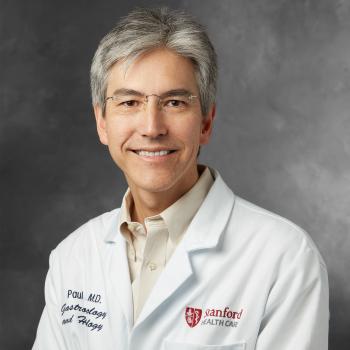 Paul Y. Kwo合作论文数Medicine Department, Stanford University2
 Hans D Ochs合作论文数Center for Immunity and Immunotherapies, Seattle Children's Hospital;Division of Immunology, Department of Pediatrics, University of Washington School of Medicine2Philip Murdock合作论文数2N.G. Higgins合作论文数2
 Richard S. Mangus合作论文数School of Medicine, Indiana University2Neal N. Iwakoshi合作论文数2Np Chalasani合作论文数1J. B. Mendel合作论文数1M Benyunes合作论文数1F. V. Leopardi合作论文数1Rs Filo合作论文数1Young Marquerite合作论文数1A. Joseph Teeter合作论文数1MA Kraus合作论文数1A. P. Turner合作论文数1K. Newell合作论文数1A. Duncan合作论文数1L. Shen合作论文数1A. Winkler合作论文数1Cuffy Madison C合作论文数1Watkins C合作论文数1Weaver T A合作论文数1
 Kenneth Newell合作论文数Department of Surgery, School of Medicine, Emory University1Russell Maria C合作论文数1
 Gregory Martens合作论文数1
 Paul L Tso合作论文数1Treat Eric G合作论文数1Volz M A合作论文数1
 Stuart J. Knechtle合作论文数Children’s Hospital of Atlanta1




