The present study focuses on the relationship between the Five-Factor Model (FFM) of personality (Neuroticism, Extraversion, Openness to Experience, Agreeableness, and Conscientiousness) and self-monitoring, especially Social Skills and Inconsistency.Behaviour genetic methodology was used to determine the extent to which genetic and/or environmental factors contributed to individual differences in self-monitoring and to determine the genetic and/or environmental basis of any relationship between the two self-monitoring subscales as well as between personality and self-monitoring.The sampling frame of the present study is the German Observational Study of Adult Twins (GOSAT) in which self- and peer reports of the German version of the NEO-Pl-R (Ostendorf & Angleitner, 2004) and self-reports of a German version of the self-monitoring scale (Nowack & Kammer, 1987) were collected for 300 mono- and dizygotic twin pairs.Behavioural-genetic analyses showed substantial heritability for personality as well as for self-monitoring. Moreover, the relationship between personality and self-monitoring was partly mediated by genetic influences. (C) 2009 Elsevier Ltd. All rights reserved.
The desires of one sex can lead to deceptive exploitation by the other sex. Strategic Interference Theory proposes that certain "negative" emotions evolved or have been co-opted by selection, in part, to defend against deception and reduce its negative consequences. In Study 1 (N = 217) Americans reported emotional distress in response to specific forms of deception. Study 2 (N = 200) replicated the results in a German sample. Study 3 (N = 479) assessed Americans' past experiences with deception and conducted additional hypothesis tests using a procedure to control for overall sex differences in upset. Each study supported the hypothesis that emotions track sex-linked forms of strategic interference. Three clusters of sex differences proved robust across studies-emotional upset about resource deception, commitment deception, and sexual deception. We discuss implications for theories of mating and emotion and directions for research based on models of antagonistic coevolution between the sexes.
Most people hold beliefs about personality characteristics typical of members of their own and others' cultures. These perceptions of national character may be generalizations from personal experience, stereotypes with a “kernel of truth,” or inaccurate stereotypes. We obtained national character ratings of 3989 people from 49 cultures and compared them with the average personality scores of culture members assessed by observer ratings and self-reports. National character ratings were reliable but did not converge with assessed traits. Perceptions of national character thus appear to be unfounded stereotypes that may serve the function of maintaining a national identity.
The German Observational Study of Adult Twins (GOSAT) is the largest population-based observational twin study in Germany to date. Embedded in the Bielefeld Longitudinal Study of Adult Twins (BiLSAT), it addresses the etiology of personality and cognitive ability in a sample of 300 monozygotic (MZ) and dizygotic (DZ) adult twin pairs between 18 and 70 years of age. A major aim of the GOSAT lies in the utilization of different modes of measurement, i.e. peer reports and observational data in addition to self-reports, which have been used predominantly in past behavioral genetic research on personality in adults. Participants completed a full day assessment at the University of Bielefeld, including videotaped social interactions and presentations, psychometric intelligence tests, and computerized elementary cognitive tasks, as well as objective measures and unobtrusive behavior counts. The research design of the GOSAT was devised to reduce the potential impact of systematic rater bias on estimates of genetic and environmental influences to a minimum. Together with extensive self- and peer report data on personality dimensions available from the BiLSAT, the GOSAT provides a unique multimodal dataset to address the etiology of personality and intelligence. The paper provides an overview of results from GOSAT and BiLSAT to the present day.
As part of the International Sexuality Description Project, 16,954 participants from 53 nations were administered an anonymous survey about experiences with romantic attraction. Mate poaching--romantically attracting someone who is already in a relationship--was most common in Southern Europe, South America, Western Europe, and Eastern Europe and was relatively infrequent in Africa, South/Southeast Asia, and East Asia. Evolutionary and social-role hypotheses received empirical support. Men were more likely than women to report having made and succumbed to short-term poaching across all regions, but differences between men and women were often smaller in more gender-egalitarian regions. People who try to steal another's mate possess similar personality traits across all regions, as do those who frequently receive and succumb to the poaching attempts by others. The authors conclude that human mate-poaching experiences are universally linked to sex, culture, and the robust influence of personal dispositions.
We examined genetic and environmental influences on the scales of the German Eysenck Personality Questionnaire-RS (EPQ-RS) in a sample of 496 monozygotic, 181 same-sex, and 68 opposite-sex dizygotic adult twin pairs. Along with other questionnaires each participant completed the EPQ-RS and was also described by two independent peers on a peer report form of the EPQ-RS. Based on this design it was possible to analyse not only the standard univariate twin model but more powerful multivariate models to estimate the genetic and environmental sources of variance on phenotypic individual differences. Partly because latent variables are error free, the joint analyses of self- and peer report data yielded genetic contributions to phenotypic variance that were substantially higher than typically found in univariate analyses based on self-report data alone (h2=0.67–0.86). These high genetic correlations between self- and peer reports provide evidence for the validity of personality ratings.
The study of patterns in personality structure reveals three replicable prototypes: Resilients, Overcontrollers, and Undercontrollers. The three prototypes were first identified in children using ratings based on the California Child Q‐set (see Block, 1971). Only recently, the three prototypes were replicated in self‐reports on questionnaires intended to assess the Big Five (see e.g. Asendorpf, Borkenau, Ostendorf, & van Aken, 2001). This paper addresses the question of whether the three prototypes are replicable across different data sources. Cluster structures in self‐, peer, and behaviour ratings, all based on the Big Five, were examined in a sample of 600 monozygotic and dizygotic twins ranging in age from 18 to 70 years. The three prototypes could be clearly identified in the self‐reports only, whereas in ratings by others only the Resilient prototype could be replicated. In both peer and behaviour ratings, the second and the third cluster reflected a Non‐desirable and an Average type. The analysis of cross‐data consistency revealed only moderate agreement in assignments of individual subjects to types. The findings suggest that personality types depend strongly on personality measures and informants. Copyright © 2003 John Wiley & Sons, Ltd.
In the present study, we investigated the structural invariance of the Five‐Factor Personality Inventory (FFPI) across a variety of cultures. Self‐report data sets from ten European and three non‐European countries were available, representing the Germanic (Belgium, England, Germany, the Netherlands, USA), Romance (Italy, Spain), and Slavic branches (Croatia, Czech Republic, Slovakia) of the Indo‐European languages, as well as the Semito‐Hamitic (Israel) and Altaic (Hungary, Japan) language families. Each data set was subjected to principal component analysis, followed by varimax rotation and orthogonal Procrustes rotation to optimal agreement with (i) the Dutch normative structure and (ii) an American large‐sample structure. Three criteria (scree test, internal consistency reliabilities of the varimax‐rotated components, and parallel analysis) were used to establish the number of factors to be retained for rotation. Clear five‐factor structures were found in all samples except in the smallest one (USA, N = 97). Internal consistency reliabilities of the five components were generally good and high congruence was found between each sample structure and both reference structures. More than 80% of the items were equally stable within each country. Based on the results, an international FFPI reference structure is proposed. This reference structure can facilitate standardized communications about Big Five scores across research programmes. Copyright © 2003 John Wiley & Sons, Ltd.
This study of 1555 adult mono‐ and dizygotic twins reared together estimates the heritability of temperament traits in a Polish and a German sample. We test whether the etiology of temperament traits differs between the two cultures and between different temperament traits. We assessed temperament traits with the Formal Characteristics of Behaviour–Temperament Inventory (FCB‐TI), the Pavlovian Temperament Survey (PTS), the Revised Dimensions of Temperament Survey (DOTS‐R), and the Emotionality–Activity–Sociability Temperament Survey (EAS‐TS). Taking error of measurement into account, genetic sources of variance explained about 50% of the variance of temperament traits. We found neither reliable cultural differences nor robust differences in the etiology of the traits. However, the four questionnaires differed systematically with respect to the proportion of genetic and environmental influences on their scales. Copyright © 2002 John Wiley & Sons, Ltd.
There are several reported associations between depressive disorders, panic disorder, and obsessive–compulsive disorder (OCD) and a variety of polymorphisms in the monoamine oxidase A ( MAOA ) gene. Associations have also been reported between the catechol‐O‐methyltransferase ( COMT ) gene and both OCD and bipolar depression. However, the role of these markers has not been explored for the personality trait of neuroticism (N), a normally distributed quantitative trait, which is highly genetically correlated with anxiety and depression and may be a vulnerability to either type of disorder. We explored the possible role of MAOA, COMT, and their interaction on N using a selected extremes design. From a sample of 2,085 individuals, each assessed for N by two independent peers rather than using self‐report questionnaires, we selected 57 individuals from the top 10% of scores, and 62 individuals from the bottom 10%. Using selected extreme low subjects as the controls, rather than an unselected control group gives roughly twice the power of a standard case‐control design. We typed a functional variable number tandem repeat (VNTR) in the MAOA gene promoter, and a functional polymorphism in the coding region of the COMT gene. Two novel alleles in the MAOA VNTR were identified on the basis of their size, and their structure examined by sequencing analysis. We found weak evidence for association with COMT genotype, when the females and males were considered separately, and for MAOA genotype in males only. There was no significant interaction between COMT and MAOA. © 2003 Wiley‐Liss, Inc.
Recent studies have suggested a role of two polymorphisms of the dopamine D4 receptor gene (DRD4 exon III and –521C/T) in the modulation of personality traits such as ‘novelty seeking’ or ‘extraversion’, which are supposed to be modulated by individual differences in dopaminergic function. However, several replication studies have not provided positive findings. The present study was performed to further investigate whether DRD4 exon III and –521C/T are associated with individual differences in personality. One hundred and fifteen healthy German volunteers completed the NEO-Five-Factor Inventory (NEO-FFI) and were genotyped for the two DRD4 polymorphisms. We found no association between DRD4exon III and –521C/T, respectively, and estimated novelty seeking, NEO-FFI extraversion or other personality factors. Our findings are in line with several earlier studies which have failed to replicate the initial association results. Hence, our data do not provide evidence for a role of DRD4 exon III and the –521C/T polymorphism in the modulation of novelty seeking and extraversion.
The relation between sociability and positive affect is one of the most often replicated results of research on personality and subjective well-being. It is shown how behavior genetics can contribute to our understanding of the covariance between sociability and positive emotionality. The results of a multimethod behavior-genetic study with 158 monozygotic and 120 dizygotic twins are reported. In this study, sociability and two components of positive emotionality (positive affect, energy) were assessed by self-report and other report. Additionally, positive state affect was assessed in five situations and aggregated across situations. The results showed that there are strong genetic correlations between all variables. Furthermore, there are substantive correlations between the nonshared environmental components of the different variables. Shared environmental influences, however, seemed to be unimportant for explaining the correlations between sociability and the different components of positive emotionality. The results are discussed with respect to their implications for future research on sociability and positive emotionality.
Implicit theories about the malleability of human attributes have proven to be valuable predictors of cognitions, affects, and behavior in the field of achievement motivation and social judgments (see Dweck, 1999). Implicit theories in the sense used by Dweck distinguish between the belief that human attributes are fixed (entity theory) or malleable (incremental theory). The present study examined to what extent implicit theories are related to personality and intelligence. A sample of 592 adults completed self-report measures of implicit theories and the Big Five factors of personality as well as two short forms of intelligence tests. The results support the notion that implicit theories about the malleability of personality and intelligence are largely unrelated to actual personality and intelligence. Thus, the results represent further evidence for the high discriminant validity of the implicit theories construct.
The German Observational Study of Adult Twins (GOSAT) is the largest population-based observational twin study in Germany to date. Embedded in the Bielefeld Longitudinal Study of Adult Twins (BiLSAT), it addresses the etiology of personality, temperament and cognitive ability in a sample of 300 monozygotic (MZ) and dizygotic (DZ) adult twin pairs between 18 and 70 years of age. A major aim of the GOSAT lies in the utilization of different modes of measurement, (i.e., peer reports and observational data), in addition to self-reports which have been used predominantly in past behavioral genetic research on personality and temperament in adults. Participants completed a full day assessment at the University of Bielefeld including videotaped social interactions and presentations, psychometric intelligence tests and computerized elementary cognitive tasks as well as objective measures and unobtrusive behavior counts. The research design of the GOSAT was devised to reduce the potential impact of systematic rater bias on estimates of genetic and environmental influences to a minimum. In combination with extensive self- and peer report data on key personality and personality related dimensions available from the BiLSAT, the GOSAT provides a rich dataset, which currently includes DNA samples from 80% of its participants.
The equal environments assumption suggests that the environment does not contribute more strongly to the similarity of monozygotic (MZ) compared to dizygotic (DZ) twins. It was tested in 525 MZ, 200 same-sex DZ, and 68 opposite-sex DZ twin pairs. Almost 80% of the twins were female, and their age varied widely around a mean of 32 years. Similarity of twin environments was assessed by a self-report questionnaire on childhood experiences, and personality resemblance was measured using the self-report and peer-report versions of the NEO-Five-Factor Inventory. MZ twins reported more similar experiences than DZ twins and were also more alike in personality. Across twin pairs, however, treatment similarity was unrelated to personality resemblance, except in the combined group of MZ and DZ twins. These results are consistent with the equal-environments assumption.
Multivariate genetic analyses were applied to the six facets defining each of the five personality domains (Neuroticism, Extraversion, Openness to Experience, Agreeableness, and Conscientiousness) assessed by Costa and McCrae's Revised NEO Personality Inventory (NEO-PI-R). The analyses are designed to partition the observed covariance of facets defining each domain into their genetic and environmental bases to determine the basis for their coherence as a domain. The analyses were applied separately to a sample of 253 identical and 207 fraternal twin pairs from Canada and 526 identical and 269 fraternal pairs from Germany. Results showed that each of the NEO-PI-R domains is composed of multiple genetic and environmental factors common to the facets supporting the observed coherence of the NEO-PI-R facet sets. Differences between the German and Canadian sample appeared limited to the magnitude of the genetic and environmental effects on each facet, but not the number or type of genetic and environmental influences.
We objectively assessed motor activity level in a community sample of 300 adult monozygotic and dizygotic twin pairs as part of the German Observational Study of Adult Twins (GOSAT). The participants carried motion recorders (actometers) over a period of approximately 6 h to assess limb movements while engaging in a variety of tasks. Behavioral genetic analyses of an actometer composite score (ACS) suggested moderate genetic influence (a2=0.40) and no shared environmental influences on this objective measure of activity. Furthermore, ACS showed small to moderate meaningful and significant relations to several activity-related temperament dimensions assessed via self- and peer reports. A series of bivariate analyses yielded mixed results with regard to genetic and environmental influences on the covariation between objectively assessed activity and self-reported temperament.
 Rainer Riemann合作论文数Department of Psychology, Bielefeld University18
 Frank M Spinath合作论文数Department of Psychology, Saarland University15
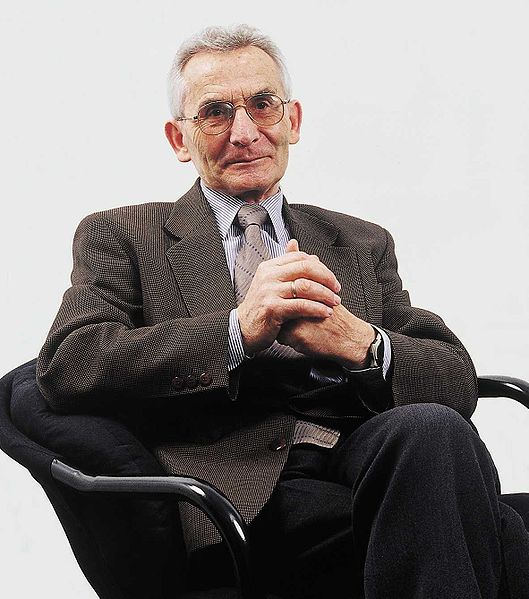 Jan Strelau合作论文数Warsaw School of Social Sciences and Humanities7
 Fritz Ostendorf合作论文数Department of Psychology, University of Bielefeld7
 Peter Borkenau合作论文数6
 Kerry L. Jang合作论文数Department of Psychiatry, Faculty of Medicine, University of British Columbia4
 Willibald Ruch合作论文数Psychologisches Institut, Universität Zürich4W John Livesley合作论文数4
 David M Buss合作论文数Department of Psychology, College of Liberal Arts, University of Texas at Austin4Heike Wolf合作论文数4Martina Hrebickova合作论文数3
 Robert Mccrae合作论文数Gerontology Research Center, National Institute on Aging, National Institutes of Health3m d avia合作论文数2M. Munyae合作论文数2Vs Rus合作论文数2J Georgas合作论文数2
 M. L. Sanchez-Bernardos合作论文数Facultad de Psicología, Universidad Complutense de Madrid2
 Khoury Brigitte合作论文数2
 Filip De Fruyt合作论文数Department of developmental, Personality and Social Psychology, Faculty of Psychology and Educational Sciences, Universiteit Gent/Lowlands Assessment Systems2
 Jüri Allik合作论文数Department of Psychology, University of Tartu2
 Denis Bratko合作论文数Department of Psychology, University of Zagreb2
 Ruth Falzon合作论文数2
 Marilyn P. Safir合作论文数Department of Psychology, University of Haifa2Lidia Alcalay合作论文数2M. Arif Ghayur合作论文数2
 Peter B. Smith合作论文数School of Psychology, University of Sussex2Jamin Halberstadt合作论文数University of Otago2
 Janos Nagy合作论文数Faculty of Animal Science, University of Kaposvár2
 Juko Ando合作论文数Faculty of Letters, Keio University2l adamovova合作论文数1S YAMAGATA合作论文数1E. Diener合作论文数1R Diaz-Loving合作论文数1t vanhoomissen合作论文数1I Daibo合作论文数1george rudinger合作论文数1R. Sookdew合作论文数1V. S. Pramila合作论文数1Pd Trapnell合作论文数1maritza montero合作论文数1kuoshu yang合作论文数1Glaucia Ribeiro Starling Diniz合作论文数Instituto de Psicologia, Universidade de Brasília1D. Moya合作论文数1R Schmitz-Scherzer合作论文数1I Luksik合作论文数1miroslav popper合作论文数1K. Fernando合作论文数1PA VERNON合作论文数1shulamith kreitler合作论文数1




