OBJECTIVE:Valid, reliable, and low-cost tools to assess pain can enhance quantitative pain assessment in multiple settings. Therefore, we assessed the technical validity, concurrent validity, reliability, and treatment sensitivity of the Egyptian algometer, which is a low-cost pain assessment tool. We also examined clinicians' inter- and intra-rater reliability with this device. METHODS:Technical validity of the algometer was tested by comparing the algometer to German standard weights. We tested (concurrent validity and reliability of the algometer in young healthy participants (n = 20, 27.31 ± 4.13 years), treatment sensitivity in 9 participants with discogenic sciatica (45.11 ± 14.77 years), and inter- and intra-rater reliability of 3 physical therapists who conducted all the tests. A combination of intra-class correlation coefficients (ICC(2,1) and ICC (2,3)) and Bland-Altman plots were used for all the analyses. RESULTS:The Egyptian algometer (i) demonstrated a force bias of ≤ ±3% versus standard German weights; (ii) showed excellent concurrent validity and reliability (ICC > 0.9) versus Wagner algometer, and (iii) inter-and intra-rater reliability (r > 0.9) for the standard acupuncture points. The Egyptian algorithm was sensitive to capture treatment changes across different body acupuncture points in patients with discogenic sciatica (range SEM = 0.22 to 0.41; p = 0.008 to 0.021; and 95% CI = -0.176 to -2.275; Cohen's d = 0.29-0.39). DISCUSSION:The Egyptian algorithm is a low-cost, valid, and reliable device to assess pain in healthy young adults. Additionally, the Egyptian algorithm can effectively capture pain treatment response in individuals with discogenic sciatica.
Introduction: Recent evidence suggests that subjective feelings of mental energy (ME), mental fatigue (MF), physical energy (PE), and physical fatigue (PF) are unique and overlapping biological correlates. This exploratory study aimed to identify unique and overlapping proteomic markers and their associated pathways for ME, MF, PE, and PF. Methods: Participants (n=10) completed a 3-day protocol with saliva samples collected at multiple time points, including pre- and post-fatigue (Day 2). Trait and state levels of ME, MF, PE, and PF were assessed each day, and absolute and relative changes in mood and proteomic markers were calculated. Top 1% of proteomic markers were identified using a genetic algorithm with Random Forest Regressor, followed by Community Louvain network analysis and STRING-based protein–protein interaction analysis. Results: Our analysis identified unique and overlapping proteomic markers for each of the 4 moods. The PTP analysis revealed that energy was associated with ATP generation (p<0.001), activation (p=0.003) and regulation of adaptive immunity (p<0.001), and markers of cardiac myopathy (p=0.028) while fatigue was associated with catabolism (p=0.008), oxidative stress, innate immunity (p<0.001), and necroptosis. Conclusions: Consistent with prior research, the results highlight the distinct biological profiles of energy and fatigue, supporting their assessment as separate mental and physical state and trait moods.
Four ultra-endurance athletes (3M/1F) navigated ~800 km via trekking, biking, and paddling using topographical maps and compass, sleeping ~6 h each. Mood, cognitive performance, and heart rate variability were measured at baseline (PRE), post-race (POST), and 18-h post-race (POST18). Decreased anxiety (ΔMdn = 6.5, p = 0.047) along with increased fatigue (ΔMdn = 13.5, p = 0.02) and confusion (ΔMdn = 5.5, p = 0.02) at POST, and improved reaction time (ΔMdn = 0.12 ms, p = 0.04) at POST18 were observed. Findings suggest that extreme exertion and acute sleep-deprivation can elevate psychological stress; however, improvements 18-h post-race indicates recovery. Findings may have applications for professionals operating under extreme stress, e.g., military, healthcare professionals, disaster response, and elite sport.
BackgroundRates of social disconnectedness and depression have intensified in recent years. Yet, little is known about how they relate to one another across different age groups. This study assessed the relationship between social disconnectedness and depressive symptoms among U. S. adults of varying ages using an internet-delivered survey data collected between November 2021 and January 2022 from a non-probabilistic national sample of 2,496 employed adults aged 18–89 years.MethodsParticipants completed Upstream Social Interaction Risk Scale (U-SIRS-13) and the Patient Health Questionnaire short version (PHQ-2). Within each of five age groups (18–29, 30–39, 40–49, 50–59, 60+), descriptive statistics and Pearson’s r correlations were calculated for U-SIRS-13 and PHQ-2. Subsequently, logistic regression models were fitted to assess the relationship between the U-SIRS-13 and PHQ-2 (a score of 3 or greater indicated possible depression), controlling for sociodemographic covariates.ResultsThe prevalence of possible depression among participants was 31.6%, which ranged from 46.8% (ages 18–29) to 10.5% (ages 60+). U-SIRS-13 and PHQ-2 had significant associations in all age groups (Pearson’s r range: 0.283–0.275, p < 0.001). Holding sociodemographic covariates constant, higher U-SIRS-13 scores were consistently associated with increased odds of possible depression across age groups (Odds Ratio range: 1.24–1.50, p < 0.001). While possible depression was more prevalent among younger age groups (18-29 and 30-39), the relationship between social disconnectedness and possible depression was stronger among older age groups (40–49, 50–59, and 60+).ConclusionThis finding supports that regardless of age, individuals who experience higher levels of social disconnectedness are more likely to have possible depression Coordinated efforts are needed to address depressive symptomology and facilitate meaningful interactions with others in all age groups.
Background/Objectives: The benefits of physical activity (PA) do not depend on the PA level alone but also on sedentary behavior (SB). The interaction between PA and SB (i.e., PA–SB interplay) is important to determine one’s health status. This study explored the effect of PA–SB interplay on balance and gait in healthy young adults. Methods: Healthy young adults (n = 133, 18–35 yrs) were placed in four PA–SB interplay groups (according to their sitting duration and physical activity duration) using the American College of Sports Medicine PA guidelines (i.e., sedentary active [>6 h/day, >150 min/week], sedentary inactive [>6 h/day, <150 min/week], physically active [<6 h/day, >150 min/week], and physically inactive [<6 h/day, <150 min/week]). In this cross-sectional study, participants’ balance and gait were assessed with inertial measurement units placed on seven bodily sites. In this exploratory study, significance level was set at p < 0.1. Results: Sway acceleration RMS during the eyes closed on stable surface balance test showed a statistically significant difference among the PA–SB interplay groups (p = 0.055) which was found between sedentary active and physically inactive (p = 0.066). Anticipatory postural adjustment (APA) duration during gait showed a statistically significant difference (p = 0.010) which was found between sedentary inactive and physically active (p = 0.019) and between sedentary active and physically active (p = 0.026). Conclusions: PA–SB interplay influences static (sway acceleration RMS) and dynamic (APA duration) balance of healthy young adults. Findings suggest that somatosensory processing during balance and gait initiation are significantly impacted by PA–SB interplay.
Purpose This study applied an informatics-focused, unsupervised learning framework (finite mixture modeling) to determine whether distinct clusters of coexisting conditions among patients with coronavirus disease 2019 (COVID-19) are associated with multiple (reinfection) versus single infections. Methods We analyzed 42,974 patient records containing COVID-19 diagnoses using an machine learning classification algorithm to identify comorbidity profiles. Of nearly 850 recorded conditions, 29 were retained if they occurred in at least 5 % of the sample. We then compared patients with single versus multiple COVID-19 diagnoses within each profile. Results Three comorbidity profiles emerged. The first profile (Minimal Comorbidity) was the largest (67 % of sample) and was characterized by few additional conditions. Patients classified into this profile were also 20–30 years younger, on average, than members of the other profiles. The second (Elevated Select Comorbidity) profile consisted of 24 % of the sample and was characterized by moderate-risk factors such as hypertension, hyperlipidemia, and acute respiratory failure. The third (High Comorbidity Burden) third was represented by 9 % of the sample and was characterized by conditions related to cardiovascular, renal, endocrine, and respiratory systems. Among the high-burden group, 30 % experienced reinfection, versus only 9 % in the minimal group. Overall, patients with more extensive cardiometabolic or pulmonary conditions were more likely to experience repeated infection. Conclusions By identifying and characterizing comorbidity clusters, this informatics-based approach offers deeper insight into COVID-19 reinfection dynamics. The findings may support targeted prevention, data-driven resource allocation, and precision medicine strategies by highlighting subgroups at elevated risk. Moreover, the unsupervised modeling framework is potentially adaptable to other multifactorial conditions, underscoring its broader utility in medical informatics.
Introduction:At present only about half of Americans meet the recommended physical activity (PA) guidelines. Theoretically personality traits, encompassed by grit and resilience, should be beneficial to overcome common barriers to PA participation. To systematically review synthesized literature regarding the relationship between grit, resilience, and PA outcomes. Methods:The search methodology adhered to the Preferred Reporting Items for Systematic Review and Meta-Analyses (PRISMA) guidelines. Study eligibility criteria included peer-reviewed studies with healthy adult participants, where a reported relationship between PA and either grit or resilience existed. Study quality was evaluated with the Appraisal Tool for Cross-Sectional Studies (AXIS) and a qualitative synthesis was performed. Results:A total of 33 studies involving diverse participants (n = 37,370) across age, sex, culture, education, and PA outcomes met the inclusion criteria. The methodological quality of studies was rated as good on average. Most of the studies found positive relationships between grit, resilience, and PA outcomes, such as adherence, intensity, and performance in competitive settings. Conclusion:Cumulatively, the findings suggest that personality traits of grit and resilience play a significant role in supporting PA engagement, with individuals exhibiting higher levels being more likely to participate in regular PA and achieve better performance outcomes. Given that most studies employed cross-sectional designs, future research is needed to elucidate whether a causal relationship exists between grit, resilience, and PA. These findings may have practical applications for designing interventions aimed at fostering these traits to enhance PA adherence and overall health. Systematic Review Registration:https://www.crd.york.ac.uk/PROSPERO/view/CRD42022370061, identifier CRD42022370061.
Background: There is a critical need for feasible, non-equipment based, safe, and cost-effective exercise interventions to promote muscle strength, dynamic postural balance, and independent mobility in adolescents with cerebral palsy (CP) or spina bifida (SB). Objectives: This study aimed to examine the feasibility and preliminary response of a novel exercise program: Functionally Loaded High-Intensity Circuit Training (FUNHIT) and conventional High-Intensity Circuit Training (HIT) in adolescents with CP/SB. Methods: Enrolled participants were allocated to FUNHIT or HIT or Controls in our randomized control trial. The interventions were delivered 2×/week × 4 weeks. Feasibility was assessed through process, operational, and scientific metrics. Outcome measures included maximum walking speed, Four Square Step Test (FSST), Timed Up and Go (TUG) and its dual-task variants, Lateral Step-Up Test (LSUT), Fear of Falling (FoF) and physical activity (PA) questionnaires. Results: We tested 5 participants (1 CP, 4 SB) in our study. Recruitment and retention rates were acceptable (63% enrollment, 100% retention and adherence). FUNHIT (n = 2) participants showed improvements in maximum walking speed (8–12%), FSST (15–29%), LSUT (22–33%), and TUG (4%). The HIT participant (n = 1) demonstrated improved TUG dual-task performance (40%) and FSST (30%) only. Control participants (n = 2) had varied changes (from 0–24%) in mobility, strength, balance. No adverse events were reported. Participants successfully followed (100%) the prescribed exercise dosage over the four-week period. Conclusions: FUNHIT and HIT are feasible and safe interventions for adolescents with ambulatory CP and SB who retain motor function, showing promising preliminary improvements in muscle strength, dynamic balance, and independent mobility. Our findings need to be validated in larger samples.
Self-management of depressive symptoms is influenced by co-morbidity, social support, and health-related behaviors. Men are less likely to discuss depressive moods and seek healthcare. This study examines factors associated with depressive symptoms among non-Hispanic Black and Hispanic men ages ≥40 years with ≥1 chronic condition in the U. S. Data from 1,907 non-Hispanic Black (n = 1,117) and Hispanic (n = 790) males with chronic conditions were analyzed using logistic regression to assess depressive symptoms, identified as a Patient Health Questionnaire-2 score ≥3. One model was fitted for all men, then separate models were fitted for non-Hispanic Black and Hispanic men, respectively. The models adjusted for sociodemographic, disease characteristics, health status, social engagement and support, and lifestyle behaviors. In the full model, Hispanic men (OR = 1.39, p = 0.017) and those taking more medications (OR = 1.10, p = 0.010) were more likely to have depressive symptoms. Social disconnection (OR = 1.65, p < 0.001), reliance on others for health management (OR = 1.04, p < 0.001), limited activity due to health (OR = 3.15, p < 0.001), self-care barriers (OR = 1.16, p < 0.001), healthcare frustration (OR = 1.13, p < 0.001), prolonged sitting (OR = 1.01, p = 0.030), and tobacco use (OR = 1.56, p = 0.002) increased likelihood of depressive symptoms. Common and unique factors associated with depressive symptoms were identified in models for non-Hispanic Black and Hispanic men, respectively. Findings highlight the dynamic interplay between depressive symptoms, social engagement, and lifestyle behaviors among non-Hispanic Black and Hispanic men with complex disease profiles. Efforts are needed to address depressive symptomatology through self-managing conditions, strengthening supportive networks, and alleviating burdens associated with healthcare interactions.
Maximal oxygen consumption (V̇O2max) is an important measure of aerobic fitness, with applications in evaluating fitness, designing training programs, and assessing overall health. While treadmill assessments are considered the gold standard, airbikes (ABs) are increasingly popular exercise machines. However, limited research exists on AB-based V̇O2max assessments, particularly regarding agreement with treadmill graded exercise tests. To address this gap, a randomized crossover study was conducted, involving 15 healthy adults (9M, 6F, 7 familiar with AB) aged 30.1 ± 8.6 years. Paired t-tests, intraclass correlation coefficients (ICC), Bland-Altman and Principal component (PC) analyses were used to assess agreement between protocols. The results demonstrated good to excellent agreement in V̇O2max, maximum heart rate (HR), and rating of perceived exertion (ICC range: 0.89-0.92). However, significant differences were observed in several measures, including V̇O2max and maximum HR (p < 0.01). Overall a systematic bias 3.31 mL/kg/min (treadmill > AB, 95%CI[1.67,4.94]) was observed, no proportional bias was present; however, regular AB users (systematic bias: 1.27 (95%CI[0.20,2.34]) mL/kg/min) exhibited higher agreement in V̇O2max measures compared to non-regular users (systematic bias: 5.09 (95%CI[3.69,6.49]) mL/kg/min). There were no significant differences in cardiorespiratory coordination, between the AB and the treadmill. These findings suggest that for individuals familiar with the AB, it can be a suitable alternative for assessing V̇O2max compared to the treadmill. Future research with larger samples should focus on developing prediction equations for field AB tests to predict V̇O2max. Practitioners should consider using the AB to assess V̇O2max in individuals who prefer it over running.
Rates of social disconnectedness and depression have intensified in recent years. Yet, little is known about how they relate to one another across different age groups. This study assessed the relationship between social disconnectedness and depressive symptoms among U.S. adults of varying ages using an internet-delivered survey data collected between November 2021 and January 2022 from a national sample of 2,496 employed adults aged 18-89 years. Participants completed Upstream Social Interaction Risk Scale (U-SIRS-13) and the Patient Health Questionnaire short version (PHQ-2). Within each of five age groups (18-29, 30-39, 40-49, 50-59, 60+), descriptive statistics and Pearson’s r correlations were calculated for U-SIRS-13 and PHQ-2. Subsequently, logistic regression models were fitted to assess the relationship between the U-SIRS-13 and PHQ-2 (a score of 3 or greater indicated possible depression, requiring further screening), controlling for sociodemographic covariates. The prevalence of possible depression among participants was 31.6%, which ranged from 46.8% (ages 18-29) to 10.5% (ages 60+). PHQ-2 and U-SIRS-13 had significant correlations in all age groups (Pearson’s r range: 0.283-0.275, P<0.001). Holding sociodemographic covariates constant, higher U-SIRS-13 scores were consistently associated with increased odds of possible depression across age groups (Odds Ratio range: 1.24-1.50, P<0.001). While possible depression was more prevalent among younger age groups (18-29 and 30-39), the relationship between social disconnectedness and possible depression was stronger among older age groups (40-49, 50-59, and 60+). Given this association, coordinated efforts are needed to simultaneously treat depressive symptomology and facilitate meaningful interactions with others.
 Matthew Lee Smith合作论文数College of Public Health, The University of Georgia30
 Joel Martin合作论文数Sports Medicine Assessment, Research & Testing (SMART) Laboratory School of Kinesiology, George Mason University26
 Bert H. Jacobson合作论文数18
 Rebecca Martin合作论文数14
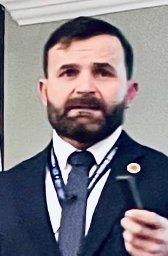 Andreas Stamatis合作论文数Dept Exercise & Nutr Sci, SUNY Coll Plattsburgh13
 Chelsea Yager合作论文数12
 Fulk George D合作论文数Dept Phys Therapy, Clarkson Univ10
 Nelson Cortes合作论文数10
 Shane V. Caswell合作论文数George Mason University;University of Southern Mississippi10Emily Locke合作论文数9Ryan McCarthy合作论文数9
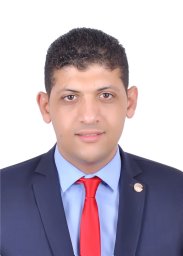 Ahmed Ali Torad合作论文数8
 Erica Jansen合作论文数Department of Nutritional Sciences, School of Public Health, University of Michigan-Ann Arbor8
 Mondal Sumona合作论文数Department of Mathematics, Clarkson University8
 Zacharias Papadakis合作论文数8Doug Smith合作论文数7
 Timothy Baghurst合作论文数Department of Health Science;Dance University of Arkansas;Department of Health Science, Dance University of Arkansas7
 Ahmed Mahmoud Kadry合作论文数6Aurora Goodwin合作论文数6
 Mostafa Ali Elwan合作论文数6Italia Milani合作论文数Dept Psychol, Clarkson Univ6
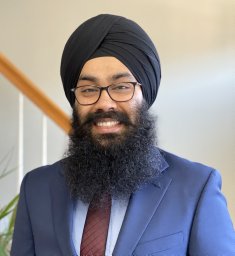 Rumit Singh Kakar合作论文数Dept Human Movement Sci, Oakland Univ6Crishel Kline合作论文数6Maggie Stark合作论文数5
 Kwadwo O. Appiah-Kubi合作论文数Dept Phys Therapy, Clarkson Univ5
 Bergeron Caroline D合作论文数Department of Health Promotion, Education, and Behavior, University of South Carolina5
 Grant Morgan合作论文数5
 Haikun Huang合作论文数Fujian Electric Power Test and Research Institute, Fujian Electric Power Test and Research Institute5
 Ashley L. Merianos合作论文数Health Promotion and Education, University of Cincinnati5Lap-Fai Yu合作论文数4Christina Vogel-Rosbrook合作论文数4Daniel T Fuller合作论文数4Jeremy Lackman合作论文数4Abby Avolio合作论文数4Holly Bronson合作论文数4
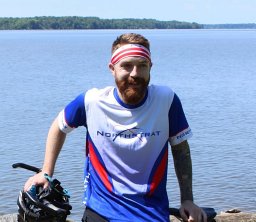 Bryndan Lindsey合作论文数Appl Phys Lab, Johns Hopkins Univ4Dylan Bradley合作论文数4
 Sur Shantanu合作论文数Laboratory for Memory and Learning, RIKEN Brain Science Institute4John Larue合作论文数3Seema Teymouri合作论文数3Phylicia Taladay合作论文数3Jeri Reid合作论文数3christopher towler合作论文数3Mike Toczko合作论文数3Will Roszel合作论文数3Stephanie Grobe合作论文数3Jenna Ryan合作论文数3
 Matthew J. Manierre合作论文数Dept Humanities & Social Sci, Clarkson Univ3
 Cassandra Brower合作论文数Iowa State University3




