Human motor control emerges from the integrated activity of muscles, spinal circuits and cortical and subcortical brain structures. While simultaneous electroencephalographic and electromyographic recordings offer a powerful approach to assess the neuromuscular function across multiple levels, high-quality cortical measurements during dynamic whole-body movements remain technically challenging. In this study, we evaluated the feasibility and reproducibility of somatosensory evoked potentials (SEPs) recorded during V2 skate-skiing. We also examined whether cortical responses are modulated across specific sub-phases of the skiing cycle. Fourteen amateur skiers (13 males, 38 ± 8 years old) performed indoor treadmill skiing while receiving supramaximal electrical stimulation of the right tibial nerve at four timings of the gliding phase of the skiing cycle. The experimental protocol was repeated twice, 2 days apart, and it involved the simultaneous recording of wireless EEG, EMG and ski-mounted forces. Our findings indicated a robust cortical response in terms of amplitude and cortical location of the peak SEPs. SEP amplitudes demonstrated a moderate to excellent between session reproducibility (ICC > 0.83, Spearman r > 0.52) with no effect of the skiing cycle sub-phases (p > 0.05), indicating that electrically evoked SEPs primarily reflect low-level cortical processing of somatosensory afference that is minimally influenced by the ongoing motor-related cortical activity. This experimental design enables the characterization of sensorimotor integration during a whole-body dynamic task, offering new insights into the cortical mechanisms supporting skilled locomotor performance.
A 91-yr-old female set the W90+ world record in the 200-m sprint in 2024, surpassing her previous record by 1.13 s. This study characterized her cardiorespiratory fitness, skeletal muscle oxidative capacity, fiber-type distribution, capillarization, and satellite cells and compared these outcomes, where possible, to published reference data. Cardiorespiratory responses were assessed during a ramp cycling test to exhaustion, and muscle oxidative capacity (mV̇o2) was determined using near-infrared spectroscopy during repetitive arterial occlusions. Fiber-type distribution, cross-sectional area, capillarization, satellite cell content and localization, and mitochondrial respiratory capacity were analyzed in a vastus lateralis biopsy. Peak oxygen uptake (V̇o2peak) was 23 mL·kg-1·min-1 at 98 W, with a maximal heart rate of 141 beats·min-1 and cardiac output of 13.6 L·min-1. The mV̇o2 recovery rate constant (k) was 1.83 min-1. Fiber composition was 57% fast MyHC II fibers (50% IIa, 5% IIa-IIx, and 2% IIx), 38% slow MyHC I fibers, and 5% hybrid I-IIa fibers. MyHC I fibers were larger, more vascularized, and had satellite cells located closer to capillaries [4,267 ± 2,181 μm2; 1.67 individual capillary-to-fiber ratio (C/Fi), 5.58 capillaries × 1,000 μm-1 capillary-to-fiber perimeter exchange index (CFPE), 1.8-µm satellite cell-to-capillary distance] than MyHC II fibers (2,752 ± 1,608 μm2; 1.03 C/Fi, 4.00 capillaries × 1,000 μm-1 CFPE and 10.4 µm, respectively). Mitochondrial O2 flux was 58 and 68 pmol·(s·mg)-1 during coupled and uncoupled respiration, respectively. The athlete's cardiorespiratory and oxidative capacity resembled those of females in their 50s or younger. Collectively, her large, well-vascularized slow fibers, high proportion of fast fibers, and preserved muscle oxidative capacity likely contributed to her world record performance, illustrating the remarkable plasticity of skeletal muscle even in very advanced age.NEW & NOTEWORTHY We report an in vivo and ex vivo characterization of cardiorespiratory fitness and muscle oxidative capacity in a 91-yr-old female who holds the W90+ 200-m world record. She exhibited a high muscle oxidative capacity and a muscle fiber profile with large, well-vascularized slow fibers and a relatively high proportion of fast fibers. These findings suggest that components of the oxygen transport and utilization system can be well-preserved into very advanced age in a lifelong sprinter.
A 91-yr-old female set the W90+ world record in the 200 m sprint in 2024. We characterized her neuromuscular function, fatigability, denervation markers, and single-fiber contractile properties, and, where possible, compared these outcomes with published reference data. Knee extensor muscle architecture, force, power, fatigability, and motor unit (MU) behavior were assessed in vivo, and a vastus lateralis biopsy was analyzed for single-fiber contractile properties and markers of denervation. Quadriceps cross-sectional area was 36.5 cm2, with fascicle length, pennation angle, and muscle thickness of 6.7 cm, 11.6°, and 1.4 cm, respectively. Knee extensor maximal voluntary isometric contraction (MVIC) torque was 79 Nm, power was 28 W, and power declined by 43% during a 4-min fatiguing task. MU recruitment threshold was 12 ± 11% of MVIC. Single-fiber absolute and specific force were 0.88 ± 0.19 mN and 114 ± 10 kN/m2 for myosin heavy chain (MyHC) I and 0.74 ± 0.23 mN and 171 ± 23 kN/m2 for MyHC IIa fibers. Less than 1% of fibers were positive for the denervation marker neural cell adhesion molecule (NCAM), no fibers expressed embryonic MyHC, and ∼1% of MyHC II fibers expressed neonatal MyHC. In vivo muscle size, force, power, and fatigability were largely within the range for individuals one decade younger. MU behavior was comparable with individuals 20 yr younger. MyHC I fibers produced greater absolute force than reported in untrained young females and females in their eighth decade, whereas MyHC II fiber force was lower because of smaller fiber size. Denervation markers were less prevalent than typically reported at this age. Collectively, these findings illustrate the heterogeneous effects of aging on different features of neuromuscular function, even in an elite older female sprint athlete.NEW & NOTEWORTHY We report in vivo neuromuscular function, single-fiber mechanics, and denervation markers in a 91-yr-old female who holds the W90+ 200 m world record. Despite reduced muscle size, force, and power, as well as pronounced fast-fiber atrophy, markers of denervation were similar to those in young females and single-fiber force in slow fibers was preserved. Together, these data highlight the differential effects of lifelong sprint training and aging on neural versus muscular components of the neuromuscular system.
The integration of high-density surface electromyography with ultrasound-transparent electrodes (HDsEMG-US) and B-mode ultrasonography enables concurrent assessment of motor unit (MU) firing properties and fascicle length (FL) from the same muscle region. Although the isometric relations between MU discharge, FL, and torque have been characterized, their interactions during anisometric contractions remain poorly understood. This study examined MU discharge behavior and its relation with FL changes during shortening and lengthening contractions of the tibialis anterior muscle. Ten healthy males performed isokinetic dorsiflexion contractions at a constant angular velocity of 2°/s while maintaining a constant submaximal torque of 25% maximum voluntary contraction torque, measured at a long muscle-tendon length (∼30° of plantarflexion), with HDsEMG-US signals and ultrasound images recorded simultaneously. MUs were identified using blind-source separation decomposition and FL was tracked with an optical flow algorithm. Cross-correlation analysis revealed high associations between cumulative spike train (CST), FL, and torque in both contraction phases. Neuromechanical delays were significantly longer during lengthening than shortening (phase effect: F1,7 = 8.51, P = 0.023; mean difference: -25.04 ms, 95% CI: -45.35 to -4.74). Discharge rate changed at a similar rate with variations in FL during both shortening and lengthening contractions (similar discharge rate-FL slopes, P = 0.44); however, absolute discharge rates were systematically lower during lengthening (difference in intercepts: P < 0.0001). These findings demonstrate the feasibility of HDsEMG-US for characterizing neuromechanical coupling during dynamic contractions and provide new evidence of neural drive regulation during shortening and lengthening muscle actions.NEW & NOTEWORTHY Using ultrasound-transparent high-density surface EMG, we simultaneously measured motor unit discharge and tibialis anterior fascicle length during shortening and lengthening contractions. Discharge rate was linearly related to fascicle length changes during both contraction types. However, when considering the same level of fascicle shortening between contractions, discharge rates were systematically lower during lengthening, and neuromechanical delays were prolonged, consistent with length-dependent adjustments in contractile properties. These findings provide new evidence of neuromechanical coupling during anisometric contractions.
The assessment of body composition and neuromuscular performance provides valuable information for the clinical management of athletes and diverse patient populations. This protocol describes the combined use of a multifrequency bioelectrical impedance analyzer and a force analyzer to obtain biomarkers of muscle mass and function. The bioelectrical impedance analyzer measures the body's impedance to alternating electrical currents at selected frequencies, enabling the estimation of body composition parameters. The force analyzer detects vertically applied forces during sit-to-stand movements, including single, two-times, or three-times chair stand tests, allowing the evaluation of neuromuscular performance. Both assessments are simple to perform, noninvasive, and provide results quickly through automatically generated reports. The combined analysis of body composition and neuromuscular performance offers a practical approach for characterizing physical performance in athletes and functional and health status in clinical populations. This protocol may facilitate routine monitoring and support individualized training, rehabilitation, and clinical management strategies and outcomes.
Aging is associated with neuromuscular decline, but how sex modulates motor unit adaptations across adulthood remains unclear. This study examined age- and sex-related differences in motor unit firing behavior in young (YG), middle-aged (MA), and older (OLD) adults by integrating high-density surface EMG decomposition with assessments of muscle morphology and daily physical activity. Linear mixed-effects models revealed significant effects of age and sex on mean firing rate: females showed higher rates than males at 30% maximal voluntary contraction (MVC) in YG and MA groups, but not in OLD, and no sex differences were observed at 50% MVC. Firing-rate variability was consistently higher in females. During force-increasing contractions, OLD adults showed reduced motor unit discharge modulation; in early-recruited units, reductions were significant in OLD females relative to both YG and MA females, while males showed reductions across both early- and late-recruited units. Males exhibited greater muscle thickness, cross-sectional area, and maximal torque, and daily physical activity was lower in OLD participants. These findings indicate that neuromuscular aging is associated with reduced discharge-rate modulation and a convergence of motor unit behavior between sexes in older age. Physical activity may contribute, underscoring the importance of sex-sensitive strategies to preserve neuromuscular function.
In this study, we contend the firing properties of motor units change due to nonphysiological sources. We specifically ask whether changes in the fibular nerve length, without a concurrent change in tibialis anterior architecture, affect motor unit firing and recruitment strategies. We tested this hypothesis based on high-density surface electromyograms (EMGs) collected from the tibialis anterior of 18 healthy young adults for two hip postures, flexed and extended. To control for changes in peripheral nerve length, conduction time between electrical stimulation and generation of compound action potentials in extensor digitorum brevis was measured for the two hip postures during rest. Motor units were decomposed from EMGs obtained during sustained isometric dorsiflexion at 10% of the maximal voluntary contraction (MVC), and during ramp isometric contractions up to 20% MVC. Individual motor unit firings were identified and tracked between the two postures. Nerve conduction time was significantly shorter in hip flexed than in hip extended posture (P < 0.01), suggesting that peripheral nerve was stretched in the flexed hip posture. MVC torque was not different between flexed and extended postures (P = 0.254). Motor unit firing rates during sustained contraction at 10% of MVC, and during ramp-up contraction to 20% of MVC were significantly lower during flexed hip posture than during extended hip posture (P < 0.05). Hip flexion posture, which likely result in a stretching of the fibular nerve, was observed to reduce the average firing rate of active motor units during relatively low contractions.NEW & NOTEWORTHY Peripheral nerve condition can affect motor unit activations. Sciatic and fibular nerves are stretched by ankle dorsiflexion, knee extension, and hip flexion. Hip flexion posture, which likely result in a stretching of the fibular nerve, was observed to reduce the average firing rate of active motor units during relatively low contraction. Proximal joint posture, which does not directly influence muscle architecture, should be considered to interpret neural input properties.
Understanding how to precisely program resisted sprinting to enhance sprint phase-based adaptations is an important yet underexplored topic. This pilot study examined the impact of high-load sled-resisted sprint training when varying distance and repetitions for the same overall volume on acceleration capabilities and performance. Twenty under-19 national-level rugby players were divided into 2 groups, performing sprint sets of short or long distances over an 8-week intervention. Resistance (similar to 50% individual maximal velocity decrement, through load-velocity profiling) and overall volume (distance x repetitions) were equated across groups. Preintervention and postintervention testing included 10, 20, and 30 m split times, and acceleration-speed profiles to characterize maximal acceleration and speed capacities. The main effects of group, time, and their interaction were assessed using linear mixed-effects models, with the athletes as random effects, and subsequent analyses of variance. Statistically significant large mean effects were observed across for 10 m split times, maximal theoretical acceleration, and the slope of the acceleration-speed profile (omega-squared = 0.19-0.34, p < 0.044). No significant group or interaction effects were observed for any variables (p > 0.05). The findings align with existing research suggesting that high-load resisted sprinting specifically enhances acceleration capabilities. The absence of clear differences in training outcomes between the groups may be attributed to the similarity of stimuli, indicating a need for greater variation in volume distribution (e.g., increased distances per repetition) to discern effects. However, our results imply that acceleration performance improvements might be less sensitive to volume distribution variations than expected, allowing practitioners flexibility in their programming within this study's parameters.
OBJECTIVES:To examine the structural, metabolic, and functional trajectories of neuromuscular decline in aging and identify key mechanisms and early biomarkers to guide interventions preserving function and independence. DESIGN:The TRAJECTOR-AGE project is a prospective, longitudinal cohort study conducted over 2 years across multiple centers in Italy. SETTING AND PARTICIPANTS:Community-dwelling, physically and cognitively healthy middle-aged (50-60 years) and older (> 70 years) adults are recruited. Individuals with significant comorbidities (e.g., diabetes, neurological disorders, severe heart failure) are excluded. MEASUREMENTS:Participants undergo comprehensive clinical and physiological evaluations every 6 months, including assessments of geriatric status, body composition, cardiovascular function, and neuromuscular performance. Imaging includes periodic quadriceps ultrasound and annual multiparametric MRI to assess muscle volume and fat infiltration. Biological samples (blood, urine and Vastus lateralis muscle biopsy) are collected yearly to evaluate inflammatory, metabolic, and neuromuscular biomarkers. EXPECTED RESULTS:By integrating clinical, functional, and molecular data over time, the TRAJECTOR-AGE study aims to clarify the pathophysiological mechanisms underlying neuromuscular decline, capture inter-individual variability, and explore the influence of habitual physical activity on aging trajectories. CONCLUSIONS:This multidimensional approach may enable earlier identification of individuals at risk for functional decline and inform the development of targeted preventive or therapeutic interventions to promote independence and healthy aging.
Ultrasonography is a widely used technique for assessing muscle morphology by tracking fascicle length and pennation angle during contraction. In the last two decades, numerous automatic methods for fascicle tracking have been developed, but the majority of them were designed for static or well-controlled dynamic contractions, with limited applicability to unconstrained tasks, such as locomotion. The automatic fascicle tracking during these movements poses significant challenges, as out-of-plane movements of the fascicles can compromise their visibility in the bidimensional ultrasound image. In this study, we propose a semi-automatic tracking algorithm specifically designed to track fascicles during unconstrained cyclic movements. The approach integrates a frequency processing pipeline to enhance the visibility of the structures of interest and a supervision module specifically introduced to reduce tracking inaccuracies. We applied this method to ultrasound videos of the medial gastrocnemius in four subjects during walking. We then analyzed potential associations between gait phases and tracking errors relative to manual tracking. The results demonstrated the feasibility of the introduced tracking approach and a tendency of greater error occurrence during the stance-swing transition resulting from a diminished fascicle visibility.
OBJECTIVE:To investigate how stimulus orientation, intensity, and interstimulus interval (ISI) in paired-pulse transcranial magnetic stimulation (TMS) influence the spatial activation of motor evoked potentials (MEPs) in forearm flexor muscles. METHODS:Paired-pulse paradigms were applied to the motor cortex using multi-coil TMS (mTMS) to control the stimulus parameters electronically without coil repositioning. MEP spatial activation was recorded with a high-density surface electromyography (HDsEMG) grid over the forearm muscles. Conditioning stimuli (CS) were delivered at anterior-to-medial (0°) and posterior-to-medial (90°) orientations and 70-90 % of resting motor threshold (rMT), followed by test stimuli (TS) at 0° and 110 % rMT. ISIs of 0.5 and 8 ms probed neuronal refractoriness and intracortical facilitation, respectively. RESULTS:MEPs were facilitated at 8-ms and suppressed at 0.5-ms ISI. At 0.5 ms, changing CS orientation from 0° to 90° reduced suppression. Increasing CS intensity shifted activation centroids medially in most cases. Centroids were more medial at 8 ms and more lateral at 0.5 ms. CONCLUSIONS:TMS pulse orientation, intensity, and ISI systematically affect the magnitude and spatial activation of forearm muscles. SIGNIFICANCE:Our findings highlight the utility of mTMS-HDsEMG in probing neurophysiological mechanisms of corticomotor control with important diagnostic and therapeutic clinical implications.
For individuals with motor complete spinal cord injury (SCI), previous works have shown that spared motor neurons below the injury level can still be voluntarily controlled. In this study, we investigated the behavior of these neurons after SCI by analyzing neural and spatial properties of individual motor units using high-density surface electromyography (HDsEMG) and ultrasound imaging. The dataset for this study is based on motor unit data from our previous work (Oliveira et al. Brain 147: 3583-3595, 2024). Eight participants with chronic motor complete SCI and twelve uninjured controls attempted multiple hand movements, guided by a virtual hand, while we recorded forearm muscle activity. We analyzed the common synaptic input to motor neurons with a factorization method and found two dominant motor unit modes in both the SCI and control groups. Each mode was strongly correlated with the virtual hand's flexion or extension movements. The delay between flexion and extension movements and the motor unit modes was similar between groups, suggesting preserved common input to motor neurons after SCI. We classified motor units into task-modulated or nonmodulated (i.e., tonic or irregularly firing) based on their discharge patterns and phase difference with virtual hand kinematics and found a higher proportion of nonmodulated motor units in the SCI group. At the motor unit action potential level, we found larger motor unit territories after SCI. Finally, we observed distinct movements of paralyzed muscles with concurrent HDsEMG and ultrasound imaging, indicating the presence of highly functional motor units with distinct spared territories after SCI.NEW & NOTEWORTHY Here, we observed a similar pattern of motor unit activation during attempted hand movements in individuals with complete SCI, who cannot move their fingers, and in a control group, who performed the prescribed movements. Despite differences in individual motor unit behavior between these groups, such as a higher proportion of nonmodulated motor units in SCI, movement intention can still be decoded from paralyzed muscles.
PURPOSE:Functional electrical stimulation (FES) has been documented to provide invaluable, therapeutic effect. The success of FES applications relies on the positioning of stimulation electrodes closely to the muscle motor points. During joint movement, however, motor points may shift as the muscle length changes. Using an objective procedure to define motor points, we assessed how much and how relevantly knee extensors' motor point location changes with joint angle. METHODS:Current pulses were applied over 121 (11 × 11) equally spaced stimulation sites, determined according to the size and boundaries of the three superficial knee extensors of 17 healthy subjects. Five consecutive monophasic pulses (100 µs, 1pps) were delivered at each site for two knee joint angles (40° and 115°) and two intensities (120 % of motor threshold and maximum tolerable). The average peak torque greater than 60 % of the maximum torque was used to identify motor points across sites. The centroid of motor point clusters-motor zones-was considered to assess motor point displacement and peak torque for different knee joint angles. RESULTS:Significant centroid shifts were observed distally (2.5 % displacement; p < 0.031) and medially (4.4 % shift; p < 0.021), representing ∼ 1 cm shifts in both directions, when going from 40° to 115° of knee flexion. Mean differences in peak torque between joint angles were negligible, however, amounting to less than 2 % of maximal voluntary torque. CONCLUSION:The displacement of quadriceps motor points with knee position changes is of negligible practical relevance for justifying a variable position of stimulation electrodes in FES protocols.
Skeletal muscle hemodynamic parameters of 59 volunteers from two age groups (middle-aged and old) and two training levels were measured using Time-Domain Near-Infrared Spectroscopy. Significant differences were observed with training status, but not with age. (c) 2025 The Author(s)
Ageing is associated with neuromuscular decline, and emerging evidence suggests that sex may influence the time course of motor unit adaptations. This study examined age- and sex-related differences in motor unit firing behaviour across young (YG), middle-aged (MA), and older adults (OLD), by integrating high-density EMG motor unit analysis with muscle morphology and daily physical activity measurements. The analysis of single motor unit activity during submaximal isometric contractions of the vastus lateralis revealed that older adults had lower firing rates and a reduced capacity to modulate discharge frequency during force-increasing contractions. In the YG and MA groups, females showed higher motor unit firing rates and variability than males, while in OLD these sex differences were no longer present. Females also demonstrated a steeper decline in firing rate modulation between MA and OLD. Reductions in muscle cross-sectional area and thickness were similar between sexes. Physical activity levels declined with age in both sexes. These findings reveal distinct, sex-specific trajectories of neuromuscular ageing, with females showing greater motor neuron function decline between MA and OLD, in the absence of sex-related differences in the rate of morphological deterioration. The attenuation of sex differences in older age suggests a convergence of neuromuscular profiles with ageing. While physical activity may contribute to the observed sex-specific patterns, other mechanisms related to hormonal shifts warrant further investigation. These insights underscore the importance of considering age and sex in the study of motor control and in the development of targeted interventions to preserve muscle function across the lifespan.
Children with Cerebral Palsy (CP) exhibit less-selective, simplified muscle activation during gait due to injury of the developing brain. Abnormal motor unit recruitment, altered excitation-inhibition balance, and muscle morphological changes all affect the CP electromyogram. High-density surface electromyography (HDsEMG) has potential to reveal novel manifestations of CP neuromuscular pathology and functional deficits by assessing spatiotemporal details of myoelectric activity. We used HDsEMG to investigate spatial-EMG distribution and temporal-EMG complexity of gastrocnemius medialis (GM) muscle during treadmill walking in 11 adolescents with CP and 11 typically developed (TD) adolescents. Our results reveal more-uniform spatial-EMG amplitude distribution across the GM in adolescents with CP, compared to distal emphasis in TD adolescents. More-uniform spatial-EMG was associated with stronger ankle co-contraction and spasticity. CP adolescents exhibited a non-significant trend towards elevated EMG-temporal complexity. Homogenous spatial distribution and disordered temporal evolution of myoelectric activity in CP suggests less-structured and desynchronized recruitment of GM motor units, in combination with muscle morphological changes. Using HDsEMG, we uncovered novel evidence of atypical spatiotemporal activation during gait in CP, opening paths towards deeper understanding of motor control deficits and better characterization of changes in muscular activation from interventions.
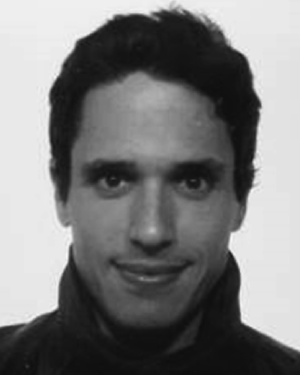 Vieira Taian M合作论文数Escola de Educação Física e Desportos, Universidade Federal do Rio de Janeiro;Laboratorio di Ingegneria del Sistema Neuromuscolare, Politecnico di Torino;Laboratorio di Ingegneria del Sistema Neuromuscolare, Universidade Federal do Rio de Janeiro57
 Roberto Merletti合作论文数Biomedical Engineering at the Dept of Electronics, Politecnico di Torino34
 Minetto Marco A合作论文数30
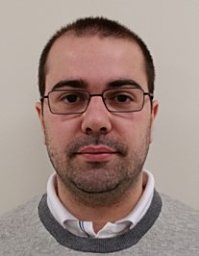 Giacinto Luigi Cerone合作论文数PoliToBIOMed Lab, Politecn Torino20
 Marco Gazzoni合作论文数20
 Marco Carbonaro合作论文数Politecnico di Torino14
 Emma F. Hodson-Tole合作论文数School of Applied Physiology, Georgia Institute of Technology13
 Harri Piitulainen合作论文数Neuromuscular Research Center, University of Jyväskylä13
 Dario Farina合作论文数Department of Bioengineering, Faculty of Engineering, Imperial College London11
 Kristen M Meiburger合作论文数Biolab, Politecnico di Torino8
 Enrico Rejc合作论文数Department of Biomedical Sciences and Technologies, University of Udine8
 Laura Gastaldi合作论文数7
 Awad Almuklass合作论文数Department of Integrative Physiology, University of Colorado;and Department of Basic Medical Sciences, King Saud bin Abdulaziz University for Health Sciences;University of Colorado, King Saud bin Abdulaziz University for Health Sciences7
 Roger M. Enoka合作论文数Department of Integrative Physiology, College of Arts and Sciences, University of Colorado Boulder;Center for Neuroscience, College of Arts and Sciences, University of Colorado Boulder7
 Fabio Lanfranco合作论文数7Alessandra Giangrande合作论文数6G L Cerone合作论文数6
 Silvia Seoni合作论文数Polito(BIO)Med Lab, Politecnico di Torino6
 Mirco Floreani合作论文数6
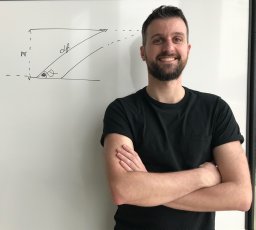 Martino V. Franchi合作论文数6
 Aleš Holobar合作论文数LSPO - System Software Laboratory, Faculty of Electrical Engineering and Computer Science, University of Maribor;Institute of Computer Science, Faculty of Electrical Engineering and Computer Science, University of Maribor6Marco Alessandro Minetto合作论文数6
 Stefano Lazzer合作论文数Department of Biomedical Sciences and Technologies, University of Udine6Landon D Hamilton合作论文数5
 Nicola A. Maffiuletti合作论文数Varia;Human Performance Lab, Schulthess Clinic5
 Simone Porcelli合作论文数Istituto di Bioimmagini e Fisiologia Molecolare, CNR5d de grandis合作论文数4
 Roberta Ravenni合作论文数4Daniele Borzelli合作论文数4
 Fulvio Lauretani合作论文数Department of Clinical and Experimental Medicine, University of Parma;School of Geriatrics, University of Parma4
 Stefano Pastorelli合作论文数Department of Mechanics – Politecnico di Torino, Torino, Italy4
 Rebecca Re合作论文数4Leah A Davis合作论文数3Francesco Negro合作论文数3Francesco Saverio Violante合作论文数3
 Chiara Busso合作论文数3
 Ian D Loram合作论文数Manchester Metropolitan Univ, Inst Biomed Res Human Movement & Hlth, Manchester M15 6BH, Lancs, England3
 Janne Avela合作论文数Faculty of Sport and Health Sciences, University of Jyväskylä3
 Rado Pisot合作论文数3Bonfiglioli R合作论文数Azienda Ospedaliero-Universitaria di Bologna, Università di Bologna3
 Mani Diba合作论文数Department of Integrative Physiology, University of Colorado;and.;Department of Integrative Physiology, University of Colorado3
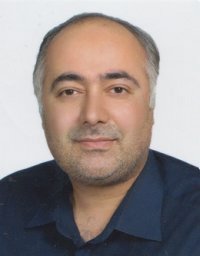 Hamid Reza Marateb合作论文数Faculty of Engineering, University of Isfahan3Pietro E. Di Prampero合作论文数3
 Maria Cristina Bisi合作论文数Department of Electronics, Computer Sciences and Systems, University of Bologna3
 Corrado Cescon合作论文数Center for Sensory-Motor Interaction (SMI),, Aalborg University3
 Andrea D'Avella合作论文数Department of Brain and Cognitive Sciences;Massachusetts Institute of Technology;Department of Brain and Cognitive Sciences, Massachusetts Institute of Technology3Giuseppe Massazza合作论文数3
 Deborah Falla合作论文数School of Sport, Exercise and Rehabilitation Sciences, College of Life and Environmental Sciences, University of Birmingham3
 Annalisa Bonfiglio合作论文数Dipartimento di Ingegneria elettrica ed elettronica, Università degli Studi di Cagliari;Istituto Universitario di Studi Superiori, Pavia3




