We performed a post hoc analysis of the Systolic Hypertension in the Elderly Program database to assess the incidence of atrial fibrillation in the elderly hypertensive population, its influence on cardiovascular events, and whether antihypertensive treatment can prevent its onset. The Systolic Hypertension in the Elderly Program was a double-blind placebo-controlled trial in 4736 subjects with isolated systolic hypertension aged ≥60 years. Atrial fibrillation was an exclusion criterion from the trial. Participants were randomly assigned to stepped care treatment with chlorthalidone and atenolol (n=2365) or placebo (n=2371). The occurrence of atrial fibrillation and cardiovascular events over 4.7 years as well as the determination of cause of death at 4.7 and 14.3 years were followed. Ninety-eight subjects (2.06%) developed atrial fibrillation over 4.7 years mean follow-up, without significant difference between treated and placebo groups. Atrial fibrillation increased the risk for: total cardiovascular events (RR 1.69; 95% CI 1.21 to 2.36), rapid death (RR 3.29; 95% CI 1.08 to 10.00), total (RR 5.10; 95% CI 3.12 to 8.37) and nonfatal left ventricular failure (RR 5.31; 95% CI 3.09 to 9.13). All-cause and total cardiovascular death were significantly increased in the atrial fibrillation group at 4.7 years (HR 3.44; 95% CI 2.18 to 5.42; HR 2.39; 95% CI 1.05 to 5.43) and 14.3 years follow-up (HR 2.33; 95% CI 1.83 to 2.98; HR 2.21; 95% CI 1.54 to 3.17). Atrial fibrillation increased the risk for total cardiovascular events, rapid death, and left ventricular failure. All-cause mortality and total cardiovascular mortality were significantly increased in hypertensives with atrial fibrillation at 4.7 and 14.3 years follow-up.
No previous study has examined the importance of right ventricular pacing as a risk factor for the development of heart failure (HF) in subjects without a history of HF. A cohort study of patients who underwent initial pacemaker implantation (n = 11,426) was conducted to test the hypothesis that patients with ventricular dyssynchrony created by permanent pacing would develop HF, as shown by new HIF hospitalizations or HF-related deaths, at a higher rate than matched controls. (C) 2005 by Excerpta Medica Inc.
Diuretic-based antihypertensive therapy is associated with the development of diabetes but with improved clinical outcomes. It has been proposed that the duration of clinical trials has been too short to detect the adverse effects of diabetes. We assessed the long-term mortality rate of subjects in the Systolic Hypertension in the Elderly,Program (n = 4,732) who were randomized to stepped-care therapy with 12.5 to 25.0 mg/day of chlorthalidone or matching placebo. If blood pressure remained above the goal, atenolol or matching placebo was added. At a mean follow-up of 14.3 years, cardiovascular (CV) mortality rate was significantly lower in the chlorthalidone group (19%) than in the placebo group (22%; adjusted hazard ratio [HR] 0.854, 95% confidence interval [CI] 0.751 to 0.972). Diabetes at baseline (n 799) was associated with increased CV mortality rate (adjusted HR 1.659, 95% CI 1.413 to 1.949) and total mortality rate (adjusted HR 1.510, 95% CI 1.347 to 1.693). Diabetes that developed during the trial among subjects on placebo (n = 169) was also associated with increased CV adverse outcome (adjusted HR 1.562, 95% CI 1.117 to 2.184) and total Mortality rate (adjusted HR 1.348, 95% CI 1.051 to 1.727). However, diabetes that developed among subjects during diuretic therapy (n = 258) did not have significant associations with CV mortality rate (adjusted HR 1.043, 95% CI 0.745 to 1.459) or total mortality rate (adjusted HZ 1.151, 95% CI 0.925 to 1.433). Diuretic treatment in subjects who had diabetes was strongly associated with lower long-term CV mortality rate (adjusted HR 0.688, 95% CI 0.526 to 0.848) and total mortality rate (adjusted HR 0.805, 95% CI 0.680 to 0.952). Thus, chlorthalidone-based treatment improved long-term outcomes, especially among subjects who had diabetes. Subjects who had diabetes associated with chlorthalidone had no significant increase in CV events and had a better prognosis than did those who had preexisting diabetes. (C)2005 by Excerpta Medica Inc.
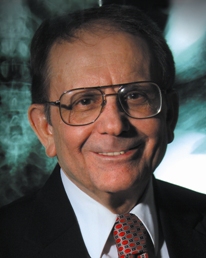 John B. Kostis合作论文数Robert Wood Johnson University Hospital - New Brunswick48
 Cr Lacy合作论文数20Rc Goldstein合作论文数20PT KUO合作论文数19Ae Moreyra合作论文数18Nora Cosgrove合作论文数Cardiovascular Institute, Rutgers Robert Wood Johnson Medical School17J Lawrence-Nelson合作论文数12
 Mark A. Espeland合作论文数Cardiovascular Sciences Center, Wake Forest University;Divisions of Gerontology and Geriatric Medicine and Public Health Sciences, School of Medicine, Wake Forest University12Daniel M. Shindler合作论文数Department of Medicine, University of Medicine and Dentistry of New Jersey–Robert Wood Johnson Medical School11R Ranjan合作论文数8Bahnson Judy L合作论文数7RS Freudenberger合作论文数6RG Subraya合作论文数6Kostis William J合作论文数6S Folmar合作论文数6YH Shao合作论文数5
 Paul K. Whelton合作论文数Celia Scott Weatherhead School of Public Health & Tropical Medicine, Tulane University5Zh Liang合作论文数4
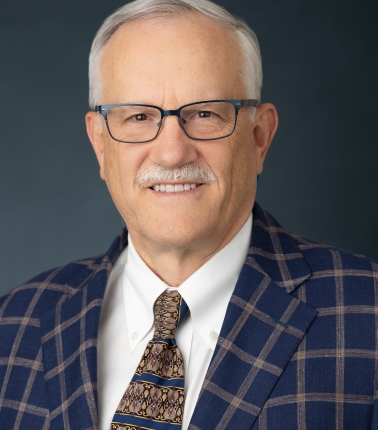 Lawrence J. Appel合作论文数Bloomberg School of Public Health, Johns Hopkins University;Division of Cardiovascular and Clinical Epidemiology, School of Medicine, Johns Hopkins University4
 Lawrence Appel合作论文数Welch Center for Prevention, Epidemiology, and Clinical Research, Johns Hopkins University4Clifton R. Lacy合作论文数4Td Vagaonescu合作论文数3AR CONN合作论文数3Za Abbud合作论文数3JA CUTLER合作论文数3
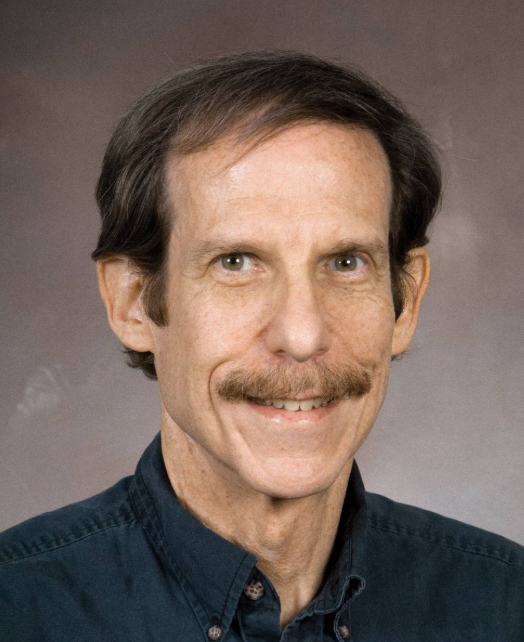 Barry R. Davis合作论文数Departmrnt of Biostatistics, School of Public Health, University of Texas Health Science Center at Houston;Coordinating Center for Clinical Trials, University of Texas Health Science Center at Houston;Texas Heart Institute3
 Shiriki K. Kumanyika合作论文数Department of Biostatistics and Epidemiology, Perelman School of Medicine, University of Pennsylvania3Claire S. Philipp合作论文数3C Suciu合作论文数3Tudor Vagaonescu合作论文数Cardiovascular Research Foundation, Lenox Hill Heart and Vascular Institute3
 Radu Deac合作论文数3R C Rosen合作论文数2S Kumanyika合作论文数2S Wassertheil-Smoller合作论文数2Nemat O. Borhani合作论文数2Aj Burlando合作论文数2Linda Easter合作论文数2Jb Kostis合作论文数2Jd Curb合作论文数2Gg Rhoads合作论文数2DE EDELMAN合作论文数2P Gregory合作论文数2GP GUTHRIE合作论文数2Barran L R合作论文数2Chelton S合作论文数2David M. Reboussin合作论文数2W. Dallas Hall合作论文数2
 Jonathan S. Stamler合作论文数Institute for Transformative Molecular Medicine, Case Western Reserve University;Harrington Discovery Institute, University Hospitals Case Medical Center;University Hospitals of Cleveland2




