The chemical composition of stellar atmospheres provides a valuable window into the complex processes of stellar nucleosynthesis. Among chemically peculiar cool stars, many objects are the products of mass transfer in binary systems, including most carbon stars, CH stars, and CEMP-s and CEMP-r/s stars. Accurate and precise determinations of heavy-element abundances in these systems serve as powerful tracers of neutron-capture nucleosynthesis operating in the slow (s) and intermediate (i) regimes. Such measurements also place important constraints on binary evolution, mass-transfer mechanisms, the onset of early s-process enrichment, and the astrophysical sites and production pathways associated with the i-process. In this work, we investigate the origin of the extremely metal-poor star HE 1005-1439, which has previously been suggested to exhibit a surface composition enriched by a combination of s- and i-process nucleosynthesis. Using new multi-zone, detailed AGB models for both the s- and i-processes, we find that a mixed i+s scenario provides a plausible explanation for the observed abundance pattern of HE 1005-1439, although a pure i-process AGB model yields an almost equally satisfactory fit.
We investigate whether the first discovered fluorine-rich CEMP-no star, CS 29498−043, can be explained by a very metal-poor rotating massive star. We consider single rotating stellar models of 20 M_⊙ at a metallicity of Z = 10^-5 , exploring initial rotation rates from υ _ini/υ _crit = 0 to 0.7 in increments of 0.1 ( 0<υ _ini<644 km s ^-1 ). Rotational mixing enhances the production of light elements in the H–He layers, including fluorine. The ejected material can be nitrogen-rich without being fluorine-rich, whereas fluorine-rich ejecta are always predicted to be nitrogen-rich. The model providing the best fit to the abundances of CS 29498−043 is the υ _ini/υ _crit = 0.6 model ( υ _ini = 547 km s ^-1 ), which reproduces C, N, O, Na, Mg, and Al within the observational uncertainties. However, the predicted [F/Fe] =2.8 exceeds the observed value of [F/Fe] =2.0 ± 0.4 . By simultaneously varying the ^15 N( α ,γ ) ^19 F and ^19 F( α ,p ) ^22 Ne reaction rates within their acceptable ranges, the [F/Fe] ratio in the υ _ini/υ _crit = 0.6 model can be reduced to 2.2, providing a plausible solution to the abundance pattern of CS 29498−043. Our results support the hypothesis that fluorine-rich CEMP-no stars may originate from material enriched by a single, metal-poor, rotating massive star. A potential observational test of this scenario may be to check whether the nitrogen and fluorine abundances observed at the surface of CEMP-no stars are correlated.
Context. The origin of fluorine is still a debated question. Asymptotic giant branch stars synthesise this element and likely contribute significantly to its synthesis in the present-day Universe. However, it is not clear whether other sources contribute, especially in the early Universe. Aims. We discuss variations of the surface abundances of fluorine coming from our massive star models and compare them with available present-day observations. We compute the contribution of single massive stars in producing F-19 over metallicities covering the whole cosmic history (i.e. from zero up to super-solar metallicities). Methods. We used massive star models in the mass range of 9 M-circle dot <= M-ini <= 300 M-circle dot at metallicities from Population III (Z = 0) up to super-solar (Z = 0.020) while accounting for the required nuclear network to follow the evolution of F-19 during the core H- and He-burning phases. Results from models with and without rotational mixing are presented. Results. We find that rotating models predict a slight depletion of fluorine at their surface at the end of the main sequence phase. In more advanced evolutionary phases, only models with an initial mass larger than 25 M-circle dot at metallicities Z >= 0.014 show phases where the abundance of fluorine is enhanced. This occurs when the star is a Wolf-Rayet star of the WC type. WC stars can show surface abundances of fluorine ten times larger than their initial abundance. However, we obtained that the winds of massive stars at metallicities larger than Z = 0.006 do not significantly contribute to fluorine production, confirming previous findings. In contrast, very metal-poor rapidly rotating massive star models may be important sources of fluorine through the mass expelled at the time of their supernova explosion. Conclusions. Observations of WC stars at solar or super-solar metallicities may provide very interesting indications on the nuclear pathways that lead to fluorine production in massive stars. The possibility of observing fluorine-rich carbon-enhanced metal-poor stars is also a way to put constrains in present models at very low metallicities.
Proton-γ coincidences from (d,p) reactions between a Ni66 beam and a deuterated polyethylene target have been analyzed with the inverse-Oslo method to find the nuclear level density (NLD) and γ-ray strength function (γSF) of Ni67. The Ni66(n,γ) capture cross section has been calculated using the Hauser-Feshbach model in using the measured NLD and γSF as constraints. The results confirm that the Ni66(n,γ) reaction acts as a bottleneck when relying on one-zone nucleosynthesis calculations. However, the impact of this reaction is strongly dampened in multizone models of low-metallicity AGB stars experiencing i-process nucleosynthesis. Published by the American Physical Society 2025
Context. Nuclear reactions drive stellar evolution and contribute to stellar and galactic chemical abundances. New determinations of the nuclear reaction rates in key fusion reactions of stellar evolution are now available, paving the way for improved stellar model predictions. Aims. We explore the impact of new 12 C + 12 C reaction rates in massive star evolution, structure, and nucleosynthesis at carbon ignition and during the core carbon-burning phase. We analyse the consequences for stars of different masses including rotation-induced mixing. Methods. We computed a grid of massive stars from 8 to 30 M ⊙ at solar metallicity using the stellar evolution code GENEC, and including the new reaction rates. We explored the results using three different references for the rates, with or without rotation. We studied the effect in terms of evolution, structure, and the critical mass limit between intermediate and massive stars. We explored the consequences for heavy-element nucleosynthesis during the core carbon-burning phase by means of a one-zone nucleosynthesis code. Results. We confirm the significant impact of using the recent nuclear reaction rates following the fusion suppression hypothesis at deep sub-barrier energies (hindrance hypothesis) as well as the mass-dependent effect of a resonance at 2.14 MeV with dominant feeding of the α exit channel of 12 C + 12 C fusion reaction. This impacts the characteristics of the core of stars from the C-ignition and during the entire core C-burning phase (temperature and density, lifetime, size, convective or radiative core). The change in nuclear reaction rates modifies the central nucleosynthesis of the stars during the core-carbon burning phase, resulting in an underproduction of s -process elements, especially when including the rotation-induced mixing that amplifies the effects. Conclusions. The correct and accurate determination of the nuclear reaction rates, especially with the existence and location of resonances, impacts stellar evolution in many respects, affecting models’ predictions. The choice of the nuclear reaction rates reference for the 12 C + 12 C fusion reaction significantly changes the behaviour of the core during the carbon-burning phase, and consequently drives changes in the nucleosynthesis and end-of-life of stars. This choice needs, then, to be made carefully in order to interpret stellar evolution from the super asymptotic giant branch phase and its massive white dwarf remnants to the core-collapse supernovae of massive stars.
The efficiency of the weak s process in low-metallicity rotating massive stars depends strongly on the rates of the competing ^{17}O(α,n)^{20}Ne and ^{17}O(α,γ)^{21}Ne reactions that determine the potency of the ^{16}O neutron poison. Their reaction rates are poorly known in the astrophysical energy range of interest for core helium burning in massive stars because of the lack of spectroscopic information (partial widths, spin parities) for the relevant states in the compound nucleus ^{21}Ne. In this Letter, we report on the first experimental determination of the α-particle spectroscopic factors and partial widths of these states using the ^{17}O(^{7}Li,t)^{21}Ne α-transfer reaction. With these the ^{17}O(α,n)^{20}Ne and ^{17}O(α,γ)^{21}Ne reaction rates were evaluated with uncertainties reduced by a factor more than 3 with respect to previous evaluations and the present ^{17}O(α,n)^{20}Ne reaction rate is more than 20 times larger. The present (α,n)/(α,γ) rate ratio favors neutron recycling and suggests an enhancement of the weak s process in the Zr-Nd region by more than 1.5 dex in metal-poor rotating massive stars.
Context. The physics of stellar rotation plays a crucial role in the evolution of stars, in their final fates, and for the properties of compact remnants. Aims. Diverse approaches have been adopted to incorporate the effects of rotation in stellar evolution models. This study seeks to explore the consequences that these various prescriptions for rotation have for the essential outputs of massive star models. Methods. We computed a grid of 15 and 60 M ⊙ stellar evolution models with the Geneva Stellar Evolution Code that accounted for both hydrodynamical and magnetic instabilities induced by rotation. Results. In the 15 and 60 M ⊙ models, the choice of the vertical and horizontal diffusion coefficients for the nonmagnetic models strongly impacts the evolution of the chemical structure, but has a weak impact on the angular momentum transport and the rotational velocity of the core. In the 15 M ⊙ models, the choice of the diffusion coefficient impacts the convective core size during the core H-burning phase, regardless of whether the model begins core He-burning as a blue or red supergiant and regardless of the core mass at the end of He-burning. In the 60 M ⊙ models, the evolution is dominated by mass loss and is less strongly affected by the choice of the diffusion coefficient. In the magnetic models, magnetic instability dominates the angular momentum transport, and these models are found to be less strongly mixed than their rotating nonmagnetic counterparts. Conclusions. Stellar models with the same initial mass, chemical composition, and rotation may exhibit diverse characteristics depending on the physics applied. By conducting thorough comparisons with observational features, we can ascertain which method(s) produce the most accurate results in different cases.
Separating stars enriched in the s- and r-processes of nucleosynthesis is usually achieved by analyzing the element ratios of s-process elements (like Ba or La) to r-process elements (like Eu). The situation becomes more complex when analyzing CEMP-rs stars, which are carbon-enriched metal-poor objects enriched in a mixture of s- and r-elements. These objects, possibly resulting from the i-process of nucleosynthesis, are notoriously difficult to classify based on elemental ratios. Recent theoretical studies have outlined, however, that the s-, i-, and r-processes produce distinct isotopic mixtures. Here, we propose to analyze a sample of stars known to be enriched in s, r, or r + s elements and to determine the odd-to-even isotopic ratio measured on atomic lines of barium, in order to validate or disprove their assignation.
The $\gamma$-ray strength functions (GSF) and nuclear level densities (NLD) below the neutron threshold have been extracted for $^{111-113,116-122,124}$Sn from particle-$\gamma$ coincidence data with the Oslo method. The evolution of bulk properties of the low-lying electric dipole response has been investigated on the basis of the Oslo GSF data and results of a recent systematic study of electric and magnetic dipole strengths in even-even Sn isotopes with relativistic Coulomb excitation. The obtained GSFs reveal a resonance-like peak on top of the tail of the isovector giant dipole resonance, centered at $\approx$8 MeV and exhausting $\approx$2\% of the classical Thomas-Reiche-Kuhn (TRK) sum. In contrast to predictions of the relativistic quasiparticle random-phase and time-blocking approximation calculations (RQRPA and RQTBA), no monotonous increase in the total low-lying $E1$ strength was observed in the experimental data from $^{111}$Sn to $^{124}$Sn, demonstrating rather similar strength distributions in these nuclei. The Oslo GSFs and NLDs were further used as inputs to constrain the cross sections and Maxwellian-averaged cross sections of $(n,\gamma)$ reactions in the Sn isotopic chain using TALYS. The obtained results agree well with other available experimental data and the recommended values from the JINA REACLIB, BRUSLIB, and KADoNiS libraries. Despite relatively small exhausted fractions of the TRK sum rule, the low-lying electric dipole strength makes a noticeable impact on the radiative neutron-capture cross sections in stable Sn isotopes. Moreover, the experimental Oslo inputs for the $^{121,123}$Sn$(n,\gamma)$$^{122,124}$Sn reactions were found to affect the production of Sb in the astrophysical $i$-process, providing new constraints on the uncertainties of the resulting chemical abundances from multi-zone low-metallicity Asymptotic Giant Branch stellar models.
We investigate both the systematic and statistical uncertainties associated with theoretical nuclear reaction rates of relevance during the i-process and explore their impact on the i-process elemental production, and subsequently on the surface enrichment, for a low-mass low-metallicity star during the early AGB phase. We use the TALYS reaction code (Koning et al. 2023) to estimate both the model and parameter uncertainties affecting the photon strength function and the nuclear level densities, hence the radiative neutron capture rates. The STAREVOL code (Siess et al. 2006) is used to determine the impact of nuclear uncertainties on the i-process nucleosynthesis in a 1 $M_{\odot}$ [Fe/H] = - 2.5 model star during the proton ingestion event in the early AGB phase. A large nuclear network of 1160 species coherently coupled to the transport processes is solved to follow the i-process nucleosynthesis. We find that the non-correlated parameter uncertainties lead the surface abundances uncertainties of element with $Z\geq 40$ to range between 0.5 and 1.0 dex, with odd-$Z$ elements displaying higher uncertainties. The correlated model uncertainties are of the same order of magnitude, and both model and parameter uncertainties have an important impact on potential observable tracers such as Eu and La. Both the correlated model and uncorrelated parameter uncertainties need to be estimated coherently before being propagated to astrophysical observables through multi-zone stellar evolution models. Many reactions are found to affect the i-process predictions and will require improved nuclear models guided by experimental constraints. Priority should be given to the reactions influencing the observable tracers.
Asymptotic giant branch (AGB) stars can experience proton ingestion events (PIEs), leading to a rich nucleosynthesis. During a PIE, the intermediate neutron capture process (i-process) develops, leading to the production of trans-iron elements. It is also suggested that lithium is produced during these events. We investigate the production of lithium and trans-iron elements in AGB stars experiencing a PIE with 1<Mini/M⊙<3 and −3<[Fe/H]<0. We find that lithium is produced in all PIE models with surface abundances 3< A(Li) <5. The surface enrichment and overall AGB lithium yield increases with decreasing stellar mass. The lithium enrichment is accompanied by a production of 13C with 3<12C/13C <9 at the surface just after the PIE. AGB stars experiencing PIE may be related to J-type carbon stars whose main features are excesses of lithium and13C. In addition to Li and 13C, heavy elements (e.g., Sr, Ba, Eu, Pb) are significantly produced in low-metallicity stars up to [Fe/H] ≃−1. The yields of our models are publicly available. Additionally, of interest to the Li nucleosynthesis, we provide an updated fitting formula for the 7Be(e−,νe)7Li electron capture rate.
Context. The first stars might have been fast rotators. This would have important consequences for their radiative, mechanical, and chemical feedback. Aims. We discuss the impact of fast initial rotation on the evolution of massive Population III models and on their nitrogen and oxygen stellar yields. Methods. We explore the evolution of Population III stars with initial masses in the range of 9 M ⊙ ≤ M ini ≤ 120 M ⊙ , starting with an initial rotation on the zero-age main sequence equal to 70% of the critical one. Results. We find that with the physics of rotation considered here, our rapidly rotating Population III stellar models do not follow a homogeneous evolution. They lose very little mass in the case in which mechanical winds are switched on when the surface rotation becomes equal to or larger than the critical velocity. The impact on the ionising flux appears to be modest when compared to moderately rotating models. Fast rotation favours, in models with initial masses above ∼20 M ⊙ , the appearance of a very extended intermediate convective zone around the H-burning shell during the core He-burning phase. This shell has important consequences for the sizes of the He- and CO-cores, and thus impacts the final fate of stars. Moreover, it has a strong impact on nucleosynthesis, boosting the production of primary 14 N. Conclusions. Fast initial rotation significantly impacts the chemical feedback of Population III stars. Observations of extremely metal-poor stars and/or starbursting regions are essential to provide constraints on the properties of the first stars.
Context. J-type stars are a subclass of carbon stars that are generally Li-rich, not enriched in s-elements, and have low C-12/C-13 ratios. They were suggested to be the manufacturers of the pre-solar grains of type AB2 (having low C-12/C-13 and supersolar N-14/N-15). Aims. In this Letter, we investigate the possibility that J-type stars are early asymptotic giant branch (AGB) stars that experienced a proton ingestion event (PIE). Methods. We used the stellar evolution code STAREVOL to compute AGB stellar models with initial masses of 1, 2, and 3M(circle dot) and metallicities [Fe/H] = - 0.5 and 0.0. We included overshooting above the thermal pulse and used a network of 1160 nuclei coupled to the transport equations. The outputs of these models were compared to observations of J-type stars and AB2 grains. Results. In solar-metallicity AGB stars, PIEs can be triggered if a sufficiently high overshoot is considered. These events lead to low C-12/C-13 ratios, high Li abundances, and no enrichment in s-elements. We find that the 2 - 3 M-circle dot AGB models experiencing a PIE can account for most of the observational features of J-type stars and AB2 grains. The remaining tensions between models and observations are (1) the low N-14/N-15 ratio of some AB2 grains and of 2 out of 13 J-type stars, (2) the high Al-26/Al-27 of some AB2 grains, and (3) the J-type stars with A(Li) < 2. Extra mixing mechanisms can alleviate some of these tensions, such as thermohaline or rotation. Conclusions. This work highlights a possible match between AGB stellar models that undergo a PIE and J-type stars and AB2 grains. To account for other types of carbon stars, such as N-type stars, PIEs should only develop in a fraction of solar-metallicity AGB stars. Additional work is needed to assess how the occurrence of PIEs depends on mixing parameters and initial conditions, and therefore to further confirm or exclude the proposed scenario.
Context. The intermediate neutron capture process (i-process) can develop during proton ingestion events (PIE), potentially during the early stages of low-mass low-metallicity asymptotic giant branch (AGB) stars. Aims. We examine the impact of overshoot mixing on the triggering and development of i-process nucleosynthesis in AGB stars of various initial masses and metallicities. Methods. We computed AGB stellar models, with initial masses of 1, 2, 3, and 4 M-circle dot and metallicities in the -2.5 <= [Fe/H] <= 0 range, using the stellar evolution code STAREVOL with a network of 1160 nuclei coupled to the transport equations. We considered different overshooting profiles below and above the thermal pulses, and below the convective envelope. Results. The occurrence of PIEs is found to be primarily governed by the amount of overshooting at the top of pulse (f(top)) and to increase with rising f(top). For f(top) = 0, 0.02, 0.04, and 0.1, we find that 0%, 6%, 24%, and 86% of our 21 AGB models with -2 < [Fe/H] < 0 experience a PIE, respectively. Variations of the overshooting parameters during a PIE leads to a scatter on abundances of 0.5 - 1 dex on elements, with 36 < Z < 56; however, this barely impacts the production of elements with 56 < Z < 80, which therefore appear to be a reliable prediction of our models. Actinides are only produced if the overshooting at the top of pulse is small enough. We also find that PIEs leave a C-13-pocket at the bottom of the pulse that can give rise to an additional radiative s-process nucleosynthesis. In the case of the 2 M-circle dot models with [Fe/H] = -1 and -0.5, it produces a noticeable mixed i + s chemical signature at the surface. Finally, the chemical abundance patterns of 22 observed r/s-stars candidates (18 dwarfs or giants and 4 post-AGB) with -2 < [Fe/H] < -1 are found to be in reasonable agreement with our AGB model predictions. The binary status of the dwarfs/giants being unclear, we suggest that these stars have acquired their chemical pattern either from the mass transfer of a now-extinct AGB companion or from an early generation AGB star that polluted the natal cloud. Conclusions. The occurrence of PIEs and the development of i-process nucleosynthesis in AGB stars remains sensitive to the overshooting parametrization. A high (yet realistic) f(top) value triggers PIEs at (almost) all metallicities. The existence of r/s-stars at [Fe/H] similar or equal to -1 is in favour of an i-process operating in AGB stars up to this metallicity. Stricter constraints from multi-dimensional hydrodynamical models on overshoot coefficients could deliver new insights into the contribution of AGB stars to heavy elements in the Universe.
The efficiency of the weak $s$ process in low-metallicity rotating massive stars depends strongly on the rates of the competing $^{17}\mathrm{O}(\ensuremath{\alpha},n)^{20}\mathrm{Ne}$ and $^{17}\mathrm{O}(\ensuremath{\alpha},\ensuremath{\gamma})^{21}\mathrm{Ne}$ reactions that determine the potency of the $^{16}\mathrm{O}$ neutron poison. Their reaction rates are poorly known in the astrophysical energy range of interest for core helium burning in massive stars because of the lack of spectroscopic information (partial widths, spin parities) for the relevant states in the compound nucleus $^{21}\mathrm{Ne}$. In this Letter, we report on the first experimental determination of the $\ensuremath{\alpha}$-particle spectroscopic factors and partial widths of these states using the $^{17}\mathrm{O}(^{7}\mathrm{Li},t)^{21}\mathrm{Ne}$ $\ensuremath{\alpha}$-transfer reaction. With these the $^{17}\mathrm{O}(\ensuremath{\alpha},n)^{20}\mathrm{Ne}$ and $^{17}\mathrm{O}(\ensuremath{\alpha},\ensuremath{\gamma})^{21}\mathrm{Ne}$ reaction rates were evaluated with uncertainties reduced by a factor more than 3 with respect to previous evaluations and the present $^{17}\mathrm{O}(\ensuremath{\alpha},n)^{20}\mathrm{Ne}$ reaction rate is more than 20 times larger. The present $(\ensuremath{\alpha},n)/(\ensuremath{\alpha},\ensuremath{\gamma})$ rate ratio favors neutron recycling and suggests an enhancement of the weak $s$ process in the Zr-Nd region by more than 1.5 dex in metal-poor rotating massive stars.
The intermediate neutron-capture process is thought to arise when protons are mixed in a convective helium-burning zone. This can happen during the early Thermally-Pulsing (TP) Asymptotic Giant Branch (AGB) phase of low-mass, low-metallicity stars. After discussing the differences between the s- and i-processes in AGB stars, we highlight some critical (n, γ) reactions for i-process nucleosynthesis that may be experimentally constrained by the β-Oslo method. We then compare our s- and i-process nucleosynthesis predictions to the abundances of the Carbon-Enhanced Metal-Poor star HE2258-6358, which shows a composition pattern midway between the s- and r-process.
Among the reactions driving stellar evolution during carbon burning, 12C + 12C fusion provides the key ingredients. This system reveals many resonances, but also regions with suppressed fusion cross-sections. The reaction was recently measured by the STELLA collaboration utilizing the gammaparticle coincidence technique for precise cross-section measurements reaching down to the Gamow window of massive stars. From the experimental data, reaction rates were determined by approximating a hindrance parametrization and by adding on top a resonance at the lowest measured energy. The impact of these reaction rates on the evolution of massive stars was explored with models of 12 and 25 M⊙ using the stellar evolution code GENEC, and a detailed study of the resulting nucleosynthesis with a 1454 elements network was performed. The sensitivity of the STELLA experimental cross-sections on the temperature range for C-burning for the stellar models studied were presented. The final abundances and their impacts on stellar evolution were discussed.
Nuclear astrophysics is a multi-disciplinary field with a huge demand for nuclear data. Among its various fields, stellar evolution and nucleosynthesis are clearly the most closely related to nuclear physics. The need for nuclear data for astrophysics applications challenges experimental techniques as well as the robustness and predictive power of present nuclear models. Despite impressive progress for the last years, major problems and puzzles remain. In the present contribution, only a few nuclear astrophysics specific aspects are discussed. These concern some experimental progress related to the measurement of key reactions of relevance for the so-called sand p-processes of nucleosynthesis, the theoretical effort in predicting nuclear properties of exotic neutron-rich nuclei of interest for the r-process nucleosynthesis, and the recent introduction of machine learning techniques in nuclear astrophysics applications.
A sample of 895 s-process-rich candidates has been found among the 454180 giant stars surveyed by LAMOST at low spectral resolution (R~1800). In a previous study, taking advantage of the higher resolution (R~86 000) offered by the the HERMES-Mercator spectrograph, we performed the re-analysis of 15 among the brightest stars of this sample. Among these 15 program stars, having close-to-solar metallicities, 11 showed mild to strong heavy element overabundances. The nucleosynthesis process(es) at the origin of these overabundances were however not questioned in our former study. We derive the abundances in s- and r-process elements of the 15 targets in order to investigate whether some stars also show an i-process signature, as sometimes found in their lower metallicity counterparts (namely, the Carbon-Enhanced Metal-Poor (CEMP)-rs stars). Abundances are derived from the high-resolution HERMES spectra for Pr, Nd, Sm, and Eu, using the TURBOSPECTRUM radiative transfer LTE code with MARCS model atmospheres. Using the new classification scheme proposed in our recent study we find that two stars show overabundances in both s- and r-process elements well above the level expected from the Galactic chemical evolution, an analogous situation to the one of CEMP-rs stars at lower metallicities. We compare the abundances of the most enriched stars with the nucleosynthetic predictions from the STAREVOL stellar evolutionary code and find abundances compatible with an i-process occurring in AGB stars. Despite a larger number of heavy elements to characterize the enrichment pattern, the limit between CEMP-s and CEMP-rs stars remains fuzzy. It is however interesting to note that an increasing number of extrinsic stars are found to have abundances better reproduced by an i-process pattern even at close-to-solar metallicities.
The intermediate neutron capture process (i-process) operates at neutron densities between those of the slow and rapid neutron-capture processes. It can be triggered by the ingestion of protons in a convective helium-burning region. One possible astrophysical site is low-mass low-metallicity asymptotic giant branch (AGB) stars. We study here the possibility that actinides (particularly Th and U) may be significantly synthesized through i-process nucleosynthesis in AGB stars. We computed a 1 $M_{\odot}$ model at [Fe/H] $= -2.5$ with the stellar evolution code STAREVOL. We used a nuclear network of 1160 species from H to Cf coupled to the transport processes. During the proton ingestion event, the neutron density goes up to $\sim 10^{15}$ cm$^{-3}$. While most of the nuclear flow cycles in the neutron-rich Pb-Bi-Po region, a non-negligible fraction leaks towards heavier elements and eventually synthesizes actinides. The surface enrichment in Th and U is subject to nuclear and astrophysical model uncertainties that could be lowered in the future, in particular by a detailed analysis of the nuclear inputs that affect the neutron capture rates of neutron-rich isotopes between Pb and Pa. One stellar candidate that may confirm the production of actinides by the i-process is the carbon-enhanced metal-poor r/s star J0949-1617, which shows Th lines in its spectrum. Its surface abundance is shown to be reasonably well reproduced by our AGB model. Combined with cosmochronometry, this finding opens the way to dating the i-process event and thus obtaining a lower limit for the age of CEMP-r/s stars. Such a dating is expected to be accurate only if surface abundances of Th and U can be extracted simultaneously. This work shows that actinides can be synthesized in AGB stars through the i-process. As a consequence, the r-process may not be the sole mechanism for the production of U and Th.
 Georges Meynet合作论文数Department of Astronomy, University of Geneva23
 Raphael Hirschi合作论文数Digital Society Institute, Keele University19
 Sylvia Ekstrom合作论文数17
 Stéphane Goriely合作论文数Faculté des Sciences, Université Libre de Bruxelles16
 André Maeder合作论文数Department of Astronomy, University of Geneva11
 Cristina Chiappini合作论文数Leibniz-Institut fur Astrophysik Potsdam9
 Cyril Georgy合作论文数Department of Astronomy, University of Geneva;Geneva Observatory, Geneva University9
 Sebastien Martinet合作论文数8Alison Laird合作论文数7Eoin J Farrell合作论文数6
 P. Adsley合作论文数Dept Phys & Astron, Texas A&M Univ6Jose H. Groh合作论文数Geneva Observatory, Université de Genève6
 Lionel Siess合作论文数Institut d'Astronomie et d'Astrophysique, Université Libre de Bruxelles6
 Patrick Eggenberger合作论文数Department of Astronomy, University of Geneva6Á. Skúladóttir合作论文数4Stefania Salvadori合作论文数4
 Federica Cersullo合作论文数3M. Stalport合作论文数3
 François Bouchy合作论文数Department of Astronomy, University of Geneva3C. J. Hansen合作论文数3M Raimbault合作论文数3A Deline合作论文数3Devesh Nandal合作论文数3f motalebi合作论文数3
 Camilo Ruiz合作论文数Stanford Artificial Intelligence Lab, Stanford University3
 Julia V. Seidel合作论文数European Southern Observ3
 E. Rickman合作论文数Observatoire Astron, Univ Geneva3
 V. Bonvin合作论文数Lab Astrophys, Ecole Polytech Fed Lausanne EPFL3L. Weber合作论文数3
 Louise D. Nielsen合作论文数Dept Phys, Univ Oxford3
 Uriel Conod合作论文数Dept Phys & Astron, Univ British Columbia3B. Lavie合作论文数3
 Leonardo Dos Santos合作论文数Space Telescope Science Institute3
 A Suárez Mascareño合作论文数IAC, San Cristobal la Laguna, Spain3Romain Allart合作论文数Observ Univ Geneve, 51 Chemin Maillettes, CH-1290 Versoix, Switzerland3J. B. Delisle合作论文数3
 A. Wyttenbach合作论文数Observ Astron, Univ Geneva3
 Matthew J. Williams合作论文数Soft Matter Syst Res Grp, Univ Georgia3
 Francesco Pepe合作论文数Department of Astronomy, University of Geneva3
 Damien Ségransan合作论文数Department of Astronomy, University of Geneva3
 Amaury H. M. J. Triaud合作论文数School of Physics and Astronomy, University of Birmingham3
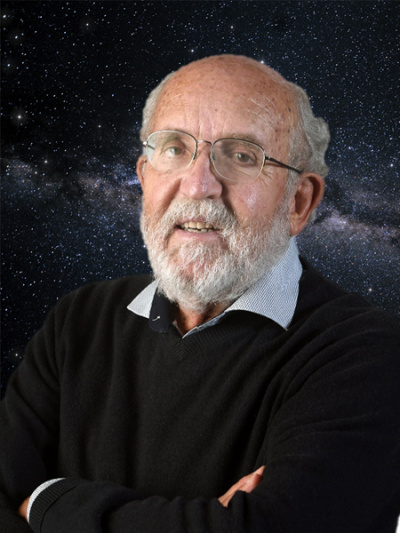 Michel Mayor合作论文数Department of Astronomy, University of Geneva3
 Christophe Lovis合作论文数Department of Astronomy, University of Geneva;Geneva Observatory, University of Geneva3
 Jean-Francois Rey合作论文数Institut Arnault Tzanck, St Laurent du Var3
 Uwe Greife合作论文数Colorado School of Mines, Golden, CO, USA3
 Didier Queloz合作论文数Battcock Centre for Experimental Astrophysics, Cavendish Laboratory, University of Cambridge3
 Nozomu Tominaga (冨永望)合作论文数Department of Physics, Faculty of Science and Engineering, Konan University;National Astronomical Observatory of Japan, National Institutes of Natural Sciences;Graduate Institute for Advanced Studies, The Graduate University for Advanced Studies, SOKENDAI3B. Davids合作论文数3




