Author(s): Mayo, Andrew W; Rajpaul, Vinesh M; Buchhave, Lars A; Dressing, Courtney D; Mortier, Annelies; Zeng, Li; Fortenbach, Charles D; Aigrain, Suzanne; Bonomo, Aldo S; Cameron, Andrew Collier; Charbonneau, David; Coffinet, Adrien; Cosentino, Rosario; Damasso, Mario; Dumusque, Xavier; Fiorenzano, AF Martinez; Haywood, Raphaelle D; Latham, David W; Lopez-Morales, Mercedes; Malavolta, Luca; Micela, Giusi; Molinari, Emilio; Pearce, Logan; Pepe, Francesco; Phillips, David; Piotto, Giampaolo; Poretti, Ennio; Rice, Ken; Sozzetti, Alessandro; Udry, Stephane
K2-291 (EPIC 247418783) is a solar-type star with a radius of R_star = 0.899 $\pm$ 0.034 R_sun and mass of M_star=0.934 $\pm$ 0.038 M_sun. From K2 C13 data, we found one super-Earth planet (R_p = 1.589+0.095-0.072 R_Earth) transiting this star on a short period orbit (P = 2.225177 +6.6e-5 -6.8e-5 days). We followed this system up with adaptive-optic imaging and spectroscopy to derive stellar parameters, search for stellar companions, and determine a planet mass. From our 75 radial velocity measurements using HIRES on Keck I and HARPS-N on Telescopio Nazionale Galileo, we constrained the mass of EPIC 247418783b to M_p = 6.49 $\pm$ 1.16 M_Earth. We found it necessary to model correlated stellar activity radial velocity signals with a Gaussian process in order to more accurately model the effect of stellar noise on our data; the addition of the Gaussian process also improved the precision of this mass measurement. With a bulk density of 8.84+2.50-2.03 g cm-3, the planet is consistent with an Earth-like rock/iron composition and no substantial gaseous envelope. Such an envelope, if it existed in the past, was likely eroded away by photo-evaporation during the first billion years of the star's lifetime.
Context. Doppler spectroscopy has been used in astronomy for more than 150 yr. In particular, it has permitted us to detect hundreds of exoplanets over the past 20 yr, and the goal today of detecting Earth-like planets requires a precision around 0.1 m s−1 or better. Doppler spectroscopy has also been and will be of major importance for other studies such as the variability of fundamental constants and cosmological studies. For all these applications, it is crucial to have the best possible wavelength calibration. Despite the fact that the HARPS spectrograph has been operational at the 3.6-m ESO telescope for more than 15 yr, and that it provides among the most precise Doppler measurements, improvements are still possible. One known problem, for instance, is the non-fully regular block-stitching of the charge-coupled devices (CCDs), which in some cases introduces one-year period parasitic signals in the measured radial velocity.Aims. The aim of the presented work is to improve the wavelength calibration of the HARPS spectrograph to push further its planet-detection capabilities.Methods. The properties of the CCD stitching-induced pixel-size anomalies were determined with light-emitting-diode (LED) flat-field frames, and then a physical, gap-corrected map of the CCDs is used for the fitting model of the spectral orders. We also used a new thorium line list, based on much higher-accuracy measurements than the one used up to now. We derive new wavelength solutions for the 15 yr of HARPS data, both before and after the fibre upgrade that took place in 2015.Results. We demonstrate that we do indeed correct the gap anomalies by computing the wavelength solutions of laser frequency comb exposures, known to have a very low dispersion, both with and without taking the gap correction into account. By comparing the rms of the most stable stars of the HARPS sample, we show that we globally decrease the radial velocity (RV) dispersion of the data, especially for the data acquired after the change of fibres of 2015. Finally, the comparative analysis of several individual systems shows that we manage to attenuate the periodogram power at one year in most cases. The analysis of the RVs derived from individual stellar lines also shows that we indeed correct the stitching-induced RV variation.Conclusions. This improved calibration of the HARPS spectrograph allows to go deeper in the search for low-amplitude radial-velocity signals. This new calibration process will be further improved by combining the thorium calibration spectra with laser frequency comb and Fabry–Perot calibration spectra, and this will not only be used for HARPS but notably also for HARPS-N and the new ESPRESSO spectrograph.
Although several thousands of exoplanets have now been detected and characterized, observational biases have led to a paucity of long-period, low-mass exoplanets with measured masses and a corresponding lag in our understanding of such planets. In this paper we report the mass estimation and characterization of the long-period exoplanet Kepler-538b. This planet orbits a Sun-like star (V = 11.27) with M_* = 0.892 +/- (0.051, 0.035) M_sun and R_* = 0.8717 +/- (0.0064, 0.0061) R_sun. Kepler-538b is a 2.215 +/- (0.040, 0.034) R_earth sub-Neptune with a period of P = 81.73778 +/- 0.00013 d. It is the only known planet in the system. We collected radial velocity (RV) observations with HIRES on Keck I and HARPS-N on the TNG. We characterized stellar activity by a Gaussian process with a quasi-periodic kernel applied to our RV and cross correlation function full width at half maximum (FWHM) observations. By simultaneously modeling Kepler photometry, RV, and FWHM observations, we found a semi-amplitude of K = 1.68 +/- (0.39, 0.38) m s^-1 and a planet mass of M_p = 10.6 +/- (2.5, 2.4) M_earth. Kepler-538b is the smallest planet beyond P = 50 d with an RV mass measurement. The planet likely consists of a significant fraction of ices (dominated by water ice), in addition to rocks/metals, and a small amount of gas. Sophisticated modeling techniques such as those used in this paper, combined with future spectrographs with ultra high-precision and stability will be vital for yielding more mass measurements in this poorly understood exoplanet regime. This in turn will improve our understanding of the relationship between planet composition and insolation flux and how the rocky to gaseous transition depends on planetary equilibrium temperature.
ABSTRACT We present confirmation of the planetary nature of PH-2b, as well as the first mass estimates for the two planets in the Kepler-103 system. PH-2b and Kepler-103c are both long-period and transiting, a sparsely populated category of exoplanets. We use Kepler light-curve data to estimate a radius, and then use HARPS-N radial velocities to determine the semi-amplitude of the stellar reflex motion and, hence, the planet mass. For PH-2b we recover a 3.5σ mass estimate of $M_\mathrm{ p} = 109^{+30}_{-32}$ M⊕ and a radius of Rp = 9.49 ± 0.16 R⊕. This means that PH-2b has a Saturn-like bulk density and is the only planet of this type with an orbital period P > 200 d that orbits a single star. We find that Kepler-103b has a mass of $M_{\text{p,b}} = 11.7^{+4.31}_{-4.72}$ M⊕ and Kepler-103c has a mass of $M_{\text{p,c}} = 58.5^{+11.2}_{-11.4}$ M⊕. These are 2.5σ and 5σ results, respectively. With radii of $R_{\text{p,b}} = 3.49^{+0.06}_{-0.05}$ R⊕ and $R_{\text{p,c}} = 5.45^{+0.18}_{-0.17}$ R⊕, these results suggest that Kepler-103b has a Neptune-like density, while Kepler-103c is one of the highest density planets with a period P > 100 d. By providing high-precision estimates for the masses of the long-period, intermediate-mass planets PH-2b and Kepler-103c, we increase the sample of long-period planets with known masses and radii, which will improve our understanding of the mass–radius relation across the full range of exoplanet masses and radii.
Context. The Transiting Exoplanet Survey Satellite (TESS) is revolutionising the search for planets orbiting bright and nearby stars. In sectors 3 and 4, TESS observed TOI-402 (TIC-120896927), a bright V = 9.1 K1 dwarf also known as HD 15337, and found two transiting signals with periods of 4.76 and 17.18 days and radii of 1.90 and 2.21 R⊕, respectively. This star was observed prior to the TESS detection as part of the radial-velocity (RV) search for planets using the HARPS spectrometer, and 85 precise RV measurements were obtained before the launch of TESS over a period of 14 yr.Aims. In this paper, we analyse the HARPS RV measurements in hand to confirm the planetary nature of these two signals.Methods. HD 15337 happens to present a stellar activity level similar to the Sun, with a magnetic cycle of similar amplitude and RV measurements that are affected by stellar activity. By modelling this stellar activity in the HARPS radial velocities using a linear dependence with the calcium activity index log(RHK′), we are able, with a periodogram approach, to confirm the periods and the planetary nature of TOI-402.01 and TOI-402.02. We then derive robust estimates from the HARPS RVs for the orbital parameters of these two planets by modelling stellar activity with a Gaussian process and using the marginalised posterior probability density functions obtained from our analysis of TESS photometry for the orbital period and time of transit.Results. By modelling TESS photometry and the stellar host characteristics, we find that TOI-402.01 and TOI-402.02 have periods of 4.75642 ± 0.00021 and 17.1784 ± 0.0016 days and radii of 1.70 ± 0.06 and 2.52 ± 0.11 R⊕ (precision 3.6 and 4.2%), respectively. By analysing the HARPS RV measurements, we find that those planets are both super-Earths with masses of 7.20 ± 0.81 and 8.79 ± 1.68 M⊕ (precision 11.3 and 19.1%), and small eccentricities compatible with zero at 2σ.Conclusions. Although having rather similar masses, the radii of these two planets are very different, putting them on different sides of the radius gap. By studying the temporal evolution under X-ray and UV (XUV) driven atmospheric escape of the TOI-402 planetary system, we confirm, under the given assumptions, that photo-evaporation is a plausible explanation for this radius difference. Those two planets, being in the same system and therefore being in the same irradiation environment are therefore extremely useful for comparative exoplanetology across the evaporation valley and thus bring constraints on the mechanisms responsible for the radius gap.
We investigated the discrepancy between planetary mass determinations using the transit timing variations (TTVs) and radial velocities (RVs), by analysing the multiplanet system Kepler-9. Despite being the first system characterized with TTVs, there are several discrepant solutions in the literature, with those reporting lower planetary densities being apparently in disagreement with high-precision RV observations. To resolve this, we gathered HARPS-N RVs at epochs that maximized the difference between the predicted RV curves from discrepant solutions in the literature. We also reanalysed the full Kepler data set and performed a dynamical fit, within a Bayesian framework, using the newly derived central and duration times of the transits. We compared these results with the RV data and found that our solution better describes the RV observations, despite the masses of the planets being nearly half that presented in the discovery paper. We therefore confirm that the TTV method can provide mass determinations that agree with those determined using high-precision RVs. The low densities of the planets place them in the scarcely populated region of the super-Neptunes/inflated sub-Saturns in the mass-radius diagram.
Context. The study of Earth-mass extrasolar planets via the radial-velocity technique and the measurement of the potential cosmological variability of fundamental constants call for very-high-precision spectroscopy at the level of δλ/λ < 10−9. Only an accurate wavelength calibration of the spectrograph can guarantee that the aimed precision is achieved over a multi-exposure and multi-epoch data set. Wavelength accuracy is obtained by providing two fundamental ingredients: 1) an absolute and information-rich wavelength source and 2) the ability of the spectrograph and its data reduction of transferring the reference scale (wavelengths) to a measurement scale (detector pixels) in a repeatable manner. Aims. The goal of this work is to improve the wavelength calibration accuracy of the HARPS spectrograph by combining the absolute spectral reference provided by the emission lines of a thorium-argon hollow-cathode lamp (HCL) with the spectrally rich and precise spectral information of a Fabry-Pérot-based calibration source. Methods. On the basis of calibration frames acquired each night since the Fabry-Pérot etalon was installed on HARPS in 2011, we constructed a combined wavelength solution that fits simultaneously the thorium emission lines and the Fabry-Pérot lines. The combined fit was anchored to the absolute thorium wavelengths, which provide the “zero-point” of the spectrograph, while the Fabry-Pérot lines were used to improve the (spectrally) local precision. The obtained wavelength solution was verified for auto-consistency and tested against a solution obtained using the HARPS laser-frequency comb (LFC). Results. The combined thorium+Fabry-Pérot wavelength solution shows significantly better performances compared to the thorium-only calibration. In both cases, the residuals of the LFC line positions to the fitted wavelength solution follow a Gaussian distribution with an rms value of about 14 m s−1 for the combined solution, and twice as large for the thorium-only solution (29 m s−1). Given these positive results, we have applied the new calibrations to scientific frames and tested the radial-velocity residual on three well-known stars: HD 10700, HD 20794, and HD 69830. In all three cases the radial-velocity (RV) scatter could be reduced compared to the measurements using the previous calibration. Conclusions. The richness of the Fabry-Pérot spectrum helps to improve the wavelength calibration using thorium-argon lamps or extending the wavelength domain of LFCs with limited operational range. The presented techniques will therefore be used in the new HARPS and HARPS-N pipeline, and will be exported to the ESPRESSO spectrograph.
Context. K2-36 is a K dwarf orbited by two small (Rb = 1.43 ± 0.08 R⊕ and Rc = 3.2 ± 0.3 R⊕), close-in (ab = 0.022 au and ac = 0.054 au) transiting planets discovered by the Kepler/K2 space observatory. They are representatives of two distinct families of small planets (Rp < 4 R⊕) recently emerged from the analysis of Kepler data, with likely a different structure, composition and evolutionary pathways. Aims. We revise the fundamental stellar parameters and the sizes of the planets, and provide the first measurement of their masses and bulk densities, which we use to infer their structure and composition. Methods. We observed K2-36 with the HARPS-N spectrograph over ~3.5 yr, collecting 81 useful radial velocity measurements. The star is active, with evidence for increasing levels of magnetic activity during the observing time span. The radial velocity scatter is ~17 m s−1 due to the stellar activity contribution, which is much larger that the semi-amplitudes of the planetary signals. We tested different methods for mitigating the stellar activity contribution to the radial velocity time variations and measuring the planet masses with good precision. Results. We find that K2-36 is likely a ~1 Gyr old system, and by treating the stellar activity through a Gaussian process regression, we measured the planet masses mb = 3.9 ± 1.1 M⊕ and mc = 7.8 ± 2.3 M⊕. The derived planet bulk densities ρb = 7.2−2.1+2.5 g cm−3 and ρc = 1.3−0.5+0.7 g cm−3 point out that K2-36 b has a rocky, Earth-like composition, and K2-36 c is a low-density sub-Neptune. Conclusions. Composed of two planets with similar orbital separations but different densities, K2-36 represents an optimal laboratory for testing the role of the atmospheric escape in driving the evolution of close-in, low-mass planets after ~1 Gyr from their formation. Due to their similarities, we performed a preliminary comparative analysis between the systems K2-36 and Kepler-36, which we deem worthy of a more detailed investigation.
Super-Earths belong to a class of planet not found in the Solar System, but which appear common in the Galaxy. Given that some super-Earths are rocky, while others retain substantial atmospheres, their study can provide clues as to the formation of both rocky planets and gaseous planets, and - in particular - they can help to constrain the role of photo-evaporation in sculpting the exoplanet population. GJ 9827 is a system already known to host 3 super-Earths with orbital periods of 1.2, 3.6 and 6.2 days. Here we use new HARPS-N radial velocity measurements, together with previously published radial velocities, to better constrain the properties of the GJ 9827 planets. Our analysis can't place a strong constraint on the mass of GJ 9827 c, but does indicate that GJ 9827 b is rocky with a composition that is probably similar to that of the Earth, while GJ 9827 d almost certainly retains a volatile envelope. Therefore, GJ 9827 hosts planets on either side of the radius gap that appears to divide super-Earths into pre-dominantly rocky ones that have radii below $\sim 1.5 R_\oplus$, and ones that still retain a substantial atmosphere and/or volatile components, and have radii above $\sim 2 R_\oplus$. That the less heavily irradiated of the 3 planets still retains an atmosphere, may indicate that photoevaporation has played a key role in the evolution of the planets in this system.
The time-variable velocity fields of solar-type stars limit the precision of radial-velocity determinations of their planets' masses, obstructing detection of Earth twins. Since 2015 July we have been monitoring disc-integrated sunlight in daytime using a purpose-built solar telescope and fibre feed to the HARPS-N stellar radial-velocity spectrometer. We present and analyse the solar radial-velocity measurements and cross-correlation function (CCF) parameters obtained in the first 3 years of observation, interpreting them in the context of spatially-resolved solar observations. We describe a Bayesian mixture-model approach to automated data-quality monitoring. We provide dynamical and daily differential-extinction corrections to place the radial velocities in the heliocentric reference frame, and the CCF shape parameters in the sidereal frame. We achieve a photon-noise limited radial-velocity precision better than 0.43 m s$^{-1}$ per 5-minute observation. The day-to-day precision is limited by zero-point calibration uncertainty with an RMS scatter of about 0.4 m s$^{-1}$. We find significant signals from granulation and solar activity. Within a day, granulation noise dominates, with an amplitude of about 0.4 m s$^{-1}$ and an autocorrelation half-life of 15 minutes. On longer timescales, activity dominates. Sunspot groups broaden the CCF as they cross the solar disc. Facular regions temporarily reduce the intrinsic asymmetry of the CCF. The radial-velocity increase that accompanies an active-region passage has a typical amplitude of 5 m s$^{-1}$ and is correlated with the line asymmetry, but leads it by 3 days. Spectral line-shape variability thus shows promise as a proxy for recovering the true radial velocity.
K2-291 is a solar-type star with a radius of R* = 0.899 ± 0.034 R⊙ and mass of M* = 0.934 ± 0.038 M⊙. From the K2 C13 data, we found one super-Earth planet (Rp = R⊕) transiting this star on a short period orbit (P = days). We followed this system up with adaptive-optic imaging and spectroscopy to derive stellar parameters, search for stellar companions, and determine a planet mass. From our 75 radial velocity measurements using High Resolution Echelle Spectrometer on Keck I and High Accuracy Radial velocity Planet Searcher in the northern hemisphere on Telescopio Nazionale Galileo, we constrained the mass of K2-291 b to Mp = 6.49 ± 1.16 M⊕. We found it necessary to model correlated stellar activity radial velocity signals with a Gaussian process (GP) in order to more accurately model the effect of stellar noise on our data; the addition of the GP also improved the precision of this mass measurement. With a bulk density of ρ = 8.84 g cm−3, the planet is consistent with an Earth-like rock/iron composition and no substantial gaseous envelope. Such an envelope, if it existed in the past, was likely eroded away by photoevaporation during the first billion years of the star’s lifetime.
Context. We present radial-velocity measurements of eight stars observed with the HARPS Echelle spectrograph mounted on the 3.6-m telescope in La Silla (ESO, Chile). Data span more than ten years and highlight the long-term stability of the instrument.Aims. We search for potential planets orbiting HD 20003, HD 20781, HD 21693, HD 31527, HD 45184, HD 51608, HD 134060 and HD 136352 to increase the number of known planetary systems and thus better constrain exoplanet statistics.Methods. After a preliminary phase looking for signals using generalized Lomb-Scargle periodograms, we perform a careful analysis of all signals to separate bona-fide planets from signals induced by stellar activity and instrumental systematics. We finally secure the detection of all planets using the efficient MCMC available on the Data and Analysis Center for Exoplanets (DACE web-platform), using model comparison whenever necessary.Results. In total, we report the detection of twenty new super-Earth to Neptune-mass planets, with minimum masses ranging from 2 to 30 M Earth and periods ranging from 3 to 1300 days, in multiple systems with two to four planets. Adding CORALIE and HARPS measurements of HD20782 to the already published data, we also improve the characterization of the extremely eccentric Jupiter orbiting this visual companion of HD 20781.
 Francesco Pepe合作论文数Department of Astronomy, University of Geneva27
 Stéphane Udry合作论文数Department of Astronomy, Universite de Geneve25
 Xavier Dumusque合作论文数Department of Astronomy, University of Geneva23
 Andrew Cameron合作论文数School of Physics and Astronomy, University of St Andrews22
 David Latham合作论文数Department of Astronomy, Faculty of Arts and Sciences, Harvard University;Harvard-Smithsonian Center for Astrophysics;Smithsonian Astrophysical Observatory19
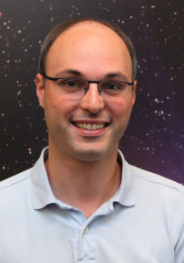 Christophe Lovis合作论文数Department of Astronomy, University of Geneva;Geneva Observatory, University of Geneva19
 Ken Rice合作论文数School of Physics and Astronomy, The University of Edinburgh17
 L. Malavolta合作论文数Department of Mental Health, AUSL Modena17
 Alessandro Sozzetti合作论文数Istituto Nazionale di Astrofisica, Osservatorio Astrofisico di Torino17
 David Phillips合作论文数Harvard-Smithsonian Center for Astrophysics17
 Mercedes López-Morales合作论文数Center for Astrophysics | Harvard & Smithsonian;Smithsonian Astrophysical Observatory in the Atomic and Molecular Physics Department17
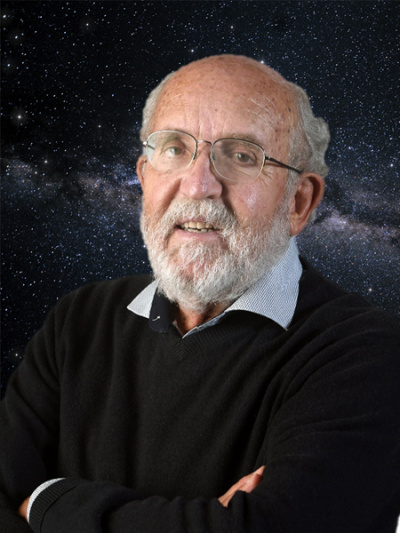 Michel Mayor合作论文数Department of Astronomy, University of Geneva16
 François Bouchy合作论文数Department of Astronomy, University of Geneva15
 David Charbonneau合作论文数Department of Astronomy, Faculty of Arts and Sciences, Harvard University15
 Aldo Bonomo合作论文数Osservatorio Astrofisico di Torino, INAF15
 P. Figueira合作论文数Observatoire de Geneve;Universite de Geneve;Observatoire de Geneve, Universite de Geneve15
 Haywood Raphaëlle D合作论文数14
 Giampaolo Piotto合作论文数Dipartimento di Fisica e Astronomiaa, University of Padua;PhD School in Astronomy, University of Padova14
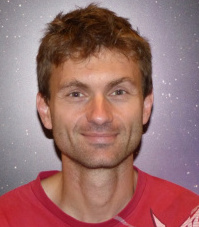 Damien Ségransan合作论文数Department of Astronomy, University of Geneva14Ennio Poretti合作论文数Osservatorio Astronomico di Brera, INAF14M. Damasso合作论文数14A. Mortier合作论文数13
 Lars A. Buchhave合作论文数National Space Institute, Technical University of Denmark13
 Elisa Molinari合作论文数University of Modena and Reggio Emilia11
 Andrew Vanderburg合作论文数Department of Physic, Massachusetts Institute of Technology;Smithsonian Astrophysical Observatory10
 Rosario Cosentino合作论文数Osservatorio Astrofisico di Catania;TNG - Telescopio Nazionale Galileo, INAF10
 Dimitar D. Sasselov合作论文数Department of Astronomy, Faculty of Arts and Sciences, Harvard University10
 Christopher Allan Watson合作论文数Astrophys Res Ctr, Queens Univ Belfast10G. Micela合作论文数9
 Courtney Dressing合作论文数Department of Astronomy, University of California, Berkeley9Andrew W. Mayo合作论文数Dept Astron, Univ Concepcion8
 Rodrigo F Diaz合作论文数7Vinesh Rajpaul合作论文数7
 Nuno C. Santos合作论文数Departamento de Física e Astronomia, Faculdade de Ciências, Universidade do Porto;Instituto de Astrofísica e Ciências do Espaço7Erica J. Gonzales合作论文数6Giusi Micela合作论文数Osservatorio Astronomico di Palermo6G. Lo Curto合作论文数European Southern Observatory6
 Emilio Carlo Molinari合作论文数INAF Osservatorio Astronomico di Brera & REM6A. F. Martinez Fiorenzano合作论文数6
 David Ciardi合作论文数NASA Exoplanet Science Institute, California Institute of Technology6C. Moutou合作论文数5Chantanelle Nava合作论文数5f motalebi合作论文数5Lea A. Hirsch合作论文数5
 A. Wyttenbach合作论文数Observ Astron, Univ Geneva5
 Willy Benz合作论文数Department of Physics, University of Bern;Department of Astrophysics, University of Bern;NCCR PlanetS5R. Alonso合作论文数5
 Li Zeng合作论文数5
 Michaël Gillon合作论文数Département d'astrophysique, géophysique et océanographie, Faculté des Sciences, University of Liège5




