Therapeutic plasma exchange (TPE) remains a primary therapy for addressing circulating donor-specific antibodies against mismatched human leukocyte antigens, which pose a significant challenge to successful transplantation of solid organs and hematopoietic cells. In this study, we aimed to evaluate the response to 5 TPE sessions in patients undergoing desensitization, as well as in patients who developed antibody-mediated rejection posttransplant. Sera collected before and after each TPE session was treated with EDTA and tested using the single-antigen bead assay as undiluted or 1:4, 1:16, 1:64, and 1:256 diluted. The reduction in human leukocyte antigen antibodies correlated with previously established total immunoglobulin G reduction levels. However, we observed that class I antibody levels were reduced by 85% to 90% while class II antibodies were reduced by only 75% to 80% after 5 TPE sessions. We also found that dilutions performed on pretreatment serum were predictive of the response to TPE. This approach was used to design TPE-based desensitization protocols for highly sensitized patients across various organ and tissue types, as well as for treating patients with antibody-mediated rejection. Our data suggest that serum dilution may be an effective method for assessing the likelihood of response to TPE, thereby aiding in the guidance of treatment strategies.
Clinical chatbots are increasingly used to help integrate genetic testing into clinical contexts, but no chatbot exists for Apolipoprotein L1 (APOL1) genetic testing of living kidney donor (LKD) candidates of African ancestry. Our study aimed to culturally adapt and assess perceptions of the Gia® chatbot to help integrate APOL1 testing into LKD evaluation. Ten focus groups and post-focus group surveys were conducted with 54 LKDs, community members, and kidney transplant recipients of African ancestry. Data were analyzed through thematic analysis and descriptive statistics. Key themes about making Gia culturally targeted included ensuring: (1) transparency by providing Black LKDs' testimonials, explaining patient privacy and confidentiality protections, and explaining how genetic testing can help LKD evaluation; (2) content is informative by educating Black LKDs about APOL1 testing instead of aiming to convince them to undergo testing, presenting statistics, and describing how genetic discrimination is legally prevented; and (3) content avoids stigma about living donation in the Black community. Most agreed Gia was neutral and unbiased (82%), trustworthy (82%), and words, phrases, and expressions were familiar to the intended audience (85%). Our culturally adapted APOL1 Gia chatbot was well regarded. Future research should assess how this chatbot could supplement provider discussion prior to genetic testing to scale APOL1 counseling and testing for LKD candidate clinical evaluation.
BACKGROUND:Living kidney donor (LKD) candidates of African ancestry are increasingly asked to undergo Apolipoprotein L1 (APOL1) genetic testing during the donor evaluation process to better understand their risk of kidney disease. LKD candidates' attitudes about using a clinical chatbot on APOL1 remain unknown. This study builds on prior work to culturally adapt the Gia (Genetic Information Assistant) chatbot on APOL1 by assessing donor, recipient, and community member attitudes about the Gia chatbot for enhancing the integration of APOL1 testing into the LKD clinical evaluation workflow. METHODS:This study involved focus groups and a post-focus group survey in two US cities about the APOL1 Gia chatbot. Qualitative data were analyzed via thematic analysis, and descriptive statistics were used for demographic data. RESULTS:We conducted 10 focus groups including 54 participants (25 LKDs, 23 community members, and 6 living donor kidney transplant recipients of African ancestry). Five themes emerged: (1) participants supported LKD candidates using the Gia chatbot before the nephrologist clinic visit, (2) participants were interested in undergoing APOL1 testing after using Gia, (3) APOL1 testing costs may influence LKD candidates' willingness to get tested, (4) patients of African ancestry may hold varying preferences for using chatbots in the healthcare setting, and (5) individual-level barriers may limit the use of Gia in the healthcare setting. CONCLUSIONS:Individuals of African ancestry were highly receptive to integrating the APOL1 chatbot into LKD candidate clinical evaluation, which bodes well for integrating chatbots into the APOL1 clinical genetic testing process.
Background Kidney transplantation from donors with human immunodeficiency virus (HIV) to recipients with HIV is an emerging practice. It has been performed since 2016 under the U.S. congressional HIV Organ Policy Equity Act and is currently approved for research only. The Department of Health and Human Services is considering expanding the procedure to clinical practice, but data are limited to small case series that did not include donors without HIV as controls.Methods In an observational study conducted at 26 U.S. centers, we compared transplantation of kidneys from deceased donors with HIV and donors without HIV to recipients with HIV. The primary outcome was a safety event (a composite of death from any cause, graft loss, serious adverse event, HIV breakthrough infection, persistent failure of HIV treatment, or opportunistic infection), assessed for noninferiority (margin for the upper bound of the 95% confidence interval, 3.00). Secondary outcomes included overall survival, survival without graft loss, rejection, infection, cancer, and HIV superinfection.Results We enrolled 408 transplantation candidates, of whom 198 received a kidney from a deceased donor; 99 received a kidney from a donor with HIV and 99 from a donor without HIV. The adjusted hazard ratio for the composite primary outcome was 1.00 (95% confidence interval [CI], 0.73 to 1.38), which showed noninferiority. The following secondary outcomes were similar whether the donor had HIV or not: overall survival at 1 year (94% vs. 95%) and 3 years (85% vs. 87%), survival without graft loss at 1 year (93% vs. 90%) and 3 years (84% vs. 81%), and rejection at 1 year (13% vs. 21%) and 3 years (21% vs. 24%). The incidence of serious adverse events, infections, surgical or vascular complications, and cancer was similar in the groups. The incidence of HIV breakthrough infection was higher among recipients of kidneys from donors with HIV (incidence rate ratio, 3.14; 95%, CI, 1.02 to 9.63), with one potential HIV superinfection among the 58 recipients in this group with sequence data and no persistent failures of HIV treatment.Conclusions In this observational study of kidney transplantation in persons with HIV, transplantation from donors with HIV appeared to be noninferior to that from donors without HIV. (Funded by the National Institute of Allergy and Infectious Diseases; ClinicalTrials.gov number, NCT03500315.) In a study involving kidney-transplantation candidates with HIV, results of transplantation from donors with HIV were noninferior to those of transplantation from donors without HIV.
IntroductionWhile living donor (LD) kidney transplantation is the optimal treatment for patients with kidney failure, LDs assume a higher risk of future kidney failure themselves. LDs of African ancestry have an even greater risk of kidney failure post-donation than White LDs. Because evidence suggests that Apolipoprotein L1 (APOL1) risk variants contribute to this greater risk, transplant nephrologists are increasingly usingAPOL1genetic testing to evaluate LD candidates of African ancestry. However, nephrologists do not consistently perform genetic counselling with LD candidates aboutAPOL1due to a lack of knowledge and skill in counselling. Without proper counselling,APOL1testing will magnify LD candidates’ decisional conflict about donating, jeopardising their informed consent. Given cultural concerns about genetic testing among people of African ancestry, protecting LD candidates’ safety is essential to improve informed decisions about donating. Clinical ‘chatbots’, mobile apps that provide genetic information to patients, can improve informed treatment decisions. No chatbot onAPOL1is available and no nephrologist training programmes are available to provide culturally competent counselling to LDs aboutAPOL1. Given the shortage of genetic counsellors, increasing nephrologists’ genetic literacy is critical to integrating genetic testing into practice.Methods and analysisUsing a non-randomised, pre–post trial design in two transplant centres (Chicago, IL, and Washington, DC), we will evaluate the effectiveness of culturally competentAPOL1testing, chatbot and counselling on LD candidates’ decisional conflict about donating, preparedness for decision-making, willingness to donate and satisfaction with informed consent and longitudinally evaluate the implementation of this intervention into clinical practice using theReach,Effectiveness,Adoption,Implementation andMaintenance framework.Ethics and disseminationThis study will create a model forAPOL1testing of LDs of African ancestry, which can be implemented nationally via implementation science approaches.APOL1will serve as a model for integrating culturally competent genetic testing into transplant and other practices to improve informed consent. This study involves human participants and was approved by Northwestern University IRB (STU00214038). Participants gave informed consent to participate in the study before taking part.Trial registrationClinicalTrials.gov Identifier:NCT04910867. Registered 8 May 2021,https://register.clinicaltrials.gov/prs/app/action/SelectProtocol?sid=S000AWZ6&selectaction=Edit&uid=U0001PPF&ts=7&cx=-8jv7m2ClinicalTrials.gov Identifier:NCT04999436. Registered 5 November 2021,https://register.clinicaltrials.gov/prs/app/action/SelectProtocol?sid=S000AYWW&selectaction=Edit&uid=U0001PPF&ts=11&cx=9tny7v
The HIV latent viral reservoir (LVR) remains a major challenge in the effort to find a cure for HIV. There is interest in lymphocyte-depleting agents, used in solid organ and bone marrow transplantation to reduce the LVR. This study evaluated the LVR and T cell receptor repertoire in HIV-infected kidney transplant recipients using intact proviral DNA assay and T cell receptor sequencing in patients receiving lymphocyte-depleting or lymphocyte-nondepleting immunosuppression induction therapy. CD4+ T cells and intact and defective provirus frequencies decreased following lymphocyte-depleting induction therapy but rebounded to near baseline levels within 1 year after induction. In contrast, these biomarkers were relatively stable over time in the lymphocyte-nondepleting group. The lymphocyte-depleting group had early TCRβ repertoire turnover and newly detected and expanded clones compared with the lymphocyte-nondepleting group. No differences were observed in TCRβ clonality and repertoire richness between groups. These findings suggest that, even with significant decreases in the overall size of the circulating LVR, the reservoir can be reconstituted in a relatively short period of time. These results, while from a relatively unique population, suggest that curative strategies aimed at depleting the HIV LVR will need to achieve specific and durable levels of HIV-infected T cell depletion.
HIV‐positive donor to HIV‐positive recipient (HIV D+/R+) transplantation is permitted in the United States under the HIV Organ Policy Equity Act. To explore safety and the risk attributable to an HIV+ donor, we performed a prospective multicenter pilot study comparing HIV D+/R+ vs HIV‐negative donor to HIV+ recipient (HIV D−/R+) kidney transplantation (KT). From 3/2016 to 7/2019 at 14 centers, there were 75 HIV+ KTs: 25 D+ and 50 D− (22 recipients from D− with false positive HIV tests). Median follow‐up was 1.7 years. There were no deaths nor differences in 1‐year graft survival (91% D+ vs 92% D−, P = .9), 1‐year mean estimated glomerular filtration rate (63 mL/min D+ vs 57 mL/min D−, P = .31), HIV breakthrough (4% D+ vs 6% D−, P > .99), infectious hospitalizations (28% vs 26%, P = .85), or opportunistic infections (16% vs 12%, P = .72). One‐year rejection was higher for D+ recipients (50% vs 29%, HR: 1.83, 95% CI 0.84‐3.95, P = .13) but did not reach statistical significance; rejection was lower with lymphocyte‐depleting induction (21% vs 44%, HR: 0.33, 95% CI 0.21‐0.87, P = .03). In this multicenter pilot study directly comparing HIV D+/R+ with HIV D−/R+ KT, overall transplant and HIV outcomes were excellent; a trend toward higher rejection with D+ raises concerns that merit further investigation.
Current measures for assessing the viability of donor kidneys are lacking.Optical coherence tomography (OCT) can image subsurface tissue morphology to supplement current measures and potentially improve prediction of post-transplant function.OCT imaging was performed on donor kidneys before and immediately after implantation during 169 human kidney transplant surgeries.A system for automated image analysis was developed to measure structural parameters of the kidney's proximal convoluted tubules (PCTs) visualized in the OCT images.The association of these structural parameters with post-transplant function was investigated.This study included kidneys from live and deceased donors.88 deceased donor kidneys in this study were stored by static cold storage (SCS) and an additional 15 were preserved by hypothermic machine perfusion (HMP).A subset of both SCS and HMP deceased donor kidneys were classified as expanded criteria donor (ECD) kidneys, with elevated risk of poor post-transplant function.Post-transplant function was characterized as either immediate graft function (IGF) or delayed graft function (DGF).In ECD kidneys stored by SCS, increased PCT lumen diameter was found to predict DGF both prior to implantation and following reperfusion.In SCD kidneys preserved by HMP, reduced distance between adjacent lumen following reperfusion was found to predict DGF.Results suggest that OCT measurements may be useful for predicting post-transplant function in ECD kidneys and kidneys stored by HMP.OCT analysis of donor kidneys may aid in allocation of kidneys to expand the donor pool as well as help predict post-transplant function in transplanted kidneys to inform post-operative care.
We represent a group of investigators funded by the National Institutes of Health (R01AI120938, U01AI134591, U01AI138897) to conduct a prospective multicenter study of the landscape of HIV-infected (HIV+) donors and two prospective multicenter trials comparing outcomes between HIV+ recipients of HIV+ and non-HIV+ donor kidneys and livers.These clinical trials are ongoing (NCT02602262, NCT03500315, NCT03734393).We read with interest the Brief Communication entitled "National landscape of HIV+ to HIV+ kidney and liver transplantation in the United States" by Wilk et al of the United Network for Organ Sharing (UNOS). 1 The study utilized data from the Organ Procurement and Transplantation Network (OPTN) database managed by UNOS under a federal contract.The authors concluded that one-year patient and graft survival in HIV+ recipients of HIV+ donors did not deviate from that observed in non-HIV+ donor recipients.As acknowledged by Wilk et al, an important limitation of the study is the inability of OPTN data to accurately identify donors with HIV infection.In their report, HIV+ donors were defined by any report of a positive HIV antibody (Ab), nucleic acid test (NAT), or antigen/ antibody combination assay (Ab/Ag). 1 These assays have a low false-positive rate (0.1-0.5%); however, given the number of deceased donors screened annually, we have estimated there should be 50-100 donors with false-positive HIV tests annually in the United States. 2 Confirmatory testing is not routinely done or reported by the OPTN.
Antibody-mediated rejection (AMR) remains a problem without a reliable treatment in the care of kidney transplant patients. We proposed and tested a program of screening for donor specific antibodies (DSA) to initiate treatment of patients before AMR was detected and to prevent its occurrence. Starting in April 2012, we stratified patients into high-, medium-, and low-risk groups for the development of DSA and instituted a program of screening for and treatment of these antibodies. We used a historic control group of patients transplanted at our center as a comparator and looked at rates of DSA testing and development as well as rates of development of AMR, cell-mediated rejection, and graft loss. 614 patients were transplanted under the protocol compared with 266 patients in the control group. Length of follow-up was similar in both groups. The group undergoing DSA screening had lower rates of DSA development (17.6% versus 24.8%, p=0.016) and that DSA was found at a significantly earlier time post-transplant (147 versus 248 days, p=0.02). Incidence of AMR was dramatically lower in the screened group (1.3% versus 8.6%, p<0.0001) with no grafts lost due to AMR. AMR was found to occur at an average of 181 days post-transplant. Rates of acute cellular rejection did not decrease in a manner similar to AMR rates. In conclusion, a program of universal risk-stratified DSA testing in kidney transplant patients can dramatically reduce rates of AMR and virtually eliminate graft loss due to AMR.
Skeletal muscle atrophy is a debilitating response to fasting, disuse, cancer, and other systemic diseases. In atrophying muscles, the ubiquitin ligase, atrogin-1 (MAFbx), is dramatically induced, and this response is necessary for rapid atrophy. Here, we show that in cultured myotubes undergoing atrophy, the activity of the PI3K/AKT pathway decreases, leading to activation of Foxo transcription factors and atrogin-1 induction. IGF-1 treatment or AKT overexpression inhibits Foxo and atrogin-1 expression. Moreover, constitutively active Foxo3 acts on the atrogin-1 promoter to cause atrogin-1 transcription and dramatic atrophy of myotubes and muscle fibers. When Foxo activation is blocked by a dominant-negative construct in myotubes or by RNAi in mouse muscles in vivo, atrogin-1 induction during starvation and atrophy of myotubes induced by glucocorticoids are prevented. Thus, forkhead factor(s) play a critical role in the development of muscle atrophy, and inhibition of Foxo factors is an attractive approach to combat muscle wasting.
Skeletal muscle atrophy is a debilitating response to starvation and many systemic diseases including diabetes, cancer, and renal failure. We had proposed that a common set of transcriptional adaptations underlie the loss of muscle mass in these different states. To test this hypothesis, we used cDNA microarrays to compare the changes in content of specific mRNAs in muscles atrophying from different causes. We compared muscles from fasted mice, from rats with cancer cachexia, streptozotocin-induced diabetes mellitus, uremia induced by subtotal nephrectomy, and from pair-fed control rats. Although the content of >90% of mRNAs did not change, including those for the myofibrillar apparatus, we found a common set of genes (termed atrogins) that were induced or suppressed in muscles in these four catabolic states. Among the strongly induced genes were many involved in protein degradation, including polyubiquitins, Ub fusion proteins, the Ub ligases atrogin-1/MAFbx and MuRF-1, multiple but not all subunits of the 20S proteasome and its 19S regulator, and cathepsin L. Many genes required for ATP production and late steps in glycolysis were down-regulated, as were many transcripts for extracellular matrix proteins. Some genes not previously implicated in muscle atrophy were dramatically up-regulated (lipin, metallothionein, AMP deaminase, RNA helicase-related protein, TG interacting factor) and several growth-related mRNAs were down-regulated (P311, JUN, IGF-1-BP5). Thus, different types of muscle atrophy share a common transcriptional program that is activated in many systemic diseases.
 Matthew Cooper合作论文数9
 Sander Florman合作论文数4
 Valentina Stosor合作论文数Infectious Diseases, Department of Medicine, Feinberg School of Medicine, Northwestern University4
 Aaron A. R. Tobian合作论文数Epidemiology, Bloomberg School of Public Health, Johns Hopkins University4Small Catherine B合作论文数4Mehta Shikha合作论文数4Christine Durand合作论文数4
 Dorry L. Segev合作论文数Department of Surgery, Grossman School of Medicine, New York University;Department of Population Health, Grossman School of Medicine, New York University4
 Andrew D Redd合作论文数4Akansha Agrawal合作论文数3Rachel Friedman-Moraco合作论文数3Jennifer E Verbesey合作论文数3Niraj M Desai合作论文数3Yolanda Eby合作论文数3J Husson合作论文数3
 O. Adebiyi合作论文数Indiana Univ Sch Med3
 Brianna Doby合作论文数3
 Elisa J. Gordon合作论文数Department of Surgery, Section of Surgical Sciences, Vanderbilt University Medical Center;Transplant Center, Vanderbilt University Medical Center3
 Catherine A Wicklund合作论文数Department of Obstetrics & Gynecology, Feinberg School of Medicine, Northwestern University3
 John J Friedewald合作论文数Nephrology and Hypertension, Department of Medicine, Feinberg School of Medicine, Northwestern University3
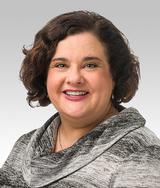 Debra Duquette合作论文数Cardiology, Department of Medicine, Feinberg School of Medicine, Northwestern University3
 Maricar Malinis合作论文数Infectious Diseases, Internal Medicine, Yale School of Medicine, Yale University3
 Emily A. Blumberg合作论文数Division of Infectious Diseases, Department of Medicine, Perelman School of Medicine, University of Pennsylvania3Mehta Sapna A合作论文数3Pereira Marcus R合作论文数3
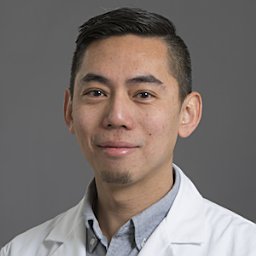 Santos Carlos A Q合作论文数Washington University School of Medicine, Washington University School of Medicine3
 Peter G. Stock合作论文数Department of Surgery, University of California San Francisco3Sandra Rosen-Bronson合作论文数3
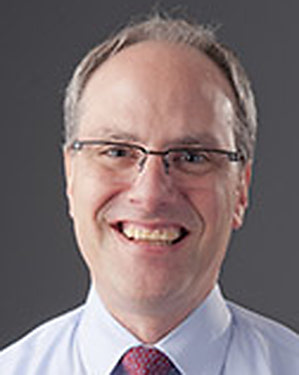 Stewart H. Lecker合作论文数Beth Israel Deaconess Medical Center3Diane L. Brown合作论文数3Jessica Gacki-Smith合作论文数3Michele I Morris合作论文数University of Miami Miller School of Medicine3Jonah Odim合作论文数2Avinash Agarwal合作论文数2Reinaldo Fernandez合作论文数2
 Ghady Haidar合作论文数Div Infect Dis, Univ Pittsburgh2Jack Moore合作论文数2
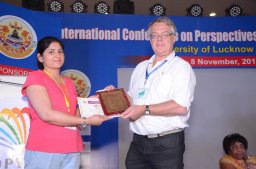 Meenakshi Rana合作论文数Uttarakhand Open University2
 Lutfiyya Muhammad合作论文数2Peter Abrams合作论文数2
 Thomas R. Jagoe合作论文数Division of Experimental Medicine, Department of Medicine, Faculty of Medicine and Health Sciences, McGill University2
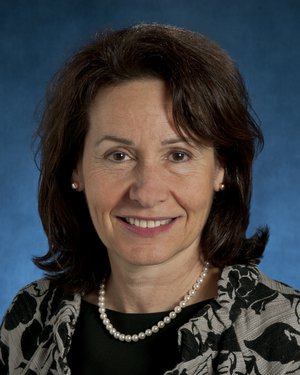 Serena M Bagnasco合作论文数Department of Otolaryngology-Head and Neck Surgery, School of Medicine, Johns Hopkins University2
 Allan B. Massie合作论文数Department of Surgery, Grossman School of Medicine, New York University;Department of Population Health, Grossman School of Medicine, New York University;Department of Surgery, Johns Hopkins School of Medicine;Center for Surgical and Transplant Applied Research Quantitative Core, New York University2Aslam Saima合作论文数the Michael E. DeBakey Veterans Affairs Medical Center, Baylor College of Medicine2Price S Russ合作论文数2
 Olga Timofeeva合作论文数2
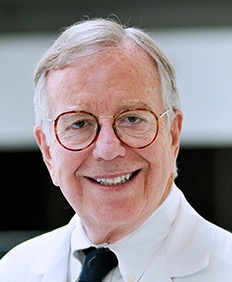 William E Mitch合作论文数Nephrology Care Center, Baylor College of Medicine2Ostrander Darin合作论文数2Apewokin Senu合作论文数Myeloma Institute for Research and Therapy.2




