Yoo, Ashley; Riedel, Alexandria BA; Qian, Ian BS; Bartosic, Amanda BS, MBA; Kibria, Gulam MPH, PhD; Abrams, Peter L MD, FACS; Odorico, Jon S MD; Cooper, Matthew MD, FACS; Bromberg, Jonathan S MD, FACS; Scalea, Joseph R MD Author Information
Background. Pancreas transplantation offers patients with diabetes an opportunity for glucose homeostasis. Current blood tests to surveil for rejection have poor sensitivity and specificity for identifying rejection, and pancreas biopsies are challenging and associated with morbidity and graft loss. Donor-derived cell-free DNA (dd-cfDNA) is shed from transplanted organs and detectable in peripheral blood. Thus, a potential dd-cfDNA blood test assessing rejection would be clinically advantageous. Methods. One hundred eighty-one dd-cfDNA samples (n) were collected from 77 patients (N) up to 132 mo posttransplant. Results. The median dd-cfDNA level among all subjects was 0.28% (0.13%, 0.71%). In simultaneous pancreas-kidney (SPK) transplant recipients, the median dd-cfDNA level was 0.29% (0.13%, 0.71%), and it was 0.23% (0.08%, 0.71%) in pancreas transplant alone (PTA) recipients. When isolating for when without infection or rejection, the median dd-cfDNA level was 0.28% (0.13%, 0.64%) for SPK and 0.20% (0.00%, 0.32%) for PTA. Both transplant types approached 1.0% ≤1 mo posttransplant followed by a decrease in median dd-cfDNA. During episodes of rejection or infection, median dd-cfDNA levels were greater among all transplant types. Conclusions. The mean dd-cfDNA level for all pancreas transplant recipients is <1.0%, consistent with the published kidney transplant rejection threshold (>1.0%), regardless of SPK or PTA. Early posttransplant dd-cfDNA levels are transiently higher than later measurements. Dd-cfDNA elevation also correlates with rejection and infection and thus is a promising biomarker for surveilling pancreas transplant dysfunction.
INTRODUCTION:Patients undergoing solid-organ transplantation demonstrate pain arising from both the surgical intervention and pre-existing comorbidities. High levels of opioid use both pre- and post-transplant are associated with unfavorable transplant outcomes. Patient education, multimodal therapy, and discharge planning have all been demonstrated to reduce opioid use after transplant.METHODS:This is a single-center, retrospective study analyzing patients before and after implementation of a multimodal, multidisciplinary pain management protocol. Morphine milligram equivalents (MMEs) use during the index transplant hospitalization and the need for opioids at discharge was compared between the pre- and post-protocol groups.RESULTS:A total of 52 patients were included in the study, 31 in the pre and 21 in the post-protocol groups. Inpatient MME use was reduced from 135.5 to 67.5 MMEs after protocol implementation. Additionally, the number of patients discharged on opioids following transplant decreased from 90.3% to 47.6%. Pain scores, length of stay (LOS), and return of bowel function was not different between groups.CONCLUSION:The implementation of a multimodal, multidisciplinary pain management protocol significantly decreased opioid use during the post-surgical hospitalization and in the 6 months following transplantation. A combination of non-opioid analgesics, patient education, and discharge planning can be beneficial elements in pancreas transplant pain management.
Introduction: Interfacility transfer to a referral center is often considered for patients with liver disease undergoing nonelective cholecystectomy given management complexities and perioperative risk. We sought to determine the association between the Model for End Stage Liver Disease (MELD) score, transfer frequency, and outcomes in those patients using a national database. Materials and methods: The ACS-NSQIP participant use files were queried for nonelective open or laparoscopic cholecystectomy from 2016 to 2018. Patients were grouped according to low (6-11), intermediate (12-18), or high (>18) MELD. In the high MELD group, patient characteristics and outcomes were compared between transferred and nontransferred patients and multivariate regression was performed to evaluate independent predictors of outcomes. Outcomes included in-hospital mortality, complications, length-of-stay (LOS), and 30-d reoperation and readmission. Results: 30,171 subjects were included. Transfer was more likely as MELD increased (19.5% high versus 12.1% low, P < 0.001). High MELD patients had increased LOS, reoperation, readmission, and mortality rates compared to low MELD. In high MELD patients (n =1016), those transferred were more likely older, white, obese, and septic. Transferred patients had increased mortality (7.6% versus 4.2%, P = 0.044), LOS, reoperation, and complications. After controlling for differences between transferred and nontransferred patients, transfer status was not independently associated with mortality (OR =1.593, P = 0.177), postoperative complications or LOS, but was associated with increased risk for reoperation. Sepsis and laparoscopic surgery were independently associated with higher and lower mortality, respectively. Conclusions: Transfer status is not independently associated with mortality, postoperative complications, or prolonged LOS, suggesting patients with advanced liver disease undergoing acute cholecystectomy may not benefit from interfacility transfer. (c) 2022 Elsevier Inc. All rights reserved.
Islet allotransplantation in the United States (US) is facing an imminent demise. Despite nearly three decades of progress in the field, an archaic regulatory framework has stymied US clinical practice. Current regulations do not reflect the state-of-the-art in clinical or technical practices. In the US, islets are considered biologic drugs and "more than minimally manipulated" human cell and tissue products (HCT/Ps). In contrast, across the world, human islets are appropriately defined as "minimally manipulated tissue" and not regulated as a drug, which has led to islet allotransplantation (allo-ITx) becoming a standard-of-care procedure for selected patients with type 1 diabetes mellitus. This regulatory distinction impedes patient access to islets for transplantation in the US. As a result only 11 patients underwent allo-ITx in the US between 2016 and 2019, and all as investigational procedures in the settings of a clinical trials. Herein, we describe the current regulations pertaining to islet transplantation in the United States. We explore the progress which has been made in the field and demonstrate why the regulatory framework must be updated to both better reflect our current clinical practice and to deal with upcoming challenges. We propose specific updates to current regulations which are required for the renaissance of ethical, safe, effective, and affordable allo-ITx in the United States.
Bussey, Ian H. MD; Turcotte, Justin PhD, MBA; Weltz, Adam S. MD, FACS; Abrams, Peter L. MD, FACS; Feather, Cristina B. MD, FACS; Klune, John R. MD, FACS Author Information
The Food and Drug Administration (FDA) has been regulating human islets for allotransplantation as a biologic drug in the US. Consequently, the requirement of a biological license application (BLA) approval before clinical use of islet transplantation as a standard of care procedure has stalled the development of the field for the last 20 years. Herein, we provide our commentary to the multiple FDA’s position papers and guidance for industry arguing that BLA requirement has been inappropriately applied to allogeneic islets, which was delivered to the FDA Cellular, Tissue and Gene Therapies Advisory Committee on 15 April 2021. We provided evidence that BLA requirement and drug related regulations are inadequate in reassuring islet product quality and potency as well as patient safety and clinical outcomes. As leaders in the field of transplantation and endocrinology under the “Islets for US Collaborative” designation, we examined the current regulatory status of islet transplantation in the US and identified several anticipated negative consequences of the BLA approval. In our commentary we also offer an alternative pathway for islet transplantation under the regulatory framework for organ transplantation, which would address deficiencies of in current system.
Despite significant improvements in outcomes over the last two decades, the volume of pancreas transplants performed annually in the United States continues to decline. In the face of this negative trend, efforts at several pancreas transplant centers are underway to expand their pancreas transplant volumes through alterations in the structure and function of their pancreas transplant programs. The transplant community owes it to the diabetic communities that it serves to maximize access to pancreas transplantation, considering that the results of modern-day pancreas transplantation are excellent and continue to improve. There is no doubt that pancreas transplant remains an outstanding option for select patients suffering from diabetes mellitus and end-stage renal disease or symptomatic hypoglycemic events. Through strong commitment from department leadership, personal investment from medical and surgical faculty and programmatic restructuring of recipient and donor selection, the transformation of low-volume pancreas transplant centers into high-volume programs is achievable. As a means of providing a roadmap to encourage other transplant centers to enhance their pancreas transplant programs, we will outline strategies that can be readily instituted to transform a pancreas transplant program, and delineate the basic steps that any transplant center can take to achieve high-volume transplant rates while maintaining excellent outcomes.
PURPOSE OF REVIEW To summarize the existing body of literature regarding quality of life after pancreas transplantation, discuss the limitations of existing studies and make an argument for the need for future investigation on this important topic using standard verifiable instruments and utility measurements. RECENT FINDINGS Reinvigorating support for pancreas transplantation as a life-extending and quality-of-life-enhancing treatment for complicated diabetes mellitus remains a work in progress. Over the past two decades, improvements in surgical management, donor selection, recipient selection and immunosuppression have dramatically improved patient and graft outcomes, achieving durable restoration of normal glucose homeostasis in over 90% of patients. These significant advances in the field of pancreas transplantation have presumably had a positive effect on quality of life of pancreas recipients in the current era; however, this remains unconfirmed. SUMMARY Technical success in pancreas transplantation has improved dramatically since quality of life was last vigorously investigated in pancreas transplant recipients. Comprehensive review of the literature demonstrates the need and potential usefulness of further study substantiating quality of life benefit after pancreas transplantation, as it remains one of the primary considerations for this procedure.
BACKGROUND:There is a lack of high-level evidence identifying meaningful outcomes and the place in therapy for systemic perioperative antifungal prophylaxis (ppx) in pancreas transplant recipients. As our program does not routinely utilize systemic perioperative antifungal ppx in pancreas transplant recipients, we assessed the incidence of post-transplant infectious complications. METHODS:This was a single-center, retrospective cohort study of consecutive adult pancreas transplant recipients between 01/2016 and 04/2018 to describe the incidence of fungal infections. Patients with a history of previous simultaneous pancreas-kidney (SPK) transplant, HIV, or unexplained use of antifungal ppx after transplantation were excluded. The primary outcome was the incidence of fungal infections within 3 months after transplantation. RESULTS:After screening 60 patients, 56 met inclusion criteria. Within 3 months post-transplantation, two (3.6%) patients had a positive fungal culture requiring systemic antifungal treatment. The sources for infection in both cases were intra-abdominal fluid cultures, positive for Candida albicans. Both patients were treated with fluconazole. Allograft-related outcomes included a 6-month pancreas graft survival of 91.1% and pancreas transplant rejection incidence of 10.7%. CONCLUSION:In this single-center experience, pancreas transplant recipients not receiving systemic antifungal ppx had similar infectious and graft-related outcomes to what is reported in literature.
Current measures for assessing the viability of donor kidneys are lacking.Optical coherence tomography (OCT) can image subsurface tissue morphology to supplement current measures and potentially improve prediction of post-transplant function.OCT imaging was performed on donor kidneys before and immediately after implantation during 169 human kidney transplant surgeries.A system for automated image analysis was developed to measure structural parameters of the kidney's proximal convoluted tubules (PCTs) visualized in the OCT images.The association of these structural parameters with post-transplant function was investigated.This study included kidneys from live and deceased donors.88 deceased donor kidneys in this study were stored by static cold storage (SCS) and an additional 15 were preserved by hypothermic machine perfusion (HMP).A subset of both SCS and HMP deceased donor kidneys were classified as expanded criteria donor (ECD) kidneys, with elevated risk of poor post-transplant function.Post-transplant function was characterized as either immediate graft function (IGF) or delayed graft function (DGF).In ECD kidneys stored by SCS, increased PCT lumen diameter was found to predict DGF both prior to implantation and following reperfusion.In SCD kidneys preserved by HMP, reduced distance between adjacent lumen following reperfusion was found to predict DGF.Results suggest that OCT measurements may be useful for predicting post-transplant function in ECD kidneys and kidneys stored by HMP.OCT analysis of donor kidneys may aid in allocation of kidneys to expand the donor pool as well as help predict post-transplant function in transplanted kidneys to inform post-operative care.
Purpose of review To summarize the existing body of literature regarding quality of life after pancreas transplantation, discuss the limitations of existing studies and make an argument for the need for future investigation on this important topic using standard verifiable instruments and utility measurements. Recent findings Reinvigorating support for pancreas transplantation as a life-extending and quality-of-life-enhancing treatment for complicated diabetes mellitus remains a work in progress. Over the past two decades, improvements in surgical management, donor selection, recipient selection and immunosuppression have dramatically improved patient and graft outcomes, achieving durable restoration of normal glucose homeostasis in over 90% of patients. These significant advances in the field of pancreas transplantation have presumably had a positive effect on quality of life of pancreas recipients in the current era; however, this remains unconfirmed. Summary Technical success in pancreas transplantation has improved dramatically since quality of life was last vigorously investigated in pancreas transplant recipients. Comprehensive review of the literature demonstrates the need and potential usefulness of further study substantiating quality of life benefit after pancreas transplantation, as it remains one of the primary considerations for this procedure.
Introduction The number of pancreas transplants (PTX) in patients with Type 2 diabetes (T2DM) has increased in response to excellent outcomes in appropriately selected patients. Not all pancreas transplant centers share an enthusiasm for performing PTX for T2DM out of concern for increased complication rates. This study aims to clarify the characteristics of T2DM recipients with successful outcomes to clarify which candidates are more suitable for PTX as means of maximizing access to this highly effective therapy for Type 2 patients. Methods & Results At MedStar Georgetown Transplant Institute, 50 patients underwent pancreas transplant between 2013 and 2016. Based on patient characteristics, 38 (78%) were categorized as T1DM, and 11 (22%) were considered T2DM. One case was excluded due to early graft loss. The estimated age of diabetes onset was significantly different between T1DM and T2DM cohorts (13 years vs. 29 years, P < .001). T2DM patients had significantly higher preoperative C-peptide levels (4.11 vs. 0.05, P < .001). Preoperative HbA1c, preoperative Body Mass Index (BMI), number of diabetic complications, and hemodialysis status were similar between both groups. At 2-year follow-up, there was no statistical difference in glycemic control between the two groups (T1DM vs. T2DM). Infectious complications and readmission rates were similar. Other trends that did not meet statistical significance included T1DM group with a slightly higher mortality and re-intervention rate. The T2DM group demonstrated higher BMI, higher rejection rates, and higher short-term postoperative insulin requirements. Graft survival was 95% and 82% for T1 and T2DM at 2 years post-transplant, respectively. Conclusion Successful PTX in T1DM and T2DM recipient groups resulted in comparable glycemic control at 2-year post-transplant follow-up. T2DM group had a trend toward higher BMI as well as higher rates of rejection, temporary insulin requirement and graft failure, although none of these trends reached statistical significance. These results suggest that strict classification of T1 and T2DM by itself may not be relevant to achieving excellent outcomes in pancreas transplantation and, therefore, patient selection for PTX should not be based primarily on this classification.
Purpose of review The volume of pancreas transplants performed annually in the United States (US) has steadily declined for more than a decade. In the face of this negative trend, efforts at several centers are underway to expand their pancreas transplant volumes through alterations in the structure and function of their pancreas transplant programs. We highlight these programmatic changes and emphasize the culture and characteristics of these high volume centers to serve as models for other centers to emulate. As the results of modern-day pancreas transplantation are excellent and continue to improve, pancreas transplant remains an outstanding option for selected patients suffering from diabetes mellitus and end stage renal disease (ESRD) or symptomatic hypoglycemic events (SHEs). Through strong leadership commitment and programmatic restructuring, the transformation of low-volume pancreas transplant centers into high-volume programs is achievable without the need for cost-prohibitive investment. Recent findings Multiple examples may be cited of transplant centers reinvigorating their pancreas transplant programs, increasing their pancreas transplant evaluations and transplant rates, through personnel reorganization and operational restructuring. As a means of providing a roadmap to encourage other transplant centers to re-energize their pancreas transplant programs, we will outline strategies that can be readily instituted to transform a pancreas transplant program, and delineate the basic steps that any transplant center can take to achieve high-volume success. Summary The negative trends in access to pancreas transplantation in the US may ultimately be addressed by low-volume pancreas transplant programs re-committing themselves through easily achievable institutional changes without substantial added capital investment, thereby maximizing access to pancreas transplantation for their diabetic patients and maintaining excellent outcomes.
Antibody-mediated rejection (AMR) remains a problem without a reliable treatment in the care of kidney transplant patients. We proposed and tested a program of screening for donor specific antibodies (DSA) to initiate treatment of patients before AMR was detected and to prevent its occurrence. Starting in April 2012, we stratified patients into high-, medium-, and low-risk groups for the development of DSA and instituted a program of screening for and treatment of these antibodies. We used a historic control group of patients transplanted at our center as a comparator and looked at rates of DSA testing and development as well as rates of development of AMR, cell-mediated rejection, and graft loss. 614 patients were transplanted under the protocol compared with 266 patients in the control group. Length of follow-up was similar in both groups. The group undergoing DSA screening had lower rates of DSA development (17.6% versus 24.8%, p=0.016) and that DSA was found at a significantly earlier time post-transplant (147 versus 248 days, p=0.02). Incidence of AMR was dramatically lower in the screened group (1.3% versus 8.6%, p<0.0001) with no grafts lost due to AMR. AMR was found to occur at an average of 181 days post-transplant. Rates of acute cellular rejection did not decrease in a manner similar to AMR rates. In conclusion, a program of universal risk-stratified DSA testing in kidney transplant patients can dramatically reduce rates of AMR and virtually eliminate graft loss due to AMR.
 Matthew Cooper合作论文数13
 Jon S. Odorico合作论文数6Ghasemian Seyed合作论文数4Amanda Bartosic合作论文数3
 Ashley Yoo合作论文数3
 Jonathan S. Bromberg合作论文数Department of Surgery, University of Maryland School of Medicine3
 Joseph R. Scalea合作论文数3Cristina Feather合作论文数2Soo Youn Yi合作论文数2Brandon Konkel合作论文数2Jennifer E Verbesey合作论文数2Alexander Gilbert合作论文数2
 Justin Turcotte合作论文数Luminis Health Orthopedics2Piotr J Bachul合作论文数2Chirag S Desai合作论文数2
 Piotr Witkowski合作论文数Transplantation Institute, University of Chicago2
 Yolanda Tai Becker合作论文数Transplant Solutions, LLC2
 Camillo Ricordi合作论文数Division of Cellular Transplantation, DeWitt Daughtry Family Department of Surgery, Miller School of Medicine, University of Miami2
 Tomasz Kozlowski合作论文数Department of Nuclear, Plasma & Radiological Engineering, The Grainger College of Engineering, University of Illinois at Urbana-Champaign2
 Weltz Adam S.合作论文数2
 Pyda Jordan合作论文数2
 Silke V Niederhaus合作论文数2
 Cinthia Beskow Drachenberg合作论文数Department of Pathology Electron Microscopy Laboratory, School of Medicine, University of Maryland2R Paul Robertson合作论文数2
 Raja Kandaswamy合作论文数2
 Bob Stratta合作论文数Wake Forest University Baptist Medical Center;Wake Forest Institute of Regenerative Medicine, School of Medicine, Wake Forest University2
 John B. Buse合作论文数Division of Endocrinology and Metabolism, Department of Medicine, University of North Carolina;Diabetes Care Center, University of North Carolina2
 Peter M Andrews合作论文数2Oyedolamu K. Olaitan合作论文数2Fouad Kandeel合作论文数2
 Robert Harland合作论文数Department of Surgery, University of Massachusetts Medical School2
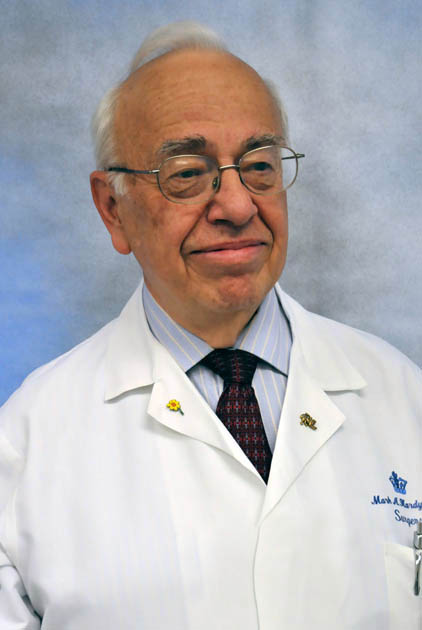 Mark A. Hardy合作论文数Department of Surgery, New York Presbyterian Hospital2Michelle A. Josephson合作论文数2Jason L. Gaglia合作论文数2Abdolreza Haririan合作论文数2
 Jonathan A Fridell合作论文数Department of Pathology, and §Department of Medicine, University of Pennsylvania;∥Thomas E. Starzl Transplantation Institute, University of Pittsburgh Medical Center;University of Pennsylvania, University of Pittsburgh Medical Center2
 Ken A Andreoni合作论文数University of North Carolina at Chapel Hill2Mariam Awwad合作论文数1John R. Klune合作论文数1Annelise Nolan合作论文数1Brian K Lindner合作论文数1Asha Zimmerman合作论文数1Abdullah Karabala合作论文数1Gayle Vranic合作论文数1
 Ling-Jia Wang合作论文数1Yu Chen合作论文数1Anthony Japour合作论文数1Suhail A Shaikh合作论文数Keck Hosp USC, Univ Southern Calif1Aya Iwamoto合作论文数1




