Objective: This study aimed to evaluate the feasibility of using collagen extracted from Pterygoplichthys pardalis skin to develop biodegradable films. Design/methodology/approach: Collagen was extracted by assessing the effects of the acid-to-skin ratio and extraction time using a 22 factorial experimental design. The recovered collagen was characterized by SDS-PAGE, Fourier-transform infrared spectroscopy (FTIR), and ultraviolet-visible (UV-Vis) spectroscopy. Subsequently, films were formulated using a 22 factorial design with collagen concentrations (1 and 2%) and glycerol levels (10 and 20 mL), incorporating gum arabic. Mechanical performance including tensile strength, elongation at break, and Young’s modulus was determined, alongside thermal properties (glass transition temperature, Tg; denaturation temperature, Tm) and biodegradability. Results: The maximum collagen extraction yield reached 54%. The resulting films exhibited an average tensile strength of 1.26 ±0.17 MPa, elongation at break of 15.99 ±0.07%, and Young’s modulus of 22.09 ±0.078 MPa. Tg ranged from −13 °C to −17 °C, while Tm varied between 140°C and 158°C. The biodegradability index attained 77.74 ±6.76%. Limitations on study/implications: The work was performed at laboratory scale; therefore, additional studies are required to evaluate process scalability and the prospective industrial applicability of the films. Findings/conclusions: Collagen derived from P. pardalis skin represents a viable alternative feedstock for producing biodegradable biomaterials with promising mechanical and thermal characteristics, supporting fish-waste valorization and the development of more sustainable materials.
Intracellular paraprobiotics (PP) and postbiotics (PB) derived from lactic acid bacteria are being increasingly explored as alternatives to conventional probiotics. We examined the immunomodulatory effects of PP and PB obtained from Lactiplantibacillus paraplantarum BAL-28-ITTG using human intestinal epithelial cell (HIEC-6) and dendritic cell (NHDC) lines. PP and PB were obtained by thermal and thermal-sonication treatments and characterized by scanning electron microscopy, fatty acid profiling (Gas Chromatography - Mass Spectrometry (GC-MS)), and Sodium Dodecyl Sulfate Polyacrylamide Gel Electrophoresis (SDS‒PAGE). Cellular responses were assessed through metabolic activity (MTT), catalase/caspase activity, and multiplex cytokine quantification. Statistical analyses were performed using Analysis of Variance (ANOVA) and appropriate post hoc tests. PP and PB did not induce cytotoxic effects in HIEC-6 or NHDC cells. PP treatment increased cellular metabolic activity in a dose-dependent manner and modulated the secretion of cytokines, particularly IL-1β, IL-4, IL-6, IL-10, and TNF-α. Interestingly, PP-2 enhanced cytokine production under basal conditions while attenuating cytokine responses in lipopolysaccharide-stimulated cultures. These findings demonstrate that BAL-28-ITTG-derived PP and PB modulate cytokine responses in human intestinal and immune cell models in vitro, warranting further investigation to determine their biological relevance in vivo.
Mangifera indica L. var. Oro constituye un cultivo de gran importancia en México, sin embargo, su limitada vida en anaquel genera pérdidas significativas en la etapa postcosecha. En este contexto, la deshidratación osmótica se presenta como una alternativa tecnológica viable para prolongar la vida útil del mango. El objetivo de este trabajo fue determinar el efecto de la concentración de sacarosa (40 y 60 °Brix) y de la temperatura (40 y 60 °C) de la solución osmótica, así como la aplicación de un pulso de vacío (5 y 15 lb/plg2) sobre la pérdida de agua (PA) y ganancia de solutos (GS) de mango (Mangifera indica var. Oro) y el grado de aceptación del mango osmodeshidratado. La PA y GS se calcularon por diferencia de peso y la aceptación del mango se determinó mediante una prueba hedónica estructurada de 9 puntos. La ecuación de Azuara se utilizó para modelar la pérdida de agua y ganancia de solutos. El mango osmodeshidratado de 50 °Brix a 60 °C y 15 lb/plg2 tuvo el mejor grado de aceptación (7.38). Con el objetivo de optimizar múltiples respuestas mediante el uso de un modelo matemático, es posible emplear condiciones de 53 °Brix, 51 °C y un pulso de vacío de 7.65 lb/plg² para maximizar la pérdida de agua y minimizar la ganancia de sacarosa. Sin embargo, debido a la no significancia del pulso de vacío, y para fines industriales, se podría utilizar 50 °Brix a 50 °C sin aplicación del pulso de vacío. Las condiciones anteriormente descritas podrían aplicarse a nivel industrial para obtener un producto de mango con una vida en anaquel igual o superior a la del fruto fresco, manteniendo una adecuada aceptación sensorial.
The effects of the maltodextrin weight fraction ( W_MD=0, 0.4, 0.8 ), which is defined as the mass ratio of maltodextrin to total dry solids, on the thermal properties and state diagrams of chicken and pork meat powders were investigated. The samples were defatted, freeze-dried, conditioned on both freezable (30–90 W_MD increased the onset decomposition temperature ( T_d onset ) from 180 to 195 °C in chicken powder and 185–190 °C in pork powder while reducing mass loss, indicating enhanced thermal stability. For samples containing freezable water, DSC revealed systematic increases in the parameters of the maximally freeze-concentrated phase, with a glass transition temperature ( T_g^' ) ranging from − 24.3 to − 13 °C, a melting temperature ( T_m^' ) ranging from − 14.6 to − 7.0 °C and a solid mass fraction ( W_s^' ) ranging from 0.753 to 0.871 g solid/g sample as W_MD increased. For anhydrous meat powders, the glass transition temperature ( T_g ) increased from 33.4 to 45.6 °C with increasing W_MD , as determined by the MDSC. The state diagrams constructed via the Gordon–Taylor and Chen equations (R2 > 0.723, SSE < 44.8) demonstrated upward shifts in all the transitions with increasing W_MD . Overall, maltodextrin significantly enhances thermal stability, reduces freezable water content, and increases T_g^' , T_m^' and T_g , supporting its use as a functional stabilizer in dehydrated and frozen meat products. From a thermophysical perspective, higher transition temperatures indicate improved storage stability for powders with W_MD≥ 0.4 .
In recent years, there has been a growing consumer focus on health, leading to an increased demand for minimally processed functional foods. This study explores the microencapsulation of Lactiplantibacillus paraplantarum (BAL-28-ITTG) using spray drying, as well as the incorporation of the microcapsules into food films formulated with tamarind gum, whey, and beeswax. Additionally, the most effective film was applied as a coating for minimally processed jicama. L. paraplantarum (BAL-28-ITTG) was encapsulated via spray drying at temperatures of 140 °C and 150 °C, utilizing maltodextrin:gelatin blends in ratios of 19:1 (w:w) and 29:1 (w:w). The microcapsules were incorporated into films composed of whey, tamarind gum, and beeswax. A completely randomized experimental design with three replicates was employed. Results were analyzed using ANOVA (p < 0.05). The study demonstrated the survival of the microorganism after spray drying, as well as within the film during 60 d of storage at 4 °C. Incorporating the film containing encapsulated L. paraplantarum (BAL-28-ITTG) enhanced the functional properties of jicama. This study reports on the development of a probiotic film that can be utilized fortifying semi-processed foods.
Ultrasound has been used toimprovemeat tenderness andreducematuration time. InMexico, informationaboutultrasound Biodegradation modeling of sludge bioreac ors of total petroleum hydrocabons weatherng in soil treatment for enhancing meat tenderness of semimembranosus (SM) and semitendinosus (ST) muscles is scarce. Therefore, and sediments) this study evaluated the effect of ultrasound on the agingprocess,physicochemical properties, cooked meat's tenderness, and SA Medina Moren S Huerta Ochoa CA Lucho Constantino L Aguilera V & aacute;zquez A Jim & eacute;nez lysosomal enzymes' activity in SM and ST bovine muscles. Eighteen SM and ST muscles were removed at 24 h postmortem from G & aacute;l G & eacute; Charolais breed cattle and were submitted to ultrasound treatment for 30 and 60 min at 750 watts and 20 kHz. The pH, weight loss, color, aging index, tenderness, beta-glucuronidase, and cathepsin B+L activity were evaluated at 7 and 14 days postmortem 9 ec e o, so e enc a y apaci & oacute; e fidob terium i f t a co dciones cd s at 4 degrees C. The results suggest that ultrasonication did not cause modifications in the pH, color, and weight loss in raw meat (p> (Grow h survival and adaptation of Bifidobacterium infantis to acidic conditio s) 0.05). The aging index, cooked meat tenderness,and lysosomal enzymes' activities were enhanced with ultrasound treatment L M y R P B a C il A G N E B Fl id y A A l with respect to the control. Finally, the results suggest that the ultrasound could be a useful tool in improving the cooked meat tenderness of ST muscle.
Probiotics and phenolic compounds provide benefits to humans when they are consumed in adequate amounts. However, these materials are not very stable and can easily be degraded during processing and storage; so, they must be protected. This study evaluated the encapsulation of Lactiplantibacillus fabifermentans BAL-27 ITTG and phenolic compounds from coffee husks via alginate beads. The research considered variables such as alginate concentration (1.5% and 3%), crosslinking time (8 and 20 min), and the inclusion of chitosan. A 23 factorial design was employed, and the effects were analyzed via ANOVA (p < 0.05). The encapsulation efficiency of the probiotic exceeded 80%, and its viability following gastrointestinal simulation ranged from 73.65% to 85.34%. The phenolic compounds achieved encapsulation efficiencies of up to 20%. In yogurt, the alginate beads maintained probiotic viability at approximately 9 Log10 CFU/g and preserved the stability of the antioxidant compounds over 28 days. Moreover, the incorporation of beads did not adversely affect the physicochemical properties or sensory acceptance of the yogurt, supporting their potential application in functional foods.
This study aimed to construct state diagrams for fruit juice powders with different maltodextrin weight fractions ( W_MD=0 , 0.4, and 0.8) to optimize their formulation and predict storage conditions. Freeze-dried juices from mango, prickly pear, kiwi, strawberry, and pineapple, with and without maltodextrin, in the freezable and unfreezable water domains were analyzed via differential scanning calorimetry (DSC). Their glass transition ( T_g ), melting point ( T_m ), and maximal freeze-concentration conditions ( T_g^' and T_m^' ) were evaluated. The Gordon‒Taylor and Chen models were used to predict the glass transition and melting curves and construct a state diagram of each powdered juice. The addition of maltodextrin improved the thermal stability by reducing the freezable water content and modifying the freeze-concentration conditions. These findings provide practical insights into the design of powdered fruit products with enhanced quality and storage stability.
This study evaluated the effectiveness of maltodextrin (MD) combined with gum Arabic (GA), soymilk (SM), and soy protein (SP) as encapsulating agents for β-carotene microencapsulation via spray drying. The process achieved an encapsulation efficiency ranging from 7.95 to 56.25
In this study, aerogels were developed from low-acyl gellan gum (LAGG) and aloe vera gel (AVG) through a centered composite design to increase their structural and antimicrobial performance for food packaging applications. The effects of pH (1, 4, and 7), the LAGG/AVG ratio (66/33, 50/50, and 33/66), and the solid content (0.25, 0.50, and 0.75 % w/v) were evaluated. The optimal formulation, pH 1, 66/33 LAGG/AVG ratio, and 0.75 % v/w solids, presented low volumetric shrinkage (30.9 %), high porosity (90 %), low density (0.030 g/cm3), high hardness (4.1 N), and thermal stability, with glass transition (Tg) and melting (Tm) temperatures of 54.4 °C and 74.3 °C, respectively. Eugenol-loaded aerogels based on this formulation effectively inhibited the growth of Escherichia coli and Staphylococcus aureus after 60 and 40 min, respectively, via headspace release over agar plates without direct contact. These findings support the potential of LAGG-AVG aerogels as natural polymer-based carriers for volatile antimicrobial agents in active packaging systems.
The aim of this study was to evaluate the impact of Lactobacillus acidophilus postbiotics on the physicochemical properties and sensory acceptance of low-fat cooked sausages. A randomized design with varying fat (0-25 %) and postbiotic (0-25 %) levels was used. The parameters analyzed included protein content, organic acid content, pH, color, texture profile, and sensory attributes. Postbiotic inclusion (25 %-0 % fat) increased the protein (16 f 0.1 %), acetic acid (17.14 f 0.05 mM), and lactic acid (157.35 f 1.61 mM) contents. Improvements were also observed in cohesiveness (0.785 f 0.001) and springiness (0.765 f 0.0057), whereas pH, color, hardness, and chewiness remained unchanged. Sensory evaluation revealed a greater preference for sausages with 18.75 % postbiotics and 6.25 % fat. These findings suggest that postbiotics can improve the physicochemical and sensory properties of cooked sausages. Further studies should evaluate complete chemical composition of sausages, shelflife, bioactive compounds, and potential health benefits.
In Mexico, the pupae of the reproductive castes of the ant Liometopum apiculatum, escamoles, are highly valued in traditional and gourmet cuisine in the country’s central region. Escamoles are collected during the dry season of the year. The recommended collecting process is to open the ant nest by removing soil until the rearing chamber and the trabeculae with attached escamoles are found. A well-managed ant nest can be collected repeatedly for approximately 12 to 40 years. In Charcas municipality, San Luis Potosí, Mexico, 400 ant nests were located and checked under two land tenure conditions: the Laguna Seca private ranch and the Pocitos communal ejido. The exploitation of escamoles on both tenures was characterized by recording the number of dead and live ant nests. This work evaluated the condition of the ant nests registered in 2012 after eight years. The hypothesis was that ant nests’ survival would be greater in the private than in the communal land. The percentage of living ant nests on the ejido decreased by 35.67%. In contrast, on the ranch, it was 26.88%. The percentage of relocated ant nests was lower on the ejido, 37.43%, compared to the ranch, which was 48.1%. The number of dead ant nests on the ejido increased to 33.51% and on the ranch 15.0%. As predicted by the hypothesis, ant nest survival was higher on the private ranch than on the communal ejido lands because of stronger control of the extraction process.
The aim of this study was to assess how the application of Limosilactobacillus fermentum BAL-21-ITTG in alginate-based edible coatings to osmodehydrated papaya pieces affects the physicochemical and organoleptic properties of the fruit. The papaya was sliced, and these pieces were osmodehydrated at 40 °C in a sucrose solution (45 °Brix) for 6 h. Subsequently, the osmodehydrated papaya pieces (OPPs) were dried for an additional 6 h at 40 °C. The OPPs were categorized into four groups and subjected to the following treatments: T1 (coated with a sodium alginate solution and L. fermentum, followed by gelation with CaCl2); T2 (coated with a sodium alginate solution and L. fermentum); T3 (coated with L. fermentum); and T4 (uncoated). Subsequently, the OPPs were stored in polyethylene containers at 4 °C for a duration of 34 days. The viability of L. fermentum and its survival during gastrointestinal simulation, as well as physicochemical, microbiological, and organoleptic properties were assessed during storage. The T1 treatment exhibited increased firmness throughout storage and sustained higher L. fermentum viability (8.88 log CFU/g) with a 98
This study elucidated the effect of age and diet on carcass characteristics and meat quality parameters of Rambouillet ewes. Forty ewes (n = 20 yearling ewes and n = 20 cull ewes) were fed with alfalfa hay (AH) or a 100 % concentrate diet (CD). Treatments were: a) 10 cull ewes were fed only with AH, b) 10 yearling ewes were fed only with AH, c) 10 cull ewes were fed with CD, d) 10 yearling ewes were fed with CD. Productive performance, carcass and meat quality were analyzed. Animals had ten days for adaptation and 35 days were used to collect data. Dry matter intake was greater (P < 0.05) for CD. Feed conversion rates were not affected by treatments. The pH at 45 min and 24 h, carcass length, leg length, leg width, thorax width, and thorax perimeter were not affected by treatments. Hot carcass weight was heavier (P < 0.05) in cull ewes, cold carcass weight was increased (P < 0.05) with CD. Carcass yield (CY) was heavier in CD (P < 0.05). Cull ewes had greater (P < 0.05) lean CIELAB L*, a*, b*, c*, and h* values compared to yearling ewes. The color changes increased with age at five days (P < 0.05), but a decrease (P < 0.05) with diet was observed at ten days. Cathepsins B, B + L, and Lowry protein content were not affected by treatments. In conclusion, feeding cull ewes with concentrate diets may enhance body weight gain and carcass yield compared to a diet based on 100 % alfalfa hay.
Collagen is a material which is recognized for its biocompatibility properties, biodegradability and low antigenicity, allowing it to be used for the creation of different materials as composites, scaffolds or hydrogels. However, collagen-based materials fail to provide useful mechanical properties in a final product. In this regard, it has been reported that the addition of metallic ions contributes towards supporting polymer matrices. Thus, the objective of this work was to evaluate the effect of metallic ions incorporation on the mechanical properties of biomaterials based on collagen from Pterygoplichthys pardalis and sodium polyacrylate (PAAS). It was observed that the addition of metallic ions modified the mechanical properties of biomaterials out of collagen and sodium polyacrylate (Co-PAAS). The greatest tensile force was achieved when 0.09 mg of collagen and 0.003 mol of Fe 3+ /g Co-PAAS were used. On the other hand, the greatest elongation at break was achieved when the biomaterial was synthesized with 0.09 mg of collagen and 0.002 mol of K 1+ /g Co-PAAS. Also, the highest value for Young’s modulus was found when the biomaterial was synthesized with 0.05 mg of collagen and 0.002 mol of Fe 3+ /g Co-PAAS and 0.003 mol of K 1+ /g Co-PAAS. Finally, it was concluded that P. pardalis could be a collagen source for the development of biomaterials due to its electrostatic interactions with metallic ions increasing the mechanical properties of the processed material significantly.
Composite hydrogels based on natural polymers with manufactured properties according to the desired application for the food industry are currently significant. Thus, this study aimed to study the association of low acyl gellan gum (LAGG) and Aloe vera gel (AVG) for composite hydrogel creation by controlling pH (1, 4, 7), solid content (0.25, 0.50, 0.75 w/v), and polymer ratio (66:33, 50:50, and 33:66 LAGG/AVG). Hydrogels were prepared by physical crosslinking, diluting the required amount of LAGG at 90 °C, followed by AVG at 60 °C, and storing at 4 °C. The study involved the analysis of zeta potential (x), water holding capacity (WHC), hardness, storage modulus ( ), loss modulus ( ), and the phase transition temperature ( ) of hydrogels. The corresponding values of x, WHC, hardness, , and of produced hydrogels were found to be in the ranges of -23.3±1.52 to 6.3±0.25 mV; 4.6±0.22 to 98.9±0.16%; 0.4±0.15 to 14.3±0.81 N; 16,100 to 89,700 Pa; and 22 to 46 °C. Statistical analysis (p<0.05) showed that pH, solid content, and polymer ratio significantly influenced hydrogels' functional properties. However, as a general trend, the pH*solid content interaction was among the most critical factors influencing response variables.
Anticancer potential and a prebiotic effect of fructan mixtures from Agave salmiana (branched) and chicory inulin (linear) were evaluated to different mass fractions 1/0, 0/1, 0.5/0.5, 0.75/0.25, 0.25/0.75, respectively, in three concentrations: 2, 3.5, and 5 mg/mL. The viability, proliferation, and apoptosis of human colon cell lines, CRL1831 (healthy), HT29 (cancerous grade 1-2), and SW480 (cancerous grade 3-4), were evaluated by absorbance assays. Lactobacillus acidophilus and Bifidobacterium longum subsp. infantis growth was determined by spectrophotometry at 600 nm. The lactic acid and short-chain fatty acids (SCFAs) production was determined by the HPLC method. Fructan mixtures (inulin/agave, 0.25/0.75) showed a synergic effect on viability, proliferation, and decreased apoptosis in healthy colon cells (CRL1831) at 5 mg/mL. An increase (p < 0.05) of apoptosis in HT29 and SW480 was observed with inulin/agave (0/1) at 3.5 mg/mL and inulin/agave (0.5/0.5), respectively. The proliferation of L. acidophilus and B. longum subsp. infantis was better when the agave fructans were in a higher proportion than inulin. Lactic acid was the highest metabolite produced by L. acidophilus and acetic acid by B. longum subsp. infantis. Fructan mixtures induced SW480 and HT29 cells to apoptosis without toxic effects on healthy cells and improved bacteria proliferation and metabolite production.
BackgroundTilapia (Oreochromis spp.) in the form of frozen fillets is one of the fishes with the highest commercial production levels worldwide. However, protein denaturation, membrane rupture, and lipid oxidation are commonly observed in fillets when stored at standard commercial freezing temperatures for long periods. This study proposes, for the first time, the use of maltodextrin and state diagrams to define processing strategies and suitable storage temperatures for fresh and dehydrated tilapia fillets. Differential scanning calorimetry (DSC) was used to study the effect of maltodextrin weight fractions (WMD$$ {W}_{MD} $$) of 0, 0.4, and 0.8 on the thermal transitions of tilapia fillets as a function of solid mass fractions (Ws$$ {W}_s $$). ResultsThe glass transition temperature curve (Tgvs.Ws$$ {T}_{\mathrm{g}}\ \mathrm{vs}.{W}_{\mathrm{s}} $$) and characteristic parameters of maximal freeze concentration (Tg '$$ {T}_{\mathrm{g}}<^>{\prime } $$, Tm '$$ {T}_{\mathrm{m}}<^>{\prime } $$, Ws '$$ {W}_{\mathrm{s}}<^>{\prime } $$) of tilapia increased significantly with the addition of maltodextrin. Using developed state diagrams, freezing and storage temperatures of -22 degrees C, -15 degrees C, and -10 degrees C (P < 0.05) for long-term preservation were defined for tilapia fillets produced with WMD$$ {W}_{MD} $$ of 0, 0.4, and 0.8. ConclusionMaltodextrin is an excellent alternative as a cryoprotectant and drying aid to increase the thermal parameters of tilapia fillets by achieving frozen storage temperatures above the standard commercial freezing temperature of -18 degrees C. (c) 2023 Society of Chemical Industry.
The aim of this work was to supplement a diet with chia seeds (Salvia hispanica L.) based on the requirements of finishing lambs for meat, and to analyze biometric parameters and fatty acid profiles in meat. Eighteen male Rambouillet lambs with a bodyweight of 25 kg were used. Animals were kept in individual pens with water and feed provided ad libitum. Three finishing diets were designed with the inclusion of 0, 50 and 100 g dry matter chia seeds and divided among the animals (n = 6). The experimental period lasted 60 days. The weights of the individual lambs were recorded every 14 days. At the end of the experiment, the animals were slaughtered and the weights of the hot carcasses and non-meat components were registered. In addition, an analysis of the fatty acid composition was carried out in the muscles (Longissimus thoracis). The total weight gain and average daily gain displayed significant differences (p < 0.05). Initial and final bodyweights, such as the dry matter intake, did not display differences. The fatty acid profile of the meat tended to decrease the SFA (stearic acid) and increase MUFA (oleic acid) (p < 0.0001) when chia seeds were added to the lamb diets. In conclusion, chia seed supplementation did not increase meat production or other biometric parameters; however, it modified the fatty acid profile in L. thoracis.
Adults or cull ewes may represent an economical option in sheep production systems if the selling price could be based on the carcass weight and number of edible tissues. Therefore, it is relevant to know carcass characteristics of cull ewes and for farmers this could result in a viable option for the sale of this type of animals. Thus, this study determined the effect of age and diet on carcass characteristics and meat quality parameters of Rambouillet ewes. Forty ewes with different ages (n=20 yearling ewes and n=20 cull ewes) were fed with alfalfa hay (AH) or 100% concentrate diet (CD). Treatments were as follows: a) ten cull ewes were fed only with AH, b) ten yearling ewes were fed only with AH, c) ten cull ewes were feed with CD, d) ten yearling ewes were fed CD. Productive performance, carcass characteristics, and meat quality were recorded. Animals had 10 days of adaptation and 35 days for data collection. Dry matter intake was grater (P < 0.05) for CD. Feed conversion had no differences. The pH at 45 min and 24 h, carcass length, leg length, leg width, thorax width, and thorax perimeter were similar between treatments. Hot carcass weight was heavier (P < 0.05) in cull ewes, cold carcass weight was increased (P < 0.05) by CD. Carcass yield (CY) was heavier in CD (P < 0.05). Cull ewes had greater (P < 0.05) lean CIELAB L*, a*, b*, c*, and h* values compared with yearling ewes. The color changes increased by age at five days (P < 0.05), but a decrease (P < 0.05) by diet was observed at ten days. Cathepsins B, B+L, and Lowry protein content were similar among treatments. Our results suggested that feeding cull ewes with concentrate diets could improve body weight gain and carcass yield with respect to feeding only with alfalfa hay.
 Miguel Abud-Archila合作论文数36
 M. A. Ruiz-Cabrera合作论文数27
 Raul Gonzalez-Garcia合作论文数Facultad de Ciencias Químicas, Universidad Autónoma de San Luis Potosí26
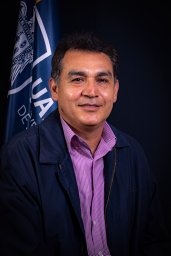 Miguel A. Ruiz Cabrera合作论文数Facultad de Ciencias Quı́micas, Universidad Autónoma de San Luis Potosı́23
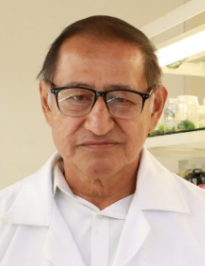 Federico Antonio Gutierrez Miceli合作论文数Instituto Tecnológico de Tuxtla Gutiérrez10
 Mario Moscosa-Santillan合作论文数7
 Victor Manuel Ruiz-Valdiviezo合作论文数6c riverabautista合作论文数4A I Castillo Andrade合作论文数4Jorge L. González-Escobar合作论文数4Ana P. Barba De La Rosa合作论文数4Sandy Luz Ovando-Chacón合作论文数4
 María Celina Luján-Hidalgo合作论文数Tecnol Nacl Mexico, IT Tuxtla Gutierrez4Rocío Meza-Gordillo合作论文数4
 juan antonio reyesaguero合作论文数Instituto de Investigación de Zonas Desérticas, Universidad Autónoma de San Luis Potosí4Luc Dendooven合作论文数4s l ovandochacon合作论文数3Alicia Chagolla-López合作论文数3Alma Flores‐Ramírez合作论文数3Pedro García-Coronado合作论文数3
 Marco M. Gonzalez-Chavez合作论文数3Antonio De Leon-Rodriguez合作论文数Molecular Biology Division, Institute for Scientific and Technological Research at San Luis Potosi3
 Ruth Elena Soria-Guerra合作论文数Department of Natural Resources and Environmental Sciences, University of Illinois3Jacques Lepetit合作论文数3R. Favier合作论文数3l m c venturacanseco合作论文数2lee rangel合作论文数2
 Marco Antonio Pereyra Camacho合作论文数2Luz Eugenia Alcantara Quintana合作论文数2Verónica Guadalupe Hernández-Briones合作论文数2
 Einar Vargas Bello Perez合作论文数University of Reading;University of Copenhagen2
 Alejandro E Relling合作论文数Ohio State University, The Ohio State University2
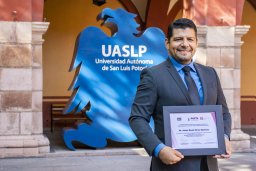 Pérez-Martínez Jaime D合作论文数Facultad de Ciencias Químicas, Universidad Autónoma de San Luis Potosí2
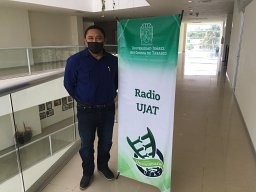 Alfonso J. Chaycanul合作论文数División Académica de Ciencias Agropecuarias, Universidad Juárez Autónoma de Tabasco2
 Shelly J Schmidt合作论文数Department of Food Science and Human Nutrition, College of Agricultural, Consumer and Environmental Sciences, University of Illinois at Urbana-Champaign/Department of Agricultural Engineering, University of Illinois at Urbana-Champaign2
 Lorena Moreno-Vilet合作论文数2
 JUAN CARLOS GARCIA LOPEZ合作论文数Instituto de Investigación de Zonas Desérticas, Universidad Autónoma de San Luis Potosí2
 Yolanda Freile-Pelegrin合作论文数Departamento de Recursos del Mar, CINVESTAV Unidad Mérida2Hector A. Lee-Rangel合作论文数1A. Toxqui-Terán合作论文数1M. C. Lujan-Hidalgo合作论文数1Cuauhtémoc Oros-Ovalle合作论文数1Lucía María C. Ventura-Canseco合作论文数1R Rojo-Rubio合作论文数1O. Angulo-Guerrero合作论文数1Juan Ángel Morales-Rueda合作论文数1
 Jose Humberto Castanon-Gonzalez合作论文数1A. P. Barba-de La Rosa合作论文数1Gabriel Fernando Romo Ramírez合作论文数1




