Wireless power transfer (WPT) is a key enabler for long-term operation of implantable medical devices, eliminating the need for percutaneous drivelines and frequent surgical device replacements. This paper presents the design and validation of a fully wireless, rechargeable implantable drug delivery system (nDS) with an integrated power management and control system, specifically developed for use in freely moving animal models. The proposed system consists of a subcutaneous implant with an inductive power receiver and an external, backpack-mounted power transmitter that dynamically adjusts energy delivery in response to real-time implant feedback. A closed-loop power control strategy, implemented via Bluetooth Low Energy (BLE) communication, ensures adaptive power transfer to maintain system efficiency despite coil misalignment and animal movement. Building on a previously characterized inductive link, the present work extends the validation from benchtop characterization to in vivo operation in freely moving rats, demonstrating safe and repeatable wireless battery recharging of an implantable nanofluidic drug delivery system. Across four in vivo recharging sessions, the median average power transfer efficiency during constantcurrent phase was 22.9% with a median average power delivered to the load of 104.7 mW. The charging sessions lasted from 90 (first) to 30 (last) minutes, performed once per week over 4 weeks. The proposed closed-loop WPT implementation enabled reliable battery recharging within clinically relevant time scales while maintaining operation in compliance with thermal safety constraints, thereby supporting chronic, fully untethered drug delivery studies in small animals.
Implantable drug delivery systems offer the promise of on-demand, tunable release profiles tailored to individual therapeutic needs. Here, we present a nanofluidic membrane-based electrochemical delivery system that leverages controlled in situ gas generation to achieve electrically modulated molecular transport. The device comprises a monolithically fabricated nanochannel membrane coated with a platinum layer, which enables cathodic water reduction upon application of a -2 VDC potential. This process generates bubbles that transiently increase local pressure, enhancing convective drug transport through the nanochannels. Electrochemical characterization revealed stable gas evolution dynamics with an average actuation current of 2.31 ± 0.36 mA and low power requirements (4.62 ± 0.43 mW), highlighting suitability for energy-constrained implantable settings. In vitro and simulated physiological clearance studies demonstrated reversible, voltage-dependent modulation of drug release across a range of compounds with diverse hydrodynamic radii and charges. Drug release rates ranged from 1 to 10 μg h-1 under electrical actuation-values within therapeutically relevant dosing windows for a wide array of clinical applications. Integration and in vitro validation with a miniaturized Bluetooth-enabled printed circuit board (PCB) controller powered by a 3 V coin cell battery further supports the platform's feasibility for autonomous, wirelessly controlled therapeutic administration. Together, these findings demonstrate a scalable, low-power, and highly adaptable nanofluidic system capable of tunable drug delivery, suitable for integration within implantable closed-loop systems.
Systemic immunosuppression remains essential for preventing allogeneic transplant rejection, but its chronic use causes substantial toxicity. Conceptually, local, site-specific immunomodulation offers a promising alternative, yet comparative mechanistic insight into how immunosuppressants behave when delivered directly to the graft is lacking. Here, we leveraged the Neovascularized Implantable Cell Homing and Encapsulation (NICHE) device, a subcutaneous, vascularized cell-encapsulation platform, as a spatially defined and reproducible model to study local immunomodulation in allogeneic islet transplantation. We systematically profiled the safety, local and systemic immunomodulatory effects, pharmacokinetics, and longitudinal biodistribution of five clinically relevant agents delivered locally at the graft site: CTLA4-Ig, anti-lymphocyte serum, anti-CD40L, anti-CD2, and anti-IL6. Sustained in situ exposure did not impair islet viability or function, and immunosuppressants were confined within the graft, with up to 100-fold lower systemic concentrations. Individual agents produced distinct immune signatures, spanning lymphocyte depletion and shifts in T-cell activation that can guide rational, mechanism-informed combinations for allogeneic cell transplantation. These findings provide a comparative framework for evaluating localized immunosuppression with the potential to transform immunoprotection in cell therapy.
Cancer remains a leading cause of death worldwide, and current systemic therapies are limited by poor tumor penetration and retention, systemic toxicities, and therapeutic resistance. Intratumoral (IT) immunotherapy offers a promising alternative. By delivering therapies directly into the tumor, IT delivery platforms can reduce systemic toxicity and improve efficacy. This review compares systemic and IT immunotherapy, emphasizing the ability of IT immunotherapy to bypass vascular and stromal barriers, reduce immune-related adverse events, and enable synergistic combinations that may be intolerable systemically. We examine IT delivery platforms including nanoparticles, bacterial vesicles, oncolytic viruses, device-assisted infusion systems, hydrogels, implantable scaffolds, drug-eluting seeds, and microneedle patches. For each, we discuss delivery strategies and translational considerations. We also highlight IT therapeutic cargos, including gene therapies, cell therapies, pattern recognition receptor agonists, cytokines, immune-checkpoint inhibitors, and metabolic modulators, and we discuss which delivery platforms are more suitable for particular therapeutic cargos. Finally, we explore synergy between IT immunotherapy and external energy modalities such as photothermal therapy, microwave ablation, magnetic hyperthermia, radiotherapy, sonodynamic therapy, photodynamic therapy, and cryotherapy. While challenges remain, the ability of IT immunotherapy to achieve durable systemic anti-tumor immune responses with minimal toxicity positions it as a transformative approach for cancer immunotherapy.
Intratumoral immunotherapy presents a promising approach for enhancing cancer treatment; however, its effectiveness is limited by heterogeneous intratumoral drug distribution and rapid drug leakage following direct injection. To address these limitations, we developed a biodegradable nanofibrous drug-eluting seed (b-NDES), a reservoir-based implant designed for sustained, localized diffusive delivery of immunotherapeutics. The b-NDES reduces systemic exposure and eliminates the necessity for surgical removal through gradual biodegradation. Implant bodies were fabricated by electrospinning polymeric formulations comprising varying ratios of polycaprolactone (PCL), poly(lactic-co-glycolic acid) (PLGA), and barium sulfate to provide radiopacity. Surface modifications were implemented to adjust the porous structure, allowing for tailored drug elution rates. Comparative comprehensive evaluations of morphology, in vitro release profiles, and degradation kinetics were performed. The optimized 1:4 PCL:PLGA formulation reduced permeable porosity from 18.99 ± 1.26% to 2.74 ± 1.04%, effectively decreasing the rhodamine delivery rate from 162.58 ± 16.11 μg/h to 30.68 ± 11.60 μg/h in vitro. The 1:4 PCL:PLGA structure achieved controlled diffusive drug release profile that extended intratumoral drug persistance in a 4 T1 triple-negative breast cancer (TNBC) murine model, with negligible systemic off-target exposure. Further, long-term degradation studies showed an overall mass loss of 46.32 ± 12.01% at 6 months. When loaded with a combination of CD40 agonist antibody (α-CD40) and a STING agonist (STINGa) and paired with stereotactic radiotherapy, the b-NDES platform achieved complete tumor eradication in 60% of animals. Importantly, no systemic adverse effects were observed with the intratumoral administration of the immunotherapeutic combination via b-NDES. By providing a minimally invasive, sustained-release strategy that naturally degrades to eliminate the need for surgical removal, the b-NDES represents a versatile platform for delivering potent immunotherapeutic combinations against aggressive malignancies.
Nanomedicine has progressed far beyond its early role as an experimental drug-carrier toolbox and today stands as a clinically validated enabling technology. Liposomal formulations and albumin-bound nanoparticles have transformed cancer therapy, while lipid nanoparticle (LNP) platforms accelerated the rapid development and global deployment of SARS-CoV-2 mRNA vaccines—demonstrating how nanoscale engineering can reshape therapeutic response, manufacturing speed, and public health impact. With these successes as foundation, the field is rapidly expanding into more sophisticated delivery systems including cell-hitchhiking nanoparticles, biomimetic multivalent vaccines, implantable immunotherapy depots, high-loading polymeric micelles, organ-targeted gene and RNA carriers, and bio-hybrid extracellular vesicle and mitochondrial therapies. These platforms aim not only to transport drugs, but to modulate immunity, direct regeneration, and enable precision intervention at the cellular and molecular scale. This perspective summarizes the current landscape of biomedical nanotechnologies and outlines how their continued evolution positions nanomedicine as an enabling science driving the next generation of therapeutics.
Abstract Introduction: Tumor-infiltrating lymphocytes (TILs) are key mediators within the tumor immune microenvironment (TIME) and are often associated with favorable prognosis across multiple cancers. Despite the transformative success of immunotherapy, its clinical efficacy remains limited by immune evasion and systemic toxicity. Multi-agent immunotherapy targeting complementary pathways holds great potential, yet its application is constrained by dose-limiting toxicities. Hypothesis: We hypothesize that localized, sustained delivery of multiple immunomodulators through a biodegradable nanofluidic drug-eluting seed (b-NDES) can enhance antitumor efficacy, generate durable immune memory, and minimize systemic adverse effects. Methods: A fully implantable, biodegradable nanofluidic platform (b-NDES) was engineered for intratumoral release of α-CTLA4, STING agonist, resiquimod (TLR7/8 agonist), IL-12, and α-CD40. Efficacy was evaluated in murine models of triple-negative breast cancer (4T1), pancreatic cancer (KPC), and lung cancer (KLN205). Three- to five-drug combinations were compared for tumor regression, systemic immune activation, and toxicity. For the KPC abscopal model, bilateral tumors were established, and only one lesion received b-NDES implantation to assess systemic immune activation. Immune memory was assessed via tumor rechallenge and IFN-γ ELISpot assays. Tumor immune remodeling was profiled using Olink proteomics, CyTOF, and imaging mass cytometry (IMC). Results: The five-drug b-NDES achieved complete tumor eradication in 5 of 6 mice in the 4T1 model and induced robust antitumor responses across KPC and KLN205 models. In the KPC abscopal model, b-NDES induced regression of untreated contralateral tumors, indicating systemic immune activation. Rechallenged mice demonstrated full tumor rejection and elevated IFN-γ-secreting splenocytes, indicating durable memory responses. IMC and CyTOF revealed enriched CD8+ T-cell infiltration, dendritic-cell activation, and M1 macrophage polarization in responders. Cytokine profiling showed a robust pro-inflammatory signature in the five-drug group. Importantly, localized b-NDES delivery avoided the weight loss, hypothermia, and liver toxicity observed with systemic administration. Conclusion: The b-NDES platform enables safe, sustained, and synergistic delivery of multiple immunotherapies directly into tumors, achieving complete regression, systemic immune activation, and long-term memory without systemic toxicity. This approach represents a promising strategy for localized, multimodal immunotherapy against aggressive, treatment-resistant cancers. Citation Format: Jingyi Wang, Francesco Manfredi, Eleonora Molinari, Madison A. Deeson, Danilo Settis, Casey Lewis, Junjun Zheng, Junhua Mai, Shu-Hsia Chen, Corrine Ying Xuan Chua, Alessandro Grattoni, . Intratumoral biodegradable nanofluidic platform for localized multimodal immunotherapy enhances tumor eradication and immune memory [abstract]. In: Proceedings of the American Association for Cancer Research Annual Meeting 2026; Part 1 (Regular Abstracts); 2026 Apr 17-22; San Diego, CA. Philadelphia (PA): AACR; Cancer Res 2026;86(7 Suppl):Abstract nr 1551.
Mesenchymal stromal cell-derived extracellular vesicles (MSC-EVs) are emerging as potent cell-free mediators of tissue repair, whose composition and function can be tuned by the cellular microenvironment. Although inflammatory cues modulate mesenchymal stromal cell (MSC) behavior, how defined preconditioning strategies program extracellular vesicle (EV) functional outputs remains incompletely understood. Here, we systematically evaluated how priming bone marrow-derived MSCs with interferon-gamma/tumor necrosis factor-alpha (I/T) or lipopolysaccharide (LPS) generates EV populations with distinct immunomodulatory and regenerative properties. Using a murine full-thickness wound model, we performed an integrative analysis of biodistribution, immune response, and extracellular matrix (ECM) remodeling, complemented by single-cell, transcriptomic, and proteomic profiling. All EV populations were retained at the wound site following subcutaneous delivery and supported wound contraction; however, they drove distinct, treatment-specific repair trajectories. I/T-EVs promoted a coordinated regenerative response characterized by balanced macrophage (MΦ) activation, controlled immune modulation, and efficient resolution of inflammation, resulting in organized ECM remodeling. In contrast, LPS-EVs induced a more pro-inflammatory response, accelerating wound contraction and promoting compensatory matrix stiffening with reduced structural coordination. Control EVs primarily facilitated early immune resolution with limited induction of regenerative remodeling pathways. Proteomic profiling of EVs identified enrichment of proteins associated with insulin-like growth factor signaling, MΦ recruitment, and ECM remodeling, consistent with in vivo protein expression patterns and linking EV cargo to functional outcomes. These findings demonstrate that preconditioning does not uniformly enhance EV efficacy but instead selectively programs distinct MSC-EV functional states, establishing EV preconditioning as a tunable strategy for engineering cell-free therapeutics with predictable and context-specific therapeutic outcomes.
Pancreatic islet transplantation represents a promising therapeutic strategy for type 1 diabetes (T1D). In this context, the subcutaneous space offers a safer and more accessible alternative to the clinically established intraportal delivery route. However, a major unmet need remains the development of a site capable of supporting rapid vascularization and sustained islet function. In its current configuration, this approach is limited by poor vascularization, hypoxia-driven islet loss, loss of spatial control during graft delivery, and tissue disruption associated with delivery strategies. To address these challenges, the Neovascularized Implantable Cell Homing and Encapsulation (NICHE) device provides a prevascularized subcutaneous platform that supports islet viability and enables localized immunosuppressant delivery. In this study, we describe the incorporation of a 3D-printed removable placeholder into the NICHE platform to preserve a defined cavity within the device during prevascularization and enable subsequent islet delivery. The placeholder shapes the spatial organization of vascularized tissue, promoting uniform three-dimensional islet distribution upon transplantation. Surface characterization showed that polyamide and BioMed Clear resin exhibit distinct cell adhesion properties, enabling controlled tissue integration and atraumatic placeholder removal. Collectively, these results are consistent with preservation of vascularization, improved islet dispersion within the cell reservoir, reduced inflammatory cell infiltration, and support of metabolic function compared to injection-based delivery. These findings establish spatially controlled cell delivery within a prevascularized niche as a key design principle for enhancing engraftment efficiency and advancing the translational potential of subcutaneous islet transplantation for T1D and related cell-based therapies.
Pancreatic islets are essential for both clinical islet transplantation and preclinical studies aimed at understanding the mechanisms and progression of diabetes. However, progress in these fields is often limited by the availability of high-quality islets, as emerging therapeutic strategies require larger, cleaner, and more standardized preparations. This article presents a high-throughput, standardized protocol for surgical harvesting, enzymatic digestion, and density-gradient purification of pancreatic islets from Lewis rats. The method combines intraductal pancreas perfusion with a defined enzyme blend, pooled digestion of multiple pancreases, and density-based separation to maximize yield while minimizing fragmentation and eliminating the need for routine hand-picking. Islet yield is quantified using two complementary approaches: a traditional aliquot-based counting method commonly used in clinical settings, and a semi-automated whole-preparation imaging-based method. In a representative isolation from 12 pancreases, manual counting yielded approximately 3,300 islet equivalents (IEQ) and 2,700 absolute islets per pancreas (~39,600 total IEQ), with a size distribution of 62% (50-100 µm), 17% (100-150 µm), 10% (150-200 µm), 5% (200-250 µm), and 6% (>250 µm). In comparison, whole-prep automated analysis reported 16,350 total IEQ (1,362 IEQ/pancreas), highlighting inherent variability in aliquot-based quantification. Preparations had a purity of 98% by dithizone staining, and islet viability was maintained at 98% in vitro on days 3 and 7 after isolation. Functional assessment by static glucose-stimulated insulin secretion demonstrated a 10-fold increase in insulin release following a 1-h stimulation with 16.7 mM glucose. Overall, this protocol provides a reproducible and efficient approach for generating high-purity, functionally intact islet preparations that can be used immediately without additional cleanup. Islets retain robust function in culture for up to seven days, enabling flexibility for large-scale in vitro assays as well as in vivo transplantation studies.
Implantable drug delivery systems represent a transformative approach in modern pharmacology, offering precise and controlled drug administration tailored to individual patient needs. By circumventing physiological barriers such as the gastrointestinal tract and the blood-brain barrier, these systems enhance bioavailability and therapeutic efficacy while reducing systemic side effects. Key features include sustained or on-demand drug release, remote activation, and programmable dosing, which collectively improve patient compliance and minimize the frequency of interventions. Innovations in actuation mechanisms, powering technologies, and biocompatible materials have advanced the field, enabling the development of miniaturized, energy-efficient, and scalable devices. Applications range from chronic disease management to localized therapies for neurological and cardiovascular conditions. Despite significant progress, challenges remain in integrating power systems, communication protocols, and regulatory compliance for clinical translation. This review synthesizes the current state of active implantable drug delivery systems, discussing engineering trade-offs, system requirements, and future research directions toward achieving reliable, patient-centered solutions to guide system designers toward developing reliable, scalable, and patient-centered solutions that bridge the gap between cutting-edge research and clinical application.
Contrasting findings are presented in the literature regarding the influence of foreign body response (FBR) on drug release from implantable drug delivery systems. To this end, here we sought direct evidence of the effect of the fibrotic tissue on subcutaneous drug release from long-acting drug delivery implants. Specifically, we investigated the pharmacokinetic impact of fibrotic encapsulation on a small molecule drug, islatravir (293 Da), and a large protein, IgG (150 kDa), administered via biocompatible implants. First, solid implants fabricated from biocompatible PMMA resin, nylon, and PLA were used to characterize the degree of FBR in rats. Despite initial material-dependent differences in the early FBR phase, the thickness and composition of the fibrotic capsules normalized in the chronic phase of FBR. Ex vivo assessments indicated an increase in the diffusivity of both molecules over time, aligning with a reduction in collagen density within the fibrotic tissue. Subsequently, reservoir-based drug delivery devices, matching the solid implants in size, shape and material, were implanted to study in vivo pharmacokinetics. The study revealed consistent plasma levels of islatravir across different implant materials and a temporary modulation of IgG release from PMMA resin implants during the acute FBR phase. End-point histological analyses confirmed that the localized delivery neither incited inflammation in the surrounding tissue nor did it alter vascularization. This evidence suggests that, while acute FBR may transiently affect the release of larger molecules, in the absence of acute local inflammation, fibrotic encapsulation does not significantly impact the steady-state release of small molecule drugs from long-acting implantable delivery systems.
New treatment strategies are urgently needed for pancreatic ductal adenocarcinoma (PDAC), which is one of the deadliest tumors nowadays. PDAC is marked by hypoxia, intrinsic chemoresistance, a "cold" tumor microenvironment, and dense desmoplastic stroma, which hinders drug penetration. This study investigates the combined effect of iron-doped, lipid-coated zinc oxide nanoparticles enhanced with a fluorescent sonosensitizer and local ultrasound stimulation in treating PDAC. Nanoparticles were synthesized and coated by lipids, and their physiochemical properties were characterized by assessing reproducibility, stability, and efficient inclusion of the sonosensitizer. In vitro, sonosensitizer-enhanced nanoconstructs were tested on a KPC murine PDAC cell line in combination with ultrasound to evaluate their cytotoxicity and assess their efficacy. In vivo, NPs were further coupled with AlexaFluor 700 to allow their localization over time, and the nanoconstructs were intratumorally administered to a subcutaneous murine PDAC model to enhance local bioavailability and tumor visualization and minimize off-target effects of systemic delivery. Biodistribution, efficacy, flow cytometry, and survival studies were carried out on different cohorts of mice. The sonosensitizer-enhanced nanoconstructs, combined with ultrasound, triggered significant reactive oxygen species (ROS) production, reducing the KPC cell viability. In vivo, the antitumor efficacy was particularly pronounced with ultrasound stimulation, demonstrating a synergistic interaction between the nanoparticles and ultrasound. Moreover, increased immune cell infiltration, enhanced cancer cell apoptosis, and prolonged survival of the treated animals were achieved. These findings highlight the potential of a synergistic therapeutic approach combining lipid-coated sonosensitizer-loaded nanoparticles and ultrasound stimulation as an effective therapy for PDAC and in situ monitoring.
Cellular therapies aim to treat or manage disease by introducing living cells that integrate into the host and restore or eliminate dysfunctional tissues. Despite their promise for clinical success, the host immune response to cellular treatments remains a challenge since traditional approaches for abrogating immune rejection involve systemic immunosuppression, which results in severe off-target toxicity. One alternate strategy for restraining immune responses involves harnessing the natural immunomodulatory capabilities of regulatory T cells (Tregs), a specialized subset of T cells that suppress inflammatory immune responses and can promote induction and maintenance of transplant tolerance. Here we propose using the NanoLymph platform, an implantable subcutaneous device for continuous localized recruitment of Tregs, to achieve immunological tolerance free of systemic immunosuppression. The NanoLymph features a dual-reservoir system for the sustained release of immunomodulatory agents through a nanoporous membrane and a vascularized compartment that supports cell homing and allograft integration with the host. This work demonstrates robust vascularization of the NanoLymph by four weeks post-implantation, along with sustained in vivo elution of immunomodulatory agents for up to one month that selectively recruit and expand Tregs. Finally, we demonstrate that NanoLymph prolongs cell persistence in a bioluminescent allogeneic transplant model. Overall, the NanoLymph represents a versatile platform to generate a safe and localized tolerogenic microenvironment relevant for cell transplant therapies.
INTRODUCTION:Controlled drug delivery systems are transforming immunomodulation by providing targeted, localized control of immune activity in chronic diseases, including autoimmunity, infection, and cancer. Unlike conventional systemic therapies that cause systemic toxicity and relapse, these platforms deliver fine-tuned immune responses through sustained, localized release to enhance efficacy while minimizing adverse effects. AREAS COVERED:This review explores current strategies using nanoparticles, microparticles, hydrogels, and implant technologies to achieve targeted immune suppression, activation, or tolerance across diverse applications. Controlled drug delivery systems enable precise spatial and temporal dosing to protect transplanted tissues, induce antigen-specific tolerance in autoimmune disorders, and amplify immune activation in vaccines and cancer immunotherapy. We also discuss emerging frontiers in precision immunoengineering, such as leveraging CRISPR technologies. EXPERT OPINION:While translational and regulatory hurdles remain, controlled delivery platforms provide a versatile framework for patient-specific immune modulation. In our Expert Opinion, we highlight their potential to reshape clinical immunotherapy by improving long-term outcomes and enabling personalized immunomodulation, while identifying translational barriers and emerging directions.
Extended space missions significantly affect astronaut health, leading to various systemic and ocular conditions. The ocular surface and cardiovascular system are particularly susceptible to the unique environment within the spacecraft. This can often lead to pathologic issues such as radiation-induced accelerated atherosclerosis (RIAA), spaceflight-associated neuro-ocular syndrome (SANS) and spaceflight-associated dry eye syndrome (SADES). While traditional treatments for SADES, such as artificial tears and lubricants, provide short-term relief, they may lose effectiveness during long-duration spaceflight. In this context, nanomedicine offers promising solutions for the controlled and targeted delivery of therapeutics, including drugs and biologics. This review assesses the spectrum of ocular health and cardiovascular changes in astronauts, highlights the limitations of existing therapeutic measures, and explores how nanotechnology-based approaches can overcome these limitations by significantly enhancing drug delivery in microgravity. We further discuss the need for rigorous validation to improve the management of ocular and cardiovascular in future space exploration.
The administration of therapeutics for long-term chronic disease management or treatment faces considerable challenges, such as the need for precise dosage control, timely delivery and adherence to medication regimens. Traditional drug delivery methods often result in suboptimal therapeutic outcomes owing to variable responses, fluctuating drug concentrations and lack of feedback from real-time monitoring. Smart closed-loop systems (CLSs) could address these limitations by integrating real-time biosensing with automated drug delivery, thereby personalizing treatments to individual needs. This Review explores the current landscape of CLSs, highlighting recent advancements in wearable and implantable technologies that facilitate continuous monitoring of biomarkers and offer responsive therapeutic interventions. We discuss the implications of device design and the trade-offs between wearable and implantable systems. In addition, we highlight the potential of artificial intelligence enhancement of CLS control algorithms by enabling systems to learn from and predict responses to achieve more effective and adaptive optimal therapies. Ultimately, this Review charts a path towards next-generation CLSs, emphasizing the integration of synthetic biology and engineered cells into implantable devices.
Long-acting antiretroviral therapy (LA-ART) holds promise for improving adherence and viral suppression in human immunodeficiency virus (HIV) prevention and treatment, respectively. These LA-ART encompass different delivery modalities such as intravaginal rings, subcutaneous implants, and intramuscular or subcutaneous injectables. However, subcutaneous implants, especially those containing tenofovir alafenamide (TAF), can trigger local inflammation. In this study, we incorporated MCC950, a selective NLRP3 (NOD-, LRR-, and pyrin domain-containing protein 3) inhibitor, into a subcutaneous nanofluidic implant co-delivering TAF and bictegravir (BIC). In a rodent model, MCC950 reduced local inflammation, fibrotic capsule formation, and inflammatory cell infiltration without affecting the antiviral activity of TAF or BIC. Sustained plasma levels of both drugs were maintained for up to 45 days, and imaging mass cytometry and histological analyses confirmed localized immunomodulation. These findings establish inflammasome inhibition as a viable strategy to improve the safety and tolerability of subcutaneous LA-ART and lay the groundwork for future immunomodulatory-enhanced drug delivery systems.
 Chua Ying Xuan合作论文数67
 Nicola Di Trani合作论文数Houston Methodist Res Inst, Dept Nanomed, Houston, TX 77030 USA42
 Mauro Ferrari合作论文数Department of Pharmaceutics, School of Pharmacy, Pharmaceutics Affiliate Faculty, University of Washington;Houston Methodist Research Institute41
 Carly Filgueira合作论文数27
 Danilo Demarchi合作论文数Politecnico di Torino, Politecnico di Torino22
 Xuewu Liu合作论文数Academic Institute;Department of Nanomedicine, Houston Methodist Research Institute;Dr. Mary and Ron Neal Cancer Center, Houston Methodist Research Institute20
 Hsuan-Chen Liu合作论文数Sino Biological, Inc.19
 Daniel Fine合作论文数Department of Oral Biology, Rutgers School of Dental Medicine16Simone Capuani合作论文数15P. N. Nehete合作论文数15Sharath Hosali合作论文数15Nathanael Hernandez合作论文数14Silvia Ferrati合作论文数Department of Nanomedicine and Biomedical Engineering, University of Texas Graduate School of Biomedical Sciences at Houston14Kathryn A Shelton合作论文数13
 Fernanda P. Pons-Faudoa合作论文数Dept Nanomed, Houston Methodist Res Inst13
 Farina Marco合作论文数13Ballerini A合作论文数IRCCS-Istituto di Ricerche Farmacologiche "Mario;Laboratory of Cancer Pharmacology, Department of Oncology, Milan, Italy.;Laboratory of Cancer Pharmacology, "13
 Joan E. Nichols合作论文数and Sealy Center for Vaccine Development, University of Texas Medical Branch13E. Brian Butler合作论文数13Dixita Ishani Viswanath合作论文数12
 Priya Jain合作论文数Houston Methodist Res Inst, Dept Nanomed, Houston, TX 77030 USA12
 Erika Zabre合作论文数12Arturas Ziemys合作论文数12Eugenia Nicolov合作论文数11Bansal Shyam S合作论文数Dept Med, Univ Alabama Birmingham11
 R. Lyle Hood合作论文数School of Biomedical Engineering and Sciences, Virginia Tech11
 Ganesh S. Palapattu合作论文数Department of Urology, University of Michigan11
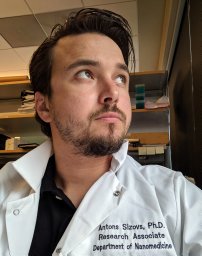 Antons Sizovs合作论文数Macromolecules and Interfaces Institute, Virginia Polytechnic Institute and State University11
 Jesus Paez-Mayorga合作论文数Dept Nanomed, Houston Methodist Res Inst10
 Jessica Rhudy合作论文数Department of Nanomedicine, Houston Methodist Research Institute10Goodall Randy合作论文数10Lee Hudson合作论文数10Robin Vander Pol合作论文数9
 Giacomo Bruno合作论文数Institut de Recherche en Mathématique et Physique, Ecole de Physique, Faculté des Sciences, Université Catholique de Louvain;Centre for Cosmology, Particle Physics and Phenomenology, Université Catholique de Louvain9
 Geninatti Thomas合作论文数The Department of Nanomedicine, Houston Methodist Research Institute9Jean A Niles合作论文数8
 Antonia Susnjar合作论文数8Andrew G. Sikora合作论文数Department of Otolaryngology-Head and Neck Surgery, Mount Sinai School of Medicine8
 Jagannadha K. Sastry合作论文数Departments of Thoracic Head & Neck Medical Oncology and Comparative Medicine, MD Anderson Cancer Center, The University of Texas8
 Jocelyn Nikita Campa-Carranza合作论文数7Jeremy Ho合作论文数7Francesca Ferraro合作论文数7
 Matteo Hirsch合作论文数Soft Mat Lab, Ecole Polytech Fed Lausanne7
 Rossana Terracciano合作论文数Politecn Torino, Dip Elettron & Telecomunicaz, Turin, Italy7Bushman Lane R合作论文数7
 Giancarlo Canavese合作论文数Department of Applied Science and Technology, Politecnico di Torino7Jaskaran Gill合作论文数7Peter L Anderson合作论文数6Anthony M. Wood合作论文数6




