Background A long-term complication among organ transplant recipients (OTRs) is skin malignancies which are associated with level and duration of immunosuppressive treatment, sun exposure and age. Dermatological surveillance is recommended for OTRs at high risk of skin malignancies, but evidence is lacking on the benefits of such services. Objective To examine the economic impact on patients and on the hospital service of a multidisciplinary high-throughput skin cancer clinic in Brisbane, Australia, dedicated to dermatological and surgical care of high-risk OTRs. Methods In a pre/postdesign, hospital admission and cost data were obtained for 101 consecutively enrolled study participants from 12 months prior to the introduction of the clinic (to February 2016), the 3-month 'run-in' period (March to May 2016) and 12 months subsequent (to June 2017). Differences between pre- and post-clinic hospital costs were tested using non-parametric bootstrapping and interrupted time series analysis. A survey of patient out-of-pocket costs and perceived financial burden was also undertaken during the clinic. Results Overall hospital costs were higher after the clinic but 3-monthly hospital costs for skin procedures trended downwards. Despite 3-monthly mean, hospital visits increasing from 85 to 314, mean 3-monthly costs reduced by AU$1491 (P < 0.001) indicating greater cost efficiency. Total patient out-of-pocket costs were AU$18 377 over 3 months. Conclusion Clinical costing data revealed higher, more rapid throughput and significantly lower per patient costs pre- and postestablishment of a multidisciplinary skin cancer clinic for OTRs.
接受器官移植的患者由于长期接受免疫抑制治疗更可能发生皮肤癌。对于居住在澳大利亚昆士兰的器官移植受者 (OTR) 尤其如此,因为该地区的皮肤癌比别的地方更常见。为了尝试阐明居住在昆士兰 OTR 中的极端皮肤癌问题,在布里斯班建立了一个专门的移植皮肤诊所。这项研究旨在介绍澳大利亚昆士兰这一新诊所(同类中首个)的表现。邀请诊所就诊者们完成了两项调查,这两项调查间隔 3 个月提供,涉及他们的健康和个人特征,并获得了允许,可访问正在参与的就诊者的病历,以了解在相同的 3 个月时间段中发现和治疗的皮肤癌的细节。作者们共计招募了 101 名诊所患者进入此研究。在 3 个月时间中,作者们发现,在该诊所检出了 615 例皮损。其中 55 例被转诊至该诊所以外接受治疗,478 例在诊所内接受治疗,大部分(78%)通过手术。在该诊所内治疗的皮损中,268 例被确诊为皮肤癌,相当于 3 个月中每名患者接近 3 例皮肤癌。平均而言,在每 1.4 例他们成功手术切除的皮损中,该诊所就成功治疗了 1 例皮肤癌。总而言之,这项研究发现,该诊所检测并有效治疗了大量的 OTR 中的皮肤癌,因此有助于高效控制居住在昆士兰的 OTR 的癌症负担。
People who undergo organ transplantation are more likely to develop skin cancers, due to long-term immunosuppressive therapy. This is especially concerning for organ transplant recipients (OTRs) living in Queensland, Australia, where skin cancer is more common than elsewhere. In an attempt to address the extreme skin cancer problem in OTRs living in Queensland, a dedicated Transplant Skin Clinic was established in Brisbane. This study aimed to describe the performance of this new clinic, the first of its kind in Queensland, Australia. Clinic attendees were invited to complete two surveys, supplied three months apart, about their health and personal characteristics, and permission was obtained to access participating attendees’ hospital records for details on detected and treated skin cancers over the same three-month period. In total, the authors recruited 101 clinic patients into the study. Over the three months, the authors found that 615 skin lesions were detected in the clinic. Of these, 55 were referred for treatment outside the clinic and 478 were treated in clinic, mostly (78%) with surgery. Of the lesions treated in clinic, 268 were confirmed to be skin cancers, equivalent to nearly 3 skin cancers per patient over the three months. On average, the clinic staff successfully treated one skin cancer for every 1.4 skin lesions they surgically removed. In conclusion, this study found that the clinic is detecting, and efficiently treating, a large number of skin cancers in OTRs and thus effectively contributing to the control of the skin cancer burden in OTRs living in Queensland.
Immunosuppressed organ transplant recipients (OTRs) are at greatly increased risk of multiple skin cancers compared with the general population 1 . Since sun exposure amplifies this risk 2 , OTRs should be strongly advised about sun protection3 in addition to regular skin surveillance. When a new skin surveillance clinic dedicated to high-risk immunosuppressed transplant recipients was established in Brisbane, Australia, to expedite skin cancer treatment, we provided sun protection education and then monitored the attendees' short-term uptake of skin cancer prevention behaviours. This article is protected by copyright. All rights reserved.
Renal cancers are some of the most common solid organ malignancies found during follow-up of patients who have undergone renal transplantation (RT). In this case report, we describe a life-threatening spontaneous hemorrhage of a rare subtype of renal cell carcinoma in the native kidney of a 27-year-old man, 4 years after RT. After fluid resuscitation and stabilization, the patient underwent emergent open radical nephrectomy with the final histopathology reporting T1bN0Mx mucinous tubular and spindle cell (MTSC) carcinoma. This case report highlights the need to consider an underlying malignancy in patients who presents with spontaneous hemorrhage of native kidneys after RT.
BACKGROUND:The incidence of skin cancer in organ transplant recipients (OTRs) is very high, due mainly to long-term immunosuppressive therapy. The problem is particularly severe for OTRs living in Queensland, Australia, and results in significant mortality.OBJECTIVES:To describe the experience of the first dedicated outpatient high-throughput transplant skin clinic in Queensland.METHODS:This prospective evaluation study was conducted at a newly established, outpatient transplant skin cancer surgery and surveillance clinic. Participants (89 OTRs and 12 non-OTRs) were referred to the Princess Alexandra Hospital Transplant Skin Clinic during December 2016 to May 2017, and were each followed for 3 months. Self-completed questionnaires were administered at baseline and the end of follow-up (n = 94), and details of any skin cancers occurring in that period were extracted from hospital records.RESULTS:In the 3-month follow-up of 101 participants, a total of 615 skin lesions were detected in the 3-month follow-up of 101 participants, of which 478 (78%) were treated in the clinic and 55 (9%) were referred to another specialist. Of the 478 treated lesions, 268 were histopathologically confirmed skin cancers, equivalent to 2·7 (95% confidence interval 2·5-2·8) skin cancers per participant per 3 months. The overall number needed to treat for any skin cancer was 1·4 (95% confidence interval 1·3-1·5). Three-quarters (374) of in-clinic treatments were surgical, and most (90%) were complete excisions. The median time from detection of skin cancer to excision was 7 days.CONCLUSIONS:This high-volume surgical outpatient transplant skin clinic enables efficient treatment of skin cancers in very-high-risk OTRs.
Nicol, D; Gibbons, N; Griffin, A; Wall, D; Wood, S; Isbel, N; Hawley, C; Campbell, S; Preston, J; Johnson, D Author Information
Introduction: Laparoscopic living donor nephrectomy offers potential advantages to the donor and has become a routine procedure for live kidney procurement worldwide. Since 2000 our live donor patients have been offered a laparoscopic nephrectomy.Patients and Methods: Between February 2000 and August 2005 we performed 183 donor‐recipient operations at our institution (ODN = 83 and LND = 100). We prospectively collected information on all donors and recipients for the same period to audit our experience with the first 100 LDN‘s. Patients made their operative choice following discussions regarding the unit experience and literature information. We present our findings with specific emphasis on donor operative details and early recipient graft outcome.Results: Donor and recipient age, gender, body mass index, HLA mismatches, warm ischaemia and vascular anastomotic times did not significantly differ between the two groups. There were two conversions to an open operation in the LND group and neither impacted upon recipient graft outcome. The mean operative duration was 178 ± 38 for the LDN and 159 ± 34 min for the ODN (P < 0.05). The mean length of hospital stay was 4.7 ± 1.2 days in the LND group versus 6.8 ± 1.5 days in the ODN group (P < 0.05). There was one case of delayed graft function in both groups. Serum creatinine at 1, 6 and 12 months did not differ significantly between either groups. Vascular and ureteric complications and lymphocoele rates were similar in both groups.Conclusions: Our contemporaneous series demonstrates the safe introduction of a laparoscopic living donor programme without compromise towards donor patient safety or allograft outcome.
 Nicole M Isbel合作论文数12S Campbell合作论文数11John Preston合作论文数9
 David Nicol合作论文数Royal Free Hospital;University College London Hospitals9
 Kiarash Khosrotehrani合作论文数Diamantina Institute, Faculty of Medicine, The University of Queensland7d wall合作论文数6
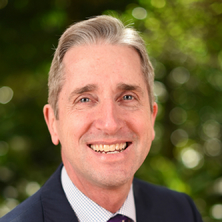 David Johnson合作论文数Department of Kidney and Transplant Services, Princess Alexandra Hospital6
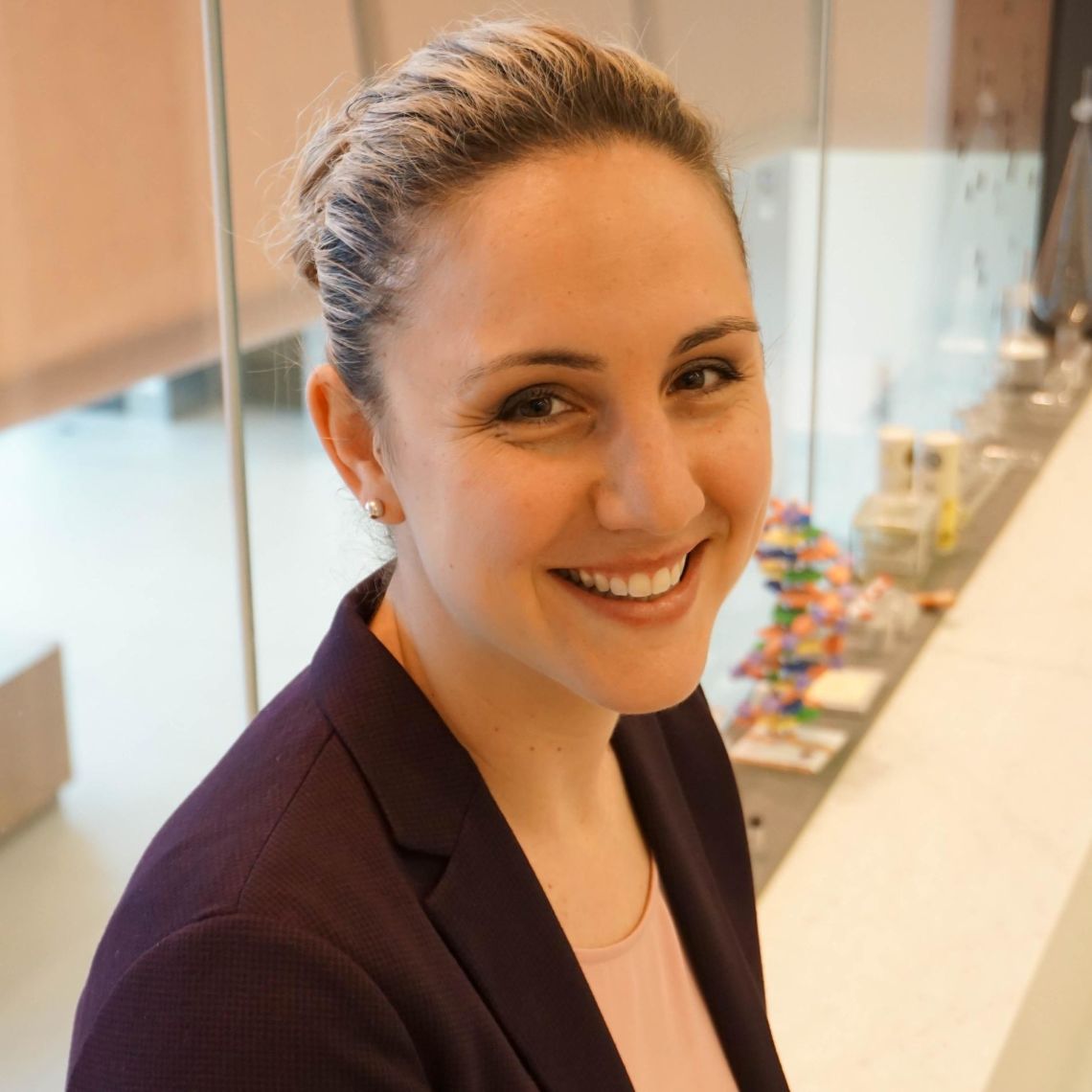 Keren Papier合作论文数Nuffield Department of Population Health, University of Oxford6
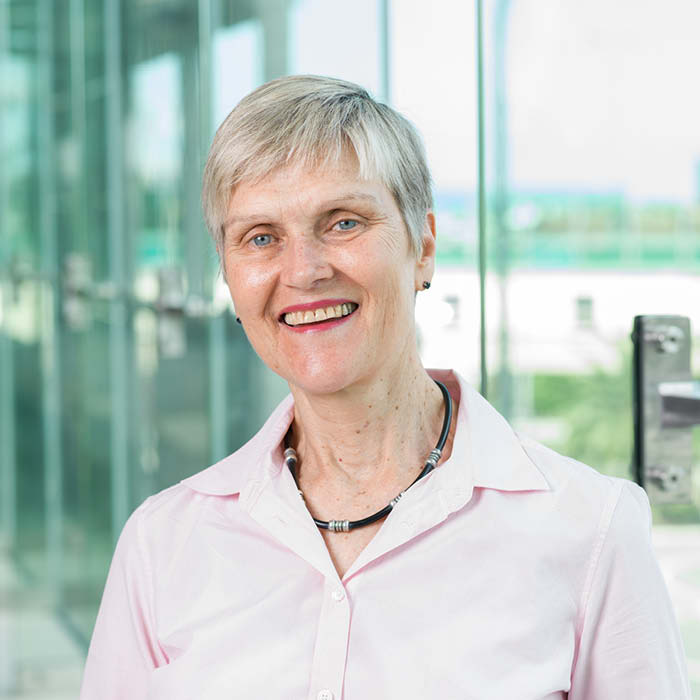 Adele Green合作论文数Berghofer Medical Research Institute, Queensland Institute of Medical Research6
 Carmel Hawley合作论文数Centre for Health Services Research, Faculty of Medicine, The University of Queensland5
 Louisa Collins合作论文数Queensland Institute of Medical Research Berghofer Medical Research Institute5
 Simon T Wood合作论文数Princess Alexandra Hospital;Greenslopes Private Hospital4
 David W. Mudge合作论文数Princess Alexandra Hospital, University of Queensland3
 Handoo Rhee合作论文数Princess Alexandra Hospital, Queen Elizabeth Jubilee II Hospital;The School of Medicine, The University of Queensland;The School of Medicine, The University of Queensland2M. Lawson合作论文数2Kaisar Mohd O合作论文数2
 John R. Burke合作论文数2M. Mansbridge合作论文数1S. McTaggart合作论文数1AC Green合作论文数1N Gibbons合作论文数1K. Barraclough合作论文数1K. Oliver合作论文数1g strutton合作论文数1c sammartino合作论文数1J Preston合作论文数1
 Seweryn Bialasiewicz合作论文数Child Health Research Centre, Faculty of Medicine, The University of Queensland1Hardie I R合作论文数1
 Rodríguez-Acevedo Astrid合作论文数Facultad de Medicina, Universidad de Antioquia1J. M. Preston合作论文数1
 Theo P. Sloots合作论文数Sir Albert Sakzewski Virus Research Centre, Queensland Children’s Medical Research Institute1
 Matthew M Edey合作论文数1V Kanagarajah合作论文数1Rebecca J. Rockett合作论文数Queensland Children’s Medical Research Institute, The University of Queensland1Kylie Reiger合作论文数1D JOHNSON合作论文数1R. Power合作论文数1
 Suyinn Chong合作论文数Genetics and Population Health, Queensland Institute of Medical Research1




