The tumor hypoxic core and immunosuppressive environment pose significant challenges to the effectiveness of anticancer therapy. Consequently, there is a growing emphasis on strategies aimed at enhancing tumor tissue oxygenation and restoring the host immune response. Based on this, we proposed the synthesis of two bioresponsive dimeric prodrugs of paclitaxel, a chemotherapeutic agent, and Nlg919, an IDO1 inhibitor, that were coloaded into MnO2-decorated albumin nanoparticles, dNlgdPtx-mHSA. This approach was conceived to exploit tumor microenvironment (TME) features for achieving a precise and targeted therapeutic effect through synergistic chemoimmune therapy. Moreover, it sought to mitigate hypoxia by leveraging the nanozyme activity of MnO2, which catalyzed the decomposition of excess hydrogen peroxide within the tumor milieu into molecular oxygen. Preliminary results demonstrated that the nanosystem exhibited excellent controlled drug release, remarkably reduced cell viability in both two-dimensional (2D) and three-dimensional (3D) models, and restored immune response through immune cell death induction and IDO1 inhibition. Finally, dNlgdPtx-mHSA showed promising potential to promote relief from tumor hypoxia and potential involvement in the repolarization of tumor-associated macrophages toward the M1 antitumor phenotype.
Since the latter half of 2021, energy prices have risen owing to gas and fuel shortages following the rapid economic recovery after the restrictive measures due to the COVID-19 pandemic, with the 2022 Russian invasion of Ukraine exacerbating this stress. As energy prices rose, procurement became a strategic process even in regulated natural monopolies. To give the right impetus to water utilities, entrusting public bodies in several countries with setting rules for cost recovery, tariff methodology, and ensuring quality standards is essential. These bodies must also recognise that incentive-based regulation will influence energy procurement, especially through tariff methodologies applied by water regulators to recover the costs incurred. Therefore, this study provides an overview of the regulatory models adopted in Europe by National Regulatory Authorities (NRAs) to determine allowed energy costs, along with a detailed examination of the diverse national approaches adopted before the energy crisis. It further highlights instances where certain NRAs demonstrated limited awareness of the importance of incentive schemes associated with energy procurement. Building upon existing models, this study developed a framework to identify alternatives and incentives for regulating energy purchasing prices in the water sector. This framework benefits NRAs seeking to update their methodology for cost recovery of water utilities.
In the 2000s, Italy liberalized its electricity and natural gas markets, and in 2016, it separated retail activities from other activities within these markets. Such differentiation is unique within Europe. Italy is an ideal case for investigating which operational factors may increase profit margins among electricity and gas retailers. The present analysis analyzes 120 retail operators in the Italian electricity and gas markets in 2020, using two models to assess their cost and commercial efficiencies in achieving high direct margin (defined as the difference between revenues and raw materials cost). The findings show a positive effect of size on efficiency.
Introduction: Triple-negative breast cancer (TNBC) is an aggressive subtype of breast cancer still lacking effective treatment options. Chemotherapy in combination with immunotherapy can restrict tumor progression and repolarize the tumor microenvironment towards an anti-tumor milieu, improving clinical outcome in TNBC patients. The chemotherapeutic drug paclitaxel has been shown to induce immunogenic cell death (ICD), whereas inhibitors of the indoleamine 2,3- dioxygenase 1 (IDO1) enzyme, whose expression is shared in immune regulatory and tumor cells, have been revealed to enhance the anti-tumor immune response. However, poor bioavailability and pharmacokinetics, off-target effects and hurdles in achieving therapeutic drug concentrations at the target tissue often limit the effectiveness of combination therapies.Methods: This work describes the development of novel biomimetic and carrier-free nanobinders (NBs) loaded with both paclitaxel and the IDO1 inhibitor NLG919 in the form of bioresponsive and biomimetic prodrugs. A fine tuning of the preparation conditions allowed to identify NB@5 as the most suitable nanoformulation in terms of reproducibility, stability and in vitro effectiveness.Results and discussion: Our data show that NB@5 effectively binds to HSA in cell-free experiments, demonstrating its protective role in the controlled release of drugs and suggesting the potential to exploit the protein as the endogenous vehicle for targeted delivery to the tumor site. Our study successfully proves that the drugs encapsulated within the NBs are preferentially released under the altered redox conditions commonly found in the tumor microenvironment, thereby inducing cell death, promoting ICD, and inhibiting IDO1.
A promising approach enhancing osteosarcoma (OS) prognosis involves the combination of various techniques, such as chemo- and photodynamic therapy, delivered through nanocarriers for synergistic cell death. Among the potential candidates for improving drug accumulation at the tumor site, mesenchymal stromal cells (MSCs) exhibit a significant advantage due to their tumor-homing ability and intracellular drug retention. This study evaluates the efficacy of chemo-releasing and photoactive bimodal nanoparticles, kPCe6 NPs, delivered via MSCs. In vitro analyses show that cells internalize and retain kPCe6 NPs in a dose-dependent manner and that kPCe6-loaded cells induce massive tumor cell death in a tridimensional tumor model. Results from an in vivo orthotopic OS murine model show negligible tumor cell death upon peritumoral administration of two doses containing 10(6) loaded cells. To gain insight into this observation, this work investigates the role of cell dose in treatment efficacy. The results indicate that achieving a tumor reduction higher than 90% requires a substantial number of loaded cells, approximately 35% of the entire tumor mass, highlighting the criticality of the cell dose for the success of this therapeutic approach and its potential impact on clinical translation in OS patients, particularly when the number of tumor cells is limited.
This paper proposes a financial evaluation of the investment in SMARTechs in wastewater companies. SMARTechs are innovative technologies that enable companies to work toward the circular economy approach, thanks to allowing the development of by-products from wastewater. A simulation of the financial impact of the SMARTech introduction was conducted based on the Italian tariff system. It is performed assuming two different scenarios. These relate to a market's presence (or absence) for the by-products resulting from the application of SMARTechs. The results show that investing in these technologies provides both financial and environmental benefits.
This article provides an overview of various water utility regulatory models adopted in Europe by to determine allowed energy costs. It highlights instances where certain National Regulatory Authorities (NRAs) demonstrated limited awareness regarding the importance of incentive schemes associated with energy procurement. Building upon existing models at the country level, a framework has been developed to identify a menu of alternatives for regulating energy purchasing prices in the water sector. The framework presents the pros and cons of each alternative, including their incentive power where applicable.
In recent years, several studies have focused their attention on the preparation of biocompatible and biodegradable nanocarriers of potential interest in the biomedical field, ranging from drug delivery systems to imaging and diagnosis. In this regard, natural biomolecules-such as proteins-represent an attractive alternative to synthetic polymers or inorganic materials, thanks to their numerous advantages, such as biocompatibility, biodegradability, and low immunogenicity. Among the most interesting proteins, keratin extracted from wool and feathers, as well as fibroin extracted from Bombyx mori cocoons, possess all of the abovementioned features required for biomedical applications. In the present review, we therefore aim to give an overview of the most important and efficient methodologies for obtaining drug-loaded keratin and fibroin nanoparticles, and of their potential for biomedical applications.
Exploiting the tumor environment features (EPR effect, elevated glutathione, reactive oxygen species levels) might allow attaining a selective and responsive carrier capable of improving the therapeutic outcome. To this purpose, the in situ covalent binding of drugs and nanoparticles to circulating human serum albumin (HSA) might represent a pioneering approach to achieve an effective strategy. This study describes the synthesis, in vitro and in vivo evaluation of bioresponsive HSA-binding nanoparticles (MAL-PTX2S@Pba), co-delivering two different paclitaxel (PTX) prodrugs and the photosensitizer pheophorbide a (Pba), for the combined photo- and chemo-treatment of breast cancer. Stable and reproducible MAL-PTX2S@Pba nanoparticles with an average diameter of 82 nm and a PTX/Pba molar ratio of 2.5 were obtained by nanoprecipitation. The in vitro 2D combination experiments revealed that MAL-PTX2S@Pba treatment induces a strong inhibition of cell viability of MDA-MB-231, MCF7 and 4T1 cell lines, whereas 3D experiments displayed different trends: while MAL-PTX2S@Pba effectiveness was confirmed against MDA-MB-231 spheroids, the 4T1 model exhibited marked resistance. Lastly, despite using a low PTX-PDT regimen (e.g., 8.16 mg/Kg PTX and 2.34 mg/Kg Pba), our formulation showed to foster primary tumor reduction and curb lung metastases growth in 4T1 tumor-bearing mice, thus setting the basis for further preclinical validations.
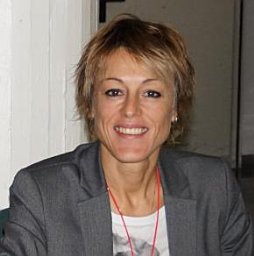 Greta Varchi合作论文数Consiglio Nazionale delle Ricerche(CNR),51
 Giulia Romano合作论文数46Maurizio Forli合作论文数27
 Ferroni Claudia合作论文数CNR Institute of Organic Synthesis and Photoreactivity23
 Giovanna Sotgiu合作论文数22
 Marco Ballestri合作论文数21Arturo Battaglia合作论文数19Claudio Sangregorio合作论文数12
 Chiara Leardini合作论文数Dept Business Adm, Univ Verona12
 Ezio Bombardelli合作论文数12Gabriele Fontana合作论文数12Cristian Samori合作论文数11
 Carlo Bertucci合作论文数Department of Pharmacy and Biotechnology FaBiT, University of Bologna11Giovanni Luca Beretta合作论文数9
 Paolo Arosio合作论文数Biochemical Engineering Laboratory, Institute for Chemical and Bioengineering, Department of Chemistry and Applied Biosciences, ETH Zurich9
 Daniele Tedesco合作论文数Department of Pharmacy and Biotechnology, University of Bologna9
 Bettina Campedelli合作论文数Dept Business Adm, Univ Verona8Marta Columbaro合作论文数8Francesco Orsini合作论文数8
 Annalisa Aluigi合作论文数8Alessandro Lascialfari合作论文数CNR-INFM-S3 NRC8Martella Elisa合作论文数7
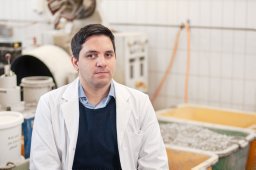 Franco Zunino合作论文数Dipartimento di Oncologia Sperimentale e Laboratori, Fondazione IRCCS Istituto Nazionale dei Tumori7
 Francesca Moret合作论文数Department of Biology, University of Padova6Gaetano Barbaro合作论文数6Claudia Innocenti合作论文数6Paolo Dambruoso合作论文数6
 Anna Tesei合作论文数Biosciences Laboratory, Istituto Scientifico Romagnolo per lo Studio e la Cura dei Tumori (I.R.S.T.),6
 Nicola Salvati合作论文数Dipartimento di Statistica e Matematica Applicata all’Economia, University of Pisa6
 Luca Menilli合作论文数Dept Biol, Univ Padua5
 Marzia Di Donato合作论文数5
 Serena Duchi合作论文数Laboratory of Medical Genetics;Department of Internal Medicine;University of Bologna5
 Enrico Lucarelli合作论文数Bone Regeneration Laboratory, Istituti Ortopedici Rizzoli5
 Gabriella Castoria合作论文数Dipartimento di Patologia Generale, II Universita‘ di Napoli5
 Marzia Bruna Gariboldi合作论文数Dipartimento Di Biotecnologie E Scienze Della Vita, Università degli Studi dell'Insubria5Eleonora Baldelli合作论文数5
 Martina Martini合作论文数Dept Business Adm, Univ Verona4
 Francesca Brero合作论文数INFN and INSTM RU, Università degli Studi di Pavia4
 Matteo Avolio合作论文数4
 Rui Cunha Marques合作论文数Department of Industrial Engineering and Management, University of Lisbon;Asian Development Bank;The World Bank4
 Federica Foglietta合作论文数4
 Donato Pocar合作论文数4Giacomo Carenzi合作论文数4Patrizia Giorgianni合作论文数4Maria Luisa Gelmi合作论文数4
 Barbara Dozza合作论文数4
 Elena Monti合作论文数Dipartimento di Biologia Strutturale e Funzionale, Università dell’Insubria4Celeste Milani合作论文数3Giulia Paganelli合作论文数3




