Background The rapid clinical translation of mesenchymal stem cells (MSC) has resulted in the development of cell-based strategies for multiple indications. Unfortunately one major barrier to widespread implementation of MSC-based therapies is the limited supply of fetal calf serum (FCS) used to expand cells to therapeutic numbers. Additionally, the xenogeneic element of fetal calf serum has been previously demonstrated to stimulate antibody mediated reactions and in some cases sensitization leading to anaphylaxis. Method XcytePLUS™ media, a human platelet lysate based product, was used to supplement the culture medium at 5, 7.5 and 10% and compared to fetal calf serum at 10%, for human umbilical cord MSC expansion. Properties of the expanded cells were investigated. Results This study demonstrated equivalent or superior effects of human platelet lysate compared to standard FCS supplemented media, based on doubling rate, without loss of identity or function, as demonstrated with flow cytometry characterization. Differentiation into osteocytes, adipocytes and chondrocytes was comparable from cells expanded in either media supplement. Conclusions These data support the implementation of human platelet lysate supplemented media as an alternative to xenogeneic containing preparations which may lead to safer MSC products with therapeutic uses.
Under the influence of ultrasonic irradiation, pyridazinone, triazinone, or phthalimide containing 2-hydroxy dithiocarbamates, a biologically relevant novel organo-sulfur compound, was synthesized. Detailed characterization, computational, and molecular docking studies are being investigated. Molecular interactions were studied using 3D Hirshfeld surfaces and corresponding 2D fingerprint plots. Theoretical (DFT) studies on the molecular structure, HOMO, LUMO, and quantum chemical descriptors were performed at the B3LYP/6-311++G(dp) level of theory. At the same time, the interaction energy was computed using the B3LYP/6-31G(d,p) level of theory. The FMO study revealed that molecules 4a and 4p in the gas phase have 3.545 eV and 3.263 eV HOMO-LUMO energy gaps, respectively, and they are hence kinetically stable. Quantum chemical calculations confirm the electrophilic character of compounds 4a and 4p, as the molecule is stable and highly electrophilic. The interactions of 2-hydroxy dithiocarbamate derivatives (4a-4t) with the ligand-binding site of the target COX-2 (cyclooxygenase-2) enzyme were investigated using in-silico molecular docking experiments. Compared to the standard medicine celecoxib, the results showed that most synthesized derivatives had better glide scores and interaction. The docking study of all the synthesized compounds revealed that compounds 4a, 4e, and 4o interact well with the COX-2 enzyme as anti-inflammatory drugs. Molecular dynamic simulation was utilized to validate the docking study and explore the stable binding site and interaction of compound 4o, which is the most potent. The findings indicated that compound 4o exhibited better stability and interaction when compared to the reference drug.
Background: Historically, advanced chronic kidney disease (CKD) stage 4 or greater and dialysis are often considered to be a relative contraindication for left ventricular assist device (LVAD) implantation. We aim to describe our experience with advanced CKD patients receiving LVADs. Methods: Data was collected by retrospective chart review at our institution. We reviewed all CKD patients who underwent durable LVAD placement requiring perioperative renal replacement therapy (RRT) at our institution between November 2014 and July 2021. Fifty-nine patients were identified, inclusive of patients acutely requiring perioperative RRT and those going on to require chronic RRT. Clinical events of interest included need for dialysis, mortality, infection, thrombotic events, bleeding, and readmission rates at 1, 3, 6 and 12 months. Data was analyzed using multivariate logistic regression. Results: Of the 59 patients, 88.7% were male with an average age of 56 years. Twenty eight had HeartMate III (HM3) LVAD, 24 had HVAD and 7 had HMII. Patients with CKD at baseline were stratified by their pre-VAD CKD stages and majority fell in CKD stage 3a/b. Table 1 depicts further analysis for patients with CKD and non-CKD pre-VAD. CKD stage prior to LVAD did not show a correlation with the need for dialysis post implant (p=0.34, table 2). Conclusion: In this small, single center, retrospective analysis, pre-VAD CKD stage is not necessarily predictive of dialysis. Furthermore, no significant difference was identified between CKD and non-CKD patients. Further studies to determine risk factors for dialysis and subsequent morbidity and mortality in this population to appropriately characterize risk for CKD patients will be of utmost importance.
ImportanceGuidelines recommend deferral of testing for symptomatic people with suspected coronary artery disease (CAD) and low pretest probability. To our knowledge, no randomized trial has prospectively evaluated such a strategy.ObjectiveTo assess process of care and health outcomes in people identified as minimal risk for CAD when testing is deferred.Design, Setting, and ParticipantsThis randomized, pragmatic effectiveness trial included prespecified subgroup analysis of the PRECISE trial at 65 North American and European sites. Participants identified as minimal risk by the validated PROMISE minimal risk score (PMRS) were included.InterventionRandomization to a precision strategy using the PMRS to assign those with minimal risk to deferred testing and others to coronary computed tomography angiography with selective computed tomography-derived fractional flow reserve, or to usual testing (stress testing or catheterization with PMRS masked). Randomization was stratified by PMRS risk.Main OutcomeComposite of all-cause death, nonfatal myocardial infarction (MI), or catheterization without obstructive CAD through 12 months.ResultsAmong 2103 participants, 422 were identified as minimal risk (20%) and randomized to deferred testing (n = 214) or usual testing (n = 208). Mean age (SD) was 46 (8.6) years; 304 were women (72%). During follow-up, 138 of those randomized to deferred testing never had testing (64%), whereas 76 had a downstream test (36%) (at median [IQR] 48 [15-78] days) for worsening (30%), uncontrolled (10%), or new symptoms (6%), or changing clinician preference (19%) or participant preference (10%). Results were normal for 96% of these tests. The primary end point occurred in 2 deferred testing (0.9%) and 13 usual testing participants (6.3%) (hazard ratio, 0.15; 95% CI, 0.03-0.66; P = .01). No death or MI was observed in the deferred testing participants, while 1 noncardiovascular death and 1 MI occurred in the usual testing group. Two participants (0.9%) had catheterizations without obstructive CAD in the deferred testing group and 12 (5.8%) with usual testing (P = .02). At baseline, 70% of participants had frequent angina and there was similar reduction of frequent angina to less than 20% at 12 months in both groups.Conclusion and RelevanceIn symptomatic participants with suspected CAD, identification of minimal risk by the PMRS guided a strategy of initially deferred testing. The strategy was safe with no observed adverse outcome events, fewer catheterizations without obstructive CAD, and similar symptom relief compared with usual testing.Trial RegistrationClinicalTrials.gov Identifier: NCT03702244
You have accessJournal of UrologyCME1 May 2022PD33-02 EVALUATION OF AN UNCOMPLICATED RECOVERY AFTER NEPHRECTOMY: MUSIC-KIDNEY NOTES (NOTABLE OUTCOMES AND TRACKABLE EVENTS AFTER SURGERY) Mohit Butaney, Anna Johnson, Ji Qi, Amit Patel, Sabrina Noyes, Christopher Brede, Brian Seifman, Thomas Maatman, Craig Rogers, Brian Lane, and for the Michigan Urological Surgery Improvement Collaborative Mohit ButaneyMohit Butaney More articles by this author , Anna JohnsonAnna Johnson More articles by this author , Ji QiJi Qi More articles by this author , Amit PatelAmit Patel More articles by this author , Sabrina NoyesSabrina Noyes More articles by this author , Christopher BredeChristopher Brede More articles by this author , Brian SeifmanBrian Seifman More articles by this author , Thomas MaatmanThomas Maatman More articles by this author , Craig RogersCraig Rogers More articles by this author , Brian LaneBrian Lane More articles by this author , and for the Michigan Urological Surgery Improvement Collaborative More articles by this author View All Author Informationhttps://doi.org/10.1097/JU.0000000000002584.02AboutPDF ToolsAdd to favoritesDownload CitationsTrack CitationsPermissionsReprints ShareFacebookLinked InTwitterEmail Abstract INTRODUCTION AND OBJECTIVE: Evaluation of surgeries are commonly performed with assessment of complication rates and/or other peri-operative outcomes to gauge success. Based on MUSIC’s experience with Notable Outcomes and Trackable Events after Surgery (NOTES) after prostatectomy, we developed a tool to define an uncomplicated recovery after radical nephrectomy (RN) or PN. With quality improvement (QI) as the focus, we evaluated and compared these outcomes across practices to target areas for QI and better understand factors contributing to the deviations. METHODS: We utilized a consensus approach to develop an uncomplicated recovery pathway comprising a set of objectively and reliably measured events to reflect the quality of PN/RN, and perioperative care. Specifically, prolonged length of stay (LOS>3 days after MIS, >5 days after open), prolonged warm ischemia time (WIT), extensive estimated blood loss (EBL>500 ml), positive surgical margin (PSM), or an 30-day ED visit/readmission were considered NOTES deviations. We evaluated patient and tumor factors associated with deviations as well as practice-level variation. RESULTS: The study cohort consisted of 873 PN and 450 RN. Overall, 29.0% (190/655) of PN and 27.7% (109/394) of RN patients had at least one deviation (Fig 1a). In patients with PN, the overall number of deviations increased with increasing tumor size and complexity based on RENL score categories (p<0.01 for each). Additionally, T1b tumors, higher RENL score, and larger tumor size were associated with increased WIT (p<0.001); higher CCI comorbidity score was associated with increased LOS (p<0.001), and BMI<25 with readmissions (p=0.032). When looking at RN, higher RENL score (p=0.032) and T1a tumor (p=0.010) were associated with a higher LOS; male gender was associated with EBL>500 ml (p=0.006); and younger age with a higher rate of ED visits (p=0.01). Wide variation in deviations but no clear trend was noted across practices (Fig 1b&c). CONCLUSIONS: MUSIC developed NOTES as a means to continually evaluate metrics thought to be helpful in monitoring the quality of nephrectomy in Michigan. Apart from better understanding treatment appropriateness, the observed variation in NOTES highlights variability in surgical practices and opportunities for QI. Source of Funding: Blue Cross Blue Shield of Michigan © 2022 by American Urological Association Education and Research, Inc.FiguresReferencesRelatedDetails Volume 207Issue Supplement 5May 2022Page: e552 Advertisement Copyright & Permissions© 2022 by American Urological Association Education and Research, Inc.MetricsAuthor Information Mohit Butaney More articles by this author Anna Johnson More articles by this author Ji Qi More articles by this author Amit Patel More articles by this author Sabrina Noyes More articles by this author Christopher Brede More articles by this author Brian Seifman More articles by this author Thomas Maatman More articles by this author Craig Rogers More articles by this author Brian Lane More articles by this author for the Michigan Urological Surgery Improvement Collaborative More articles by this author Expand All Advertisement PDF downloadLoading ...
Background: Ankle fracture fixation is one of the most commonly performed orthopaedic procedures. Although the results are generally favourable, complications are not uncommon, particularly in the case of surgical site infections. These have considerable impact on both postoperative morbidity and healthcare costs. The purpose of this study was to determine the infection rate following ankle fracture fixation and elucidate variables in their causation. Methods: We retrospectively reviewed 50 consecutive patients who underwent open reduction and internal fixation of an ankle fracture. The study group consisted of 26 females and 24 males with an average age of 43 (Range 16-82) years. Results: Problems with superficial infections were noted in seven patients and deep infections in five. Of the latter, four patients underwent further surgery including two that had their metal work removed. With use of the Fisher’s exact test we determined that only smoking and a bimalleolar fracture pattern were significant variables, having pvalues of 0.02 and 0.04 respectively. Conclusion: We conclude that smoker and/or patient with bimalleolar injury have are more at risk of developing surgical site infection and its implications on their functional recovery Following Open Reduction and Internal Fixation of Ankle Fractures.
Introduction Gliomas are the most common primary tumour of the central nervous system (CNS), with an estimated annual incidence of 6.6 per 100 000 individuals in the USA and around 14 deaths per day from brain tumours in the UK. The genomic and biological landscape of brain tumours has been increasingly defined and, since 2016, the WHO classification of tumours of the CNS incorporates molecular data, along with morphology, to define tumour subtypes more accurately. The Tessa Jowell BRAIN MATRIX Platform (TJBM) study aims to create a transformative clinical research infrastructure that leverages UK National Health Service resources to support research that is patient centric and attractive to both academic and commercial investors.Methods and analysis The TJBM study is a programme of work with the principal purpose to improve the knowledge of glioma and treatment for patients with glioma. The programme includes a platform study and subsequent interventional clinical trials (as separate protocols). The platform study described here is the backbone data-repository of disease, treatment and outcome data from clinical, imaging and pathology data being collected in patients with glioma from secondary care hospitals. The primary outcome measure of the platform is time from biopsy to integrated histological–molecular diagnosis using whole-genome sequencing and epigenomic classification. Secondary outcome measures include those that are process centred, patient centred and framework based. Target recruitment for the study is 1000 patients with interim analyses at 100 and 500 patients.Ethics and dissemination The study will be performed in accordance with the recommendations guiding physicians in biomedical research involving human subjects, adopted by the 18th World Medical Association General Assembly, Helsinki, Finland and stated in the respective participating countries’ laws governing human research, and Good Clinical Practice. The protocol was initially approved on 18 February 2020 by West Midlands – Edgbaston Research Ethics Committee; the current protocol (v3.0) was approved on 15 June 2022. Participants will be required to provide written informed consent. A meeting will be held after the end of the study to allow discussion of the main results among the collaborators prior to publication. The results of this study will be disseminated through national and international presentations and peer-reviewed publications. Manuscripts will be prepared by the Study Management Group and authorship will be determined by mutual agreement.Trial registration number NCT04274283, 18-Feb-2020; ISRCTN14218060, 03-Feb-2020.
You have accessJournal of UrologyCME1 May 2022PD25-07 RACIAL DISPARITIES IN SURGICAL TREATMENT OF RENAL MASSES: INITIAL ANALYSIS OF A STATEWIDE REGISTRY Mohit Butaney, Ji Qi, Stephanie Daignault-Newton, Randy Vince, Anna Johnson, Amit Patel, Susan Linsell, Simpa Salami, Firas Abdollah, Khurshid Ghani, Humphrey Atiemo, Brian Lane, Craig Rogers, and for the Michigan Urological Surgery Improvement Collaborative Mohit ButaneyMohit Butaney More articles by this author , Ji QiJi Qi More articles by this author , Stephanie Daignault-NewtonStephanie Daignault-Newton More articles by this author , Randy VinceRandy Vince More articles by this author , Anna JohnsonAnna Johnson More articles by this author , Amit PatelAmit Patel More articles by this author , Susan LinsellSusan Linsell More articles by this author , Simpa SalamiSimpa Salami More articles by this author , Firas AbdollahFiras Abdollah More articles by this author , Khurshid GhaniKhurshid Ghani More articles by this author , Humphrey AtiemoHumphrey Atiemo More articles by this author , Brian LaneBrian Lane More articles by this author , Craig RogersCraig Rogers More articles by this author , and for the Michigan Urological Surgery Improvement Collaborative More articles by this author View All Author Informationhttps://doi.org/10.1097/JU.0000000000002567.07AboutPDF ToolsAdd to favoritesDownload CitationsTrack CitationsPermissionsReprints ShareFacebookLinked InTwitterEmail Abstract INTRODUCTION AND OBJECTIVE: Nephron-sparing approaches and surveillance are increasingly popular strategies to manage clinical T1 renal masses (cT1RM). It is well known that social and racial disparities affect access to healthcare resources and even oncological outcomes. Our objective in the project was to gain insight into potential racial disparities in initial management of cT1RM to guide our future quality improvement efforts. METHODS: The MUSIC-KIDNEY (Michigan Urological Surgery Improvement Collaborative—Kidney mass: Identifying and Defining Necessary Evaluation and Therapy) registry commenced data collection in June 2017. Data abstractors recorded clinical and follow-up data for patients with newly diagnosed cT1RMs at 16 MUSIC practices with >90 physicians. Practices with at least 5 White and 5 African-American (AA) patients were included in the analysis. Bivariate analysis and multivariable regression model were performed to assess association between race and treatment decision. RESULTS: Our cohort included 2932 patients including 2231 (76%) White, 433 (15%) AA, and 268 (9.1%) patients with other/unknown race. AA patients were more likely to be female, have public insurance, higher comorbidity when compared to white patients (p<0.05 for each). Overall, AA patients were more likely to undergo surveillance when compared to white patients (61% vs 51%, p<0.01) and less likely to undergo a partial nephrectomy (PN) (21% vs 31%, p<0.01); rates of RN and ablation/other were not statistically different (p>0.05) (Figure). We continued to observe a similar trend across practices despite the observed variation. Controlling for patient and tumor characteristics, AA were more likely to undergo surveillance compared to White patients (OR=1.55, p<0.01). CONCLUSIONS: Our data provide an initial assessment of the effect race may play in decision-making associated with management of cT1RM in a statewide registry. This is consistent with other publications showing disparities in initial management for small renal masses in which AA patients were less likely to receive PN; we add to these data by identifying an increased proportion receiving surveillance. These data will provide a benchmark as we further investigate potential disparities as one component of MUSIC’s quality improvement efforts. Source of Funding: Blue Cross Blue Shield of Michigan © 2022 by American Urological Association Education and Research, Inc.FiguresReferencesRelatedDetails Volume 207Issue Supplement 5May 2022Page: e423 Advertisement Copyright & Permissions© 2022 by American Urological Association Education and Research, Inc.MetricsAuthor Information Mohit Butaney More articles by this author Ji Qi More articles by this author Stephanie Daignault-Newton More articles by this author Randy Vince More articles by this author Anna Johnson More articles by this author Amit Patel More articles by this author Susan Linsell More articles by this author Simpa Salami More articles by this author Firas Abdollah More articles by this author Khurshid Ghani More articles by this author Humphrey Atiemo More articles by this author Brian Lane More articles by this author Craig Rogers More articles by this author for the Michigan Urological Surgery Improvement Collaborative More articles by this author Expand All Advertisement PDF DownloadLoading ...
Background Coronary vasospasm can present like an acute coronary syndrome (ACS) with an intense vasoconstriction resulting in total or near-total occlusion of one or more of the coronary vessels. Definitive diagnosis can be made by intracoronary provocation testing. Case summary A 37-year-old Caucasian male and smoker was admitted with chest pain. Highly sensitive troponin-I was positive at 63 ng/L (99th percentile upper reference limit, <15 ng/L) with a repeat value of 45 ng/L three and a half hours later which was of clinical significance. Serial electrocardiography (ECG) showed no ischaemic changes. Coronary angiography revealed several distal and side branch stenoses; however, angiographic appearances were atypical of coronary plaque. A differential diagnosis of spontaneous coronary artery dissection was suspected although the patient was pain free during the procedure. Computed tomography coronary angiography (CTCA) demonstrated normal coronary arteries, confirmed on repeat invasive coronary angiography. Cold pressor testing was unsuccessful in reproducing vasospasm. Acute coronary syndrome treatment was discontinued, he received smoking cessation advice and Amlodipine 5 mg daily was started. He has experienced no further episodes of cardiac chest pain on follow-up consultation 7 months later. Discussion This is an unusual case of persistent, extensive coronary vasospasm in a patient without ongoing chest pain or ischaemic ECG changes. Intracoronary nitrates are usually effective at relieving coronary spasm. Cold pressor testing has poor sensitivity for diagnosing vasospasm when compared to intracoronary provocation testing using either acetylcholine or ergonovine. Multi-slice CTCA may help to discriminate coronary plaque from coronary vasospasm when there is diagnostic uncertainty.
You have accessJournal of UrologyKidney Cancer: Epidemiology & Evaluation/Staging/Surveillance I (MP45)1 Sep 2021MP45-10 PERSPECTIVES ON THE ROLE OF BIOPSY FOR MANAGEMENT OF T1 RENAL MASSES: RESULTS FROM TWO QUALITY IMPROVEMENT COLLABORATIVES Zachary J. Prebay, Amit Patel, Anna Johnson, Claudette Fonshell, Jay Raman, Serge Ginzburg, Robert Uzzo, Craig Rogers, Brian R. Lane, and for the Michigan Urological Surgery Improvement Collaborative Zachary J. PrebayZachary J. Prebay More articles by this author , Amit PatelAmit Patel More articles by this author , Anna JohnsonAnna Johnson More articles by this author , Claudette FonshellClaudette Fonshell More articles by this author , Jay RamanJay Raman More articles by this author , Serge GinzburgSerge Ginzburg More articles by this author , Robert UzzoRobert Uzzo More articles by this author , Craig RogersCraig Rogers More articles by this author , Brian R. LaneBrian R. Lane More articles by this author , and for the Michigan Urological Surgery Improvement Collaborative More articles by this author View All Author Informationhttps://doi.org/10.1097/JU.0000000000002066.10AboutPDF ToolsAdd to favoritesDownload CitationsTrack CitationsPermissionsReprints ShareFacebookLinked InTwitterEmail Abstract INTRODUCTION AND OBJECTIVE: Renal mass biopsy (RMB) has the potential to reduce unnecessary treatment by informing care, however, its utilization varies widely amongst providers and institutions. To better understand perspectives on RMB across multiple practice settings, a survey was distributed to urologists in the Michigan Urological Surgery Improvement Collaborative (MUSIC) and the Pennsylvania Urologic Regional Collaborative (PURC). METHODS: MUSIC and PURC are two large statewide quality improvement collaboratives representing a “real-world” collection of urologists from a variety of academic- and community-based settings. A 13-item survey was distributed to all providers regarding RMB utilization. The survey assessed current RMB utilization, patient- or tumor-specific factors that are important when deciding to recommend RMB, adverse events, changes in management, and simulated patient scenarios. Responses are reported using descriptive statistics. RESULTS: The survey generated 54 responses, with the majority indicating they never use RMB or use it <25% of the time for cT1a (59%) and cT1b (85%) tumors. The three most important patient-specific factors on decision to RMB were possible metastasis (94%), patient comorbidity (89%) and patient age (81%). The three most important tumor-specific factors were presence of bilateral tumors (81%), tumor size (70%) and perceived difficulty of performing nephron-sparing surgery (67%). Regarding barriers and outcomes, 10 (19%) indicated there were barriers to RMB in their practice, 23 (43%) reported experience with a complication or poor outcome, and 43 (80%) reported experience where RMB affected management. When presented with simulated patients, few urologists (9-20%) would recommend RMB in younger patients with any sized mass and recommendations varied for other simulations based on patient age, comorbidity status and tumor size (Figure 1). CONCLUSIONS: Understanding current perspectives on usage of RMB is important to design future quality improvement efforts. In two statewide collaboratives, most urologists do not regularly use RMB and certain factors in combination appeared to affect recommendations of RMB. Defining patient selection for RMB may be an important step towards the goal of reducing unnecessary treatments. Source of Funding: MUSIC receives funding from Blue Cross Blue Shield of Michigan. PURC is funded by participating urology practices and the Partnership for Patient Care, a quality improvement initiative supported by the Health Care Improvement Foundation, Independence Blue Cross, and southeastern PA hospitals and health systems © 2021 by American Urological Association Education and Research, Inc.FiguresReferencesRelatedDetails Volume 206Issue Supplement 3September 2021Page: e806-e807 Advertisement Copyright & Permissions© 2021 by American Urological Association Education and Research, Inc.MetricsAuthor Information Zachary J. Prebay More articles by this author Amit Patel More articles by this author Anna Johnson More articles by this author Claudette Fonshell More articles by this author Jay Raman More articles by this author Serge Ginzburg More articles by this author Robert Uzzo More articles by this author Craig Rogers More articles by this author Brian R. Lane More articles by this author for the Michigan Urological Surgery Improvement Collaborative More articles by this author Expand All Advertisement PDF downloadLoading ...
You have accessJournal of UrologyKidney Cancer: Epidemiology & Evaluation/Staging/Surveillance III (MP61)1 Sep 2021MP61-13 DOCUMENTATION OF NEPHROMETRY SCORES FOR CT1A RENAL MASSES CORRELATES WITH AVOIDANCE OF RADICAL NEPHRECTOMY ACROSS THE MUSIC-KIDNEY STATEWIDE QI COLLABORATIVE Sara Perkins, Amit Patel, Anna Johnson, Ji Qi, Craig Rogers, Brian Lane, and for the Michigan Urological Surgery Improvement Collaborative Sara PerkinsSara Perkins More articles by this author , Amit PatelAmit Patel More articles by this author , Anna JohnsonAnna Johnson More articles by this author , Ji QiJi Qi More articles by this author , Craig RogersCraig Rogers More articles by this author , Brian LaneBrian Lane More articles by this author , and for the Michigan Urological Surgery Improvement Collaborative More articles by this author View All Author Informationhttps://doi.org/10.1097/JU.0000000000002101.13AboutPDF ToolsAdd to favoritesDownload CitationsTrack CitationsPermissionsReprints ShareFacebookLinked InTwitterEmail Abstract INTRODUCTION AND OBJECTIVE: Tumor complexity (TC) assessment with nephrometry scoring has been shown to help with identification of case complexity and contribute to preoperative planning. Our objective was to assess documentation of TC and its association with performance of radical nephrectomy (RN) for tumors <4cm (cT1aRM). METHODS: The Michigan Urological Surgery Improvement Collaborative - Kidney mass: Identifying and Defining Necessary Evaluation and therapY (MUSIC-KIDNEY) program commenced data collection in September 2017. Data abstractors recorded clinical, radiographic, pathologic, and short-term follow-up data for patients with newly-diagnosed T1 RM at 13 diverse practices with 45 physicians treating cT1RM. An educational session was conducted in Nov 2018 regarding documentation of Nephrometry scoring (RENAL Score) by the Urologist in clinic (rather than solely relying on radiology reports). Correlation coefficient was calculated for the rates of nephrometry documentation for cT1RM and percent of RN performed by urologists (with volume > 10 cases). RESULTS: A total of 1527 patients with cT1RM were seen by 32 urologists and documentation of TC was performed in 40% (IQR 10.1-44.4%). Overall, management of cT1RM was 52% surveillance, 31% PN/TA, and 15% RN and 2.5% other. Of the 637 surgical patients, RN rates for T1b were 65% (154/236) and for T1a were 18% (74/401) (p<0.001). Rates of RN for cT1aRM ranged from 4%-45% among 19 urologists. 42% of RN for cT1aRM had no documentation of TC. The lowest 5 surgeons documented TC for only 4.4% and performed RN for 25%, while the top 5 surgeons documented TC for 74% and performed RN on only 15%. At surgeon level, the correlation coefficient between rates of RENAL documentation and the rates of RN was -0.24 (Figure 1). CONCLUSIONS: TC assessment with nephrometry scoring throughout our collaborative is an ongoing focus for QI, particularly as it appears to correlate with reduced rates of RN for cT1aRM. There are surely multiple factors that impact the decision to perform a RN for a cT1aRM, and we hope to be gaining traction regionally to help spare every kidney possible. Both improving documentation of TC and reducing RN for cT1aRM are QI goals we aim to address with ongoing initiatives. Source of Funding: Funding from Blue Cross Blue Shield of Michigan © 2021 by American Urological Association Education and Research, Inc.FiguresReferencesRelatedDetails Volume 206Issue Supplement 3September 2021Page: e1087-e1088 Advertisement Copyright & Permissions© 2021 by American Urological Association Education and Research, Inc.MetricsAuthor Information Sara Perkins More articles by this author Amit Patel More articles by this author Anna Johnson More articles by this author Ji Qi More articles by this author Craig Rogers More articles by this author Brian Lane More articles by this author for the Michigan Urological Surgery Improvement Collaborative More articles by this author Expand All Advertisement Loading ...
Background & Aim: Mesenchymal stem cells (MSCs) have been shown to modulate hyperinflammation, promote tissue repair and secrete antimicrobial factors. MSCs have been studied in clinical trials of autoimmune diseases, inflammatory disorders, refractory GvHD and acute respiratory distress syndrome (ARDS). MSCs can be isolated and expanded from multiple tissues, including umbilical cord (UC). A number of clinical studies demonstrated safety and feasibility of UCMSCs therapy for the treatment of COVID-19 ARDS. UC-derived MSCs are easily available and can be quickly expanded to relevant numbers. UC-MSCs have an extended population doubling capacity and express low levels of class I and class II leukocyte antigen, which may reduce alloreactivity. To meet clinical manufacture demands, UC-MSC production requires an innovative, scaled-up manufacturing platform. We describe the manufacturing strategy developed in support of a double-blind, randomized, controlled UC- MSC clinical trial in subjects with COVID-19 ARDS. Methods, Results & Conclusion: UC-MSC Final Product was manufactured from the master cell bank (MCB) derived from subepithelial lining of a UC from a healthy term delivery, in cGMP conditions. Utilizing a 2D culture xenogeneic protein-free process, UC-MSC MCB was culture-expanded during 3 expansion cycles, in tissue culture treated vessels with increased surface area for each expansion, in commercially available tissue culture media supplemented with platelet lysate. Cells were harvested during log phase, at 75-80% confluence. The manufacturing process yielded ~ 300x increase in total viable cells at the end of the last expansion cycle. The Final Product was cryopreserved using a controlled rate freezer. Each subject in the treatment group received two doses of 100×106 UC-MSCs. A single UC-MSC Final Product batch was sufficient to treat all subjects randomized to the treatment group and complete the trial. The final product was tested for identity (label verification), effectiveness by viable cell dose and cell viability (>80%), safety by assessment of endotoxin ( 90%, CD34/CD45 <10%). UC-MSC cell doses prepared for infusion produced similar results to UC-MSC Final Product when tested to confirm product identity, effectiveness, safety and purity. The developed 2D culture and expansion process can be successfully scaled up without compromising integrity of the final UC-MSC product.
 Thomas Ichim合作论文数Venvalo Group39
 Francisco J Silva合作论文数27
 David A. Bull合作论文数22
 Neil H Riordan合作论文数Medistem Laboratories Inc20Timothy D. Henry合作论文数14
 Weiping Min (闵卫平)合作论文数Nanchang University;Department of Surgery, University of Western Ontario;Department of Microbiology and Immunology, University of Western Ontario;Department of Pathology, University of Western Ontario13Courtney Bartlett合作论文数12
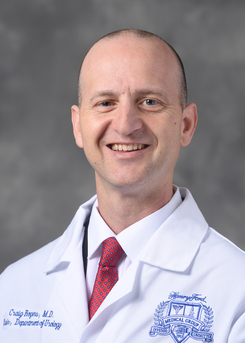 Craig Rogers合作论文数Vattikuti Urology Institute, Henry Ford Hospital12
 Mike Murphy合作论文数MRC Mitochondrial BIology Unit, University of Cambridge10Harold C. Urschel合作论文数9
 Vladimir Bogin合作论文数Cromos Pharma Services9Wagner Samuel C合作论文数8
 Santosh Kesari合作论文数Department of Translational Neurosciences, Saint John's Health Center, Saint John’s Cancer Institute;Providence Southern California;Praesidia Biotherapeutics Inc8Donald L. Atkinson合作论文数8R. David Anderson合作论文数8
 Boris Minev合作论文数8
 Erik J. Woods合作论文数7
 Anna D Johnson合作论文数Dept Anim Sci, Iowa State Univ7Jorge A. Genovese合作论文数Lung & Esophageal Surgery Institute, University of Pittsburgh Medical Center7
 Fabio Solano合作论文数7Brian Lane合作论文数6
 Ann E Remmers合作论文数6Alexandrescu Doru T合作论文数6Thomas D. Reed合作论文数5
 Ji Qi合作论文数5East Cara合作论文数5Selzman Craig H合作论文数5Vargas V合作论文数5Kumpati Ganesh S合作论文数5Fabian Lara合作论文数5Carlos Fabian Martinez Cruz合作论文数5Famela Ramos合作论文数5
 Eduardo Mansilla合作论文数Ministerio de Salud, C.U.C.A.I.B.A.5Dimki S. Patel合作论文数4j mark pool合作论文数4
 Alice Semerjian合作论文数4C. Bartlett合作论文数4
 Warren Sherman合作论文数4
 Gustavo H. Marin合作论文数RedARETS4Constantin A. Dasanu合作论文数Eisenhower Medical Center;UC San Diego Health-La Jolla and Hillcrest Hospitals4Julia Szymanski合作论文数4Hong Ma合作论文数4Noyes Sabrina L合作论文数4Sutariya Bharat合作论文数4Bruckner Brian A合作论文数4Jay D. Raman合作论文数4Hao Wang合作论文数4
 Christian Elabd合作论文数IBDC, université de Nice-Sophia Antipolis4Jorge Paz Rodriguez合作论文数4




