Ellinfangioma esplénico es una rara neoplasia benigna caracterizada por dilataciones quísticas de vasos linfáticos en el parenquima del bazo. El linfangioma puede comprometer el bazo solamente, o múltiples órganos. Describimos el caso de una mujer de 49 años con diagnóstico de linfangioma esplénico, quien presentó un cuadro de trombocitopenia de tres años de evolución; se realizó tratamiento médico con interferón durante seis meses sin mejoría y, esplenectomía, con hallazgos macroscópicos y microscópicos de patología compatibles con linfangioma esplénico. Además, realizamos una revisión actualizada de la literatura, discutiendo su diagnóstico, diagnóstico diferencial, pronóstico y opciones de tratamiento.
Objective The objective of this study is to evaluate the impact of high-deductible health plans on elective surgery (tonsillectomy) in the pediatric population. Study Design Cross-sectional study. Setting Health claims database from a third-party payer. Methods Data were reviewed for children up to 18 years of age who underwent tonsillectomy or arm fracture repair (nonelective control) from 2016 to 2019. Incidence of surgery by health plan deductible (high, low, or government insured) and met or unmet status of deductibles were compared. Results A total of 10,047 tonsillectomy claims and 9903 arm fracture repair claims met inclusion and exclusion criteria. The incidence of tonsillectomy was significantly different across deductible plan types. Patients with met deductibles were more likely to undergo tonsillectomy. In patients with deductibles ≥$4000, a 1.75-fold increase in tonsillectomy was observed in those who had met their deductible as compared with those who had not. These findings were not observed in controls (nonelective arm fracture). For those with met deductibles, those with high deductibles were much more likely to undergo tonsillectomy than those with low, moderate, and government deductibles. Unmet high deductibles were least likely to undergo tonsillectomy. Conclusions Health insurance plan type influences the incidence of pediatric elective surgery such as tonsillectomy but not procedures such as nonelective repair of arm fracture. High deductibles may discourage elective surgery for those deductibles that are unmet, risking inappropriate care of vulnerable pediatric patients. However, meeting the deductible may increase incidence, raising the question of overutilization.
OBJECTIVE:Third-party payers advocate for prior authorization (PA) to reduce overutilization of health care resources. The impact of PA in elective surgery is understudied, especially in cases where evidence-based clinical practice guidelines define operative candidacy. The objective of this study is to investigate the impact of PA on the incidence of pediatric tonsillectomy.STUDY DESIGN:Cross-sectional study.SETTING:Health claims database from a third-party payer.METHODS:Any pediatric patient who had evaluation for tonsillectomy from 2016 to 2019 was eligible for inclusion. A time series analysis was used to evaluate the change in incidence of tonsillectomy before and after PA. Lag time from consultation to surgery before and after PA was compared with segmented regression.RESULTS:A total of 10,047 tonsillectomy claims met inclusion and exclusion criteria. Female patients made up 51% of claims, and the mean age was 7.9 years. Just 1.5% of claims were denied after PA implementation. There was no change in the incidence of tonsillectomy for all plan types (P = .1). Increased lag time from consultation to surgery was noted immediately after PA implementation by 2.38 days (95% CI, 0.23-4.54; P = .030); otherwise, there was no significant change over time (P = .98).CONCLUSION:A modest number of tonsillectomy claims were denied approval after implementation of PA. The value of PA for pediatric tonsillectomy is questionable, as it did not result in decreased incidence of tonsillectomy in this cohort.
ObjectivesThe objective of this study was to evaluate surgeon‐prescribing patterns and opioid use for patients undergoing common otolaryngology surgeries. We hypothesized that there was little consistency across surgeons in prescribing patterns and that surgeons prescribed significantly more opioids than consumed by patients.MethodsE‐mail–based surveys were sent to all postoperative patients across a 23‐hospital system. The survey assessed quantity of opioids consumed postoperatively, patient‐reported pain control, and methods of opioid disposal. We compared patient‐reported opioid consumption to opioids prescribed based on data in the electronic data warehouse.ResultsThere was wide variation in prescribing between providers both in the quantity and type of opioids prescribed. Patients used significantly less opioids than they were prescribed (10 vs. 30 tablets, P < 0.001) for both opioid‐exposed and opioid‐naïve patients. More than 75% of patients had excess opioids remaining.ConclusionOpioids are consistently overprescribed following ambulatory head and neck surgery. Otolaryngologists have an important role in the setting of the national opioid epidemic and should be involved in efforts to reduce excess opioids in their community.Level of Evidence4 Laryngoscope, 130: 1913–1921, 2020
The aim of this manuscript is to present a case of acute port site hernia and to discuss the diagnosis and treatment methods. Port site hernias are rare with overall incidence estimated at 0.74%. A review of the current literature is also presented.
Laparoscopic training demands practice. The transfer of laparoscopic skills from training models to real surgical procedures has been proven. The global operative assessment of laparoscopic skills (GOALS) score is a 5-item global rating scale developed to evaluate laparoscopic skills by direct observation. This scale has been used to demonstrate construct validity of several laparoscopic training models. Here, we present a low-cost model of laparoscopic Heller–Dor for advanced laparoscopic training. The aim of this study was to determine the capability of a training model for laparoscopic Heller–Dor to discriminate between different levels of laparoscopic expertise.
Introduction. We describe a case of gastrojejunal anastomosis perforation after gastric bypass on a patient with underlying pancreatic cancer. Case Description. A 54-year-old female with past surgical history of gastric bypass for morbid obesity and recent diagnosis of unresectable pancreatic cancer presents with abdominal pain, peritonitis, and sepsis. Computerized axial tomography scan shows large amount of intraperitoneal free air. The gastric remnant is markedly distended and a large pancreatic head mass is seen. Intraoperative findings were consistent with a perforated ulcer located at the gastrojejunal anastomosis and a distended gastric remnant caused by a pancreatic mass invading and obstructing the second portion of the duodenum. The gastrojejunal perforation was repaired using an omental patch. A gastrostomy for decompression of the remnant was also performed. The patient had a satisfactory postoperative period and was discharged on day 7. Discussion. Perforation of the gastrojejunal anastomosis after Roux-en-Y gastric bypass is an unusual complication. There is no correlation between the perforation and the presence of pancreatic cancer. They represent two different conditions that coexisted. The presence of a gastrojejunal perforation made the surgeon aware of the advanced stage of the pancreatic cancer.
Introduction. We describe a case of gastrojejunal anastomosis perforation after gastric bypass on a patient with underlying pancreatic cancer. Case Description. A 54-year-old female with past surgical history of gastric bypass formorbid obesity and recent diagnosis of unresectable pancreatic cancer presents with abdominal pain, peritonitis, and sepsis. Computerized axial tomography scan shows large amount of intraperitoneal free air. The gastric remnant is markedly distended and a large pancreatic head mass is seen. Intraoperative findings were consistent with a perforated ulcer located at the gastrojejunal anastomosis and a distended gastric remnant caused by a pancreaticmass invading and obstructing the second portion of the duodenum. The gastrojejunal perforation was repaired using an omental patch. A gastrostomy for decompression of the remnant was also performed. The patient had a satisfactory postoperative period and was discharged on day 7. Discussion. Perforation of the gastrojejunal anastomosis after Rouxen-Y gastric bypass is an unusual complication. There is no correlation between the perforation and the presence of pancreatic cancer. They represent two different conditions that coexisted. The presence of a gastrojejunal perforation made the surgeon aware of the advanced stage of the pancreatic cancer.
Laparoscopic sleeve gastrectomy (LSG) is increasingly performed as a primary operation for morbid obesity. A leak, with an incidence of up to 5.1%, is one of the most serious life-threatening complications associated with LSG.
We present the case of a 64-year-old female with an incarcerated right femoral hernia, associated with a small bowel obstruction that was successfully treated with an open femoral hernia repair with plug. At the same time we performed a hernia sac laparoscopy to evaluate the viability of the previously reduced small bowel. The hernioscopy was performed with a 0° 5 mm scope with reliable evaluation of the peritoneal cavity. We confirm that hernioscopy is a safe and feasible procedure and provides useful information for the appropriate management of acute incarcerated femoral/inguinal hernias.
Background: The aim of the present study was to report the outcomes of bariatric surgery in patients >70 years of age at a community hospital in the United States.Methods: A retrospective review was performed of prospectively collected data from patients aged >70 years who had undergone bariatric surgery at a single institution from 2002 to 2008. The data analyzed included age, preoperative and postoperative weight and body mass index, postoperative complications, and co-morbidities.Results: Of 42 patients aged >70 years who underwent bariatric surgery, 22 patients (52.4%) had undergone laparoscopic gastric banding, 12 patients (28.6%) laparoscopic sleeve gastrectomy, and 8 patients (19%) laparoscopic Roux-en-Y gastric bypass. The mean preoperative weight and body mass index was 127.4 +/- 25.5 kg and 46.8 +/- 9.3 kg/m(2), respectively. The mean postoperative weight and body mass index was 100.2 +/- 17 kg and 35.5 +/- 5.4 kg/m(2), respectively. The median length of follow-up was 12 months (range 1-66). The mean percentage of excess weight loss was 47.7% at 12 months, with 73.1% follow-up data. Complications included wound infections in 4 patients (9.5%), band removal in 3 patients (7.1%), anastomotic leak in 1 patient (2.3%), and megaesophagus in 1 patient (2.3%). No mortality occurred. The postoperative use of medications for hypertension, hyperlipidemia, diabetes mellitus, and degenerative joint disease were reduced by 56%, 54%, 53%, 66%, and 50%, respectively.Conclusion: Bariatric surgery in carefully screened patients aged >70 years can be performed safely and can achieve modest improvement in co-morbidities. (Surg Obes Relat Dis 2012;8: 458-462.) (C) 2012 American Society for Metabolic and Bariatric Surgery. All rights reserved.
Laparoscopic sleeve gastrectomy is a viable option that is becoming common in the management of morbid obesity. The aim of this study was to examine the effectiveness and safety of laparoscopic sleeve gastrectomy as a primary step for rapid weight loss in patients who required a second non-bariatric procedure.
A true chylous effusion is defined as the presence of ascitic fluid with high fat (triglyceride) content, usually higher than 110 mg/dl. We report a case of chyloperitoneum following laparoscopic Roux-en-Y gastric bypass (LRYGB) in a 40-year-old patient who was admitted for surgery on May 31, 2007. On August 2008 an abdominal CT with contrast was ordered for chronic abdominal pain showing diffuse ascites as well as mesenteric adenitis. On September 2008, the patient was admitted to the hospital. An elective diagnostic laparoscopy was scheduled. A large amount of chylous fluid was found. Microscopic analysis came back negative. The patient made an uneventful recovery after surgery. To our knowledge, this is the first reported case of chylous ascites following LRYGB. Chyloperitoneum should be considered as a possible cause of ascites in patients with chronic small bowel obstruction following a LRYGB.
It is estimated that 34% of the population age 60 years or older are affected by obesity disease. Eight percent of these patients are super morbidly obese. In previous reports we demonstrated the safety and efficacy of bariatric surgery in patients older than 60 years of age. The aim of this study was to report outcomes in patients older than 70 years of age.
Laparoscopic adjustable gastric banding (LAGB) is considered the simplest of the bariatric operations. Although studies have confirmed the effectiveness of the LAGB in terms of weight loss and resolution of comorbidities, concerns have developed over its long-term efficacy and safety. Reports have described a high incidence of complications and need for reintervention. These reports and the availability of other effective and well-tolerated procedures have determined a significant decrease in the number of LAGBs performed. This article reviews key historic milestones, fundamental changes in the design and technique, and potential reasons that determined a quick rise and a progressive fall of LAGB's popularity.
2003-2004 National Health and Nutrition Examination Survey, indicate that an estimated 17% of children and adolescents ages 2-19 years are overweight in the US. We aim to assess the safety and outcomes of laparoscopic bariatric surgery as a treatment option in controversial patient population.
 Raul J. Rosenthal合作论文数Bariatric and Metabolic Institute, Weston Hospital, Cleveland Clinic Florida13
 Samuel Szomstein合作论文数Bariatric and Metabolic Institute (BMI) Florida12
 Jesus E. Hidalgo合作论文数6ivan baene ferez合作论文数5carlos celis pinilla合作论文数5carlos alberto sanchez toro合作论文数5Jaime Acosta Lozano合作论文数5c espinosa合作论文数5Carvajal A合作论文数5Emeka Acholonu合作论文数4douglas ortiz espine合作论文数4Sheetal Patel合作论文数4Wasef Abu-Jaish合作论文数4Jeremy Gallego Eckstein合作论文数3
 Pedro Martinez-Duartez合作论文数3Enrique Arias合作论文数3Jeremy D. Meier合作论文数3Anna Kundel合作论文数3Paul R. Krakovitz合作论文数3
 Omar Bellorin合作论文数Cleveland Clinic Florida3marin radulescu m d合作论文数2Kaden Neuberger合作论文数2Vanessa Torrecillas合作论文数2
 Roy Mayank合作论文数2Briseyra Fong合作论文数2Dan Ruiz合作论文数1Jeremy Eckstein合作论文数1Manmeet Malik合作论文数1J P Singh合作论文数1Armando E Castro合作论文数1Emanuele Lo Menzo合作论文数1al garcia ddv合作论文数1cynthia alexander psyd合作论文数1Geoffrey Casazza合作论文数1
 Nisha Dhanabalsamy合作论文数Internal Med, Med City1Nathan Richards合作论文数1
 Huong Meeks合作论文数Huntsman Canc Inst, Univ Utah1Raj Srivastava合作论文数Intermt Healthcare, Healthcare Delivery Inst, 5026 South State St, Murray, UT 84107 USA1
 Saurabh Sharma合作论文数Div Urol, Univ Penn1
 Christopher Ian Newberry合作论文数Facial Plast & Reconstruct Surg Div, Univ Utah1
 Anna Ibele合作论文数1
 Andrew J Knighton合作论文数Healthcare Delivery Inst1Tiszenkel Howard合作论文数1Nguyen David合作论文数1
 Liese Pruitt合作论文数a Pritzker School of Medicine, University of Chicago1
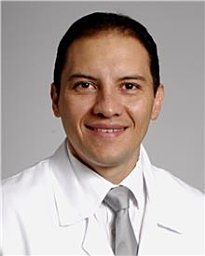 Ordonez Alex合作论文数The Bariatric and Metabolic Institute, Cleveland Clinic Florida1
 Steven C. Hunt合作论文数Cardiovascular Genetics Division, Department of Internal Medicine, School of Medicine, University of Utah1Paul C. Lee合作论文数Weill Cornell Medical Center, New York Presbyterian Hospital1A. Castro合作论文数INFN Sezione di Bologna, Bologna, Italy1




