In the last ten years in Italy a great artistic ferment arose around the works of Street Art; initially born spontaneously, often unauthorized and therefore illegal, this kind of expression entered the urban context modifying its relationship with art. This artistic phenomenon has generated discussions, controversies and has created an unremitting debate about the importance of protecting, enhancing and conserving these artworks. Currently the national context has changed through a growing regulated management of artistic and cultural happenings that are now commissioned by public and private institutions through specific projects and events. In this new context, conservation and protection of works of art become crucial in order to allow the intrinsic meaning of artistic action to last over time. The present work proposes a conservative approach by intervening with a scientific methodology in the restoration of Poesia DI.VINO painted by the artist Ivan Tresoldi on the front walls of the Historical Diocesan Archive of Milan (Italy). (C) 2022 Elsevier Masson SAS. All rights reserved.
Street art murals are an artistic expression strictly interwoven in the urban landscape, and in recent years have received increasing attention as cultural heritage at risk. Today there is intense debate regarding the value assessment and choices related to the conservation of urban art; however, the evaluation of the stability of modern paint materials in outdoor environment is preliminary to any possible preservation strategy. In particular, the identification of the materials constituting a street artwork is critical for the preservation of these non-permanent heritage elements and to define the best restoration approaches. In this work, we performed a set of analyses of microsamples based on spectroscopy, analytical pyrolysis, gas and liquid chromatography, and mass spectrometry to identify paint materials (binders, pigments, additives, degradation products and conservation/restoration materials) of a selection of mural paint-ings, covering 60 years of history (1953-2014). The goal of this work was to identify the materials used to produce different mural paintings and to relate and compare their different compositions with previous studies in order to describe the evolution of the materials during the last 60 years. The collected knowledge and the limited data available in literature were exploited to increase the scientific background on the materials used by street artists, and to fill the lack of knowledge on this emerging topic. (c) 2020 Elsevier Masson SAS. All rights reserved.
The materials of mural paintings and contemporary polychromed sculptures more and more frequently displayed in outdoor public spaces are different from those of traditional art techniques, as they come transferred from industrial fields and from technical applications. The control of the artist on these materials is less pronounced, and the problems which may arise in terms of performance and durability must be properly considered by owners and conservators. A critical survey of the use of synthetic paints in outdoor artworks is outlined in this chapter, and the conservation project on the Keith Haring mural in the town of Pisa is described as an emblematic example of the scientific approach towards public art preservation.
"Composizione-Superficie Lunare" (1965) is an artwork of the Italian artist Giulio Turcato (Mantua, 1912- Rome, 1995). This painting, inspired by moon travels, was created on a polyurethane foam support, material experimentalized by some other contemporary artists in the late 1960's. In the present paper the organic and inorganic materials used as binders, fillers and pigments, as well as the support itself, have been investigated by means of a multi-analytical approach based on the application of Environmental Scanning Electron Microscopy Energy-Dispersive X-ray spectroscopy (ESEM-EDX), Micro-Attenuated Total Reflection Fourier Transform Infrared spectroscopy (t-ATR-FTIR), High Performance Liquid Chromatography coupled with Diode Array Dectector and tandem Mass Spectrometry (HPLC-DAD, LC-MS/MS), Pyrolysis-Gas Chromatography and Evolved Gas Analysis coupled with Mass Spectrometry (Py-GC/MS, multishot Py-GC/MS and EGA-MS). The plethora of analytical techniques available allowed to provide for the first time a full characterization of the different materials used in "Composizione-Superficie Lunare" and of a Turcato's painting. The polyurethane foam artwork was painted using synthetic inorganic and organic pigments, such as methyl violet and manganese violet, dispersed in polyvinyl acetate as medium. The study was fundamental for establishing the original materials and aesthetics of the artwork as well as assessing the degradation state of the painting materials and of the polyurethane foam support. The results collected, crucial for planning an effective restoration campaign, highlight the importance of the contribution of analytical chemistry to cultural heritage.
We recently developed a new method that uses a functionalized film, which non-invasively extracts the proteins from different surfaces, for the identification of proteinaceous materials or binders from precious and ancient artworks. In this research, we demonstrate the efficacy of the method on varnished wood panels and canvases. We also show the application of this method to several historical samples. In particular, we discuss the results obtained from the analysis of: a polychrome wooden altarpiece of the XIV century, a polychrome sandstone capital, a rare polychrome alabaster, several wood medieval and renaissance panels (Pietro Gallo, Jean Bapteur, Defendente Ferrari, Martino Spanzotti, Gerolamo Giovenone) and a detached fresco by Antoine de Lonhy. Through the use of this method we were able to identify the binders from a rare sample of painted leather casket from a Parisian manufactory (beginning of XIV century) and from a Tuscan wooden reliquary. Moreover, by adopting the quantitative analysis, we discovered different artistic techniques used to paint two different areas of an “a secco” painting from Reggia di Colorno (Italy). In conclusion, this study reports the first use of this non-invasive method for the characterization of proteins from a wide range of ancient objects belonging to the world Cultural Heritage without the need to transport or micro-invasively sampling the artifacts.
The style of the contemporary German artist Anselm Kiefer is highly innovative and unconventional and is characterized by the use of diverse materials that he selects and combines according to the emotions that they stir in him. The conservation and preservation of works by Kiefer are particularly difficult tasks because of the heterogeneity and, in some cases, the incompatibility of the materials used; therefore, a thorough characterization is crucial before any intervention is considered. In this paper, we report the results of an investigation on a fragment from a multimaterial work and on samples from the paintings Bohemia Lies by the Sea and Die Größe Fracht. The large fragment was cut by the artist himself from a work in progress and is considered destitute of any artistic value; therefore, it was possible to sample it extensively. This fragment and the samples from the Die Größe Fracht and Bohemia Lies by the Sea paintings were analyzed by ultraviolet (UV) fluorescence imaging, fiber optic reflectance spectroscopy, Fourier transform infrared spectroscopy, nuclear magnetic resonance, Raman spectroscopy, X-ray diffraction, gas chromatography-mass spectrometry, and pyrolysis gas chromatography-mass spectrometry. This multitechnique approach allowed us to fully characterize and identify pigments, dyes, and organic components that reflect the diversity of the materials typically chosen by the artist. The results are evaluated in the context of the interview that Antonio Rava had with the Anselm Kiefer in 2000.
The paint materials in three different Keith Haring outdoor murals, Tuttomondo in Pisa (1989), the Necker Hospital mural in Paris (1987), and the Melbourne mural (1984), were investigated using pyrolysis-gas chromatography/mass spectrometry (Py-GC/MS).The aim of the study was to characterize the chemical composition of the paint materials used by the artist in the three mural paintings and to correlate their chemical composition to their state of conservation. The analyses were performed using a PY-3030D pyrolyzer (Frontier Lab, Japan).The analyses of the paint samples from Tuttomondo showed the presence of a styrene/n-butylacrylate copolymer, which had been used as a paint binder. The results were then compared with those obtained with a Pyroprobe 5000 pyrolyzer (CDS Analytical, U.S.A.).The pyrolysis profiles of the paint samples of the Paris mural were characterized by the presence of benzene and acetic acid, together with small amounts of toluene, styrene, indene, and different aromatic compounds, which indicated the presence of a vinyl resin. The various isomers of the vinyl ester of versatic arid were attributed to VeoVa (TM), present in the vinyl polymer as an internal plasticizer.In the Melbourne mural, there was a high heterogeneity of paint materials, both original and deriving from a restoration intervention. The Py-GC/MS analyses revealed the presence of alkyd, vinyl, and acrylic resins.The samples were collected within the framework of conservation campaigns carried out on the three artworks. The results enabled the materials used by the artist to be identified, and highlighted the conservation state of the murals. They also provided conservators and restorers with helpful information for the choice of cleaning and protection procedures. Having access to three different examples of Haring's street art enabled us to compare the paint techniques and to relate them to the state of conservation. (C) 2015 Elsevier B.V. All rights reserved.
Samples from Keith Haring's wall painting of the Necker Children Hospital in Paris were studied by a multi-analytical protocol. X-ray fluorescence (XRF), powder X-ray diffraction (XRDP), Electron microscope (SEM-EDS), Infrared and Raman spectroscopy (μ-FT-IR and μ-Raman) measurements were performed in order to characterize the materials and to identify the art technique used to produce this contemporary work. Materials from the mural suffered from severe detachments of materials and several fragments were found on the ground beneath. Some of these fragments, which were representative of the whole palette and stratigraphic sequence, were collected and studied. The fragments were sufficiently large to enable non-invasive measurements to be performed in order to characterize the materials. A comparison of the data of the techniques applied revealed that Haring's palette was composed of organic pigments such as Naphtol red, phthalocyanine blue and green and Hansa yellow, in accordance with those used previously by the artist in other painted murals.
The effectiveness of five polymeric materials for the long-term conservation and restoration of rubber artworks was evaluated by accelerated photo-oxidative degradation studies. Two different ethylene vinyl-acetate resins, generally used in industry and uncommon in conservation field, a new water-based polyurethane, and two ethylene butyl-acrylate resins were assessed for the consolidation of rubber. By monitoring their degradation along time with LED imaging coupled to statistics and Fourier transform infrared spectroscopy (FTIR), the polymeric materials with the best properties that ensure the protection and security of the artwork were identified. The degradation was performed in solar box simulating the light exposure in a museum, under controlled temperature at no more than 35 °C in order to exclude the thermal effects that could influence the ageing of polymers. The mechanical stress of the treated samples was also investigated. The spectroscopic analyses, the chromatic changes study, and the mechanical degradation were used as indicators of the consolidant stability, allowing the evaluation of the materials selected for the consolidation and conservation of rubber. The ethylene-vinyl acetate copolymers resulted the most stable and suitable for the conservation of rubber artworks. Lastly, the conservation treatment identified in this research was employed for the restoration of the contemporary artwork “Presagi di Birnam” made with bicycle inner tubes by the artist Carol Rama.
Keith Haring painted large outdoor murals in Melbourne, Australia, in 1984 (the Collingwood Mural) and at Pisa in Italy in 1989 (Tuttomondo). Recently, both murals have been analyzed and conserved by similar teams of conservators and scientists. The original appearance of the Collingwood Mural was severely compromised, and the original materials much degraded. Tuttomondo was somewhat altered visually but with less physical damage. There were initial suggestions to repaint Tuttomondo but these were dissipated by good communication of the analytical findings. In Melbourne, there was a high-profile and emotive campaign to have the Collingwood Mural repainted. Conservators and government were heavily criticized for supposedly ignoring the artist's wishes. However, detailed research into Haring's published statements revealed that conservation does respect his artistic aims. For the Collingwood Mural, conservators had to consider whether to reduce the visual disturbances which obscured the works. Practices documented by conservation theorists and routinely undertaken by conservators guided the decision to apply mechanically reversible re-integration. This made Haring's unique 'line' visible and accessible again, and pleased the public. The controversies showed how conservators must communicate clearly and tactfully; appreciate the feelings of the public and involve communities in conservation, without compromising rigorous scientific and curatorial research.
Sixteen of the most important canvas grounds used since the XIV to the XX century were prepared following the ancient recipes (including grounds from Vasari, Caravaggio, and De Chirico) and a reference library of DRIFT spectra was built.
Yves Klein's Sculptures-Eponge are natural sea sponges soaked in International Klein Blue (IKB), assembled on metal pedestals. This work examines the constituent materials, the execution technique and the deterioration problems of the sculptures which are covered by a friable matt paint, in order to define the guidelines for treatment and collections care. For the experimental work, samples were prepared in the laboratory with the same materials and techniques used by the artist. In order to solve problems relating to removal of dust deposits, many aspects were considered in the evaluation process, such as the presence of an organic and porous support, not discussion in the existing literature, the poor cohesion of the surface and Klein's specific recommendations for handling his Monochromes only with gloves, and removing dust while avoiding any contact with the painted layers. Photo-ablation using laser radiation was identified as a possible solution. Three Nd:YAG lasers with different pulse durations (short free-running (SFR), long Q-switched (LQS), and Q-switched (QS)) operating at 1064 nm were tested on two kinds of support (samples of sponges saturated of IKB and glass slides painted with the same color) and on two different types of dirt (one only deposited and another adhered to the support). The interaction of laser radiation with the support and with the paint layers, and the effectiveness of cleaning operations, was monitored with a stereo microscope and a scanning electron microscope (SEM). It was possible to define a method which was then applied for the removal of particulate dirt from a blue sponge stored in the Museum of Modern Art, Turin, Italy.
The 1915 Giacomo Balla painting Grido dimostrazione in piazza del Quirinale has been studied in detail to investigate the artist's materials. Radiographic analysis revealed the presence of a previous work underneath and thus the existence of a complex stratification of paint layers that make the data interpretation both complex and interesting. Pigments and binders have been identified in an attempt to find correlations with the composition of common commercial paint products available in the first decades of the 20th century. A representative stratigraphy from a complex area of the painting revealed important information about the technical execution of the painting executed on top of the original. This study is intended to increase the knowledge of the painting materials used by Balla and other Futurist artists.
The restoration of seven important works made with polyurethane foam by the artist Piero Gilardi during the 1960s and 1970s provided the opportunity for a scientific conservation approach, resulting in increased knowledge and understanding of the artist’s techniques. Documentation of the fabrication of the works and analysis of the original materials guided the complex restoration work, where consolidation and replacement of missing elements were the principal issues.
 Maria Perla Colombini合作论文数Department of Chemistry and Industrial Chemistry, University of Pisa6
 Oscar Chiantore合作论文数Department of Chemistry, Università Degli Studi di Torino5
 Will Shank合作论文数3
 Elettra Barberis合作论文数Center for Translational Research on Autoimmune and Allergic Diseases, University of Piemonte Orientale3Poli Tommaso合作论文数Department of I.P.M. Chemistry and the NIS-Centre of Excellence, University of Torino3Manfredi Marcello合作论文数3
 La Nasa Jacopo合作论文数Department of Chemistry and Industrial Chemistry, University of Pisa3Francesca Modugno合作论文数Dipartimento di Chimica e Chimica Industriale, Università di Pisa3
 Emilio Marengo合作论文数3Francesca Di Girolamo合作论文数2
 Francesca Sabatini合作论文数Institute of Chemical Science and Technologies “G. Natta” (CNR-SCITEC), Via Elce di Sotto, 8, 06123 Perugia, Italy2
 Fabio Gosetti合作论文数Dipartimento di Scienze dell’Ambiente e della Terra, Università degli Studi di Milano-Bicocca2Ilaria Degano合作论文数Instituto Universitario de Investigación en Ciencias Ambientales de Aragón (IUCA),, Universidad de Zaragoza2
 Marcello Picollo合作论文数Istituto di Fisica Applicata “Nello Carrara”,, CNR2Silvia A. Centeno合作论文数1annamaria giovagnoli合作论文数1
 Isabelle Duvernois合作论文数1Susanna Bracci合作论文数1
 Eleonora Conte合作论文数1Antonella Manariti合作论文数1romina rezza合作论文数1Daphne De Luca合作论文数1
 Laura Rivaroli合作论文数YOCOCU APS1Francesca Zenucchini合作论文数1Paola Buscaglia合作论文数Centro Conservazione e Restauro "La Venaria Reale"1Piccirillo Anna合作论文数1
 p lucerogomez合作论文数Foscari University of Venice1
 Claudia Conti合作论文数Istituto per la Conservazione e la Valorizzazione dei Beni Culturali, CNR1
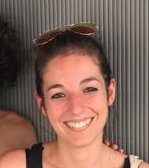 Beatrice Campanella合作论文数Institute of Chemistry of Organometallic Compounds, UOS of Pisa;Department of Chemistry and Industrial Chemistry, University of Pisa;Institute of Chemistry of Organometallic Compounds, University of Pisa1Lluveras-Tenorio Anna合作论文数1Marchiafava Veronica合作论文数1
 Giovanni Bartolozzi合作论文数1
 Donata Magrini合作论文数1
 Dickens Jenny合作论文数1
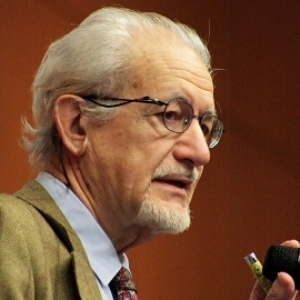 Pier Giorgio Righetti合作论文数Polytechnic University of Milan1Andrea Macchia合作论文数1
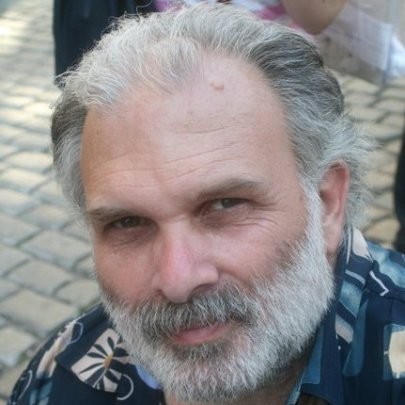 Vincenzo Palleschi合作论文数Department of Chemistry and Industrial Chemistry, University of Pisa;Department of Civilisations and Forms of Knowledge, University of Pisa1Sibilla Orsini合作论文数1Gleb Zilberstein合作论文数1
 Stefano Legnaioli合作论文数Istituto Di Chimica Dei Composti Organometallici, Consiglio Nazionale delle Ricerche1
 Emma Cantisani合作论文数Dipartimento di Restauro e Conservazione dei Beni Architettonici;Facoltà di Architettura;Università di Firenze;Facoltà di Architettura, Università di Firenze1
 Simone Caglio合作论文数1
 Ilaria Bonaduce合作论文数Dipartimento di Chimica e Chimica Ind., Università di Pisa1
 Antonio Sansonetti合作论文数1
 Elisa Robotti合作论文数Department of Environmental and Life Sciences, University of Eastern Piedmont1




