Background: The incremental model of doping behavior (IMDB) posits that doping develops over time through the habit of using performance enhancers such as dietary supplements. We investigated the association between dietary supplement use and beliefs and doping attitudes among Norwegian sportspersons. Methods: A total of 1441 subjects (females: 44%; age 31.3 ± 11.6 years) responded to an online questionnaire including measures of dietary supplement use and beliefs, performance enhancement attitude (PEAS), and a doping likelihood vignette. Data were analyzed using descriptive statistics, correlations, and multiple regression analysis. Results: 58% used dietary supplements. Dietary supplement beliefs were positively correlated with doping attitudes (r = 0.27 (PEAS) and r = 0.16 (vignette), p < 0.001). Among non-competitive respondents, younger respondents were more likely to endorse supplement use (r = −0.08, p = 0.073 vs. r = −0.30, p < 0.001) and doping use (r = −0.17, p < 0.001 and r = −0.21, p < 0.001). Males endorsed supplement use (Welch’s t tests > 5.19, p < 0.001) and doping (Welch’s t tests > 4.08, p < 0.001) more than females. Norwegian sportspersons are generally ambivalent about dietary supplements but opposed to doping practices in sport. Results of multiple regression analysis indicated that younger, male, non-competitive, and supplement-endorsing participants were more likely to endorse doping likelihood. However, these differences were small, and participants were generally against doping. Conclusions: The associations between dietary supplement use and beliefs and doping attitudes are weak but compatible with the IMDB. The differences between groups are small; however, focusing on beliefs about dietary supplements in young, male, non-competitive persons may improve the effectiveness of anti-doping interventions.
Background:Decreasing physical activity levels present a major public health challenge. The use of e-bikes has risen substantially over the past decade, presenting a potential solution to common barriers associated with physical activity and conventional cycling. However, the intensity of e-bike commuting in real-life settings remains unknown. This study aimed to investigate the self-selected intensity and the impact of topography on intensity during regular e-bike commuting. Methods:In this cross-sectional study, oxygen consumption, power output, heart rate, perceived exertion, and positional data were recorded from 19 commuters [mean (standard deviation) age 41 (8) years] during their regular commutes on their own e-bikes. Data were summarized and analyzed in 10, 30, and 60 s epochs, and adjusted for the duration of the commutes. Intensity of the commutes was compared between downhill, flat, or uphill segments using linear mixed models. The intensity of physical activity was defined as light <3 metabolic equivalents (METs), moderate 3-5.9 METs, or vigorous ≥6 METs. Results:Oxygen consumption during e-bike commuting was mean (standard deviation) 20.8 (5.0) mL/kg/min [5.9 (1.4) METs]. Depending on epoch lengths, 44%-48% of the commutes were classified as vigorous physical activity. Across epoch lengths, the mean intensity of the commutes was classified as moderate (4.6-4.8 METs) during downhill, moderate (5.5-5.9 METs) during flat, and vigorous (7.0-7.5 METs) during uphill riding (p < 0.001). Conclusions:Our findings suggest that e-bike commuters self-selected moderate to vigorous intensities during real-life commutes, aligning with international physical activity guidelines for improving public health. Therefore, policies promoting a shift from car use to e-biking could have significant public health benefits.
Introduction This systematic review with meta-analysis investigates the effect of glucocorticoids on maximal and submaximal performance in healthy subjects. Methods We searched for randomised controlled trials investigating the effect of glucocorticoids on physical performance in Web of Science, Scopus, Medline, Embase and SportDiscus in March 2021. Risk of bias was assessed with the revised Cochrane Collaboration Risk of Bias Tool (RoB2). Data from random effect models are presented as standardized difference in mean (SDM) with 95% confidence interval. We included 15 studies comprising 175 subjects. Results Two studies had high risk of bias. Glucocorticoids had a small positive effect on maximal physical performance compared to placebo (SDM 0.300, 95% CI 0.080 to 0.520) and the SDM for the 13 included comparisons was not heterogeneous ( I 2 = 35%, p = 0.099). Meta regression found no difference in the effect of acute treatment vs. prolonged treatment or oral ingestion vs. inhalation ( p > 0.124). In stratified analysis prolonged treatment (SDM 0.428, 95% CI 0.148 to 0.709) and oral ingestion (SDM 0.361, 95% CI 0.124 to 0.598) improved physical performance. Glucocorticoids improved aerobic performance (SDM 0.371, 95% CI 0.173 to 0.569) but not anaerobic performance ( p = 0.135). Glucocorticoids did not change energy expenditure during submaximal performance (SDM 0.0.225 95% CI −0.771 to 0.112). Discussion This study indicates that glucocorticoids improves maximal performance and aerobic performance. Glucocorticoids did not affect the energy expenditure during submaximal performance. The conclusions are based on relatively few subjects leading to limited statistical power and uncertain estimates. Still, these results are consistent and should be of interest to WADA and anyone concerned about fair play. Systematic Review Registration Open Science Framework 2021-04-29 ( https://osf.io/fc29t/ ).
EDITORIAL article Front. Public Health, 08 August 2023Sec. Children and Health Volume 11 - 2023 | https://doi.org/10.3389/fpubh.2023.1250256
The objective of the present study is to review and meta-analyze the effect of E-cycling on health outcomes. We included longitudinal experimental and cohort studies investigating the effect of E-cycling on health outcomes. The studies were identified from the seven electronic databases: Web of Science, Scopus, Medline, Embase, PsycINFO, Cinahl and SportDiscus and risk of bias was assessed with the revised Cochrane Collaboration Risk of Bias Tool (RoB2). We performed meta-analysis with random effects models on outcomes presented in more than one study. Our study includes one randomized controlled trial, five quasi experimental trials and two longitudinal cohort studies. The trials included 214 subjects of whom 77 were included in control groups, and the cohort studies included 10,222 respondents at baseline. Maximal oxygen consumption and maximal power output were assessed in four and tree trials including 78 and 57 subjects, respectively. E-cycling increased maximal oxygen consumption and maximal power output with 0.48 SMD (95%CI 0.16–0.80) and 0.62 SMD (95%CI 0.24–0.99). One trial reported a decrease in 2-h post plasma glucoses from 5.53 ± 1.18 to 5.03 ± 0.91 mmol L−1 and one cohort study reported that obese respondents performed 0.21 times more trips on E-bike than respondents with normal weight. All the included studies had a high risk of bias due to flaws in randomization. However, the outcomes investigated in most studies showed that E-cycling can improve health.
The objective of this systematic review and meta-analysis was to examine the effects of climbing and climbing-and-resistance-training on climbing performance, and strength and endurance tests. We systematically searched three databases (SPORTDiscus, SCOPUS, and PubMed) for records published until January 2021. The search was limited to randomized-controlled trials using active climbers and measuring climbing performance or performance in climbing-specific tests. Data from the meta-analysis are presented as standardized difference in mean (SDM) with 95% confidence intervals (95% CI). Eleven studies are included in the systematic review and five studies compared training to a control group and could be meta-analyzed. The overall meta-analysis displayed an improvement in climbing-related test performance following climbing-specific resistance training compared to only climbing (SDM = 0.57, 95%CI = 0.24-0.91). Further analyses revealed that finger strength (SDM = 0.41, 95%CI 0.03-0.80), rate of force development (SDM = 0.91, 95%CI = 0.21-1.61), and forearm endurance (SDM = 1.23, 95%CI = 0.69-1.77) were improved by resistance-training of the finger flexors compared to climbing training. The systematic review showed that climbing performance may be improved by specific resistance-training or interval-style bouldering. However, resistance-training of the finger flexors showed no improvements in strength or endurance in climbing-specific tests. The available evidence suggests that resistance-training may be more effective than just climbing-training for improving performance outcomes. Importantly, interventional studies including climbers is limited and more research is needed to confirm these findings.
INTRODUCTION:Biological maturity level has shown to affect sport performance in youths. However, most previous studies have used noninvasive methods to estimate maturity level. Thus, the main aim of the present study was to investigate the association between skeletal age (SA) as a measure of biological maturation level, match locomotion, and physical capacity in male youth soccer players. METHOD:Thirty-eight Norwegian players were followed during two consecutive seasons (U14 and U15). Match locomotion was assessed with GPS-tracking in matches. SA, assessed by x-ray, physical capacities (speed, strength and endurance) and anthropometrics were measured in the middle of each season. Analysis of associations between SA, match locomotion, and physical capacities were adjusted for the potential confounding effect of body height and weight. RESULTS:In matches, positive associations were found between SA and maximal speed and running distance in the highest speed zones. Further, SA was associated with 40 m sprint time and countermovement jump (CMJ) height, and with intermittent-endurance capacity after adjusting for body height (U14). Associations between SA and leg strength and power, and between SA and absolute VO2max were not significant after adjusting for body weight. There was no association between SA and total distance covered in matches. CONCLUSION:Biological maturity level influence match locomotion and performance on physical capacity tests. It is important that players, parents and coaches are aware of the advantages more mature players have during puberty, and that less mature players also are given attention, appropriate training and match competition to ensure proper development.
Objectives. We aimed to examine the effect of beta2-agonists on anaerobic performance in healthy non-asthmatic subjects. Design. Systematic review and meta-analysis. Eligibility criteria. We searched four databases (PubMed, Embase, SPORTDiscus and Web of Science) for randomized controlled trials, published until October 2018, examining the effect of beta2agonists on maximal physical performance lasting one minute or shorter. Data are presented as standardized difference in mean (SDM) with 95% confidence intervals. Results. Thirty-two studies were included in the present meta-analysis. The studies include 41 different randomized and placebo controlled comparisons with beta2-agonists comprising 317 participants in crossover trials, and 110 participants in parallel trials. Beta2-agonists improved anaerobic performance by 5 % (SMD 0.27, 0.14-0.41) and the effect was related to treatment duration. In a stratified analysis the SDM was 0.18 (0.05-0.30) for acute treatment and 0.53 (0.190.88) for treatment for multiple weeks. Analyses stratified for the type of performance showed that strength 0.33 (0.12-0.53) and sprint 0.18 (0.050.30) performance was improved by beta2-agonists. Conclusion/implication. Our study shows that non-asthmatic subjects can improve sprint and strength performance by using beta2-agonists. Multiple weeks of treatment is more effective for
ObjectiveTo examine the effect of beta2-agonists on aerobic performance in healthy, non-asthmatic study participants.DesignSystematic review and meta-analysis.Eligibility criteriaWe searched four databases (PubMed, Embase, SPORTDiscus and Web of Science) for randomised controlled trials published until December 2019. Studies examining the effect of beta2-agonists on maximal physical performance lasting longer than 1 min were included in the meta-analysis. Data are presented as standardised difference in mean (SDM) with 95% CI.ResultsThe present meta-analysis includes 47 studies. The studies comprise 607 participants in cross-over trials, including 99 participants in three-way cross-over trials and 27 participants in a four-way cross-over trial. Seventy-three participants were included in parallel trials. Beta2-agonists did not affect aerobic performance compared with placebo (SDM 0.051, 95% CI −0.020 to 0.122). The SDM for the included studies was not heterogeneous (I2=0%, p=0.893), and the effect was not related to type of beta2-agonist, dose, administration route, duration of treatment or performance level of participants. Beta2-agonists had no effect on time trial performance, time to exhaustion or maximal oxygen consumption (p<0.218).Conclusion/implicationThe present study shows that beta2-agonists do not affect aerobic performance in non-asthmatic subjects regardless of type, dose, administration route, duration of treatment or performance level of participants. The results of the present study should be of interest to WADA and to anyone who is interested in equal opportunities in competitive sports.Systematic review registrationPROSPERO CRD42018109223.
National and international strategies and recommendations are intended to increase physical activity in the general population. Active transportation is included in interdisciplinary strategies to meet these recommendations. Cycling seems to be more health enhancing than walking for transportation since cycling seems to reduce the risk of cardiovascular disease and associated risk factors. Furthermore, the health benefits of cycling are proven to outrun the risk of injuries and mortality. Politicians seem to approve costly infrastructure strategies to increase the amount of cycling in the population to improve public health and shift to more sustainable travel habits. A linear relationship between cycle-friendly infrastructure and the amount of commuter cycling has been demonstrated. However, in Norway and on a global level, there is a lack of robust evaluations of actions and sensitive monitoring systems to observe possible change. Therefore, we aimed to develop the Norwegian bike traffic index and describe the national, regional, and local trends in counted cycle trips. We used a transparent methodology so that the index can be used, developed, and adapted in other countries. We included 89 stationary counters from the whole country. Counters monitored cycling from 2018 onward. The index is organized at local, regional, and national levels. Furthermore, the index is adjusted for population density at the counter level and presented as ratio of counted cycle trips, comparing 2018 to subsequent years. The index is presented as a percentage change with 95% confidence intervals. In Norway, counted cycle trips increased by 11% from 2018 (100, 100–100) to 2020 (111.0, 106.2–115.1), with large geographical differences. In Southern Norway, there was a significant increase of 23%, and in Northern Norway, there was a nonsignificant decrease by 8% from 2018 to 2020. The indices may indicate possible related effects of local to national cycling strategies and how the COVID-19 pandemic has affected Norwegian travel habits in urban areas.
The purpose of this study was to investigate the effects of high‐volume endurance training on the development of maximal oxygen uptake (VO 2max ) in physically active boys and girls between the ages of 12 and 15 years, using a longitudinal design. The children participated in organized training in sports clubs for an average of 7‐10 hours per week, with one group undertaking a high volume of endurance training (~7 hours per week; End boys, n = 23 and End girls, n = 17) and the other group having a primary focus on technical and tactical skill development, undertaking low volumes of endurance training (~1.6 hours per week; non‐End boys, n = 29 and non‐End girls, n = 9). VO 2max and anthropometrics were assessed at age 12, 13, and 15. At age 12, VO 2max was 58.9 (5.6), 65.5 (7.2), 56.5 (6.5), and 58.8 (7.9) mL·kg −1 ·min −1 in End girls, End boys, non‐End girls, and non‐End boys, respectively. Over the three years, there was no difference between the training groups in the development of VO 2max independent of scaling. In boys, VO 2max relative to body mass (BM) did not change from age 12 to 15, while VO 2max tended to decrease relative to fat‐free mass (FFM). In girls, VO 2max relative to BM decreased slightly from age 12 to 15, with no changes over the years relative to FFM. The present longitudinal study suggests that in growing active children during puberty, high volumes of systematic endurance training do not have an additional effect on VO 2max compared with similar volume of training mainly aiming at developing motor skills.
Objectives: This study aims to validate a submaximal treadmill walking test for estimation of maximal oxygen consumption (VO2max) in individuals at high risk of or with chronic health conditions.Method: Eighteen participants (age 62 ± 16 years; VO2max 31.2 ± 5.9 ml kg−1 min−1) at high risk of getting or with established chronic diseases performed two valid modified Balke treadmill walking protocols, one submaximal protocol, and one maximal protocol. Test duration, heart rate (HR), and rate of perceived exertion (RPE) were measured during both tests. VO2max was measured during the maximal test. VO2max was estimated from the submaximal test by multiple regression using time to RPE ≥ 17, gender, age, and body mass as independent variables. Model fit was reported as explained variance (R2) and standard error of the estimate (SEE).Results: The model fit for estimation of VO2max from time to RPE ≥ 17 at the submaximal test, body mass, age, and gender was R2 = 0.78 (SEE = 3.1 ml kg−1 min−1, p ≤ 0.001). Including heart rate measurement did not improve the model fit.Conclusions: The submaximal walking test is feasible and valid for assessing cardiorespiratory fitness in individuals with high risk of or chronic health conditions.
This study aimed to investigate match running performance in U14 male soccer players in Norway, and the influence of position, competitive level and contextual factors on running performance. Locomotion was monitored in 64 different U14 players during 23 official matches. Matches were played at two different competitive levels: U14 elite level (n = 7) and U14 sub-elite level (n = 16). The inclusion criterion was completed match halves played in the same playing position. The variables’ influence on match running performance was assessed using mixed-effect models, pairwise comparisons with Bonferroni correction, and effect size. The results showed that the U14 players, on average, moved 7645 ± 840 m during a match, of which 1730 ± 681 m (22.6%) included high-intensity running (HIR, 13.5–18.5 km·h−1) and sprinting (>18.5 km·h−1). Wide midfielders (WM) and fullbacks (FB) covered the greatest sprint distance (569 ± 40 m) and, in addition to the centre midfield position (CM), also covered the greatest total distance (TD) (8014 ± 140 m) and HIR distance (1446 ± 64 m). Centre forwards (CF) performed significantly more accelerations (49.5 ± 3.8) compared other positions. TD (7952 ± 120 m vs. 7590 ± 94 m) and HIR (1432 ± 57 m vs. 1236 ± 43 m) were greater in U14 elite-level matches compared with sub-elite matches. Greater TD and sprint distances were performed in home matches, but, on the other hand, more accelerations and decelerations were performed in matches played away or in neutral locations. Significantly higher TD, HIR and sprinting distances were also found in lost or drawn matches. In conclusion, physical performance during matches is highly related to playing position, and wide positions seem to be the most physically demanding. Further, competitive level and contextual match variables are associated with players’ running performance.
Objectives We aimed to examine the effect of beta 2-agonists on anaerobic performance in healthy non-asthmatic subjects. Design Systematic review and meta-analysis. Eligibility criteria We searched four databases (PubMed, Embase, SPORTDiscus and Web of Science) for randomised controlled trials, published until December 2019, examining the effect of beta 2-agonists on maximal physical performance lasting 1 min or shorter. Data are presented as standardised difference in mean (SDM) with 95% confidence intervals (95% CI). Results 34 studies were included in the present meta-analysis. The studies include 44 different randomised and placebo-controlled comparisons with beta 2-agonists comprising 323 participants in crossover trials, and 149 participants in parallel trials. In the overall analyses, beta 2-agonists improved anaerobic performance by 5% (SDM 0.29, 95% CI 0.16 to 0.42), but the effect was related to dose and administration route. In a stratified analysis, the SDM was 0.14 (95% CI 0.00 to 0.28) for approved beta 2-agonists and 0.46 (95% CI 0.24 to 0.68) for prohibited beta 2-agonists, respectively. Furthermore, SDM was 0.16 (95% CI 0.02 to 0.30) for inhaled administration and 0.51 (95% CI 0.25 to 0.77) for oral administration, respectively, and 0.20 (95% CI 0.07 to 0.33) for acute treatment and 0.50 (95% CI 0.20 to 0.80) for treatment for multiple weeks. Analyses stratified for the type of performance showed that strength (0.35, 95% CI 0.15 to 0.55) and sprint (0.17, 95% CI 0.06 to 0.29) performance were improved by beta 2-agonists. Conclusion/implication Our study shows that non-asthmatic subjects can improve sprint and strength performance by using beta 2-agonists. It is uncertain, however, whether World Anti-Doping Agency (WADA)-approved doses of beta 2-agonists improve performance. Our results support that the use of beta 2-agonists should be controlled and restricted to athletes with documented asthma. Systematic review registration PROSPERO CRD42018109223.
We aimed to assess if running performance is related to decision-making accuracy in referees. We also investigated the relationships between movement, position, decision-making and time of infringement. The study included 347 free kicks and penalties awarded during all 15 home field matches for one team in the Norwegian top league. Movement and position were measured by a radio-based positioning system, and two external experts analysed the video clips. The referees made the correct decision in 98% of the assessed foul situations. There were no associations between the correctness and running speed at the time of the infringements or total distance accumulated during the 30 s prior to the infringement (p>0.08). Decision-making accuracy was not associated with the referees' position in relation to the infringements (p=0.82) or the area where the infringements occurred (p=0.28). Most foul play incidents were sanctioned in the central area of the field (84%) where the distance to the infringements was shorter (13.4 m, 95% CI 12.8-14.0) than in the lateral areas (21.9 m, 95% CI 20.4-23.4). Norwegian top referees were practically always right when they interfered, possess the necessary fitness to avoid fatigue that would influence decision-making accuracy, and maintain adequate positional ability throughout the matches.
Globally, there is an increasing challenge of physical inactivity and associated diseases. Commuter cycling is an everyday physical activity with great potential to increase the health status in a population. We aimed to evaluate the association of self-reported factors and objectively measured environmental factors in residence and along commuter routes and assessed the probability of being a commuter cyclist in Norway. Our study included respondents from a web-based survey in three Norwegian counties and we used a Geographic Information Systems (GIS) to evaluate the natural and built environment. Of the 1196 respondents, 488 were classified as commuter cyclists. Self-reported factors as having access to an e-bike (OR 5.99 [CI: 3.71-9.69]), being physically active (OR 2.56 [CI: 1.42-4.60]) and good self-rated health (OR 1.92 [CI: 1.20-3.07]) increased the probability of being a cyclist, while being overweight or obese (OR 0.71 [CI: 0.54-0.94]) reduced the probability. Environmental factors, such as high population density (OR 1.49 [CI: 1.05-2.12]) increased the probability, while higher slope (trend p = 0.020), total elevation along commuter route (trend p = 0.001), and >5 km between home and work (OR 0.17 [CI: 0.13-0.23]) decreased the probability of being a cyclist. In the present study, both self-reported and environmental factors were associated with being a cyclist. With the exception of being in good health, the characteristics of cyclists in Norway, a country with a low share of cyclists, seem to be similar to countries with a higher share of cyclists. With better knowledge about characteristics of cyclists, we may design better interventions and campaigns to increase the share of commuter cyclists.
Objectives We aimed to examine the relationship between cycling (particularly commuter cycling) and risk factors associated with cardiovascular diseases (CVDs) including body composition, blood lipids and cardiorespiratory fitness. This study differed from our recent (Part 1) systematic review in that risk factors for CVD were analysed as continuous variables rather than being present or absent. Design Systematic review and meta-analysis. Eligibility criteria We searched four databases (Web of Science, MEDLINE, SPORTDiscus and Scopus). All quantitative studies, published until August 2017, were included when a general population was investigated, cycling was assessed either in total or as a transportation mode, and CVD risk factors were reported. Methods We analysed body composition, physical activity (PA), cardiorespiratory fitness (CRF), blood lipids and blood pressure (BP). Skinfold, waist circumference and body mass index were analysed and prioritised in that order when more than one measure were available. PA included measures of counts per minutes, moderate-to-vigorous PA or minutes per week. CRF included results of maximal tests with or without expired air or submaximal test. For blood lipids and BP, separate analyses were run for low-density and high-density lipoprotein, triglycerides, total cholesterol, systolic BP and diastolic BP. Studies were excluded when reporting dichotomous outcomes or when cycling and walking were combined. Heterogeneity was investigated using I 2 . Results Fifteen studies were included; the majority reported commuter cycling. In total, we included 5775 cyclists and 39 273 non-cyclists. Cyclists had more favourable risk factor levels in body composition −0.08 (95% CI −0.13 to −0.04), PA 0.13 (95% CI 0.06 to 0.20), CRF 0.28 (95% CI 0.22 to 0.35) and blood lipids compared with non-cyclists. There was no sex difference in risk reduction. Conclusion/implication Cycling mitigated the risk factor profile for CVD. A strength of this systematic review is that all the risk factors were analysed as continuous variables. These data provide evidence for practitioners, stakeholders, policy-makers and city planners to accommodate and promote cycling. Systematic review registration PROSPERO CRD42016052421.
Large-scale analyses on the travel behavior of e-bikes are scarce, and current knowledge regarding who the e-bike owners are is inconsistent. Also, commuters represent a relevant user group with an unexploited potential. Therefore, the purpose of the present study was to examine (i) associations between type of bike (e-bike vs. regular bike) with place of residence (county), sociodemographic variables (age, sex, educational level, income and ethnicity) and habitual physical activity level, and (ii) if public employees possessing an e-bike cycle more often and longer distances to work. A cross-sectional survey was conducted in 2017 among 1977 (5.2% of eligible subjects) public employees in Southern and Western Norway. Binary and multinomial logistic regression analyses were conducted. Respondents possessing an e-bike were less likely to perform high levels of leisure time physical activity (OR 0.56 (CI 0.39-0.82)), compared to those possessing a regular bike only. For those residing in Agder, the likelihood of possessing an e-bike (vs. regular bike) was almost 4 times higher (OR 3.98 (CI 2.53-6.26)), compared with participants residing in Sogn og Fjordane. Compared with those possessing a regular bike only, e-bike users cycled more frequently to work, both occasionally (OR 3.71 (CI 2.44-5.65)) and most of the time (OR 4.28 (CI 2.79-6.55)), and they had higher odds of cycling medium distances to the workplace (OR 1.74 (CI 1.04-2.90)). In conclusion, e-bike access could result in increased commuter cycling, both in terms of cycling frequency and cycling distance, which in turn could contribute to enhanced physical activity levels.
Objectives Physical inactivity is a risk factor for cardiovascular disease (CVD). Cycling as a physical activity holds great potential to prevent CVD. We aimed to determine whether cycling reduces the risk of CVD and CVD risk factors and to investigate potential dose-response relationships. Design Systematic review and meta-analysis of quantitative studies. Eligibility criteria for selecting studies We searched four databases (Web of Science, MEDLINE, SPORTDiscus and Scopus). All quantitative studies, published until August 2017, were included when a general population was investigated, cycling was assessed either in total or as a transportation mode, and CVD incidence, mortality or risk factors were reported. Studies were excluded when they reported continuous outcomes or when cycling and walking were combined in them. We pooled adjusted relative risks (RR) and OR. Heterogeneity was investigated using I. Results The search yielded 5174 studies; 21 studies which included 1,069,034 individuals. We found a significantly lower association in combined CVD incidence, mortality and physiological risk factors with total effect estimate 0.78 (95% CI (CI): 0.74–0.82; P<0.001; I 2 =58%). Separate analyses for CVD incidence, mortality and risk factors showed estimates of RR 0.84 (CI, 0.80 to 0.88; P<0.001; I 2 =29%), RR 0.83 (CI, 0.76 to 0.90; P<0.001; I 2 =0%), and OR 0.75 (CI, 0.69 to 0.82; P<0.001; I 2 =66%), respectively. We found no dose-response relationship or sex-specific difference. Conclusions Any form of cycling seems to be associated with lower CVD risk, and thus, we recommend cycling as a health-enhancing physical activity. Systematic review registration Prospero CRD42016052421.
 Karin Cecilie Lødrup Carlsen合作论文数Institute of Clinical Medicine, Faculty of Medicine, University of Oslo;Department of Paediatric Medicine, Oslo University Hospital11
 Atle Hole Saeterbakken合作论文数Faculty of Teacher Education and Sport, Sogn og Fjordane University College9
 Vidar Andersen合作论文数Norwegian University of Science and Technology, St. Olavs University Hospital9
 Petter Mowinckel合作论文数9
 Solveig Nordengen合作论文数Dept Sport Food & Nat Sci, Western Norway Univ Appl Sci8Hovland Vegard合作论文数8Vegard Fusche Moe合作论文数7
 Ane Solbraa合作论文数7Kai Håkon Carlsen合作论文数7Einar Ylvisåker合作论文数6
 Lars Bo Andersen合作论文数Department of Sport, Food and Natural Sciences, Western Norway University of Applied Sciences;Institutt for Idrettsmedisinske, Norges Idrettshøgskole;Department of Teacher Education and Sport, Høgskulen på Vestlandet6V Hovland合作论文数4
 Kai-Håkon Carlsen合作论文数Oslo University Hospital4Trine Stensrud合作论文数4
 Halvard Grendstad合作论文数3
 Julie Stang合作论文数3Hilde Gundersen合作论文数Department of Biological and Medical Psychology, University of Bergen3
 Erling Algrøy合作论文数2
 Pettersen Svein Arne合作论文数a Faculty of Health Sciences, University of Tromsoe2
 Eivind Aadland合作论文数2
 Shaw Matthew合作论文数2
 Christian Froyd合作论文数2
 Elling Bere合作论文数Faculty of Health and Sport, University of Agder2Jon Lunde合作论文数1Astri Lang合作论文数1Arild Hafstad合作论文数1Hege Wilson Landgraff合作论文数1Svein Leirstein合作论文数1Ane Kristiansen Solbraa合作论文数1Mona Vestbøstad合作论文数1Tone Nybakken合作论文数1
 Tom Erik J Solstad合作论文数Dept Sport Food & Nat Sci, Hogskulen Vestlandet1Ellen Eimhjellen Blom合作论文数1
 Andreas Avitsland合作论文数Dept Educ & Sport Sci, Univ Stavanger1
 Fredrik Lauritzen合作论文数Sci & Med, Antidoping Norway1
 Kåre I Birkeland合作论文数Univ Oslo, Inst Clin Med, Oslo, Norway1Dan Fransson合作论文数1
 Nicolay Stien合作论文数1Craig Williams合作论文数School of Chemistry and Molecular Biosciences, Faculty of Science, The University of Queensland1
 Anne K Jenum合作论文数1
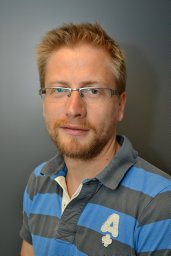 Berntsen Sveinung合作论文数Department of Paediatrics, Oslo University Hospital1Sachs-Olsen Christine合作论文数1
 Hege Clemm合作论文数Department of Pediatrics, Haukeland University Hospital1Tjørhom A合作论文数1
 Dominic Sagoe合作论文数Department of Psychosocial Science, University of Bergen1
 Morten Kristoffersen合作论文数1
 Bjørnarå Helga Birgit合作论文数1




