The greatest challenge to forming faculty developmental networks is the limited availability of skilled mentors, emphasizing the need for mentor development programs. Limited data indicate that mentor development intervention improves mentors' self-reported mentoring competency over the short term. However, the impact on long-term mentoring competency is unknown, constituting a critical gap in the literature. The study used a randomized controlled design with multiple post-test measures to compare the effectiveness of a combined online asynchronous plus virtual synchronous mentor development program vs. an online asynchronous program alone. It tested the hypothesis that mentor development intervention results in greater and sustained improvement in self-assessed mentor competency than the control group in four Southwestern and Mountain West universities. Self-assessed mentor competency was examined using the MCA-21 Mentoring Competency Assessment scale at baseline, and 3-, 12- and 24-months. MCA-21 was rated on a seven-point Likert-type scale as 1, 'Not at all skilled' to 7, 'Extremely skilled'. The composite score was the 21-item average. Linear mixed models examined the intervention effect while accounting for repeated measures, with the main intervention effect operationalized by the intervention x period interaction. 47 intervention and 39 control faculty mentor-mentee dyads, mostly underrepresented in science, were recruited without pre-requirement for research competency. Compared to controls, MCA-21 for intervention mentors improved significantly from baseline at 3-months (Estimate (SE), 0.58 (0.19), 12 months (0.58 (0.21) and 24 months 0.74 (0.23), interaction p ≤0.005). By demonstrating sustained improvement in mentors' competency over 24 months, our findings provide the rationale for academic institutions to invest in faculty mentor development programs and will help the nation support the development of a skilled, diverse academic workforce.
Developmental networks comprise individuals (i.e., developers) who take an active interest in and concerted action to advance protégé's career. Research demonstrates that the social composition and characteristics of developmental networks change over time as protégés' careers evolve. However, little qualitative research explores if, how, and why developmental networks change. This analysis examines why protégés change or maintain connections to their developers, focusing on social constraints and deliberative actions. Using an exploratory qualitative approach, we explored the reasons that university faculty respondents changed their developmental networks over time. We considered the potential for individual/developer characteristics and structural constraints on relations between developers and protégés (e.g., job change) to understand how and why respondents added, maintained, or dropped developers from their networks. We conducted 56 semi-structured interviews with faculty mentors and mentees from three universities and the Mountain West Clinical and Translational Research Infrastructure Network, enrolled in a larger study of mentor training interventions. Respondents discussed how their developmental networks changed over 30 months. Self-reported network maps at baseline, 12, and 24 months were used to augment these interviews by showing who was in their network at these time points. Decisions about stability or change in networks mainly appeared unrelated to strategic decisions based on respondents' goals or identified network gaps. Instead, themes related to consistency or change included personal reasons (e.g., position change by respondent), or the personal or situational characteristics of the developer such as: being supportive and trustworthy; a collaborator on projects; genuinely caring; having similar experiences, goals, or values as respondent; social and work overlap; and time or capacity changes (e.g., developer retiring). Our findings establish the rationale for developing and implementing a structured, evidence-based networking intervention to educate faculty on intentionally changing developmental networks based on action plans.
Mentoring and mentor development, while interconnected, serve distinct purposes within the academic community. Although the effects of mentoring programs for mentees are well-documented, the impact of mentor development programs on mentee outcomes is less explored. This study investigates the effect of a faculty mentor development program on mentee scholarly productivity. The study was a randomized controlled trial involving four academic and health science institutions in the United States Southwest and Mountain West regions. This study included 94 mentees randomly assigned to the intervention or control arm. The intervention group comprised 56 mentees whose mentors participated in a comprehensive development program featuring combined virtual synchronous plus online asynchronous components. The control group, consisting of 38 mentees, had mentors who only engaged in the online asynchronous component. Mentee outcomes, extracted from curriculum vitaes, included the count of publications, presentations, and grants over the prior year, assessed at baseline, and 12- and 24-months following randomization. The primary outcome was total scholarly productivity, calculated as the sum of these three counts. Our analysis, which accounted for repeated measures, revealed no significant differences in total scholarly productivity between the intervention and control groups at 12- and 24-month intervals. These findings suggest that mentor development programs do not significantly enhance mentee scholarly productivity in the short term. Such programs may require more than 24 months to show effectiveness in improving mentee scholarly outcomes or may require studying alternative career or psychosocial outcomes. Therefore, mentor development programs may not be optimal for achieving immediate gains in mentees' scholarly output and may need to be complemented with mentee professional development programs targeting scholarly outcomes.
Almost 60% of early career faculty at Schools of Medicine (SOM) leave within ten years of hire. National data indicate that inadequately mentored faculty, particularly those from underrepresented minority backgrounds, are less likely to be retained. The role of mentoring in faculty retention is inadequately studied. The study objective was to analyze factors associated with SOM faculty retention, using the University of New Mexico SOM exit interview data. Analyses were based on exit surveys with SOM faculty resigning, not retiring, during the timeframe 2017-2023 (N=429). LCA was conducted using items related to primary/secondary reasons for leaving. Item response probabilities were examined to assess item associations with latent classes. Logistic regression was used to assess the association between latent class and overall experience at the SOM and the likelihood of returning to the institution. A three latent class (LC) model was selected based on reasons to leave. LC1 cited factors that were both extrinsic and intrinsic to the current workplace (lure of a greater career opportunity and low current salary respectively). LC2 primarily cited extrinsic reasons to leave (personal/family matters), and LC3 primarily cited reasons intrinsic to the current workplace (work environment and leadership). LC2 was associated with a significantly higher rating of overall experience and likelihood of considering returning (p<0.001 for both analyses). Exiting faculty may be classified into three qualitatively different subgroups or latent classes. Our study findings may guide mentors, supervisors, and organizations to identify class-specific customized interventions to help retain faculty, including those from disadvantaged groups, and thereby, help address the ongoing attrition of the nation's biomedical workforce.
An objective assessment of a mentor's behavioral skills is needed to assess the effectiveness of mentor training interventions in academic settings. The Mentor Behavioral Interaction (MBI) Rubric is a newly developed, content-valid, observational measure of a mentor's behavioral skill during single-episode interactions with a mentee. The purpose of this study was to assess the inter-rater reliability (IRR) of the MBI Rubric when used to assess video-recorded mentor-mentee interactions. Three of a pool of four faculty raters with expertise in mentor training synchronously rated 26 videos of mentor-mentee interactions using structured guidelines. The MBI Rubric includes six items (Part 1), each with ratings on a 3- or 4-point scale, and ten yes/no items (Part 2) that characterize the content of the interaction. After initial individual ratings were completed, the three raters met, reviewed disagreements, and reached decisions about final item scores by either consensus or majority vote. Mean total Part 1 scores ranged between 1.42-2.69. IRRs ranged from good (Part 1 IRR=0.67) to excellent (Part 2 IRR=0.83). No training effects were observed, with no decrease (i.e., showing less variability) in inter-rater standard deviations over time. Rater effects in initial individual scoring were observed, with a significant difference between one vs. the other three raters on Part 1 individual scores, with no effects for Part 2 scores. Raters tended to score lower on initial individual scores than the final score for both Part 1 and 2. The MBI Rubric is the first observational measure to assess single episodes of video-recorded mentor-mentee interactions and has demonstrated content validity, and now inter-rater reliability. It may be used in parallel with other instruments to measure the efficacy of mentor training. Limitations include possible ceiling effects, and resource-intensive administration in terms of rater expertise and time. Future work will assess the responsiveness of the Rubric to change in mentor skill and construct validity.
'Critical' career milestones for faculty (e.g., tenure, securing grant funding) relate to career advancement, job satisfaction, service/leadership, scholarship/research, clinical or teaching activities, professionalism, compensation, and work-life balance. However, barriers and challenges to these milestones encountered by junior faculty have been inadequately studied, particularly those affecting underrepresented minorities in science (URM-S). Additionally, little is known about how barriers and challenges to career milestones have changed during the COVID-19 pandemic for URM-S and non-URM faculty mentees in science. In this study, we conducted semi-structured interviews with 31 faculty mentees from four academic institutions (located in New Mexico, Arizona, Idaho, and Hawaii), including 22 URM-S (women or racial/ethnic). Respondents were given examples of 'critical' career milestones and were asked to identify and discuss barriers and challenges that they have encountered or expect to encounter while working toward achieving these milestones. We performed thematic descriptive analysis using NVivo software in an iterative, team-based process. Our preliminary analysis identified five key themes that illustrate barriers and challenges encountered: Job and career development, Discrimination and a lack of workplace diversity; Lack of interpersonal relationships and inadequate social support at the workplace; Personal and family matters; and Unique COVID-19-related issues. COVID-19 barriers and challenges were related to online curriculum creation and administration, interpersonal relationship development, inadequate training/service/conference opportunities, and disruptions in childcare and schooling. Although COVID-19 helped create new barriers and challenges for junior faculty mentees, traditional barriers and challenges for 'critical' career milestones continue to be reported among our respondents. URM-S respondents also identified discrimination and diversity-related barriers and challenges. Subsequent interviews will focus on 12-month and 24-month follow-ups and provide additional insight into the unique challenges and barriers to 'critical' career milestones that URM and non-URM faculty in science have encountered during the unique historical context of the COVID-19 pandemic.
As part of developmental networks, sponsors help provide recognition and visibility opportunities to their faculty protégés. Recognition awards given to the School of Medicine (SOM) faculty are an important mechanism for acknowledging what is valued in academic medicine. Beyond their impact on individual careers, awards help define the culture and climate of an organization. The literature suggests inequities in recognition awards for women and racial/ethnic underrepresented minority faculty. The study's purpose was to examine the characteristics of the awardees relative to the SOM faculty in a minority-serving institution in a minority-majority state. In this observational cross-sectional study, 47 SOM faculty were recognized between 2000-2023 as Regents' Lecturers (9), Regents' Professors (20), Community Engagement Awardees (5), and Gold-headed Cane Awardees (13). SOM sought nominations which a search committee competitively reviewed. Award recipients were characterized by their department, rank, academic track, degree, country of origin, sex, and race/ethnicity, and were compared to all SOM faculty. Male faculty were more likely than women faculty to receive an award (p=0.04). Faculty with tenure, Ph.D. degree, or Professor rank were more likely to receive an award than their counterparts (p<0.001, all analyses). Faculty in basic and diagnostic specialties were more likely to receive an award than medical or surgical specialties (p<0.001). Although rates of awards for racial/ethnic URM faculty were about half that of non-URM faculty, this difference did not reach statistical significance (p=0.14). In addition to demonstrating sex-related inequity in awards, recognized faculty are traditionally associated with the scholarship of discovery compared to other models of scholarship or clinical activity. Sponsors should promote women, physicians, and clinician educators for recognition awards to advance their academic careers. SOM leaders need to examine award criteria and processes to ensure recognition of the diversity of talents and achievements that are critical to the future of academic medicine.
Although the advantages of developmental networks are well-known, most faculty do not know how to participate in such networks actively. Additionally, institutions face challenges in teaching faculty the best practices of networking. This deficiency constitutes a critical gap in the literature, which may slow career advancement for faculty, particularly from underrepresented groups. The study's purpose was to examine the effectiveness of a curriculum-based faculty training in developmental networks, utilizing the Extension for Community Health Outcomes (ECHO) platform. In this pre-post study, 33 faculty members participated in the intervention utilizing eight modules involving four competencies. Each module followed a standard format, including a short didactic, two facilitated case study discussions based on real-life scenarios, and self-reading of selected literature. Outcomes included (i) change in knowledge scores obtained from two questions per module and (ii) self-efficacy scores measured on a scale of 0-100. Paired student's t-test and mixed model regression analyses were used. A significant increase in knowledge score was documented using mixed model regression for 4 of the eight modules (mean change score 0.4-0.8, p≤0.03 for all analyses). The proportion of faculty participants reporting correct knowledge items for all modules increased from 49.8% (pre) to 64.3% (post), which was statistically significant (p<0.001). Significant increases in paired self-efficacy scores were reported for each of the eight modules (mean change score 17-37, p<0.05 for all analyses). This study highlights the importance of curriculum-based training in networking. Participants showed a significant increase in pre-post networking self-efficacy and knowledge scores. Our ECHO-based curriculum, facilitator training, and manual enable easy implementation in other institutions, ensuring scalability and adaptability. Our analysis provides the evidence basis for examining the impact of a developmental network intervention in enhancing individual career networks.
Faculty retention at academic health centers is a concern with about one-fifth of physicians reporting intentions to leave. We studied factors affecting faculty at risk for attrition, defined as women, racial/ethnic underrepresented minorities (URM), and clinical faculty. Identification of factors predicting retention of at-risk faculty may help mentors and minority-serving institutions devise novel targeted retention strategies. Our study site was a minority-serving institution in a majority-minority state in the US Southwest where at-risk faculty constitute the majority group. Faculty characteristics and departure dates were extracted from an institutional database maintained by the University of New Mexico (UNM) School of Medicine (SOM) for 2,427 participants employed from July 2009 through June 2022. Annual attrition rates and relative risk (RR) of attrition were estimated by discrete-time hazard rate models assuming a Poisson distribution. The overall annual attrition rate was 11.5%, which projects to 50% attrition in 6.0 years. Time to 50% attrition was 4.6 years for assistant professors, 8.9 years for associate professors 7.2 years for full professors. Faculty with a PhD degree had lower attrition (7.2%, RR=0.69, 95% CI 0.60, 0.79) compared to faculty with an MD degree (10.5%) in adjusted analyses. Clinician educators had a higher attrition rate (8.9%) compared to tenure track (6.4%, RRtenure track=0.72, 95% CI 0.61, 0.85). Black faculty had a higher risk of attrition compared to White faculty (RR=1.56, 95% CI 1.09, 2.25), and non-Hispanic White faculty had a lower risk of attrition (RR=0.83, 95% CI 0.71, 0.98). Annual attrition rates increased over the study period with most of the increase before about 2016. We did not detect significant differences in attrition due to sex or URM status.
The Developmental Network Questionnaire (DNQ) is used in business to self-assess relationships with developers, or people who support one's career. The Mentoring Network Questionnaire (MNQ) is an online modification of the DNQ and includes two scales that rate developer's contributions to career or psychosocial help. The psychometrics of these scales for different populations are unreported. This study analyzed the construct validity and reliability of the two scales measuring support provided by developers of university faculty. Mentors and mentees (G=156) from multiple Southwestern and Mountain West universities rated 741 developers on the MNQ's five-item career- and psychosocial-support scales. Participants responded on a seven-point scale ranging from "never, not at all" to "to the maximum extent possible." Multilevel confirmatory factor analysis (MCFA) using Mplus and the multi-level reliability coefficient omega assessed construct validity and internal consistency reliability, respectively. Results supported the validity of two latent constructs of career- and psychosocial support, each measured by the established five-item scale: Comparative fit index (CFI)=.93, Tucker-Lewis Index (TLI)=.91, root mean square error of approximation (RMSEA)=.06, standardized root mean square residual (SRMR): W=.09, B=.10. The measurement model was improved when the "removes barriers" item was removed from the career-support scale (CFI=.96, TLI=.95, RMSEA=.05, SRMR: W=.06 B=.09. Factor loadings at both the within- and between-levels were strong and statistically significant. Reliability omegas ranged from .85 to .92. Career and psychosocial support provided to university faculty by developers in their networks may be validly and reliably measured at both the within- and between-levels by a modified four-item career support scale and the original five-item psychosocial support scale from the DNQ and the modified MNQ. Limitations include reduced statistical power due to small sample size and lack of testing at the university level. Future work will assess the responsiveness of these scales to measuring change over time in the amount of support provided.
Scholars have long recognized gender variation in social relationship dynamics. However, how gender shapes developmental networking relationships for career advancement, particularly among university faculty members, is understudied. This area of research is important since women comprise an increasing proportion of faculty and yet report receiving less mentoring and lower career satisfaction, productivity, and advancement than their male counterparts. This cross-sectional study assessed gender differences in self-reported dimensions of faculty participants' developmental networks by collecting information on relationships with developers, who are people who have taken concerted action and offered professional and personal guidance to help participants advance in their careers over the past year. The investigators used egocentric network data from an electronically administered Mentoring Network Questionnaire collected from 159 faculty involved in a mentoring intervention during the pandemic. Faculty were from multiple Southwest and Mountain West institutions. Statistical analyses were performed using the Chi-squared test, Wilcoxon rank-sum test, and unadjusted multilevel regression. Female faculty chose developers of lower gender diversity than male faculty (p=0.01). Compared to male faculty, female faculty reported receiving more psychosocial support from individual developers (p=0.03). Female faculty members' developers were more often characterized as friends and less often described as sponsors and allies than male faculty, based on relative levels of career and psychosocial support that individual developers provided (p<0.001). No gender differences were found in other network characteristics. Female faculty build developmental networks that have different factors compared to male faculty. Greater levels of psychosocial support and fewer allies and sponsors for female faculty may have long-term implications for differential career advancement for women vs. men in academic careers. Strategies to enhance networking should address gender differences and include a structured framework for assessing network gaps.
Faculty attrition at academic health centers (AHCs) is significant at about 11% nationally, with one in five physicians intending to leave, and replacement costs averaging $500,000 per physician. Attrition among AHC faculty leaders is inadequately studied. This study compares reasons to leave between exiting faculty leaders and faculty non-leaders at the University of New Mexico School of Medicine (UNM SOM). The SOM deans interview all exiting faculty using a structured exit survey. 329 faculty non-leaders and 58 faculty leaders left UNM SOM between July 2017 and June 2022. Distributions of each variable were analyzed for statistically significant differences between the two groups using Fisher's 2-sided exact test. Text comments by leaders were analyzed qualitatively for content using a team-based, iterative process. As compared to non-leaders, exiting faculty leaders were more likely to be professors (51.7% vs 16.7%, p<0.001), and hold tenure (32.8% vs. 12.2%, p=0.001). Faculty leaders were more likely than non-leaders to cite high-level leadership as a reason to leave (41.4% vs. 24.3% p=0.01) and better leadership as a critical issue in development and retention (51.7% vs. 36.8% p=0.04). Qualitative analyses of textual leader comments showed a similar distribution of themes as the quantitative variables when examining open text related to the survey questions related to reasons to leave and the most critical issues. In addition, when asked what would need to change for them to return, qualitative data showed open-ended responses by exiting faculty leaders were twice as frequent to include leadership comments than those by non-leaders (34.2% vs. 16.2%). Exiting faculty leaders disproportionately cite high-level leadership as a reason to leave. The mediatory factors for this association are not known. Investigations to determine the causes for the study findings, and data-driven intervention strategies to retain faculty leaders at SOMs are needed.
Despite growing evidence for the need for work-life balance (WLB) for faculty at academic health centers, mentors frequently do not know how to advise their mentees on this topic. WLB impacts job satisfaction and intent to stay, and physicians are particularly at risk. In this study, we explored exit survey comments of faculty of the University of New Mexico School of Medicine citing work-life balance as a reason to leave (WLB-ARTL). Between July 2017 and December 2020, 59 faculty provided open-ended survey responses related to reasons for leaving, what they liked and disliked about being faculty, mentorship, and more. Using a qualitative descriptive design, we analyzed open-ended responses using a systematic, iterative, thematic approach via NVIVO software. We classified themes using Shanafelt's drivers of engagement and burnout: workload/job demands; efficiency/ resources; meaning in work; culture/values; control/flexibility; social support/community at work; and work-life integration. While there were numerous quotes across all themes, we chose to summarize emergent codes with the most faculty representation and those that can most easily be addressed through mentorship: career development, culture and people, and hours and schedule (related to themes of meaning in work, culture and values, community at work, work-life integration, and control and flexibility). To improve faculty retention, institutional leaders should focus on developing mentors' career coaching and mentoring skills. Additional focus should be placed on training mentors to discuss and address WLB among their faculty mentees.
Organizational culture is the shared, often unspoken, basic values, beliefs, and assumptions. Underlying culture influences organizational climate, the observable policies, practices, and procedures that faculty experience. Yet little is known about mentoring culture and climate in higher education. The purpose of this study was to a) conduct a psychometric evaluation of the 4-item Organizational Culture Mentoring Values (OCuM-V) scale and b) determine if organizational culture, operationalized as values related to mentoring, is associated with organizational mentoring climate (OMC) and involvement with mentoring. 298 [55 under-represented minority (URM)] faculty from University of New Mexico and Arizona State University completed a cross-sectional survey, including the OCuM-V scale and the 15-item OMC Availability (OMCA) scale. Items for both scales were rated No (1), Don't know (0), or Yes (1). Faculty reported if they were being mentored or providing mentoring. Exploratory factor analysis (EFA) and Cronbach's alpha were used for scale evaluation. Spearman correlation and logistic regression were used to assess OCuM-V association with climate and mentoring involvement, respectively. Overall, 24% of faculty were being mentored (27% for URM), and 43% were mentoring (38% for URM). OCuM-V items loaded on a single factor in EFA (Cronbach's alpha=0.84 for all; 0.88 for URM). OCuM-V was positively correlated with OMCA (including institutional expectations, mentor-mentee relationships, and resources subscales) for both all and URM faculty (r>0.4 p<.001 for all). Greater OCuM-V was associated with an increased odds of being mentored (OR=1.75±1.19-2.61) and providing mentoring (OR=1.83±1.30-2.58). Mentoring culture is associated with mentoring climate. Faculty who perceive stronger OCuM-V report a stronger OMC (available structure, programs/activities, policies/guidelines) and are being mentored or providing mentoring more often. Limitations include a small sample size for the URM group and cross-sectional data collection. Organizational leaders should explicitly promote values related to mentoring to strengthen both mentoring culture and climate at their institutions.
Mentors at Academic Health Centers (AHC) are challenged by mentee attrition, with one in five physicians reporting an intent to leave in 2020. AHCs struggle with physician replacement costs, which are exorbitant. Data-driven efforts to mitigate attrition during the pandemic require an understanding of reasons to leave. This study compares characteristics of exiting faculty at the University of New Mexico School of Medicine (UNM SOM) two years before to two years after April 1, 2020. Demographic and reason to leave variables from exit interviews of 168 faculty that left UNM SOM between April 2018-to-March 2020 and 151 faculty that left between April 2020-to-March 2022 were compared. Exiting faculty were stratified into those resigning vs. retiring. Distributions of each variable were analyzed for statistically significant differences using a chi-square or Fisher's 2-sided exact test. The pandemic was associated with an approximately three-fold higher proportion of retirement contributing to total attrition than before (25.8% vs. 8.9%; p<0.001). Among those who resigned, the pandemic was associated with a higher proportion of physicians than before (84.3% vs. 72.8%; p=0.03). Hispanic faculty may be more likely to resign during the pandemic than before (p=0.06). Those who resigned during the pandemic may be significantly less likely to cite "inadequate adherence to FTE" or a "challenging work environment" (p= 0.048 and 0.053 respectively) but more likely to cite personal family matters (p=0.06) as reasons to leave than before the pandemic. The increased proportion of retirees during the pandemic presents challenges for AHCs by exacerbating the current shortage of mentors while providing leadership opportunities for those retained. Mentors need to be aware of the top reasons for faculty leaving (which have not materially changed during the pandemic): challenging work environment, personal/family matters, inadequate work-life balance, greater career opportunities, and inadequate salary.
 Orrin Myers合作论文数Family Practice Center, University of New Mexico32
 Paula Meek合作论文数19
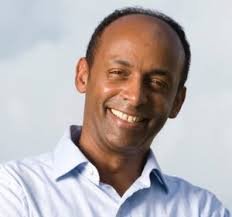 Yohannes Tesfaigzi合作论文数Lovelace Respiratory Research Institute17
 H. Petersen合作论文数15
 Beth Tigges合作论文数15
 Clifford Qualls合作论文数Clinical & Translational Science Center, University of New Mexico13N Dominguez合作论文数10Linda S. Cook合作论文数10
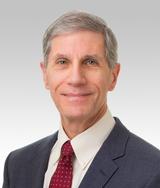 Lewis J Smith合作论文数Feinberg School of Medicine, Northwestern University9
 Deborah L. Helitzer合作论文数School of Medicine, The University of New Mexico Health Sciences Center9
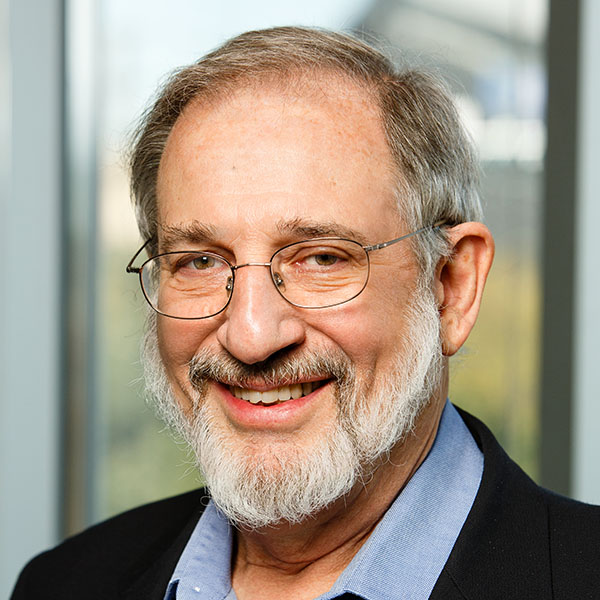 David Jacobs合作论文数Division of Epidemiology and Community Health, School of Public Health, University of Minnesota9N Mickel合作论文数8N Greenberg合作论文数7
 Babs Soller合作论文数7Bharat Thyagarajan合作论文数Medical School, University of Minnesota Minneapolis7X. Shore合作论文数6B Wiskur合作论文数5H Rishel Brakey合作论文数5A. Arynchyn合作论文数5E. Kocher合作论文数5D. Kesler合作论文数5C. Pollard合作论文数5K. Evans合作论文数5
 Bartolome Celli合作论文数Harvard Medical School;Kindred Hospital;Brigham and Women’s Hospital;Lovelace Respiratory Research Institute5William S Beckett合作论文数5
 Rodrigo Vazquez Guillamet合作论文数4
 Assad Nour合作论文数Health Sciences Center School of Medicine, 1 University of New Mexico4
 Shuguang Leng (冷曙光)合作论文数青岛大学公共卫生学院4D Morales合作论文数3X. W. Shore合作论文数3K. Vlahovich合作论文数3W. Jarrell合作论文数3D Sigl合作论文数3William Jarrell合作论文数3B Wilson合作论文数3Hammad Irshad合作论文数Lung Canc Program, Lovelace Resp Res Inst3
 Jacob (Jake) McDonald合作论文数Envol Biomedical3Steven a Belinsky合作论文数3Mark Schuyler合作论文数3L. S. Cook合作论文数2J. Walker合作论文数2D Schade合作论文数2w tang合作论文数2X. Wang合作论文数2Patricia Cassano合作论文数Nutritional Sciences, College of Agriculture and Life Sciences, Cornell University2
 Myriam Fornage合作论文数The Brown Foundation Institute of Molecular Medicine for the Prevention of Human Diseases, McGovern Medical School, The University of Texas Health Science Center at Houston;Graduate School of Biomedical Sciences, The University of Texas MD Anderson Cancer Center2
 George T O'Connor合作论文数Department of Medicine, Chobanian & Avedisian School of Medicine, Boston University2
 W Boyce合作论文数Department of Pediatrics, University of California, San Francisco;School of Medicine, University of California, San Francisco2Glen H. Murata合作论文数2




