BACKGROUND:Spotted-wing drosophila (SWD) (Drosophila suzukii) is a devastating invasive species that affects soft and stone fruit crops. The SWD poses significant challenges to high-value fruit industries, especially organic production. Organic growers primarily rely on frequent applications of organic pesticides, but these are expensive, have limited residual activity, and require rotation with less effective alternatives to manage resistance. Exclusion netting has emerged as a promising alternative for organic growers. This study assesses the economic performance of exclusion netting compared to organic insecticide applications for managing SWD on New York blueberry farms. RESULTS:In the baseline scenario, organic blueberry growers could increase their income by $1856 per acre and achieve a benefit-cost ratio (BCR) of 1.115 by using exclusion netting in netting trellis structures instead of organic insecticides. This indicates that for every dollar invested in netting, growers gain $1.115 in return, making it a marginally profitable option. Both strategies generate positive profits from year 1, but netting surpasses insecticides in cumulative cash flow by year 3. Sensitivity analyses, considering different marketing channels and blueberry prices, show that BCR remains above 1 in all scenarios, with the highest BCR achieved when selling through indirect markets at $12.12 per kilogram. CONCLUSION:Our results offer critical insights into SWD management for organic growers who face production challenges due to limited pesticide options and resistance risks. These findings provide clear information on the economic viability of using exclusion netting in organic blueberry production. Consistent with previous research, the costs of insecticide applications can outweigh the benefits under low pest pressure. Despite concerns over high initial investments, exclusion netting proves to be a cost-effective and profit-maximizing alternative, generating positive profits as early as year 1. © 2025 The Author(s). Pest Management Science published by John Wiley & Sons Ltd on behalf of Society of Chemical Industry.
High-density production has been increasing for numerous perennial crops in different parts of the world. Recent work suggests that high-density systems improve yields, fruit quality, and harvest efficiency. Yet, despite the increasing amount of acreage in high-density production, there has been surprisingly little comparative research on pest and disease patterns in such systems compared to conventional systems. Given the significantly different structure of high-density plantings compared to conventional orchards, pest abundance, disease prevalence, and appropriate management strategies are likely to differ. Here we describe the characteristics of high-density plantings and how their management and infrastructure are likely to have direct and indirect effects on pest abundance and disease prevalence. We also describe how high-density structure, management, infrastructure, fruit abundance, and microclimate present challenges and opportunities for pest and disease management strategies. For example, the compact structure of high-density plantings may mean smaller quantities of inputs are required while, at the same time, the high foliage density may reduce penetration of pesticide sprays and other inputs. Finally, we propose critical areas for future research including 1) patterns of pest and disease prevalence among rootstocks and varieties, 2) how infrastructure and timing of high-density management affect pest and disease prevalence, 3) how microclimate and fruit abundance vary across canopy levels, with associated impacts on pest and disease prevalence, and 4) types of pest and disease management that are likely to be effective in high-density systems.
Precision crop load management of apple requires counting fruiting structures at various times during the year to guide management decisions. The objective of the current study was to evaluate the accuracy of and compare different commercial computer vision systems and computer applications to estimate trunk cross-sectional area (TCSA), flower cluster number, thinning efficacy, and yield estimation. These studies evaluated two companies that offer different vision systems in a series of trials across 23 orchards in four states. Orchard Robotics uses a proprietary camera system, and Pometa (previously Farm Vision) uses a cell phone camera system. The cultivars used in the trials were ‘NY1’, ‘NY2’, ‘Empire’, ‘Granny Smith’, ‘Gala’, ‘Fuji’, and ‘Honeycrisp’. TCSA and flowering were evaluated with the Orchard Robotics camera in full rows. Flowering, fruit set, and yield estimation were evaluated with Pometa. Both systems were compared with manual measurements. Our results showed a positive linear correlation between the TCSA with the Orchard Robotics vision system and manual measurements, but the vision system underestimated the TCSA in comparison with the manual measurements (R2s between 0.5 and 0.79). Both vision systems showed a positive linear correlation between nubers of flowers and manual counts (R2s between 0.5 and 0.95). Thinning efficacy predictions (in June) were evaluated using the fruit growth rate model, by comparing manual measurements and the MaluSim computer app with the computer vision system of Pometa. Both systems showed accurate predictions when the numbers of fruits at harvest were lower than 200 fruit/tree, but our results suggest that, when the numbers of fruits at harvest were higher than 200 fruit/tree, both methods overestimated final fruit numbers per tree when compared with final fruit numbers at harvest (R2s 0.67 with both systems). Yield estimation was evaluated just before harvest (August) with the Pometa system. Yield estimation was accurate when fruit numbers were fewer than 75 fruit per tree, but, when the numbers of fruit at harvest were higher than 75 fruit per tree, the Pometa vision system underestimated the final yield (R2 = 0.67). Our results concluded that the Pometa system using a smartphone offered advantages such as low cost, quick access, simple operation, and accurate precision. The Orchard Robotics vision system with an advanced camera system provided more detailed and accurate information in terms of geo-referenced information for individual trees. Both vision systems evaluated are still in early development and have the potential to provide important information for orchard managers to improve crop load management decisions.
The number of fruits that remain on an apple tree directly affects yield, fruit size and the quality of fruit that are harvested, which largely determines crop value. If the number of apples can be precisely managed the final crop value can be maximized. We are conducting a USA national SCRI project to develop precision crop load management strategies and machines to manage the number of fruits per tree to exactly the economic optimum. We have done physiological experiments to define the biological potential of yield and fruit size of 'Gala' and 'Honeycrisp' apple cultivars in 4 sites (West, Mid-West, North-East and South-East USA) to estimate the economic optimum number of fruits per tree. To determine the optimum fruit number per tree we employed: 1) precision pruning to remove flower buds at pink bud stage to various pre-determined flower bud loads followed by hand thinning to single fruitlets at 10mm fruit size; and 2) precision hand thinning to remove fruitlets on uniformly pruned trees to establish different crop loads at 10mm fruit size. Our results showed that the dry, high light climate of WA generally can support a higher crop load than the eastern USA growing regions. Our multi-location experiments demonstrated that leaving too many flower buds during pruning results in lower crop value than the optimum flower bud number. Optimum flower bud number in our studies of 'Gala' and 'Honeycrisp' was between 1.5 and 2.0 flower buds per final target fruit number. To simplify counting of flowers or fruitlets, we are developing computer vision systems to streamline the counting of buds, flowers and fruitlets. The information from each tree is geo-referenced and cloud-stored therefore can be communicated to human workers to guide their work in reducing crop load to the optimum level.
PATHMAP (Pathogen And Tree fruit Health MAP) is a smartphone application (app) and interactive dashboard developed specifically for support specialists, extension personnel, and university scientists supporting the tree fruit industry. The PATHMAP app collects detailed information about observed diseases, insect pests, and disorders and provides the option to attach photos. The data are then visualized using a graphical interface dashboard displaying an interactive color-coded map. Prior to the development of PATHMAP, abundant tree fruit disorder data were collected each year, but a central interactive repository for archiving data and facilitating communication of field observations did not exist. PATHMAP has been beta tested by university extension personnel, private consultants, and university scientists to ensure usability and functionality. PATHMAP will be used within the tree fruit industry for monitoring known pest patterns, occurrences, and outbreaks of emerging pathogens. It will augment existing extension diagnosis listservs that have value in visual diagnosis but are cumbersome and have no archiving capabilities. Data obtained through the tool can be used in epidemiological meta-analyses and to develop new predictive models, and can serve as a platform to track emerging pathogens, insects, and disorders for a variety of cropping systems. [Formula: see text] The author(s) have dedicated the work to the public domain under the Creative Commons CC0 “No Rights Reserved” license by waiving all of his or her rights to the work worldwide under copyright law, including all related and neighboring rights, to the extent allowed by law, 2022.
There are still unknown factors at play in the causation of bitter pit in ‘Honeycrisp’ as well as in other apple varieties. To investigate some of these factors, we conducted a survey of 34 ‘Honeycrisp’ orchard blocks distributed across two disparate production regions in eastern New York State, representing a variety of rootstocks, over three growing seasons. Weather, soil, horticultural traits, fruit quality traits, pick timing, leaf and peel minerals were evaluated for their impact on bitter pit (BP) incidence; factors were further evaluated for their interaction with region and rootstock. ‘Honeycrisp’ trees on B.9 rootstock were smaller but with comparable terminal shoot growth when compared to those on M.26 and M.9 rootstocks. B.9 fruits, which had similar fruit size to M.26 and M.9 and had good fruit quality at harvest and after storage, were much less likely to express bitter pit symptoms compared to M.9 and M.26 rootstocks. Not all traits evaluated individually correlated significatively with bitter pit incidence after a period in storage. Depending on rootstock and region, the correlation could be significant in one situation, with no correlation at all in another. In this study, peel Mg/Ca ratio and peel Ca correlated with BP for all three rootstocks, with the strongest correlations associated with the M.9 clones. These same traits correlated with BP for both regions. Pick timing had a significant influence on BP incidence following storage, with later picks offering better bitter pit storage performance. While excessively large fruits, those in the 48 and 56 count size categories, were found to be highly susceptible to BP regardless of rootstock, B.9 BP fruit susceptibility for smaller sizes was found to be size neutral. A PLSR prediction model for each rootstock and each region showed that different variables correlated to BP depending on the situation. Thus, the results could suggest that in addition to the variables considered in this study, there are other less studied factors that can influence the expression of BP symptoms. We strongly suggest that rootstock BP performance be considered a critical parameter when planning a commercial ‘Honeycrisp’ orchard and be evaluated in rootstock breeding and development programs prior to wide commercial release.
Fire blight, caused by the bacteria Erwinia amylovora, is an incredibly destructive disease of apples, capable of spreading rapidly through an orchard block. The pathogen is endemic to many apple production regions worldwide, but it is often introduced into newly planted sites on infested host material, while locally it is typically vectored by wind-driven rain, hail, and insects. Here we presented two case studies of orchard blocks infected with fire blight at the Cornell AgriTech Research orchards in which CRISPR pattern characterization was used to identify strains present in the blocks and spatial analyses were used to describe the distribution and spread of the disease over the course of 2 years. Results indicated two very different sources of introduction (a nearby block or planting material) and patterns of spread (from a corner of the field or from focal points within the block). Describing the distribution and spread of fire blight within and between orchard blocks has the potential to improve our understanding of the disease movement, inform appropriate management recommendations, and facilitate trace-back efforts.
The adoption of mechanical thinning and pruning in commercial apple orchards has been limited largely by the risk of development and spread of fire blight. This devastating disease, caused by the bacterial pathogen Erwinia amylovora, may be transmitted by mechanical injury such as pruning, especially under warm, moist conditions conducive to bacterial growth, infection, and disease development. However, risk may be mitigated by avoiding highest-risk times and applying a bactericide, such as streptomycin, after mechanical thinning or pruning. In 'Gala' and 'Idared' orchards, we evaluated the risk of fire blight development and spread after mechanical thinning early in bloom (20% bloom), when seasonal temperatures are cooler and there are few open flowers available for infection. In both orchards, we also evaluated the spread and development of fire blight by mechanical pruning in July and in August, before and after terminal bud set, when shoot growth is slowed and the tree is less susceptible to infection. We also assessed the potential efficacy of a streptomycin or Bacillus subtilis biopesticide application after mechanical thinning and pruning to mitigate the spread of fire blight. In the 'Gala' orchard, disease never developed beyond the inoculated tree after thinning or pruning, which was unexpected for this highly susceptible cultivar. In the 'Idared' orchard, incidence of blossom or shoot blight from the point source, represented as relative area under the disease progress curve, was rarely different for trees that underwent mechanical thinning or mechanical pruning compared with untreated trees, and it was often reduced or eliminated when the antibiotic streptomycin or the B. subtilis biopesticide was applied within 24 h of mechanical thinning or pruning. For both thinning and pruning, incidence of fire blight dropped off quickly beyond the inoculated tree in the 'Idared' orchard and generally was not observed in trees beyond 10 to 15 m from the inoculated point source or predicted beyond 10 m by exponential and power law models fit to the disease progress curves. The results of this work demonstrate the low risk for fire blight development and spread by mechanical thinning and pruning when practiced under low-risk conditions-early in bloom for mechanical thinning and after terminal bud set (in August) for mechanical pruning-especially when paired with a subsequent bactericide application. This study demonstrates the safe use of mechanical thinning and pruning in commercial apple production, corroborated by anecdotal evidence from apple growers in western New York State.
In apple fruit, streptomycin is routinely used to manage fire blight, a devastating disease that greatly affects commercial apple production. Applications of streptomycin may affect the endophytic bacterial communities, which are increasingly recognized for their valuable roles in plant hosts. Altering these communities may have implications for plant health and selection for streptomycin resistance in off-target bacteria. In a previous study, we found rapid selection of streptomycin-resistant epiphytes following season-long streptomycin use, and now sought to investigate the season-long impact of streptomycin applications (one, three, or nine postbloom applications) on endophytic bacterial communities. Studies were conducted in two orchards, and both culture-dependent and independent methods were used to assess the bacterial endophytic community. Streptomycin programs were compared with untreated trees and two programs approved for organic production. Treatments minimally affected abundance of culturable endophytic bacteria as determined by culture-dependent methods. Similarly, there were no significant differences in relative bacterial abundance or community composition between treatments as determined by 16S ribosomal RNA high-throughput sequencing (culture independent). There were greater differences between orchards than between treatments, suggesting a stronger influence of locality. Communities were dominated by the families Pseudomonadaceae, Enterobacteriaceae, Desulfovibrionaceae, Bacillaceae, and Burkholderiaceae, which are commonly described in other investigations of microbial communities of apple orchards. In addition, we found a high abundance of Amoebophiliaceae, a family dominated by arthropod parasites. Our results provide evidence that season-long applications of streptomycin in apple orchards have minimal impact on endophytic bacterial communities, which is in contrast to some reports on epiphytic communities.
Fire blight, caused by pathogen Erwinia amylovora, is a major disease in Malus. Biological, chemical and cultural controls are efficient to manage fire blight, while rootstocks, and host resistance can limit damages. During the 2020 season a naturally occurring fire blight outbreak occurred in the United States Department of Agriculture (USDA) Malus collection, providing a unique opportunity to evaluate the diverse collection for fire blight susceptibility. The E. amylovora strain in the collection was identified as streptomycin resistant and characterized as CRISPR (clustered regularly interspaced short palindromic repeats) spacer array profile, 41:23:38. Fire blight severity was assessed using two approaches: (1) Average severity percentage, where the number of infected shoots was divided by the total number of shoots for the east and west facing sides of the tree; and (2) cut severity rating, where the trees were visually assessed after fire blight removal for amount of tree removed. Overall, 1142 trees of 41 Malus species were assessed for average severity and 2525 trees of 48 species were assessed for cut severity. A subset of 667 trees were for average severity in June and July to understand the disease progression. The species and trees presented here, can provide insight for future genetic fire blight resistance studies.
BackgroundSeeds from Bixa orellana, commonly known as “achiote” and “annatto” produce bixin and norbixin apocarotenoids which impart bright red and orange colors that have been used for thousands of years for food, medicine and body painting by indigenous Americans, and by Europeans for ~ 500 years as food coloring, especially for cheeses. Use of Bixa colorants continues to grow as synthetic dyes come under increased scrutiny for toxicity to human and environmental systems. There is a wide range of color variation in pods of Bixa orellana for which genetic loci that delineate phenotypes have not yet been identified. Whole chloroplast genomes and raw genome skims provide a wide variety of genetic markers that can be used for identification purposes as well as phylogenetic inference of broad scale evolutionary relationships. Here we apply whole chloroplast genome sequencing of “red” and “yellow” individuals of Bixa orellana for phylogenetic analyses to explore the position of Bixaceae relative to other families within the Malvales as well as to underpin future work that may delineate diverse color phenotypes.ResultsFully assembled chloroplast genomes were produced for both red and yellow Bixa orellana accessions (158,918 and 158,823 bp respectively). Synteny and gene content was identical to the only other previously reported full chloroplast genome of Bixa orellana (NC_041550). We observed a 17 base pair deletion at position 58399-58415 in both of our accessions, relative to NC_041550 and a 6 base pair deletion at position 75531-75526 in the accession of “red” Bixa. A phylogeny based on alignment free kmer distance metrics was used to confirm monophylly of Bixa accessions, and to place Bixaceae relative to other families within the Malvales.ConclusionsOur data support Bixaceae as sister to Malvaceae and identified several potentially diagnostic insertion-deletion mutations that may with future work, reliably distinguish between red and yellow phenotypes. In addition to utility for phylogenic questions and development of identity markers, we demonstrate that chloroplast genomes can be used in conjunction with modern bioinformatic search tools (kmer based) to provide rapid and precise identification of Bixa orellana for Next Generation Sequencing approaches to natural product authentication.
Fire blight, a bacterial disease of rosaceous plants caused by Erwinia amylovora, is one of the most important diseases affecting commercial apple production worldwide. Antibiotics, applied at bloom to protect against blossom infection, are the most effective means of management but raise concern due to the potential for antibiotic resistance in both the pathogen population and nontarget organisms. In addition, most fire blight outbreaks in New York State often emerge in late June to July as shoot blight, calling into question the role of blossom infections and the antibiotic applications made to manage them. Prohexadione-calcium (PhCa) is a gibberellic acid inhibitor used post-bloom to control shoot vigor and to manage shoot blight. However, the magnitude of shoot blight management is directly related to the suppression of shoot growth, which is undesirable, especially in young orchards during establishment years. PhCa is believed to control shoot blight by thickening cell walls in cortical parenchyma, preventing invasion of host tissues by E. amylovora. We hypothesize that PhCa applied pre-bloom could similarly prevent invasion of blossom pedicels following infection, leading to reduced disease incidence. We evaluated novel pre-bloom PhCa programs for their effects on disease management (blossom and shoot blight) as well as their impact on shoot growth for three years in a mature 'Gala' orchard in New York. In all three years of the study, all PhCa programs resulted in less than 27% incidence (71% control) of blossom blight and less than 13% incidence (77% control) of shoot blight with minimal effect on tree growth. Inclusion of a biopesticide during bloom further reduced the incidence of blossom blight in one year of three. Using light microscopy, we found that cell walls in the cortical parenchyma of fruitlet pedicels on trees receiving pre-bloom PhCa applications were significantly thicker than those of untreated trees 40 days after full bloom and inoculation. Overall, we found that pre-bloom applications of PhCa had utility in reducing blossom blight and shoot blight with minimal impacts on tree growth. These pre-bloom programs would fit with standard production practices and may contribute toward the development of fire blight management programs without the use of antibiotics.
Background Full chloroplast genomes provide high resolution taxonomic discrimination between closely related plant species and are quickly replacing single and multi-locus barcoding regions as reference materials of choice for DNA based taxonomic annotation of plants. Bixa orellana , commonly known as “achiote” and “annatto” is a plant used for both human and animal foods and was thus identified for full chloroplast sequencing for the Center for Veterinary Medicine (CVM) Complete Chloroplast Animal Feed database. This work was conducted in collaboration with the Instituto de Medicina Tradicional (IMET) in Iquitos, Peru. There is a wide range of color variation in pods of Bixa orellana for which genetic loci that distinguish phenotypes have not yet been identified. Here we apply whole chloroplast genome sequencing of “red” and “yellow” individuals of Bixa orellana to provide high quality reference genomes to support kmer database development for use identifying this plant from complex mixtures using shotgun data. Additionally, we describe chloroplast gene content, synteny and phylogeny, and identify an indel and snp that may be associated with seed pod color. Results Fully assembled chloroplast genomes were produced for both red and yellow Bixa orellana accessions (158,918 and 158,823 bp respectively). Synteny and gene content was identical to the only other previously reported full chloroplast genome of Bixa orellana (NC_041550). We observed a 17 base pair deletion at position 58,399–58,415 in both accessions, relative to NC_041550 and a 6 bp deletion at position 75,531–75,526 and a snp at position 86,493 in red Bixa orellana . Conclusions Our data provide high quality reference genomes of individuals of red and yellow Bixa orellana to support kmer based identity markers for use with shotgun sequencing approaches for rapid, precise identification of Bixa orellana from complex mixtures. Kmer based phylogeny of full chloroplast genomes supports monophylly of Bixaceae consistent with alignment based approaches. A potentially discriminatory indel and snp were identified that may be correlated with the red phenotype.
Choice of cultivar, training system, planting density, and rootstock affect orchard performance and profitability. To provide guidance to growers in northern cold climates on these choices, a field trial was established in Peru, Clinton County, NY, in 2002, with two apple cultivars (Honeycrisp and McIntosh). From 2002 through 2016, we compared Central Leader on ‘M.M.111’; Slender Pyramid on ‘M.26’ and ‘Geneva ® 30’ (‘G.30’); Vertical Axis on ‘M.9 (Nic ® 29)’ (‘M.9’), ‘Budagovsky 9’ (‘B.9’), and ‘G.16’; SolAxe on ‘M.9’, ‘B.9’, and ‘G.16’; and Tall Spindle on ‘M.9’, ‘B.9’, and ‘G.16’. Central Leader was planted at 539 trees/ha, Slender Pyramid at 1097 trees/ha, Vertical Axis and SolAxe at 1794 trees/ha, and Tall Spindle at 3230 trees/ha. Cumulative yield was higher with ‘McIntosh’ than with ‘Honeycrisp’. High planting densities (Tall Spindle) gave the highest cumulative yields (593 t·ha −1 on ‘McIntosh’ and 341 t·ha −1 on ‘Honeycrisp’). Tall Spindle (3230 trees/ha) on ‘M.9’ appeared to be the best option for ‘McIntosh’. On the other hand, for a weak-growing cultivar such as ‘Honeycrisp’, Tall Spindle on ‘B.9’ (366 t·ha −1 ) and Slender Pyramid (1097 trees/ha) on ‘G.30’ (354 t·ha −1 ) were the two combinations with the highest cumulative yield, largest fruit size (220–235 g), and greatest efficiency index (4.6–3.9 kg·cm −2 ).
The distribution and diversity of grapevine red blotch virus (GRBV) and wild Vitis virus 1 (WVV1) (genus Grablovirus; family Geminiviridae) were determined in free-living Vitis spp. in northern California and New York from 2013 to 2017. Grabloviruses were detected by polymerase chain reaction in 28% (57 of 203) of samples from California but in none of the 163 samples from New York. The incidence of GRBV in free-living vines was significantly higher in samples from California counties with high compared with low grape production (χ2 = 83.09; P < 0.001), and in samples near (<5 km) to compared with far (>5 km) from vineyards (χ2 = 57.58; P < 0.001). These results suggested a directional spread of GRBV inoculum predominantly from vineyards to free-living Vitis spp. WVV1 incidence was also significantly higher in areas with higher grape production acreage (χ2 = 16.02; P < 0.001). However, in contrast to GRBV, no differential distribution of WVV1 incidence was observed with regard to distance from vineyards (χ2 = 0.88; P = 0.3513). Two distinct phylogenetic clades were identified for both GRBV and WVV1 isolates from free-living Vitis spp., although the nucleotide sequence variability of the genomic diversity fragment was higher for WWV1 (94.3 to 99.8% sequence identity within clade 1 isolates and 90.1 to 100% within clade 2 isolates) than GRBV (98.3% between clade 1 isolates and 96.9 to 100% within clade 2 isolates). Additionally, evidence for intraspecific recombination events was found in WVV1 isolates and confirmed in GRBV isolates. The prevalence of grabloviruses in California free-living vines highlights the need for vigilance regarding potential grablovirus inoculum sources in order to protect new vineyard plantings and foundation stock vineyards in California.
Orchard profitability relies on multiple factors such as cultivar, planting density, training system, rootstock, and fruit quality but is also strongly affected by growing climate and soil resources. To evaluate orchard profitability in a northern cold climate, a field trial was planted in Peru, Clinton County, NY, in 2002, with two apple cultivars (Honeycrisp and McIntosh), where we compared the Central Leader (CL) training system on ‘M.M.111’ rootstock; Slender Pyramid (SP) on ‘M.26’ and ‘Geneva ® 30’ (‘G.30’); Vertical Axis (VA) on ‘M.9 (Nic ® 29)’ (‘M.9’), ‘Budagovsky 9’ (‘B.9’), and ‘G.16’; SolAxe (SA) on ‘M.9’, ‘B.9’, and ‘G.16’; and Tall Spindle (TS) on ‘M.9’, ‘B.9’, and ‘G.16’. CL was planted at 539 trees/ha, SP at 1097 trees/ha, VA and SA at 1794 trees/ha, and TS at 3230 trees/ha. The aim of this study was to evaluate the economic profitability of ‘Honeycrisp’ and ‘McIntosh’ at a wide range of planting densities, training systems, and rootstocks for cold areas such as northern New York state. A secondary goal was to assess the effect of various economic factors on the net present value (NPV) of each combination of training system, rootstock, and density. High NPV was achieved with ‘Honeycrisp’ (≈$450,000/ha), whereas NPV was significantly lower with ‘McIntosh’ (≈$80,000/ha). Within ≈5 years, ‘Honeycrisp’ planted in a TS (3230 trees/ha) reached a positive NPV, whereas 9 years were needed when ‘Honeycrisp’ was planted in a CL system at 539 trees/ha. With ‘McIntosh’, break-even year to positive NPV (BYPNPV) was reached at 9 years for TS on ‘M.9’. Most of the other training system and rootstock combinations needed up to 11–13 years to show a positive NPV. The most important variables affecting orchard NPV in our trial were fruit price and yield. The best option for ‘Honeycrisp’ in northern New York State appears to be TS on either ‘B.9’ or ‘M.9’, whereas with ‘McIntosh’, the best option appears to be TS on ‘M.9’.
Abstract Xylosandrus germanus (Blandford) has caused increasing damage in high-density New York apple orchards since 2013, resulting in tree decline and death. We documented their occurrence and timing in > 50 orchards using ethanol-baited traps from 2014 to 2016. First captures ranged from 48 to 83 degree days (base 10 °C) from 1 January. Captures were numerically higher at the orchard–woods interface than within the orchard interior, but differences were not significant in locations with lower populations. Control using insecticide trunk sprays was tested in potted, waterlogged apple trees placed in orchards and nurseries, and inside wooded areas adjacent to orchards. A verbenone repellent was used in combination with trunk sprays to improve control. Overall, insecticide sprays were inconsistent and marginal in preventing new infestations. Chlorpyrifos significantly reduced infestations versus lambda-cyhalothrin and untreated trees at one location in the 2015 orchard trials, and versus untreated trees at one location in the 2016 nursery trials, but otherwise performed no better than other treatments. The addition of verbenone to either the check or permethrin treatments resulted in significantly fewer attack sites containing brood at one orchard site in 2016. Chlorpyrifos, lambda-cyhalothrin, and permethrin significantly reduced the number of attack sites containing adults compared with untreated trees at one nursery trial location in 2016, but were otherwise ineffective in reducing numbers of trees in other locations and infestation categories. We found several fungal and bacterial species associated with X. germanus and its infestation of apples. These microbes likely play a minimal role in apple decline.
High density orchard systems have become standard in many apple production regions due to their earlier yield and higher cumulative yields, which results in greater return on investments. Growers in the Mid-Atlantic region have unique challenges compared to northern production regions-warm temperatures, long growing seasons, and high incidence of fire blight-which elevates the financial risk to growers that invest in the extremely high establishment cost of these systems. High density orchard systems have not been widely evaluated in replicated trials under these growing conditions, so it is unknown whether they are suitable for the region. In addition, there is little information on the performance of a suite of new rootstocks released from the Geneva breeding program designed for these high density systems in the Mid-Atlantic region. To test these high density systems and the relevant rootstocks, two scion cultivars ('Brookfield Gala' and 'Cripps Pink') were budded on stoolbed propagated G. 41, G. 202, and G. 935 as well as tissue-culture propagated G. 202. Results support that the tall spindle system is appropriate for orchards in the Mid-Atlantic, but could be optimized with region-specific recommendations. The rootstocks tested were appropriate for tall spindle orchards in the Mid-Atlantic; however, there was a high incidence of tree death due to graft union breaks, particularly with 'Cripps Pink' on G. 41, and certain scion-rootstock combinations were too vigorous. Additionally, high amount of fire blight not controlled with standard practices indicate that care must be taken in determining a pruning and training regime for this planting system in the Mid-Atlantic. 'Cripps Pink' fruit quality was not affected by rootstock, while 'Brookfield Gala' quality was affected by choice of rootstock. Yield efficiencies for both cultivars were lower than expected. Propagation method did not appear to significantly impact production, but did have an effect on tree size.
Xylosandrus germanus (Blandford) has caused increasing damage in high-density New York apple orchards since 2013, resulting in tree decline and death. We documented their occurrence and timing in > 50 orchards using ethanol-baited traps from 2014 to 2016. First captures ranged from 48 to 83 degree days (base 10 degrees C) from 1 January. Captures were numerically higher at the orchard-woods interface than within the orchard interior, but differences were not significant in locations with lower populations. Control using insecticide trunk sprays was tested in potted, waterlogged apple trees placed in orchards and nurseries, and inside wooded areas adjacent to orchards. A verbenone repellent was used in combination with trunk sprays to improve control. Overall, insecticide sprays were inconsistent and marginal in preventing new infestations. Chlorpyrifos significantly reduced infestations versus lambda-cyhalothrin and untreated trees at one location in the 2015 orchard trials, and versus untreated trees at one location in the 2016 nursery trials, but otherwise performed no better than other treatments. The addition of verbenone to either the check or permethrin treatments resulted in significantly fewer attack sites containing brood at one orchard site in 2016. Chlorpyrifos, lambda-cyhalothrin, and permethrin significantly reduced the number of attack sites containing adults compared with untreated trees at one nursery trial location in 2016, but were otherwise ineffective in reducing numbers of trees in other locations and infestation categories. We found several fungal and bacterial species associated with X. germanus and its infestation of apples. These microbes likely play a minimal role in apple decline.
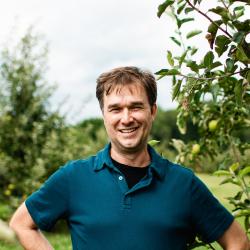 Kerik Cox合作论文数School of Integrative Plant Science Plant Pathology, College of Agriculture and Life Sciences, Cornell University/Plant-Microbe Biology Section Cornell AgriTech, College of Agriculture and Life Sciences, Cornell University8
 Terence Robinson合作论文数Cornell AgriTech, College of Agriculture and Life Sciences, Cornell University5
 Ottesen Andrea R合作论文数FDA, Center for Food Safety and Applied Nutrition4
 Craig Kahlke合作论文数3Mario Miranda Sazo合作论文数3
 Jaume Lordan Sanahuja合作论文数Parc Científic i Tecnològic Agroalimentari de Lleida, IRTA - Fruitcentre3Poliana Francescatto合作论文数3
 Padmini Ramachandran合作论文数Department of Medicine, Johns Hopkins University3David Combs合作论文数2Daniel J. Donahue合作论文数2
 Jorge Villacres合作论文数Seguro Social de Salud (EsSalud)2José Aranda-Ventura合作论文数2Katrin Ayer合作论文数2
 Julia Harshman合作论文数2
 Sarah Allard合作论文数Scripps Inst Oceanog, Univ Calif San Diego2Robin Cagle合作论文数Oak Ridge Associated Universities2Monica Pava-Ripoll合作论文数2
 Jeffery T. Davis合作论文数Department of Chemistry and Biochemistry, University of Maryland2Villani Sara M合作论文数2
 Aćimović Srđan G合作论文数Tree Fruit Pathology Laboratory, Michigan State University;Applied Insecticide Toxicology Laboratory, Michigan State University;Michigan State University, Michigan State University2
 Chris Walsh合作论文数2David L. Erickson合作论文数Department of Botany;National Museum of Natural History;Smithsonian Institution;Department of Botany, Smithsonian Institution2Elizabeth Reed合作论文数School of Public Health, Yale University2
 Sara M. Handy合作论文数Department of Microbiology, The University of Tennessee2jon clements合作论文数1Michael Newell合作论文数1D. Breth合作论文数1Luis Gonzalez Nieto合作论文数1Christopher L. Meredith合作论文数1Shu Zhang合作论文数1Amelia Loeb合作论文数1Nikki Rothwell合作论文数1Kari Peter合作论文数1
 Thomas Kon合作论文数Hort Sci, North Carolina State Univ1Tory Schmidt合作论文数1J. Clements合作论文数1
 Michael Bradshaw合作论文数Dept Organism & Evolutionary Biol, Harvard Univ1Holly P. Bartholomew合作论文数USDA-ARS Beltsville Agricultural Research Center1He Li合作论文数1
 Elizabeth Cieniewicz合作论文数Plant and Environmental Sciences, Clemson University1
 Benjamin L. Gutierrez合作论文数1
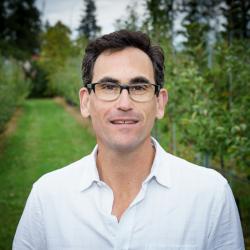 Gregory Peck合作论文数Horticulture Section, College of Agriculture and Life Sciences, Cornell University1
 Gregory Loeb合作论文数Cornell AgriTech, College of Agriculture and Life Sciences, Cornell University1Strain Errol A合作论文数US FDA, Ctr Food Safety & Appl Nutr1Shirley Micallef合作论文数School of Public Health, University of Maryland1McLane Heather L合作论文数1
 Eric Brown合作论文数Department of Biochemistry and Biomedical Sciences, McMaster University;M.G. DeGroote Institute for Infectious Disease Research, McMaster University;Kapoose Creek1Zhong Gan-Yuan合作论文数1




