The management objective of monitoring programs is to provide an empirical basis for assessing the status and trends, but monitoring data also constitute a wealth of information advancing our knowledge on coastal ecosystem functioning. The scientific understanding achieved in such studies should improve monitoring programs. Adaptive monitoring, through integrating science and monitoring involves identification of new questions, introducing new monitoring methods, continuous development of indicators and synthesis, ensuring that the integrity of long-term records is not compromised. Integrating data with models and optimal design of the monitoring program may deliver a cost-efficient tool for ecosystem management and research.
Sediment metal chemistry and benthic infauna surveys have been conducted over 33 years following a BACI protocol in relation to submarine tailings deposition (STD) from a lead–zinc mine in a western Greenland fjord system. We found clear predictable changes of benthic fauna composition in response to STD both temporally and spatially. Faunal re-colonization 15 years after mine closure, was slow and the impacted areas were still dominated by opportunistic species, although the most opportunistic ones (e.g. Capitella species) had decreased in importance. Concentration-response relations between sediment lead and faunal indices of benthic community integrity (e.g. the AMBI and DKI indices) indicated a threshold of ca. 200mg/kg, above which deterioration of faunal communities occurred. Above this threshold, diversity decreased dramatically and dominance of sensitive and indifferent species was substituted by tolerant or opportunistic species. Disposal of metal contaminated tailings may have long lasting effects on the biological system.
Respiration and sequestering of organic carbon was investigated in northern Aegean Sea sediments (NE Mediterranean). Benthic total carbonate (C-T, also called SigmaCO(2) or dissolved inorganic carbon, DIC) fluxes and O-2 uptake rates were measured in situ using a benthic lander. Dissolved organic carbon (DOC) fluxes were calculated from pore water gradients, taking into account the influence of biodiffusion/bioirrigation. Macrofaunal biomass was determined in the sediment collected by the chambers of the benthic lander. Chl a distributions were used as a tracer of high-quality sedimentary organic carbon. The measured benthic C-T fluxes were positively correlated with the O-2 uptake rates. The obtained average apparent respiration ratio (C-T flux:O-2 flux) of 0.90 +/- 0.36 suggests a clear dominance of aerobic respiration in these organic carbon-poor shelf sediments. The C-T efflux, the 02 uptake rate, and the DOC flux were significantly higher in spring than in fall at 2 of the stations. The Black Sea water, which enters the Aegean Sea in the study area, did not influence benthic respiration rates or organic carbon sequestering rates. A strong positive correlation between both the C-T and O-2 fluxes and the mean chl a concentration in surficial sediment suggests that benthic respiration, to a large extent, was controlled by the availability of labile phytodetrital organic matter. There was no influence of macrofaunal biomass (dry weight) on C-T fluxes or oxygen uptake rates. The calculated benthic DOC fluxes made up 7.2 to 27 % (average 14 +/- 8.1 %) of the C-T fluxes, indicating that their contribution to the overall recycling of organic carbon in these sediments was important. The organic carbon burial efficiency ranged from 0.1 to 5.3 %, but at Stn KA1 it was considerably higher (average 4%) than at the other stations (average 0.3%). Except for this station, the obtained burial efficiencies were very low compared to other sediments with similar accumulation rates. The average burial flux of organic carbon corresponded to less than 1 % of the annual mean primary production (PP) for the Aegean Sea at Stn KA1, and to less than 0.1 % of PP at the other stations.
ABSTRACTAim Cross‐system comparisons of species richness of benthic macrofauna and environmental factors were made of estuaries and adjacent sea areas in order to reveal possible regulating factors of estuarine biodiversity.Location Denmark.Methods Annual species abundance and biomass data from four years, from unvegetated soft sea/estuary floors were used from 26 grids, of which 15 were situated in estuaries. Bottom water data for oxygen concentration, salinity, and temperature were obtained from stations in or close to, the grids. Data on nutrient loading, water residence time and morphology were obtained for whole estuaries. Species richness from the grids, standardized to the same sample size, were related to environmental variables using linear regression.Results Species richness was unrelated to oxygen deficiency and productivity, but positively related to salinity. However, an equally high degree of explanation (R2 ∼ 0.70) was obtained using a model where richness was positively related to saltwater flux, which was computed from estuary volume and residence time and corrected for freshwater flux. The relationship was present for the dominating groups with pelagic dispersal, Annelida and Mollusca, but not for Crustacea, where recruitment is mainly by benthic pathways. Saltwater flux was strongly positively correlated with salinity, illustrating the high importance of flux from adjacent sea areas for water renewal in Danish estuaries. Similarity of species composition was greater for sites within than between saltwater current pathways, and the increases of richness with saltwater flux and salinity in the estuaries was largely due to marine species occurring in the open sea areas.Conclusion Danish estuaries are largely open systems where a part of estuarine species richness is sustained by dispersal from a species pool in adjacent seas. Results are consistent with the barrier prediction of island biogeography theory, but not the island size prediction.
Different factors influencing recycling and burial rates of organic carbon (OC) were investigated in the continental margin sediments of the Skagerrak (NE North Sea). Two different areas, one in the southern and one in the northeastern part of the Skagerrak were visited shortly after a spring bloom (March 1999) and in late summer (August 2000). Results suggested that: (1) Organic carbon oxidation rates (C ox ) (2.2-18 mmol C m -2 d -1 ) were generally larger than the O 2 uptake rates (1.9-25 mmol m -2 d -1 ). Both rates were measured in situ using a benthic lander. A mean apparent respiration ratio (C ox :O 2coor ) of 1.3 ± 0.5 was found, indicating some long-term burial of reduced inorganic substances in these sediments. Measured O 2 fluxes increased linearly with increasing C ox rates during the late summer cruise but not on the early spring cruise, indicating a temporal uncoupling of anaerobic mineralization and reoxidation of reduced substances. (2) Dissolved organic carbon (DOC) fluxes (0.2-1.0 mmol C m -2 d -1 ) constituted 3-10% of the C ox rates and were positively correlated with the latter, implying that net DOC production rates were proportional to the overall sediment OC remineralization rates. (3) Chlorophyll a (Chl-a) concentrations in the sediment were significantly higher in early spring compared to late summer. The measured C ox rates, but not O 2 fluxes, showed a strong positive correlation with the Chl-a inventories in the top 3 cm of the sediment. (4) Although no relationship was found between the benthic fluxes and the macrofaunal biomass in the chambers, total in situ measured dissolved inorganic carbon (C T ) fluxes were 1-5.4 times higher than diffusive mediated C T fluxes, indicating that macrofauna have a significant impact on benthic exchange rates of OC remineralization products in Skagerrak sediments. (5) OC burial fluxes were generally higher in northeastern Skagerrak than in the southern part. The same pattern was observed for burial efficiencies, with annual means of ∼62% and ∼43% for the two areas respectively. (6) On a basin-wide scale, there was a significant positive linear correlation between the burial efficiencies and sediment accumulation rates. (7) The calculated particulate organic carbon (POC) deposition, from benthic flux and burial measurements, was only 24-78% of the sediment trap measured POC deposition, indicating a strong near-bottom lateral transport and resuspension of POC. (8) A larger fraction of the laterally advected material of lower quality seemed to seetle in the northeastern Skagerrak rather than in the southern Skagerrak. (9) Skagerrak sediments, especially in the northeastern part, act as an efficient net sink for organic carbon, even in a global continental margin context.
The ability of deposit feeders to utilise the pool of live planktonic diatoms in the sediment was investigated after the spring bloom in 2001 and 2002 at four sediment sites in the aphotic zone in the Kattegat. Seven species of deposit-feeding bivalves, gastropods and polychaetes were allowed to defecate in containers with filtered seawater. A total of 22 containers were set up holding between 3 and 32 animals, grouped by station and taxa. When defecation was completed, the animals were re-introduced to different stocks of homogenised sediment which were manipulated by addition of luminophores and spores of the diatom Chaetoceros diadema, and the faeces again collected and analysed. Our analysis included the number of germinable planktonic diatoms, measured by the dilution extinction method, and the concentrations of the algae pigments fucoxanthin and chl a, in the faeces samples, in the sediment stocks and in the sediment at the sampling location. Comparison between the sediment composition at the sampling locations, and the composition of the corresponding faeces, showed that the concentration of germinable diatoms averaged about 50,000 g−1 dry weight (DW) in the surface sediment as well as in the faeces in 2001, while in 2002, the average concentration was about 390,000 g−1 DW in both faeces and in the sediment. A similar comparison in the second part of the experiments also showed that the diatoms in the sediment were unaffected by gut passage and the added spores of C. diadema germinated in the same quantity in the faeces as in the sediment. The taxonomic composition of the diatoms in the faeces matched the composition at the respective stations and sediment stocks. Finally, the concentration of pigments did not change significantly during gut passage. The biomass of live planktonic diatoms in the area of study was estimated to be 2–10 g DW/m2 or 0.2–5% of the total organic content in the top 3 cm of the sediment. It is concluded that this pool of diatoms is largely unaffected by deposit feeders and seems to be unimportant as a food source. It is hypothesised that the input of the spring bloom should be considered as composed of two fractions playing different roles for the benthic ecosystem. One fraction of dead organic material may be utilised immediately, while the fraction of live planktonic diatoms serve as a stable food buffer, which gradually become available to deposit feeders after the diatoms die and degradation starts.
The fate of pelagic diatoms in marine coastal aphotic sediments was investigated from sediment profiles in western Scandinavian waters. We used three independent methods to estimate pigment pools in the sediment: (1) fluorometry, (2) high-performance liquid chromatography and (3) pigments estimated from germinable diatom cells, using the dilution extinction method. A strong positive relationship with an intercept close to zero was observed between fucoxanthin, a marker of diatoms, and chlorophyll a. The fucoxanthin/chl a ratio was on average 1.05, which was similar to monocultures of dominating diatom taxa, indicating that sedimentary chl a was to a large extent of diatom origin. Chl a and fucoxanthin correlated significantly and positively with, and where within the same order of magnitude as, corresponding substances predicted from live diatom cell numbers obtained with the dilution extinction method. This indicates that a major part of surficial sediment chl a was bound in live cells of pelagic diatoms. There was a consistent change in viable cells with sediment depth and with timing of dominating taxa, with the non-spore-forming Skeletonema costatum dominating in the surface sediment in March and May, while the spore forming Chaetoceros spp. dominated deep in the sediment and during periods outside of the spring bloom (February and August). This indicates that chl a is bound in several different cell pools with different degradation rates, depending on diatom taxonomy. Thus, diatoms originating predominantly from the spring bloom may provide an important direct link in the pelagic–benthic coupling in this area.
The sediment contents of algal pigments and live planktonic diatoms were measured in cores sampled at 6 stations with aphotic sediments at depths between 27 and 55 m located in the transition zone between the Baltic Sea and the Skagerrak. Five of the stations were sampled before and after the spring phytoplankton bloom in 2001. Within the area, there was a highly significant increase after the bloom in the sediment content of viable planktonic diatoms, quantified by the dilution extinction method, and in the sediment content of the pigments chlorophyll a and fucoxanthin. The composition of algal pigments as well as the number of germinable diatoms suggested that live pelagic diatoms were the source of almost the entire pool of chlorophyll a in the sediment both before and after the spring bloom. In the northern Kattegat, Great Belt, Femer Belt and in the Arkona Sea, the pools of diatoms increased 10- to 100-fold during the spring bloom. In total, the sediment received between 0.3 and 4 million germinable units of pelagic diatoms cm(-2). In terms of organic nitrogen, the enrichment of live diatoms in the sediment corresponded to on average 202 % of the total spring bloom production, calculated from the pool of nitrate consumed in the water column during the spring bloom. A similar calculation based on the enrichment of the pigments chlorophyll a and fuco- xanthin indicated input corresponding to 24 and 64 % respectively of the potential production during the spring bloom. There was considerable variation among stations; in the central Kattegat there was no detectable sedimentation of diatoms or pigments. Here, the pools of pigments and diatoms decreased during the spring bloom and the shape of the pigment profiles also indicated that these pools did not originate from a recent input. Other stations received twice as much diatom biomass than could be produced from the pool of inorganic nitrogen in the mixed layer before the bloom. It is hypothesized that the unequal distribution of the spring bloom sedimentation is a result of episodic sedimentation events in combination with advection of the water masses. The potentials of using sediment profiles of pigments to quantify spring bloom sedimentation are discussed.
Water exchange and residence time are calculated for 31 small Danish estuaries to assess the spatial variability of estuarine processes and biogeochemical properties. To identify the uncertainty of the residence time estimates, three different model types have been applied to the estuaries. The dynamic models applied comprise hydrodynamic (HD) models, and a well-mixed batch reactor model for the winter-nitrate concentration. Residence times of the dynamic models range from 0·3 to 127 d. The median value of the deviation between the results of these two model types is 30%. Furthermore, a morphological model is formulated. It includes entrance width as the independent variable, and the approximation that the saltwater flow per unit entrance width is equal for investigated Danish estuaries. This model yields a fair representation of water exchange and residence time over three and two orders of magnitude, respectively. The deviation from the dynamic model results is 40%. Hence, in comparison to entrance width, differences in mixing and forcing appear to be of limited importance to the water exchange variability between Danish estuaries. The morphological model may thus be used to give a sound estimate of the water exchange for Danish estuaries, where more detailed modelling is lacking. However, in either model comparison, the deviation between model results is less than the residence time variability between the estuaries. The models may thus supplement one another for making quantitatively acceptable analysis of processes and bio-geochemical properties in Danish estuaries.
A 54 d incubation of intact sediment box-cores from 2 different macrofaunal sediment com- munities from the Swedish west coast was performed under controlled laboratory conditions in April to June 1999. One community was dominated by passive suspension feeders the other by subsurface de- posit feeders. The box-cores were seeded with 14 C-labelled detritus of the diatom Skeletonema costa- tum in order to mimic a post-spring-bloom situation. In addition to the labelled diatom phytodetritus, the box-cosms initially contained chlorophyll a with concentrations between 1 and 1.5 µg ml -1 in the top cm of the sediment. The experiment thus provided an opportunity to estimate degradation rates of the nat- urally occurring chlorophyll with a natural benthic fauna present over a ca. 2 mo period. Using a dia- genetic model to describe the vertical distribution of chlorophyll a (chl a), and using the same, previously published, degradation rate constant in both communities (0.03 d -1 ), gave mixing coefficients (DB, cm 2 d -1 ) that were on average >2 times higher in the community (L18) dominated by deposit feeders than in the suspension-feeding community (S3): 2.5 ± SD 1.7 and 0.86 ± SD 0.50, respectively. This indicates a higher mixing rate at L18. This difference in mixing between the 2 communities was supported by changes in vertical distribution of 14 C-labelled phytodetritus over the 54 d period. The mixing coefficients ( DBs) were positively correlated with biomass of subsurface deposit feeders but not with total biomass. Background chl a was higher at L18 than at S3. A quantitative comparison of the total chl a inventories at the start and end of the experiment suggested a low overall degradation rate (no significant overall change) in the chl a, far from the reaction rate constant of 0.03 d -1 often used in the literature. Similarly, the total 14 C activity in the cosms did not change significantly over the study period, suggesting a small loss of 14 CO2 from the cosms relative to the 14 C-pool size. The labelled algal matter distributions showed clear mixing over the 2 months in both communities with a higher mixing rate in the deposit-feeding community than the suspension-feeding community. Mixing also occurred deeper in the deposit-feed- ing community. Uptake of labelled matter by macrofauna was similar in the 2 communities, but differed markedly between species and trophic groups. At the end of the incubation, surface deposit feeders had an order of magnitude higher weight-specific 14 C activity than suspension feeders and subsurface de- posit feeders. The proportion of macrofaunal uptake of total 14 C activity in the cosms was small, on the order of 5%. The results support the idea that community species composition is important for the fate of sedimented phytodetritus and that macrofaunal influence on degradation of sedimentary chlorophyll is small at this time of the year. The initial fate of the bloom material was burial in the sediment rather than consumption by heterotrophs. The findings are thus in accordance with the hypothesis that a part of the spring phytoplankton bloom may be buried for a while in the sediment before being remineralised.
Hypoxia and anoxia associated with nutrient-driven eutrophication commonly occur during summer in Danish waters. Hypoxia/anoxia occurs in both estuaries and in the open waters around Denmark with significant impacts upon living resources observed during the last century. A number of measures have been taken in the last decade to reduce nutrient loads with implementation of the Action Plan on the Aquatic Environment (Parts I and II). The phosphorus (P) load has been reduced by 80% due to improved sewage treatment, whereas little reduction in the nitrogen (N) load has occurred with implementation of Action Plan I. Additional policy measures have been taken which can contribute to the reduction in nitrogen emissions to the aquatic environment in Action Plan II. The final cost of this plan is expected to be ca. 1,000 million DKK (ca. 130 million ECU) with 50% paid for by the State and 50% paid for by the agricultural sector. Although significant improvements in water quality and living resources are not yet apparent, modeling efforts have predicted that the prescribed nutrient reductions can reduce the number of hypoxic and anoxic events in Danish estuaries and coastal waters.
The response of macrobenthic faunal abundance and biomass to nutrient load, and factors that may modify this response are examined by means of inter-estuary comparisons of 14 shallow Danish estuaries. Data for this analysis are the physicochemical and biological variables monitored by local authorities mainly during the period 1989–95. A clear positive effect of nutrient load is demonstrated on benthic biomass, over a wide range of total N-load as the model substance from 2–200gm−2year−1. The relationship was curvilinear with a levelling off or even depression of biomass at high total N-load (above c. 35gm−2year−1). A mixed chemostat model using total load and hydraulic residence time for estuaries was applied to estimate the load that could be realized into primary production, and consequently enter into benthic production. Two measures, the load corrected for winter export (the realized N-load) and the nutrient pool available for the spring bloom (SBNP) were calculated. The benthic metabolic demand inferred from biomass, assuming an annual P:B ratio of 1 (P, secondary production; B, benthic biomass), was approximately of the same magnitude as both total N-load and realized N-load. A positive correlation was still found between benthic biomass/production and the realized N-load, but the linearity of the regression between them was not improved compared to the corresponding relationship with total load. The best linearly proportional relationship was obtained with the spring bloom N-pool (SBNP) calculated from the chemostat model. Stoichiometry suggested, however, that the spring bloom is of little importance for supporting benthic standing stock in these well flushed estuaries. To explain the strong statistical relationship, despite poor causality, with SBNP, it is suggested that the algorithm behind SBNP reflects the ability of the estuary to retain nutrients in the water mass in the productive period, both as free molecules and included into biological particles. These findings strongly indicate that benthic standing stock system-wide is food limited and indicate the importance of interaction between loading and estuary residence time (flushing) for the outcome of eutrophication. The findings are in agreement with reports that high estuary flushing rate may modify effects of eutrophication, and they deviate from previous studies in shallow coastal areas reporting either no effect, or negative effects, of eutrophication on benthic biomass.
With the aim of studying the influence of pelagic front primary production on the benthic system underneath, biomarkers of benthic organic matter constituents and macrofaunal abundance and biomass were measured on stations in a grid extending through the area of the Skagerrak-Kattegat pelagic plume front. A time persistent pattern of chl a and phaeopigments in the surface sediment was observed, with chl a/chl a + phaeopigments ratios exceeding 0.5, suggesting high input of phytoplankton to the bottom near the front. Of the sediment variables chl a, phaeopigments, particulate organic nitrogen (PON), particulate organic carbon (POC) and biogenic silica (BSi), the pigments showed the highest correlation with benthic biomass and abundance. Chl a and phaeopigments together explained nearly half of the variation in benthic biomass and the non-polychaete fraction of abundance. C/N ratio showed the expected negative relationship with biomass but was not statistically significant. PON, BSi and POC were poor indicators of faunal variables. Results suggest that sediment chlorophyll and its breakdown products may be useful biomarkers of labile organic matter. The organic matter (OM) gradient significantly influenced faunal structure. Polychaete and echinoderm AFDW were positively correlated with chl a and with phaeopigments. A major part of the positive faunal response was due to the burrowing ophiuroid Amphiura filiformis and its commensal Mysella bidentata. While the host was best correlated with phaeopigments, the commensal correlated equally well with both chl a and phaeopigments. Faunal changes in composition suggested increased importance of subsurface feeding deep in the sediment in response to increased OM loading. Surface deposit-feeders did not respond to the high levels of labile OM in the middle of the area. Results indicate strong pelagic-benthic coupling near the front and in the area with a mixed water column and are consistent with the hypotheses that pelagic-benthic energy coupling is stronger in mixed areas compared to those which are stratified and that increased OM loading may increase subsurface dwelling and OM: processing through benthic burrowing biomass.
Quantitative data on size structure of the ophiuroid Amphiura filiformis (O.F. Müller) from 35 benthic stations in the Kattegat sampled twice with a 143 d interval, June and October 1991, were used to estimate somatic growth. The material was objectively divided into cohorts, and cohorts, from the two occasions were paired to give estimates of growth. The growth constant, K, in the Von Bertalanffy equation, was estimated from a Ford-Walford plot to 0.54 yr-1. Results were in agreement with previous estimates from a few single sites, and suggest that the main part of dise growth occurs within the first 5 to 7 yr of living. Size specific growth in oral width was density independent despite high densities of A. filiformis (>3000 ind m-2) and high total benthic biomass (up to 1000 g wet wt m-2) in some areas. Growth was uncorrelated with plant pigment concentrations in the sediment and showed weak positive correlation with sediment carbon and nitrogen, as well as water depth. Growth was higher in fine sediments. This is the first attempt to estimate growth in this important species over a large area and to relate growth in the field to environmental factors.
Recent findings that a significant part of the pelagic primary production in the Kattegat may occur in the pycnocline raised the question of whether or not this causes increased input of energy to the benthos in the area where the pycnocline comes into contact with the bottom. With this question in mind, comparative studies were made of somatic growth, condition and gut content of the filter feeding bivalve Arctica islandica and of gross community variables of total fauna al stations along a transect across the area where the pycnocline usually has contact with the bottom. Gut content and condition were measured in March/April, May and September 1992, concomitantly with studies of hydrography and pelagic biology. Growth was estimated by measuring internal growth rings in the shells on individuals of different sizes, yielding average estimates from several years. Temporal variation of chlorophyll a in the bottom water and chlorophyll gut content in A. islandica showed a similar pattern with the highest values in March/April and the lowest in September. Growth rates in terms of shell size of premature individuals (<6 yr) were higher at intermediate depths, immediately below pycnocline depth, suggesting enhanced growth conditions in this area. A part of the variation in shell size was apparently due to long-term Variations in growth conditions. Data showed low growth rates in 1988 and 1991 and a higher rate in 1990. Enhancement of soft tissue production close to the pycnocline depth was >100%. The data does not support the expectation of a direct simple relation between pycnocline production and A. islandica growth, and different reasons for this are discussed.
Abstract THE BIOFAR PROGRAMME It is expected that a large number of scientific papers on marine benthic animals from Faroese waters will be published in SARSIA and elsewhere in the coming years. The authors of these articles will need to include or refer to lists of sampling stations for detailed information. A complete list, giving information on all deployments during the BIOFAR programme, published in an easily obtainable marine biological journal should be very useful to most of the authors and other scientists interested in benthic fauna of the Faroese area, and would reduce space and printing costs for editors.
Previous work has suggested a transition in benthic community structure in the late 1970s and early 1980s at two widely spaced sites, one in the western and one in the eastern part of the North Sea. Human impact, such as eutrophication, was suggested to be responsible for this phenomenon.In this paper we further explore this issue by presenting additional time series data from both the benthic and the pelagic environments in the Skagerrak-Kattegat area covering the transition period. Total abundance and biomass data from six stations were analysed for trends with smoothing average technique and changes in species abundance composition was assessed using nonmetric multidimensional scaling.Biomass and abundance at all stations and somatic growth of the opiuroid Amphiura filiformis at three stations showed a marked increase in connection with the transition period. There was no time lag between abundance and biomass at individual stations. Changes in species composition were greater in the transition period than in adjacent periods.Parallel to, and preceeding the faunal changes, land runoff increased dramatically. Winter inorganic nitrogen concentrations as well as chlorophyll-a concentrations in the top 15 m also showed increases in the transition period and were significantly positively correlated with run-off. Benthic abundance, biomass and Amphiura - size seemed to show similar trends as run-off and the best correlation was obtained when the benthic variables lagged run-off with 1 and 2 years.The results are consistent with the hypothesis that sedimentation of pelagic production was particularily high in the transition period and that some of the faunal changes were a response to this event.
Species abundance data for benthic communities, collected during 1971–1988 off Northumberland on the north-east coast of England (western North Sea) and the Skagerrak (eastern North Sea), and pelagic data collected in corresponding areas during 1958–1988 by the Continuous Plankton Recorder (CPR) survey have been subjected tomulti-dimensional scaling ordination. Changes in community structure at the two benthic stations show a high degree of similarity, characterised by a transition in the late 70s. Similarly, there is a less marked transition between the 70s and 80s in pelagic community structure from the eastern North Sea but pelagic data from the western North Sea shows no discernible patterns. Benthic community biomass data, available only for the Skagerrak station, enabled abundance/biomass comparison curves to be constructed which demonstrated a change from un-disturbed communities in the early and mid 70s to moderately disturbed communities in the late 70s and 80s. North Sea macrofaunal abundance, and, in the Skagerrak, macrofaunal biomass appear to co-vary with phytoplankton colour and total zooplankton abundance, although there are insufficient data for statistical testing. A number of factors including eutrophication and/or pollution may be responsible for these changes in community structure.
 Rutger Rosenberg合作论文数Institutionen For Biologi Och Miljovetenskap, Goteborgs Universitet4
 J.L.S. Hansen合作论文数3Jls Hansen合作论文数3Jn Jensen合作论文数3
 Daniel J. Conley合作论文数Department of Geology, Lund University2
 Torkel Gissel Nielsen合作论文数Section for Oceans and Arctic, National Institute of Aquatic Resources, Technical University of Denmark2Poj Hall合作论文数2
 Anders Tengberg合作论文数Department of Chemistry, Göteborg University2T.H. Pearson合作论文数2B Rasmussen合作论文数2
 Henrik Stahl合作论文数Marine Biological Laboratory, University of Copenhagen2
 Jacob Carstensen合作论文数Department of Ecoscience, Aarhus University;Arctic Research Centre, Aarhus University2
 Peter Henriksen合作论文数Department of Marine Ecology, National Environmental Research Institute2
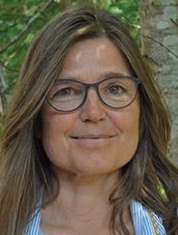 Dorte Krause-Jensen合作论文数Department of Ecoscience, Aarhus University;Department of Bioscience, Arctic Research Centre, Aarhus University2G Ærtebjerg合作论文数2JA SNELI合作论文数1T Brattegard合作论文数1MA Kendall合作论文数1P. Roos合作论文数1E. Bjørnbom合作论文数1J. Brunnegård合作论文数1n b ovesen合作论文数1F. Olsgard合作论文数1
 Karsten Dahl合作论文数1Jørgen Bendtsen合作论文数1Os Tendal合作论文数1
 Hjorth Morten合作论文数Department of Marine Ecology, National Environmental Research Institute1
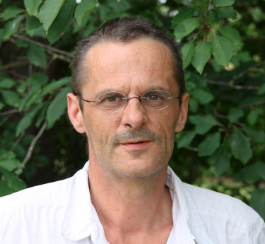 Nils Risgaard Petersen合作论文数Center for Electromicrobiology, Department of Biological Sciences, Aarhus University1
 Thomas L. Forbes合作论文数The University of Western Ontario1I. Svane合作论文数1W.A. Crowe合作论文数1Js Gray合作论文数1
 Carsten Ambelas Skjøth合作论文数Department of Environmental Science, Aarhus University1
 Gert Asmund合作论文数National Environmental Research Institute, Aarhus University1J. B. Buchanan合作论文数1
 Henrik Fossing合作论文数Institute of Ecology;University of Aarhus;Institute of Ecology, University of Aarhus1Thomas Ellermann合作论文数1
 Argyro Zenetos合作论文数Institute of Marine Biological Resources and Inland Waters, Hellenic Centre for Marine Research1
 Melanie C.V. Austen合作论文数1B. Widbom合作论文数1
 N. Streftaris合作论文数Hellenic Centre for Marine Research1
 Ingela Dahllöf合作论文数Department of Biological & Environmental Sciences, Faculty of Science and Technology, University of Gothenburg1
 Jakob Strand合作论文数Danish Environmental Research Institute1
 Aristomenis P. Karageorgis合作论文数Hellenic Centre for Marine Research;Institute of Oceanography;Institute of Oceanography, Hellenic Centre for Marine Research1
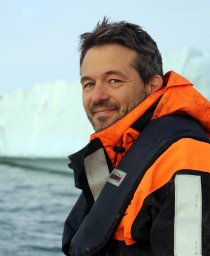 Mikael K. Sejr合作论文数Department of Marine Ecology, National Environmental Research Institute1sven poul nielsen合作论文数1
 H. Kaberi合作论文数Department of Oceanography, Hellenic Centre for Marine Research1
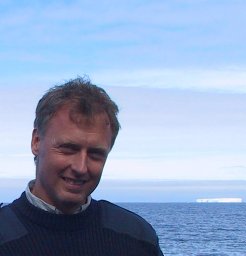 Stiig Markager合作论文数Department of Marine Ecology, National Environmental Research Institute1
 Colin A. Stedmon合作论文数National Environmental Research Institute, Aarhus University1




