Objective: Cochlear implant surgery enables individuals with severe hearing loss to regain auditory function. With the increasing number of implant recipients, complications have become more common, leading to a greater need for revision procedures. This study aimed to analyze and assess the underlying causes of revision surgeries performed in our clinic. Methods: This retrospective study reviewed 1,800 patients who underwent cochlear implantation in our clinic. Of these, 118 patients who required revision operations were included in the analysis. Causes of revision, observed complications, and demographic profiles of the patients were studied. Results: No significant differences were found in age, gender, implantation side, presence of inner ear anomalies, or etiology between patients with and without complications (p>0.05). Complications were observed in 22.9% of female patients (n=11) and 8.6% of male patients (n=6). The cochlear implant brand, failure type (soft or hard), and revision indication were not statistically related to complication status (p>0.05). Although not significant, complication rates were higher among patients who required revision due to device malfunction or cholesteatoma. Conclusion: Revision cochlear implantation should be considered in patients presenting with symptoms such as hearing deterioration, tinnitus, pain or swelling at the implant site, redness, delayed wound healing, or atypical facial sensations. This study summarizes our clinical experience and highlights the primary causes leading to revision cochlear implantation.
Objective: This observational, cross-sectional simulation study evaluated ChatGPT-4 as a postoperative information tool for rhinoplasty using standardized questions and blinded ENT specialist ratings. Study Design: This study is an observational, cross-sectional simulation study using blinded expert evaluation. Setting: We used an online Artificial Intelligence (AI) platform accessed under standardized conditions. Methods: Ten typical recovery questions were posed to ChatGPT-4, and the responses were independently rated by ENT specialists for accuracy, clarity, relevance, response time, and patient-centered communication. Responses were also assessed with a structured performance instrument and supported by linguistic and statistical analyses. Results: ChatGPT-4 achieved high scores for accuracy (90%, 95% CI: 84.9-95.1) and clarity (87%, 95% CI: 82.8-91.2), but lower performance in patient-centered communication (77%, 95% CI: 74.0-80.0). Specialist scoring confirmed structured medical reasoning, while machine learning analyses highlighted clarity, diagnostic depth, and empathy as key contributors to higher ratings. Conclusions: ChatGPT-4 demonstrated high clinician-rated accuracy and clarity when answering standardized postoperative rhinoplasty questions, while patient-centered communication remained comparatively lower. These findings suggest that LLM-based tools may complement clinician-delivered postoperative counseling under appropriate oversight, but they are not a substitute for individualized medical advice or surgical follow-up.
Background: Hearing loss reduces quality of life, particularly prevalent in the geriatric population (≥ 65 years). This study aims to evaluate the efficacy of incus interposition in the geriatric population and to compare functional outcomes with those of the adults. Methods: Patients who underwent incus interposition in the clinic were retrospectively reviewed and divided into 2 groups according to age. Cases with ossicular problems other than incus problems, cholesteatoma, and revision surgeries were excluded from the study. The results of pure tone audiometry preoperatively and postoperatively (sixth month) were compared within each group and between the groups. The differences in air conduction, bone conduction, and air-bone gap were analyzed. Results: The study included a total of 76 patients, 44 (57.9%) under 65 years of age and 32 (42.1%) over 65 years of age. The distribution of sex and type of graft was homogeneous between the groups. The preoperative air and bone conduction thresholds were significantly higher in the geriatric group compared to the adult group (P < .001). In the sixth postoperative month, a significant reduction in air conduction thresholds and air-bone gap was observed in both groups (P < .001). When the changes in the air-bone gap between the preoperative and postoperative periods were compared, the adult group showed a significantly greater improvement than the geriatric group (P = .006). Conclusion: Incus interposition is a safe and effective surgical procedure in the geriatric population. The comparatively lower hearing gains observed in the geriatric group may be attributed to age-related pathological changes in the middle ear. Cite this article as: Akı ES, Dalgı. A, Aksoy-Yıldırım G, Kertmen C, Kubilay U. Evaluation of the effectiveness of incus interposition in the geriatric population. B-ENT. 2025;21(2):86-90.
PURPOSE To evaluate the diagnostic efficacy of multishot echo-planar imaging (EPI) [RESOLVE (RS)] and nonEPI (HASTE) diffusion-weighted imaging (DWI) in detecting cholesteatoma (CHO), and to explore the role of signal intensity (SI) ratio measurements in addressing diagnostic challenges. METHODS We analyzed RS-EPI and non-EPI DWI images from 154 patients who had undergone microscopic middle ear surgery, with pathological confirmation of their diagnoses. Two radiologists, referred to as Reader A and Reader B, independently reviewed the images without prior knowledge of the outcomes. Their evaluation focused on lesion location, T1-weighted (T1W) signal characteristics, and contrast enhancement in temporal bone magnetic resonance imaging. Key parameters included lesion hyperintensity, size, SI, SI ratio, and susceptibility artifact scores across both imaging modalities. RESULTS Of the patients, 62.3% (96/154) were diagnosed with CHO, whereas 37.7% (58/154) were found to have non-CHO conditions. In RS-EPI DWI, Reader A achieved 89.6% sensitivity, 79.3% specificity, 87.8% positive predictive value (PPV), and 82.1% negative predictive value (NPV). Non-EPI DWI presented similar results with sensitivities of 89.6%, specificities of 86.2%, PPVs of 91.5%, and NPVs of 83.3%. Reader B's results for RS-EPI DWI were 82.3% sensitivity, 84.5% specificity, 89.8% PPV, and 74.2% NPV, whereas, for non-EPI DWI, they were 86.5% sensitivity, 89.7% specificity, 93.3% PPV, and 80% NPV.The interobserver agreement was excellent (RS-EPI, kappa: 0.84; non-EPI, kappa : 0.91).The SI ratio measurements were consistently higher in non-EPI DWI (Reader A: 2.51, Reader B: 2.46) for the CHO group compared with RS-EPI.The SI ratio cut-off (>1.98) effectively differentiated hyperintense lesions between CHO and non-CHO groups, demonstrating 82.9% sensitivity and 100% specificity, with an area under the curve of 0.901 (95% confidence interval: 0.815-0.956; P < 0.001). Susceptibility artifact scores averaged 1.18 +/- 0.7 (Reader A) and 1.04 +/- 0.41 (Reader B) in RS-EPI, with non-EPI DWI recording a mean score of 0. CONCLUSION Both RS-EPI and non-EPI DWI exhibited high diagnostic accuracyfor CHO. While RS-EPI DWI cannot replace non-EPI DWI, their combined use improves sensitivity. SI ratio measurement in non-EPI DWI was particularly beneficial in complex diagnostic scenarios.
Background:This study was designed to assess if thiol-disulfide homeostasis could be used as diagnostic biomarker in noise-induced hearing loss (NIHL) in a laboratory animal model. Methods:The study was carried out with a total of 28 female albino rats in 4 groups: group 1 (control group) included rats that were not exposed to noise or any study treatment; in group 2, following noise exposure, rats received 2 mg of dexamethasone per kilogram of body weight via the intramuscular route for 5 days; in Group 3, rats were exposed to noise and received a saline solution for 5 days, in a volume (0.15 cc) matched to that of dexamethasone administered in group 2; and in group 4, rats were exposed to noise, and blood samples were collected during the early phase to assess thiol-disulfide homeostasis without administering any treatment. Rats in groups 2, 3, and 4 were exposed to 120 dB noise in the 4 kHz octave band for 4 hours. The auditory brainstem response (ABR) test was performed in all groups on day 1 after noise exposure and was repeated in groups 1, 2, and 3 on day 5. Auditory brainstem response thresholds were recorded at 8, 12, 16, 20, and 32 kHz frequencies. Groups 1, 2, and 3 rats were sacrificed on day 5, and group 4 rats were sacrificed by exsanguination on day 1 after noise exposure. Venous blood samples collected from the caudal vena cava were centrifuged and sent to the corresponding laboratory for thiol-disulfide homeostasis studies. After sacrificing the rats, the right and left temporal bones of each rat were removed and stained with hematoxylin eosin for histological studies to explore any pyknotic changes in spiral ganglion cells. Results:Intergroup comparisons by frequency on day 5 of noise exposure showed statistically significantly lower responses in ABR measurements at 8 kHz, 12 kHz, and 16 kHz in group 2 compared to group 3 (P = .003, P=.006, and P=.002). Improvements were observed with dexamethasone administered for therapeutic purposes, particularly if the hearing loss was induced by low-frequency noise. In the assessment of the parameters of thiol-disulfide homeostasis, disulfide/native thiol and disulfide/total thiol ratios and ischemia-modified albumin (IMA) levels were higher in group 4 than in other groups, although only the differences between group 1 and group 4 reached statistical significance. Conclusion:According to this study, thiol-disulfide homeostasis and IMA can be shown as diagnostic biomarkers in NIHL, especially in the early period. The results from our study suggest that these markers may be used as adjunctive diagnostic tools in NIHL, in addition to audiological studies. However, this issue can be clarified with further clinical studies.
This study aimed to compare total endoscopic ear surgery (TEES) and microscopic postauricular canal-wall-down tympanomastoidectomy (CWD) in cholesteatoma surgery in our clinic. This study included 59 patients, of whom 30 and 29 were operated on with CWD in 2016-2018 and TEES in 2019-2021, respectively and compared regarding intraoperative findings, hearing outcomes, long-term outcomes, and recidivism rates between groups. This study excluded patients in stage IV according to the European Academy of Otology and Neurotology/Japan Otological Society Staging System on Middle Ear Cholesteatoma, aged < 18, with congenital cholesteatoma, who underwent revision surgery. Two patients in the TEES group had recidivism (6.9%), with recurrent disease observed in both patients and residual disease in none, whereas 3 patients in the CWD group had recidivism (10%), including recurrent disease in 2 and residual disease in 1 patient. Tympanic membrane perforation occurred in 2 (6.9%) and 1 (3.3%) patients in the TEES and CWD groups, respectively. The 2 groups revealed no significant difference in terms of recidivism and perforation rates (P=1.000, P = .612). The CWD group had a longer mean operation time (225.54 ± 47.86 minutes) than the TEES group (160.55 ± 24.98 minutes) (P < .001). The 2 groups demonstrated no significant difference regarding pre- and postoperative air-bone gap (ABG) and ABG gain (P = .105, P=.329, P=.82, respectively). Total endoscopic ear surgery provides similar results in terms of hearing, recidivism, and long-term outcomes with the microscopic CWD approach. However, the CWD approach is still important, especially in patients in advanced stages.
BACKGROUND: Several fixation methods have been described to secure the cochlear implant's receiver/stimulator, but the optimal stabilization technique is still being debated. The aim of this study was to compare the conventional technique with suture fixation to the subperiosteal tight pocket technique in terms of revision cochlear implantation rate. METHODS: A retrospective review was conducted on the medical records of 649 patients who underwent cochlear implantation. The study participants were divided into different groups regarding the applied surgery technique. The relationship between the fixation technique, revision rates, and the cause of revisions related to techniques was investigated. RESULTS: The overall revision rate was 2.9% (19 out of 649). There were 14 (3.5%) and 5 (2%) revision implantations in the subperiosteal tight pocket and conventional technique groups, respectively. The incidence of device failure was 2.5%, and it constituted the primary cause for revision surgery in both groups. Even though patients who had the subperiosteal tight pocket technique had a much higher rate of device failure, the results indicate that there was no significant difference between the groups, as evidenced by a P-value of .12. CONCLUSION: The conventional and subperiosteal tight pocket techniques can both be safely preferred with low revision rates in patients undergoing cochlear implantation.
Objective: This study aimed to compare the pharyngocutaneous fistula (PCF) between patients who underwent reconstruction using cervical fascia after total laryngectomy and those who did not and to investigate the factors affecting PCF rates. Methods: We retrospectively compared 22 patients operated between February 2021 and March 2023 who received cervical fascia flap as the study group and 21 patients operated between January 2018 and March 2023 who did not receive fascia flap as the control group. The study included patients who underwent total laryngectomy for Stage 3 and 4 squamous cell laryngeal cancer. Results: We included 43 patients, with 22 (51.2%) and 21 patients (48.8%) in the study and control groups, respectively. The age and sex were not different between the two groups (p = 0.471, p = 0.176, respectively). The distribution of patients as per sex, smoking, alcohol use, chronic obstructive pulmonary disease, diabetes mellitus, coronary artery disease, and multiple comorbidities was similar in both groups (p > 0.05). PCF was observed in one patient (4.5%) and seven patients (33.3%) in the study and control groups, respectively. The PCF rate was significantly lower in the study group (p = 0.021). When the relationship between flap use and risk factors was compared by correlation analysis, a moderate negative relationship was found between flap use and PCF (p = 0.015, r = -0.370). Conclusion: The use of a cervical fascia flap is effective in reducing fistula rates after total laryngectomy. Its main advantages include being technically simpler than alternative techniques, locally available, cost-effective.
Objectives: This study aims to contribute to the literature by presenting an overview of a 10-year experience by retrospectively examining the cases with a parotid mass from a tertiary referral center Methods: Two hundred fourteen patients were diagnosed with a parotid mass in the Otorhinolaryngology Clinic of HSU Izmir Bozyaka Training and Research Hospital between January 2009 and January 2019. Sociodemographic characteristics, diagnostic methods, surgical operations and complications, pathology results, and long-term follow-up results were retrospectively analyzed over the patients' files. SPSS Version 21.0 computer for data analysis. Results: Of 214 parotidectomies, 140 (75%) were male, 74 (35%) were female, mean age was 55 ±14 years (15-85 years). The most common diagnoses were 87 (40.7%) pleomorphic adenomas and 48 (22.4%) Wharton tumors. The most prevalent malignant tumors were reported as 18 (8.1%) mucoepidermoid carcinoma. The main type of surgery was superficial parotidectomy, performed in 192 (90%) patients. Facial paralysis was observed in 11 (5.1%) patients as the main postoperative complication. Conclusions: Considering the histopathological diagnosis of parotid tumors, the stage and grade of the tumor, surgery is generally preferred for treatment. More males are affected than women, especially in the middle ages.
Objective:This study aimed to evaluate the outcomes of total transcanal endoscopic cholesteatoma surgery. Methods:Twenty-seven cholesteatoma patients that had undergone transcanal endoscopic ear surgery (TEES) were included in the study. Age, sex, operation date of patients, operated side, need for ossiculoplasty, graft material, and surgical technique were recorded. All patients were evaluated through otoscopic, endoscopic, and audiological examinations and followed up for at least five months after surgery. All patients were staged using the European Academy of Otology and Neurotology/Japan Otological Society (EAONO/JOS) Staging System on Middle Ear Cholesteatoma. Results:Mean age of the patients was 36.4 years (range, 4-67 years). According to the EAONO/JOS Staging System, 11 patients were stage 1, while 11 were stage 2, and five were stage 3. Two had lateral semicircular canal defect, one had facial canal dehiscence, and one had oval window defect. The average follow-up period was 19 months (range, 5-41 months), during which two patients experienced retraction pocket and hearing loss and one patient had perforation. One patient underwent revision surgery during follow-up and no recurrence or residual cholesteatoma was observed. The preoperative and postoperative air-bone gaps were 25.14±13.93 dB and 22.22±12.64 dB with no significant difference. Conclusion:TEES is a minimally invasive and safe procedure with low complication and recurrence rates. As with all surgical procedures, experience is essential, and as experience increases, the capability to perform endoscopic otologic surgery on more complex cases may become possible.
AbstractObjectiveTo examine the complication rate in adult patients during and after cochlear implantation.MethodsA retrospective chart review was conducted of patients who had undergone cochlear implantation at a tertiary referral centre between 2009 and 2018. All complications and their treatments were categorised as either minor or major, as well as intra- or post-operative.ResultsThe records of 392 patients with 395 implants were reviewed. The mean follow-up period was 89 ± 65.5 months (range, 6–408 months). The mean age of patients was 46 ± 15.2 years (range, 19–84 years). Sixty-two patients (16 per cent) had minor complications and 31 (8 per cent) had major complications.ConclusionAlthough cochlear implantation has the potential for significant intra- and post-operative complications, the actual complication rate is relatively low, and it can therefore be considered a safe procedure.
Objective: This study sought to evaluate the demographics as well as clinical, audiometric, and surgical outcomes of patients who underwent endoscopic and microscopic stapedotomies. Methods: This study enrolled 87 otosclerosis patients who underwent endoscopic and microscopic stapedotomies. Results: In total, 44 and 43 surgeries were performed using an endoscope and a microscope, respectively. No significant difference was noted in the air–bone gaps of the cohort before or after the procedures (P=.611). Both procedures resulted in similar audiometric outcomes. The mean operative time was more significant in the last 22 patients of the endoscopic group than in the first 22 patients and patients who underwent microscopic stapedotomy (P=.027 and P=.018, respectively). Conclusions: Endoscopic stapedotomy exhibits a learning curve similar to that of other procedures. Patient outcomes were similar between the endoscopic and microscopic procedures. Cite this article as: Dalgıç A, Aysel A, Aydın E, Aksoy G, Olgun L. Comparison of endoscopic and microscopic reversal stapedotomies: our clinical experience in 87 patients with otosclerosis. B-ENT. 2023;19(2):103-110.
Objective: The aim of this study was to evaluate the audiological outcomes of bilateral stapes surgery and to determine the safety of second ear surgery. Methods: Fifty-seven patients who were operated on in both ears were retrospectively analyzed. Socially serviceable hearing, air-bone gap, airbone gap gain, functional, and symmetrical hearing successes were evaluated. Results: In the initial and later surgery, functional successes were 84% and 88%, respectively. The patients who had functional success after the first ear surgery had higher functional success after the second surgery than those who did not. Symmetrical hearing success rate was 33% in the first surgery and 63% in the second surgery. Conclusion: The other ear surgery outcomes in patients who had functional success at initial surgery are as good as the first operation and contralateral surgery can be applied safely. Cite this article as: Emrah Ceylan M, Dalgıç A, Aliyeva A, Çelik Ç, Türkalp Yıldız M, Olgun L. Functional and symmetrical hearing after bilateral stapes surgery. B-ENT. 2023;19(1):44-49.
BACKGROUND:The aim of this study is to investigate the deviced and non-deviced auditory performance results of patients with unilateral bone-anchored hearing aid. METHODS:Deviced and non-deviced free field hearing thresholds, speech discrimination, and sentence discrimination scores were evaluated. Shortened profile of the benefit from the hearing instrument (Abbreviated Profile of Hearing Aid Benefit) was used. RESULTS:A total of 17 patients participated in the study. The mean age was 37.9 ± 17.1 years. There was a statistically significant difference between the Abbreviated Profile of Hearing Aid Benefit satisfaction questionnaire and total scores, Background Noise (BN), Reverberation (RV) subscales according to device status (P -lt; .05). No significant difference was found between the Abbreviated Profile of Hearing Aid Benefit total score result of the group divided by the hearing aid threshold (P -gt; .05). No significant difference was found between the Abbreviated Profile of Hearing Aid Benefit total score result of the group divided by the threshold without a hearing aid (P -gt; .05). CONCLUSION:Bone-implanted hearing aids are effective and reliable amplification methods in patients with conductive and mixed hearing loss. Positive results of patient satisfaction and evaluation inventories were obtained from this study.
Aim: Sudden sensorineural hearing loss (SSNHL) may have a negative impact on the language and psychological development of children, especially if it is not diagnosed early and treated promptly. This study were aimed to determine and compare the etiological factors, treatment outcomes and prognostic factors in the pediatric patients who were followed up with the diagnosis of SSNHL. Materials and Methods: The files of 28 children were analyzed retrospectively. In pure tone audiometry, the average of pure tone thresholds of 500 Hz, 1000 Hz, 2000 Hz and 4000 Hz were accepted as pure tone averages (PTAV). Patients' recovery status was determined according to Siegel criteria. Audiometric curve types were evaluated as ascending, descending, and flat. Results: The ages of patients with SSNHL was mean ± SD 14.89 ± 3.24 (min-max: 7 and 18). The pre-treatment PTAV was mean ± SD 55.27 ± 12.39 dB HL (min-max: 38.5 and 85.25 dB HL) and the PTAV after treatment was mean ± SD 23.13 ± 18.22 dB HL (min-max: 5 and 72.5 dB HL). Audiometric curve types were detected as descending curve (n: 11, 39.2%), ascending curve (n: 5, 17.9%), flat curve (n: 12, 44.9%). Eighteen (64.3%) patients had complete recovery, 8 (28.6%) patients had partial recovery, and 2 (7.1%) patients had no recovery after the treatment. Conclusion: The response to treatment was found to be high. Descending audiometric curve type was found as a positive prognostic factor. Although the presence of tinnitus was a better prognostic factor than the presence of vertigo.
It is not known whether hearing disorders improves with kidney transplantation. One of the neurotoxic effects of immunosuppressive drugs may be unrecognized hearing loss. In this study, our aim was to evaluate the hearing disorders in kidney transplant patients. Hearing problems in 46 kidney transplant patients [eGFR >= 60 ml/min/1.73 m(2) (30 Tacrolimus, 16 mTOR inhibitor users)], 23 hemodialysis patients, and 20 healthy controls were evaluated with a questionnaire and high-frequency audiometry. More than half (58.7%) of the transplant patients had at least one hearing problem. Hearing loss was observed in 50%, 60.9% and 76.1% of the transplant patients at 8,000, 16,000 and 20,000 Hz. Hearing thresholds of transplant and hemodialysis patients increased from 4,000 to 20,000 Hz and was higher than that of controls. Hearing thresholds were higher at 1,000-2,000 Hz in patients using tacrolimus and at 16,000-20,000 Hz in patients using mTOR inhibitor. No correlation was found between hearing threshold and blood tacrolimus or mTOR inhibitor levels. Most kidney transplant and hemodialysis patients have hearing loss at higher frequencies than medium frequencies. Hearing loss in chronic kidney patients is likely to be permanent and kidney transplantation may not improve hearing problems. Hearing problems may be more pronounced at medium frequencies in patients receiving tacrolimus but at higher frequencies in patients receiving mTOR inhibitors.
Background : It is aimed to investigate the incidence of cerebrospinal fluid gusher in cochlear implantation and the association between cerebrospinal fluid gusher and inner-ear malformations in adult and pediatric patients. Methods: A retrospective case review of 1025 primary cochlear implantation procedures was performed. Patients with inner-ear malformation or cerebrospinal fluid gusher during primary cochlear implantation were included and divided into 2 groups according to age: pediatric and adult groups. Results: The incidence of inner-ear malformation was 4.19% (17/405) and 7.6% (47/620) in the adult and pediatric groups, respectively. There was a significant difference in the incidence of inner-ear malformation in the pediatric group. The incidence of cerebrospinal fluid gusher was 0.9% (4/405) and 4.1% (26/620) in the adult and pediatric groups, respectively. There was a significant difference in the incidence of gusher between the adult and pediatric groups. Conclusion: The incidence of a cerebrospinal fluid gusher is higher in the pediatric group, compared to adults due to a higher rate of inner-ear malformation. Inner-ear malformation poses a risk factor for cerebrospinal fluid gusher.
OBJECTIVE:This study aimed to evaluate and compare cases of simultaneous and consecutive bilateral cochlear implantation from the perspective of the duration of anaesthesia, surgical complications and hospitalisation.METHOD:Fifty patients with simultaneous bilateral cochlear implantation (group 1) and 47 patients with consecutive bilateral cochlear implantation (group 2) were included in this study. The two groups were compared in terms of the duration of anaesthesia, the duration of surgery, radiological findings, the complications and the post-operative hospitalisation time.RESULTS:Group 1 had a significantly shorter operation time than group 2 (p < 0.01). The mean total operation time was 189 minutes in group 1. In group 2, the mean operation times for the first and second surgery were 134 minutes and 136 minutes, respectively, and the total operation time for both surgical procedures in group 2 was 270 minutes. The duration of post-operative hospitalisation of the patients in group 1 was significantly shorter than the total post-operative hospitalisation after both operations for the patients in group 2 (p < 0.01).CONCLUSION:In conclusion, if there is no anatomical problem that may lead to a prolonged operation time or any risk regarding anaesthesia, simultaneous bilateral cochlear implantation can be performed safely.
OBJECTIVE:To investigate the effects of the mechanical trauma to the round window, a model electrode inserted into the scala tympani on the cochlear reserve, and the efficacy of topical steroids in preventing hearing loss.MATERIALS AND METHODS:21 male Wistar Albino rats were equally categorized into three groups. In all groups an initial mechanical injury to round window was created. Only subsequent dexamethasone injection was administrated into the cochlea in the subjects of group 2 while a multichannel cochlear implant guide inserted into the cochlea prior to dexamethasone administration for group 3. Distortion product otoacoustic emissions (DPOAEs) were obtained prior to and immediately after the surgical injury, eventually on postoperative seventh day (d 7). Mean signal/noise ratios (S/Ns) obtained at 2000, 3000, and 4000 Hz were calculated. Data sets were compared with non-parametric statistical tests.RESULTS:The early intraoperative mean S/Ns were significantly less than preoperative measurements for group 1 and 2; however, preoperative and postoperative d 7 average S/Ns did not differ. There was statistically significant difference between preoperative, intraoperative and postoperative d 7 average S/Ns for group 3.CONCLUSION:We observed that hearing was restored approximately to the preoperative levels following early postoperative repair. However, an electrode insertion into the cochlea via round window subsequent to mechanical trauma seems to cause a progressive hearing loss. Therefore, a special care must be taken to avoid the injury to the round window membrane in the course of the placement of a cochlear implant electrode and surgery for the chronic otitis media.
Background Patients' satisfaction with the device is as important as the audiological gains in patients using these devices. Objective In this study, we aimed to evaluate the hearing aid satisfaction of individuals using The Vibrant Sound Bridge (VSB) (Vibrant Med-El, Innsbruck, Austria) and to compare this result with audiologic results with and without devices. Material and methods Patients who were using VSB were included in the study. Preoperative and postoperative pure tone averages and demographic datas of the patients to be included in the study were recorded. A shortened version of Abbreviated Profile of Hearing Aid Benefit (APHAB) questionnaire, was used to evaluate patients' device satisfaction. Results Fifteen patients with VSB were included in the study. The mean follow-up was 9.13 years. The preoperative air conduction threshold and the air-bone gap in all frequencies were significantly higher than postoperative values (p < .05). The functional gain was found as 28 dB. In the APHAB questionnaire, there was a significant difference between total score results and EC, BN, RV subscales in the patients using the device (p < .01). Conclusion and significance Patients with VSB give satisfactory results in auditory gains. In particular, good indication and long-term use of the device increases the suitability and satisfaction of the patients.
 Levent Olgun合作论文数14Mehmet Emre Dinc合作论文数Prof Dr Cemil Tascioglu City Hosp, Univ Hlth Sci Turkey13
 Seckin Ulusoy合作论文数13
 Mehmet Emrah Ceylan合作论文数13Tolga Kandogan合作论文数Department of Otolaryngology, Izmir Training and Research Hospital12Görkem Atsal合作论文数8
 Murat Topak合作论文数Gaziosmanpasa Taksim Egitim & Arastirma Hastanesi, Saglik Bilimleri Univ7
 Abdulhalim Aysel合作论文数Izmir Bozyaka Training & Res Hosp, Hlth Sci Univ7Dizdar Denizhan合作论文数7
 Avincsal Mehmet Ozgür合作论文数Department of Otorhinolaryngology-Head and Neck Surgery, Private Gazi Hospital7Gökçe Aksoy Yıldırım合作论文数6
 Aynur Aliyeva合作论文数Izmir Bozyaka Educ & Res Hosp, Univ Hlth Sci Turkey6
 Ozüer M Z合作论文数School of Medicine, Pamukkale University5Kandogan T合作论文数5
 Deniz Tuna Edizer合作论文数Cerrahpasa Medical Faculty, Istanbul University5Gokce Aksoy合作论文数4
 Yılmaz Fatih合作论文数4Zorlu Mehmet合作论文数4
 Omer Engin合作论文数Surgery Department, Izmir Bozyaka Training and Research Hospital4Mustafa Gerek合作论文数Department of Otorhinolaryngology, Head and Neck Surgery, Gülhane Military Medical Academy4
 Yusuf Hidir合作论文数4Oben Yildirim合作论文数3Cagri Celik合作论文数3Gözde Ceylan合作论文数3Meltem Erden合作论文数3Enes Aydin合作论文数3
 Togay Muderris合作论文数Department of Otorhinolaryngology, Head and Neck Surgery, Ataturk Training and Research Hospital3Caglar Erdem合作论文数Department of Otorhinolaryngology-Head and Neck Surgery, Taksim Education and Research Hospital3
 Mehmet Koc合作论文数Academy of Sciences of the Czech Republic Cell Growth Control Laboratory, Institute of Molecular Genetics3
 Sevinc Inan合作论文数Faculty of Medicine, İzmir University of Economics3Omer N. Develioglu合作论文数Department of Otolaryngology, Taksim Education and Research Hospital3N Erkan合作论文数2Abdulhalim Is合作论文数2ayse yagci合作论文数2S Ulusoy合作论文数2
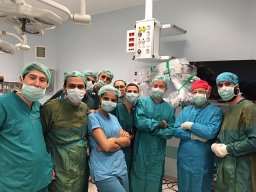 Mehmet Kulekci合作论文数2
 Zehra Hilal Adibelli合作论文数Dept Radiol, Izmir Bozyaka Hlth Practice & Res Ctr2
 Mehmet Yildirim合作论文数Department of General Surgery, Bozyaka Education and Research Hospital2
 Emine Demir合作论文数2Korkmaz S合作论文数2
 Gozde Malkoc合作论文数2
 Gülüstan Filiz合作论文数Department of Otorhinolaryngology and Head and Neck Surgery, İzmir Training and Research Hospital2Olgun Yüksel合作论文数Department of Otorhinolaryngology, Dokuz Eylül University School Of Medicine2
 Karakoc Omer合作论文数Department of Otolaryngology-Head and Neck Surgery, Gulhane Military Medical School2
 Hakan Birkent合作论文数2
 Osman Yılmaz合作论文数School of Medicine, Dokuz Eylül University2
 Tolgahan Catli合作论文数2Mehmet Gamsizkan合作论文数Department of Pathology, Gülhane Military Medical Academy2Serdar Karahatay合作论文数Department of Otolaryngology, Gulhane Military Medical Academy2




