Adverse events following elective cosmetic surgery can raise concerns about patient safety, particularly in facilities with variable oversight of infection‑prevention practices. Severe early‑onset postoperative infections caused by multidrug‑resistant organisms may indicate system‑level failures in sterile processing or infection control protocols. We report a rapidly progressing polymicrobial multidrug‑resistant surgical site infection in a previously healthy woman seven days after elective abdominoplasty with liposuction and lipofilling. The patient experienced early clinical deterioration requiring multiple emergency debridements, intensive care admission, prolonged antimicrobial therapy, negative‑pressure wound management, and eventual skin grafting. Microbiology revealed evolving multidrug‑resistant Pseudomonas aeruginosa, ESBL‑producing Enterobacterales, Staphylococcus epidermidis, and Klebsiella species. The severity, early onset, and unusual microbiological profile raised concerns for a possible sterilization or infection‑control breach at the original surgical facility. Early severe postoperative infections following elective procedures may signal underlying system failures rather than isolated clinical complications. Strengthening sterile processing oversight, improving infection‑control auditing, and ensuring timely escalation of care are critical to preventing similar events and safeguarding patient safety.
Cleft lip and palate are common congenital anomalies that require comprehensive management to optimize clinical outcomes. This study aims to investigate the management approaches and epidemiological characteristics of non-syndromic and syndromic cleft lip and palate patients at a university center in Saudi Arabia. A retrospective chart review was conducted at a university medical center in Riyadh, Saudi Arabia. The study period spanned from May 2015 to August 2021, during which clinical data of cleft lip and palate patients admitted to the hospital were collected. The purpose of this review was to analyze the clinical outcomes and epidemiological characteristics of these patients. The study included 210 patients with cleft lip and palate. Most cases were observed in patients aged 0–30 months. Male patients accounted for 58.1
Objectives: The current study aimed to evaluate the effectiveness of using a vibration device to ease pain during upper extremity injections. Specifically, the study aims to compare the pain levels of patients who receive the injection with and without the use of vibration therapy. The results of this study may have implications for improving patient outcomes and satisfaction during routine injection procedures. Material and Methods: This randomized controlled trial included patients aged 18 years or older who were scheduled to receive an injection in the upper extremity. A total of 60 patients were enrolled and randomized to either the intervention group or the control group using a computer-generated randomization sequence. The level of satisfaction and pain levels were assessed using a visual analog scale. The study was conducted in accordance with the Declaration of Helsinki and approved by the institutional review board. Results: The mean pain score immediately after the injection was 4.03 ± 2.11 out of 10 in the vibration group (n = 30), compared to 7.4 ± 1.37 out of 10 in the control group (n = 30) (P < 0.001). Patients in the vibration group also reported higher levels of satisfaction and comfort during the injection (P < 0.001). No adverse events were reported in either group. Conclusion: Our study proves that using a vibration device during upper extremity injections can effectively reduce postinjection pain and improve patient satisfaction. Further research is needed to explore this intervention’s long-term effects and feasibility in different clinical settings.
Background: Unstable phalangeal fractures represent a clinical challenge in hand surgery. The choice of fixation method, whether Kirschner wire (K-wire) fixation or titanium plating with screws, often depends on surgeon preference due to the lack of comprehensive comparative data. This article aimed to compare the postoperative outcomes of K-wire fixation versus titanium plating and screws in the treatment of unstable phalangeal fractures. Methods: This review was conducted according to the PRISMA guidelines for reporting systematic reviews and meta-analyses. A systematic review and meta-analysis of the existing literature was done encompassing PUBMED, EMBASE, Google Scholar, and Cochrane library using the keywords: "K wire/ Kirschner wire", "titanium plate/ screws", "Miniplate/ screws", and "Unstable phalan* fracture/ hand fracture". Results: After screening 2374 articles, 6 final studies with a total of 414 patients were included. Operative time was significantly shorter with K-wire fixation compared to plating, by a mean difference of-27.03 min [95% CI-43.80,-10.26] (p = 0.02). Time to radiographic union averaged 7.43 weeks with K-wires versus 8.21 weeks with titanium plates. No statistically significant differences emerged between groups for overall complications (p = 0.69), infection (p = 0.47), malunion (p = 0.36), stiffness (p = 0.11), or need for reoperation (p = 0.10). Conclusion: K-wire fixation demonstrated shorter mean operating time and faster radiographic union versus plating for unstable phalangeal fractures. These findings can guide surgical decisions and emphasize the need for individualized treatment based on fracture type and patient factors.
This report describes a rare case of necrotizing fasciitis (NF) in a previously healthy 9-year-old girl, emphasizing the complexities and urgent needs associated with its diagnosis and treatment in children. NF, a severe soft-tissue infection characterized by rapid progression and often fatal outcomes, presents diagnostic challenges owing to nonspecific initial symptoms such as pain, erythema, and edema. This patient presented to the emergency department with fever, arm redness, and blisters after the initial discharge with antibiotics from another facility. Despite the lack of clear historical indicators for the cause, the clinical and laboratory findings, including a high Laboratory Risk Indicator for Necrotizing Fasciitis (LRINEC) score of 9, led to immediate surgical intervention. Treatment included multiple sessions of surgical debridement and broad-spectrum antibiotics, culminating in successful skin grafting. This case underscores the importance of high clinical suspicion and prompt surgical consultation to manage potential NF, mainly when the initial symptoms may be misleading. This report highlights the critical need for early recognition and aggressive treatment to improve the prognosis of pediatric cases of NF.
Introduction Injuries to the flexor tendons of the hand pose significant challenges in both surgical repair and postoperative rehabilitation. Despite advancements in techniques, there remains uncertainty about the most effective postoperative rehabilitation protocol/strategy. This study aims to address this debatable issue by evaluating different rehabilitation protocols following surgical repair in zone II flexor tendon repair. Methods A systematic review and meta-analysis followed PRISMA guidelines, searching databases up to December 2023. Inclusion criteria covered studies on zone II flexor tendon repair in adults, with various rehabilitation strategies and hand function as primary outcomes. Data extraction and bias assessment employed predefined tools. Results Among 916 initial articles, 28 met the inclusion criteria. Published from 1980 to 2023, these studies involved 1414 patients, predominantly affecting the little, index, and middle fingers. Various suture techniques and materials were used, with early active and passive motion as primary rehabilitation protocols. Conclusion This review highlights early active and passive motion as common postoperative rehabilitation strategies for zone II flexor tendon repair. While active motion showed greater range of motion improvement, both protocols had comparable reoperation rates and grip strength outcomes. Future research should focus on refining protocols and assessing long-term outcomes to optimize patient care.
Performing local skin flaps is a challenging task that requires cognitive and technical skills to design flaps with proper orientation to avoid distorting normal anatomy. Junior trainees need adequate exposure to gain confidence and expertise in such procedures. This article systematically reviews the literature's different local skin advancement flap training models and describes a new, easy-to-use training model. A systematic review was performed following the Preferred Reporting Items for Systematic Reviews and Meta-Analyses (PRISMA) guidelines. PubMed, Cochrane, Web of Science, and Google Scholar databases were searched from their inception until August 2022 for articles about local skin advancement flap training models. The meta-analysis results were pooled across the studies using a random-effects model and presented as a weighted mean difference with a 95% confidence interval (95% CI). Out of 773 reviewed articles, 18 were included in the systematic review, and four reported enough data to be included in the meta-analysis. Rhomboid and Z-plasty flaps were the most commonly taught flaps by training models. The most commonly used training models were synthetic-based, followed by animal-based models. The training models significantly increased the trainees' confidence and expertise regarding local skin flap procedures (p<0.00001) for both domains. Training models, per our reported data, significantly improve the trainees' confidence and expertise in performing local skin advancement flap procedures; continuous efforts in developing and establishing new, simple-to-use, and effective training models are strongly encouraged to further improvement of surgical education and enhance the trainees' surgical skills.
Background: Worldwide, carpal tunnel syndrome (CTS) is the most common peripheral neuropathy due to compression. A minimally invasive endoscopic carpal tunnel release (ECTR) procedure is available to treat this condition. This study aims to identify and compare the different types of anesthesia in ECTR, particularly in terms of functional outcomes, patient satisfaction, and operative time. Methods: PRISMA guideline was used to design and conduct this systematic review. MEDLINE, Cochrane, and EMBASE databases were searched systematically from inception to May 2022. For the search, MeSH terms such as ECTR, general anesthesia, local anesthesia (LA), and regional anesthesia were used. Results: As a result of reviewing the literature, 198 publications were reviewed. After implanting our criteria, 12 studies were included. We included 14589 patients who underwent ECTR. LA has a higher satisfaction rate and a shorter operative time than general anesthesia. LA had a mean operative time of 20.1 min, compared to 45 min and 51 min for regional anesthesia and general anesthesia. The number of patients with postoperative ECTR surgical complications was 2.7% (95%CI). After ECTR with LA, 95% of patients are back to their daily routine within six months. Conclusion: All the reported methods were effective, with LA being the most commonly used. Furthermore, it showed a shorter operative time and a higher satisfaction rate than other types of anesthesia. Due to the heterogeneity of the data, we recommend future randomized controlled trials to highlight the differences in anesthesia types used in ETCR. Level of evidence: III, risk/prognostic study
BackgroundThe residual obesity and major comorbidities of postbariatric patients make abdominoplasty a challenging procedure. Patients with a history of bariatric surgery are more likely to develop postoperative complications following abdominoplasty. The purpose of this study was to examine the factors influencing the development of hematoma following abdominoplasty in postbariatric patients and to evaluate potential risk factors.MethodsIn this retrospective study, 178 patients who underwent abdominoplasty at our university tertiary center institute between 2015 and 2019 were reviewed. Statistical analysis was conducted to determine whether there were differences between our cohorts in terms of comorbidities and postoperative hematoma.ResultsThere were 178 patients with abdominoplasty who were included in the study. Among the 153 participants, 86% were female. In our study, the incidence of hematomas postabdominoplasty was 2.8% (n = 5). The hematoma incidence was significantly correlated with sex (p = < .001), with males having a higher incidence of hematomas. Hematomas were also significantly associated with smoking. Patients who underwent bariatric surgery were significantly associated with the incidence of hematoma (p = .005), where all patients with hematomas had undergone bariatric surgery.ConclusionsIt can be concluded that patients undergoing bariatric surgery are more likely to develop hematomas. Postabdominoplasty hematomas were more likely to develop in smokers, men, and those with a lower BMI. These risk factors should be considered and optimized by surgeons when counseling patients preoperatively.Level of evidence: Level V, risk/prognostic study.
Schwannoma can rarely mimic an intraneural ganglion cyst clinically and radiographically. This is a rare case report of a wrist schwannoma mimicking an intraneural ganglion cyst. The surgery was successful, and the histopathological report confirmed the diagnosis of benign schwannoma. After two years of follow-up, the patient is still symptom-free.
Background: Approximately 5% of the population has protruding ears. An antihelix deficiency or absence is a common cause of ear protrusion. Although there are over 200 techniques to manage prominent ears, there is no evidence to support using dermabraders in this situation. To the author’s knowledge, this is one of the first articles to assess the clinical outcome of dermabrader use on patients with prominent ear deformities. Methods: An analysis of retrospective medical records was conducted by the senior author on patients with prominent ears treated with our novel dermabrasion technique between 2018 and 2021. The demographics, clinical assessment, and outcomes of the patients were assessed. Furthermore, the article provides a detailed description of the technique. Results: A total of 18 ears were operated on. Eight of the included patients had bilateral ear deformities, and two had unilateral deformities. The mean distance from the ear to the head at the superior helix was 29 mm (range, 25–35 mm). In our series, no complications were observed. During the most recent clinical evaluation, all patients had achieved acceptable ear positioning and excellent aesthetic results. Conclusions: Dermabrasion is a useful technique for otoplasty because no sutures are required and symmetry can be achieved in bilateral ears. Furthermore, this technology is safe, simple, reproducible, reliable, and versatile. We recommend that future studies be conducted in a prospective manner with larger sample sizes and longer follow-up periods to ensure the validity of the findings.
Abstract Background Breast implant surgery is a popular procedure worldwide, and the same holds true for Saudi Arabia. Ensuring a sterile surgical environment is crucial to avert postoperative infections. This study explores the various antiseptic techniques adopted by Saudi plastic surgeons during breast implant procedures. Objectives This study aims to assess Saudi plastic surgeons’ adherence to antiseptic measures in breast implant surgery, and determine what types of antiseptic measures are most commonly used among Saudi plastic surgeons. Methods The authors conducted a cross-sectional survey among board-certified plastic surgeons in Saudi Arabia, collecting data through a self-administered online questionnaire. This questionnaire, which covered their demographic information and their antiseptic practices during breast implant surgery, was disseminated via a WhatsApp (Menlo Park, CA) broadcast message from May 15 to June 27, 2023. Results Of the 52 Saudi plastic surgeons who completed the questionnaire, all reported employing preoperative antibiotics and skin disinfection. Other measures included pocket irrigation (86.5%), implant irrigation (92.3%), sleeve/funnel usage (65.4%), nipple shield usage (51.9%), and glove change during the procedure (96.2%). Nearly, all respondents used only a surgical cap for head cover (96.2%) and postoperative antibiotics as prophylaxis (98.1%). However, more than half of them did not minimize door movement during the procedure (51.9%). Conclusions This study offers a valuable insight into the antiseptic practices during breast implant surgery in Saudi Arabia. The findings underline the need for further research to establish evidence-based guidelines for antiseptic practices in this field. Level of Evidence: 5
Background: Hand basal cell carcinoma is a rare and complex disorder. Due to the hand's anatomical features, managing hand BCC is challenging. Therefore, we have conducted this systematic review to investigate various clinical characteristics, investigations, and treatment options related to hand BCC. Furthermore, a meta-analysis was used to provide pooled recurrence rates. Methods: We conducted this review per the International Prospective Register of Systematic Reviews (PROSPERO) guidelines. This study performed a systematic literature review in February 2022 using the following electronic databases: Cochrane, MEDLINE, and EMBASE. Key terms include hand basal cell carcinoma, basal cell carcinoma, management, outcome, and recurrence. We evaluated articles according to predefined quality criteria. Results: The study included 9725 patients and 51 published articles. A total of 35 case reports, 2 case series, 1 prospective study, and the remaining retrospective studies were evaluated. An asymptomatic skin lesion was the main complaint. In 10 studies, Moh surgery was the most frequently used treatment method. In the seven studies included in the meta-analysis, the overall incidence rate of recurrence among the included patients was 1.49 cases per year. Conclusion: The optimal extent of surgical treatment is still controversial, though an early biopsy can help identify lesions at an early stage. It is the first study to provide occurrence rates based on a meta-analysis. Developing treatment guidelines for BCC of the hand will be the focus of future research.
Introduction and importance: Synovial sarcoma is a rare soft tissue sarcoma (STS) that accounts for 5-10 % of all STS. Synovial sarcoma of the peripheral nerve is very rare, with only 26 cases reported in the literature. Hence, this case report describes an unusual presentation of synovial sarcoma mimicking intraneural ganglion cysts and a literature review.Presentation of case: We describe a 36-year-old female who presented to our clinic complaining of left leg pain for six years. MRI was done, which revealed a cystic lesion. With an impression of intraneural ganglion cyst versus nerve sheath tumor of the common peroneal nerve. The patient underwent exploration surgery and mass exci-sion. The mass was sent for histopathology following excision, where the results indicated monophasic synovial sarcoma. An additional surgery, an epineurectomy of the common peroneal nerve and tumor bed excision, was followed by adjuvant chemotherapy with a Doxorubicin-based regimen. Following surgery, our patient's neurological symptoms improved.Clinical discussion: The mainstay of treatment in synovial sarcoma is surgical excision with a Doxorubicin-based regimen of chemotherapy and/or radiotherapy based on tumor characteristics. Tumors smaller than 5 cm in MRI usually show homogenous enhancement and can be mistaken for benign tumors. Hence, a biopsy should be done before surgery to avoid misdiagnosis.Conclusion: Even though it is extremely rare, synovial sarcoma of the lower extremity should be considered when a painful swelling of the lower leg is associated with a long duration of symptoms. Such lesions are best managed by surgical excision and postoperative chemotherapy.
Summary:. Silicone liquid (polydimethylsiloxane) is an inert material commonly used for cosmetic purposes. A combination of both systematic and local devastating complications can cause end-organ toxicity and multi-organ dysfunction. In this article, we examine the literature and present a case of a patient who presented with lower extremity filler migration and granuloma formation 11 years post gluteal silicone injection. A 31-year-old woman who had received a gluteal silicone injection 11 years ago was experiencing painful erythema, progressive fibrosis, and swelling as the result of the injection. The patient was diagnosed with postfiller autoimmune syndrome. Multiple surgical interventions were conducted to remove the permanent filler from her left knee. As a result of multiple surgical sessions, the patient has been managed successfully with no relapses. This case demonstrated complications of an unusual silicone injection technique for gluteal augmentation. Despite silicone being considered inert, complications can arise years after injection, necessitating extensive medical intervention. This case also raises questions regarding the systemic effects of silicone fillers, warranting further research. Through this report, we aimed to enhance awareness and management of similar future cases.
BACKGROUND AND OBJECTIVES:Patient compliance is a major concern for the efficacy of physiotherapy amongst those that undergo orthopedic surgery. The substantial number of people who are non-compliant makes this an imperative issue to address. Our objectives were to quantify the percentage of patient compliance for physiotherapy after their surgery, to measure the association between compliance and the status of health, mobility, and pain, and to identify the causes of non-compliance.METHODS:A cross-sectional study was conducted on post-orthopedic surgery patients attending physical therapy sessions at King Khalid University Hospital in Riyadh, Kingdom of Saudi Arabia, over a one-year period. The sample size of 359 was calculated and selected using simple random sampling. Our questionnaire was developed by adopting questions from two previously validated studies.RESULTS:The majority of the participants (n=194; 54%) were male. One hundred and ninety-three (53.8%) participants had a diploma or higher. The age group 18-35 was found to be significantly associated with skipping physiotherapy sessions when they started to feel well (P= 0.016) and skipping due to other responsibilities (P=0.002). Single people skip physiotherapy when they start to feel well (P=0.023), due to other responsibilities (P=0.028), and due to poor timing (P=0.049). Self-reported compliance to physical therapy after surgery was 231 (64.3%). Patient status showed overall improvement.CONCLUSION:There is a significant percentage of non-compliance and the patient's age, gender, marital status, and level of education play a role in the causes of non-compliance. In addition, the patient's status (health, pain, and mobility) is better in those who are compliant than in those who are not.
Cyanoacrylate (CA) tissue glue is frequently used in various surgical procedures, and it is simple to use and may save time during procedures. We report the use, effectiveness, and postoperative outcomes of patients who have undergone skin graft surgeries in which CA glue was used to stabilise the graft. A retrospective study of patients who underwent skin graft surgeries where CA was used to stabilise the grafts between January 2018 and August 2021 at different medical institutes in Riyadh, Saudi Arabia. The analysis was performed using the Statistical Package for Social Science, version 23.0 (IBM, Armonk, New York). A total of 36 cases were included. Five patients (13.9%) had diabetes. All cases received antibiotics preoperatively. Two types of harvested skin grafts were used: (a) a non‐meshed split‐thickness skin graft (n = 24, 66.7%), and (b) a meshed split‐thickness skin graft (n = 12, 33.3%). The graft uptake outcome was 100% for 32 patients (88.9%). The most common underlying indication of skin grafting was burn 17 (47.2%), in which 5 (13.9%) developed partial graft loss. The percentage of skin grafts taken using CA was high and comparable to other fixation methods. Further studies may be needed to assess the long‐term outcomes and cost‐effectiveness.
Different cleft palate repair techniques have been described to achieve optimum results and minimise complications. Postoperative fistulae are one of the most challenging complications after palate repair. In this clinical study, we reviewed the records of patients who underwent palatoplasty using acellular dermal matrix (ADM) as an addition to facilitate difficult cleft palate and palatal fistula closure. It was a retrospective, comparative, single-centre study, in which records of patients who underwent cleft palate surgeries between 2015 and 2018 were reviewed. Patients who underwent cleft palate or palatal fistula repair with and without ADM were included. Fischer's exact test was used to compare the two groups (primary cleft palate repair with and without ADM) in relation to the rate of fistula occurrence postoperatively. Charts of a total of 31 patients were reviewed. ADM was used in 13 patients; 8(61.5%) were primary repairs and 5(38.5%) were fistula repairs. Eighteen patients were repaired without ADM, of whom 16(88.9%) were primary cleft palate repairs and 2(11.1%) were fistula repairs. The statistical analysis showed no significant difference in fistula formation rate or recurrence in both the groups. ADM is a simple, safe, and helpful tool for augmenting cleft palate repair, mainly in relatively wide and high-tension cleft palate repairs. In our study, a trend showing decreased complications with ADM was observed. Therefore, we recommend a multi-centre study with a larger sample to assess the significance of ADM in cleft palate and palatal fistulae repair.
Glomus tumors are painful, benign tumors that develop from the glomus bodies. They account for less than 1% of tumors in hand, and less than 10% present in the pulp of the digits. Cold hypersensitivity, increased pinprick sensitivity, and paroxysmal pain are common glomus tumor symptoms. We describe a 27-year-old man who came with pain in the right little digit, confined to the pulp for 10 years. The tip of the finger was extremely sensitive to touch, and the pain worsened in a cold atmosphere. Upon palpation, no mass was recognized. There was pinpoint tenderness within the distal volar pulp of the little finger. MRI with a contrast of the right little digit showed a 2-mm enhancing lesion in the tip of the little finger. An incision was done over the volar plane of the little finger, removing the tumor bluntly. The tumor was found to be a glomus tumor after histologic evaluation. Glomus tumors of the volar pulp are notoriously hard to detect. Hence, the presence of localized pain in the volar tip for the finger should raise suspicion of the diagnosis of a glomus tumor, and surgical removal should be offered to relieve symptoms and avoid recurrence.
Treatment of keloids is usually challenging, requiring a multimodal approach with no universally accepted treatment modality among the wide range of alternative keloid treatments. Excision of keloid lesion usually eliminates symptoms and it is the main treatment with considerable recurrence rate. Recurrence rate ranges from 45-100% when surgical excision is performed as monotherapy. Furthermore, Recurrent Keloids have a higher recurrence rate after surgery. In this case we discuss a challenging case of young female presented with third recurrence in lobule of the ear with defect necessitated flap reconstruction with concern for possible damage by the flap if radiation was given as external beam postoperatively. Intraoperative electron beam therapy was utilized with high safety and efficacy. To our knowledge this is the first case in the Middle East to use this technique in treating Keloid. Conclusion Treatment of keloids is usually challenging, requiring a multimodal approach. Excision of keloid lesion usually eliminates symptoms and it is the main treatment with considerable recurrence rate .Recurrence rate ranges from 45-100% when surgical excision is performed as monotherapy. Furthermore, Recurrent Keloids have a higher recurrence rate after surgery. Radiation is a valid option for decreasing risk of recurrence in recurrent keloid with high safety and efficacy profile. In this case we discuss a challenging case of young female presented with third recurrence in lobule of the ear with defect necessitated flap reconstruction with concern for possible damage by the flap if radiation was given as external beam postoperatively. Intraoperative electron beam therapy was utilized with high safety and efficacy. To our knowledge this is the first case in the Middle East to use this technique in treating Keloid. Keywords: Keloid; Radiation; Intraoperative Radiation; IOeRT
 Hatan Mortada合作论文数King Saud Univ, King Saud Univ Med City18
 Gelidan Adnan合作论文数College of Medicine, King Saud University10Khalid Arab合作论文数9Mohammad Al-Qattan合作论文数College of Medicine Research Center, Medical College, King Saud University8
 Taghreed Alhumsi合作论文数6
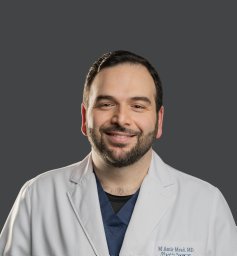 Mohamed Amir Mrad合作论文数King Faisal Specialist Hosp & Res Ctr, Dept Surg, Plast & Reconstruct Surg Sect, Riyadh, Saudi Arabia6
 Feras Alshomer合作论文数King Saud University, King Saud University;King Saud University, King Saud University6Saad Alrobaiea合作论文数5
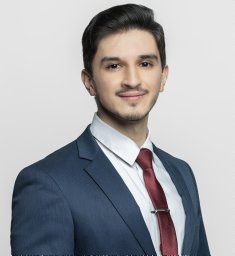 Qutaiba Shah Mardan合作论文数ABAS Med Ctr, Riyadh, Saudi Arabia5
 Mohammed Almarghoub合作论文数King Faisal Specialist Hosp & Res Ctr, Dept Surg, Plast & Reconstruct Surg Sect, POB 4909, Riyadh 12381, Saudi Arabia4Abdulaziz S AlModumeegh合作论文数3
 Abdullah Al-Qurashi合作论文数3
 Farrokhyar Forough合作论文数Dept Surg, McMaster Univ3
 Faisal Alfaqeeh合作论文数2Zuhair Al Fardan合作论文数2Shahad N Alanazi合作论文数2
 Colin P White合作论文数2
 Nouf Al Saud合作论文数2Omar Barasain合作论文数2Muna Faisal Alnaim合作论文数2
 Nawaf Alhindi合作论文数2
 Howard M. Clarke合作论文数Division of Plastic, Reconstructive & Aesthetic Surgery, University of Toronto2
 Gregory H Borschel合作论文数Hosp Sick Children, Div Plast & Reconstruct Surg, Toronto, ON M5G 1X8, Canada2
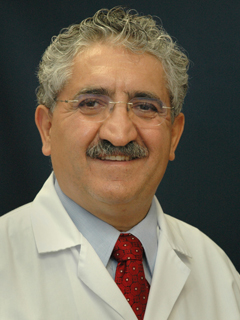 Achilleas Thoma合作论文数Department of Surgery, School of Medicne, McMaster University2Al-Jerian Albaraa A合作论文数2Hynes Nicolas M合作论文数2Farhang Khoee Hana合作论文数2
 Alhujayri Abdulaziz K合作论文数2Reem Bin Idris合作论文数1Lisa Dickson合作论文数1
 Faisal Almehaid合作论文数1Abdulaziz Alsuhaim合作论文数1Gaurang Bhatt合作论文数1Abdulrahman Abukhudair合作论文数1Mohammed Riyadh AlKhudhair合作论文数1
 Imtinan Al Jabbar合作论文数1
 Abdulaziz M. Alghamdi合作论文数1Musab Alrehaili合作论文数1
 Alaa Alsahli合作论文数1Yasser A Alaska合作论文数1Faisal Almutairi合作论文数1Sawsan A Alharthi合作论文数1Loujain A Alyousef合作论文数1Abdulmalek W. Alhithlool合作论文数1Danah Y AlKadi合作论文数1Helmi M. H. Alsweirki合作论文数1Lamees Altamimi合作论文数1Robert Bains合作论文数1
 Omar Al-Obaid合作论文数1




