Background and Objectives: Oxygen is essential for all living organisms and plays a critical role in anesthesia and intensive care practices. However, the notion that unlimited oxygen therapy is harmless is a misconception. Our study investigates the acute effects of different preoxygenation methods on hemodynamic parameters and neurodegenerative biomarkers in patients undergoing laparoscopic cholecystectomy surgery. Materials and Methods: This prospective, randomized, controlled study included 52 patients undergoing elective laparoscopic cholecystectomy under general anesthesia. Patients were divided into two groups: Group I received standard preoxygenation (100% FiO2 for 3 min), while Group II underwent rapid preoxygenation (eight deep breaths over 30 s to 1 min). Hemodynamic parameters (SAP, DAP, MAP, and SpO2) and neurodegenerative biomarkers (pTau, S100B, NSE, NfL, GFAP) were measured after preoxygenation, after intubation, and at the end of surgery. Results: Group I exhibited a significant increase in levels of pTau, S100B, NSE, and GFAP, indicating higher neuronal and glial cell stress compared to Group II (p < 0.001). No significant increase in NfL levels was observed in either group. Hemodynamic parameters (HR, SAP, DAP, MAP) were significantly higher during and after preoxygenation in Group I, suggesting an increased stress response. Group II showed lower levels of acute neurotoxicity and oxidative stress. Conclusions: Our findings indicate that preoxygenation with 100% FiO2 induces stress in neuronal cells, axons, and glial cells, leading to an increase in neurodegenerative biomarkers. Optimizing preoxygenation strategies is crucial to reduce oxidative stress and improve neurological outcomes for surgical patients.
BACKGROUND:Sepsis, a life-threatening condition resulting from a dysregulated host response to infection, is associated with high mortality and remains a major global health burden. Sepsis is characterized by an imbalance between oxidative stress and inflammation, leading to disruption of thiol-disulfide homeostasis, hematological abnormalities, cytokine dysregulation, and widespread tissue injury. METHODS:An experimental sepsis model was established in thirty-two male Balb-C mice using lipopolysaccharide administration. Animals were randomized into four groups: control, vitamin E, sepsis, and sepsis plus vitamin E. Serum oxidative stress markers, thiol-disulfide parameters, and inflammatory mediators, including C-reactive protein, interleukin-40, and tumor necrosis factor-alpha, were measured. Hematological indices of systemic inflammation were evaluated (Neutrophil-to-Lymphocyte Ratio, Platelet-to-Lymphocyte Ratio), and lung, liver, and kidney tissues were examined histologically using a semi-quantitative scoring system. RESULTS:Lipopolysaccharide-induced sepsis caused marked disruption of thiol-disulfide balance, characterized by reduced native and total thiol levels, elevated disulfide levels, increased cytokine release, and severe histopathological injury. Vitamin E supplementation restored thiol-disulfide homeostasis, decreased oxidative stress, and attenuated systemic inflammation. In the sepsis plus vitamin E group, serum thiol levels increased significantly, while disulfide levels declined. Interleukin-40 showed a 24.2% reduction and tumor necrosis factor-alpha a 9.8% reduction compared with untreated septic animals. Histopathological analyses confirmed reduced inflammatory cell infiltration, vascular congestion, and tissue degeneration, particularly in the lungs. CONCLUSIONS:Vitamin E demonstrated significant protective effects against sepsis-induced oxidative and inflammatory injury by preserving thiol-disulfide homeostasis and reducing cytokine production. The more pronounced effect on interleukin-40 compared with tumor necrosis factor-alpha suggests selective modulation of inflammatory pathways and highlights interleukin-40 as a potential biomarker and therapeutic target. These findings support vitamin E as a promising adjunctive therapy in sepsis, although further studies are required to define optimal dosing strategies and assess clinical applicability.
Background: On-pump coronary artery bypass grafting (CABG) method affect almost all biochemical reactions by disrupting the patient’s redox homeostasis. Detection of systemic redox hemostasis in the patient are critical for the CABG method’s success and the prognosis of the disease. In this study, thiol/disulfide parameters, which are indicators of redox homeostasis, and ischemia-modified albumin (IMA) levels in the plasma and pericardial fluid of patients who underwent coronary artery bypass surgery were investigated. Methods: Sixty patients who underwent an on-pump CABG operation with the Cardiopulmonary Bypass (CPB) method were included in this study. Blood samples were taken from the patients before and after the CPB. Pericardial fluid samples were taken before the CPB. Then, thiol/disulfide homeostasis, albümin, and IMA levels in the pericardial fluid, and the patients’ plasma levels were compared. Results: Albumin and IMA levels were significantly higher in postop compared to preop (p < 0.001). Thiol/disulfide parameters, native thiol, total thiol, and disulfide levels were higher and statistically significant in preop than in postoperative examinations (p < 0.001). A negative correlation was found between pericardial fluid IMA and thiol-disulfide parameters (p < 0.001). Conclusions: Changes in thiol/disulfide homeostasis, albümin, and IMA levels at different times during the on-pump CABG may be caused by foreign non-endothelial surfaces, filters, the reperfusion process, and pharmacological effects in the extracorporeal circulation. Thiol/disulfide homeostasis, albumin, and IMA levels should be monitored during the on-pump CABG and should intervene with appropriate therapeutic strategies. In this way, secondary pathologies can be avoided by preventing cellular damage and excessive inflammatory responses.
In recent years, the use of nontoxic natural products that can be effective on cancer cells as new agents has attracted the attention of scientists in order to reduce the negative side effects of existing cancer drugs and their toxicity to normal cells. Some in vivo and in vitro studies have shown that royal jelly (RJ) inhibits cell proliferation and induces apoptosis. In this research, we aimed to investigate the effects of RJ on proliferative and apoptotic processes in the human acute promyelocytic leukemia cell line (HL-60). The HL60 cell line was treated with different concentrations of RJ for 24, 48, and 72 hours. The half maximum inhibitory concentration (IC50) of RJ was determined using 3-(4.5 dimethylthiazol-2-yl)-2.5-diphenyltetrazolium bromide test (MTT) and the proliferation activity of HL-60 cells was evaluated. Flow cytometry analysis was performed to measure apoptosis in HL-60 cells. IC50 values for RJ were calculated as 13.98, 6.45, and 2.06 mg/mL for 24, 48, and 72 hours, respectively. Flow cytometry results also showed that RJ had apoptotic effects at the concentrations found. The results showed that RJ treatment significantly induced apoptosis and reduced the proliferation of HL-60 cells. This study shows that RJ can be a complementary treatment against HL-60 acute myeloid leukemia cells due to its anticancer and antiproliferative effects.
Purpose: Due to the diverse biological activities attributed to its antioxidant, antidiabetic, anti-inflammatory, and cytoprotective properties, cyanidin-3-glucoside (Cy3G) has been widely studied. The present study was conducted to investigate the effects of Cy3G supplementation on redox balance disruption during acute exercise. Materials and Methods: To this end, 28 male Balb-C mice were divided into four groups: control, exercise, Cy3G, and exercise+Cy3G. During the experimental period, the mice in the Cy3G and exercise+Cy3G groups were administered 5 mg of Cy3G per kg of body weight, while the control and exercise groups were fed standard chow. The mice were trained on treadmill for 10 min every day at speed of 10 m/min for 2 weeks. On the 15th day, an acute exhaustion exercise was applied. Then, all groups were sacrificed, and serum samples were taken to analyze the native thiol, total thiol, disulfide, and thiol-disulfide indices. Results: The findings showed that the combination of Cy3G and exercise significantly increased native thiol levels and decreased disulfide levels compared to the other groups. However, it did not cause any change in total thiol levels. Native thiol were measured as 114.6±64.1, 106.4 ±57.9, 200.1±84.2, 262.1±105.9; Disulfide were determined as 253.2±71.6, 257.4±31.5, 213.8±44.8 and 188.4±32.2; Total thiol were 621.1±116.1, 621.2±100.1, 627.7±125.8 and 639.0±105.3 (respectively; control, exercise, Cy3G, and exercise+Cy3G). Conclusion: Cy3G supplementation can potentially maintain redox balance during acute exercise by supporting antioxidant defense systems and reducing oxidative stress. The use of Cy3G may have a positive effect on preventing exercise-induced oxidative stress and acute fatigue.
Amaç: Kreatin monohidrat (CrM) takviyesinin ve farklı yoğunluktaki aerobik egzersizin farelerin kardiyak ventriküler kas dokusundaki enerji metabolizmasının temel biyobelirteçleri üzerindeki kombine etkile-rini araştırmaktır. Materyal ve Metod: Kırk iki erkek BALB/c faresi rastgele altı gruba ayrıldı (grup başına n=7): kontrol (C), CrM takviyesi (C+CrM), düşük yoğunluklu egzersiz (LIE), CrM takviyesiyle LIE (LIE+CrM), yüksek yoğunluklu egzersiz (HIE) ve CrM takviyesiyle HIE (HIE+CrM). Sekiz hafta boyunca, egzersiz grupları haftada beş gün koşu bandında egzersiz uygulanırken, CrM grupları %4 CrM ile zenginleştirilmiş bir diyet aldı. Anahtar biyobelirteçler; miyosit güçlendirici faktör 2A (MEF2A), monokarboksilat taşıyıcı 1 (MCT1), pirüvat dehi-drogenaz (PDH), peroksisom proliferatör aktive reseptör gama koaktivatör 1-alfa (PGC-1α) ve mitokondri-yal transkripsiyon faktörü A (TFAM) ELISA testleri kullanılarak kardiyak ventriküler kas dokusunda kantifize edildi. Bulgular: LIE+CrM grubu, C+CrM grubuna kıyasla MEF2A'da önemli bir artış gösterdi (p<0,05). PDH seviye-leri, hem LIE+CrM hem de HIE+CrM gruplarında, C ve C+CrM gruplarına kıyasla önemli ölçüde daha yüksekti (p<0,05). PGC-1α seviyeleri, LIE+CrM grubunda en yüksekti ve istatistiksel anlamlılığa yaklaşıyor-du (p=0,051). TFAM ekspresyonu, LIE+CrM grubunda, LIE, HIE ve C+CrM gruplarına kıyasla önemli ölçüde yüksekti (p<0,05). MCT1 seviyeleri, LIE+CrM grubunda anlamlı olmayan bir artış eğilimi gösterdi. Sonuç: Düşük yoğunluklu aerobik egzersizle birleştirilen CrM takviyesi, kardiyak ventriküler kas dokusun-da mitokondriyal biyogenez ve enerji metabolizmasıyla ilişkili temel biyobelirteçleri önemli ölçüde artırır. Bu bulgular, kardiyak enerji metabolizmasını optimize edebilecek ve kardiyovasküler sağlığı iyileş-tirebilecek sinerjik bir etkiye işaret ediyor.
Although physical exercise is extremely important for health and a good lifestyle, it can trigger oxidative stress, inflammation, and muscle fatigue. The aim of this study was to determine changes in dental tissues and the mandible created by creatines monohydrate (CrM) supplementation together with low and high-intensity exercise (HIE). The study material comprised Balb/c male mices, which were separated into two groups for the application of low and HIE on a running band. CrM supplement was administered together with the exercise. At the end of the experiment period, dental tissue samples were surgically removed and examined histopathologically and immunohistochemically (TNF-alpha and lL-1 beta).As a result of the histopathological examinations, in the pulp, oedema, vascular congestion, and capillary dilatation were seen to be statistically significantly increased in the Group 3 mices that performed HIE compared to the control group (p = 0.001, p = 0.003, p = 0.001, respectively). A statistically significant increase was observed in periodontal ligament (PDL) degeneration, and disruption of the continuity and separation of collagen fibers in Group 3 compared to the control group (p = 0.001). In the immunohistochemical examination, TNF-alpha and IL-1 beta positivity was observed in Group 3, and this was significantly increased compared to the control group (p = 0.001, p = 0.000).Exposure of the mices to low and HIE caused histological and immunohistochemical changes in dental pulp and PDL, and it was determined that the use of CrM could have a protective effect against these changes. Research Highlights The results of this study showed negative effects of HIE in the dental pulp and PDL, which play an important role in dental health. CrM was seen to be effective in preventing these negative effects.
OBJECTIVE: In acute and chronic aerobic exercise, skeletal muscle and liver are the main organs that adapt and regulate metabolic activity. The levels of nitrosative stress caused by exercise in these organs are extremely important in the continuity of exercise, its health-promoting benefits, and the evaluation of therapeutic efficacy. In this study, nitrosative stress levels were investigated in musculus quadriceps femoris tissue and liver tissue of mice that were given low and high-speed aerobic running exercise and also received Cr supplementation. MATERIALS AND METHODS: In this study, nitrosative stress levels were investigated in the muscle/liver tissue of 42 BALB/c mice that were given low and high-speed aerobic running exercise and creatine monohydrate (Cr) (40 mg/kg of diet daily) supplementation with exercise. The study included six groups with and without Cr supplementation, low-speed aerobic running, high-speed aerobic running, and no exercise. The mice in groups with low-speed and high-speed aerobic exercise with and without Cr supplementation were run on the treadmill for 8 weeks. Then, nitric oxide (NO·), nitric oxide synthase (NOS), and peroxynitrite (ONOO-) levels in muscle/liver tissue were measured by spectrophotometric method. RESULTS: It was found that the nitrosative stress level in the groups that did low and high-speed aerobic running exercises increased compared to the group that did not exercise. It was found that NO· decreased NOS activity and ONOO- level increased in muscle tissues of low and high-speed aerobic exercise groups that received Cr supplementation compared to those that did not. However, NO· and ONOO- levels in liver tissue decreased while NOS activity did not change. The lowest level of nitrosative stress in both muscle and liver tissue was found in the low-speed exercise group receiving Cr supplementation. CONCLUSIONS: Although supplements in exercise are an important component, the simultaneously measured nitrosative stress level is critical in determining the optimal exercise.
INTRODUCTION:Evaluation of the prognosis in the early period of intensive care patients and arranging the treatment accordingly is of vital importance. In the present study, we investigated whether serum thiol/disulphide concentration can be used in the follow-up of prognosis in the early period in patients with COVID-19 under intensive care.METHODS:The study included 25 patients [their ages were between 19 and 92; 10 (40%) were male and 15 (60%) were female] who were diagnosed with COVID-19 and treated in the intensive care unit (ICU). The patients were followed for four weeks. On the first, third, and fifth days of intensive care treatment, venous blood samples were taken from the patients to analyze the thiol/disulphide parameters, and coma scores were calculated. Statistical analyses were conducted to evaluate the relationship between thiol/disulphide levels and the prognosis of COVID-19 patients.RESULTS:At the end of the four-week follow-up of the patients included in the study, 9 were discharged and 16 died. In patients who died, the relationship between thiol/disulphide homeostasis parameters and coma scores was not statistically significant. Meanwhile, in discharged patients, the relationship between disulphide concentration, total thiol, and coma scores was statistically significant.CONCLUSION:The relationship between thiol/disulphide homeostasis and coma scores in COVID-19 patients treated in the intensive care unit may help to evaluate the prognosis of the disease in the early period, thus the effectiveness of medical intervention.
Amaç: Koronavirüs hastalığı 2019 (COVID-19), tehlikeli küresel bir pandemi olarak tüm dünyada yüksek morbidite ve mortaliteye yol açmıştır. Oksidatif stres, proteinler, lipitler ve DNA üzerinde güçlü etkilere sahip olup, çeşitli hücresel fonksiyonların bozulmasına neden olmaktadır. Bu nedenle oksidatif stresin; nörodejeneratif, kardiyovasküler hastalıklar, diyabet ve metabolik sendrom gibi birçok hastalığın patogenezinde rol oynadığı gösterilmiştir. COVID-19'da oksidatif stresin olası rolüne dair birçok kanıt bulunmasına rağmen hastalık seyri boyunca nasıl değiştiği bilinmemektedir. Materyal Metod: Bu çalışmaya hafif, orta ve yüksek semptom gösteren 18 kadın, 25 erkek olmak üzere toplam 43 COVID-19 hastaları dahil edilmiştir. Hastalardan; 15. gün, 30. gün, 45. gün ve 60. gün olmak üzere 4 defa venöz kan örnekleri alınıp; serumlarında MDA, Protein karbonil, total antioksidan ve total oksidan düzeyleri ölçülmüştür. Bulgular: Erkeklerde 45. ve 60. günlerdeki total antioksidan düzeyleri kadınlara kıyasla istatistiksel olarak anlamlı ölçüde yüksek bulunmuştur (p<0.05). Total oksidan düzeyleri yüksek semptom gösteren hastalarda diğer semtomlara kıyasla istatistiksel olarak anlamlı ölçüde yüksek bulunmuştur (p<0.05). Hastalar yaşlara göre kıyaslandığında ise MDA, PC ve total oksidan düzeyleri 47 yaşının üzerinde olan hastalarda anlamlı ölçüde yüksek bulunmuştur (p<0.05). Sonuç: COVID-19’un oksidatif strese neden olduğu ve bu durumun membran yapısını bozma, inflamasyon, apoptoz ve semptomların daha şiddetli olmasına neden olacağı kanaatindeyiz. Bu nedenle COVID-19 hastalarına özellikle 47 yaşının üzerindeki erkek hastalarına etkili tedavi stratejilerinden biri olarak antioksidan maddelerin uygulanması önerilebilir.
: Background : In this study it is aimed to compare the effects of Dexmedetomidine (Dex) and Thymoquinone (TQ) on kidney at hind limb ischemia/reperfusion injury generated rats due to oxidative stress. TQ and Dex had protective effects on renal tissues at ischemia/reperfusion injury.
OBJECTIVE: Lipoid proteinosis is a rare autosomal recessive genetic dermatological disease that occurs due to the accumulation of hyaline material in the skin and mucous membranes. This study aimed to investigate whether dynamic thiol-disulfide homeostasis is a new marker of oxidative stress in patients suffering from lipoid proteinosis.METHODS: The study group involved 17 patients with lipoid proteinosis and 17 healthy controls with same gender and age. Native thiol, total thiol, disulfide levels, and thiol-disulfide indexes were measured with the fully automated spectrophotometric method described by Erel and Neselioglu, and the results of the two groups were statistically analyzed.RESULTS: Serum total thiol and native thiol levels were significantly lower in lipoid proteinosis group compared to the control group (p=0.020 and p=0.014, respectively). The disulfide levels were found to be higher in lipoid proteinosis group, but there was no significant difference between two groups.CONCLUSIONS: Impaired dynamic thiol-disulfide homeostasis was observed in lipoid proteinosis patients, suggesting that thiol-disulfide homeostasis may have a role in the pathogenesis of this disease.
BACKGROUND:The relationship between the toxicity of cryoprotectants and their osmotic and/or oxidative stresses remains to be further investigated. OBJECTİVE: To investigate the toxic effects of different cryoprotectants and osmotic stress on Awassi ram sperm and to determine the relationship between oxidative and antioxidative status of the sperm.MATERIALS AND METHODS:Pooled sperm samples were exposed to sucrose solutions of different concentrations (75 to 900 mOsm) and isosmotic condition (290-325 mOsm) was re-established by adding HEPES buffered Tyrode's lactate. Sperm samples were mixed with 0.5, 1.0 and 1.5 M of glycerol, methanol, 2-methoxyethanol, dimethylacetamide or 1,2-propanediol for 5 min and returned to isosmotic condition. Sperm samples were exposed to cryoprotectants at 4 degree C for 2 hours and isosmotic conditions were re-established. Motility, viability, acrosome integrity and oxidative or antioxidative parameters were determined.RESULTS:Treatment with hypo- or hyperosmotic sucrose solution reduced motility and viability without affecting acrosome integrity. The addition and removal of glycerol and dimethylacetamide (1.0 or 1.5 M) decreased sperm motility, while cryoprotectants had no effect on viability except for 1.5 M glycerol. Chilling significantly reduced the motility and viability of the sperm, but not the acrosome integrity. Rapid addition or removal of cryoprotectants also did not affect the acrosome integrity. Cryoprotectants changed only the ceruloplasmin level, while there were significant post-chilling differences in lipid hydroperoxide, paraoxonase and ceruloplasmin levels.CONCLUSION:Cryoprotectants without other additives have limited protection and glycerol can be toxic to spermatozoa. The oxidative stress plays a role in cryoprotectant toxicity and chilling stress. doi.org/10.54680/fr22210110612.
Objective(s): Dietary supplementation combined with exercise may potentiate the beneficial effects of exercise by reducing exercise-induced oxidative stress and improving mitochondrial quality and capacity. In this study, the effects of creatine monohydrate (CrM) supplementation with low and high-intensity exercise on mitochondrial biogenesis regulators, Nrf2 anti-oxidant signaling pathway and muscle damage levels were investigated. Materials and Methods: Balb/c male mice were divided into six experimental groups: control, control+CrM, high-intensity exercise, high-intensity exercise+CrM, low-intensity exercise, and low-intensity exercise+CrM. Mice were given CrM supplementation and at the same time, low and high-intensity exercise was applied to the groups on the treadmill at 30min/5day/8week. Then, mitochondrial biogenesis marker (PGC-1α, NRF-1, TFAM), Nrf2 and HO-1 protein expressions, total oxidant-anti-oxidant status level, and histopathological changes were investigated in serum and muscle tissue. Results: Exercise intensity and CrM supplementation were found to be effective factors in mitochondrial biogenesis induction via the PGC-1α signaling pathway. Nrf2 and HO-1 protein levels increased with exercise intensity, and this result was directly related to serum oxidative stress markers. In addition, CrM supplementation was effective in reducing exercise-induced muscle damage. Conclusion: This combination induced skeletal muscle adaptations, including mitochondrial biogenesis and enhanced anti-oxidant reserves. This synergistic effect of dietary supplementation with low-intensity exercise may be valuable as a complement to treatment, especially in diseases caused by mitochondrial dysfunction.
Cyclotrichium origanifolium is a medicinal plant belonging to the Lamiaceae family. In this study, phenolic content analysis, antimicrobial effects, and cytotoxic effects of extracts of C. origanifolium were investigated. In the extracts, phenolic compound analysis by the liquid chromatography–electrospray ionization–tandem mass spectrometry method, antimicrobial effect by the minimum inhibition concentration method, and cytotoxic effect on human dermal fibroblasts (HDF), glioblastoma cell (U87), ovarian adenocarcinoma cell (Skov‐3), and human colorectal adenocarcinoma cell (CaCo‐2) cancer cell lines were investigated. Cytotoxicity analyses were performed by the MTT method. In addition, the GST and AChE enzyme activities of the extracts were also measured. Around 18 compounds were detected in both the methanol and ethanol extract. It was found that the best antimicrobial effect on Gram‐negative Pseudomonas aeruginosa was on methanol extract, while the ethanol extract was on Candida albicans fungus (respectively, 2.50 mg/ml, 5.0 μg/ml). A 500 μg/ml of methanol extract has been shown to have cytotoxic activity high effect on HDF cells. GST and AChE activity were found to decrease in a concentration‐dependent manner.
Alopecia areata is a dermatological disease characterized by nonscarring type hair loss. The cause of Alopecia areata not known exactly but studies support that it has an autoimmune etiology in which oxidative stress play an important role.
BACKGROUND The role of oxidative stress during cryoprotectant treatment has received little attention. OBJECTİVE: To assess the effects of different cryoprotectants and discover relationships between cryodamage and oxidative stress parameters on Awassi ram sperm. MATERIALS AND METHODS The sperm samples diluted with Salamon's tris-citrate (TRIS) containing 20% centrifuged egg yolk and 0.5, 1.0 or 1.5 M Glycerol (Gly), methanol (M), 2-methoxyethanol (2-ME), dimethylacetamide (DMA) and 1.2 propanediol (PR). After 2 h of equilibration at +4 ºC, the sperm samples were frozen in liquid nitrogen vapour and stored. RESULTS The best post-thaw motility (43.3%, 41.7%) of sperm was achieved when protected with 0.5 and 1.0 M glycerol. Arylesterase and ceruloplasmin parameters were significantly different after equilibration, whereas sulfhydryl groups were significantly different after freezing in their respective groups (P < 0.05). CONCLUSION The increased use of glycerol caused greater loss of motility. The role of oxidative stress in freezing was also found to be limited.
The importance of supplements used with exercise is increasing day by day. In this study, it was aimed to evaluate the effects of creatine monohydrate (CrM) supplementation with different intensities of exercise on oxidative stress through dynamic thiol disulfide homeostasis. Fourty two BALB/c mice were used and randomly divided into 6 groups; control (C), low-intensity exercise (LIE), high-intensity exercise (HIE), C+CrM (4% of daily diet), LIE+CrM, and HIE+CrM groups. Exercise groups were performed low-intensity (8m/min/30min/day) and high-intensity (24m/min/30min/day) exercise on a mouse treadmill for 8 weeks. At the end of the experimental period, the thiol disulfide homeostasis levels analyzed by using a new automated measurement technique. When the native thiol and total thiol values were examined the difference between the groups was statistically significant (respectively, p=0.029, p=0,035). Creatine intake with exercise decreased native thiol and total thiol levels. However, serum disulfide levels were lower in LIE+CrM compared to other study groups, but there was no statistically significant difference. It is thought that creatine supplementation with exercise reduces the thiol-disulfide homeostasis burden of the organism, and that after the depletion of creatine stores, the sustainability of oxidant-antioxidant homeostasis can be extended, thus prolonging the duration of antioxidant resistance.
 Nurten Aksoy合作论文数37
 Hakim celik合作论文数Faculty of Medicine, Harran University23
 Abdurrahim Kocyigit合作论文数13Bilinc Hasan合作论文数Department of Biochemistry, Harran University School of Medicine11Seyhan Taskin合作论文数10Mahmut Abuhandan合作论文数9N Aksoy合作论文数8
 Sahabettin Selek合作论文数Faculty of Medicine, Bezmialem Vakif University8
 Mehmet Aslan合作论文数8Mehmet Vural合作论文数8
 Recep Demirbag合作论文数Faculty of Medicine, Harran University8
 Mustafa Calik合作论文数7
 Sezen Kocarslan合作论文数Faculty of Medicine, Harran Univercity7Yusuf Sezen合作论文数7Hakan Camuzcuoglu合作论文数Faculty of Medicine Yenisehir yerleskesi, Harran University7Emin Savik合作论文数Harran Univ6
 Adnan Incebiyik合作论文数School of Medicine, Harran University6Camuzcuoglu Aysun合作论文数5Sezen Hatice合作论文数5
 Ali Batuhan Yıldız合作论文数Faculty of Medicine, Harran University5
 Muhammet Emin Guldur合作论文数Faculty of Medicine, Harran University5
 Omer Varisli合作论文数College of Veterinary Medicine, University of Missouri-Columbia5
 Ali Erdal Gunes合作论文数4
 Fazilet Duygu合作论文数Department of Infectious Disease and Clinic Microbiology, Tokat State Hospital4
 Hakan Buyukhatipoglu合作论文数School of Medicine, Gaziantep University4
 mahmut alp Karahan合作论文数Departamento de Anestesiologia e Reanimação,, Harran University Medical Faculty4Demiryürek Seniz合作论文数Faculty of Medicine, Gazi University4
 Ismail Koyuncu合作论文数4
 Nese Gul Hilali合作论文数Faculty of Medicine, Harran University4
 Seker Ahmet合作论文数4Akal Ali合作论文数4
 Turgay Ulas合作论文数Faculty of Medicine, Harran University4Ozcan Erel合作论文数4
 Alpaslan Terzi合作论文数4
 Sema Yildiz合作论文数Department of Radiology, 63100 Sanliurfa, Turkey4
 Hasan Kandemir合作论文数4Nurettin Aydilek合作论文数Department of Physiology;Veterinary Faculty, Harran University;Veterinary Faculty, Harran University4Murat Dikilitas合作论文数Agriculture Faculty, Harran University4
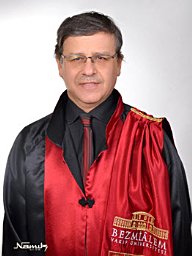 Akin Iscan合作论文数Faculty of Medicine, Dokuz Eylül University4Erdoğan Duran合作论文数3Sacit Coban合作论文数3H. Sezen合作论文数3
 Hasan Ulusal合作论文数Faculty of Medicine, University3
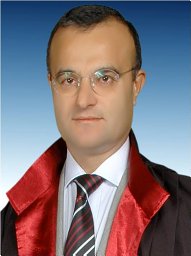 Cemil Erturk合作论文数University of Health Sciences, Kanuni Sultan Süleyman Training and Research Hospital3Pehlivan Başak Sare合作论文数3
 Sibel Turedi合作论文数Faculty of Medicine, Karadeniz Technical University3Gozeneli Orhan合作论文数School of Medicine, Harran University3Altıparmak İbrahim Halil合作论文数Department of Cardiology, Harran University Faculty of Medicine3
 Evren Buyukfirat合作论文数Faculty of Medicine, Harran Univercity3




