Urbanization has altered biodiversity by sieving out species based on their ecological and behavioral characteristics along rural-urban gradients. This study has investigated the life-history, behavioral, and phenotypic characteristics that define whether birds are urban exploiters, adapters, or avoiders in Gujranwala in Pakistan. Point-count surveys were conducted at thirty-five sites: urban (n = 14), peri-urban (n = 15), and rural (n = 6) and species traits were summed based on the field observations and literature. Out of the 30 species that were recorded four were exploiters, 14 adapters and 12 avoiders. Species richness declines and abundance increases progressively from rural to urban areas (P < 0.05).The composition of the diet changed significantly across the urbanization gradient: omnivores dominated urban locations with 86% of the species related to human-made food; carnivores/insectivores were more abundant in the peri-urban environments; and granivores occupied the rural habitats. The nest generalism was also very diverse: open nest on tree or bush was used by 57% of the species, on building by 21% and cavity by 21%, 79% of which used anthropogenic materials. The cumulative impact scores revealed that only four species had a strong ecological impact in the urban setting (>65) with 15 species having moderate impact and 11 species having low impact (<40).Principal Component Analysis predicted 69.1% of cumulative trait variation, as PC1 was related to urban tolerance, PC2 to morphology and nesting type and PC3 to abundance. Altogether, the supremacy of several species in the urban environment is indicative of multi-trait combination, the urban tolerance, sociality, trophic flexibility, and nest generalism, and avoiders decrease because of disturbance sensitivity. These results reveal that sub-natural environments should be integrated into the growing cities to support the diversity of birds.
Post-harvest losses caused by insect pests pose a significant challenge to global food security and the economic sustainability of stored grains. This study aims to improve the effectiveness of Lawsonia inermis (henna) essential oil as a renewable and eco-friendly alternative to synthetic insecticides for controlling Rhyzopertha dominica. The essential oil was extracted by hydrodistillation and analyzed using gas chromatography-mass spectrometry (GC-MS), which identified major constituents such as 2-Hydroxy-1,4-naphthoquinone (lawsone), limonene, 1,8-cineole, 1,2,3-benzenetriol, linalool, and alpha-pinene. Three nanoemulsion formulations with surfactant-to-oil ratios (SORs) of 2:1, 2.5:1, and 3:1 were prepared and assessed for insecticidal activity and physical stability. The formulation with SOR 2.5:1 exhibited the highest toxicity and stability; under optimal sonication (20 min), it had a mean droplet size of 118.2 nm, polydispersity index (PDI) of 0.19, and zeta potential of -27.1 mV. The nanoemulsion significantly enhanced insecticidal activity compared to the bulk oil and pirimiphos-methyl, achieving a fumigant LC50 of 48.8 mu l l-1 air (bulk oil: 90.5 mu l l-1 air; pirimiphos-methyl: 108.6 mu l l-1 air) and a contact LC50 of 0.30 mu l cm-2 (bulk oil: 1.30 mu l cm-2; pirimiphos-methyl: 0.85 mu l cm-2). It also achieved 100% repellency at a concentration of 0.3 mu l cm-2. These findings demonstrate that L. inermis essential oil nanoemulsion is a potent and sustainable alternative for controlling R. dominica.
Urbanization transforms ecosystems by affecting biodiversity and reducing environmental variability. To assess these changes, the normalized difference vegetation index (NDVI) is commonly used as a vegetation metric to examine habitat quality and its relationship with species richness in urban habitat. This study evaluated the usefulness of NDVI in predicting temporal and seasonal shift in avian communities by examining species richness, composition, and diversity across urban (UR), peri-urban (PE), and rural (RU) habitats using PCA ordination. Bird surveys were conducted once per month throughout the study period across the urbanization gradient during both breeding and non-breeding seasons. Seasonal and annual NDVI values were calculated, and regression analysis (as data were normally distributed) used to test the relationship between NDVI patterns and avian diversity. Urban areas exhibited lower annual NDVI values but smaller seasonal changes, whereas rural sites showed higher NDVI values with greater seasonal fluctuations. Seasonal variations of NDVI were marked by lower values in urban areas (UR) during both seasons (mean seasonal variation = 0.32) and higher seasonal fluctuations in rural areas (RU) (mean seasonal variation = 0.18). Urban sampling sites with high vegetation cover (mean NDVI = 0.68) exhibited higher NDVI values and the lowest seasonal variation in both seasons. Bird richness displayed a significant positive regression with an increase in mean NDVI during breeding (y = 5.1 + 22.32*x, p < 0.01) and non-breeding seasons (y = 3.0 + 21.65*x, p < 0.01). However, species richness showed a negative association with seasonal NDVI during both the breeding (y = 19.2 + −108.01*x, p < 0.01) and non-breeding seasons (y = 21.1 + −122.31*x, p < 0.01). The findings indicate that urban areas (UR) have higher seasonal stability of avian fauna than in rural areas (RU), with urban areas showing a more homogenized seasonal pattern. The study suggests that urbanization alters habitat structure, resulting in reduced seasonal dynamics and primary productivity, ultimately leading to more stable but less diverse avian communities in urban environments. These results underscore the importance of maintaining vegetation cover in urban areas and conserving rural zones to preserve avian biodiversity.
Rhyzopertha dominica (F.) is a major global pest of stored grains. Traditional crop protection relies on synthetic insecticides, but concerns about environmental damage and resistance drive interest in eco-friendly alternatives, particularly essential oils (EOs). In this study, GC/MS analysis showed E. rudis leaf EO was rich in 1,8-cineole and aromadendrene, while E. microtheca leaf EO primarily consisted of 1,8-cineole and alpha-eudesmol. Nanoemulsions (NEs) were formulated with varying surfactant-to-oil ratios (SORs) and sonication times. Dynamic Light Scattering analysis revealed that NEs with a 2.5:1 SOR and 20 min of sonication exhibited optimal zeta potential, small droplet size, and high stability. These NEs showed superior contact and fumigation toxicity compared to their EOs, and repellency nearly equivalent to synthetic insecticide. Stability assessments confirmed that NEs retained their physiological properties during four weeks of storage. These findings highlight the potential of EO-derived NEs as eco-friendly, effective alternatives to synthetic pesticides for grain storage protection.
Urban expansion globally has altered biodiversity by transforming urban habitats, leading to habitat loss and changes in ecological systems. Black kites (Milvus migrans) are adaptable raptors across diverse landscapes, from natural to highly urbanized areas. This study focuses on Gujranwala City, Pakistan, a unique habitat offering insights into black kite ecology along an urban gradient. The research assesses seasonal abundance, temperature and humidity impacts, behavioral activities, and habitat preferences of black kites. Results show higher abundance in urban areas, influenced by environmental factors and food availability from anthropogenic sources. Black kites exhibit time-dependent associations with temperature and humidity, especially before sunset. Additionally, a significant correlation is observed between black kite abundance and solid waste components, particularly food and plastic waste, in the urban area. These findings contribute to understanding urban ecology, highlighting the adaptability of black kites to human-modified environments and the potential implications for conservation and management strategies. (c) 2024 National Science Museum of Korea (NSMK) and Korea National Arboretum (KNA), Publishing Services by Elsevier. This is an open access article under the CC BY-NC-ND license (http:// creativecommons.org/licenses/by-nc-nd/4.0/).
In this work, essential oils extracted from roots and aerial parts of Inula graveolens by hydrodistillation and their fractions obtained by chromatographic simplification were first investigated for their chemical composition by GC/MS and then evaluated for the first time for their repellency and contact toxicity properties against Tribolium castaneumadults. Twenty-eight compounds were identified in roots essential oil (REO), which accounted for 97.9 % of the total oil composition, with modhephen-8-beta-ol (24.7 %), cis-arteannuic alcohol (14.8 %), neryl isovalerate (10.6 %) and thymol isobutyrate (8.5 %) as major constituents. Twenty-two compounds were found in the essential oil from aerial parts (APEO), which accounted for 93.9 % of the total oil, with borneol (28.8 %), caryophylla-4(14),8(15)-dien-6-ol (11.5 %), caryophyllene oxide (10.9 %), tau-cadinol (10.5 %) and bornyl acetate (9.4 %) as main compounds.REO and APEO displayed stronger repellency after 2 h of exposure (80.0 and 90.0 %, respectively) against T. castaneum at the concentration of 0.12 mu L/cm(2) . After fractionation, fractions R-4 and R-5 exhibited greater effects (83.3 % and 93.3 %, respectively) than the roots essential oil. Furthermore, the fractions AP(2) and AP(3) showed higher repellency (93.3 and 96.6 %, respectively) than the aerial parts oil. The LD50 values of oils from roots and aerial parts topically applied were 7.44 % and 4.88 %, respectively. Results from contact toxicity assay showed that fraction R-4 was more effective than the roots oil with LD50 value of 6.65 %. These results suggests that essential oils of roots and aerial parts from I. graveolens may be explored as potential natural repellent and contact insecticides against T. castaneum in stored products.
Orb web spiders are common and highly diversified animals found in almost all habitats. They have remarkable plasticity against biotic and abiotic factors, making them excellent indicators of environmental health. The web creation behavior of spiders is influenced by disturbances in the environment. The aim of this research was to observe the alteration in the web-building behavior of Neoscona vigilans caused by human activities, specifically traffic disturbances. Spider webs were located and photographed at nighttime along the roadside, and their web characteristics were calculated. Spiders were captured from webs for their body measurements. Spider fourth leg length, carapace width, and body length had a significant association with web size and diameter, CTL, capture area, and mesh size. The quantity of trapped prey, the height of the plant, and the foliage radius increased with the distance from the road. Conversely, anchor points and web elevation from the ground dropped. The highest and lowest proportions of anomalies (modifications/defects) were recorded as holes (52.7%) in 105 webs (100%) and supernumerary (0.7%) in 55 webs (52.4%), respectively. Road disturbance had a negative influence on the spider’s behavior as the webs formed in close proximity to the road had a higher frequency of anomalies, with a gradual decrease distantly. We can gain further insight into how different environmental changes, disruptions, and pollutants lead to this imperfection in the otherwise flawless perfect structure of spider webs.
In this study, we assessed the effect of zinc (Zn) when present in form of zinc chloride (ZnCl2) on translocation and accumulation of cadmium (Cd) in different parts of wheat plants (Triticum aestivum). Along with that, health risks to organisms of higher trophic levels (cows and humans) that consume these polluted wheat plants were also calculated. For the experiments, the soil was spiked with CdCl2 at rate of 3, 6, 12, 24, and 48 mg Cd kg(-1) soil and ZnCl2 at a rate of 50, 100, 200, and 300 mg Zn kg(-1) soil. In the combination treatment, all Cd concentrations used in single exposure were mixed in the soil that spiked with 200 mg kg(-1) of Zn. According to the data, concentration of Zn and Cd in all parts of wheat plants increase with the increase of their concentration in the soil. However, soil application of Zn reduced Cd concentration in all parts of wheat plants (approximately two-fold in root and shoot, and more than 13-fold in the grains). The highest bioaccumulation of both metals was recorded in the roots and least in grains and leaves. The translocation factor also showed that roots store most of the metals and did not translocate them to the grains. The data showed that Zn application in the soil did not decrease ecological risk factor. However, daily intake metal (DIM) and health risk index (HRI) of cows showed that the Cd intake was higher than the permissible limit, but this quantity was not a health risk for cows. In humans, DIM values were higher than the permissible limit and caused severe health risk. However, a two-fold decrease in health risk of human due to Cd was recorded in the presence of Zn. This study revealed that ZnCl2 can be used to suppress the Cd uptake in wheat even at high pollution levels. It may decrease the risk of toxicity to higher tropic levels that consume different parts of wheat plants. In future further investigation about the role of ZnCl2 in the mitigation of other metals phytotoxicity is required to use it in agroecosystem.
The genus Haplodrassus Chamberlin, 1922 is reported for the first time from Pakistan. The new species Haplodrassus nagri sp. n. is described and illustrated from Dir Lower.
The evolution of methods for keeping wild animals in captivity can be traced back many centuries. The desire to keep animals in captivity for recreational purposes led to the development of several zoological parks after man adopted a more settled way of life. These zoos, aquariums, and other animal sanctuaries must now serve a more serious purpose, one that goes beyond entertainment. Around 700 million people visit zoos and aquariums each year, as reported by WAZA (World Association of Zoos and Aquariums). True zoos and aquariums provide special opportunities for local communities to get involved in protecting wildlife. In addition, zoological parks are widely acknowledged for the invaluable contributions they make to conservation and scientific study by means of the animals and plants in their living collections. This research was devised to evaluate the conservation and educational impact of the Lahore Zoological Gardens, the Bahawalpur Zoological Gardens, and the Marghazar Zoological Gardens. In general, the results showed that the Lahore Zoo was the best of the selected zoos. However, for a variety of reasons (including a lack of a zoo animal keeper training programme, poor record keeping, inbreeding, inadequate housing, inadequate veterinary care, an inadequate animal collection plan, the absence of an on-site animal nutritionist, and a lack of or improper public education and awareness programming), the Lahore Zoo did not meet WAZA standards so far.
Orb-weaving spiders belonging to the family Araneidae and Nephilidae were reported from the Margalla Hills National Park, Islamabad, Pakistan. The data included five genera: Cyrtophora Simon, Eriovixia Archer, GeaC. L. Koch, Neoscona Simon and Nephila Leach represented by a total of seven species: Cyrtophoracitricola (Forsskål), Eriovixiaexcelsa (Simon), Geaspinipes C.L. Koch, NeosconamukerjeiTikader, Neosconatheisi (Walckenaer),Neosconavigilans (Blackwall) and Nephilapilipes (Fabricius). Morphologicalvariation in the female of N. mukerjei was reported accompanied first time with color photographs. Also included were ecological notes on N. pilipes addingobservations on reproductive behavior, morphology and phenology of this importantspecies.
Abstract Present study was carried out to investigate the variation in web architecture of Larinia chloris (Audouin 1826) in relation to seasonal differences and the biotic factors of the environment. In addition, relative abundance, behavior, and predatory potential of L. chloris were also recorded. For this purpose, 100 orb-webs of L. chloris were observed in rice fields (August–October, 2022) from 3 districts of Punjab (Lahore, Sheikhupura, and Kasur). Percent abundance of L. chloriswas found to be highest in rice fields from Barki road, Lahore (39.53%). All the webs of L. chloris were vertical at height equal to the height of vegetation (115.2 ± 9.7 cm). Time required to complete the web was 45 ± 5 min. There was positive correlation between web architecture and vegetation height. Web capture area and average mesh height of L. chloris also showed positive correlation with carapace length. There was a significant difference in various web parameters (number of spirals, number of radii, capture area, average mesh height, upper radii, lower radii, left radii, and right radii) among different trapping months. A total of 1,326 insects were recorded from the 100 webs of L. chloris. The prey abundance was found to be highest in the fields from Barki Road, Lahore. The majority of the prey collected from webs of L. chloris belonged to order Diptera, Hemiptera, Coleoptera, and Lepidoptera. However, prey items recorded during different growth stages (from vegetative to ripening) varied significantly. This is the first ever report describing the ecology of L. chloris in rice fields from Punjab, Pakistan.
Awareness of ethical values between humans and animals is gaining significant attention in recent years. It is reflecting society's attitude towards animals. This survey-based research aimed to assess the ethical awareness among students and delve into the intricate web of relationships between humans and animals. The study examined the extent to which students were familiar to ethical issues related to animal welfare. This survey study designed with the students from various academic disciplines, age groups, and backgrounds. A mixed-methods approach was used to explore student’s awareness, attitudes, and experiences concerning animals. The survey reveal the multifaceted nature of ethical awareness among students and it uncovers various factors influencing students' ethical behaviors towards animals, including cultural and societal norms, personal experiences, and educational exposure. It was concluded that the survey provides valuable insights into the ethical awareness among students concerning the relationship between humans and animals. It emphasized the need for comprehensive educational programs that not only inform students about animal ethics but also encourage empathy, compassion, and responsible stewardship
Heavy metals are known to modulate the life history traits of spider species. This study aimed to explore the divergence in life-history traits, including survival, growth, development, and reproduction, in Pardosa birmanica and Lycosa terrestris housed on artificial soil or fed artificial food containing10mM of CuSO4 and10mM of PbCl2 either separately or in a binary mixture(i.e., 10 mM CuSO4 + 10 mM PbCl2) from 4thto 8th instars under lab-oratory conditions. The results revealed that all metals treatments caused developmental delays, and reduced growth rate. Metals treated females laid lower number of eggs with high hatching success but prolonged hatching time. The co-exposure of metals had great potential to affect the life-history traits of spiders than did Cu or Pb alone, specially by dietary uptake. This study demonstrated that the lifehistory traits of spider's species provided sensitive endpoints and biomarkers for ecotoxicological risk assessments. Spiders are beneficial sentinel species and bioindicators because they help us monitor the risk to the organisms themselves and the ecosystem.
Biomonitoring studies focus on the component of biodiversity, its natural habitats, and species populations which display the ongoing variations in ecosystem and landscape. Physicochemical parameters are important water quality parameters of river water i.e., pH, temperature, turbidity, conductivity, total dissolved solids, total suspended solids, total alkalinity, sulfate, nitrate, heavy metals, and phosphate. This chapter focuses on assessing water quality through Physicochemical Parameters and Aquatic Insects Diversity. The case study investigated the effect of pollutants produced by the human dwelling, agricultural and industrial activities on aquatic invertebrate communities of water of part of Soan River, Pakistan. Four sites were selected based on variation in microhabitat accessibility to examine the pollution in water. Samples were collected from these sites during spring, 2015. Water samples for physio-chemical analysis and macroinvertebrates were collected from all sites. Results showed that conductivity, dissolved oxygen, sodium, and cadmium at all sites were higher than the drinking water quality of WHO standards while potassium, chromium, and manganese were higher in concentration at most downstream sites. However, all other studied parameters were within recommended range of WHO standards. A total of 412 individuals of aquatic insects were collected from the studied sites, belonged to 6 orders and they were the most abundant in April. Total abundance was used to estimate the quality of water at the sites. Most biotic indexes showed that water was of good quality at upstream stations rather than downstream stations, while water quality index (WQI) showed fair water quality at downstream sites. This study showed that aquatic insects could be useful as bioindicators for biomonitoring of water quality along with physiochemical parameters.
Feather wastes-byproduct of commercial poultry processing plant is produced in large amounts. Keratinolytic enzymes produced by feather degrading bacteria can easily degrade these waste products releasing pure keratin as a residue. The aim of present study was to isolate, and characterize feather degrading bacteria as well as assess the keratinolytic potential of purified enzyme. Three feather degrading bacteria (dps3, wps1 and dcs1) were isolated from feathers of domestic chickens. Preliminary characterization of isolated bacteria revealed these isolates belonging to genus Bacillus. 16S rRNA gene sequencing identified the isolates as B. subtilis dps3 (MW255302), B. cereus wps1 (MW255303) and B. licheniformis dcs1 (MW255304). Cell free supernatant of B. licheniformis dcs1 degraded feathers completely in 14 days indicating its keratinolytic ability. Purification of keratinase enzyme from B. licheniformis dcs1 was performed using column chromatography. SDS-PAGE indicated its molecular weight as 32 KDa. Kerotinolytice activity was maximum at optimum pH of 7 and 45℃ temperature. Enzyme showed the potential to degrade keratin material such as hairs and nails of humans. Findings of current study suggested that purified enzyme possess potential to upgrade nutritional quality of poultry waste containing keratin and might play as important biotechnological tool for keratin hydrolysis.
Humoral practice is a fundamental natural biological phenomenon in earthworm defensive system which protects them from infectious bacteria and irritating agents by different mechanisms. The defensive system of earthworms is highly complicated because they lack antibodies in their blood circulatory system but their body extracts and coelomic fluid comprise of different bioactive agents (i.e. peptides and proteins) that defend these worms. There are various groups of bioactive agents such as proteases (name depends on proteins/peptide function or formal earthworm species name), metabolites (total 59 metabolites found in Eisenia fetida), metal binding proteins (2 proteins such as Ca2+ binding calmodulin and metallothionein), active proteins (include lysozyme, lysenin and eiseniapore etc.), antimicrobial peptides (antibacterial vermi-peptides family (AVPF), antimicrobial peptide I (PP-I), coelomic cytolytic factor (CCF, CCF-I and CCF like protein), fetidin, lysenin, lumbricin (lumbricin I, lumbricin PG, and lumbricusin), organic acids (fatty acids, succinic acids, and lauric acid) and other organic compounds (such as purine and vitamin D). The presence of above mentioned molecules confer therapeutic potential that affect energy intake and involve in decreasing oxidative stress, metabolic disturbances and pro-inflammatory conditions. The future perspectives of earthworm bioactive compounds are concerned with the development of provisional standards, purification and classification for utilizations in pharma industry.
Spiders are group of organisms that belongs to phylum Arthropoda and order Araneae. Spiders are diverse group of 120 families belonging to class arachnids. They also have diverse habitats. Some are found throughout the years while some are seasonal. Between March 2018 and January 2020, Researchers in Pakistan's Swat KPK District examined the spider fauna first. There were about 5000 examples of 44 species from 29 families and 15 groups gathered. These families are represented in the study area: Araneidae had four species; Clubionidae had three; Corinnidae had one; Hersilidae had three; Oxyopidae had four, and Pisaurids had just one. The Trochanteriids had merely one organism in the study area, and the Trochamteriidae family had one specie. Salticidae and sparassidae were the two most influential families in the region. The research region has never before yielded any information on any species. This study will provide a base for further study as spiders of the area is unexplored very well.
In this study, we evaluated the single and joint toxicities of insecticide imidacloprid (commercial formulation and technical grade) and heavy metal lead (Pb) against 2nd, 3rd, 4th and 5th instars of silkworm. For treatment, leaf-dipping method was used and toxicity calculated after 48h exposure to the treatment. Both chemicals showed high toxicity against all instars of silkworm. However, results indicated that imidacloprid was more toxic for silkworm larvae compared to lead. The acute toxicity of imidacloprid formulation (IMF), imidacloprid technical grade (IMT) and Pb showed positive correlation with the concentration and negative with the age of larvae. From second to fifth instars, LC50 values of IMF ranges from 0.72 to 2.96, IMT from 0.86 to 2.75 and Pb from 1.93 to 6.88 mg/L. The toxicity of binary mixture of IMF + Pb showed synergism against all instars of silkworm. While, binary mixture of IMT + Pb displayed synergism, additive, and antagonism and antagonism activity in silkworm larvae in silkworm larvae. The results of our study provide useful data for the assessment of ecological risk of the tested compounds (single or mixture) against different silkworm instars.
 Muhammad Tahir合作论文数28
 Shafaat Yar Khan合作论文数Department of Biological Sciences, University of Sargodha12
 Muhammad Khalid Mukhtar合作论文数Department of Biological Sciences, University of Sargodha7
 Pir Asmat Ali合作论文数Dept Zool, Women Univ5
 Nida Aziz合作论文数School of Veterinary Medicine and Science, University of Nottingham5
 Muhammad Xaaceph合作论文数Virtual University of Pakistan5
 Wayne Maddison合作论文数Graduate Program in Bioinformatics, Faculty of Science, The University of British Columbia5Sher Muhammad Sherawat合作论文数5
 Sajida Naseem合作论文数Department of Chemistry, University of Karachi5
 Muhammad Bilal合作论文数4imtiaz alam合作论文数4
 Rabia Yaqoob合作论文数Department of Zoology, University of Education Lahore4
 Abdul Qadir合作论文数College of Earth & Environmental Sciences, University of the Punjab4
 Muhammad Ahsan合作论文数Dept Plant Breeding & Genet, Univ Agr Faisalabad4Habib Ali合作论文数3
 Azhar Abbas Khan合作论文数Department of Agricultural Entomology, University of Sargodha3
 Muhammad Arshad合作论文数Northern Alberta Institute of Technology3kinza zafar合作论文数2rabia mishal合作论文数2Saima Siddique合作论文数2
 Hany Elsheikha合作论文数School of Veterinary Medicine and Science, Faculty of Medicine and Health Sciences, The University of Nottingham2
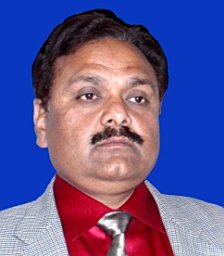 Khawaja Ahmad合作论文数2
 Muhammad Muzamal Ashfaq合作论文数Department of Agricultural;University of Agriculture;Department of Agricultural, University of Agriculture2
 Iram Liaqat合作论文数University of the Punjab Department of Microbiology and Molecular Genetics, Quaid-e-Azam Campus2
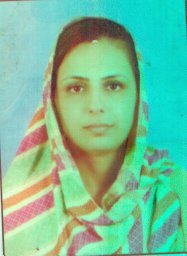 Nageen Hussain合作论文数University of The Punjab2Muhammad Farooq Bhatti合作论文数1Nauman Aftab合作论文数1shakil ahmad khan合作论文数1Khanum Zahra合作论文数1Ilyas Raza合作论文数1m u j a sundhu合作论文数1w a gulzar合作论文数1Sadiah Saleem合作论文数1Amera Ramzan合作论文数1Samreen Akhtar合作论文数1Ayesha Aihetasham合作论文数1Bushra Khan合作论文数1Kanwal Rehman合作论文数1
 Shahid Mukhtar合作论文数1Shakir Ali合作论文数1Kishwar Naheed Abid Hussain合作论文数1Sozaina Khan合作论文数1
 Muhammad Sohaib Akram合作论文数1
 Muhammad Riaz合作论文数1
 Muhammad Sajid合作论文数1Aisha Sultan合作论文数1Hina Nazli合作论文数1
 Mudassir Shah合作论文数1Rida Ahmad合作论文数1




