PDF file - 46K, Results of the NKp46 demethylation assay performed on HNSCC patient bloods stratified by date of blood draw relative to treatment
PDF file, 437KB, Supplementary Table 1: Characteristics of the leukocyte subtype study population.Supplementary Table 2: Characteristics of the study population in the HNSCC data set. Supplementary Table 3: Characteristics of the study population in the Bladder cancer data set. Supplementary Table 4: The top 50 differentially methylated regions (DMRs) among the leukocyte subtypes (false discovery rate q-values < 0.001 for all). Supplementary Figure 1: Diagram illustrating Semi-Supervised Recursively Partitioned Mixture Models (SS-RPMM). Supplementary Figure 2: Diagram representing the analytic workflow the HNSCC data set. Supplementary Figure 3: Diagrams representing the analytic workflow the ovarian cancer data set. Supplementary Figure 4: Diagrams representing the analytic workflow the bladder cancer data set. Supplementary Figure 5: Results from the SS-RPMM analysis of the Ovarian cancer data set.
Importance:New treatments are needed to improve the prognosis of patients with recurrent high-grade glioma.Objective:To compare overall survival for patients receiving tumor resection followed by vocimagene amiretrorepvec (Toca 511) with flucytosine (Toca FC) vs standard of care (SOC).Design, Setting, and Participants:A randomized, open-label phase 2/3 trial (TOCA 5) in 58 centers in the US, Canada, Israel, and South Korea, comparing posttumor resection treatment with Toca 511 followed by Toca FC vs a defined single choice of approved (SOC) therapies was conducted from November 30, 2015, to December 20, 2019. Patients received tumor resection for first or second recurrence of glioblastoma or anaplastic astrocytoma.Interventions:Patients were randomized 1:1 to receive Toca 511/FC (n = 201) or SOC control (n = 202). For the Toca 511/FC group, patients received Toca 511 injected into the resection cavity wall at the time of surgery, followed by cycles of oral Toca FC 6 weeks after surgery. For the SOC control group, patients received investigators' choice of single therapy: lomustine, temozolomide, or bevacizumab.Main Outcomes and Measures:The primary outcome was overall survival (OS) in time from randomization date to death due to any cause. Secondary outcomes reported in this study included safety, durable response rate (DRR), duration of DRR, durable clinical benefit rate, OS and DRR by IDH1 variant status, and 12-month OS.Results:All 403 randomized patients (median [SD] age: 56 [11.46] years; 62.5% [252] men) were included in the efficacy analysis, and 400 patients were included in the safety analysis (3 patients on the SOC group did not receive resection). Final analysis included 271 deaths (141 deaths in the Toca 511/FC group and 130 deaths in the SOC control group). The median follow-up was 22.8 months. The median OS was 11.10 months for the Toca 511/FC group and 12.22 months for the control group (hazard ratio, 1.06; 95% CI 0.83, 1.35; P = .62). The secondary end points did not demonstrate statistically significant differences. The rates of adverse events were similar in the Toca 511/FC group and the SOC control group.Conclusions and Relevance:Among patients who underwent tumor resection for first or second recurrence of glioblastoma or anaplastic astrocytoma, administration of Toca 511 and Toca FC, compared with SOC, did not improve overall survival or other efficacy end points.Trial Registration:ClinicalTrials.gov Identifier: NCT02414165.
AbstractPurpose: High-grade gliomas (HGGs) are central nervous system tumors with poor prognoses and limited treatment options. Vocimagene amiretrorepvec (Toca 511) is a retroviral replicating vector encoding cytosine deaminase, which converts extended release 5-fluorocytosine (Toca FC) into the anticancer agent, 5-fluorouracil. According to preclinical studies, this therapy kills cancer cells and immunosuppressive myeloid cells in the tumor microenvironment, leading to T-cell–mediated antitumor immune activity. Therefore, we sought to elucidate this immune-related mechanism of action in humans, and to investigate potential molecular and immunologic indicators of clinical benefit from therapy. Patients and Methods: In a phase I clinical trial (NCT01470794), patients with recurrent HGG treated with Toca 511 and Toca FC showed improved survival relative to historical controls, and some had durable complete responses to therapy. As a part of this trial, we performed whole-exome DNA sequencing, RNA-sequencing, and multiplex digital ELISA measurements on tumor and blood samples. Results: Genetic analyses suggest mutations, copy-number variations, and neoantigens are linked to survival. Quantities of tumor immune infiltrates estimated by transcript abundance may potentially predict clinical outcomes. Peak values of cytokines in peripheral blood samples collected during and after therapy could indicate response. Conclusions: These results support an immune-related mechanism of action for Toca 511 and Toca FC, and suggest that molecular and immunologic signatures are related to clinical benefit from treatment.
186 Background: Toca 511 (vocimagene amiretrorepvec) is a cancer-selective, retroviral replicating vector encoding yeast cytosine deaminase that converts 5-fluorocytosine (5-FC) into 5-fluorouracil in the tumor microenvironment (TME). In animal models, Toca 511 and 5-FC kill dividing cancer and nearby immunosuppressive cells, leading to antitumor immune activity. A Phase 1 study of Toca 511 & Toca FC (extended-release 5-FC) in patients with recurrent high grade glioma revealed results consistent with this proposed mechanism. A Phase 3 trial is ongoing. Methods: Toca 6 (NCT02576665) is a Phase 1b, single-arm, multicenter study designed to investigate immunological changes after Toca 511 & Toca FC treatment in patients with advanced solid tumors, including colorectal cancer (CRC). Patients received intravenous (IV) Toca 511 for 3 days, and underwent biopsy of metastatic tumor before and ~ 4 weeks after starting oral Toca FC. Toca FC was repeated every 4-6 weeks. Peripheral blood mononuclear cells and tumor biopsies were evaluated for treatment related immune responses. Results: 17 CRC patients with a median 5 lines of prior chemotherapy were enrolled. At last data cut-off, 9 patients were alive and the median overall survival was 9.4 months. A patient receiving concomitant panitumumab had a partial response. IV Toca 511 led to viral expression in tumor, which decreased post-Toca FC while maintaining a reservoir of virus in the remaining tumor. T cells shifted from naïve to effector phenotypes, CD4 memory T cells expanded, and/or B cells increased after Toca FC treatment in 36% of patients. Marked changes in tumor infiltrating cells (CD11b myeloid cells, Tregs, exhausted T cells and CD8 T cells) occurred after Toca FC treatment. Treatment has been generally well tolerated. We also plan to report insights gained from RNA analysis of TME and update on clinical finding. Conclusions: Clinical data suggest a signal of activity in these heavily pretreated CRC patients warranting further exploration. IV Toca 511 administration showed viral infection of CRC metastatic tumor. Toca 511 & Toca FC may be associated with T cell mediated immune activity in peripheral blood and metastatic tumor, consistent with pre-clinical data in multiple tumor types. Clinical trial information: NCT02576665.
Immune checkpoint inhibitors (CPIs) are associated with a number of immune-related adverse events and low response rates. We provide preclinical evidence for use of a retroviral replicating vector (RRV) selective to cancer cells, to deliver CPI agents that may circumvent such issues and increase efficacy. An RRV, RRV-scFv-PDL1, encoding a secreted single chain variable fragment targeting PD-L1 can effectively compete with PD-1 for PD-L1 occupancy. Cell binding assays showed trans-binding activity on 100% of cells in culture when infection was limited to 5% RRV-scFv-PDL1 infected tumor cells. Further, the ability of scFv PD-L1 to rescue PD-1/PD-L1 mediated immune suppression was demonstrated in a co-culture system consisting of human-derived immune cells and further demonstrated in several syngeneic mouse models including an intracranial tumor model. These tumor models showed that tumors infected with RRV-scFv-PD-L1 conferred robust and durable immune-mediated anti-tumor activity comparable or superior to systemically administered anti-PD-1 or anti PD-L1 monoclonal antibodies. Importantly, the nominal level of scFv-PD-L1 detected in serum is ∼50–150 fold less than reported for systemically administered therapeutic antibodies targeting immune checkpoints. These results support the concept that RRV-scFv-PDL1 CPI strategy may provide an improved safety and efficacy profile compared to systemic monoclonal antibodies of currently approved therapies.
BackgroundVocimagene amiretrorepvec (Toca 511) is an investigational gamma-retroviral replicating vector encoding cytosine deaminase that, when used in combination with extended-release 5-fluorocytosine (Toca FC), results preclinically in local production of 5-fluorouracil, depletion of immune-suppressive myeloid cells, and subsequent induction of antitumor immunity. Recurrent high-grade glioma (rHGG) patients have a high unmet need for effective therapies that produce durable responses lasting more than 6 months. In this setting, relapse is nearly universal and most responses are transient.MethodsIn this Toca 511 ascending-dose phase I trial (NCT01470794), HGG patients who recurred after standard of care underwent surgical resection and received Toca 511 injected into the resection cavity wall, followed by orally administered cycles of Toca FC.ResultsAmong 56 patients, durable complete responses were observed. A subgroup was identified based on Toca 511 dose and entry requirements for the follow-up phase III study. In this subgroup, which included both isocitrate dehydrogenase 1 (IDH1) mutant and wild-type tumors, the durable response rate is 21.7%. Median duration of follow-up for responders is 35.7+ months. As of August 25, 2017, all responders remain in response and are alive 33.9+ to 52.2+ months after Toca 511 administration, suggesting a positive association of durable response with overall survival.ConclusionsMultiyear durable responses have been observed in rHGG patients treated with Toca 511 + Toca FC in a phase I trial, and the treatment will be further evaluated in a randomized phase III trial. Among IDH1 mutant patients treated at first recurrence, there may be an enrichment of complete responders.
Abstract Toca 511 (vocimagene amiretrorepvec), in combination with Toca FC (5-FC; flucytosine extended-release tablets), is an investigational combination product currently under development for the treatment of high-grade glioma (HGG) and other solid tumors. Toca 511 is a gamma-retroviral replicating vector (RRV) delivering a cytosine deaminase transgene to infected cells to convert antifungal drug 5-fluorocytosine (5-FC) into antineoplastic drug 5-fluorouracil (5-FU). Toca 511 can be administered by multiple routes; selectively infects, spreads, and persists in cancer cells; and through multiple mechanisms of action can elicit an antitumor immune response. Treatment directly kills infected cancer cells. Diffusible 5-FU also kills neighboring susceptible cells that contribute to the immune-suppressed tumor microenvironment, especially myeloid immune suppressor cells. After multiple cycles of 5-FC, treated animals that clear tumor are resistant to tumor rechallenge. Adoptive transfer recipients of splenocytes from animals that previously cleared their tumor through treatment with Toca 511 and 5-FC experience a significant survival benefit compared to animals receiving spleen cells from naïve donors. Toca 511 and Toca FC have been administered to 126 recurrent high-grade glioma (rHGG) patients in three phase I studies (NCT01156584, NCT01470794, NCT01985256), and a phase 2/3 trial (Toca 5) is ongoing (NCT02414165). Toca 511 plus Toca FC has been well tolerated in these patients. In the clinical study presented, Toca 511 is injected into resection cavity walls at time of tumor resection, and followed with multiple courses of Toca FC. In a subset of phase I patients that mimic the phase 2/3 rHGG enrollment criteria, there were 3 complete responses and 2 partial responses out of 24 patients observed. The median duration of response is 26.7 months. These responders have an overall survival range from 24.0+ to 42.6+ months and ongoing. Data are consistent with induction of antitumor immune responses after Toca FC administration. Changes in peripheral immune populations as well as interrogation of immunogenic biomarkers in responding compared to nonresponding patients will be presented. Citation Format: Tiffany T. Montellano, Derek Ostertag, Daniel J. Hogan, Oscar R. Diago, Dawn Gammon, Ali Haghighi, William Accomando, Leah Mitchell, Asha Das, Harry Gruber, Douglas J. Jolly. Antitumor cellular immune response elicited by Toca 511 and Toca FC therapy in preclinical and clinical studies [abstract]. In: Proceedings of the AACR-NCI-EORTC International Conference: Molecular Targets and Cancer Therapeutics; 2017 Oct 26-30; Philadelphia, PA. Philadelphia (PA): AACR; Mol Cancer Ther 2018;17(1 Suppl):Abstract nr B010.
Objective: To assess safety, tolerability, and efficacy of Toca 511 and Toca FC in patients with recurrent high grade glioma (rHGG). Background: Toca 511 (vocimagene amiretrorepvec) is an investigational retroviral replicating vector that selectively infects dividing cancer cells, integrates into the genome and replicates due to immune defects in tumors. Toca 511 spreads through tumors and stably delivers the gene encoding an optimized yeast cytosine deaminase that converts the prodrug Toca FC (an investigational, extended-release formulation of 5-fluorocytosine) into 5-fluorouracil. 5-fluorouracil kills infected and nearby cancer cells, myeloid derived suppressor cells and tumor associated macrophages, enabling immune activity against the tumor. Design/Methods: In this dose ascending Ph1 trial (NCT01470794), Toca 511 was injected into the resection cavity wall of patients with rHGG, followed by courses of oral Toca FC. Additional cohorts included investigational therapy with bevacizumab or lomustine. Results: Objective responses (ORs) were assessed by independent radiology review using MRI images prior to Toca FC treatment as baseline. ORs occurred 6–19 months after Toca 511 administration, suggesting an immunologic mechanism. The ORs were observed in 4 patients with IDH1 wildtype and 2 with IDH1 mutant tumors, including 5 complete responses (CRs) with the investigational therapy, and 1 CR with the investigational therapy and bevacizumab. The median duration of response (mDoR) was 35.1+ months. Excluding combination cohorts, mDoR was 35.7+ months. As of 8/15/2017, all responders were in CR and alive. In a 23-patient subgroup who received the recommended Ph3 Toca 511 dose, mOS was 14.4 months, 3-year survival rate was 26.1%, and a durable response rate of 21.7% was observed. Across the Ph1 program, the safety profile remains favorable. Conclusions: CRs were observed in patients with IDH1 wildtype and mutant tumors, suggesting a benefit across the rHGG setting. Data suggests a positive association of durable response with overall survival. Disclosure: Dr. Cloughsey has received personal compensation for consulting, serving on a scientific advisory board, speaking, or other activities with ? Tocagen, ROCHE, VBL, CUNOVION, HUMAN LONGEVITY, BOSTON BIOMEDICAL, ALEXION, WELLCOME TRUST, NOVOGEN, NOVOCURE, BMS, ABBVIE, GW PHARMA, CORTICE, MERCK,. Dr. Cloughsey has received compensation for serving on the Board of Directors of NOTABLE LABS. Dr. Landolfi has nothing to disclose. Dr. Vogelbaum has received personal compensation for consulting, serving on a scientific advisory board, speaking, or other activities with Tocagen, Medicenna. Dr. Vogelbaum has received royalty, license fees, or contractual rights payments from Cleveland Clinic. Dr. Vogelbaum holds stock and/or stock options in Johnson and Johnson. Dr. Vogelbaum has received research support from Infuseon Therapeutics. Dr. Ostertag has received personal compensation for consulting, serving on a scientific advisory board, speaking, or other activities with Tocagen. Dr. Elder has nothing to disclose. Dr. Carter has nothing to disclose. Dr. Chen has received personal compensation for consulting, serving on a scientific advisory board, speaking, or other activities with Monteris, Tocagen, MRI Intervention, Varian. Dr. Kalkanis has nothing to disclose. Dr. Kesari has nothing to disclose. Dr. Lai has received personal compensation for consulting, serving on a scientific advisory board, speaking, or other activities with Merck. Dr. Lee has received personal compensation for consulting, serving on a scientific advisory board, speaking, or other activities with Medtronic, Monteris. Dr. Liau has received personal compensation in an editorial capacity for Journal of Neuro-Oncology. Dr. Nghiemphu has received personal compensation for consulting, serving on a scientific advisory board, speaking, or other activities with Abbvie. Dr. Nghiemphu has received research support from Novartis. Dr. Piccioni has nothing to disclose. Dr. Accomando has received personal compensation for consulting, serving on a scientific advisory board, speaking, or other activities with Tocagen. Dr. Accomando has received research support from Tocagen. Dr. Diago has received personal compensation for consulting, serving on a scientific advisory board, speaking, or other activities with Tocagen. Dr. Hogan has received personal compensation for consulting, serving on a scientific advisory board, speaking, or other activities with Tocagen. Dr. Jolly has received personal compensation for consulting, serving on a scientific advisory board, speaking, or other activities with Tocagen. Dr. Jolly has received research support from Tocagen. Dr. Wood has received personal compensation for consulting, serving on a scientific advisory board, speaking, or other activities with Tocagen. Dr. Kheoh has received personal compensation for consulting, serving on a scientific advisory board, speaking, or other activities with JOHNSON & JOHNSON. Dr. Gruber has received personal compensation for consulting, serving on a scientific advisory board, speaking, or other activities with Tocagen. Dr. Gruber has received compensation for serving on the Board of Directors of Tocagen. Dr. Gruber holds stock and/or stock options in Tocagen, which sponsored research in which Dr. Gruber was involved as an investigator. Dr. Gruber holds stock and/or stock options in Tocagen. Dr. Das has received personal compensation for consulting, serving on a scientific advisory board, speaking, or other activities with Tocagen. Dr. Walbert has received personal compensation for consulting, serving on a scientific advisory board, speaking, or other activities with AbbVie, Tocagen.
Toca 511 (vocimagene amiretrorepvec) is a cancer selective, retroviral replicating vector encoding a codon optimized, heat stabilized cytosine deaminase that converts Toca FC (extended-release 5- fluorocytosine, 5-FC) into the anticancer agent 5-fluorouracil. Preclinical evidence demonstrates that the Toca 511 & Toca FC regimen kills cancer cells and immunosuppressive myeloid cells in the tumor microenvironment, leading to durable antitumor immune responses that can be adoptively transferred to untreated animals. In an ascending dose trial (NCT01470794) in patients with recurrent high grade glioma (rHGG), Toca 511 was injected into the resection cavity walls at the time of resection, and then multiple courses of oral Toca FC were administered. Multiyear durable and complete responses by independent radiology review have been reported. Human immune monitoring results support an immunologic mechanism of action and identify potential biomarkers related to patient outcomes. Measurements included the quantification of peripheral blood and tumor infiltrating leukocyte subsets by flow cytometry, immunohistochemistry, and deconvolution of DNA and RNA sequencing data. In addition, systemic cytokine levels were assessed in peripheral blood serum by multiplex digital ELISA. Univariate comparisons and multivariate models revealed immunologic trends associated with patient outcomes. Pre-treatment tumor infiltrating cell subsets, quantified via deconvolution of RNA sequencing data, were associated with both objective responses and survival. Subsequent exploratory models applied to selected patient data indicate that a combined biomarker using mRNA signatures from multiple leukocyte subsets may predict patient outcomes with high sensitivity and selectivity. In addition, post-treatment serum cytokine time-course results suggest that differences and temporal modulations are associated with both objective response and survival. These results support an immune-related mechanism of action for the Toca 511 & Toca FC regimen. Potentially predictive and/or prognostic biomarkers of patient outcomes will be evaluated in the ongoing randomized Phase 3 Toca 5 trial in patients with rHGG (NCT02414165).
Toca 511 (vocimagene amiretrorepvec) is an investigational, conditionally lytic, retroviral replicating vector (RRV). RRVs selectively infect cancer cells due to defects in innate and adaptive immune responses found in cancers that support virus replication, and cell division requirements for virus integration into the genome. Toca 511 spreads through cancer cells, stably delivering an optimized cytosine deaminase (CD) gene that converts the prodrug Toca FC (investigational, extended-release 5-fluorocytosine) into 5-fluorouracil (5-FU), a canonical chemotherapeutic. In preclinical tumor models, as infected cancer cells are killed, diffusible 5-FU also kills nearby susceptible cells, including uninfected cancer cells, and myeloid derived suppressor cells (MDSC) that contribute to immune-suppression in the tumor microenvironment. This action by Toca 511 and Toca FC has been shown in animal models to generate a durable anti-tumor immune response that can be transferred to naive, untreated animals. The Toca 511 and Toca FC immunotherapeutic are proposed to remodel the tumor microenvironment to break tumor tolerance resulting in induction of antitumor activity by the patient9s immune system and durable complete responses. In a phase 1 clinical study for recurrent high grade glioma (NCT01470794), Toca 511 was injected into resection cavity walls at time of resection followed by multiple courses of oral Toca FC. We observed multi-year durable and objective responses; including 5 ongoing complete responses in a group of 23 patients in the higher dose single agent treatment cohorts given approximately the same Toca 511 doses and having the same entry criteria as an ongoing Phase 3 study in recurrent high grade glioma (NCT02414165). Patient tumors at time of resection were analyzed by exome sequencing, RNA sequencing, IHC, and TCR sequencing, before Toca 511 treatment. In this study, we report higher levels of tumor infiltrating T cells by TCR sequencing, before the start of treatment, were significantly associated with responding patients compared to patients whose disease progressed. The significance of this data is supported by the preclinical mechanism of action reported previously. Additionally, we plan to report on T cell, B cell, and myeloid populations in the tumor as measured by IHC and RNA sequencing and their relationship to clinical response. Data reported here will provide mechanistic context to the immunotherapeutic mode of action proposed to account for durable responses seen in treatment of brain tumors with Toca 511 and Toca FC. Citation Format: Derek Ostertag, William Accomando, Leah Mitchell, Maria Rodriguez-Aguirre, Daniel Hogan, Oscar Diago, Dawn Gammon, Ali Haghighi, Harry Gruber, Asha Das, Douglas Jolly. Immune profile of tumor microenvironment helps predict response in patients treated with an investigational immunotherapeutic consisting of a retroviral replicating vector (Toca 511) and an extended-release formulation of 5-fluorocytosine (Toca FC) [abstract]. In: Proceedings of the American Association for Cancer Research Annual Meeting 2018; 2018 Apr 14-18; Chicago, IL. Philadelphia (PA): AACR; Cancer Res 2018;78(13 Suppl):Abstract nr 5630.
Toca 511 (vocimagene amiretrorepvec) is an investigational, conditionally lytic, retroviral replicating vector. The vector infects human cells with selectivity for cancer cells because genome integration is dependent on cell division and viral replication is inhibited by innate and adaptive immune responses, defective in malignant tissues. Toca 511 spreads through tumors and stably delivers the gene encoding an optimized yeast cytosine deaminase that converts the prodrug Toca FC (an investigational, extended-release formulation of 5-fluorocytosine) into 5-fluorouracil. 5-Fluorouracil kills infected cancer cells and surrounding cancer cells, myeloid-derived suppressor cells, and tumor-associated macrophages, thus enabling immune activity against the tumor. In this phase 1 trial (NCT01470794), ascending doses of Toca 511 were injected into the resection bed of patients with rHGG, followed by multiple courses of oral Toca FC. Additional cohorts included combination of the investigational therapy with bevacizumab or lomustine. Objective responses (ORs) are observed in patients with IDH1 wildtype and mutant tumors, including 3 complete responses (CRs) and 2 partial responses with the investigational therapy, and 1 CR with the investigational therapy and bevacizumab. The IDH1-mutant patients treated at 1st recurrence all had CRs, and the fact that a CR in rHGG is rare suggests that the investigational treatment may be playing a role. ORs are observed 6-19 months after Toca 511 injection, consistent with an immunologic mechanism. Median time to initial response is 9.2 months; median duration of response (mDoR) is 25.2 months. Excluding combination cohorts, mDoR is 26.7 months. All responders are alive 21.2+ to 42.6+ months, suggesting a correlation of durable responses (ORs lasting > 24 weeks) with overall survival. In a 24-patient subgroup who received the recommended phase 2 Toca 511 dose, a durable response rate of 20.8% was observed. Across the phase 1 program, the safety profile remains favorable. Updated clinical benefit, safety, immune activity, and molecular profiles will be reported. Citation Format: Timothy F. Cloughesy, Joseph Landolfi, Michael Vogelbaum, Derek Ostertag, Bradley Elder, Bob Carter, Clark C. Chen, Steven Kalkanis, Santosh Kesari, Albert Lai, Ian Lee, Linda Liau, Tom Mikkelsen, Leia Nghiemphu, David Piccioni, William Accomando, Oscar Diago, Daniel Hogan, Douglas J. Jolly, Katie Wood, Harry Gruber, Asha Das, Tobias Walbert. Durable responses observed in recurrent high-grade glioma (rHGG) with Toca 511 and Toca FC treatment [abstract]. In: Proceedings of the AACR-NCI-EORTC International Conference: Molecular Targets and Cancer Therapeutics; 2017 Oct 26-30; Philadelphia, PA. Philadelphia (PA): AACR; Mol Cancer Ther 2018;17(1 Suppl):Abstract nr A085.
 Harry Gruber合作论文数19
 Daniel Hogan合作论文数Department of Computer Science, University of Saskatchewan18Ostertag Derek合作论文数Tocagen, 3030 Bunker Hill St., San Diego, CA 92109, USA.18
 Douglas J. Jolly合作论文数Abintus Bio, Inc.18
 Karl T Kelsey合作论文数Department of Pathology and Laboratory Medicine, Brown University;Department of Epidemiology, Brown University16Diago Oscar合作论文数15
 Eugene Andres Houseman合作论文数Coll Publ Hlth & Human Sci, Oregon State Univ14
 John K. Wiencke合作论文数Helen Diller Family Comprehensive Cancer Center, University of California, San Francisco;Department of Neurological Surgery, University of California, San Francisco;Division of Epidemiology, University of California, San Francisco14
 Heather Nelson合作论文数12
 Clark C. Chen合作论文数Department of Neurosurgery, Warren Alpert School of Medicine, Brown University12
 Joseph Landolfi合作论文数12
 Timothy Cloughesy合作论文数Department of Molecular and Medical Pharmacology, David Geffen School of Medicine, University of California, Los Angeles;Brain Research Institute, University of California, Los Angeles12
 Michael Vogelbaum合作论文数Moffitt Cancer Center;Research Institute, Inc12Asha Das合作论文数11
 Steven N. Kalkanis合作论文数Ford Health System Department of Neurosurgery, Henry11Dawn Gammon合作论文数10David Piccioni合作论文数10
 Tobias Walbert合作论文数Department of Neuro-Oncology, The University of Texas M. D. Anderson Cancer Center10Ali Haghighi合作论文数9
 Tom Mikkelsen合作论文数Hermelin Brain Center, Henry Ford Hospital;Department of Neurology, Henry Ford Hospital;Ontario Brain Institute9Bob S. Carter合作论文数9
 Albert Lai合作论文数Department of Neurology, David Geffen School of Medicine, University of California, Los Angeles7Kheoh Thian合作论文数7
 Devin C. Koestler合作论文数Department of Biostatistics & Data Science, University of Kansas Medical Center;Kansas Institute of Precision Medicine, University of Kansas Medical Center7
 Brock C Christensen合作论文数Geisel School of Medicine, Dartmouth College7
 Carmen J. Marsit合作论文数Department of Environmental Health, Rollins School of Public Health, Emory University7Elder J Bradley合作论文数6Wood Katie合作论文数6Leah A Mitchell合作论文数5
 Linda Liau合作论文数Jonsson Comprehensive Cancer Center, University of California, Los Angeles;Department of Neurosurgery, University of California, Los Angeles5
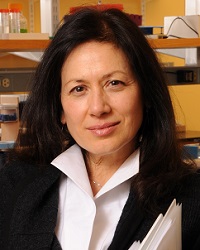 Margaret Karagas合作论文数Department of Epidemiology, Geisel School of Medicine, Dartmouth College5
 Phioanh Leia Nghiemphu合作论文数5
 Ian Lee合作论文数5
 Rodriguez-Aguirre M合作论文数5
 Santosh Kesari合作论文数Department of Translational Neurosciences, Saint John's Health Center, Saint John’s Cancer Institute;Providence Southern California;Praesidia Biotherapeutics Inc5
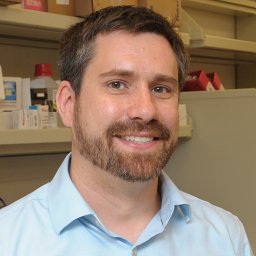 Scott M Langevin合作论文数graduate School of Public Health, University of Pittsburgh5Shichun Zheng合作论文数4Rondi A. Butler合作论文数School of Marine Sciences, University of Maine4Tiffany Montellano合作论文数3James B. Elder合作论文数3
 Aliz R. Rao合作论文数3Jordi Rodon合作论文数2Cornelia Bentley合作论文数2Sharon Yavrom合作论文数2EA Houseman合作论文数2Leia Nghiemphu合作论文数2Aki Nakao合作论文数2George Hsuang合作论文数2Peder Horner合作论文数2




