ABSTRACT:BackgroundThe oncological role of resection in elderly patients with glioblastoma remains controversial. We evaluated the value of resection in patients ≥65 years with (1) newly diagnosed and (2) recurrent glioblastoma by comparing the prognostic relevance of extent of resection to patients <65 years. METHODS:The international RANO resect group retrospectively collected patients with newly diagnosed and recurrent IDH-wildtype glioblastoma from ten neuro-oncological centers. Associations of residual tumor with molecular and clinical markers and survival were analyzed. RESULTS:A total of 1260 patients with newly diagnosed glioblastoma were identified, including 512 patients ≥65 years. Lower postoperative contrast-enhancing tumor volumes were favorably associated with survival on uni- and multivariate analyses; however, the associations with outcome were more pronounced in younger patients. Only in patients <65 years, supramaximal resection was associated with more favorable survival (40 vs 20 months, P = .001). In 310 patients with first recurrence (≥65 years: 92), maximal resection of contrast-enhancing tumor was associated with favorable outcomes, particularly in younger patients. Neither older nor younger patients had favorable outcome associations of supramaximal resection in the recurrent setting. All findings were confirmed in propensity-score-matched analyses to minimize confounding effects of inherent differences in demographic and clinical markers (including second-line treatments) between older and younger patients. CONCLUSIONS:While complete contrast-enhancing tumor resection is prognostic for favorable outcomes in older patients, associations of supramaximal resection with improved outcomes were only retained in younger patients with newly diagnosed disease. Those findings support stratified surgical approaches.
BACKGROUND:No standardized method exists for seizure assessment in glioma clinical trials. We describe the development and evaluation of RANO-TREAT (Tumor Related Epilepsy Assessment Tool) for seizure assessment and its association with changes on brain MRI. METHODS:Patients with glioma/glioneuronal tumors and ≥ 1 prior seizure along with clinicians completed RANO-TREAT in conjunction with brain MRIs, yielding multiple RANO-TREAT scores at clinic visits over time. Unweighted (primary) and weighted (post-hoc) scores were correlated with disease progression via MRI in all patients and patients with IDHmt tumors, separately. Cohorts were randomly split by patient into cohort-specific training and validation sets. Weights for RANO-TREAT items were defined by multivariable generalized estimating equation models in cohort-specific training sets and validated in cohort-specific validation sets. A nomogram was developed using overall cohort training and validation sets. RESULTS:Four hundred and ninety patients (310 IDHmt tumors) had ≥ 1 visits and 285 patients (168 IDHmt tumors) had ≥ 2 visits. Unweighted RANO-TREAT scores (OR:1.01; 95%CI:0.998-1.02; P = .13) and score changes (OR:1.00; 95%CI:0.99-1.02; P = .63) were not associated with progressive disease on MRI. Post-hoc analysis using training and validation sets demonstrated weighted RANO-TREAT scores were correlated with progressive disease in both overall cohort validation set (OR:2.51; 95%CI:1.80-3.52; P < .0001) and IDHmt cohort validation set (OR:4.53; 95%CI:2.11-9.75; P = .0001). Weighted analyses for patients with ≥ 2 visits showed similar associations in validation sets. CONCLUSIONS:This prospective study suggests an association of seizure control evaluated by a new standardized tool with disease progression in glioma. This tool requires further systematic evaluation in glioma clinical trials alongside more traditional endpoints.
NRG Oncology RTOG 0539 was a prospective phase II trial of risk-adapted radiotherapy for patients with WHO grade 1-3 meningioma. Low-risk (group 1, n = 60) was defined as a grade 1 tumor after gross total resection or subtotal resection (GTR/STR) and prospectively monitored. Intermediate-risk (group 2, n = 52) was defined as recurrent grade 1 or newly diagnosed grade 2 tumor after GTR and treated with radiotherapy (54 Gy). High-risk (group 3, n = 53) included a newly diagnosed grade 2 tumor after STR, newly diagnosed grade 3 tumor, or recurrent grade 2 or 3 tumor and treated with radiotherapy (60 Gy). Progression-free survival (PFS) and overall survival (OS) were estimated using the Kaplan-Meier method. The median follow-up times for the low-, intermediate-, and high-risk cohorts were 12.1, 12.0, and 11.1 years, respectively. The 10-year PFS and OS rates for the low-, intermediate-, and high-risk cohorts were 85.2% and 94.1%, 72.2% and 84.7%, and 42.5% and 51.1%, respectively. Five patients (9.6%) and eight patients (15.1%) had a grade 3+ toxicity attributed to radiotherapy in the intermediate- and high-risk cohorts, respectively. The long-term outcomes using this risk-adapted approach support observation for low-risk patients, inform radiotherapy patient selection and practice standards for intermediate- and high-risk patients, and provide comparative benchmarks for future trials.
In adult patients with newly diagnosed or recurrent diffuse glioma, more extensive resection is associated with longer progression-free and overall survival. Intraoperative mapping techniques are used to safely increase the extent of resection by locating, monitoring, and preserving the function of potentially infiltrated brain during surgery. However, there is no consensus on the indications for intraoperative mapping, the optimal functional tests to be used intraoperatively, or intraoperative decision making. Furthermore, there are no consensus standardised neurological, language, and functional outcome assessments that should be applied pre-operatively and post-operatively. The Personalized Interventions and Outcomes in Neurosurgical Oncology Research (PIONEER) Consortium and the Response Assessment in Neuro-Oncology (RANO) resect group are collaborative, multidisciplinary efforts that aim to standardise and enhance research and clinical practices in surgical neuro-oncology. Here, both working groups review the evidence and provide recommendations in an effort to improve standardisation in intraoperative stimulation mapping, electrophysiological monitoring, and intraoperative decision making during glioma resections in adults. The Policy Review offers an intraoperative framework to reduce heterogeneity and improve the quality of clinical and scientific practice. In addition to standardising practices and improving individual patient outcomes, this Policy Review provides a foundation for better consistency between institutions and facilitates multicentre collaboration in surgical neuro-oncology. Ultimately, reducing heterogeneity might accelerate the development of personalised surgical care by enabling advanced computational modelling techniques.
2063 Background: Optimal management of recurrent glioblastoma remains ill-defined. While re-resection is frequently provided as local salvage therapy, stereotactic radiosurgery (SRS) might represent a treatment approach for small, focal recurrences. We comparatively evaluated outcomes after re-resection and SRS for first recurrence of IDH-wildtype glioblastoma. Methods: Adult patients with first radiographic recurrence of IDH-wildtype glioblastoma (WHO 2021 classification) were identified. Information on patients managed with re-resection were collected through the international eight-center database of the RANO resect group, and patients managed with SRS were collected by twelve centers from the IRRF study group. Survival after recurrence was analyzed using Kaplan–Meier estimates and Cox proportional hazards models. Inverse probability of treatment weighting (IPTW) was applied to mitigate baseline imbalances. Results: Overall, 567 patients were included (re-resection: n = 310; SRS: n = 257). Compared with SRS, patients managed with re-resection were younger and had larger contrast-enhancing recurrence volumes. Despite those baseline differences, overall survival did not differ between treatment modalities (10.2 [95%CI 9.3–11.7] vs. 11.1 [10.3–12.8] months; HR 1.12, 95%CI 0.93–1.35; p = 0.231). Also, no survival differences between treatment groups were observed when effects of potential baseline confounders including tumor volume were minimized using IPTW. Notably, among patients typically not considered SRS candidates due to tumor volumes >10 cm³ ( n = 234), maximal re-resection of the enhancing tumor (RANO class 1–2) was associated with survival comparable to SRS-treated low-volume tumors ≤10 cm³ (9.1 [7.7–11.5] vs. 11.0 [9.9–12.8] months; HR 1.27, 0.95–1.69; p = 0.106) whereas incomplete re-resection (RANO class 3) was associated with less favourable survival. In the subgroup of patients with focal recurrences in whom local physicians from the IRRF consortium perceived clinical equipoise between treatment modalities but eventually performed SRS ( n = 112), IPTW-adjusted analyses demonstrated no significant difference in overall survival compared with re-resected patients (HR 0.90, 0.65–1.25; p = 0.539). Conclusions: While complete re-resection is prognostic in recurrent glioblastoma, SRS might represent a reasonable therapeutic approach for selected individuals with small low volume tumor recurrence. Given substantial baseline differences between patients treated with re-resection and SRS and potential treatment provider bias, prospective trials are warranted to guide nuanced decision-making.
BACKGROUND:Tumor resection is a prerequisite in many studies of new glioblastoma therapeutics; however, no clear parameters for "resectability" exist. We evaluated inter-rater variability in assessing tumor resectability and potential associations between resectability and survival in a trial cohort of glioblastoma recurrence. METHODS:DIRECTOR (NCT00941460; 9/2009-6/2012) evaluated two dose-dense temozolomide regimens for first recurrent glioblastoma, yielding similar outcomes between arms. Re-resection was allowed before initiation of systemic therapy by institutional decision. Eleven surgical neuro-oncologists (blinded to final outcomes) rated whether a 'meaningful resection' was achievable for each recurrent IDH-wildtype glioblastoma based on imaging and clinical data. RESULTS:MRI scans from 69 patients were available (median age:58.2 ± 1.1 years, median survival:10.0 months). 40 patients underwent re-resection (median age:56.4 ± 1.7 years, median survival:10.8 months). Surgical decision-making markedly varied between raters, ranging from 30-58 of 69 cases being classified as 'resectable' (κ = 0.405). In patients who received re-resection, a 'meaningful resection' was deemed feasible by > 80% of raters in 30/40 cases (75.0%). For patients without re-resection, unanimous agreement on non-resectability occurred in only 3/29 cases (10.4%); and 5/29 tumors (17.2%) were considered resectable by > 80% of raters. Knowledge of additional clinical factors virtually never changed MRI-based judgments. While patients who had a complete resection of contrast-enhancing tumor had favorable outcomes, a consensus on resectability by > 80% of raters was not associated with prolonged overall survival. DISCUSSION:Feasibility assessment for re-resection is heterogenous among neurosurgeons, challenging single-surgeon evaluation of "resectability". Those findings are limited by the number of surgical raters and the size of the DIRECTOR cohort.
BACKGROUND:The CATNON trial investigated the benefit of the addition of concurrent or adjuvant temozolomide to radiotherapy in individuals with anaplastic astrocytoma. We report the long-term follow-up of the study focusing on the individuals with isocitrate dehydrogenase (IDH) mutated (IDHmt) tumours. METHODS:This randomised, open-label, phase 3 study in 137 institutions across Australia, Europe, and North America included participants aged 18 years or older with newly diagnosed 1p/19q non-co-deleted anaplastic gliomas and a WHO performance status of 0-2. Participants were randomly assigned (1:1:1:1) centrally using a minimisation technique to radiotherapy alone (59·4 Gy in 33 fractions), radiotherapy with concurrent oral temozolomide (75 mg/m2 per day), radiotherapy with adjuvant oral temozolomide (12 4-week cycles of 150-200 mg/m2 temozolomide given on days 1-5), or radiotherapy with both concurrent and adjuvant temozolomide. Participants were stratified by institution, WHO performance status score, age, 1p loss of heterozygosity, the presence of oligodendroglial elements on microscopy, and MGMT promoter methylation status. The primary endpoint was overall survival adjusted by stratification factors at randomisation in the intention-to-treat population. The eighth amendment of the study protocol (June 27, 2011) incorporated analysis of IDH mutational status into the study. We report the intention-to-treat analysis and the exploratory analysis within the population of participants with astrocytoma with an IDH mutation. As the safety data have been published previously, no safety data are reported. This trial is registered with ClinicalTrials.gov, NCT00626990, and is completed. FINDINGS:Between Dec 4, 2007, and Sept 11, 2015, 1407 participants were registered and 751 participants were randomly allocated, 444 of whom were diagnosed with an IDHmt tumour. After a median follow-up for overall survival of 10·9 years (IQR 9·5-12·7), in the intention-to-treat population, adjuvant temozolomide improved overall survival compared with no adjuvant temozolomide (hazard ratio [HR] 0·65 [95% CI 0·54-0·77]), but concurrent did not compared with no concurrent temozolomide (HR 0·91 [0·76-1·08]). In univariable analysis of the participants with an IDHmt tumour, concurrent temozolomide had no statistically significant effect on overall survival (median 9·7 years [8·2-12·5] vs 7·2 years [6·2-9·4]; HR 0·81 [0·63-1·04]), but median overall survival was 12·5 years (95% CI 9·4-15·0) with adjuvant temozolomide compared with 6·0 years (5·1-7·2) with no adjuvant temozolomide (HR 0·54 [0·42-0·69]). No benefit of temozolomide, neither concurrent nor adjuvant, was observed in participants with IDH wild-type tumours. Methylation-based subtyping and several DNA alterations (eg, amplification of PDGFRA and CDK4, homozygous deletion of CDKN2A, and total copy number variation) were associated with worse outcome, none of which was predictive for benefit to temozolomide. INTERPRETATION:Long-term follow-up confirms that radiotherapy followed by 12 cycles of adjuvant temozolomide without concurrent temozolomide during radiotherapy improves survival for individuals with aggressive IDHmt astrocytoma. FUNDING:MSD.
Background: More than 80 Methods: OncoBrain combines general-purpose LLMs with a cancer-specific graph retrieval-augmented generation layer, a gold-standard treatment-plan corpus as long-term memory, and a model-agnostic safety layer (CHECK) for hallucination detection and suppression. We evaluated clinician-enriched case summaries across gynecologic, genitourinary, neuro-oncology, gastrointestinal/hepatobiliary, and hematologic malignancies. Three clinician groups completed structured evaluations of 173 cases using a common 16-item instrument: subspecialist oncologists reviewed 50 cases, physician reviewers 78, and advanced practice providers 45. Results: Ratings were highest for scientific accuracy, evidence support, and safety, with lower but favorable scores for workflow integration and time savings. On a 5-point scale, mean alignment with evidence and guidelines was 4.60, 4.56, and 4.70 across subspecialists, physician reviewers, and advanced practice providers. Mean scores for absence of safety or misinformation concerns were 4.80, 4.40, and 4.60. Workflow integration averaged 4.50, 3.94, and 4.00; perceived time savings averaged 5.00, 3.89, and 3.60. Conclusions: In this multi-specialty vignette-based evaluation, OncoBrain generated oncology treatment plans judged guideline-concordant, clinically acceptable, and easy to supervise. These findings support the potential of a carefully engineered AI reasoning platform to assist oncology treatment planning and justify prospective real-world evaluation in community settings.
PURPOSE:Age ≥40 years is regarded as a high-risk feature and an indication for adjuvant chemoradiotherapy for patients with lower-grade glioma in clinical practice guidelines. It is unclear whether age remains a relevant prognostic factor for contemporary definitions of lower-grade gliomas in the molecular era. METHODS:The Prospective Gliomas Research (PROGRES) database contains individual patient-level data from 11 prospective clinical trials or observational registries of histologically defined lower-grade 2-3 oligodendroglioma or astrocytoma. We determined the association of age (18-39 years v ≥40 years) with progression-free survival (PFS) stratified by isocitrate dehydrogenase 1 or 2 (IDH1/2) status, using log-rank tests and Cox regression models. We validated our findings in a separate multi-institutional retrospective cohort (Retrospective Glioma Research [REGRES] database). RESULTS:We identified 1,619 and 1,292 eligible patients in the PROGRES and REGRES cohorts, respectively. IDH-wildtype tumors were more common in patients 40 years and older (38% v 5%, odds ratio: 11.3 [95% CI, 6.5 to 19.7]). Age was associated with PFS in IDH-wildtype (5-year PFS for ≥40 v 18-39 years: 6% v 24%, hazard ratio [HR], 1.74 [95% CI, 1.21 to 2.50]) but not in IDH-mutant glioma (60% v 59%, HR, 0.89 [95% CI, 0.76 to 1.05], Pinteraction < .001). In IDH-wildtype tumors, older age predicted aggressive molecular features, including TERT promoter mutation (65% v 28%), EGFR amplification (41% v 15%), and chromosome +7/-10 alteration (57% v 25%). In a pooled analysis of four clinical trials, age was not predictive of a benefit from chemoradiotherapy versus radiotherapy alone for IDH-mutant glioma. CONCLUSION:In the absence of additional clinical or molecular risk factors, age alone should not be considered an indication for administration or deferral of adjuvant treatment. Practice guidelines should be revised to reflect contemporary prognostic factors in the molecular era.
Historically, the assessment of surgical outcomes in patients with glioma has been focused on technical outcomes, such as volumetric analysis of the residual tumour, progression-free survival, and overall survival. Other outcomes, such as neurological deficits, can be challenging to assess in an objective, quantifiable, and comprehensive manner. As a result, no consensus is available on methods to systematically evaluate perioperative neurological, language, cognitive, and functional outcomes in patients with glioma. This variability contributes to suboptimal outcomes, hinders uniformity across multicentre studies, and limits comparability of reported results. Therefore, standardising key aspects of perioperative outcome assessment is crucial for these patients. The Personalized Interventions and Outcomes in Neurosurgical Oncology Research (PIONEER) Consortium and the Response Assessment in Neuro-Oncology (RANO) resect group are collaborative, multidisciplinary efforts that aim to standardise and enhance research and clinical practices in surgical neuro-oncology. In this Policy Review, both working groups review the evidence and provide recommendations for the standardisation of perioperative assessment of neurological morbidity, language function, overall function, and quality of life in adult patients with glioma. The Policy Review offers, for the first time, a structured framework for perioperative outcome assessment in glioma surgery. It aims to reduce heterogeneity in practice, facilitate multicentre studies, and enhance the methodological quality of these studies through more consistent and reproducible methods. Furthermore, homogeneous data will facilitate advances in personalised surgical care by enabling advanced computational modelling techniques.
2001 Background: The effects of resection in IDH-mutant grade 2 gliomas remain controversial since terminology for extent of resection was inconsistently applied across trials. We aimed to (I) establish a standardized classification system for extent of resection and (II) assess the impact of supramaximal resection on survival in IDH-mutant astrocytomas and 1p19q-codeleted oligodendrogliomas. Methods: Patients with newly diagnosed grade 2 IDH-mutant glioma meeting the WHO 2021 criteria were identified across sixteen centers in the USA, Europe, and Asia as part of the RANO resect effort. Additional patients from UCSF served for validation. Kaplan-Meier analyses and log-rank tests were applied to calculate survival, and Cox’s proportional hazard regression model to adjust for multiple variables (significance level: p ≤ 0.05). Results: We identified 1391 newly diagnosed IDH-mutant gliomas grade 2 between 1993-2024, of which 728 patients (379 astrocytoma, 349 oligodendroglioma) received no adjuvant treatment and allowed to study the effects of resection. Smaller post-operative T2/FLAIR tumor remnants were favorably associated with outcome. We classified those patients according to residual T2/FLAIR tumor volumes: patients with ‘maximal T2/FLAIR resection’ (class 2; 0-5 cm 3 remnant) had superior progression-free and overall survival compared to ‘submaximal T2/FLAIR resection’ (class 3; 5-25 cm 3 remnant) or ‘minimal T2/FLAIR resection’ (class 4; >25 cm 3 remnant), with 10-year survival rates of 82.2% vs . 75.0% vs . 45.6% (respectively; p = 0.001). Resection of non-infiltrated structures beyond T2/FLAIR borders provided an additional survival benefit as characterized by a 10-year survival rate of 97.5%; thus defining class 1 ‘supramaximal T2/FLAIR resection’ (HR for OS vs. class 2: 0.24, CI 0.1-0.5 / in astrocytoma: 0.26, CI 0.1-0.7 / in oligodendroglioma: 0.21, CI 0.1-0.9). Effects of extensive resection on survival unfolded after 3 years in astrocytomas, whereas survival curves separated after 6-8 years in oligodendrogliomas. The prognostic relevance of the four-tier classification was conserved in a multivariate analysis controlling for clinical markers including pre-operative tumor and 1p19q-codeletion, in subgroups of either astrocytomas or oligodendrogliomas, and in a separate cohort of 586 patients who received adjuvant chemo-/radiotherapy. The prognostic value of the classification was further validated in the external UCSF cohort of 381 grade 2 IDH-mutant gliomas ( p = 0.001). Conclusions: The proposed ‘RANO classification for extent of resection’ serves as prognostic tool for patient stratification in grade 2 IDH-mutant gliomas. While effects of extensive surgery are evident earlier in astrocytomas, ‘supramaximal’ resection translates into a survival benefit for both astrocytomas and oligodendrogliomas and should be characterized in clinical trials.
Effects of resection in isocitrate dehydrogenase (IDH)-mutant grade 2 gliomas remain controversial since terminology for extent of resection was inconsistently applied across studies. We aimed to (I) establish a standardized classification for extent of resection based on residual tumor and (II) assess the association of supramaximal resection with survival of grade 2 astrocytomas and oligodendrogliomas. Patients with newly diagnosed grade 2 IDH-mutant glioma were identified across sixteen centers in the USA, Europe, and Asia. The associations of residual tumor with other factors were analyzed. Patients from the University of California (UCSF) served for validation. We identified 1391 patients with newly diagnosed IDH-mutant gliomas grade 2, of which 728 patients (379 astrocytomas, 349 oligodendrogliomas) received no first-line treatment beyond surgery and allowed studying the isolated effects of resection. Smaller post-operative T2/FLAIR-tumor was favorably associated with outcome: patients with ‘maximal T2/FLAIR-resection’ (class 2; 0-5 cm3remnant) had superior progression-free and overall survival compared to ‘submaximal T2/FLAIR-resection’ (class 3; 5-25 cm3 remnant) or ‘minimal T2/FLAIR-resection’ (class 4; >25 cm3 remnant), with 10-year survival rates of 82.2% vs. 75.0% vs. 45.6% respectively. Resection beyond T2/FLAIR-borders provided additional survival benefits with a 10-year survival rate of 97.5%, defining ‘supramaximal T2/FLAIR-resection’ (class 1). Survival associations of extensive resection were evident after 3 years in astrocytomas, whereas survival curves separated after 6-8 years in oligodendrogliomas. The prognostic relevance of the four-tier classification was conserved in multivariable analyses, in 625 patients receiving first-line chemo-/radiotherapy, and in the external UCSF cohort of 381 IDH-mutant grade 2 gliomas. The proposed ‘RANO classification for extent of resection’ serves as tool for prognostic stratification of IDH-mutant grade 2 gliomas. While survival associations of extensive surgery are evident earlier in astrocytomas, ‘supramaximal’ resection also translates into survival benefits for oligodendrogliomas and should be specified in trials and clinical management.
Since its first activities in 2008 and 2009, the Response Assessment in NeuroOncology (RANO) group has given guidance on response assessment, trial design, and trial procedures to improve and standardize the way clinical trials in neurooncological studies are performed. To achieve its objectives, a variety of working groups have been initiated that cover many aspects of clinical trial design and outcome assessment in patients with tumors affecting the Central Nervous System. The RANO working groups are built on expertise without a formal structure, which makes rapid responses to new developments possible. RANO is aiming at evidence-based guidelines and recommendations, but in the absence of evidence will provide consensus-based guidance achieved by inviting recognized international experts. In its 15 years of existence, more than 60 RANO papers have been published mostly in high-ranking journals, and its recommendations have been accepted by regulators and industry as guiding principles. RANO organizes two meetings per year, one in conjunction with the annual American Society for Clinical Oncology (ASCO) meeting, and one during the annual Society for Neuro-Oncology meeting. These meetings are open, as are the working groups of RANO. New initiatives are welcomed.
Despite functional heterogeneity, the high frequency of intratumoral neutrophils predicts poor clinical outcomes. The tumor microenvironment reprograms neutrophils into immunosuppressive subsets that hinder anticancer immunity, thereby contributing to tumor growth and resistance to immunotherapies. However, the mechanisms underlying neutrophil reprogramming remain elusive. In this study, we report that the immunosuppressive ability of brain tumor-infiltrating neutrophils was restricted to a highly glycolytic and long-lived subset expressing CD71, which acquired immunosuppressive properties in response to hypoxia. Mechanistically, hypoxia boosted glucose metabolism in CD71+ neutrophils, leading to high lactate production. Lactate caused histone lactylation, which subsequently regulated arginase-1 expression, required for T-cell suppression. Targeting histone lactylation with the antiepileptic drug isosafrole blocked CD71+ neutrophil immunosuppressive ability, delayed tumor progression, and sensitized brain tumors to immunotherapy. A distinctive gene signature characterizing immunosuppressive CD71+ neutrophils correlated with adverse clinical outcomes across diverse human malignancies. This study identifies histone lactylation as a potential therapeutic target to counteract neutrophil-induced immunosuppression within tumors. SIGNIFICANCE:Neutrophils are critical contributors to the immunosuppressive microenvironment that restricts the effects of promising immunotherapies in glioblastoma. Our study identifies hypoxia-driven histone lactylation as a potential target to block immunosuppressive neutrophils and boost the effects of immunotherapy in glioblastoma and in other cancer settings beyond brain tumors.
Severe immune effector cell-associated neurotoxicity syndrome (ICANS) occurs in about 30% of all patients with large B-cell lymphoma (LBCL) who are treated with axicabtagene ciloleucel (axi-cel). There are currently limited treatment strategies other than the standard corticosteroids, and it is essential to find additional therapies to manage severe ICANS. We conducted a retrospective study of neurologic outcomes among patients who received axi-cel for LBCL from May 2015 to February 2019. We identified patients who developed severe ICANS and were treated with glucocorticoids followed by intravenous immunoglobulin (IVIG) (n = 9) or glucocorticoids alone (n = 10). There was no statistically significant difference in the time to resolution (TTR) of severe ICANS between groups; however, patients in the IVIG had more severe grades of ICANS with a lower performance status at baseline. The cumulative steroid days were 11.2 in the IVIG arm and 13.5 in the glucocorticoids-only arm. The use of IVIG for severe ICANS after axi-cel therapy was tolerable and safe and is generally recommended in the CAR-T setting in patients with hypogammaglobinemia. The use of IVIG as a potential therapeutic agent for severe ICANS can be further explored in future prospective studies.
2002 Background: The 1st and 2 nd interim analyses of the CATNON trial on anaplastic glioma (NCT00626990) showed benefit from adjuvant (adj) temozolomide (TMZ) on overall survival (OS) in patients with IDH mutant (mt) tumors, but no benefit of concurrent (conc) TMZ regardless of Isocitrate dehydrogenase 1 and 2 (IDH) mutation (mt) status. We now present the final analysis and the exploratory molecular marker analysis of the study. Methods: The 2x2 factorial design phase III CATNON trial randomized 751 adult patients with newly diagnosed non-codeleted anaplastic glioma to either 59.4 Gy radiotherapy (RT) alone; the same RT with concTMZ; the same RT and 12 cycles of adjTMZ or the same RT with both concTMZ and adjTMZ. Methylation status including MGMT promoter methylation status were assessed with the Infinium MethylationEPIC Beadchip. IDH mutation (mt) status and glioma specific alterations were assessed with a glioma targeted panel using Agilent SureSelect baits. Results: After a median follow-up of 10.9 years and with 499 events observed, in the intent-to-treat population the hazard ratio (HR) for OS adjusted for stratification factors after concTMZ was 0.906 (95%CI 0.760, 1.082; p=0.28) and after adjTMZ 0.647 (95%CI 0.541, 0.773; p <0.0001). In 660 patients IDH status could be determined: IDH was mt in 444 tumors and wild type (wt) in 216 tumors. Median OS was 1.7 yrs in patients with IDHwt tumors and 8.5 years in patients with IDHmt tumors. Benefit to TMZ was limited to patients with anaplastic glioma IDHmt of which 199 were still alive (45%). For patients with IDHmt tumors the HR for concTMZ was 0.81 (95% CI 0.63-1.04; p=0.09) and for adjTMZ 0.54 (95% CI 0.42-0.69,p < 0.0001). No benefit was observed of concTMZ in IDHmt glioma patients that also received adjTMZ (HR 0.92 95% CI 0.63-1.36; p=0.69). In patients with IDHmt tumors that had received any TMZ median OS was 10.3 years, the median OS in patients treated with adjTMZ was 12.5 years (95% CI 9.4-15.0; p<0.0001). In exploratory analysis, high-copy number Amplification of PDGFR and CDK4 ; Homozygous deletion of the CDKN2A/B locus, total copy number alterations, methylation subtype (A_IDH vs A_IDH_HG, G-CIMP high versus low, MGMT -promoter methylation as determined by methylation arrays) were all associated with outcome but none was predictive for benefit to TMZ. Conclusions: Despite more follow-up, concTMZ did not improve OS regardless of IDH status. AdjTMZ increased OS in patients with IDHmt tumors but not in patients with IDHwt tumors. Molecular factors of known prognostic significance for IDHmt 1p/19q intact anaplastic glioma did not predict benefit to TMZ. Median OS in patients with IDHmt glioma having received adjTMZ after RT was 12.5 years. Standard of post-operative care in patients with high grade IDHmt astrocytoma should be RT followed by 12 cycles adjTMZ. Funding Source: MSD. Clinical trial information: NCT00626990 .
 Gene Barnett合作论文数Department of Neurological Surgery, Cleveland Clinic;Brain Tumor and Neuro-Oncology Center Cleveland Clinic;Health System Gamma Knife Center, Cleveland Clinic;Case Comprehensive Cancer Center, Case Western Reserve University;Department of Neurological Surgery, School of Medicine, Case Western Reserve University138
 Suh John H合作论文数129
 Samuel Chao合作论文数Brain Tumor and Neuro-Oncology Center, Cleveland Clinic;Department of Radiation Oncology, Cleveland Clinic;Cleveland Clinic Lerner College of Medicine, Case Western Reserve University104
 Manmeet Singh Ahluwalia合作论文数Miami Cancer Institute, Baptist Health South Florida;Miami Neuroscience Institute, Baptist Health South Florida86
 Lilyana Angelov合作论文数Department of Neurosurgery, Cleveland Clinic77
 Timothy Cloughesy合作论文数Department of Molecular and Medical Pharmacology, David Geffen School of Medicine, University of California, Los Angeles;Brain Research Institute, University of California, Los Angeles69
 Susan M. Chang合作论文数Weill Institute for Neurosciences, University of California, San Francisco;School of Medicine, University of California, San Francisco69
 Patrick Y. Wen合作论文数Department of Neurology, Harvard Medical School;Center For Neuro-Oncology, Dana-Farber Cancer Institute65
 Erin Murphy合作论文数Department of Medicine, School of Medicine, Case Western Reserve University;Case Comprehensive Cancer Center, Case Western Reserve University;Department of Radiation Oncology, Cleveland Clinic59
 Michael Weller合作论文数Department of Neurology, University Hospital Zurich57Martin van den Bent合作论文数55
 Minesh Mehta合作论文数Department of Radiation Oncology, Herbert Wertheim College of Medicine, Florida International University;Miami Cancer Institute52
 Alireza Mohammadi合作论文数Brain Tumor and Neuro-Oncology Center, Cleveland Clinic;Case Western Reserve University48Glen Stevens合作论文数Brain Tumor and Neuro-Oncology Center, Neurological Institute45Ostertag Derek合作论文数Tocagen, 3030 Bunker Hill St., San Diego, CA 92109, USA.44
 Steven N. Kalkanis合作论文数Ford Health System Department of Neurosurgery, Henry42
 Manish Aghi合作论文数Department of Neurological Surgery, School of Medicine, University of California, San Francisco40
 Santosh Kesari合作论文数Department of Translational Neurosciences, Saint John's Health Center, Saint John’s Cancer Institute;Providence Southern California;Praesidia Biotherapeutics Inc40
 David M. Peereboom合作论文数Department of Medicine, School of Medicine, Case Western Reserve University;Case Comprehensive Cancer Center, Case Western Reserve University;Brain Tumor and Neuro-Oncology Center, Cleveland Clinic39
 Wolfgang Wick合作论文数Department Kopfklinik, Universitätsklinikum Heidelberg;Universität Heidelberg38
 Tom Mikkelsen合作论文数Hermelin Brain Center, Henry Ford Hospital;Department of Neurology, Henry Ford Hospital;Ontario Brain Institute37
 Joseph Landolfi合作论文数35
 Kenneth Aldape合作论文数Laboratory of Pathology, Center for Cancer Research, National Cancer Institute, National Institutes of Health33
 Mark R. Gilbert合作论文数Center for Cancer Research, National Cancer Institute, National Institutes of Health33
 Douglas J. Jolly合作论文数Abintus Bio, Inc.32
 Clark C. Chen合作论文数Department of Neurosurgery, Warren Alpert School of Medicine, Brown University31
 Harry Gruber合作论文数30
 Schiff, David合作论文数School of Medicine, University of Virginia29Etame Arnold B合作论文数27
 Justin D. Lathia合作论文数Department of Cardiovascular and Metabolic Sciences, Lerner Research Institute, Cleveland Clinic;Department of Molecular Medicine, School of Medicine, Case Western Reserve University27
 Tobias Walbert合作论文数Department of Neuro-Oncology, The University of Texas M. D. Anderson Cancer Center27Joerg-Christian Tonn合作论文数26Weil Robert J合作论文数26Nicholas Butowski合作论文数26
 John Howard Sampson合作论文数School of Medicine, Duke University25
 Peter Forsyth合作论文数Department of Neuro-Oncology, Moffitt Cancer Center;University of South Florida25
 Andrew B. Lassman合作论文数Division of Neuro-Oncology, Department of Neurology, Columbia University Irving Medical Center;Herbert Irving Comprehensive Cancer Center, Columbia University Irving Medical Center25Elder J Bradley合作论文数24
 Paul D. Brown合作论文数Department of Radiation Oncology, Mayo Clinic23
 Evanthia Galanis合作论文数Division of Medical Oncology, Department of Oncology, Mayo Clinic;Mayo Clinic Comprehensive Cancer Center, Mayo Clinic23
 Linda Liau合作论文数Jonsson Comprehensive Cancer Center, University of California, Los Angeles;Department of Neurosurgery, University of California, Los Angeles22
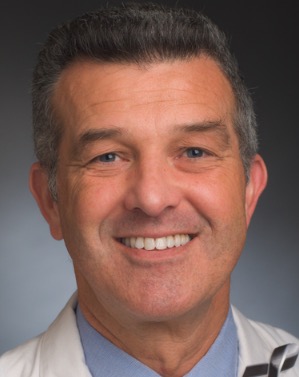 David Reardon合作论文数Center for Neuro-Oncology, Dana-Farber Cancer Institute;Harvard Medical School22
 Martin J. Van Den Bent合作论文数Erasmus MC Kanker Instituut;Erasmus University Rotterdam22
 James K.C. Liu合作论文数21
 Benjamin Ellingson合作论文数University of California Los Angeles21Yu Jennifer S合作论文数21
 Nam D Tran合作论文数Medical College of Virginia, Virginia Commonwealth University21Joan M. Robbins合作论文数21Asha Das合作论文数20




