The PRObiotic human study Design And REporting recommendations provide a structured framework for designing and reporting human studies with probiotics, addressing challenges related to product viability. Five main study types are identified. Exploratory studies are early-phase, first-in-human investigations designed to evaluate effects or generate hypotheses and require specification of strain, dose, stability, and assessment of acceptance and adverse events. Pilot studies assess the feasibility of protocols and logistics before larger trials, with clearly defined objectives, compliance measures, and data management plans. Randomized controlled trials represent the reference standard for evaluating efficacy and safety and include the use of core outcome sets, blinding procedures, and adherence monitoring. Real-world studies evaluate effectiveness outside controlled research settings and require detailed protocols, comprehensive data capture, and predefined approaches for handling inconsistencies. Observational cohort studies examine associations between probiotic exposure and outcomes over time, with clearly defined endpoints, cohort selection criteria, and analysis plans. Across all study types, probiotic-specific considerations include strain characterization and sequencing, verification of identity, purity, viability, antimicrobial resistance, minimization of confounding factors, management of cross-contamination, and consistency of dosage. These recommendations aim to enhance study quality and reporting and to guide researchers in selecting study designs appropriate to their objectives.
Skin aging in midlife women is influenced by intrinsic aging processes, hormonal transitions, and systemic factors that affect skin structure, hydration, and elasticity. Increasing interest has emerged in oral interventions targeting the gut–skin axis as a complementary strategy to topical skincare. However, clinical evidence linking postbiotic supplementation to objective changes in skin appearance remains limited. In this randomized, double-blind, placebo-controlled trial, 34 healthy women aged 40–55 years were assigned to receive either an oral postbiotic supplement (VMK223, 500 mg/day) or placebo for 12 weeks. Objective skin appearance parameters, including pore appearance, melanin levels, acne severity, wrinkle depth, hydration, and elasticity, were assessed at baseline and at weeks 4, 8, and 12 using a standardized, noninvasive skin analysis device. A composite skin quality score integrating pores, melanin, acne, and wrinkles was developed as an exploratory outcome. Overall, 29 participants completed the study (VMK223: n = 16; placebo: n = 13). Compared with placebo, VMK223 supplementation was associated with significantly greater improvements across multiple skin parameters over time. At week 12, the VMK223 group showed greater reductions in wrinkle depth (28.0
Evidence suggests that a gluten-free diet may increase the risk of metabolic abnormalities associated with cardiovascular disease in adults with Coeliac Disease (CeD). This 9-week, double-blind, placebo-controlled, randomised pilot study investigated the effects of a combined supplement containing probiotic Lactiplantibacillus plantarum ECGC 13110402 and plant sterols and stanols, on cardiometabolic biomarkers and gut microbiota diversity and composition in adults with CeD and hypercholesterolaemia. Blood lipid profiles and vitamin D concentrations were analysed, and gut microbiota was profiled via 16S rRNA amplicon sequencing. In the active group, significant reductions in total cholesterol, LDL-cholesterol, non-HDL cholesterol, and apolipoprotein B were observed at multiple time points during the treatment phase, with changes generally greater in magnitude compared with the placebo group. Vitamin D levels also increased in the active group during supplementation. Microbiota analysis revealed potentially beneficial changes in participants receiving the active formulation, including higher alpha diversity and higher proportions of Bifidobacterium spp., Christensenellaceae R-7 group, and Lachnospiraceae ND3007 group. Overall, this feasibility study provides exploratory findings that a combined Lactiplantibacillus plantarum ECGC 13110402-phytosterol formulation may support lipid management and beneficially modulate gut microbiota in adults with CeD, particularly for those seeking non-pharmacological approaches to improving cardiometabolic health biomarkers.
To investigate the effects of a chromium-enriched glucomannan-fructooligosaccharide complex (SB) on glycaemic and insulin responses, satiation, and hunger biomarkers in healthy adults. Using a double-blind, placebo-controlled, randomised crossover design, we assessed the acute impact of a single 3 g SB dose in 16 healthy adults (BMI 18.5–24.9 kg/m2) during a modified oral glucose tolerance test. On separate days, participants consumed 50 g dextrose or 50 g dextrose with 3 g SB (SBD). Blood glucose and insulin were analysed over 2.5 h. Hunger, fullness, and desire to eat were assessed via visual analogue scales. Additionally, the impact of SB on gastric viscosity was assessed in vitro. SBD intake significantly reduced the insulin concentration compared to dextrose alone at 45, 75, and 90 min post-intake. Additionally, SBD resulted in significantly greater fullness and a lower desire to eat at 75 min when compared to dextrose (p < 0.05). Although hunger increased over time for both interventions, SBD led to lower hunger, desire to eat, and food desire scores compared to dextrose at 150 min (p < 0.05). The viscosity of SB, even when combined with dextrose, was significantly higher compared to dextrose alone. These novel findings suggest that SB can modulate insulin response and influence appetite regulation, highlighting its potential use in weight management strategies.
Polycystic Ovary Syndrome (PCOS) is a complex endocrine disorder with several causal pathways including impaired glucose tolerance, insulin resistance (IR), compensatory hyperinsulinemia and excess androgens (hyperandrogenism). This heterogeneous condition causes a range of reproductive, metabolic and psychological implications, the severity of which can differ between individuals depending on factors such as age, diet, ethnicity, genetics, medication, contraceptive use, adiposity, and Body Mass Index (BMI). Dietary interventions that focus on a low glycaemic index and glucose control are an efficient first-line dietary solution for the management of impaired glucose tolerance and IR, which subsequently improves weight management, quality of life and PCOS-related symptoms in individuals with this condition. This review aims to explore the relevance of nutrition and more specifically, the association of glycaemic index and glycaemic load with PCOS, as well as to assess the potential benefits of manipulating those indexes in the dietary approach for this syndrome.
AIMS:The objective of this scoping review is to synthesize ethnic comparison studies focused on characteristics of adipose tissue dysfunction including ectopic fat, adipokines and insulin resistance in populations of south Asian (SA), black (BA) and white (WE) ethnicity. METHODS:A search of the literature was conducted on MEDLINE using keywords for adipose tissue dysfunction and ethnicity. Studies were included if they compared ectopic fat in adults (>18-years) of SA, BA or WE ethnicity, with data on insulin sensitivity and adipokines extracted where present. RESULTS:Thirty-one studies were included in this review. Trends showed most studies were conducted in USA (n = 22); BA were the focus of most ethnic comparison studies (n = 28). Most studies focused on intrahepatic lipids (n = 26), with fewer investigating intrapancreatic lipids (n = 3) and intramyocellular lipids (n = 8). Only 2 studies investigated leptin and adiponectin alongside ectopic fat deposition by ethnicity. CONCLUSIONS:Current trends indicate intrahepatic lipid is lower in BA but greater in SA compared to WE populations, indicting possible ethnic disparities in the role ATD in the development of T2D. Few ethnicity studies have investigated multiple characteristics of ATD between BA and SA groups in a single study which may be needed to elucidate ethnic-specific pathophysiology of T2D.
The global increase in prevalence of (pre-)diabetes demands immediate intervention strategies. In our earlier work, we demonstrated in vitro antidiabetic potential of a fermented beetroot product (PN39). Here, we examined the impact of PN39 on glucose tolerance and gut microbiota in C57BL/6J male mice and on prediabetic (PD) subjects’ stool microbiota. In mice, high-fat diet (HFD) consumption for 9 weeks resulted in hyperglycemia and impaired glucose tolerance (GT) while concomitant consumption of PN39 and HFD (PN39+HFD) prevented GT impairment. Meanwhile, feeding the mice with HFD for 5 weeks to induce PD and later administering them with PN39 for 4 weeks (PD + PN39) neither improved fasting blood glucose nor GT. Relative to control groups, the gut microbiota of both PD mice and humans were characterized by decreased Clostridia UCG-014 and Lactobacilli as well as significantly altered gut microbial carbohydrate metabolism. Feeding PN39 together with HFD preserved Clostridia UCG-014 and Lactobacilli, increased short chain fatty acid production relative to mice fed with HFD only. Treating gut microbiota of PD subjects with PN39 however increased Clostridia UCG-014 and Lactobacilli populations and increased short chain fatty acids concentrations in the stools. In both mice and humans, PN39 treatment rectified the altered microbial carbohydrate metabolism observed in their PD counterparts. This suggests that the gut microbial modulatory effects of PN39 coupled with its capacity to regulate gut microbial glucose metabolism, likely played a role in preventing PD in mice receiving PN39+HFD. Taken together, our results indicate that PN39 could act as a potent antidiabetic functional food for preventing diabetes and its associated dysbiosis.
BackgroundIt is well known that having maladaptive emotion regulation skills during childhood may predict mental health issues later in life, therefore, establishing links with gut microbiome could help develop gut-derived interventions directed at improving maladaptive emotion regulation skills during this critical developmental period. While differences in gut microbiome diversity and composition have been associated with several mental health problems in adults and in infants, the current study is the first one to examine whether the gut microbiome diversity and composition are related to emotional regulation abilities during early childhood.MethodIn the current cross-sectional study, mothers of seventy-three children aged 2–6 years completed several questionnaires assessing their child's and their own emotion regulation skills and mental health, provided a stool sample from their child (via at-home gut microbiome testing kits), and reported on their child's dietary intake.ResultsResults revealed that compared to children in the low maladaptive emotion regulation group, alpha diversity, relative abundance of butyrate-producing genera (Butyricicoccus and Odoribacter), and vitamin synthesis scores (Vitamins B2, B3, B6, and B9) were significantly lower in the high maladaptive emotion regulation group.DiscussionThese findings suggest that maladaptive emotion regulation skills link to gut microbiome alterations in early childhood, a crucial time of both brain and gut-immune development, hence, may open the way to the development of early novel (dietary or pre/probiotic) interventions.
Healthy diets are believed to be associated with a reduced risk of experiencing common mental disorders (CMDs) and related symptomatology (such as ruminative thinking), and with healthier brain chemistry and structure, especially in the frontal regions implicated in CMDs, cognitive control, and food choice. Nevertheless, there is very limited research on the relationship between diet health/quality and brain function. In this study we assessed the associations between adherence to the Mediterranean diet and resting state functional connectivity (rs-FC) of the prefrontal cortex (PFC) with the whole brain and whether this connectivity would be associated with ruminative thinking as a transdiagnostic factor for CMDs. Thirty-seven adults (Mean Age = 25.57, SD = 7.18) completed the Mediterranean Diet Adherence Screener (MEDAS) and were classified into high- and low-quality diet groups and completed the Ruminative Response Scale. All participants underwent resting-state functional MRI (fMRI) to determine whole-brain rs-FC of the medial prefrontal cortex (mPFC). Participants in the high MEDAS group (vs. low MEDAS group) exhibited significantly greater rs-FC of the mPFC seed with the thalamus, caudate and putamen. Additionally, the strength of rs-FC of the mPFC seed with these regions was positively associated with the MEDAS scores across groups in both crude and adjusted models. There were no significant associations between the strength of rs-FC of the mPFC seed with the cluster of voxels with the thalamus, caudate, and putamen and ruminative thinking. This work shows that healthy dietary patterns are associated with rs-FC in the frontal-subcortical circuitry in healthy volunteers. Considering the implications of the dysregulation of this circuity, adhering to healthy dietary patterns may offer a promising alternative/complementary method to improve CMDs, cognitive control, and food choices.
ObjectivesCommon mental disorders (CMD) are associated with impaired frontal excitatory/inhibitory (E/I) balance and reduced grey matter volume (GMV). Larger GMV (in the areas that are implicated in CMD-pathology) and improved CMD-symptomatology have been observed in individuals who adhere to high quality diets. Moreover, preclinical studies have shown altered neurometabolites (primarily gamma-aminobutyric acid: GABA and glutamate: GLU) in relation to diet quality. However, neurochemical correlates of diet quality and how these neurobiological changes are associated with CMD and with its transdiagnostic factor, rumination, is unknown in humans. Therefore, in this study, we examined the associations between diet quality and frontal cortex neuro-chemistry and structure, as well as CMD and rumination in humans.MethodsThirty adults were classified into high and low diet quality groups and underwent 1H-MRS to measure medial prefrontal cortex (mPFC) metabolite concentrations and volumetric imaging to measure GMV.ResultsLow (vs High) diet quality group had reduced mPFC-GABA and elevated mPFC-GLU concentrations, as well as reduced right precentral gyrus (rPCG) GMV. However, CMD and rumination were not associated with diet quality. Notably, we observed a significant negative correlation between rumination and rPCG-GMV and a marginally significant association between rumination and mPFC-GLU concentrations. There was also a marginally significant association between mPFC-GLU concentrations and rPCG-GMV.DiscussionAdhering to unhealthy dietary patterns may be associated with compromised E/I balance, and this could affect GMV, and subsequently, rumination.
The complex interactions between intestinal microbiota and metabolic disorders are well-documented, with implications for glucose metabolism, energy expenditure, and intestinal permeability. Prebiotics induce beneficial changes in gut microbiota composition in prediabetes, while postbiotics can enhance gut barrier function, complementing each other to improve glucose metabolism and insulin sensitivity. This study investigated the effects of a 12-week dietary fibre (DF) supplement on gut health, metabolic function, and diet. The supplement contained konjac glucomannan (KGM), galacto-oligosaccharides (GOSs), and exopolysaccharides (EPSs) from Bifidobacterium breve. In a randomised, double-blind, placebo-controlled, parallel-group clinical trial, 53 prediabetic volunteers were randomly assigned to either a daily DF supplement (YMETA) or a placebo (cellulose microcrystalline) for 12 weeks, followed by a 4-week follow-up. Measurements included gut microbiota composition, glycated haemoglobin (HbA1c), fasting plasma glucose (FPG), plasma lipids, anthropometry, body composition, blood pressure, and dietary intake. The intervention group showed a significant increase in alpha diversity and butyrate-producing bacteria, with reductions in HbA1c and FPG levels below prediabetes thresholds. No significant changes were observed in the placebo group. This study suggests that manipulating the human gut microbiome through dietary interventions could be a promising therapeutic approach to managing prediabetes and preventing or delaying diabetes.
People with coeliac disease (CD) have a higher risk of developing cardiovascular disease (CVD), potentially due to inflammation. Probiotics can influence CVD risk through several mechanisms including modifying inflammation. We performed a systematic review of probiotic interventions in people with CD. In total, 4 databases were systematically searched for studies published up to March 2023. All outcomes, inclusive of any cardiovascular risk factors, were collated and reported. We screened 8084 articles and 11 publications reporting on 7 RCTs and 2 non-RCTs met the inclusion criteria for qualitative analysis. In total, 1 RCT and both non-RCTs were considered to have a high risk of bias. There was large heterogeneity between the studies and adherence to a gluten-free diet was only measured in two studies. No specific outcomes related to cardiovascular risk were reported. Two studies reported a significant reduction on serum TNF-α in children over time after probiotic supplementation. One study reported no significant change in intestinal permeability over a 3-week intervention. Currently there is insufficient evidence to advocate a positive impact of probiotics on inflammation in CD, due, in part, to the limited data on adherence to the gluten-free diet and active disease.
Summary Cerrado and Pantanal plants can provide fruits with high nutritional value and antioxidants. This study aims to evaluate four fruit flours (from jatobá pulp, cumbaru almond, bocaiuva pulp and bocaiuva almond) and their effects on the gut microbiota in healthy (HD) and post‐COVID‐19 individuals (PC). An in vitro batch system was carried out, the microbiota was analysed by 16S rRNA amplicon sequencing and the short‐chain fatty acids ratio was determined. Furthermore, the effect of jatobá pulp flour oil (JAO) on cell viability, oxidative stress and DNA damage was investigated in a myelo‐monocytic cell line. Beyond confirming a microbiota imbalance in PC, we identified flour‐specific effects: (i) reduction of Veillonellaceae with jatobá extract in PC samples; (ii) decrease in Akkermansia with jatoba and cumbaru flours; (iii) decreasing trend of Faecalibacterium and Ruminococcus with all flours tested, with the exception of the bocaiuva almond in HD samples for Ruminococcus and (iv) increase in Lactobacillus and Bifidobacterium in PC samples with bocaiuva almond flour. JAO displayed antioxidant properties protecting cells from daunorubicin‐induced cytotoxicity, oxidative stress and DNA damage. The promising microbiota‐modulating abilities of some flours and the chemopreventive effects of JAO deserve to be further explored in human intervention studies.
Plant‐based diets have gained popularity over the past decade. However, research regarding mental and sleep health benefits of following plant‐based diets are conflicting. As there are associations between mental/sleep health and various personality traits, and personality may differ between individuals who follow different diets, in this preliminary study, we examined the associations between mental and sleep health and (i) personality and (ii) dietary identity in individuals who follow vegan and vegetarian diets.
It has been established that the human gut microbiota is central to health, and, consequently, there has been a growing desire to positively modulate its composition and/or function through, for example, the use of fermented foods, prebiotics or probiotics. Here, we compare the relative impact of the daily consumption of an inulin-enriched diet (n = 10), a commercial probiotic-containing fermented milk product (FMP) (n = 10), or a traditional kefir FMP (n = 9), over a 28-day period on the gut microbiome and urine metabolome of healthy human adults. None of the treatments resulted in significant changes to clinical parameters or biomarkers tested. However, shotgun metagenomic analysis revealed that kefir consumption resulted in a significant change in taxonomy, in the form of an increased abundance of the sub-dominant FMP-associated species Lactococcus raffinolactis, which further corresponded to shifts in the urine metabolome. Overall, our results indicated that daily consumption of a single portion of kefir alone resulted in detectable changes to the gut microbiota and metabolome of consumers.
Oxidative stress and inflammation lead by dietary oxidised lipids, as oxysterols, have been linked to the loss of intestinal barrier integrity, a crucial event in the initiation and progression of intestinal disorders. In the last decade, probiotic lactobacilli have emerged as an interesting tool to improve intestinal health, thanks to their antioxidant and anti-inflammatory properties. The aim of the present study was to evaluate the ability of two commercial probiotic strains of lactobacilli (Lactiplantibacillus plantarum 299v® (DMS 9843) and Lacticaseibacillus casei DG® (CNCMI-1572)), both as live bacteria and intracellular content, to attenuate the oxysterols-induced alteration of intestinal epithelial Caco-2 cell monolayer permeability. Our investigation was focused on the modulation of tight junctions (TJs) proteins, occludin, ZO-1 and JAM-A, in relation to redox-sensitive MAPK p38 activation. Obtained results provided evidence on the ability of the two probiotics to counteract the alteration of monolayer permeability and loss of TJs proteins, at least in part, through the modulation of p38 pathway. The protective action was exerted by live bacteria, whose adhesion to Caco-2 cells was not altered by oxysterols, and bacterial intracellular components equally able to interact with the signaling pathway.
Wholegrains contain both fibre and phenolic acids (PAs), and their gastrointestinal modifications are critical for their bioavailability and bioactivity. We evaluated the modifications on the PA profile and gut microbiota composition of selected Nigerian wholegrains, following cooking and gastrointestinal digestion. Red fonio, red millet, red sorghum, and white corn were cooked, digested, and fermented using an in vitro colonic model. A total of 26 PA derivatives were quantified in soluble and bound fractions using Ultraperformance Liquid Chromatography-Tandem Mass Spectrometry (UPLC-MS/MS) analysis. DNA samples were analysed using 16S rRNA amplicon sequencing to profile the microbiota composition. The results show that cooking and digestion significantly affected the levels of PAs in all grains (p ≤ 0.05) compared to raw grains. Colonic fermentation resulted in a peak of total soluble PAs at 4–6 h for red sorghum and white corn and at 24 h for red millet and red fonio. Enterobacteriaceae genera were the most abundant at 24 h in all grains studied. 3-hydroxybenzaldehyde correlated positively with the relative abundance of Dorea and the mucus-degrader bacteria Akkermansia (p ≤ 0.05), whereas hydroferulic acid and isoferulic acid levels correlated negatively with Oscillospira and Ruminococcus (p ≤ 0.05), respectively. Our data indicate that cooking, digestion, and colonic fermentation affect the release of bound PAs from wholegrains and, consequently, their metabolic conversion. Furthermore, PA fermentation in the gut is associated with potentially relevant changes in the microbiota. This in vitro study provides the basis for the design of an in vivo human intervention study that can confirm the trends herein observed but also assess the impact on health outcomes.
 Glenn Gibson合作论文数Department of Food and Nutritional Sciences, School of Chemistry, Food & Pharmacy, University of Reading;Institute for Global Health Innovation, Imperial College London36
 Jonathan Swann合作论文数School of Human Development and Health, Faculty of Medicine, University of Southampton;Department of Metabolism, Digestion and Reproduction, Faculty of Medicine, Imperial College London;Department of Neuroscience, Karolinska Institutet14
 Annett Klinder合作论文数Institute for Nutrition, Friedrich-Schiller-University13
 Gemma E Walton合作论文数12Sofia Kolida合作论文数11
 Patrizia Brigidi合作论文数Department of Pharmaceutical Sciences, University of Bologna11Jelena Vulevic合作论文数8
 Giulia Corona合作论文数Sezione di Patologia Sperimentale, Università degli Studi di Cagliari8Ian Rowland合作论文数8Monica Barone合作论文数Microbi Unit, Univ Bologna7Michael Patterson合作论文数Dept Life Sci, Univ Roehampton7Bob Rastall合作论文数Department of Food and Nutritional Sciences, University of Reading7
 Astrid Christine Hauge-Evans合作论文数Diabetes Research GroupDivision of Diabetes and Nutritional Sciences, King's College London7Silvia Turroni合作论文数Department of Pharmaceutical Sciences, University of Bologna7
 Kieran Tuohy合作论文数School of Food Science and Nutrition, Faculty of Environment, University of Leeds7
 Francisco J Perez-Cano合作论文数6
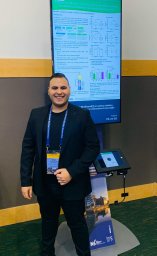 Enver Keleszade合作论文数School of Life & Health Sciences, University of Roehampton6George Tzortzis合作论文数6Àngels Franch合作论文数5
 Piril Hepsomali合作论文数School of Psychology, Roehampton University5Massot-Cladera Malen合作论文数5
 Triana Bergillos-Meca合作论文数5
 Yvonne Jeanes合作论文数5Margarida Castell合作论文数5
 Francesca Fava合作论文数5
 Sandra Martin-Pelaez合作论文数Animal Nutrition, Management and Welfare Research Group, Universitat Autònoma de Barcelona (UAB),5K. Sarnsamak合作论文数4
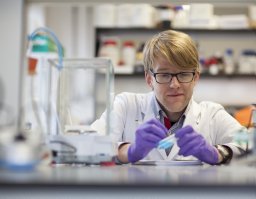 Behrends Volker合作论文数4
 V (Vincenzo) Fogliano合作论文数Wageningen University & Research4
 Simone Maccaferri合作论文数Department of Pharmaceutical Science, Università di Bologna4Loretta Landriscina合作论文数3
 Jimmy David Bell合作论文数3
 Roberta Grimaldi合作论文数3
 Jeremy Spencer合作论文数Department of Food and Nutritional Sciences, School of Chemistry, Food & Pharmacy, University of Reading;University of Surrey3
 Jordi Mayneris-perxachs合作论文数CIBER Epidemiología y Salud Pública (CIBERESP), Spain.3
 Gary Frost合作论文数Department of Metabolism, Digestion and Reproduction, Faculty of Medicine, Imperial College London;Melico3
 Eid Noura M S合作论文数School of Chemistry, Food and Pharmacy, University of Reading3Paul Allen合作论文数Institute of Psychiatry, King's College London3Aurora Napolitano合作论文数3
 Carmela Lamacchia合作论文数3
 M D Robertson合作论文数Faculty of Health and Medical Sciences;University of Surrey;Faculty of Health and Medical Sciences, University of Surrey3
 Inmaculada Mateos-Aparicio合作论文数Facultad de Farmacia, Universidad Complutense de Madrid3
 Dimitris Charalampopoulos合作论文数Department of Food Biosciences, The University of Reading3
 David Vauzour合作论文数Molecular Nutrition Group;School of Chemistry;Food and Pharmacy;University of Reading;School of Chemistry, University of Reading3
 Kittiwadee Sarnsamak合作论文数2Lorretta Fagbemi合作论文数2Rawan Rasheid合作论文数2
 Claus Frohberg合作论文数2Isara Wattananapakasem合作论文数2




