IMPORTANCE Colorectal cancer (CRC) is uncommon in adults younger than 50 years of age, so this population may experience delays to treatment that contribute to advanced stage and poor survival. Objective To investigate whether there is an association between time from presentation to treatment and survival in younger adults with CRC. DESIGN, SETTING, AND PARTICIPANTS This retrospective cohort study used linked population-based data in Ontario, Canada. Participants included patients with CRC aged younger than 50 years who were diagnosed in Ontario between 2007 and 2018. Analysis was performed between December 2019 and December 2022. ExposureAdministrative and billing codes were used to identify the number of days between the date of first presentation and treatment initiation (overall interval). MAIN OUTCOMES AND MEASURES The associations between increasing overall interval, overall survival (OS), and cause-specific survival (CSS) were explored with restricted cubic spline regression. Multivariable Cox proportional hazards models were also fit for OS and CSS, adjusted for confounders. Analyses were repeated in a subset of patients with lower urgency, defined as those who did not present emergently, did not have metastatic disease, did not have cross-sectional imaging or endoscopy within 14 days of first presentation, and had an overall interval of at least 28 days duration. RESULTS Among 5026 patients included, the median (IQR) age was 44.0 years (40.0-47.0 years); 2412 (48.0%) were female; 1266 (25.2%) had metastatic disease and 1570 (31.2%) had rectal cancer. The lower-urgency subset consisted of 2548 patients. The median (IQR) overall interval was 108 days (55-214 days) (15.4 weeks [7.9-30.6 weeks]). Patients with metastatic CRC had shorter median (IQR) overall intervals (83 days [39-183 days]) compared with those with less advanced disease. Five-year overall survival was 69.8% (95% CI, 68.4%-71.1%). Spline regression showed younger patients with shorter overall intervals (<108 days) had worse OS and CSS with no significant adverse outcomes of longer overall intervals. In adjusted Cox models, overall intervals longer than 18 weeks were not associated with significantly worse OS or CSS compared with those waiting 12 to 18 weeks (OS: HR, 0.83 [95% CI, 0.67-1.03]; CSS: HR, 0.90 [95% CI, 0.69-1.18]). Results were similar in the subset of lower-urgency patients, and when stratified by stage. CONCLUSIONS AND RELEVANCE In this cohort study of 5026 patients with CRC aged younger than 50 years of age in Ontario, time from presentation to treatment was not associated with advanced disease or poor survival. These results suggest that targeting postpresentation intervals may not translate to improved outcomes on a population level.
BACKGROUND & AIMS:Younger adults (aged <50 years) with colorectal cancer (CRC) may have prolonged delays to diagnosis and treatment that are associated with adverse outcomes. We compared delay intervals by age for patients with CRC in a large population. METHODS:This was a population-based study of adults diagnosed with CRC in Ontario, Canada, from 2003 to 2018. We measured the time between presentation and diagnosis (diagnostic interval), diagnosis and treatment start (treatment interval), and the time from presentation to treatment (overall interval). We compared interval lengths between adults aged <50 years, 50 to 74 years, and 75 to 89 years using multivariable quantile regression. RESULTS:Included were 90,225 patients with CRC. Of these, 6853 patients (7.6%) were aged <50 years. Younger patients were more likely to be women, present emergently, have stage IV disease, and have rectal cancer compared with middle-aged patients. Factors associated with significantly longer overall intervals included female sex (8.7 days; 95% confidence interval [CI], 6.6-10.9 days) and rectal cancer compared with proximal colon cancer (9.8 days; 95% CI, 7.4-2.2 days). After adjustment, adults aged <50 years had significantly longer diagnostic intervals (4.3 days; 95% CI. 1.3-7.3 days) and significantly shorter treatment intervals (-4.5 days; 95% CI, -5.3 to -3.7 days) compared with middle-aged patients. However, there was no significant difference in the overall interval (-0.6 days; 95% CI, -4.3 to 3.2 days). In stratified models, younger adults with stage IV disease who presented emergently and patients aged >75 years had longer overall intervals. CONCLUSIONS:Younger adults present more often with stage IV CRC but have overall similar times from presentation to treatment as screening-eligible older adults.
Background Previous research has demonstrated that patients have difficulty with the decision to undergo non-urgent egg freezing (EF). This study aimed to investigate the decisional difficulties and possible decisional support mechanisms for patients considering EF, and for their providers. Methods This qualitative study involved a needs assessment via individual interviews. Participants included patients considering EF at one academic fertility clinic and providers from across Canada who counsel patients considering EF. 25 participants were included (13 providers and 12 patients). The interview guide was developed according to the Ottawa Decision Support Framework. Interviews were transcribed, and transcripts analyzed for themes and concepts using NVIVO 12. Findings Multiple factors contributing to decisional difficulty were identified, including: (1) multiple reproductive options available with differing views from patients/providers regarding their importance; (2) a decision typically made under the pressure of reproductive aging; (3) uncertainty surrounding the technology/inadequate outcome data; (4) the financial burden of EF; (5) inherent uncertainty relating to potential decision regret; and (6) differing perceptions between patients/providers regarding the role providers should play in the decision. Additionally, potential sources of decisional support were identified, including provision of basic information before and/or during initial consultation, followed by an opportunity during or after initial consultation for clarifying information and helping with value judgements. Individualized counselling based on patient values, adequate follow-up, psychosocial counselling, and peer support were also emphasized. Conclusions More decisional support for women considering EF is needed. Suggestions include a patient decision aid in conjunction with modified healthcare provider counselling, support and follow up.
Purpose: Genomic sequencing can generate complex results, including variants of uncertain significance (VUS). In general, VUS should not inform clinical decision-making. This study aimed to assess the public's expected management of VUS. Methods: An online, hypothetical survey was conducted among members of the Canadian public preceded by an educational video. Participants were randomized to 1 of 2 arms, VUS or pathogenic variant in a colorectal cancer gene, and asked which types of health services they expected to use for this result. Expected health service use was compared between randomi-zation arms, and associations between participants' sociodemographic characteristics, attitudes, and medical history were explored. Results: Among 1003 respondents (completion rate 60%), more participants expected to use each type of health service for a pathogenic variant than for a VUS. However, a considerable proportion of participants expected to request monitoring (73.4%) and consult health care providers (60.9%) for a VUS. There was evidence to support associations between expectation to use health services for a VUS with family history of genetic disease, family history of cancer, education, and attitudes toward health care and technology. Conclusion: Many participants expected to use health services for a VUS in a colorectal cancer predisposition gene, suggesting a potential disconnect between patients' expectations for VUS management and guideline-recommended care. (c) 2023 American College of Medical Genetics and Genomics. Published by Elsevier Inc. All rights reserved.
Background The decision to undergo non-urgent egg freezing (EF) is complex for patients and providers supporting them. Though prior studies have explored patient perspectives, no study has also included the separate perspectives of providers. Methods This qualitative study involved semi-structured individual interviews exploring the decision to undergo EF. Participants included patients considering EF at one academic fertility clinic and providers who counsel patients about EF from across Canada. Data analysis was accomplished using thematic analysis. Data saturation was met after interviewing 13 providers and 12 patients. Findings Four themes were identified and explored, illuminating ways in which patients and providers navigate decision-making around EF: (1) patients viewed EF as a ‘back-up plan’ for delaying the decision about whether to have children, while providers were hesitant to present EF in this way given the uncertainty of success; (2) providers viewed ovarian reserve testing as essential while patients believed it unnecessarily complicated the decision; (3) patients and providers cited a need for change in broader societal attitudes regarding EF since social stigma was a significant barrier to decision-making; and (4) commonality and peer support were desired by patients to assist in their decision, although some providers were hesitant to recommend this to patients. Conclusions In conclusion, the decision to undergo EF is complex and individual patient values play a significant role. In some areas, there is disconnect between providers and patients in their views on how to navigate EF decision-making, and these should be addressed in discussions between providers and patients to improve shared decision-making.
BACKGROUND:MRI-based breast cancer screening for high-risk women has been associated with false positives. This study explored the benefits and drawbacks of MRI-based screening using in-depth patient interviews.METHODS:This was a qualitative study of interviews with women participating in the High Risk Ontario Breast Screening Program. Women enrolled at two centers who had completed at least one round of screening were invited to participate. Recruitment was suspended when thematic saturation was reached. Semi-structured telephone interviews were conducted and transcribed verbatim. Emergent themes were identified and a coding framework established.RESULTS:21 women (median age 41 years) participated in telephone interviews. Women had been in the program a median of 4 years (IQR 1-5), and 71% had experienced at least one abnormal screen. Eight participants (38%) had undergone biopsies. Six women (29%) were BRCA mutation carriers. MRIs were described as intimidating, uncomfortable, and claustrophobic. Participants were concerned about long-term exposure to gadolinium contrast. Compared to MRI, mammography alone was viewed as painful, less sensitive, and a "useless…waste of time." MRI provided a "psychological safety net" that outweighed the distress associated with abnormal screens. Many women accepted this trade-off as a "two-edged sword" that was "worth it" and provided a sense of control. Suggestions for improvement included more information regarding the risks of MRI, and access to counselling.CONCLUSIONS:Women participating in MRI-based screening strongly value reassurance from a highly sensitive screening test. This outweighed the distress of abnormal screens. There are areas for improvement around patient communication and psychosocial support.
# 01. Operative classification of ventral abdominal hernias: new and practical classification {#article-title-2} Ventral hernias of the abdomen are defined as a noninguinal, nonhiatal defect in the fascia of the abdominal wall. Unfortunately, there is not currently a universal classification system
Older women are poorly represented in trials evaluating chemotherapy for breast cancer (BC). This study aimed to describe survival and associated factors among elderly women receiving chemotherapy for non-metastatic BC. This was a population-based cohort study including women ≥ 70 years old diagnosed with invasive, non-metastatic BC from 2010 to 2017 in SEER. Among those who received chemotherapy, overall survival (OS) was determined using Kaplan–Meier curves and hazard ratios were reported with 95% confidence intervals (CIs). Adjustment was made for available confounders. Co-morbidity is not available in SEER. BC-specific survival (BCSS) and subdistribution hazard ratios were determined using competing risks analysis. The cohort consisted of 109,239 women aged 70+, of whom 17,961 (16%) received chemotherapy. Chemotherapy patients were younger (median 73.0 years vs. 77.0), had more advanced disease (25% stage III vs. 5.2%), and were more likely to receive mastectomy (50% vs. 33%). Among chemotherapy patients, 5-year OS was 77.8% (95% CI 76.9–78.6%), and for women 80+ was 60.2% (95% CI 57.5–63.1%). More recent diagnoses, no previous history of cancer, and receipt of radiotherapy were all associated with improved BCSS. Conversely, older age, higher tumour grade, advanced stage, and human epidermal growth factors receptor (HER)2 negative tumours were associated with worse BCSS. 56% of deaths were due to BC, and women aged 80+ had worse BCSS compared to those aged 70–79 (adjusted sdHR 1.62, 95% CI 1.43–1.84). Elderly women with advanced disease can achieve good survival after chemotherapy for non-metastatic BC. Those with HER2+ disease have superior survival, reinforcing benefit in this population.
IntroductionThe high demand for genetic tests and limited supply of genetics professionals has created a need for alternative service delivery models. Digital tools are increasingly being used to support multiple points in the genetic testing journey; however, none are transferable across multiple clinical specialties and settings nor do they encompass the entire trajectory of the journey. We aim to evaluate the effectiveness of the Genetics Adviser, an interactive, patient-facing, online digital health tool that delivers pre-test counselling, provides support during the waiting period for results, and returns results with post-test counselling, encompassing the entire patient genetic testing journey.Methods and analysisWe will compare the Genetics Adviser paired with a brief genetic counselling session to genetic counselling alone in a randomised controlled trial. One hundred and forty patients who previously received uninformative genetic test results for their personal and family history of cancer will be recruited from familial cancer clinics in Toronto and offered all clinically significant results from genomic sequencing. Participants randomised into the intervention arm will use the Genetics Adviser to learn about genomic sequencing, receive pre-test counselling, support during the waiting period and results, supplemented with brief counselling from a genetic counsellor. Participants in the control arm will receive standard pre-test and post-test counselling for genomic sequencing from a genetic counsellor. Our primary outcome is decisional conflict following pre-test counselling from the Genetics Adviser+genetic counsellor or counsellor alone. Secondary outcomes include: knowledge, satisfaction with decision-making, anxiety, quality of life, psychological impact of results, empowerment, acceptability and economic impact for patients and the health system. A subset of patients will be interviewed to assess user experience.Ethics and disseminationThis study has been approved by Clinical Trials Ontario Streamlined Research Ethics Review System (REB#20–035). Results will be shared through stakeholder workshops, national and international conferences and peer-reviewed journals.Trial registration numberNCT04725565.
Introduction: Young women with breast cancer (YWBC) have unique needs compared to their older-age counterparts, due to life-stage at diagnosis; often yet to start a family, responsible for young children, and/or in the midst of career progression. Interventions to address this are limited. We aimed to understand the unmet needs of YWBC in order to develop a tailored self-management tool (SMT) to improve YWBC's experience and psychosocial-sexual wellbeing, long-term.
Objectives: Determine if axillary staging is associated with survival in elderly women with breast cancer. Background: Axillary staging in women ≥ 70 years with early-stage breast cancer is controversial. Older randomized evidence has not shown axillary staging improves survival, but recent observational studies have been mixed and widespread de-implementation of the practice has not occurred. Methods: This was a population-based cohort study using the Surveillance, Epidemiology, and End Results registry. Women ≥ 70 years diagnosed with T1–T2 invasive breast cancer from 2005 to 2015 were included. Overlap propensity score weighting was used to adjust for confounders. Overall survival (OS) was determined and hazard ratios (HRs) reported with 95% confidence intervals (CIs). Breast cancer-specific survival (BCSS) was determined using competing risks analysis and subdistribution hazard ratios (sdHRs) reported. Additional adjustment was performed for receipt of chemotherapy and radiotherapy. Results: One hundred forty-four thousand three hundred twenty-nine elderly women were included, of whom 22,621 (15.7%) did not undergo axillary staging. After overlap propensity score weighting, baseline characteristics were well balanced between the 2 groups. Women who did not undergo axillary staging were significantly less likely to receive chemotherapy (adjusted relative risk, 0.58; 95% CI, 0.54–0.62) or radiotherapy (adjusted relative risk, 0.53; 95% CI, 0.52–0.54), and had significantly worse OS (adjusted HR, 1.22; 95% CI, 1.19–1.25), and BCSS (adjusted sdHR, 1.14; 95% CI, 1.08–1.21) compared to those that had staging. Conclusions: These findings suggest elderly women with early-stage breast cancer who do not undergo axillary staging experience worse outcomes. Reasons for this disparity may be multifactorial and require further investigation.
Background Clinical delays may be important contributors to outcomes among younger adults (<50 years) with colorectal cancer (CRC). We aimed to describe delay intervals for younger adults with CRC using health administrative data to understand drivers of delay in this population. Methods This was a population-based study of adults <50 diagnosed with CRC in Ontario, Canada from 2003 to 2018. Using administrative code-based algorithms (including billing codes), we identified four time points along the pathway to treatment—first presentation with a CRC-related symptom, first investigation, diagnosis date and treatment start. Intervals between these time points were calculated. Multivariable quantile regression was performed to explore associations between patient and disease factors with the median length of each interval. Results 6853 patients aged 15–49 were diagnosed with CRC and met the inclusion criteria. Males comprised 52% of the cohort, the median age was 45 years (IQR 40–47), and 25% had stage IV disease. The median time from presentation to treatment start (overall interval) was 109 days (IQR 55–218). Time between presentation and first investigation was short (median 5 days), as was time between diagnosis and treatment start (median 23 days). The greatest component of delay occurred between first investigation and diagnosis (median 78 days). Women, patients with distal tumours, and patients with earlier stage disease had significantly longer overall intervals. Conclusions Some younger CRC patients experience prolonged times from presentation to treatment, and time between first investigation to diagnosis was an important contributor. Access to endoscopy may be a target for intervention.
Genome and exome sequencing (collectively genomic sequencing) generate a variety of complex results, including variants of uncertain significance (VUS). VUS are genetic variants which cannot be classified as benign/likely benign or pathogenic/likely pathogenic as a result of insufficient or conflicting evidence. VUS should not inform clinical decision making; patients with VUS should be managed based on their clinical manifestations, age and family history, rather than based on the VUS. However, a systematic review has identified that VUS can be misinterpreted as disease-causing by patients and healthcare providers, which raises questions of whether VUS may lead to unnecessary health service utilization as genomic sequencing is used more broadly across medical specialties.
Purpose:Increasing demand for genomic testing coupled with genetics workforce shortages has placed unsustainable pressure on standard models of care. Digital tools can offer improved access, efficiency, and cost savings. We created a patient-facing digital health application to support genomic testing. Methods:We developed the digital application through user-centered design, guided by an advisory board. We tested its usability and acceptability with patients, practitioners, and members of the general public using mixed methods; data were analyzed using qualitative description and descriptive statistics. Results:The "Genetics Adviser" delivers pre-test education, counseling, and post-test return of results adaptable to any population, test platform, and setting. Usability testing with 25 patients, the general public, and genetics practitioners (15/25 female; mean age range 40-49 years) demonstrated enthusiasm about the application; users found it easy to navigate and comprehend. Acceptance testing with 19 patients and the public (13/19 female; mean age range 40-49 years) indicated high acceptability of the application and moderate knowledge of genomic sequencing after use. Conclusion:The Genetics Adviser is a comprehensive, interactive, patient-centered application found to have high acceptability and usability for pre- and post-test genomic testing, counseling, and return of results adaptable for multiple testing platforms, populations, and settings.
Objectives To assess the decision making needs of providers when discussing egg freezing prior to risk-reducing salpingo-oopherectomy (RRSO) BRCA-positive women. Methods This qualitative study involved a needs assessment via semi-structured individual interviews guided by Ottawa Decision Support Framework. Participants included providers at a specialized ovarian/breast cancer or fertility clinic who treat patients carrying the BRCA1/BRCA2 mutation. Data analysis was guided by grounded theory. Interim analysis was performed after 10 providers, at which point 5 additional providers were recruited until data saturation was felt to be met. Results Three major decisions that reproductive-aged women face when a BRCA mutation is discovered were identified and included: (1) “Do I want children?”; (2) “Do I want to potentially pass on the mutation to my child?”; and (3) “Do I want to carry a pregnancy?” Inherent decisional needs included difficult decision type, competing options, scientifically uncertain outcomes, personal value judgements, and difficult decision timing. Modifiable decisional needs included: inadequate knowledge, unrealistic expectations, unclear values and inadequate support or resources. Identified clinical gaps included counselling time constraints, lack of reliable sources of background information for patients and need for time-sensitive, geographically-accessible and centralized care. Conclusions Our study identified a need for a patient information sheet specific to this population that can be immediately provided to patients carrying the BRCA mutation. Other suggestions for clinical practice include more time during consultation appointments, follow-up, access to psychosocial support, and a specialized decisional coach. To assess the decision making needs of providers when discussing egg freezing prior to risk-reducing salpingo-oopherectomy (RRSO) BRCA-positive women. This qualitative study involved a needs assessment via semi-structured individual interviews guided by Ottawa Decision Support Framework. Participants included providers at a specialized ovarian/breast cancer or fertility clinic who treat patients carrying the BRCA1/BRCA2 mutation. Data analysis was guided by grounded theory. Interim analysis was performed after 10 providers, at which point 5 additional providers were recruited until data saturation was felt to be met. Three major decisions that reproductive-aged women face when a BRCA mutation is discovered were identified and included: (1) “Do I want children?”; (2) “Do I want to potentially pass on the mutation to my child?”; and (3) “Do I want to carry a pregnancy?” Inherent decisional needs included difficult decision type, competing options, scientifically uncertain outcomes, personal value judgements, and difficult decision timing. Modifiable decisional needs included: inadequate knowledge, unrealistic expectations, unclear values and inadequate support or resources. Identified clinical gaps included counselling time constraints, lack of reliable sources of background information for patients and need for time-sensitive, geographically-accessible and centralized care. Our study identified a need for a patient information sheet specific to this population that can be immediately provided to patients carrying the BRCA mutation. Other suggestions for clinical practice include more time during consultation appointments, follow-up, access to psychosocial support, and a specialized decisional coach.
The Ontario Breast Screening Program was expanded in 2011 to offer annual MRI and mammography to women with high‐risk genetic mutations (e.g., BRCA1/2) and women with strong family histories and ≥25% estimated lifetime risk of breast cancer. Data to support high‐risk screening is less clear in the nonmutation carrier group, as MRI has lower specificity among this population. The potential unintended consequences may be considerable and need to be explored. We aimed to describe the frequency of abnormal screens and biopsies.
 Nancy Baxter合作论文数School of Population and Global Health, University of Melbourne17
 Matthew Castelo合作论文数Scripps Mem Hosp, Trauma Serv, 9888 Genesee Ave,LJ601, La Jolla, CA 92037 USA11
 Yvonne Bombard合作论文数Institute of Health Policy, Management and Evaluation, University of Toronto10
 Chloe Mighton合作论文数Sinai Hlth, Lunenfeld Tanenbaum Res Inst9
 Kasmintan (Intan) Schrader合作论文数Department of Medical Genetics, Faculty of Medicine, The University of British Columbia9
 Julie Hendrick-Hallet合作论文数Department of Surgery, Temerty Faculty of Medicine, University of Toronto;Sunnybrook Health Sciences Centre9
 Andrea Eisen合作论文数Department of Medicine, Sunnybrook Health Sciences Centre;Division of Medical Oncology, Department of Oncology, Faculty of Health Sciences, McMaster University;Odette Cancer Centre, Sunnybrook Health Sciences Centre9
 Emily Glogowski合作论文数9
 Salma Shickh合作论文数8
 Jordan Lerner-Ellis合作论文数Department of Laboratory Medicine and Pathobiology, Temerty Faculty of Medicine, University of Toronto8
 Guillaume Martel合作论文数The Ottawa Hospital—General Campus, University of Ottawa8
 Marc Clausen合作论文数8
 Lawrence Paszat合作论文数Odette Cancer Centre, Sunnybrook Health Sciences Centre;Department of Radiation Oncology, University of Toronto;Institute for Clinical Evaluative Sciences7
 Kelly N. Vogt合作论文数7Ahmer Karimuddin合作论文数Department of Surgery, Faculty of Medicine, The University of British Columbia6
 Kevin E Thorpe合作论文数Biostatistics Division, Dalla Lana School of Public Health, University of Toronto6
 Frances Wright合作论文数Department of Surgery, Temerty Faculty of Medicine, University of Toronto6
 Raymond Kim合作论文数Institute of Medical Science, Temerty Faculty of Medicine, University of Toronto;Hospital for Sick Children;Sinai Health System;University Health Network;Ontario Institute for Cancer Research;Ontario Health6Manoj Raval合作论文数Department of Surgery, Faculty of Medicine, The University of British Columbia6
 Wael C. Hanna合作论文数6Chadi Sami A合作论文数6Musselman Reilly P合作论文数6
 Gillman Lawrence M合作论文数Dept Surg, Univ Manitoba6Hardy Krista M合作论文数6
 Rebecca C Auer合作论文数6Carol Swallow合作论文数Department of Laboratory Medicine and Pathobiology, Temerty Faculty of Medicine, University of Toronto6
 Madeline Lemke合作论文数6
 Richard Malthaner合作论文数London Health Sciences Centre Division of Thoracic Surgery and Surgical Oncology, University of Western Ontario6
 Sebastien Gilbert合作论文数UPMC Health System Division of Thoracic and Foregut Surgery, Heart, Lung and Esophageal Surgery Institute6
 Andrea Tricco合作论文数Epidemiology Division, Dalla Lana School of Public Health, University of Toronto;Institute of Health Policy, Management & Evaluation, Dalla Lana School of Public Health, University of Toronto;Li Ka Shing Knowledge Institute, St Michael’s Hospital6
 Donna Maziak合作论文数Division of Thoracic Surgery, Department of Surgery, University of Ottawa6Daniel W. Birch合作论文数6May Lynn Quan合作论文数5Katerina Neumann合作论文数5Sandy Widder合作论文数5Terry Phang合作论文数5Richard Garfinkle合作论文数5Shuyin Liang合作论文数5Amandeep Ghuman合作论文数5
 Zuhaib M Mir合作论文数Kingston Gen Hosp, Queens Univ5
 Dhruvin H. Hirpara合作论文数Department of Surgery, University of Toronto5
 Sam Wiseman合作论文数Department of Surgery, Faculty of Medicine, The University of British Columbia5
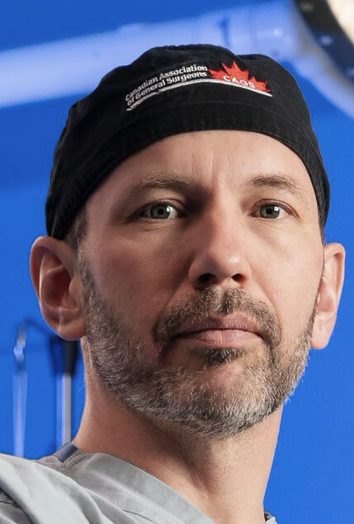 Carl J. Brown合作论文数Department of Surgery, Faculty of Medicine, The University of British Columbia;Centre for Advancing Health Outcomes5
 David McCready合作论文数Department of Surgery, Temerty Faculty of Medicine, University of Toronto5
 Erin Kennedy合作论文数Department of Surgery, Temerty Faculty of Medicine, University of Toronto;Zane Cohen Centre for Digestive Diseases, Mount Sinai Hospital;Division of General Surgery, Mount Sinai Hospital5
 Shiva Jayaraman合作论文数Department of Surgery, Temerty Faculty of Medicine, University of Toronto5
 Anand Govindarajan合作论文数Department of Surgery, Temerty Faculty of Medicine, University of Toronto5
 Gail Darling合作论文数Department of Surgery, Temerty Faculty of Medicine, University of Toronto5
 Natalie Coburn合作论文数Department of Surgery, Temerty Faculty of Medicine, University of Toronto;Odette Cancer Center, Sunnybrook Health Sciences Centre5




