Solid organ transplant recipients (SOTR) face elevated cancer risk due to prolonged immunosuppression. While higher tacrolimus exposure has been linked to de novo malignancies, the dose-response relationship remains unclear, prompting the need for population-level, longitudinal investigations. To quantify the exposure-response relationship between tacrolimus trough level and post-transplant malignancy risk, we used a population-based cohort study using linked administrative healthcare data from Ontario, Canada. All transplant recipients from January 1, 2008 to March 1, 2020 with ≥2 serum tacrolimus levels in the first year post-transplant were included. Cumulative exposure to tacrolimus was treated as a (1) continuous variable, (2) by quartiles of exposure within the first year and (3) as time-varying exposure beyond the first year; incidence of de novo malignancy was investigated using cause-specific and subdistribution Cox regression models. Among the 5178 SOTRs, a total of 318 de novo malignancies (6.1%) and 332 deaths (6.4%) occurred. For every 20% increase in the cumulative tacrolimus trough level in the first year, a heightened risk of malignancy was observed (HR = 1.09, 95% CI: 1.02-1.17). For each 20% increase in cumulative tacrolimus trough level after 1 year, the risk of malignancy increased (HR = 1.08 [95% CI: 1.01-1.15]). Patients in the highest quartile of cumulative exposure (median 9-10 ng/mL) had a 47% greater risk of malignancy compared to those in the lowest quartile (median 5-6 ng/mL; HR = 1.47 [95% CI: 1.03-2.11]). These findings highlight the importance of carefully titrating tacrolimus and avoiding unnecessary prolonged high exposure, particularly during the critical first year post-transplant.
IntroductionFirearm-related injury and death are leading yet preventable causes of premature death in Canada. Our objective was to identify knowledge gaps and research priorities to inform a national research agenda to prevent firearm-related injury and death. MethodsIn a two-stage process, nominal group technique was used to encourage experts in firearm injury and death (N = 15) to generate ideas relevant to knowledge gaps in three areas: unintentional firearm injury, intimate partner violence (IPV)/femicide and other firearm-related assaults. Relevant parties (N = 43) subsequently voted on the identified gaps to determine top priorities for future research. ResultsIn Stage 1, the experts identified 22 knowledge gaps in unintentional firearm injury, 16 in IPV-related firearm injury/femicide and 33 in other assault-related firearm injuries. Based on their importance and feasibility as research projects, they then selected five, three and seven, respectively, of these knowledge gaps. In Stage 2, the top priorities for future research emerged: the economic cost of firearm injuries to victims’ families and communities and Canadian society; the impact of social policies and legislation aimed at reducing IPV/femicide-related firearm injuries and deaths; and a description of the available and required Canadian firearm-injury data. ConclusionThe top priorities highlight the large and diverse gaps in knowledge about firearm injury and death in Canada. This marks the first step toward developing a national research agenda for firearm-related injuries. Next steps include operationalizing these gaps into research questions, identifying data sources and methodological approaches, and choosing knowledge translation strategies.
IntroductionLes blessures et les décès par arme à feu sont les principales causes, pourtant évitables, de décès prématurés au Canada. Nous avions pour objectif d’identifier les lacunes en matière de connaissances et les priorités de recherche afin de fournir de l’information destinée à un programme national de recherche visant à prévenir les blessures et les décès par arme à feu. MéthodologieDans le cadre d’un processus en deux étapes, nous avons utilisé la technique du groupe nominal pour aider les experts des blessures et des décès par arme à feu (N = 15) à générer des idées à propos des lacunes en matière de connaissances dans trois domaines : les blessures non intentionnelles par arme à feu, la violence entre partenaires intimes ou le féminicide et les autres agressions par arme à feu. Les parties concernées (N = 43) ont ensuite voté sur les lacunes repérées afin de déterminer les principales priorités pour la recherche future. RésultatsLors de l’étape 1, les experts ont cerné 22 lacunes dans les connaissances sur les blessures non intentionnelles par arme à feu, 16 concernant les blessures par arme à feu liées à la violence entre partenaires intimes et les féminicides et 33 concernant les autres blessures par arme à feu liées à des agressions. Les experts ont ensuite sélectionné, en fonction de leur importance et de leur faisabilité en tant que projets de recherche, respectivement 5, 3 et 7 de ces lacunes. L’étape 2 a permis de dégager les principales priorités pour les recherches futures : le coût économique des blessures par arme à feu pour les familles et les collectivités des victimes et pour la société canadienne; l’incidence des politiques sociales et de la législation visant à réduire les blessures et les décès par arme à feu liés à la violence entre partenaires intimes et aux féminicides et enfin une description des données disponibles et nécessaires pour la recherche sur les blessures par arme à feu au Canada. ConclusionLes principales priorités mettent en évidence les lacunes importantes et variées dans les connaissances sur les blessures et les décès par arme à feu au Canada. Il s’agit de la première étape vers l’élaboration d’un programme national de recherche sur les blessures par arme à feu. Les prochaines étapes consistent à traduire ces lacunes en questions de recherche, à sélectionner les sources de données et les approches méthodologiques et à choisir des stratégies de transfert des connaissances.
STUDY OBJECTIVE:To identify factors associated with ovarian-conserving surgery in children, to examine population trends in benign ovarian surgeries over 20 years, and to evaluate long-term risk of subsequent ovarian surgeries. METHODS:We conducted a population-based retrospective cohort study of females <18 years undergoing benign ovarian surgery in Ontario, Canada (2003-2022). Factors associated with ovarian-conserving surgery were identified with multivariable log-binomial regression. Surgical trends (ovarian-conserving surgery, laparoscopy, pediatric hospital utilization) were evaluated using the Cochrane-Armitage test. Cumulative incidences of subsequent surgeries were estimated with Kaplan-Meier analysis and compared using log-rank tests. RESULTS:Among 3452 children (median age 15 years), 2827 (81.9%) underwent ovarian-conserving surgeries and 625 (18.1%) oophorectomies. Ovarian-conserving surgery was more likely with laparoscopy (RR 1.40, 95% CI, 1.33-1.47), female surgeons (RR 1.04; 95% CI, 1.01-1.07), and nongynecologist (RR 1.04; 95% CI, 1.01-1.08), and less likely in rural patients (RR 0.93, 95% CI, 0.88-0.98) and younger children (RR 0.84, 95% CI, 0.75-0.94). Although rates of surgery remained stable, there was an increase in laparoscopy (63% to 83%, P < .0001), pediatric hospital use (32% to 56%, P < .0001), and ovarian-conserving surgeries (80% to 87%, P < .0001). Cumulative incidence of subsequent ovarian surgery rose with time after index operation, remaining higher after ovarian-conserving surgery than oophorectomy (P < .0001). CONCLUSIONS:Adoption of minimally invasive techniques and specialized pediatric care is increasing. Persistent risk of reoperation among all patients in this cohort highlights the need for strategies to ensure appropriate follow up for this at-risk group, promoting ovarian preservation, and equitable access to pediatric gynecologic expertise.
BACKGROUND:Long wait times for scheduled surgery are a major problem in Canadian health systems. We sought to determine the extent to which single-entry referral models (next available consultation), team-based care models (next available surgery regardless of consulting surgeon), or both could affect wait times for consultations and surgery. METHODS:We performed a discrete-event simulation study of wait times for consultations and surgeries for knee and hip joint replacement in Ontario's 5 postal regions using prospectively collected data on surgical wait times. We simulated the effects of coordinated referral models on the wait time for consultation (wait 1) and surgery (wait 2). RESULTS:Coordinated models led to larger reductions in high-outlier wait times (as reflected by the 90th percentile and the percentage of patients exceeding wait-time targets) than on median wait times when compared with the status quo. Single-entry referral models largely influenced wait 1, and team-based models of care affected only wait 2. Fully integrated models incorporating both single-entry referral and team-based care largely prevented patients from exceeding both wait-1 and wait-2 targets; the percentage of patients exceeding wait-1 targets in these models was 0% in all regions, and the percentage exceeding wait-2 targets was 0% except for Ontario West (2.0%, from 35.7% at baseline), East (1.1%, from 22.7% at baseline), and North (1.0%, from 25.1% at baseline). INTERPRETATION:Coordinated referral and practice models improve access to scheduled surgery in Canadian health systems. Implementation of these models could largely eliminate prolonged wait times for joint replacement surgery in Ontario.
INTRODUCTION:Adolescents and young adults (AYA) with cancer are at risk of adverse mental health outcomes during and after treatment. Tools identifying AYA at the highest risk would guide screening and interventions. We determined whether self-reported symptoms following cancer diagnosis were associated with early and late severe mental health events (SMHEs). METHODS:Ontario AYA diagnosed with cancer aged 15-29 between 2010 and 2018 were identified and linked to healthcare databases, including one capturing self-reported Edmonton Symptom Assessment System (ESAS) scores at cancer-related visits. Scores for depression, anxiety, and poor well-being were categorized as not measured, mild, moderate, or severe. SMHEs were defined as mental health-related Emergency Department visits or hospitalizations. We determined the association of ESAS scores with subsequent early SMHEs (< 5 years). Among 5-year survivors, we determined the association between the maximum ESAS score within 1 year of cancer diagnosis and late SMHEs (occurring > 5 years from cancer diagnosis). RESULTS:Among 5435 AYA, symptom severity was associated with subsequent SMHE risk. AYA who reported severe versus mild anxiety were at > 3-fold higher risk of subsequent early SMHEs [adjusted hazard ratio (aHR) 3.6, 95th confidence interval (CI) 1.9-6.7; p < 0.001]. Among 3518 (64.7%) 5-year survivors, symptom severity predicted late SMHE. At 5 years postcancer diagnosis, those who reported severe versus mild depression within 1 year following cancer diagnosis were at 3-fold elevated risk (aHR 3.0, 95 CI 1.8-4.9; p < 0.0001). CONCLUSION:Systematic symptom screening early postcancer diagnosis identifies AYA at high risk of both early and late SMHEs who may benefit from targeted screening and interventions.
Background:While testicular germ cell tumors (TGCT) survival exceeds 90%, many survivors of adult TGCT are at risk for treatment toxicities. Less is known about physical morbidities in children, adolescents, and young adults (CAYA) with TGCT. Methods:We used the Pediatric Oncology Group of Ontario Networked Information System, the Initiative to Maximize Progress in Adolescent and Young Adult Cancer Therapy, and the Ontario Cancer Registry to identify all CAYA males diagnosed with TGCT from 1992 to 2021 at age 11-21 years in Ontario, Canada. We matched patients at TGCT diagnosis (one-to-five ratio) to cancer-free males from the general Ontario population who were identified from the Registered Person Database. We linked CAYA to health administrative databases to identify subsequent malignant neoplasms (SMN) and hearing loss/aid use after TGCT diagnosis. We assessed cardiovascular disease (CVD), dialysis, and kidney transplant that occurred <five years (early effect) and ≥five years (late effect) from TGCT diagnosis. We used the cumulative incidence function and cause-specific hazard models. Findings:We identified 748 patients (404 chemotherapy-treated) and 3740 controls. Median age at diagnosis was 19.0 years [interquartile range (IQR): 18.0-21.0] and 29.7 years (IQR: 25.0-37.6) at the end of follow-up. Chemotherapy-treated patients had higher risk than controls for non-TGCT SMN [hazard ratio (HR) = 4.5, 95% CI: 1.8-11.4], hearing loss/aid (HR = 2.7, 95% CI: 1.8-4.2), early dialysis (HR = 7.7, 95% CI: 1.3-46.8), any early CVD (HR = 7.3, 95% CI: 4.1-13.0), and any late CVD (HR = 1.6, 95% CI: 1.1-2.4), particularly late stroke (HR = 7.4, 95% CI: 1.2-44.6). Compared to their controls, non-chemotherapy-treated patients had higher risk for late dialysis (HR = 10.5, 95% CI: 1.1-103.8), and lower risk for late hypertension (HR = 0.4, 95% CI: 0.2-1.0). Non-chemotherapy-treated patients had higher cumulative incidence of second contralateral TGCT than chemotherapy-treated patients (15-year incidence = 4.6% vs. 0.9%, p = 0.0049). Interpretation:Chemotherapy-treated CAYA with TGCT are at elevated risks for non-TGCT SMN, hearing loss, and early CVD compared to the general population. The long latency for certain outcome risks indicate further research is needed to characterize the health outcomes of these survivors as they age. Funding:Foundation grants-Canadian Institutes of Health Research, Ontario Graduate Scholarship-University of Toronto, and Research Training Competition (RESTRACOMP) award-The Hospital for Sick Children.
While testicular germ cell tumors (TGCT) are highly curable, survivors experience toxicities. Pulmonary outcomes post‐TGCT are not well understood, particularly among children, adolescents, and young adults (CAYA). Using provincial cancer registries, we identified all CAYA (aged 11–21 years) diagnosed with a TGCT from 1992 to 2021 in Ontario, Canada, and matched them (1:5) to general population males (controls). We linked CAYA to health administrative databases to identify pulmonary disease and pulmonary disease healthcare visits (PDV) and classified PDV severity as low (outpatient family physician/pediatrician), medium (outpatient respirologist/internist), or high (hospitalization/emergency department). We assessed acute (<5 years from diagnosis) and late (≥5 years after diagnosis) toxicities using the cumulative incidence function and cause‐specific hazard models. We identified 748 patients (404 chemotherapy‐treated) and 3740 controls. Patients' median age at diagnosis was 19.0 years [interquartile range (IQR):18.0–21.0] and 29.7 years (IQR:25.0–37.6) at end of follow‐up. Non‐chemotherapy‐treated patients had higher risk of acute toxicities (obstructive lung disease, medium severity PDV, hospitalizations) but similar risk of late toxicities to controls. Chemotherapy‐treated patients had higher risk than controls of most acute pulmonary toxicities (except asthma and low severity PDV) and several late toxicities: asthma [hazard ratio (HR) = 2.0, 95%CI:1.1–3.8], pulmonary embolism/infarction (HR = 7.3, 95%CI:1.2–44.3), medium severity PDV (HR = 3.9, 95%CI:2.1–7.3), and high severity PDV (HR = 1.7, 95%CI:1.0–2.8), particularly hospitalizations (HR = 4.1, 95%CI:1.7–9.5). CAYA TGCT survivors treated with chemotherapy are at risk for late asthma, pulmonary embolism, pulmonary fibrosis, and specialist and hospital‐based pulmonary care. Further follow‐up is needed to characterize late pulmonary outcomes as survivors age.
Purpose: To effectively reduce cancer burden, genetic testing programs should identify high-risk individuals prior to cancer development, when risk-reduction strategies can be implemented. We evaluated trends in BRCA1/BRCA2 testing use after implementation of a publicly funded testing program. Methods: We conducted a retrospective, near population-based study of women who underwent BRCA1/BRCA2 testing in Ontario, Canada, (2007–2016) (n = 15,986). Temporal trends were evaluated using linear and Poisson regression. Results: Although annual utilization of testing increased over time (p < 0.001), mean age at testing increased from 49.9 years (SD 13.8) in 2007 to 53.8 years (SD 13.7) in 2016 (p < 0.001). The proportion of women with a cancer history at testing also increased from 53.5% in 2007 to 66.3% in 2015 (p < 0.001); the proportion of women free from breast cancer did not change significantly (49.2% in 2007 versus 45.1% in 2015, p = 0.90). As a proportion of all tested, those with breast cancer tested within 3 months of diagnosis increased over time (0.39% of tests in 2007 versus 13.6% of tests in 2015; p < 0.001). Conclusions: While the institution of a publicly funded genetic testing program was associated with rising utilization, increasing age at testing and decreasing testing of unaffected women suggest limitations in identifying high-risk individuals eligible for risk-reduction.
BACKGROUND:Given that diagnostic, neoadjuvant treatment, and surgical approaches to rectal cancer have changed markedly in the last 25 years, knowledge translation (KT) may be useful to optimize rectal cancer surgery and improve patient outcomes. We sought to evaluate the impact of surgeon-directed KT to improve the quality of rectal cancer surgery on local tumour recurrence in Ontario. METHODS:Ontario's 14 health regions were previously categorized into 2 high-intensity and 12 low-intensity KT regions, based on KT methods (e.g., theory, audit, feedback), applied from 2006 to 2012 to improve the quality of rectal cancer surgery. In the high-intensity regions, efforts encouraged preoperative magnetic resonance imaging, appropriate radiation, and optimal surgical technique. We abstracted hospital chart data from across Ontario for a random sample of cases from 2010 to 2012 based on the respective population of a region and the relative hospital case volume within their region. The main study outcome was local tumour recurrence. RESULTS:In the high-intensity and low-intensity KT regions, we reviewed data from 523 (48.6%) and 557 (51.4%) patients, respectively. Descriptive variables (e.g., age, sex, tumour stage) were similar between groups. In the high- and low-intensity regions, the proportion of patients with a permanent stoma was 31.4% and 26.4% (p = 0.08), the proportion with positive radial margins was 8.0% and 6.1% (p = 0.2), and the proportion with local tumour recurrence was 6.3% and 5.2% (p = 0.2), respectively. The adjusted risk of time to local recurrence was similar in the high- and low-intensity KT regions (hazard ratio 0.72, 95% confidence interval 0.50-1.05). CONCLUSION:The use of resource-intense methods was not associated with improved patient outcomes, including local tumour recurrence. New approaches are needed to optimize the population-level quality of rectal cancer surgery.
Importance Over the last 2 decades, increasing use of multimodal strategies has led to significant improvements in oncologic outcomes for patients with rectal cancer. However, uptake of these strategies varies among centers, suggesting that best evidence is not always implemented into practice. Objectives To identify gaps in care and initiate knowledge translation interventions to close existing gaps. Design, Setting, and Participants This 3-year multifaceted, prospective quality improvement study was conducted at 8 high-volume rectal cancer centers across Canada. From April 2016 to December 2018, patients with stage I to III rectal cancer undergoing total mesorectal excision were enrolled. Data were analyzed from January 2022 through December 2023. Interventions Process measures for multimodal strategies to optimize rectal cancer care were selected and prospectively collected for patients with stage I to III rectal cancer undergoing total mesorectal excision. Knowledge translation interventions were implemented to increase uptake of these strategies. Main Outcome and Measure Change in uptake of process measures over the study period, with measures taken every 3 months, from time 1 (baseline) to time 7 (18 months). Results Among 645 patients with stage I to III rectal cancer (389 male [60.3%]; mean [SD] age, 68.1 [8.2] years), iterative results showed that uptake of 6 of 12 process measures (eg, presentation at multidisciplinary cancer conference: 22 of 77 patients [28.6%] at time 1 to 64 of 91 patients [70.3%] at time 7; P < .001) and 1 pathology measure (inadequate lymph node retrieval: 15 of 77 patients at time 1 [19.5%] to 6 of 91 patients at time 7 [6.6%]; P = .002) improved over time. Positive circumferential resection margin, positive distal margin, and inadequate lymph node retrieval rates at 2 years were 44 patients (6.8%), 10 patients (1.6%), and 79 patients (12.2%), respectively. Conclusions and Relevance In this study, there was an improvement in 6 process measures and 1 pathology measure for patients with stage I to III rectal cancer. Furthermore, this study led to standardized processes of care for rectal cancer that may facilitate continuous quality improvement and multicenter trials across Canada.
BACKGROUND:The COVID-19 pandemic resulted in changes to the way health care was delivered, including expansion of virtual care. We aimed to understand differences in antepartum care delivery prior to and during the pandemic. METHODS:We conducted a population-based retrospective cohort study of people 15-50 years with an in-hospital birth at 20+ weeks' gestation in Ontario, Canada, across two time periods: December 1, 2020-November 30, 2022 (pandemic), and December 1, 2017-November 30, 2019 (pre-pandemic). Outcomes were total number and timing of antepartum visits, ultrasounds, and acute care encounters. Outcomes were compared between cohorts, and between those who did and did not receive virtual care during the pandemic. Regression modeling was used to examine associations between pregnancy during the pandemic and rates of outcomes. RESULTS:A total of 228,551 pandemic and 218,126 pre-pandemic births were included. Median number of antepartum visits was 10 (6-13) in the pandemic period and 9 (4-12) pre-pandemic (standardized difference (StD): 0.32), corresponding to a relative rate of 1.21 (95% CI [1.20, 1.21]). Significantly more individuals in the pandemic had >11 visits, with no differences in acute care encounters and only a small increase in health care costs (<10%). Those in the pandemic cohort were more likely to have their initial visit during the first trimester (79.3% vs. 66.5%, StD: 0.29). Those receiving virtual care were more likely to live in an urban area and be more materially advantaged. INTERPRETATION:Pregnancy during the pandemic was associated with in an increased rate of ambulatory antepartum visits and increased care in the first trimester.
Importance:In managing early-stage cancers, active surveillance (AS) may be preferentially favored by older individuals. In counseling patients, it is important to understand the durability of AS in the context of age. Objective:To evaluate the durability of AS in patients with small, low-risk papillary thyroid cancer (PTC) according to age at the time of choosing AS. Design, Setting, and Participants:This single-center, prospective, long-term follow-up cohort study was conducted at a tertiary care hospital in Toronto, Ontario, Canada. Adult patients with small, localized, low-risk PTC less than 2 cm in maximal diameter were enrolled between May 2016 and February 2021. The clinical outcome data were analyzed up to the time point of May 25, 2025, and final data analysis was performed in June 2025. Exposure:All patients were offered the choice of AS or thyroid surgery. Main Outcomes and Measures:The primary outcome was the overall rate of AS crossover to definitive treatment (treatment completed or recommended by an investigator) and the indications. Cumulative crossover incidence function curves were examined according to age, with death from other causes as the competing risk. Results:A total of 200 patients (155 patients under AS and 45 who had immediate surgery) were followed up for a median (IQR) duration of 71 (59-84) months. Overall mean (SD) age was 52.0 (14.9) years, and 153 patients (76.5%) were female. There were no observed thyroid cancer-related deaths or any distant metastatic disease. The overall crossover rate from AS was 23.9% (37/155; 32 completed treatment, 3 declined surgery for disease progression, and 2 awaiting treatment). Crossover reasons included disease progression (56.8% [21/37]), patient preference (40.5% [15/37]), and ultrasound imaging limitations precluding accurate tumor measurement under active surveillance (tumor border not clearly distinguishable from heterogeneous echotexture of the thyroid parenchyma in a patient with Hashimoto thyroiditis; 2.6% [1/37]). The 5-year age-stratified cumulative overall crossover incidence rates were 41.5% (95% CI, 25.6%-56.8%) in patients younger than 45 years, 20.9% (95% CI, 12.3%-31.1%) in those aged 45 to 64 years, and 5.1% (95% CI, 0.9%-15.2%) in those aged 65 years and older (P < .001). Conclusion and Relevance:This single-center Canadian cohort study found that AS is a durable long-term management strategy for small, low -risk PTC, particularly in older individuals. Older individuals may be less likely to cross over to surgery after choosing AS.
BACKGROUND:Little is known about the existing structure and function of referral networks in the prevalent referral system for specialized surgical care in Canada, which is based on direct physician referral to specialists in a largely unmanaged referral marketplace. Our objective was to describe and analyze the referral networks of referring physicians and surgeons for common surgical procedures in Ontario, to better understand potential barriers to single-entry models. METHODS:We analyzed referral networks for patients between referring physicians and surgeons for 9 common scheduled surgical procedures from 2016 to 2019 using administrative data sources in Ontario. We described the connectedness of referring physician-surgeon pairs using descriptive measures and graphical social network analysis. RESULTS:The median number of surgeons connected to a referring physician for patients having a particular surgical procedure ranged from 1 (interquartile range [IQR] 1-3) for spine surgery to 3 (IQR 1-4) for knee arthroplasty and 3 (IQR 2-5) for noncancer uterine procedures. Referral network structure varied according to the procedure studied. Spine surgery was highly clustered with a small number of larger groups; gallbladder, inguinal hernia, and noncancer uterine surgery were highly distributed with many small groups within the referral network. Breast cancer surgery occurred in a largely distributed network, but with a skewed distribution reflecting a few small groups with large numbers of patients. CONCLUSION:Improving surgical wait times by coordinating surgical referrals will require approaches that address the structure of existing referral networks. Most physicians refer their patients to a very small number of surgeons, suggesting that referring physicians largely do not individualize referrals to multiple different surgeons based on specific patient characteristics.
AIM:The standard treatment for low rectal cancer is preoperative chemoradiotherapy followed by surgery with low anterior resection with diverting ileostomy or abdominoperineal resection, both of which have significant long-term effects on bowel and sexual function. Due to the high morbidity of surgery, there has been increasing interest in nonoperative management for low rectal cancer. The aim of this work is to conduct a pan-Canadian Phase II trial assessing the safety of nonoperative management for low rectal cancer. METHOD:Patients with Stage II or III low rectal cancer completing chemoradiotherapy according to standard of care at participating centres will be assessed for complete clinical response 8-14 weeks following completion of chemoradiotherapy. Subjects achieving a clinical complete response will undergo active surveillance including endoscopy, imaging and bloodwork at regular intervals for 24 months. The primary outcome will be the rate of local regrowth 2 years after chemoradiotherapy. Nonoperative management will be considered safe (i.e. as effective as surgery to achieve local control) if the rate of local regrowth is ≤30% and surgical salvage is possible for all local regrowths. Secondary outcomes will include disease-free and overall survival. CONCLUSION:The results will be highly clinically relevant, as it is expected that nonoperative management will be safe and lead to widespread adoption of nonoperative management in Canada. This change in practice has the potential to decrease the number of patients requiring surgery and the costs associated with surgery and long-term surgical morbidity.
Lung cancer is one of the most common cancers and causes of cancer death in Canada. Some previous literature suggests that socioeconomic inequalities in lung cancer screening, treatment and survival may exist. The objective of this study was to compare overall survival for immigrants versus long-term residents of Ontario, Canada among patients diagnosed with lung cancer. This population-based retrospective cohort study utilized linked health administrative databases and identified all individuals (immigrants and long-term residents) aged 40 + years diagnosed with incident lung cancer between April 1, 2012 and March 31, 2017. The primary outcome was 5-year overall survival with December 31, 2019 as the end of the follow-up period. We implemented adjusted Cox proportional hazards models stratified by age at diagnosis, sex, and cancer stage at diagnosis to examine survival. Thirty-eight thousand seven hundred eighty-eight individuals diagnosed with lung cancer were included in our cohort including 7
 Rinku Sutradhar合作论文数Biostatistics Division, Dalla Lana School of Public Health, University of Toronto120
 Lawrence Paszat合作论文数Odette Cancer Centre, Sunnybrook Health Sciences Centre;Department of Radiation Oncology, University of Toronto;Institute for Clinical Evaluative Sciences78
 Linda Rabeneck合作论文数Dalla Lana School of Public Health, University of Toronto78
 David Urbach合作论文数Department of Surgery, Temerty Faculty of Medicine, University of Toronto;Women's College Hospital68
 Jill Tinmouth合作论文数Institute for Health Policy, Management and Evaluation, University of Toronto;Department of Medicine, Temerty Faculty of Medicine, University of Toronto;Institute for Clinical Evaluative Sciences;Sunnybrook Research Institute;Ontario Health61
 Fahima Dossa合作论文数Department of Surgery, University of Toronto60
 Sergio A. Acuna合作论文数Peter A. Silverman Centre for International Health, Mount Sinai Hospital43
 Erin Kennedy合作论文数Department of Surgery, Temerty Faculty of Medicine, University of Toronto;Zane Cohen Centre for Digestive Diseases, Mount Sinai Hospital;Division of General Surgery, Mount Sinai Hospital42
 Marko Simunovic合作论文数40
 Paul Nathan合作论文数Department of Paediatrics, Temerty Faculty of Medicine, University of Toronto;Institute of Health Policy, Management and Evaluation, University of Toronto;Solid Tumor Section, Division of Haematology/Oncology, The Hospital for Sick Children39
 Sumit Gupta合作论文数Institute of Medical Science, Temerty Faculty of Medicine, University of Toronto;Department of Paediatrics, University of Toronto;Institute for Health Policy, Management & Evaluation, University of Toronto;Hospital for Sick Children34
 Rocco Ricciardi合作论文数Department of Surgery, University of Massachusetts Medical School33
 Frances Wright合作论文数Department of Surgery, Temerty Faculty of Medicine, University of Toronto30
 Andrea Simpson合作论文数Department of Obstetrics and Gynaecology, Temerty Faculty of Medicine, University of Toronto29S Schmocker合作论文数24
 Anna Gagliardi合作论文数Institute of Medical Science, Temerty Faculty of Medicine, University of Toronto;Department of Surgery, Temerty Faculty of Medicine, University of Toronto;Toronto General Hospital Research Institute24Daly Corinne合作论文数23Refik Saskin合作论文数Institute for Clinical Evaluative Sciences, Toronto, Ontario, Canada23Cindy Lau合作论文数22
 Jason D. Pole合作论文数Epidemiology Division, Dalla Lana School of Public Health, University of Toronto22
 Rahim Moineddin合作论文数Biostatistics Division, Dalla Lana School of Public Health, University of Toronto22
 Natalie Coburn合作论文数Department of Surgery, Temerty Faculty of Medicine, University of Toronto;Odette Cancer Center, Sunnybrook Health Sciences Centre22
 Beth A. Virnig合作论文数Division of Health Policy and Management, School of Public Health, University of Minnesota22
 David Gomez Jaramillo合作论文数Institute of Medical Science, Temerty Faculty of Medicine, University of Toronto;Department of Surgery, Temerty Faculty of Medicine, University of Toronto;Li Ka Shing Knowledge Institute, St. Michael’s Hospital, Unity Health Toronto20Ning Liu合作论文数20
 David Rothenberger合作论文数Department of Surgery, University of Minnesota Medical School19May Lynn Quan合作论文数18
 Anand Govindarajan合作论文数Department of Surgery, Temerty Faculty of Medicine, University of Toronto18
 Maria C. Cusimano合作论文数Institute for Clinical Evaluative Sciences, Toronto, Ontario, Canada18
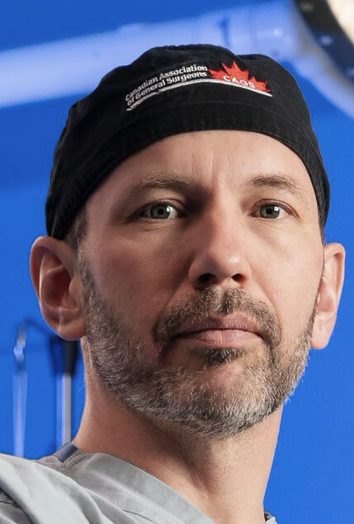 Carl J. Brown合作论文数Department of Surgery, Faculty of Medicine, The University of British Columbia;Centre for Advancing Health Outcomes17
 Adena Scheer合作论文数Department of Surgery, University of Toronto;St. Michael's Hospital;Li Ka Shing Research Institute17
 Robin McLeod合作论文数Department of Surgery, Temerty Faculty of Medicine, University of Toronto17
 Alice Wei合作论文数David M. Rubenstein Center for Pancreatic Cancer Research, Memorial Sloan Kettering Monmouth;Weill-Cornell School of Medicine17
 Toni Zhong合作论文数Department of Surgery, Temerty Faculty of Medicine, University of Toronto;Mount Sinai Hospital, University Health Network;Margaret Hospital, University Health Network;Toronto General Hospital, University Health Network;Division of Plastic, Reconstructive and Aesthetic Surgery, University of Toronto16Wilton Andrew S合作论文数16
 Steven Gallinger合作论文数Department of Surgery, Temerty Faculty of Medicine, University of Toronto16
 Robert Madoff合作论文数Department of Surgery, University of Minnesota Medical School15
 Fayez Quereshy合作论文数15
 Craig Earle合作论文数Department of Medicine, University of Toronto;Canadian Partnership Against Cancer;Sunnybrook Research Institute15
 Yvonne Bombard合作论文数Institute of Health Policy, Management and Evaluation, University of Toronto15
 Chloe Mighton合作论文数Sinai Hlth, Lunenfeld Tanenbaum Res Inst14Colin Sue-Chue-Lam合作论文数Inst Hlth Policy Management & Evaluat, Univ Toronto14E. Kennedy合作论文数14
 Nicole Look Hong合作论文数Department of Surgery, Temerty Faculty of Medicine, University of Toronto;Institute of Health Policy, Management and Evaluation, University of Toronto;Division of Surgical Oncology, Sunnybrook Health Sciences Centre;Sunnybrook Research Institute14
 Charles De Mestral合作论文数Department of Surgery, Temerty Faculty of Medicine, University of Toronto14
 Teodor Grantcharov合作论文数Department of Surgery, Temerty Faculty of Medicine, University of Toronto14
 Jordan Lerner-Ellis合作论文数Department of Laboratory Medicine and Pathobiology, Temerty Faculty of Medicine, University of Toronto14
 Therese A. Stukel合作论文数Institute of Health Policy, Management and Evaluation, University of Toronto;The Dartmouth Institute for Health Policy & Clinical Practice;Institute for Clinical Evaluative Sciences14
 Peter Austin合作论文数Institute of Health Policy, Management and Evaluation, University of Toronto;Sunnybrook Research Institute;Institute for Clinical Evaluative Sciences14




