BACKGROUND AND OBJECTIVES: Magnetic resonance-guided laser interstitial thermal therapy (MRgLITT) is an emerging minimally invasive alternative for epileptogenic cerebral cavernous malformations (CCMs). Available evidence is limited to small, single-center series. This multicenter study aimed to evaluate the efficacy and safety of MRgLITT for epileptogenic CCMs (eCCMs) in heterogeneous real-world practice and identify factors that may guide patient selection and technique. METHODS: In this multicenter retrospective cohort study with no overlap to previous series, 23 adult patients with eCCMs underwent MRgLITT at 6 institutions between 2015 and 2023. Seizure outcomes were analyzed for 19 patients with ≥ 1-year follow-up. Patient characteristics and adverse events were reported for all patients. RESULTS: Of 23 patients, 60.9% (14/23) were men, and median age was 50.5 (range 18.0-70.4 years). The median duration from epilepsy diagnosis to treatment was 10 years (range 1-42 years). Lesions were targeted in the left hemisphere in 60.9% (14/23) and to the temporal lobe in 65.2% (15/23). Engel class I seizure freedom was achieved in 57.8% (11/19) at 1 year, all of whom remained seizure free at last follow-up (median 2.2 years, range 1.0-8.6 years). Engel class I-II (favorable) outcomes were achieved in 68.4% (13/19) at 1 year and 73.7% (14/19) at last follow-up. Shorter duration of epilepsy before treatment was associated with seizure freedom (median 8.4 vs 25.5 years, P = .026). Fully concordant presurgical workup was associated with favorable outcome (odds ratio not estimable, 95% CI [0.81, ∞], P = .045) at last follow-up. Perioperative hemorrhage was detected in 3 patients (13.0%), all asymptomatic, with no subsequent hemorrhage during follow-up. Three patients (13.0%) experienced transient neurological deficits. One (4.3%) had a persistent deficit at last follow-up. CONCLUSION: MRgLITT is a promising minimally invasive option for carefully selected patients with eCCMs. Shorter epilepsy duration and concordant presurgical evaluation may predict favorable outcome.
Surgical site infections (SSIs) represent a significant burden to patients and healthcare systems. We sought to identify risk factors associated with post-operative SSIs for patients undergoing surgery for the resection of an intracranial meningioma. The authors retrospectively reviewed records of meningioma patients who had undergone surgical resection at a single institution between January 2005 and December 2020. Demographics, clinical characteristics, and preoperative nutrition indices were collected through manual chart review. Scalp incisions were categorized as linear/curvilinear, reverse question mark, trapdoor or frontotemporal. The Mann-Whitney U and Fisher exact tests were used for bivariate analyses of continuous variables and categorical variables respectively. Multivariate logistic regression was used to assess factors associated with SSI. A total of 304 meningioma cases were identified, 15 (4.9
Frailty indices are invaluable resources in risk stratification and predicting high-value care outcomes for neurosurgical patients. The Hospital Frailty Risk Score (HFRS) is a recently developed and validated method for evaluating frailty; however, its implementation has yet to be assessed in patients with non-functioning pituitary adenomas undergoing endoscopic endonasal resection. In this study, we aimed to evaluate HFRS’s predictive ability for high-value care outcomes, namely postoperative complications, length of stay (LOS), and hospital charges, and to compare it to other traditionally used frailty indices. A retrospective review of electronic medical records from 2017 to 2020. A total of 109 ICD-10 codes corresponding to various frailty-related conditions were used to identify the components of HFRS. These components were then used to calculate the HFRS for each patient, with higher scores indicative of elevated frailty. Standard multivariate logistic regression models were employed to explore the association between HFRS and high-value care outcomes. Model discrimination was assessed using the area under the ROC curves, and the DeLong test was used to compare AUCs. A total of 172 patients were included, with a mean age of 57.27 ± 12.95 years and an average HFRS score of 3.65 ± 3.27. Among patients, 56
Social determinants of health including neighborhood socioeconomic status, have been established to play a profound role in overall access to care and outcomes in numerous specialized disease entities. To provide glioblastoma multiforme (GBM) patients with high-quality care, it is crucial to identify predictors of hospital length of stay (LOS), discharge disposition, and access to postoperative adjuvant chemoradiation. In this study, we incorporate a novel neighborhood socioeconomic status index (NSES) and develop three predictive algorithms for assessing post-operative outcomes in GBM patients, offering a tool for preoperative risk stratification of GBM patients. Adult GBM patients who underwent surgical resection from a single center were identified; NSES was identified via patient street address of residence, with lower scores representing disadvantaged neighborhoods. Multivariate logistic regression analysis was used to predict high value care outcomes. The Hosmer–Lemeshow test was used to assess model calibration. A total of 467 patients were included, with a mean age of 59.85 ± 13.21 years and 58.7 https://neurooncsurgery4.shinyapps.io/GBM_NSES_Caclulator/ NSES scores are readily available and may be utilized via our open-access calculators. After external validation, our predictive models have the potential to assist in providing patients with individualized risk estimates for post-operative outcomes following GBM resection.
Objective: Brain metastases (BM) are the most common adult intracranial tumors, representing a significant source of morbidity in patients with systemic malignancy. Frailty indices, including 11- and 5-factor modified frailty indices (mFI-11 and mFI-5), American Society of Anesthesiologists (ASA) physical status classification, and Charlson Comorbidity Index (CCI), have recently demonstrated an important role in predicting high-value care outcomes in neurosurgery. This study aims to investigate the efficacy of the newly developed Hospital Frailty Risk Score (HFRS) on postoperative outcomes in BM patients. Methods: Adult patients with BM treated surgically at a single institution were identified (2017-2019). HFRS was calculated using ICD-10 codes, and patients were subsequently separated into low (<5), intermediate (5-15), and high (>15) HFRS cohorts. Multivariate logistic regressions were utilized to identify associations between HFRS and complications, length of stay (LOS), hospital charges, and discharge disposition. Model discrimination was assessed using receiver operating characteristic (ROC) curves. Results: A total of 356 patients (mean age: 61.81 +/- 11.63 years; 50.6 % female) were included. The mean +/- SD for HFRS, mFI-11, mFI-5, ASA, and CCI were 6.46 +/- 5.73, 1.31 +/- 1.24, 0.95 +/- 0.86, 2.94 +/- 0.48, and 8.69 +/- 2.07, respectively. On multivariate analysis, higher HFRS was significantly associated with greater complication rate (OR=1.10, p<0.001), extended LOS (OR=1.13, p<0.001), high hospital charges (OR=1.14, p<0.001), and nonroutine discharge disposition (OR=1.12, p<0.001), and comparing the ROC curves of mFI-11, mFI-5, ASA,and CCI, the predictive accuracy of HFRS was the most superior for all four outcomes assessed. Conclusion: The predictive ability of HFRS on BM resection outcomes may be superior than other frailty indices, offering a new avenue for routine preoperative frailty assessment and for managing postoperative expectations.
OBJECTIVE:There is limited consensus regarding management of spinal epidural abscesses (SEAs), particularly in patients without neurologic deficits. Several models have been created to predict failure of medical management in patients with SEA. We evaluate the external validity of 5 predictive models in an independent cohort of patients with SEA. METHODS:One hundred seventy-six patients with SEA between 2010 and 2019 at our institution were identified, and variables relevant to each predictive model were collected. Published prediction models were used to assign probability of medical management failure to each patient. Predicted probabilities of medical failure and actual patient outcomes were used to create receiver operating characteristic (ROC) curves, with the area under the receiver operating characteristic curve used to quantify a model's discriminative ability. Calibration curves were plotted using predicted probabilities and actual outcomes. The Spiegelhalter z-test was used to determine adequate model calibration. RESULTS:One model (Kim et al) demonstrated good discriminative ability and adequate model calibration in our cohort (ROC = 0.831, P value = 0.83). Parameters included in the model were age >65, diabetes, methicillin-resistant Staphylococcus aureus infection, and neurologic impairment. Four additional models did not perform well for discrimination or calibration metrics (Patel et al, ROC = 0.580, P ≤ 0.0001; Shah et al, ROC = 0.653, P ≤ 0.0001; Baum et al, ROC = 0.498, P ≤ 0.0001; Page et al, ROC = 0.534, P ≤ 0.0001). CONCLUSIONS:Only 1 published predictive model demonstrated acceptable discrimination and calibration in our cohort, suggesting limited generalizability of the evaluated models. Multi-institutional data may facilitate the development of widely applicable models to predict medical management failure in patients with SEA.
BACKGROUND: Socioeconomic status (SES) is a major remains difficult to measure comprehensively. Distress communities index (DCI), a composite of 7 socioeconomic factors, has been increasingly recognized for its correlation with poor outcomes. As a result, the objective of the present study is to determine the predictive value of the DCI on outcomes following intracranial tumor surgery. METHODS: A single institution, retrospective review was conducted to identify adult intracranial tumor patients-ndergoing resection (2016-2021). Patient ZIP codes were matched to DCI and stratified by DCI quartiles (low:0-24.9, low-intermediate:25-49.9, intermediate-high:50-74.9, high:75-100). Univariate followed by multivariate regressions assessed the effects of DCI on postoperative outcomes. Receiver operating curves were generated for significant outcomes. RESULTS: A total of 2389 patients were included: 1015 patients (42.5%) resided in low distress communities, 689 (28.8%) in low-intermediate distress communities, 445 (18.6%) in intermediate-high distress communities, and 240 (10.0%) in high distress communities. On multivariate analysis, risk of fracture (adjusted odds ratio = 1.60, 95% confidence interval 1.26-2.05, P < 0.001) and 90-day mortality (adjusted odds ratio = 1.58, 95% confidence interval 1.21-2.06, P < 0.001) increased with increasing DCI quartile. Good predictive accuracy was observed for both models, with receiver operating curves of 0.746 (95% CI 0.720-0.766) for fracture and 0.743 (95% CI 0.714-0.772) for 90-day mortality. CONCLUSIONS: Intracranial tumor patients from distressed communities are at increased risk for adverse events and death in the postoperative period. DCI may be a useful, holistic measure of SES that can help risk stratifying patients and should be considered when building healthcare pathways.
Abstract Presenting with dismal prognoses, treatment of multifocal GBM (mGBM) requires extensive medical infrastructure. Individualized assessment for patients at risk of extended length of stay (LOS) and nonroutine discharge disposition, described as high-value healthcare outcomes, has not previously been described. To develop predictive models for extended LOS and nonroutine discharge disposition for mGBM patients. All mGBM patients undergoing surgical resection at our institution (January 1, 2009-December 31, 2020) were included. Predictive models for nonroutine discharge disposition (discharge to a non-home environment) and extended LOS [upper quartile of the LOS for all patients included in the present study’s cohorts (>6 days)] were developed using multivariate logistic regression models. Optimism-corrected C-statistics for each model were calculated using 1000 bootstrapped samples in order to correct for potential bias associated with the limited population size. The Hosmer-Lemeshow test was used to evaluate model goodness of fit and calibration. A total of 137 mGBM patients were included in the present study. Most patients were male (40.1%), white (83.2%), not Hispanic/Latino (97.8%), not married (55.5%) and underwent elective surgery (85.4%). The average age among our patient cohort was 55.41 ± 13.17, the average KPS score was 77.23 ± 14.54 and the average mFI-5 was 0.613 ± 0.760. On bivariate analysis, older age (p=0.015) and decreasing Karnofsky Performance Status (KPS) score (p<0.001) were significantly associated with nonroutine discharge disposition while emergency admission (p=0.010) and increasing frailty (mFI-5) score (p=0.003) were significantly associated with extended LOS. On multivariate analysis, increasing age (p=0.031) and decreasing KPS (p<0.001) predicted nonroutine discharge while emergent admission (p=0.023) and greater mFI-5 (p=0.044) predicted extended LOS. Our models for nonroutine discharge and extended LOS had optimism-correct c-statistics of 0.7507 and 0.7309 respectively and displayed adequate calibration. Following external validation, our models may have utility as a risk stratification tool for this multifocal GBM patient populations.
- OBJECTIVE: The Hospital Frailty Risk Score (HFRS) is a tool for quantifying patient frailty using International Classification of Diseases, Tenth Revision codes. This study aimed to determine the utility of the HFRS in predicting surgical outcomes after resection of glioblastoma (GBM) and compare its prognostic ability with other validated indices such as American Society of Anesthesiologists score and Charlson Comorbidity Index. - METHODS: A retrospective analysis was conducted using a GBM patient database (2017 e2019) at a single institution. HFRS was calculated using International Classification of Diseases, Tenth Revision codes. Bivariate logistic regression was used to model prognostic ability of each frailty index, and model discrimination was assessed using area under the receiver operating characteristic curve. Multivariate linear and logistic regression models were used to assess for significant associations between HFRS and continuous and binary postoperative outcomes, respectively. - RESULTS: The study included 263 patients with GBM. The HFRS had a significantly greater area under the receiver operating characteristic curve compared with American Society of Anesthesiologists score ( P = 0.016) and Charlson Comorbidity Index ( P = 0.037) for predicting 30 -day readmission. On multivariate analysis, the HFRS was significantly and independently associated with hospital length of stay ( P = 0.0038), nonroutine discharge ( P = 0.018), and 30 -day readmission ( P = 0.0051). - CONCLUSIONS: The HFRS has utility in predicting postoperative outcomes for patients with GBM and more effectively predicts 30 -day readmission than other frailty indices. The HFRS may be used as a tool for optimizing clinical decision making to reduce adverse postoperative outcomes in patients with GBM.
OBJECTIVE Chordomas are rare malignant bone tumors whose location in the skull base or spine, invasive surgical treatment, and accompanying adjuvant radiotherapy may all lead patients to experience poor quality of life (QOL). Limited research has been conducted on specific demographic and clinical factors associated with decreased QOL in chordoma survivors. Thus, the aim of the present study was to investigate several potential variables and their impact on specific QOL domains in these patients as well the frequencies of specific QOL challenges within these domains. METHODS The Chordoma Foundation (CF) Survivorship Survey was electronically distributed to chordoma survivors subscribed to the CF Chordoma Connections forum. Survey questions assessed QOL in three domains: physical, emotional/cognitive, and social. The degree of impairment was assessed by grouping the participants into high- and low-challenge groups designated by having ≥ 5 or < 5 symptoms or challenges within a given QOL domain. Bivariate analysis of demographic and clinical characteristics between these groups was conducted using Fisher’s exact test and the Mann-Whitney U-test. RESULTS A total of 665 chordoma survivors at least partially completed the survey. On bivariate analysis, female sex was significantly associated with increased odds of significant emotional (p = 0.001) and social (p = 0.019) QOL burden. Younger survivors (age < 65 years) were significantly more likely to experience significant physical (p < 0.0001), emotional (p < 0.0001), and social (p < 0.0001) QOL burden. Skull base chordoma survivors had significantly higher emotional/cognitive QOL burden than spinal chordoma survivors (p = 0.022), while the converse was true for social QOL challenges (p = 0.0048). Survivors currently in treatment were significantly more likely to experience significant physical QOL challenges compared with survivors who completed their treatment > 10 years ago (p = 0.0074). Fear of cancer recurrence (FCR) was the most commonly reported emotional/cognitive QOL challenge (49.6%). Only 41% of the participants reported having their needs met for their physical QOL challenges as well as 25% for emotional/cognitive and 18% for social. CONCLUSIONS The authors’ findings suggest that younger survivors, female survivors, and survivors currently undergoing treatment for chordoma are at high risk for adverse QOL outcomes. Additionally, although nearly half of the participants reported a FCR, very few reported having adequate emotional/cognitive care. These findings may be useful in identifying specific groups of chordoma survivors vulnerable to QOL challenges and bring to light the need to expand care to meet the QOL needs for these patients.
In the current landscape of evidence-based medicine, prospective clinical trials are an important avenue through which to establish the efficacy and safety of biomedical treatments compared with standard-of-care interventions. Depending on their scope and aims, clinical trials can be extremely costly and time intensive, and significant coordination is needed to ensure optimal utilization of healthcare resources, adherence to the principles of biomedical ethics, and appropriate interpretation of study results. This review highlights the core principles for designing and implementing clinical trials within neurosurgery, with the aim to provide clinicians with a framework for implementing both investigator-initiated and industry-sponsored trials.
BACKGROUND:An estimated 50 million Americans receive Medicare health care coverage. Prior studies have established a downward trend in Medicare reimbursement for commonly billed surgical procedures, but it is unclear whether these trends hold true across all neurosurgical procedures.OBJECTIVE:To assess trends in utilization, charges, and reimbursement by Medicare for neurosurgical procedures after passage of the Affordable Care Act in 2010.METHODS:We review yearly Physician/Supplier Procedure Summary datasets from the Centers for Medicare and Medicaid Services for all procedures billed by neurosurgeons to Medicare Part B between 2011 and 2019. Procedural coding was categorized into cranial, spine, vascular, peripheral nerve, and radiosurgery cases. Weighted averages for charges and reimbursements adjusted for inflation were calculated. The ratio of the weighted mean reimbursement to weighted mean charge was calculated as the reimbursement-to-charge ratio, representing the proportion of charges reimbursed by Medicare.RESULTS:Overall enrollment-adjusted utilization decreased by 12.1%. Utilization decreased by 24.0% in the inpatient setting but increased by 639% at ambulatory surgery centers and 80.2% in the outpatient setting. Inflation-adjusted, weighted mean charges decreased by 4.0% while reimbursement decreased by 4.6%. Procedure groups that saw increases in reimbursement included cervical spine surgery, cranial functional and epilepsy procedures, cranial pain procedures, and endovascular procedures. Ambulatory surgery centers saw the greatest increase in charges and reimbursements.CONCLUSION:Although overall reimbursement declined across the study period, substantial differences emerged across procedural categories. We further find a notable shift in utilization and reimbursement for neurosurgical procedures done in non-inpatient care settings.
OBJECTIVE In recent years, frailty indices such as the 11- and 5-factor modified frailty indices (mFI-11 and mFI-5), American Society of Anesthesiologists (ASA) physical status classification, and Charlson Comorbidity Index (CCI) have been shown to be effective predictors of various postoperative outcomes in neurosurgical patients. The Hospital Frailty Risk Score (HFRS) is a well-validated tool for assessing frailty; however, its utility has not been evaluated in intracranial tumor surgery. In the present study, the authors investigated the accuracy of the HFRS in predicting outcomes following intracranial tumor resection and compared its utility to those of other validated frailty indices. METHODS A retrospective analysis was conducted using an intracranial tumor patient database at a single institution. Patients eligible for study inclusion were those who had undergone resection for an intracranial tumor between January 1, 2017, and December 31, 2019. ICD-10 codes were used to identify HFRS components and subsequently calculate risk scores. In addition to several postoperative variables, ASA class, CCI, and mFI-11 and mFI-5 scores were determined for each patient. Model discrimination was assessed using the area under the receiver operating characteristic curve (AUROC), and the DeLong test was used to assess for significant differences between AUROCs. Multivariate models for continuous outcomes were constructed using linear regression, whereas logistic regression models were used for categorical outcomes. RESULTS A total of 2518 intracranial tumor patients (mean age 55.3 ± 15.1 years, 53.4% female, 70.4% White) were included in this study. The HFRS had a statistically significant greater AUROC than ASA status, CCI, mFI-11, and mFI-5 for postoperative complications, high hospital charges, nonroutine discharge, and 90-day readmission. In the multivariate analysis, the HFRS was significantly and independently associated with postoperative complications (OR 1.14, p < 0.0001), hospital length of stay (coefficient = 0.50, p < 0.0001), high hospital charges (coefficient = 1917.49, p < 0.0001), nonroutine discharge (OR 1.14, p < 0.0001), and 90-day readmission (OR 1.06, p < 0.0001). CONCLUSIONS The study findings suggest that the HFRS is an effective predictor of postoperative outcomes in intracranial tumor patients and more effectively predicts adverse outcomes than other frailty indices. The HFRS may serve as an important tool for reducing patient morbidity and mortality in intracranial tumor surgery.
BACKGROUND AND OBJECTIVES: Sacroiliac (SI) joint dysfunction constitutes a leading cause of pain and disability. Although surgical arthrodesis is traditionally performed under open approaches, the past decade has seen a rise in minimally invasive surgical (MIS) techniques and new federally approved devices for MIS approaches. In addition to neurosurgeons and orthopedic surgeons, proceduralists from nonsurgical specialties are performing MIS procedures for SI pathology. Here, we analyze trends in SI joint fusions performed by different provider groups, along with trends in the charges billed and reimbursement provided by Medicare. METHODS: We review yearly Physician/Supplier Procedure Summary data from 2015 to 2020 from the Centers for Medicare and Medicaid Services for all SI joint fusions. Patients were stratified as undergoing MIS or open procedures. Utilization was adjusted per million Medicare beneficiaries and weighted averages for charges and reimbursements were calculated, controlling for inflation. Reimbursement-to-charge (RCR) ratios were calculated, reflecting the proportion of provider billed amounts reimbursed by Medicare. RESULTS: A total of 12 978 SI joint fusion procedures were performed, with the majority (76.5%) being MIS procedures. Most MIS procedures were performed by nonsurgical specialists (52.1%) while most open fusions were performed by spine surgeons (71%). Rapid growth in MIS procedures was noted for all specialty categories, along with an increased number of procedures offered in the outpatient setting and ambulatory surgical centers. The overall RCR increased over time and was ultimately similar between spine surgeons (RCR = 0.26) and nonsurgeon specialists (RCR = 0.27) performing MIS procedures. CONCLUSION: Substantial growth in MIS procedures for SI pathology has occurred in recent years in the Medicare population. This growth can largely be attributed to adoption by nonsurgical specialists, whose reimbursement and RCR increased for MIS procedures. Future studies are warranted to better understand the impact of these trends on patient outcomes and costs.
OBJECTIVE: To the best of our knowledge, prior research has not investigated the uncertainty in the relationship between patient frailty and postoperative outcomes after brain tumor surgery. The present study used Bayesian methods to quantify the statistical uncertainty between the 5-factor modified frailty index (mFI-5) and postoperative outcomes for patients undergoing brain tumor resection. METHODS: The present study used retrospective data collected from patients undergoing brain tumor resection during a 2-year period (2017-2019). Posterior probability distributions were used to estimate the means of model parameters that are most likely given the priors and the data. Additionally, 95% credible intervals (CrIs) were constructed for each parameter estimate. RESULTS: Our patient cohort included 2519 patients with a mean age of 55.27 years. Our multivariate analysis demonstrated that each 1-point increase in the mFI-5 score was associated with an 18.76% (95% CrI, 14.35%-23.36%) increase in hospital length of stay and a 9.37% (CrI, 6.82%-12.07%) increase in hospital charges. We also noted an association between an increasing mFI-5 score and greater odds of a postoperative complication (odds ratio [OR], 1.58; CrI, 1.34-1.87) and a nonroutine discharge (OR, 1.54; CrI, 1.34-1.80). However, no meaningful statistical association was found between the mFI-5 score and 90-day hospital readmission (OR, 1.16; CrI, 0.98-1.36) or between the mFI-5 score and 90-day mortality (OR, 1.12; CrI, 0.83-1.50). CONCLUSIONS: Although mFI-5 scores might be able to effectively predict short-term outcomes such as length of stay, our results demonstrate no meaningful association between mFI-5 scores and 90-day readmission or 90-day mortality. Our study highlights the need for rigorously quantifying statistical uncertainty to safely risk-stratify neurosurgical patients.
BACKGROUND AND OBJECTIVES: Despite the extensive amount of research aimed at comparing patient outcomes between microscopic transsphenoidal surgery (MTSS) and endoscopic transsphenoidal surgery (ETSS) approaches, there has been relatively little recent investigation into the nationwide utilization and reimbursement trends of both techniques. This study aimed to identify trends in pituitary tumor surgery utilization, charges to Medicare, and reimbursement dependent on (1) MTSS/ETSS surgery type, (2) provider type (ie, neurosurgeon vs ear, nose, and throat), and (3) cosurgery status. METHODS: This study used publicly available data from the Medicare Physician/Supplier Procedure Summary for the years 2010-2020. Linear regression was used to quantify temporal trends for submitted service counts, submitted charges, reimbursements, and reimbursement -to -charge across the 2010-2020 period. RESULTS: Regarding service count trends from 2010 to 2020, our results demonstrate a significant increase in ETSS utilization (beta(1) = 1.55, CI = 0.99-2.12, P < .001), a significant decrease in MTSS utilization (beta(1) = -0.86, CI = -1.21 to -0.51, P < .001), a significant increase in services submitted by otolaryngologists (beta(1) = 0.59, CI = 0.24-0.93, P = .0040), and a significant increase in cosurgeries (beta(1) = 1.03, CI = 0.24-0.93, P = .0051). Importantly, our results also demonstrated a significant decrease in reimbursements for ETSS procedures (beta(1) = -12.74, CI = -22.38 to -3.09, P= .015) and for pituitary tumor surgeries submitted by neurosurgeons specifically (beta(1) = -41.56, CI = -51.67 to -31.63, P < .0001). CONCLUSION: Our results demonstrated a significant increase in ETSS utilization and a significant decrease in MTSS utilization. We also noted a significant decrease in reimbursements for ETSS procedures and among procedures submitted by neurosurgeons specifically. We hope that our study highlights nationwide utilization and reimbursement patterns that may be useful for guiding future reimbursement -oriented policy development.
-OBJECTIVE: Skull base chordoma is a rare and locally destructive malignancy which presents unique therapeutic challenges. While achieving gross total resection (GTR) confers the greatest survival advantage, the role of adju-vant radiotherapy (RT) for patients who receive GTR re-mains unclear in the absence of prospective trials. Here, we aim to assess the effect of RT on survival outcomes in skull base chordoma patients who receive GTR by utilizing the Surveillance, Epidemiology, and End Results (SEER) database.-METHODS: Patients with diagnostic, primary site, and resection codes specific for chordoma, skull base, and GTR, respectively, were queried in the SEER database (2000-2018). Kaplan-Meier curves (log-rank test) were constructed and Cox proportional hazards models were used to assess survival outcomes.-RESULTS: A total of 115 skull base chordomas under-going GTR were identified, of which 37 (32%) received no RT and 78 (68%) received RT. Median follow-up was 55.00 months (range: 0.00-227.00). Overall survival (OS) of patients with GTR was 85% and 70% at 5 and 10 years, respectively. Multivariate Cox proportional hazard analysis among chordoma patients undergoing GTR found age double dagger 65 (P < 0.01) was associated with poorer OS outcomes. RT appeared to trend toward offering benefit in terms of OS in patients after GTR, however this did not achieve statistical significance in the adjusted model (HR = 0.51, CI = 0.23-1.16, P = 0.09). When comparing, disease-specific survival was also not improved in patients undergoing RT (HR = 0.58, CI = 0.23-1.46, P = 0.25).-CONCLUSIONS: It remains unclear whether RT after GTR of chordoma improved survival outcomes among SEER database patients.
High-value health care has become a widely researched topic within neurosurgery. The concept of "high-value" care involves optimizing resource expenditures relative to patient outcomes, and therefore, high-value care research within neurosurgery has involved identifying prognostic factors for outcomes such as hospital length of stay, discharge disposition, monetary charges/costs incurred during hospitalization, and hospital readmission. The following article will discuss the motivation of high-value health-care research for optimizing the surgical treatment of intracranial meningiomas, highlight recent research investigating high-value care outcomes in patients with intracranial meningioma, and explore future avenues for high-value care research in this patient population.
ABS T R A C T Objective: To gauge resident knowledge in the socioeconomic aspects of neurosurgery and assess the efficacy of an asynchronous, longitudinal, web-based, socioeconomics educational program tailored for neurosurgery residents. Methods: Trainees completed a 20-question pre-and post-intervention knowledge examination including four educational categories: billing/coding, procedure-specific concepts, material costs, and operating room pro-tocols. Structured data from 12 index cranial neurosurgical operations were organized into 5 online, case-based modules sent to residents within a single training program via weekly e-mail. Content from each educational category was integrated into the weekly modules for resident review. Results: Twenty-seven neurosurgical residents completed the survey. Overall, there was no statistically significant difference between pre-vs post-intervention resident knowledge of billing/coding (79.2 % vs 88.2 %, p = 0.33), procedure-specific concepts (34.3 % vs 39.2 %, p = 0.11), material costs (31.7 % vs 21.6 %, p = 0.75), or operating room protocols (51.7 % vs 35.3 %, p = 0.61). However, respondents' accuracy increased significantly by 40.8 % on questions containing content presented more than 3 times during the 5-week study period, compared to an increased accuracy of only 2.2 % on questions containing content presented less often during the same time period (p = 0.05). Conclusions: Baseline resident knowledge in socioeconomic aspects of neurosurgery is relatively lacking outside of billing/coding. Our socioeconomic educational intervention demonstrates some promise in improving so-cioeconomic knowledge among neurosurgery trainees, particularly when content is presented frequently. This decentralized, web-based approach to resident education may serve as a future model for self-driven learning initiatives among neurosurgical residents with minimal disruption to existing workflows.
BACKGROUND: Research on the effects of substance use disorders (SUDs) on postoperative outcomes within neurosurgical oncology has been limited. Therefore, the present study sought to quantify the effect of having a SUD on hospital length of stay, postoperative complication incidence, discharge disposition, hospital charges, 90-day readmission rates, and 90-day mortality rates following brain tumor surgery. METHODS: The present study used data from patients who received surgical resection for brain tumor at a single institution between January 1, 2017, and December 31, 2019. The Mann-Whitney U test was used for bivariate analysis of continuous variables and Fisher exact test was used for bivariate analysis of categorical variables. Multivariate analysis was conducted using logistic regression models. RESULTS: Our study cohort included a total of 2519 patients, 124 (4.9%) of whom had at least 1 SUD. More specifically, 90 (3.6%) patients had an alcohol use disorder, 27 (1.1%) had a cannabis use disorder, and 12 (0.5%) had an opioid use disorder. On bivariate analysis, 90-day hospital readmission was the only postoperative outcome significantly associated with a SUD (odds ratio 2.21, P = 0.0011). When controlling for patient age, sex, race, marital status, insurance, brain tumor diagnosis, 5-factor modified frailty index score, American Society of Anesthesiologists score, and surgery number, SUDs remained significantly and independently associated with 90-day readmission (odds ratio 1.82, P = 0.013). CONCLUSIONS: In patients with brain tumor, SUDs significantly and independently predict 90-day hospital readmission after surgery. Targeted management of patients with SUDs before and after surgery can optimize patient outcomes and improve the provision of high-value neurosurgical care.
 Debraj Mukherjee合作论文数Department of Neurosurgery, Johns Hopkins University School of Medicine61
 Adham M Khalafallah合作论文数Department of Neurological Surgery, University of Miami Miller School of Medicine39
 Bettegowda Chetan合作论文数The Johns Hopkins University17
 Tej D. Azad合作论文数Johns Hopkins Medicine15
 Sakibul Huq合作论文数Dept Neurosurg, Johns Hopkins Univ14
 Christina Jackson合作论文数Dept Neurosurg, Johns Hopkins Univ13
 Sachiv Chakravarti合作论文数12
 Henry Brem合作论文数Department of Neurosurgery, School of Medicine, The Johns Hopkins University12
 Gary L. Gallia合作论文数School of Medicine, Johns Hopkins University12
 Jose Porras合作论文数11J D Weingart合作论文数9
 Judy Huang合作论文数Department of Neurosurgery, School of Medicine, Johns Hopkins University8
 Pavan P Shah合作论文数Sch Med, Johns Hopkins Univ7
 Witham Timothy F合作论文数Johns Hopkins University School of Medicine7Kyle V Cicalese合作论文数6
 Shravika Lam合作论文数Sch Med, Vanderbilt Univ6
 David Botros合作论文数Dept Neurosurg, Johns Hopkins Univ6
 Palak Patel合作论文数Harvard Medical School, Massachusetts General Hospital;Harvard Medical School, Massachusetts General Hospital6Melanie A. Horowitz合作论文数5
 Cathleen C Kuo合作论文数Jacobs Sch Med & Biomed Sci, Univ Buffalo5
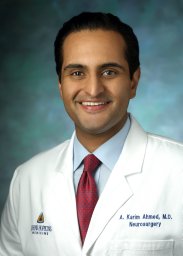 A Karim Ahmed合作论文数Department of Neurosurgery, Johns Hopkins Hospital5
 Foad Kazemi合作论文数Department of Neurosurgery, Iran University of Medical Sciences5Nicholas Rowan合作论文数Department of Radiation Oncology, Memorial Sloan-Kettering Cancer Center5Omar Azmeh合作论文数4Taija White合作论文数4James Feghali合作论文数4Hayden Dux合作论文数4Oren Wei合作论文数4
 Esther Wu合作论文数4
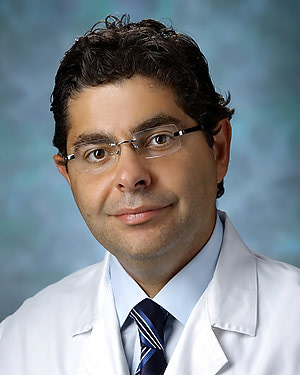 Ali Bydon合作论文数Department of Otolaryngology-Head and Neck Surgery, School of Medicine, Johns Hopkins University4
 Jon Weingart合作论文数Department of The Sidney Kimmel Comprehensive Cancer Center, School of Medicine, Johns Hopkins University4
 Rafael Tamargo合作论文数Department of Neurosurgery, School of Medicine, The Johns Hopkins University4
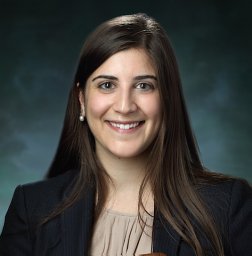 Rincon-Torroella Jordina合作论文数Faculty of Medicine, University of Barcelona4Leonardo A P Oliveira合作论文数3
 Andrew T. Schilling合作论文数Johns Hopkins University School of Medicine3
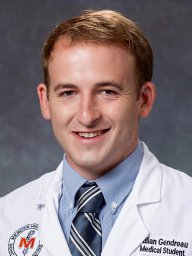 Julian Gendreau合作论文数Johns Hopkins Whiting Sch Engn3Jiaqi Liu合作论文数3
 Nicholas Theodore合作论文数St. Joseph’s Hospital and Medical Center, Barrow Neurological Institute3Maureen Rakovec合作论文数2Samantha Camp合作论文数2
 Kelly Jiang合作论文数2Sruthi Ranganathan合作论文数2Vismaya Bachu合作论文数2Paarth Sharma合作论文数2Megan Parker合作论文数2Sumil K Nair合作论文数Department of Neurosurgery, Johns Hopkins University School of Medicine2Shannon Lozinsky合作论文数2Sophie Liu合作论文数2
 Miguel A Jimenez合作论文数Department of Neurological Surgery, The University of Chicago Pritzker School of Medicine2




